
Fill An Entire Cart With Books For $50 At This One-Of-A-Kind Wisconsin Bookstore
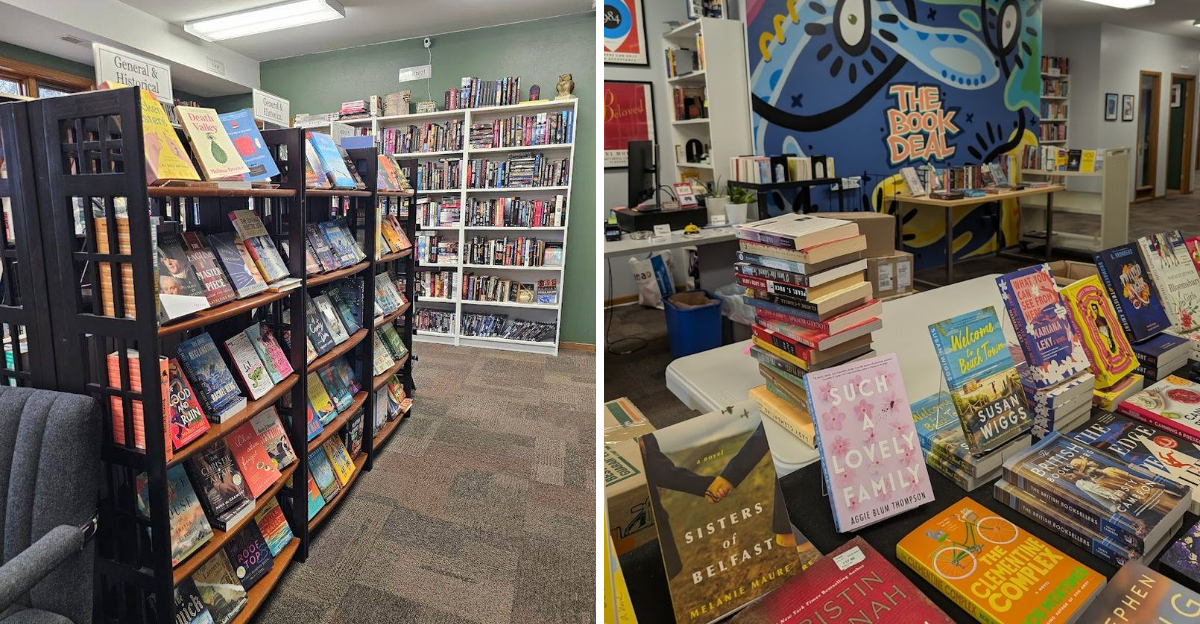
Ever walked into a bookstore for one book and left wondering how your arms got so full? That is exactly the kind of danger waiting in this Wisconsin book stop.
The whole place seems built for readers who love the thrill of finding “just one more” title. Shelves pull you in with novels, cookbooks, mysteries, memoirs, and books you forgot you wanted until they are suddenly in your hands.
Instead of making you choose carefully, the deal encourages you to keep browsing, keep stacking, and maybe grab a cart before things get serious. Could you really stop at only a few books when the price makes it this tempting? Probably not, and honestly, that is the fun of it.
The $50 Cart Deal Makes Book Shopping Feel Like A Treasure Hunt
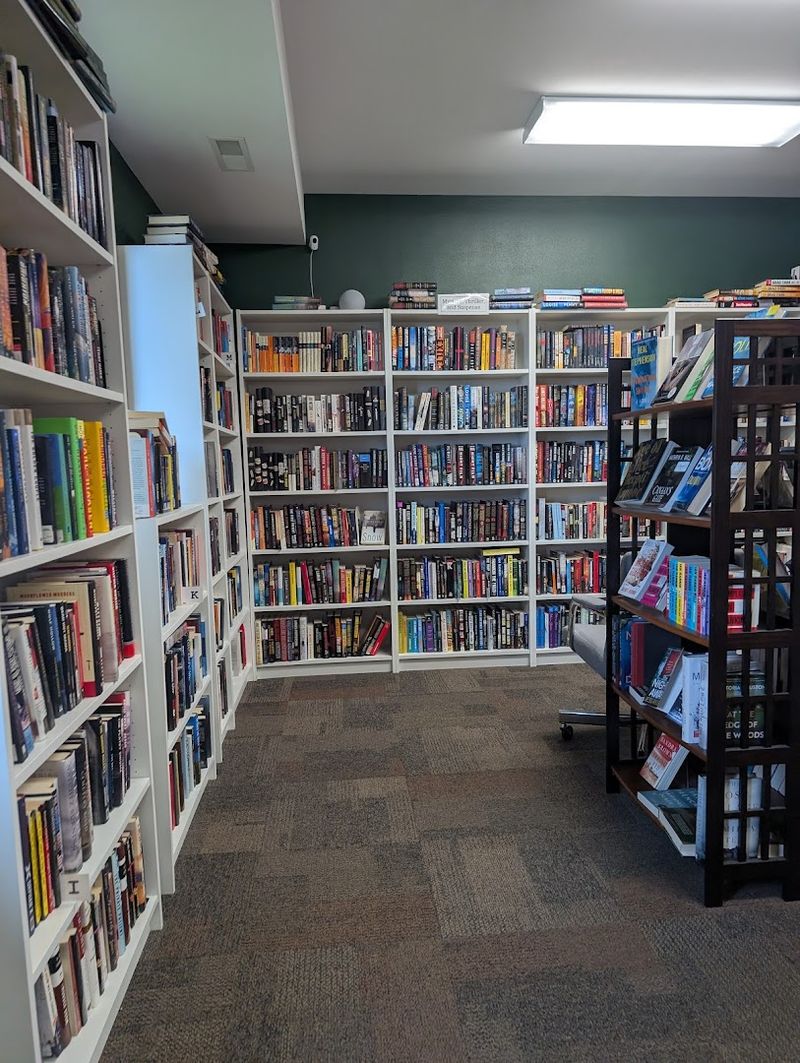
Filling a cart for exactly fifty dollars sounds straightforward until you realize most books cost less than eight dollars. Suddenly you are doing mental math while scanning spines, weighing paperbacks against hardcovers, calculating how many more mysteries will fit beside that cookbook collection.
The hunt becomes part of the pleasure.
Customers arrive with lists but leave with surprises. That biography you forgot existed sits next to the thriller everyone recommended three years ago.
The cart grows heavier as you move through rooms, and the challenge shifts from finding enough books to choosing which ones to leave behind.
Located at 3822 Mineral Point Road, Madison, Wisconsin the store operates daily from ten in the morning until six in the evening. The cart deal applies to the general stock, giving shoppers access to thousands of titles across every imaginable category.
People drive hours specifically for this opportunity, treating the trip as both shopping excursion and entertainment.
More Than 30,000 Used Books Fill The Madison Store
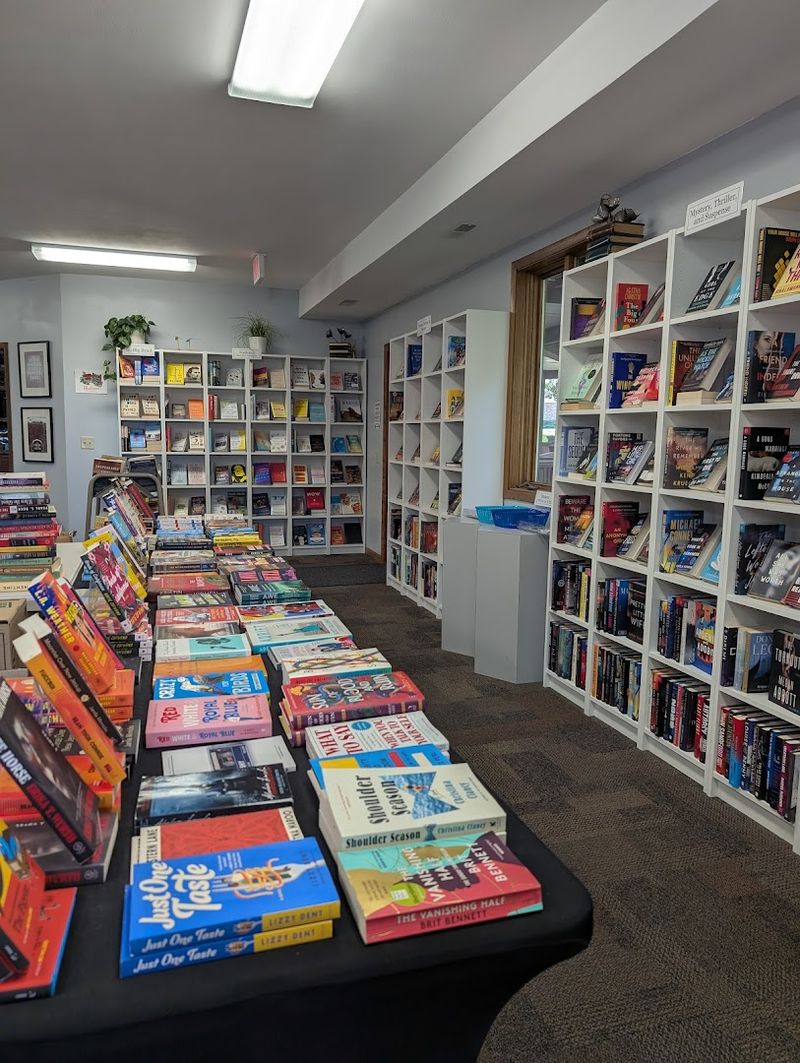
Walking into thirty thousand books feels different than walking into three hundred. The scale changes everything about how you browse, how you search, how you stumble across forgotten authors.
Shelves stretch higher than arm’s reach, organized by genre and then alphabetically within each category, making navigation possible despite the volume.
The inventory turns over constantly as people bring in trade-ins and new acquisitions arrive weekly. What you see one visit might be gone the next, replaced by entirely different titles.
This constant refresh keeps regular customers coming back, checking for additions to their favorite sections.
The building accommodates this massive collection by spreading across multiple rooms and a full basement level. Each space serves a purpose, whether housing fiction, nonfiction, children’s books, or specialty collections.
Large alphabet dividers mark where each new letter begins in author listings, a practical touch that saves considerable browsing time when you know exactly what you want.
Most Books Cost Less Than $8, So The Cart Fills Fast
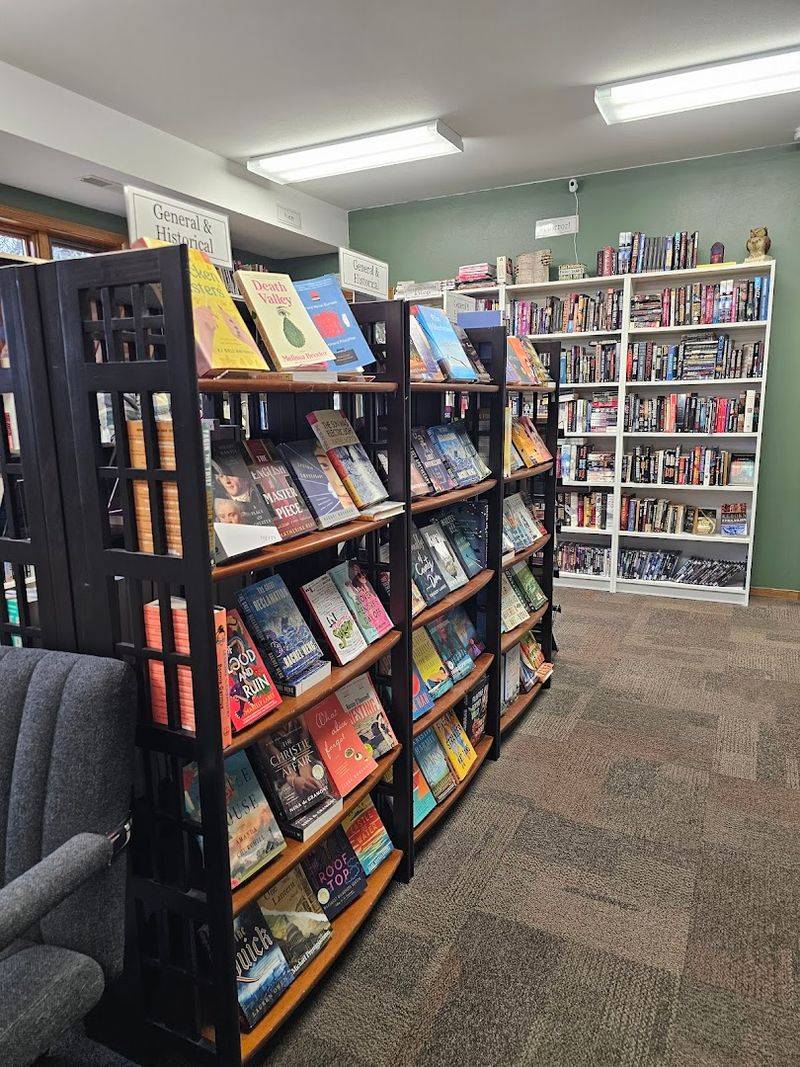
Pricing at The Book Deal follows logic that favors readers over profit margins. Paperbacks often sell for three or four dollars, hardcovers for five to seven, putting quality literature within reach of anyone who wants it.
These prices make the fifty-dollar cart deal genuinely remarkable in terms of volume.
Simple arithmetic reveals the advantage: at an average of five dollars per book, your cart holds ten titles. At four dollars average, you are looking at twelve or thirteen.
Careful selection of less expensive paperbacks can push that number past fifteen books, creating a haul that would cost several hundred dollars at retail prices.
The condition of these books surprises first-time visitors. Staff curates inventory carefully, accepting only books that meet quality standards.
Covers remain intact, pages stay clean, and bindings hold firm.
You are not sorting through damaged merchandise but rather gently used volumes that simply needed new homes after their previous owners finished reading them.
Kids Can Pick Out Free Books During Every Visit
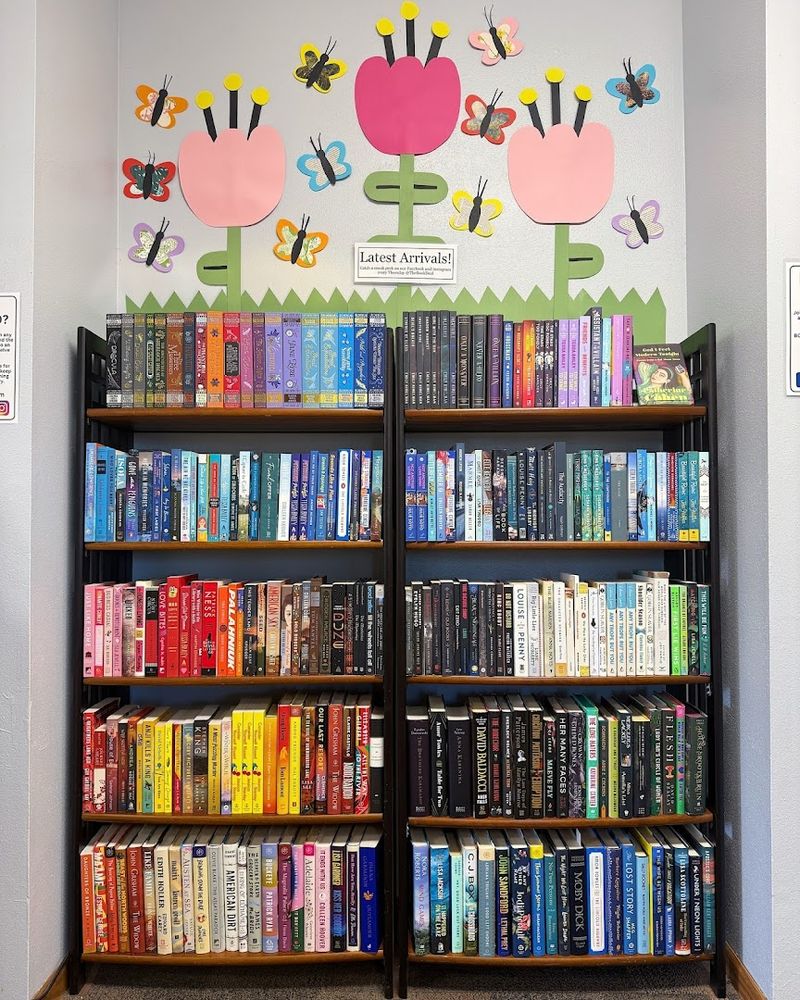
The free book room for children operates on a policy that seems too generous to be real: ten books per child, per visit, no purchase required. Parents arrive skeptical and leave converted, their children clutching small towers of picture books, early readers, and young adult novels.
This program serves the community in ways that extend beyond simple charity. Children who grow up with full bookshelves become lifelong readers.
Families on tight budgets can still provide their kids with fresh reading material. The gesture builds goodwill and introduces young customers who may become adult customers later.
The selection in the free room changes regularly as donations come in and popular titles cycle out. Staff members help children navigate choices when asked but generally let kids follow their own interests.
A toddler might leave with board books about trucks while their older sibling picks chapter books about magic schools.
Everyone finds something that matches their current reading level and curiosity.
The Store Has Separate Rooms For Different Book Categories
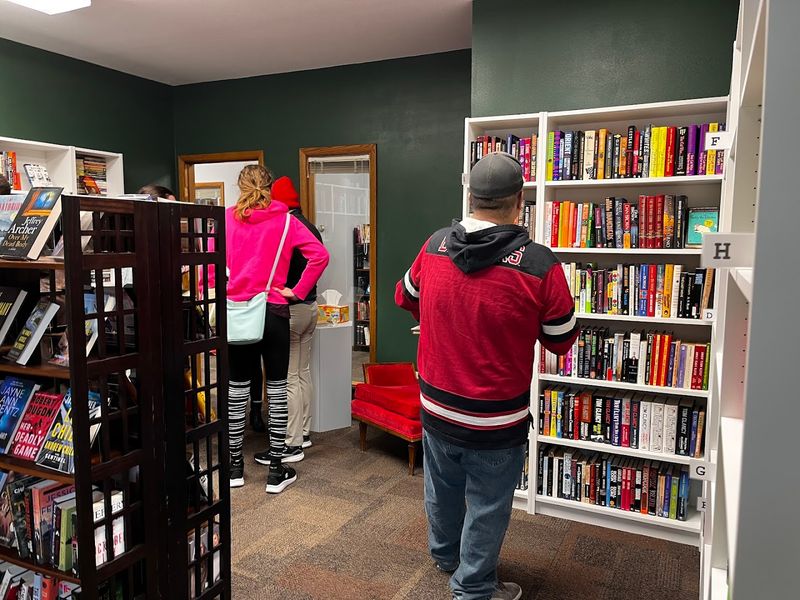
Organization at this scale requires physical separation, not just shelf labels. The Book Deal divides its space into distinct rooms, each dedicated to major genre categories.
You move from fiction to nonfiction by walking through a doorway, creating clear mental boundaries that make browsing more focused and less overwhelming.
This layout offers psychological benefits beyond mere organization. Readers who only want mysteries can spend their entire visit in one room without distraction.
Those hunting across multiple genres can plan a route through the store, hitting each relevant section systematically. The separation also creates cozy nooks and smaller spaces within the larger store, making the experience feel more intimate despite the vast inventory.
Seating appears throughout these rooms, inviting customers to pause and sample their potential purchases. You can settle into a chair with three possible reads, compare opening chapters, and make informed decisions.
The store encourages this leisurely approach, understanding that happy browsing leads to satisfied customers who return regularly.
Mystery, Fiction, Kids, Teens, And Nonfiction All Get Space
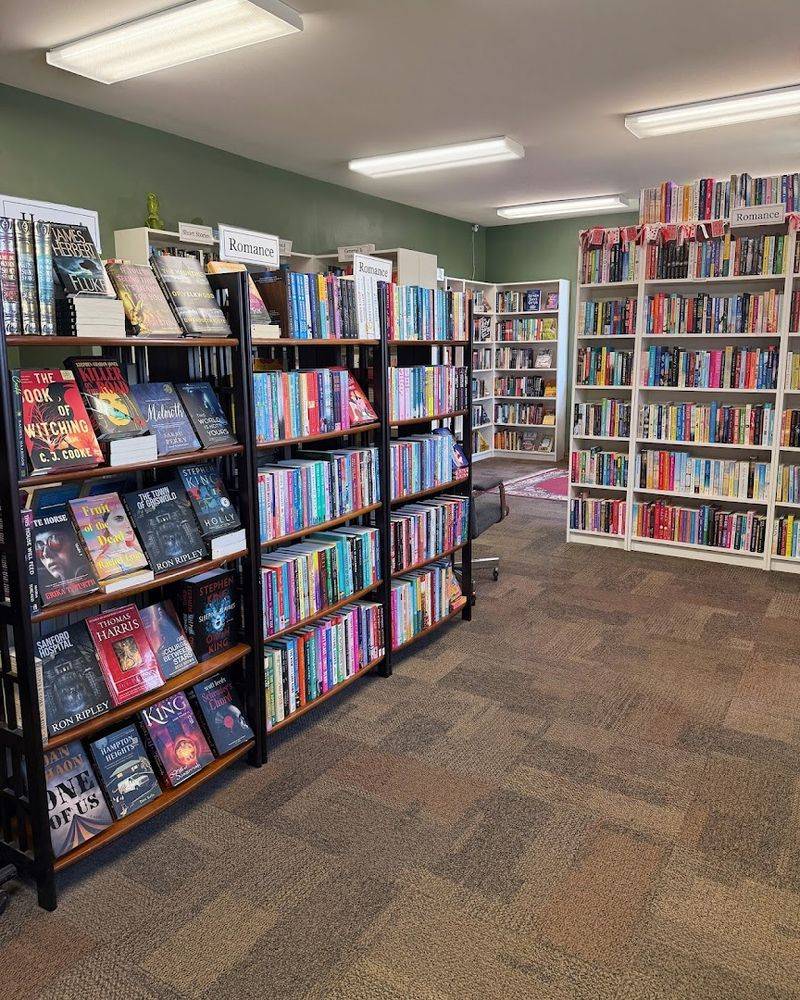
Genre fans appreciate dedicated space for their preferred reading. Mystery lovers find shelves packed with cozy mysteries, hard-boiled detective novels, psychological thrillers, and classic whodunits.
Fiction readers discover literary novels, contemporary stories, historical fiction, and everything between. Each major category receives enough square footage to display hundreds or thousands of titles.
The teen section recognizes that young adult readers need their own territory, separate from both children’s books and adult fiction. These shelves hold contemporary YA, fantasy series, dystopian novels, and coming-of-age stories that speak directly to teenage experiences.
Teens can browse without feeling like they are shopping in either the kids’ section or trying to navigate adult literature before they are ready.
Nonfiction spans the widest range, from biography and history to cookbooks, crafts, self-help, and reference materials. The variety reflects how people actually read: mixing novels with practical guides, following story-based history alongside memoir, building personal libraries that serve both entertainment and education.
The Basement Adds Even More Browsing To The Experience
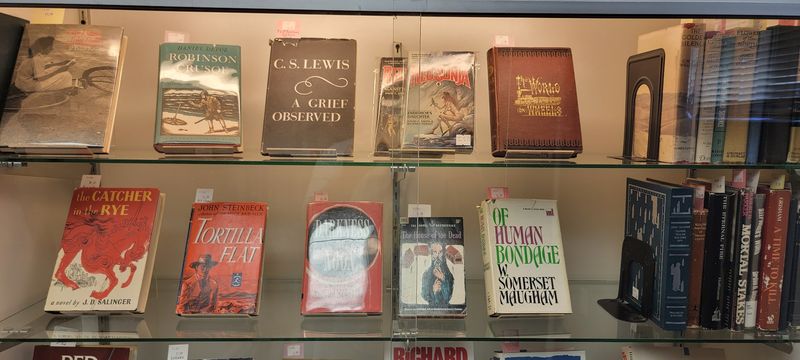
Descending into the basement reveals another layer of inventory and a few special surprises. The lower level houses additional general stock plus display cases featuring first editions and collectible volumes.
These treasures sit behind glass, available for purchase but protected from the wear of constant handling.
The basement atmosphere differs slightly from upstairs, feeling quieter and more removed from the main traffic flow. Serious collectors and dedicated browsers gravitate here, taking time with sections that might get overlooked in the busier upper rooms.
The space provides overflow capacity when certain genres grow beyond their upstairs allotment.
Clean facilities and good lighting make the basement feel like an extension of the main store rather than an afterthought. Staff maintains the same organizational standards downstairs, with clear signage and alphabetical order.
Customers mention the basement specifically in their praise, noting that even this secondary space receives attention to detail and offers worthwhile finds for patient searchers.
Trade Ins Give Readers Another Reason To Come Back
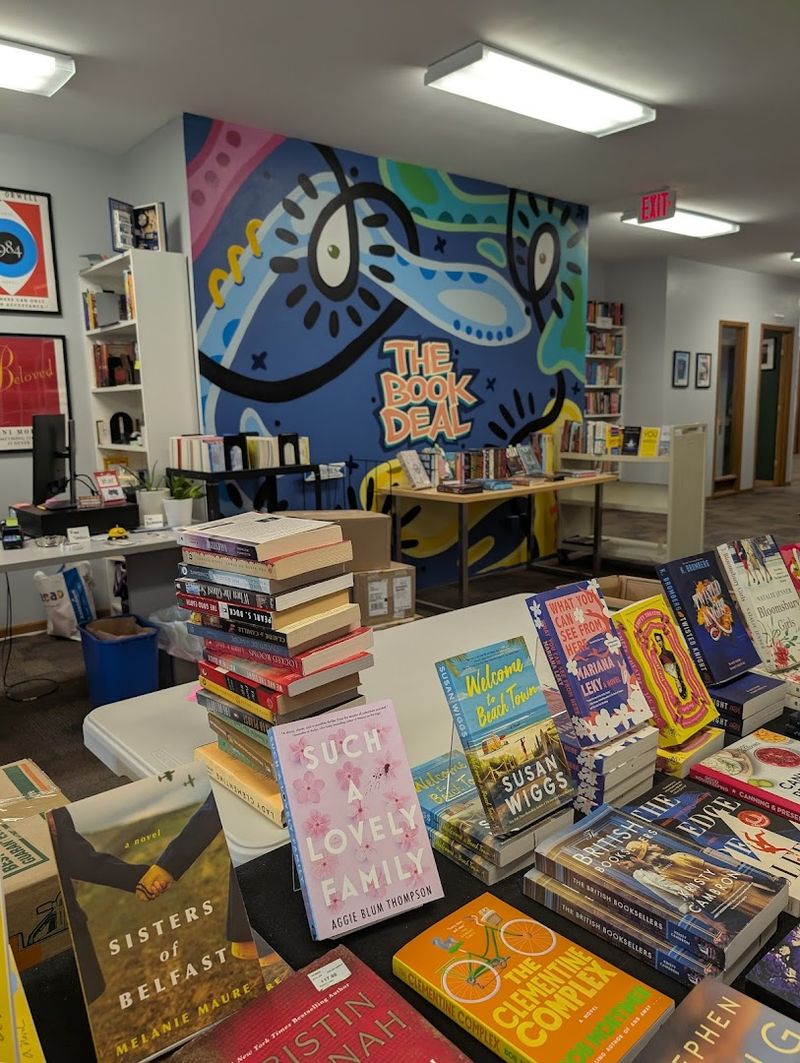
The cycle of reading, trading, and acquiring new books keeps customers engaged beyond their initial visit. The Book Deal accepts used books in good condition, offering store credit that can be applied immediately or saved for future purchases.
This system benefits readers who rotate through books quickly and need somewhere to offload finished titles.
Trade-in rates prove competitive compared to other used bookstores in the region. Multiple customers specifically mention receiving better credit here than at chain alternatives, making the trip worthwhile even for those traveling from outside Madison, Wisconsin.
The process moves quickly, with staff evaluating books efficiently and providing credit amounts within minutes.
This program creates a sustainable reading habit for budget-conscious book lovers. You bring in last month’s reads, receive credit, and apply it toward this month’s selections.
The fifty-dollar cart deal becomes even more affordable when store credit covers part of the cost. Regular traders develop relationships with staff, who remember their preferences and alert them when relevant titles arrive.
The Local Mission Goes Beyond Selling Used Books
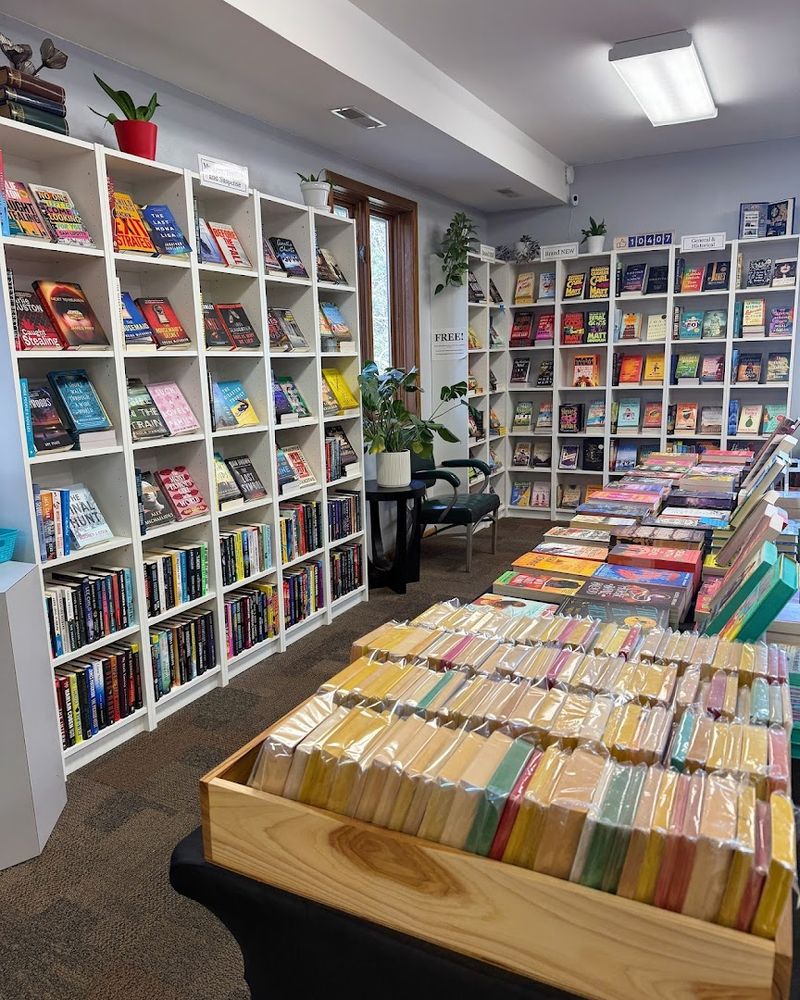
Independent bookstores survive by serving their communities in ways that extend beyond simple retail transactions. The Book Deal demonstrates this principle through programs like free children’s books, which provide genuine community benefit without immediate financial return.
The banned books section makes a statement about intellectual freedom and reader choice.
Staff interactions reflect a genuine love for books and reading rather than mere salesmanship. Employees help customers locate specific titles, offer recommendations based on preferences, and take time to ensure visitors find what they need.
This personal attention creates an atmosphere where browsing feels welcome and unhurried.
The store’s existence as a local independent alternative to chains matters to Madison readers who want their book-buying dollars to support community businesses. The owners have built something that balances commercial viability with reader-friendly policies, proving that a bookstore can be both profitable and generous.
This balance explains why customers drive hours to visit and why locals stop by multiple times per month.
The Book Deal Makes Madison Feel Like A Dream For Budget Readers
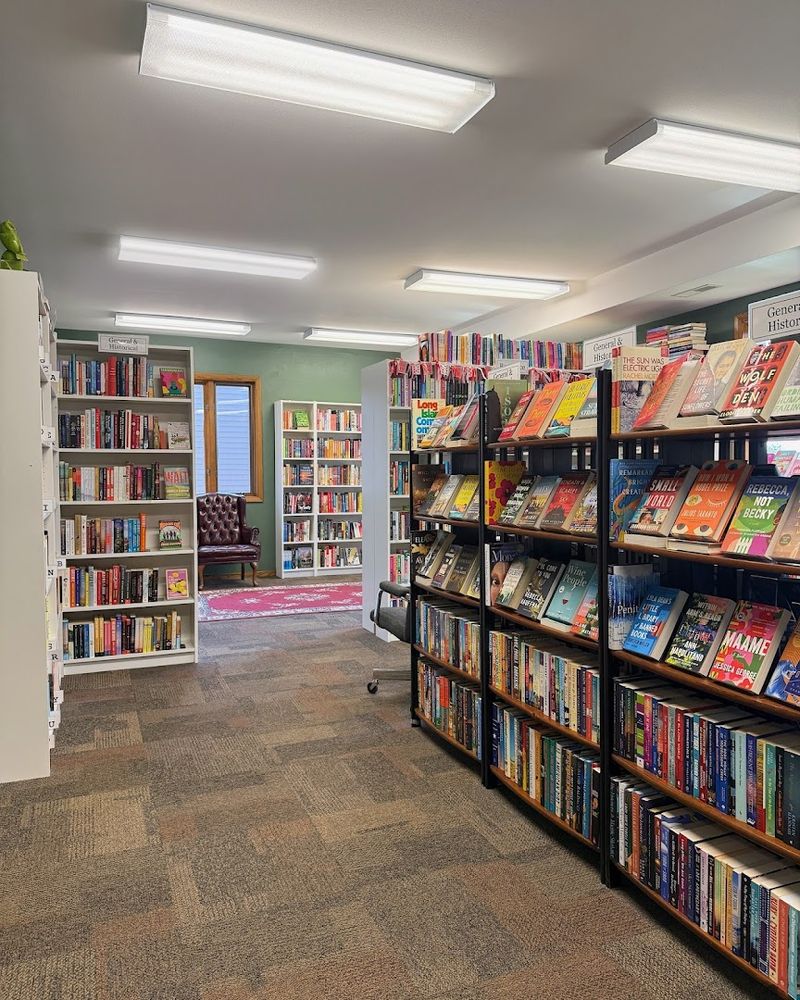
Cities reveal their character through their bookstores, and Madison benefits from having The Book Deal as part of its cultural landscape. The combination of massive inventory, rock-bottom prices, and reader-focused policies creates an environment where book buying feels abundant rather than restrictive.
You leave with more books than you can carry, not fewer than you wanted.
Budget readers face constant calculations in most retail environments, weighing desire against affordability. Here that tension dissolves.
The fifty-dollar cart deal, the low individual prices, and the trade-in program all work together to make reading affordable for anyone who wants it. Families can stock up without guilt.
Students on tight budgets can still build personal libraries.
The store has earned its impressive rating through consistent delivery on its promises. Clean facilities, helpful staff, excellent organization, and genuine bargains combine to create an experience that exceeds expectations.
Book lovers visiting Madison now have this destination on their must-see lists, right alongside the city’s other cultural attractions.