
The Mississippi Festival Where More Than 100 Musicians Take Over One Small Town For A Single Weekend
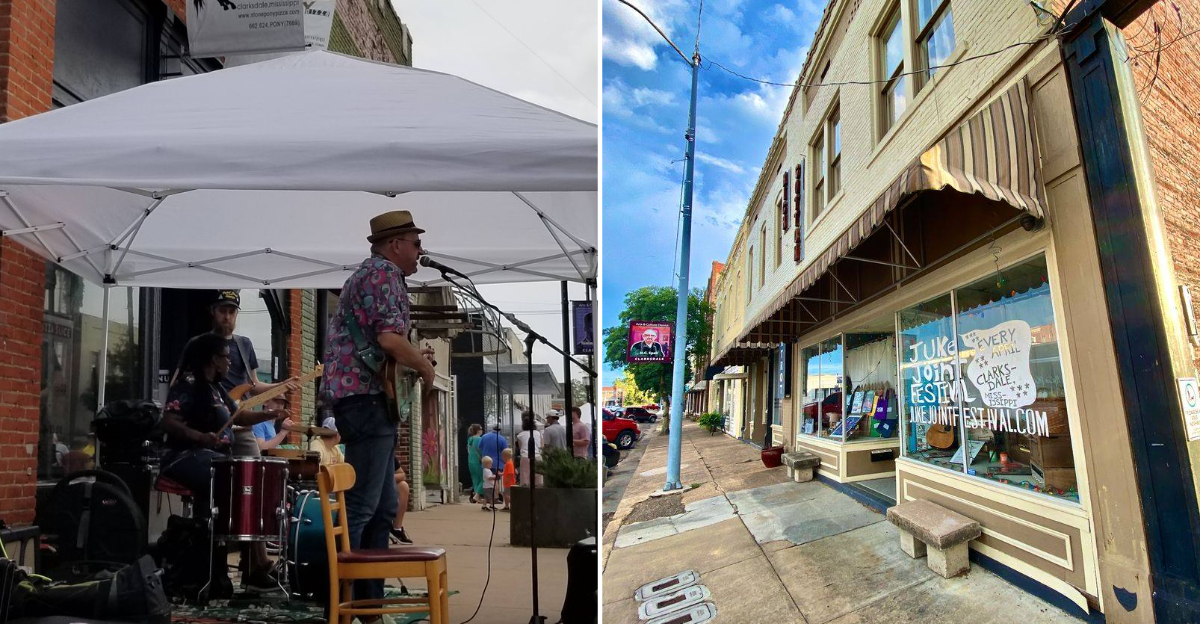
Musicians are generally underappreciated people, spending most of their lives practicing just to perfect a single sound. Still, plenty of people in Mississippi genuinely want to listen to those who have dedicated years of their lives to music.
This festival brings more than a hundred of them together, taking over one small town for a single weekend each year. Vendors, food, and activities fill the streets throughout the entire event.
Nothing about the festival feels thrown together despite the sheer number of performers involved. Regulars return annually, treating the weekend as an unofficial tradition worth planning around.
Visitors passing through often extend their trip just to catch the festivities before they end. This festival proved that sometimes the smallest towns host the biggest celebrations of talent.
Origins And History Of Mississippi Music Festivals
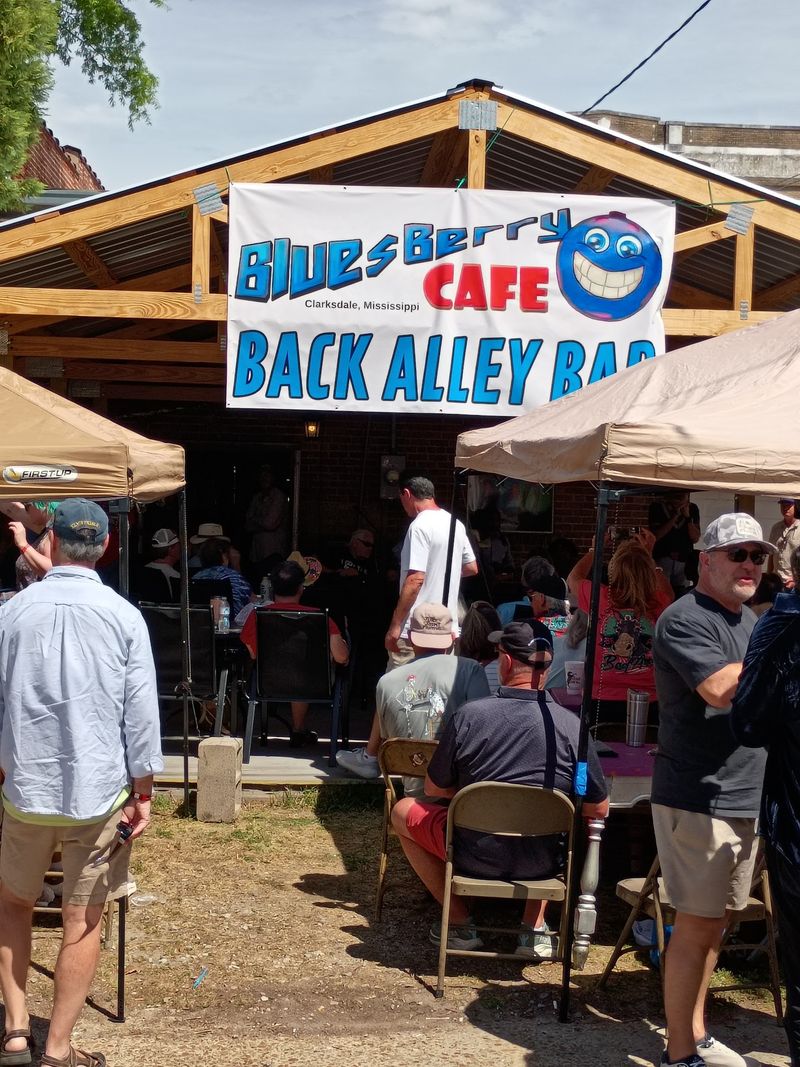
Blues did not arrive in Clarksdale. It started there.
That single fact explains why this festival carries weight that bigger events with bigger budgets never quite manage.
The name comes from juke joints, the informal music rooms scattered across the African American South where people gathered after long workweeks. Those spaces were part dance hall, part community center, part release valve.
Honoring them was the whole point.
Roger Stolle, one of the co-founders, moved to town in 2002 with a plan to support the local blues scene and opened a record store as part of it. The festival grew from that push, starting modestly and expanding over more than two decades into a cultural anchor for the entire Delta region.
What makes the history interesting is how little the event has drifted from its original idea. Instead of chasing arena headliners, organizers doubled down on players who learned the music from family, neighbors, and church.
Clarksdale itself does a lot of the storytelling. Crossroads legends, cotton warehouses, and old commercial buildings all sit within walking distance of each other.
Festival headquarters sits at 243 Delta Ave, Clarksdale, MS 38614, which serves as the central hub where the weekend gets organized and information flows out to visitors.
Overview Of Musical Genres Featured At The Event
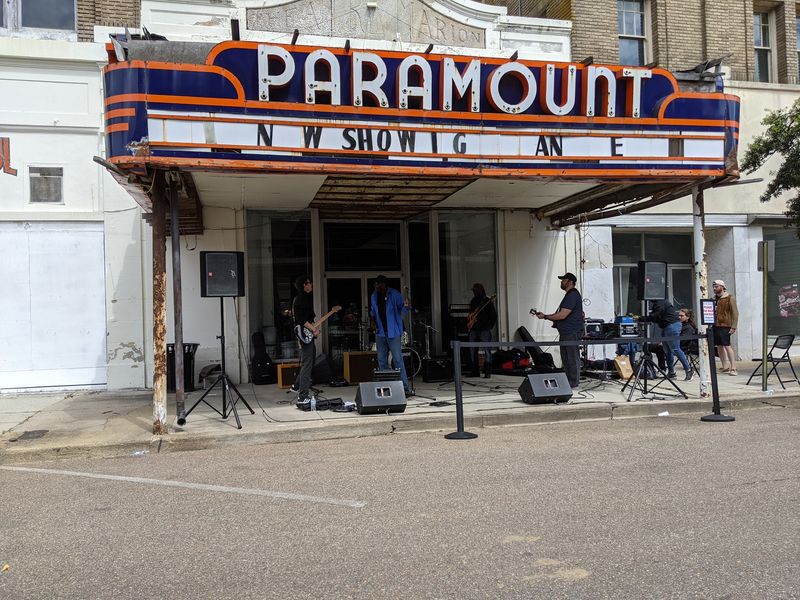
Ask ten people what blues sounds like, and you will get ten answers. This festival happily proves all of them right at once.
Delta blues sits at the center of everything, raw and unpolished, played the way it has been played in this region for generations. That sound carries down the streets all day long.
Hill Country blues shows up too, and it feels completely different. Instead of chord changes, you get one hypnotic groove that repeats and builds until your foot starts moving whether you agreed to it or not.
Then there is cotton patch soul blues, a style rooted in ancestral traditions and carried forward by families who treat the music like an inheritance. Robert Kimbrough Sr. keeps that torch lit.
Younger players bring their own twist, mixing modern energy with old-school phrasing. The result is a lineup where a teenager and an eighty-year-old can play the same festival, and both sound completely at home.
Nobody is trying to turn this into a general-purpose music weekend. The focus stays on blues in its many branches, which actually makes the variety easier to hear.
For anyone curious about how one genre split into so many personalities, a single afternoon of wandering teaches more than a stack of books.
Impact On Local Community And Economy
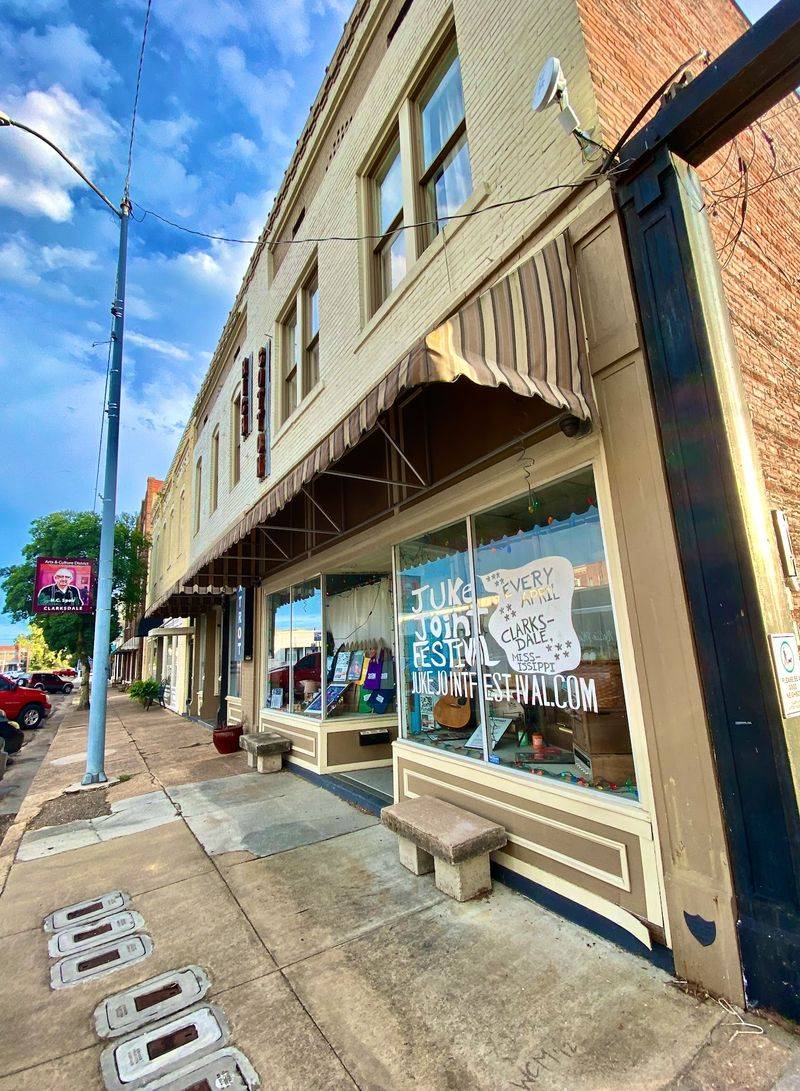
Small towns across the Delta have watched their downtowns thin out for decades. Clarksdale went a different direction, and music is a big reason why.
Thousands of visitors arrive for the weekend, and plenty of them come from other countries. That kind of international attention does not usually land in a town this size.
Business owners talk about a halo effect that stretches well past the festival dates. People come once for the music, then return in the fall or bring family the next spring.
New cafes, restaurants, and places to stay have opened as a direct result of the steady interest. Buildings that sat empty now have tenants and fresh paint.
Cultural tourism turned out to be a workable foundation here, not just a nice idea. The blues gave the town a reason for outsiders to show up and a reason for locals to feel proud of what they have.
Musicians benefit too, since the weekend puts working players in front of audiences who might otherwise never hear them.
What makes it stick is that the growth grew out of something real. Nobody invented a theme or built a fake attraction.
The history was already here, and the festival simply gave people a reason to come see it in person.
Unique Performance Venues Within The Town
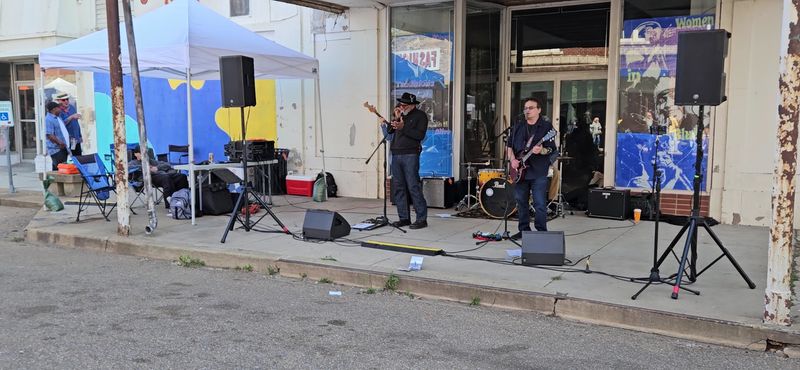
Forget the idea of one big field with one big stage. Here, the entire town becomes the venue, and half the fun is finding out where the next set is hiding.
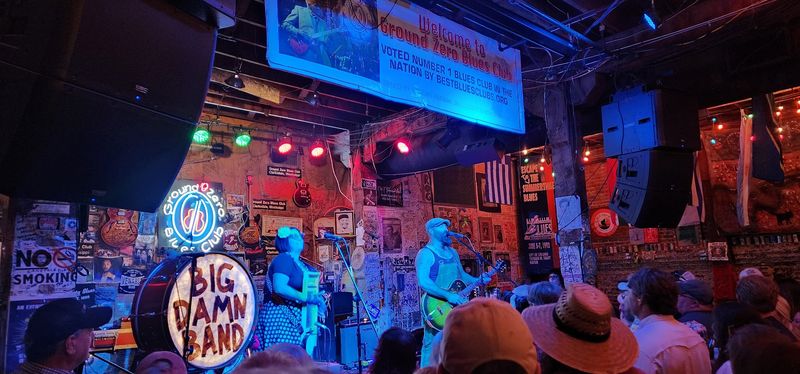
Red’s Lounge is often described as one of the last true juke joints still operating, with a low ceiling and a room that puts you practically inside the band. Ground Zero Blues Club, co-owned by Morgan Freeman, sits nearby with a very different kind of energy.
The New Roxy Theater, a former movie house working its way back to life, hosts sets in a space with peeling walls and remarkable sound. A reconstructed cotton bin at the Shack Up Inn has also served as a stage, which is exactly as strange and wonderful as it sounds.
Music turns up at the Delta Blues Museum, Messenger’s Pool Hall, and Hooker Grocer + Eatery. Art galleries, coffee shops, and building lobbies all get pulled into the rotation.
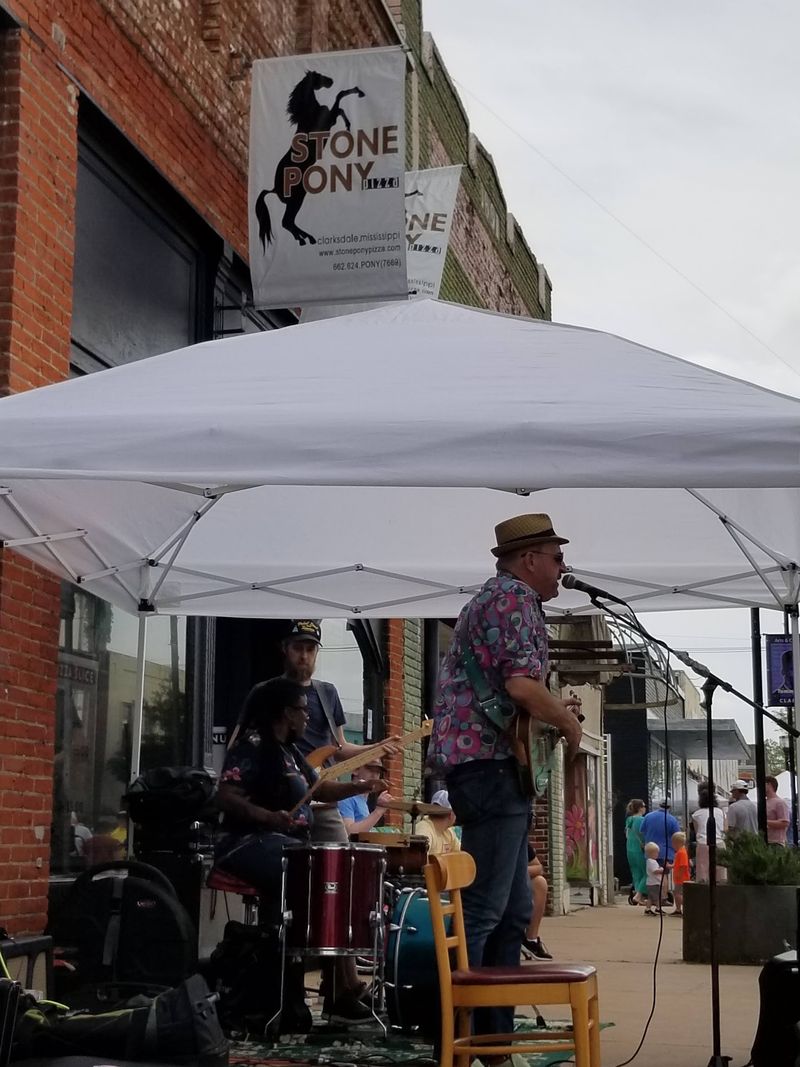
Street corners count too. Players set up outside with an amp and a folding chair, and crowds form on their own.
Walking becomes the main mode of transportation, and you hear three different bands before reaching the end of a single block.
Profiles Of Distinguished Musicians Participating
Christone Kingfish Ingram grew up in Clarksdale, learned at the Delta Blues Museum program, and went on to win a Grammy. Watching a hometown kid become a headliner is part of the local lore now.
Blues Hall of Famer John Primer has appeared here, carrying decades of Chicago and Mississippi experience in his playing. Bobby Rush, another icon, has brought his showmanship to the weekend as well.
Local heavyweights fill out the schedule. James Super Chikan Johnson, Anthony Big A Sherrod, and Terry Big T Williams all have deep Clarksdale ties.
Family lines matter enormously in this music. Robert Kimbrough Sr. continues his father Junior Kimbrough’s cotton patch soul blues, while Duwayne and Garry Burnside carry forward their own family sound.
Kenny Brown, Rev Peyton’s Big Damn Band, and Jimmy Duck Holmes have all appeared. Holmes is a Grammy-nominated player who also runs his own juke joint, which is about as authentic a resume as blues offers.
Australia Honeybee Jones, an eighty-year-old guitar-playing blues singer, has performed too. Her presence says a lot about who gets celebrated here.
With more than a hundred musicians spread across the weekend, missing someone great is basically guaranteed. That is part of the deal.
Activities Beyond Live Performances
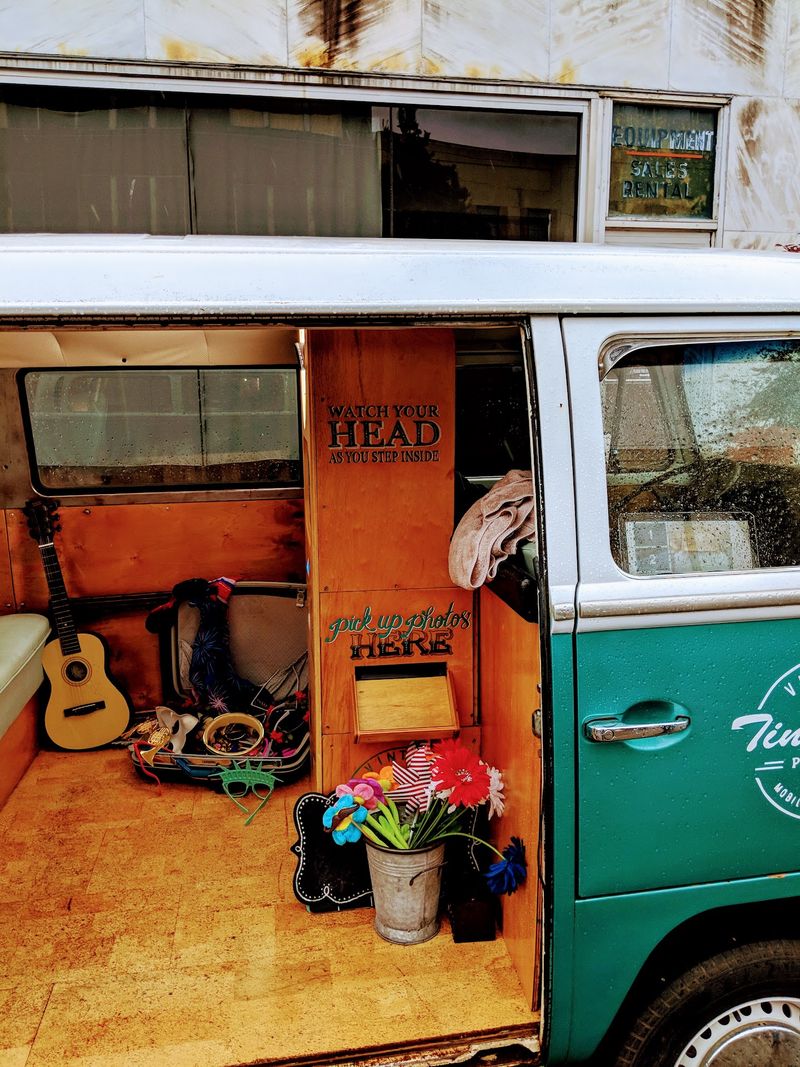
Pig races. Monkeys riding dogs while herding goats.
Somebody made those decisions on purpose, and honestly, the festival is better for it.
The event gets described as half blues festival, half small-town fair, and that split is accurate. Between sets, you can wander through arts and crafts booths where local makers sell work you will not find in a chain store.
Food trucks line up with Southern cooking, and the smell of smoked barbecue tends to follow you around town whether you planned to eat or not.
History fans get their own track. The Delta Blues Museum hosts film screenings, exhibits, storytelling sessions, and educational presentations throughout the weekend.
History bus tours run for anyone wanting context on the region’s landmarks and legends. Kids have their own activities, which makes the whole thing workable for families instead of just die-hard music people.
Early risers can sign up for the Dash Down Delta 5K, a race through town before the day heats up and the amps come on.
The mix keeps energy going even during quieter afternoon hours. You are never stuck waiting around, because something odd or interesting is always happening a block away.
Role Of Volunteer And Support Staff During The Event
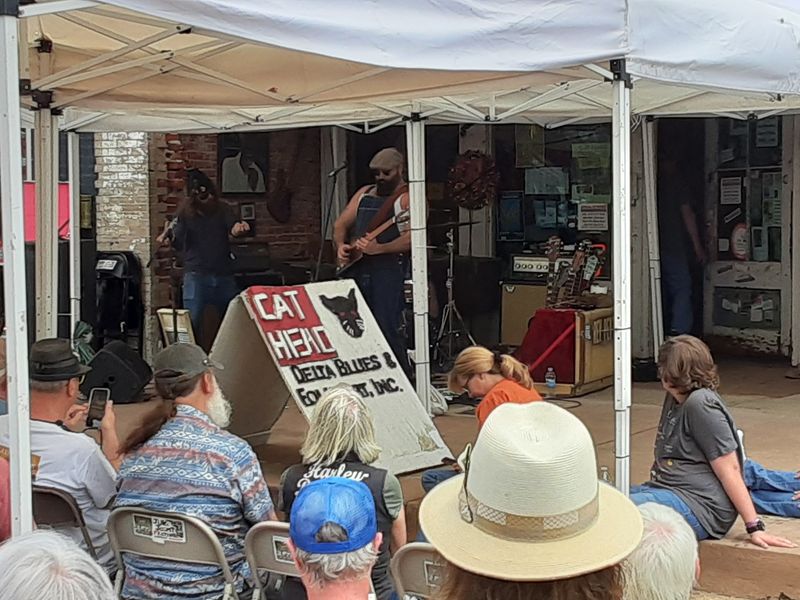
Behind every band on a street corner is somebody who set up a barricade at six in the morning. Volunteers carry an enormous share of this festival.
Organizing falls largely to the Clarksdale Downtown Development Association, a non-profit that coordinates venues, schedules, and logistics across dozens of locations.
Southern hospitality gets mentioned a lot around here, and in this case it shows up as people willing to answer the same question forty times without losing patience.
The Coahoma Community College Health Science EMS Program staffs informational tents, teaches the public about emergency medical services, and provides first aid when someone needs it. Having trained students on hand keeps everyone safer.
Local law enforcement maintains a visible presence, which helps the whole weekend stay relaxed and family-friendly even as crowds fill the streets.
Community groups pitch in with everything from cleanup to directing traffic. Running an event of this size in a town this small only works because people show up.
Anyone who wants to help usually can, and volunteering is a quick way to meet locals rather than just passing through as a tourist.
The collective effort is why the festival keeps returning year after year without losing its personality or its scale.
Tips For Visitors To Fully Experience The Weekend
Rule number one: book your room early. Clarksdale is small, lodging is limited, and some visitors reserve years ahead.
Waiting until the last month is a gamble you will lose.
Pack lawn chairs. Daytime performances happen outdoors, and having a seat makes a long afternoon far more comfortable.
Sunblock and mosquito spray belong in the bag too. The Delta in spring can go from pleasant to punishing depending on the hour.
Saturday night wristbands are the key to the indoor venues, and they tend to sell out. Buying them ahead of time is both smarter and easier on your budget.
Outside food and drinks generally are not allowed, but with the number of vendors around, that is hardly a hardship. Pets have to stay home as well, with service animals being the exception.
Give yourself time for the Delta Blues Museum and the Crossroads Marker. Both add real context to the music you are hearing all weekend.
Comfortable shoes matter more than you think, since walking between venues is the main way to get around.
Above all, talk to people. Musicians often sit outside between sets, and conversations with them end up being the part visitors remember longest.