
The Mississippi Wildlife Rescues Where You Can Meet The Animals Face-To-Face
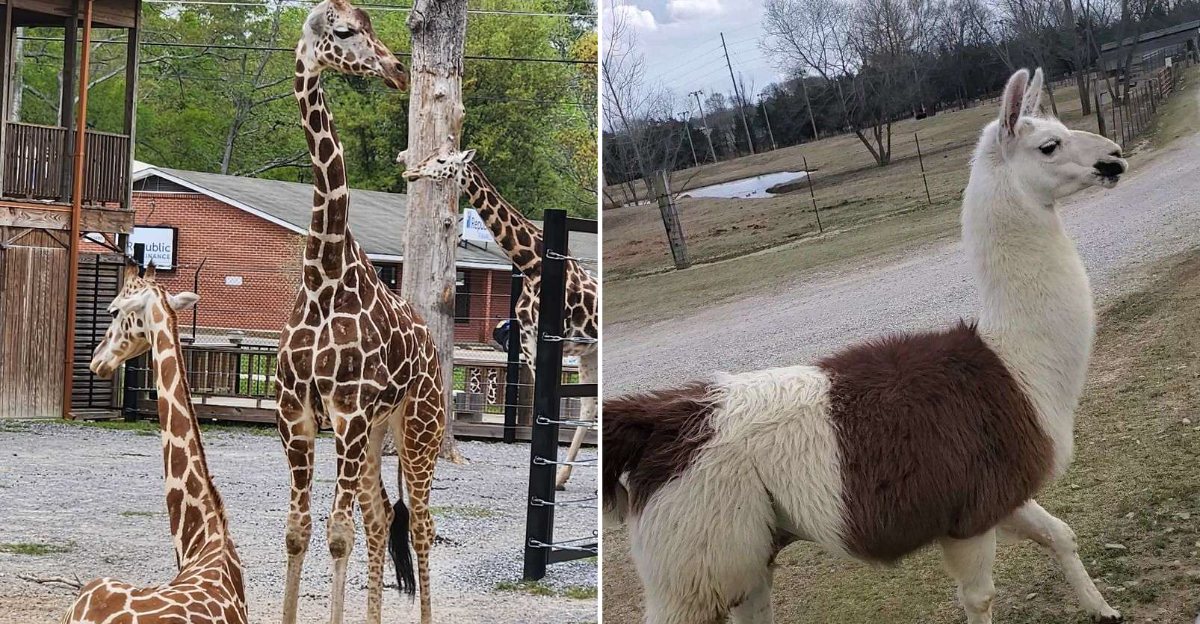
Many of us have never stood face-to-face with a wild animal. This Mississippi rescue makes that opportunity possible.
Enclosures here feel spacious rather than cramped for the sake of fitting more exhibits into limited space. Animals get real attention and care rather than just a scheduled feeding routine.
Smaller crowds mean longer, more personal moments watching wildlife instead of fighting for a view. Rare and exotic species live alongside more familiar favorites, giving visitors variety without overwhelming them.
Educational programs run throughout the day, adding depth beyond just walking past enclosures. This rescue proved that sometimes the best wildlife experiences happen up close, not from behind a screen.
1. Wild Acres Hands-On Animal Experience – Reservation Required
© Wild Acres Hands-on Animal Experience – Reservation Required
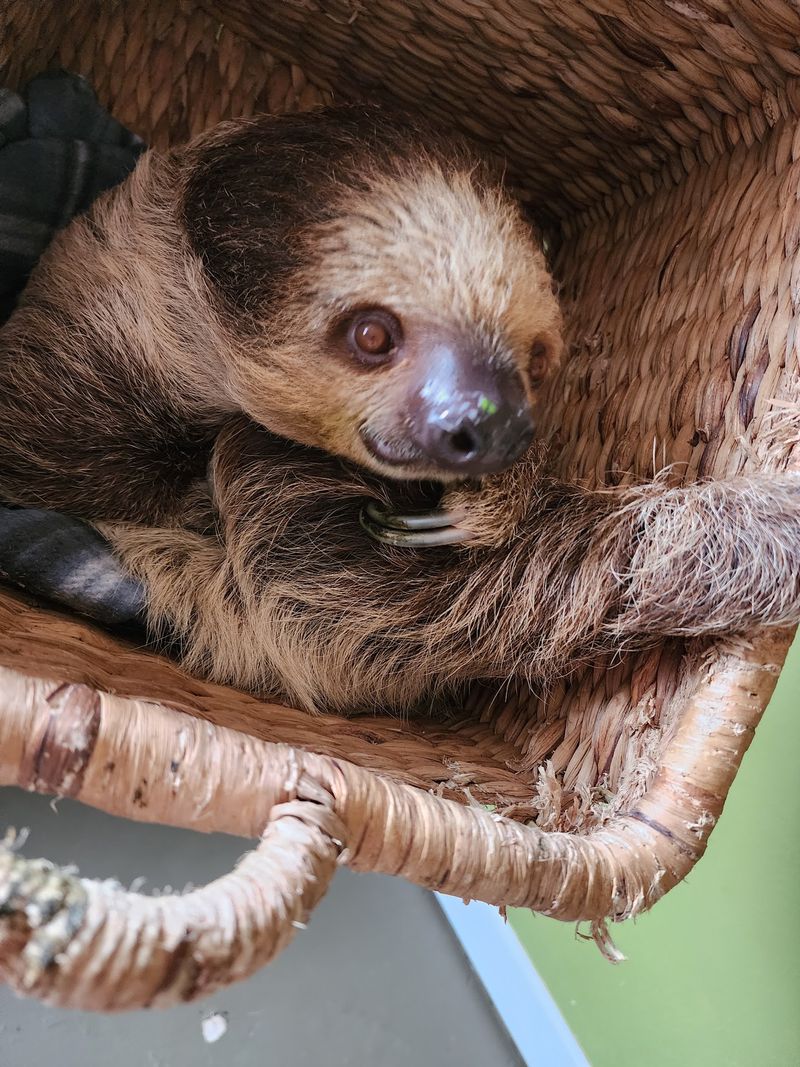
Sammy the sloth has a schedule, and it is not a rushed one. At this sanctuary in Stone County, guests spend around 30 minutes with him, holding him, petting him, and handing over romaine lettuce while he chews like he is being paid by the hour.
The grounds are green and shaded, with roomy enclosures stocked with enrichment toys so the residents stay busy. Cleanliness is a clear priority here, and it shows in how active the animals are.
The resident list reads like a wildlife documentary that wonderfully lost the plot. Kangaroos, capybaras named Tyson and Sanders, African crested porcupines called Danger and Lady Gaga, Patagonian cavies, coatimundis, and ring-tailed lemurs all share the property.
Bigger names live here too. Black leopards, African caracals, a mountain lion, and Bengal tigers Genie and Gypsy hold court in their own spaces, while capuchins, spider monkeys, and tamanduas round out the primate and anteater department.
Then there is the swim. The Otter and Capybara Swim Excursion puts guests ten and older into a specially built pool with Asian small-clawed otters Billie and Jelly, plus the two capybaras.
Otters in water are chaos with whiskers. Capybaras, meanwhile, float around like retired philosophers who have made peace with everything.
Group Animal Encounter Tours lean into hand-feeding, with porcupines, capybaras, and cavies taking snacks from visitors. Nobody leaves without learning that porcupine quills are far more polite than expected when the porcupine is calm.
The nursery section is where things get seriously cute. Baby sloths, pygmy goats, and a fennec fox are part of that experience, and fennec fox ears alone are worth the trip.
Owner Cody Breland keeps animal welfare front and center, which is the reason encounters are structured and time-limited rather than a free-for-all. The animals get breaks, and guests get a calmer, better visit because of it.
Symbolic animal adoption programs help fund food, vet care, and enrichment for the whole crew. It is a low-effort way to keep supporting a favorite resident after the drive home.
Booking ahead matters here since encounters are small and fill quickly, especially the swim. Find it at 84 Our Rd, McHenry, MS 39561.
2. Hattiesburg Zoo
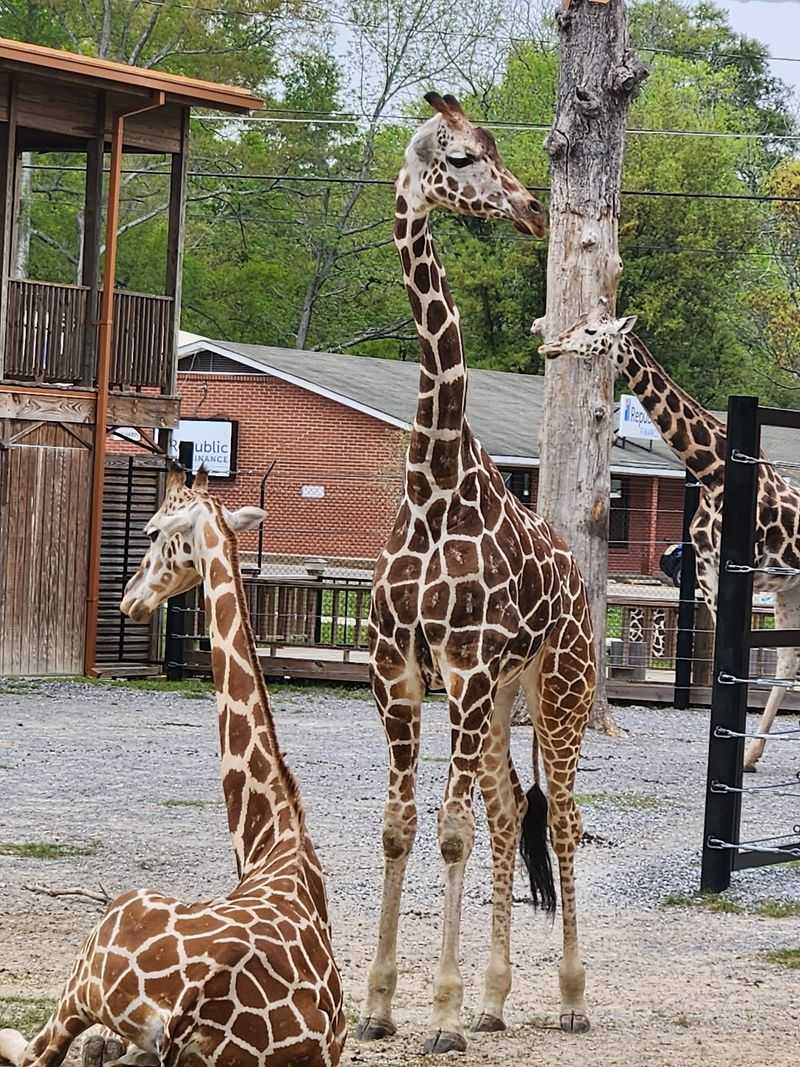
Two giraffes named Alberta and Grace changed the whole vibe of this place. They arrived with the Experience Africa exhibit in 2021, and now daily feedings put visitors on a raised platform with lettuce in hand while long purple tongues do the rest.
Over 100 species live across the zoo’s exhibits, from a hyena and colobus monkeys in the Africa section to animals representing several continents. It is compact enough to walk in an afternoon without anyone melting down.
The Sloth Experience is the hardest ticket in Hattiesburg. Sessions run 30 to 35 minutes and often book months ahead, so planning early is the difference between meeting a sloth and admiring one through glass.
Over at the Australian Wallaby Walkabout, guests walk the same path as the wallabies. A KuneKune pig and emus share the space, and emus have opinions about everything.
Nigerian Dwarf Goats run the Hoof Stop Petting Zoo with the confidence of animals who know they are adorable. Brushes and scratches are welcome, and the goats will absolutely follow anyone with attentive hands.
Anteater and capybara feedings are also on the menu, and the South American Yard Experience lets guests feed alpacas alongside more capybaras. Alpaca chewing noises are strangely soothing.
Non-animal attractions keep younger kids from hitting the wall. A splash pad handles Mississippi summer heat, a high ropes adventure course covers the thrill-seekers, and an electric train loops the grounds.
The carousel has actual history behind it. Refurbished in 2013, it came from a 1941 British-made original, which makes it older than most of the grandparents riding it.
Camp Capybara takes things overnight. Sleeping at the zoo means hearing sounds after dark that no daytime visit delivers, and the capybara theme is exactly as charming as it sounds.
Strategy tip for a hot day: hit animal encounters early while everyone is active, then let the kids wear themselves out at the splash pad afterward. Shade is decent along most paths, but water bottles are still a smart call.
Located downtown, the zoo pairs nicely with a walk around Hattiesburg afterward. The address is 107 S 17th Ave, Hattiesburg, MS 39401.
3. Tupelo Buffalo Park & Zoo
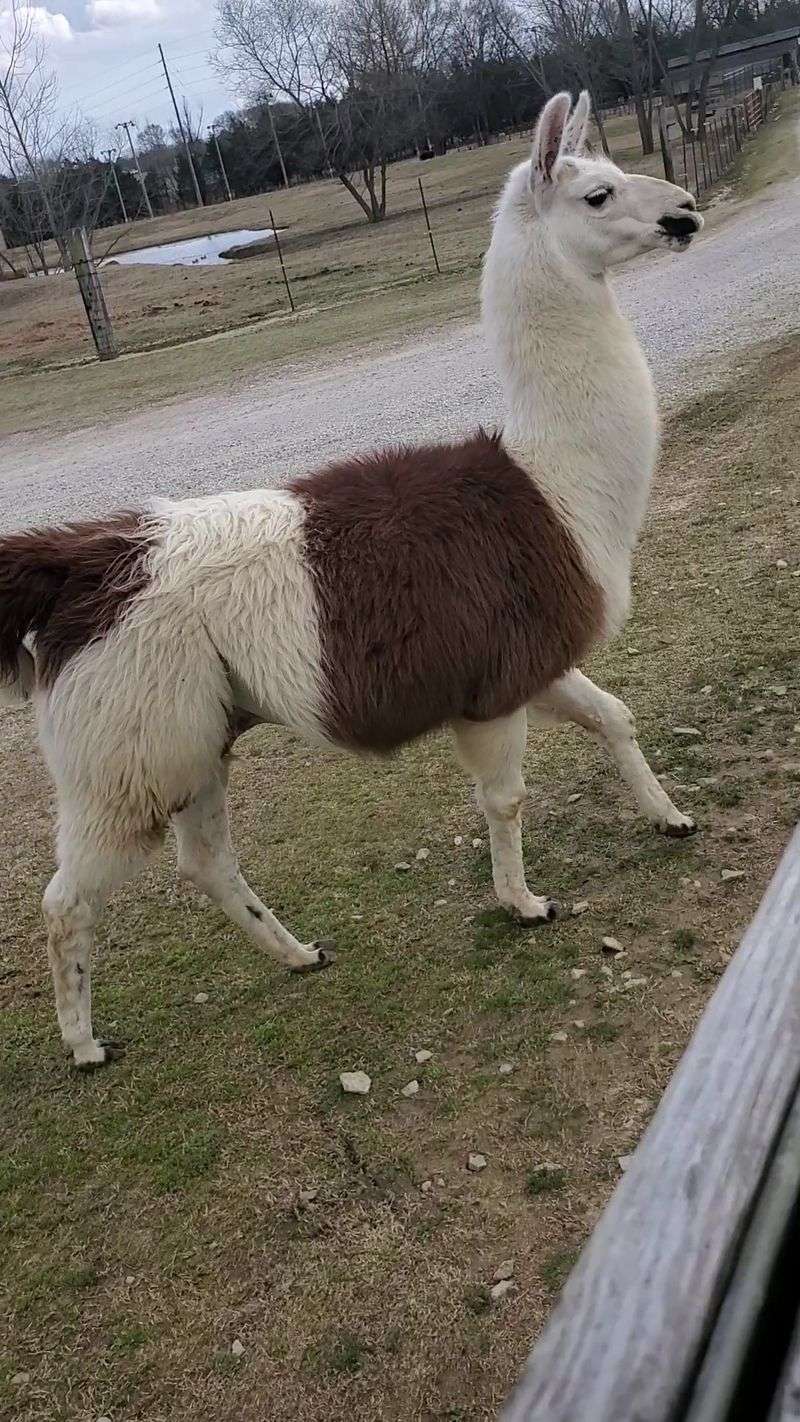
Picture a bison the size of a refrigerator putting its head near your car window. That happens on the drive-through portion of this 210-acre park, home to the largest herd of American bison east of the Mississippi River.
Around 260 animals live across the property. Zebras, yaks, giraffes, camels, water buffalo, and Watusi cattle with those enormous curved horns share the pastures and paddocks.
An African lion and a Bengal tiger anchor the big cat side of things, while ring-tailed lemurs bring the noise. The reptile house introduces Ricardo, a Burmese python, plus an American alligator for good measure.
Feeding from a vehicle is the signature move here. Buffalo, zebras, and giraffes will come right up, and giraffes have a way of leaning in that makes everyone in the back seat shriek at once.
For a bigger ride, the Monster Bison Bus carries groups directly into the pastures. Protective pens allow hand-feeding, which means being close to a bison without becoming a cautionary tale.
The petting zoo covers the smaller crowd. Pygmy goats, miniature horses, sheep, and potbellied pigs are all fair game for scratches, and the pigs commit fully to belly rubs.
Weekends bring the sloth encounters, and the names alone are worth mentioning. Dash, Mocha, Molasses, and Slow Reena hold appointments with visitors who want a slow-motion handshake.
Monkey and macaw encounters exist mainly for photos, which is a nice way of saying you will end up with a bird on your arm and a very smug expression. Macaws know their angles.
Then there is Oliver, the Capuchin monkey with an international reputation. His past escapes made news well beyond Mississippi, and these days he has settled into fatherhood instead of jailbreaks.
Practical notes for the drive-through: keep windows manageable, follow the posted feeding rules, and expect your car to get a little slobbered on. That is part of the deal.
Mornings tend to be more active, especially in warmer months when the herd looks for shade midday. Bringing wipes is an unglamorous but genuinely useful move.
Between the safari route, the walking zoo, and the encounters, a visit here easily fills half a day. It sits at 2272 Coley Rd, Tupelo, MS 38801.
4. Mississippi Aquarium
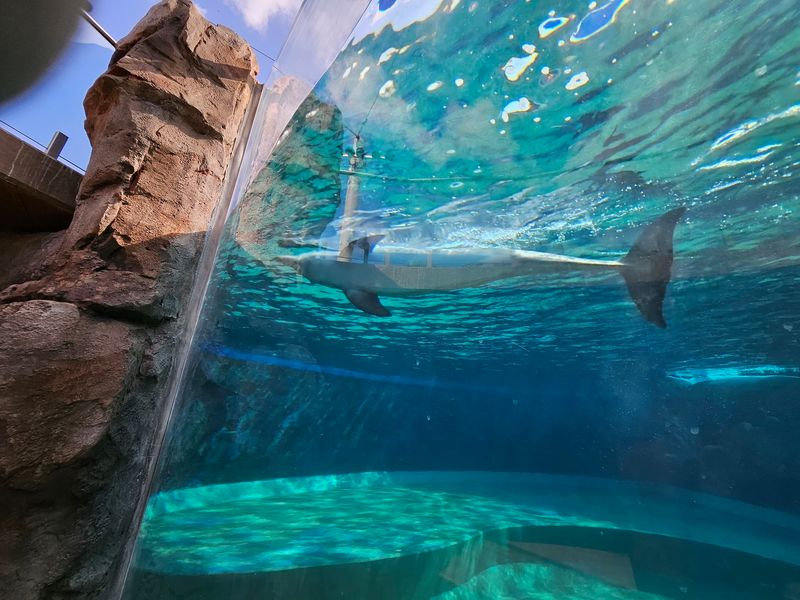
Walking on the bottom of an aquarium tank while breathing normally sounds like a movie special effect. The SeaTrek helmet diving experience here makes it real, and this is one of only a handful of places in America offering it.
A clear helmet feeds air down from above, so no swimming skill or scuba certification is required. Fish drift past at eye level while your feet stay planted on the tank floor.
The rest of the facility is built around 12 freshwater and saltwater habitats spread across indoor and outdoor spaces. Over 200 animal species live here alongside 50 species of native plants.
Bottlenose dolphins get most of the attention, and reasonably so. Their outdoor habitat gives visitors plenty of viewing angles, including some at water level.
River otters are the resident troublemakers. They swim upside down, wrestle each other, and generally behave as if they have never once been tired.
Sandbar sharks patrol the bigger saltwater exhibit with the unhurried confidence of animals nothing bothers. Stingrays of several kinds glide through shallower areas, kicking up small clouds of sand.
The native plant collection is easy to walk past, but it matters. Those species tie the exhibits to actual Gulf Coast ecosystems instead of presenting animals in a vacuum.
Being a newer facility, the layout avoids the cramped hallway problem older aquariums often have. Wide walkways and outdoor sections mean strollers and wheelchairs move without a fight.
Location is a bonus. The aquarium sits along East Beach Boulevard, so the Gulf is right there for a walk before or after a visit.
Helmet diving has age and health requirements, and spots are limited, so booking ahead is the smart approach. Staff walks participants through everything beforehand, which calms the nerves of anyone who has never had their head in a fishbowl.
For visitors who prefer staying dry, the viewing windows still deliver serious face-to-face moments. Standing still for a few minutes usually convinces curious fish to come investigate.
Summer brings crowds along the coast, so weekday mornings tend to be calmer. Rainy days work well here too since much of the experience is indoors.
It is a full-morning stop that pairs easily with the rest of Gulfport. The address is 2100 E Beach Blvd, Gulfport, MS 39501.
5. Gulf Coast Gator Ranch & Tours
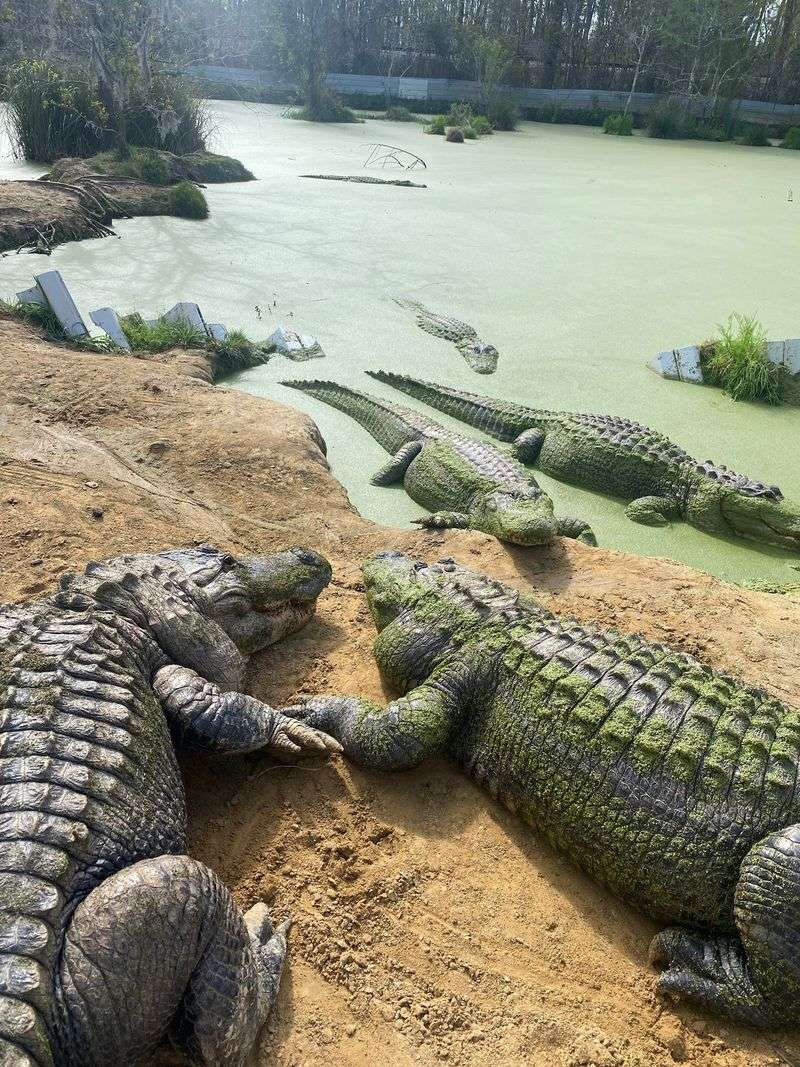
Some of the alligators here have been around longer than most of the people visiting them. A few residents are estimated at 80 to 90 years old, ranking among the oldest and largest gators in captivity anywhere.
Around 70 alligators live across 105 acres of marshland bordering the Grand Bay Estuary. Cypress trees rise out of the water, and the whole place looks like the cover of a Southern novel.
Mississippi’s oldest and only gator ranch handles feeding through protected walkways. Bags of Gator Chow are available, and tossing a piece down lets you watch a prehistoric jaw snap shut with a sound you will remember.
The airboats are the other half of the appeal. High-speed runs through the swamp cover territory no walking trail could reach, with gators, wading birds, and marine life appearing along the way.
Tour guides do real work on these rides. They explain wetland history, point out species most visitors would sail right past, and answer the questions everyone is secretly thinking about alligator behavior.
Bird activity out here surprises people expecting nothing but reptiles. The estuary supports a wide mix of species, and the marsh looks completely different depending on the season and tide.
Conservation drives the operation. The ranch breeds alligators and releases them, keeping only the nuisance gators that cannot safely return to the wild permanently on site.
That distinction matters. Nuisance gators are the ones that turned up in neighborhoods or ponds where they created problems, and this ranch became their retirement plan instead of a worse ending.
Practical stuff for the airboat: engines are loud, so hearing protection is provided and worth wearing. Sunglasses help too, and a hat that will not fly off is the wiser choice.
Cool mornings can mean sluggish gators since they warm up slowly. Warmer parts of the day usually produce more movement and better feeding action.
Bug spray belongs in the car during warm months. Marshland and mosquitoes are a package deal, and no amount of scenery changes that.
Between the walkways, the feeding, and the boat ride, this makes an easy stop off Highway 90 heading east. You will find it at 10300 US-90, Moss Point, MS 39562.
6. Ocean Adventures Marine Park
Every encounter fee at this marine park feeds back into science. Proceeds support the nonprofit Institute for Marine Mammal Studies, which means a sea lion kiss is technically a research donation with a photo attached.
Ten resident dolphins live here, along with sea lions, stingrays, white-spotted bamboo sharks, and seabirds. Many arrived as rescues or cannot be released, so the park doubles as a long-term home and a teaching space.
Dolphin options come in three levels of commitment. The Meet and Greet is a quick dockside session with feeding, touching, and a posed photo, while the Dolphin Encounter stretches that same dockside time out longer.
For full immersion, the Dolphin Interaction puts guests in the water. Touching, feeding, and photos all happen while standing in a dolphin’s actual living room.
The Ray Pool is large and shallow, and the Stingray Encounter has visitors in waist-deep water feeding and touching the rays. Cownose rays bump into legs constantly, which feels like being nudged by wet portobello mushrooms.
A Stingray and Shark Swim takes it further by adding sharks to the mix. Bamboo sharks are small and calm, which is worth mentioning before anyone pictures something from a summer blockbuster.
The Sea Lion Kiss is short and unreasonably delightful. A whiskery smooch on the cheek, a photo, and a story that gets retold for years.
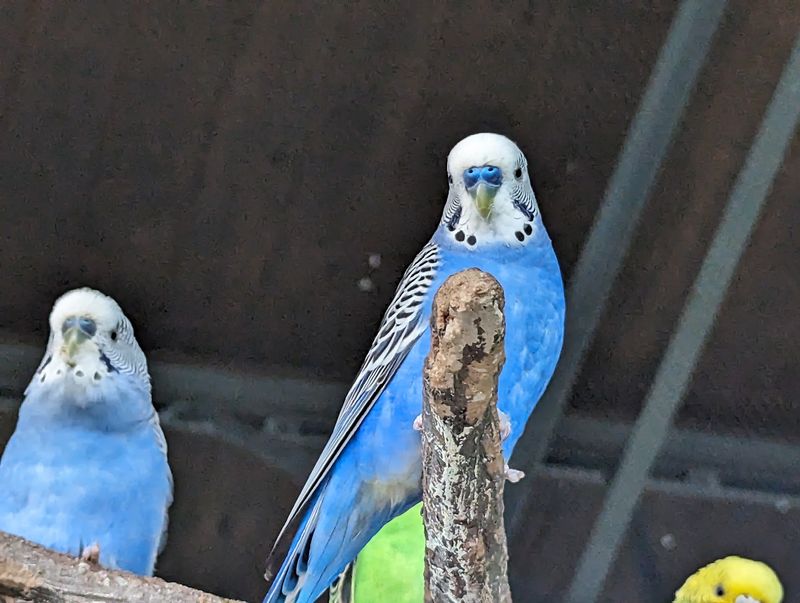
Bird lovers should head for the Tweeter Post aviary. Holding a stick of feed usually results in parakeets landing on hands, arms, and shoulders, sometimes several at once.
A Rainforest Aviary and an on-site museum with hands-on activities fill out the visit. The museum explains rescue and rehabilitation work in plain language that kids actually follow.
Touch pools hold baby stingrays, small sharks, and horseshoe crabs. Horseshoe crabs look alarming and are completely harmless, which makes them excellent for building courage.
Planning notes: encounters run on set schedules and have age or height requirements for the in-water programs. Booking ahead prevents the disappointment of arriving between sessions.
Bring a towel and clothes you do not mind soaking, because the water programs are not the splash-free kind. Sunscreen matters too, though reef-safe options are kinder to the animals.
The park sits on Dolphin Lane at 10801 Dolphin Ln, Gulfport, MS 39503.