
The Missouri Scenic Route That Showcases Hidden Waterfalls And Blooming Wildflower Fields
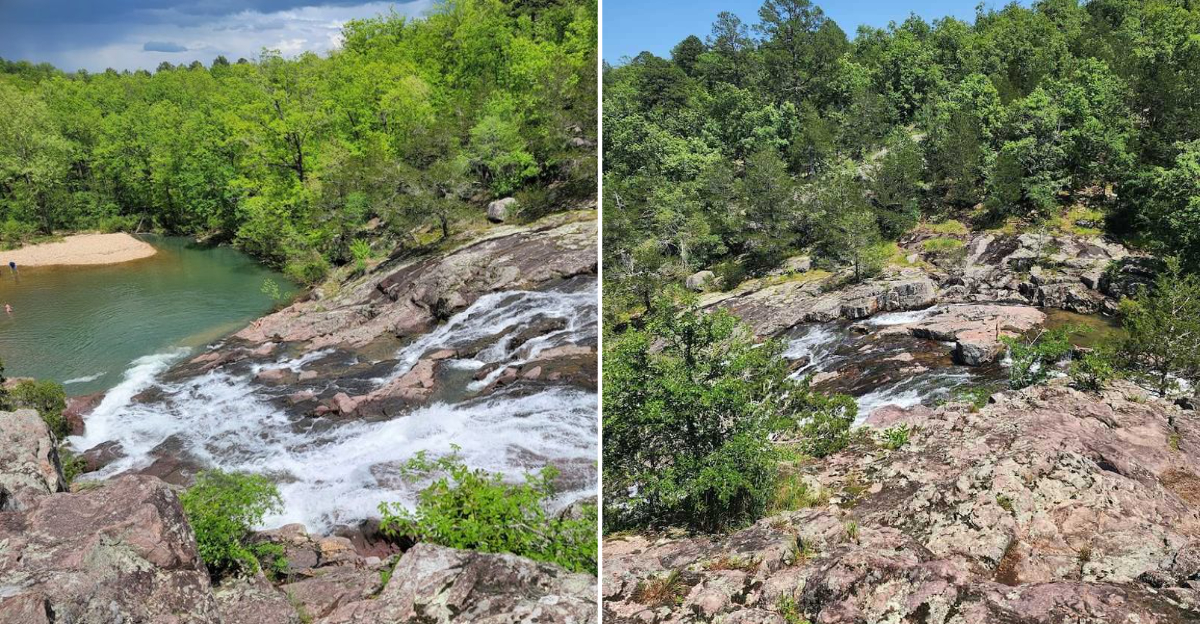
Waterfalls that nobody bothered to put on a sign and wildflower fields that bloom without an audience define this Missouri route in a way that planned scenic drives rarely manage. The best parts here are the ones the map never quite captured.
Each mile produces something the previous one never suggested was coming. A curtain of water appearing through tree cover, a hillside suddenly covered in color, and the particular surprise of beauty that arrives without warning.
Drivers who follow this route once tend to return at different points in the season, curious whether the wildflowers look different in late spring than they did in early summer. They always do, and the waterfalls remain indifferent to the timing entirely.
A scenic route this rewarding surviving outside the usual travel conversation requires a certain kind of obscurity that Missouri has managed to preserve. The drive keeps its secrets well, and the wildflowers keep blooming regardless of who shows up to notice.
Waterfall Formations And Their Geological Origins
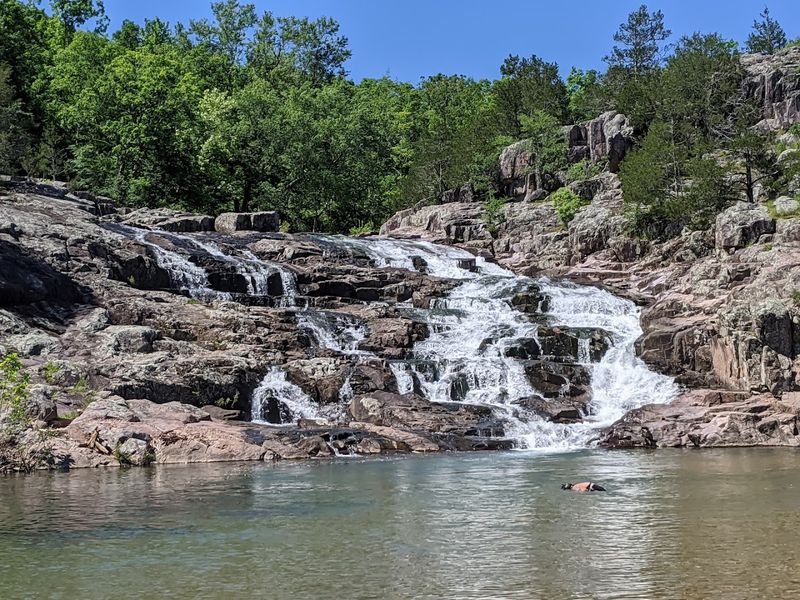
This spot is not your average waterfall. The water here crashes over rhyolite porphyry rock that formed about 1.5 billion years ago.
That is older than most things you can imagine.
Rhyolite is an igneous rock created from ancient molten lava. It is incredibly hard, which is exactly why it has survived billions of years of erosion.
Rocky Creek could not wear it down, so the water just goes around and over it instead.
This geological stubbornness created what scientists call a shut-in. The hard rock literally shuts in the creek, forcing water through narrow chutes and over dramatic drops.
The result is a 30 to 40-foot waterfall that empties into a wide, beautiful swimming hole.
The reddish-brown color of the rock is one of the most striking visuals at this site. It looks almost rusty, glowing warm in afternoon sunlight.
That color comes from iron minerals baked into the rock during its volcanic formation.
Rocky Falls sits within the Ozark National Scenic Riverways, a federally protected area. The park was established to protect the Current River and Jacks Fork River systems.
This entire region is a geological treasure chest. You can find Rocky Falls Shut-ins at Winona, MO 65588, right off State Highway NN east of Eminence.
Seasonal Cycles Of Wildflower Blooming Patterns
Spring at Rocky Falls is a full sensory experience. Redbud trees burst into brilliant pink and purple blooms all along the creek corridor.
They show up before most other plants even wake up.
Redbuds are one of Missouri’s most beloved native flowering trees. They tend to peak in late March through mid-April in the Ozarks.
Catching them at Rocky Falls means you get waterfall views framed by pink blossoms. It is genuinely hard to beat.
The trail from Rocky Falls to Klepzig Mill passes through open fields. Those fields host a rotating cast of wildflowers depending on the season.
Early spring brings delicate blooms, while summer fills the meadows with bolder colors.
The Ozark National Scenic Riverways is known for its diverse plant life. Dozens of native wildflower species thrive in the varied terrain here.
You might spot wild bergamot, black-eyed Susans, or coneflowers depending on when you visit.
Fall brings its own kind of beauty. Goldenrod and late-blooming asters take over the open fields in September and October.
The woodland edges turn amber and gold, making the entire route feel like a painting. Planning your visit around these cycles means you get a completely different experience every single time you come back.
Best Times To Visit For Waterfall Viewing
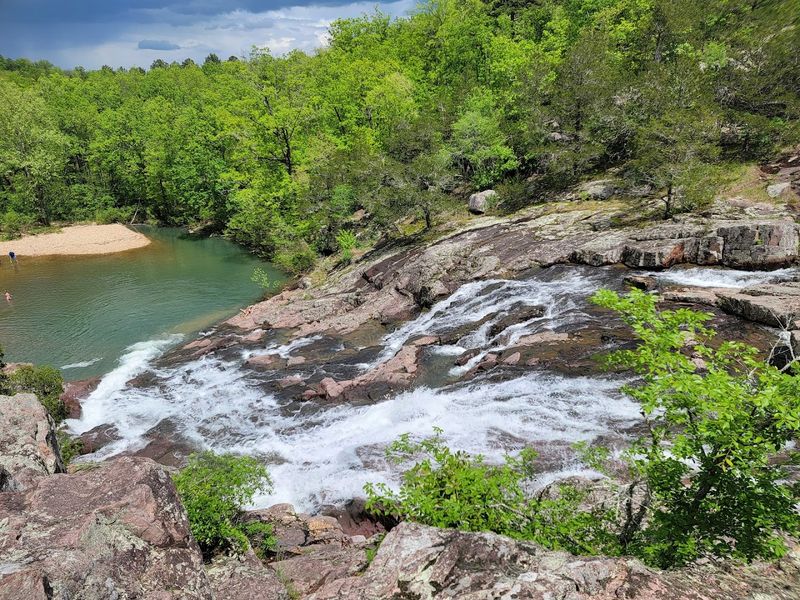
Rocky Falls is open 24 hours a day, every single day of the year. That is a rare and wonderful thing for a natural attraction.
You have real flexibility in planning your trip.
The waterfall runs most dramatically after heavy rainfall. Spring is the best season for serious waterfall flow.
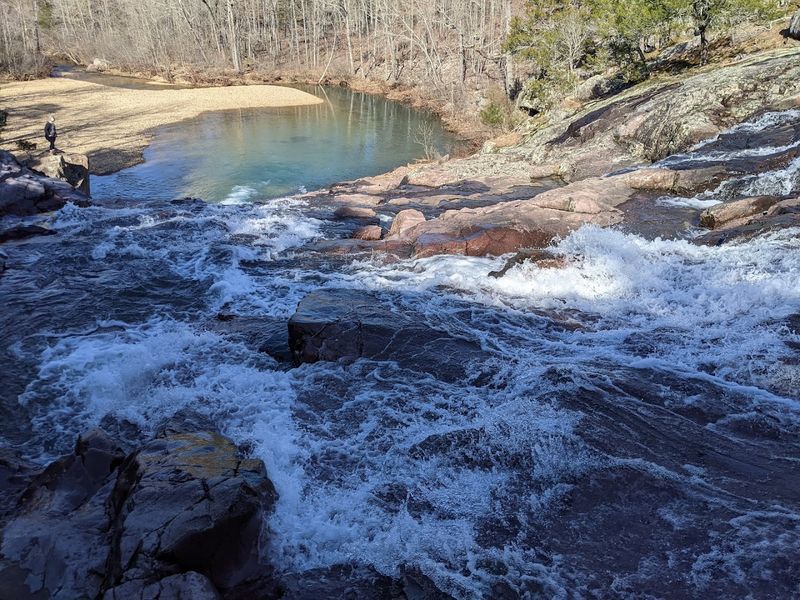
Winter snowmelt also pushes strong water levels, though swimming is obviously not on the table then.
Summer draws the biggest crowds, especially on weekends. If you want the falls mostly to yourself, show up on a weekday morning.
Early arrivals also get the best light for photos and a better chance of spotting wildlife.
Late afternoon visits have their own charm. The sun hits the reddish rock at a lower angle, creating warm golden tones.
The crowd also tends to thin out as the day goes on, giving you more space to explore.
Fall visits are underrated. The waterfall still flows well in September and October, and the surrounding foliage turns spectacular.
Fewer people come during this window, which means a calmer, more peaceful experience overall. Winter visits are quiet and moody, with ice occasionally forming on the rock edges.
Each season at Rocky Falls has a personality, so there is genuinely no bad time to come. Just check recent rainfall totals before heading out if waterfall intensity matters to you.
Local Wildlife Inhabiting The Scenic Areas
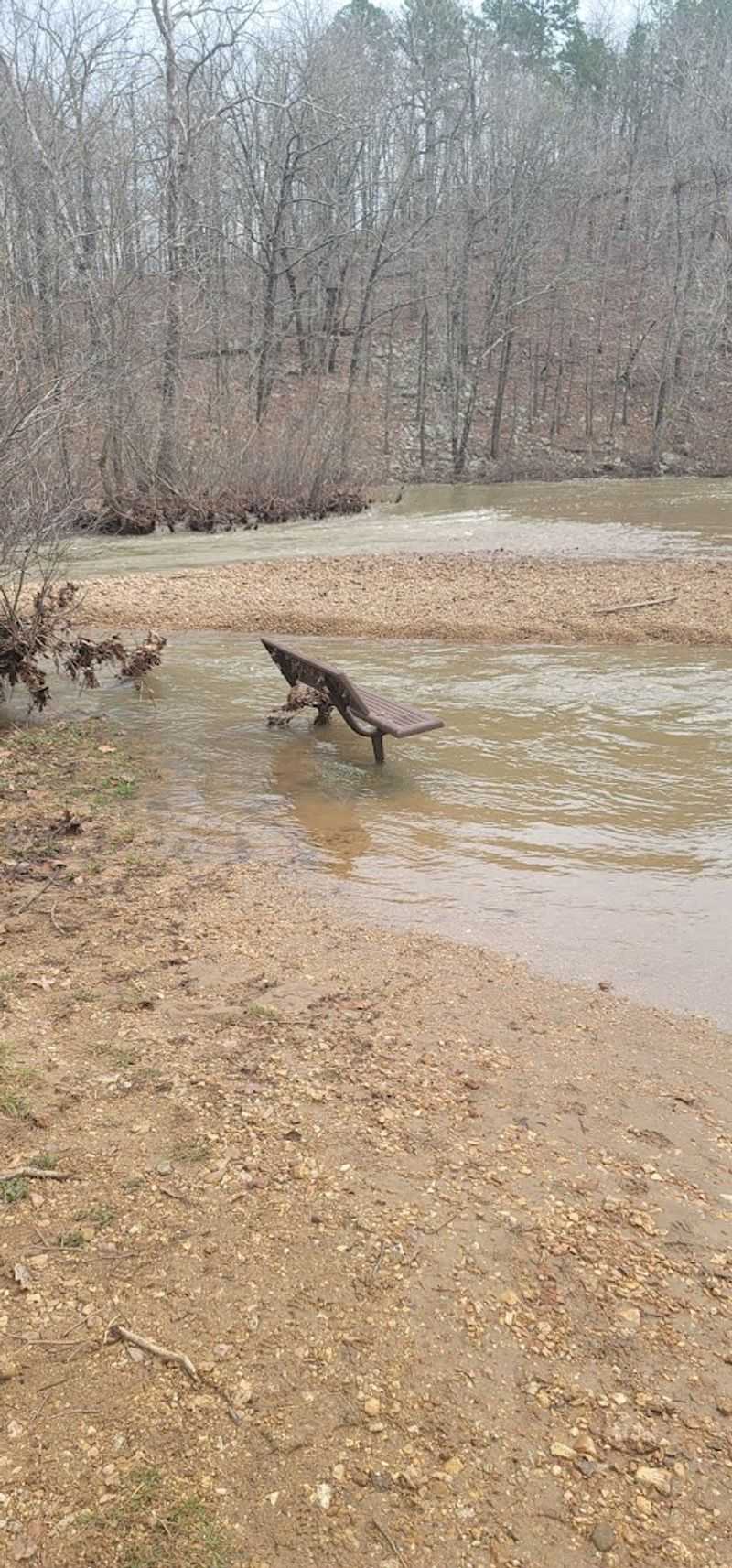
Wildlife at Rocky Falls will catch you off guard in the best possible way. The Ozark National Scenic Riverways supports an impressive variety of animals.
You just have to pay attention.
Feral horses have been spotted along the trails near Rocky Falls. Yes, actual wild horses roam the Ozark woods.
Seeing one standing quietly near the creek is the kind of moment that stays with you.
White-tailed deer are common throughout the area. Early morning visits offer the best odds of seeing them near the water.
They tend to move through the creek corridor at dawn and dusk, which are the calmest parts of the day.
The creek itself supports aquatic life, including various fish species. Crawdads scuttle around the rocky shallows.
Herons sometimes stand perfectly still near the banks, waiting patiently for a meal.
Bird watching along the trail to Klepzig Mill is genuinely rewarding. The mix of woodland and open field habitats attracts a wide range of species.
Listen for woodpeckers drumming in the trees and warblers calling from the brush. Reptiles also make appearances on warm sunny days.
Turtles bask on rocks near the water, and the occasional harmless snake crosses the trail. The ecosystem here is healthy and active.
Going early in the morning dramatically increases your chances of seeing something memorable.
Trail Safety Tips For Exploring Waterfall Routes
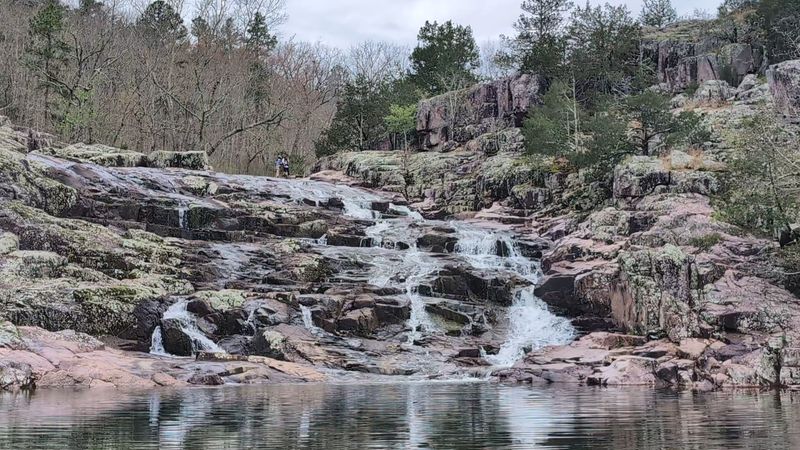
This place looks inviting, and they are, but they demand respect. Wet rhyolite is extremely slippery.
More than a few people have had unexpected close encounters with the ground here.
Wearing water shoes or sturdy sandals with grip is not optional. Bare feet on wet rock is a bad plan.
The rocks are also sharp in spots, so foot protection genuinely matters for comfort and safety.
The trail to the waterfall from the parking lot is short and easy. The rocks around the falls themselves are a different story.
Climbing on the rocks is popular, but take your time and test each step before committing your full weight.
The road leading to Rocky Falls is a gravel road with some rough patches. It is manageable in a regular car, but take it slow.
Tight passing spots mean you should be alert for oncoming vehicles.
For the 3-mile hike to Klepzig Mill, bring enough water for the full 6-mile round trip. The trail runs alongside Rocky Creek through woodlands and open fields.
It is rated easy to moderate, but summer heat can make it feel harder than expected. Tell someone your plans before heading out on longer hikes.
Cell service in this part of Missouri is unreliable. Staying on marked trails keeps you safer and helps protect the sensitive plant life around the creek.
Photography Techniques For Capturing Waterfalls And Wildflowers
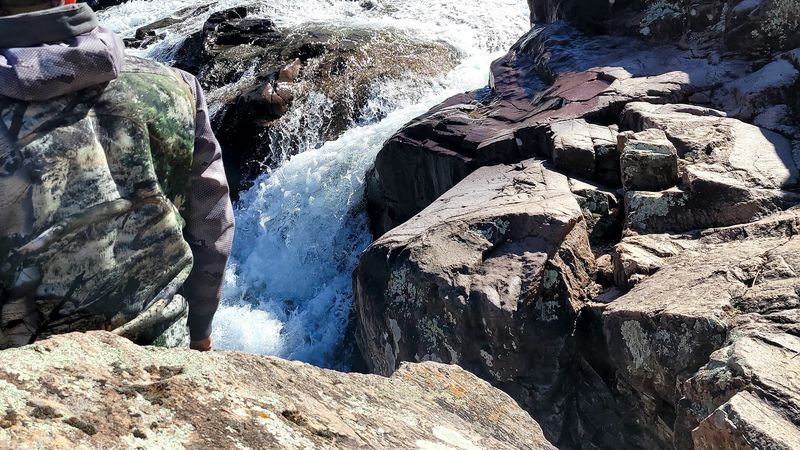
Rocky Falls is a photographer’s playground, no question about it. The reddish rock, clear water, and surrounding greenery create a natural contrast that almost does the work for you.
Almost.
For waterfall shots, a slow shutter speed creates that silky flowing water effect. You need a tripod to pull it off cleanly.
Even a small travel tripod works well on the flat rock surfaces near the base of the falls.
Morning light hits the falls from a favorable angle on clear days. Golden hour in the evening is equally good.
Midday sun creates harsh shadows in the canyon, so that window is better for wide landscape shots than close waterfall detail work.
Wildflowers along the trail photograph beautifully in soft, diffused light. Overcast days are actually ideal for flower photography.
The even light brings out color saturation without blown-out highlights.
Getting low changes everything. Shooting wildflowers from ground level with the waterfall or creek in the background creates depth and context.
A wide-angle lens captures the full environment while a macro lens isolates individual blooms. Smartphone photographers are not left out here.
The automatic portrait mode works surprisingly well for flowers. For waterfalls, prop your phone on a rock and use the timer to avoid camera shake.
The red rock and rushing water combination is genuinely one of Missouri’s most photogenic natural scenes.
Conservation Efforts Preserving The Natural Scenery
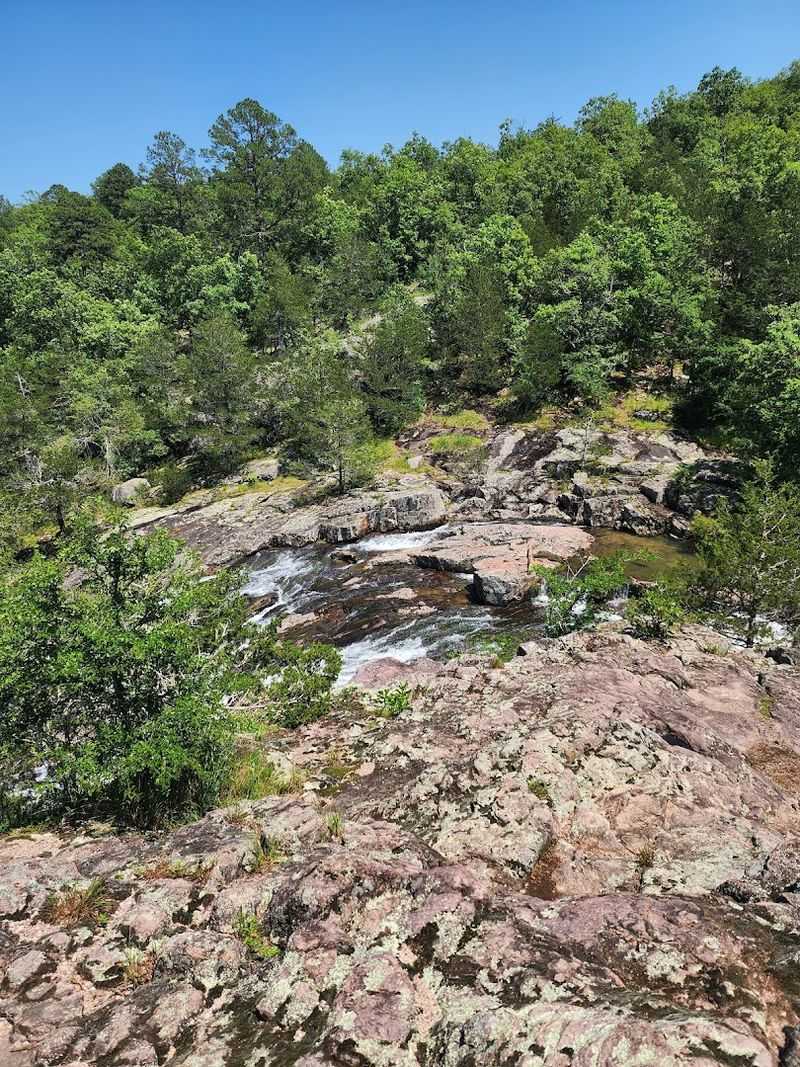
A spot like this exists inside the Ozark National Scenic Riverways, one of the first national park areas established to protect a river system in the United States. That federal protection is a big deal.
Without it, this place would look very different today.
The National Park Service manages the site and works to maintain the natural balance here. Picnic tables, grills, and restrooms are provided without compromising the natural environment.
The infrastructure is minimal and intentional.
Pack out what you pack in. This rule is not just a suggestion at Rocky Falls.
The beauty of this spot depends entirely on visitors treating it with care. Trash left behind harms wildlife and degrades the experience for everyone who comes after you.
Staying on marked trails is a key conservation behavior. The vegetation along Rocky Creek is sensitive.
Foot traffic off trail compacts soil, damages root systems, and erodes the creek banks over time.
The National Park Service also monitors water quality in Rocky Creek. Clean water supports the fish, crawdads, and other aquatic life that make this ecosystem function.
Visitors are asked not to use soap or sunscreen in the creek for this reason. Conservation here is a shared responsibility between the park service and the public.
Every small choice adds up. Treating Rocky Falls with respect means future generations get to experience the same waterfall, wildflowers, and wildlife that make this route so memorable.
Nearby Attractions To Complement Scenic Route Visits
Rocky Falls does not exist in isolation. The surrounding area is loaded with natural and historic sites worth building into a full-day trip.
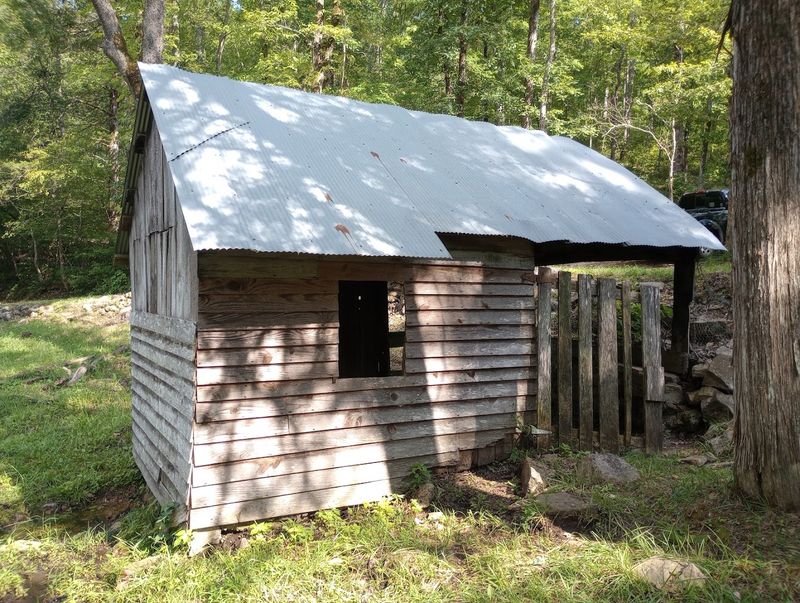
Klepzig Mill is the most obvious next stop.
Klepzig Mill sits about 3 miles north of Rocky Falls along the Ozark Trail. Built in 1928, it is a small turbine-powered sawmill that still displays its original mechanics.
The road to reach it by car is rough and rocky, so most people hike in from Rocky Falls instead.
The trail between Rocky Falls and Klepzig Mill passes additional shut-ins along Rocky Creek. These smaller formations are less visited and feel genuinely remote.
It is a 6-mile round trip rated as an easy to moderate hike.
Eminence, Missouri, sits nearby and serves as a regional hub for Ozark outdoor activities. The town sits at the confluence of the Current River and Jacks Fork River.
Floating the Current River is a classic Missouri experience worth adding to your itinerary.
The broader Ozark National Scenic Riverways offers scenic bluffs, clear springs, and river access across a wide area. Big Spring, one of the largest springs in the country, is within a reasonable driving distance.
Round Springs is another impressive natural feature in the region. Spending two or three days in this part of Missouri gives you enough time to explore Rocky Falls thoroughly while still hitting the surrounding highlights without feeling rushed.