
The Most Charming Small Towns Hiding Near Jackson, Mississippi
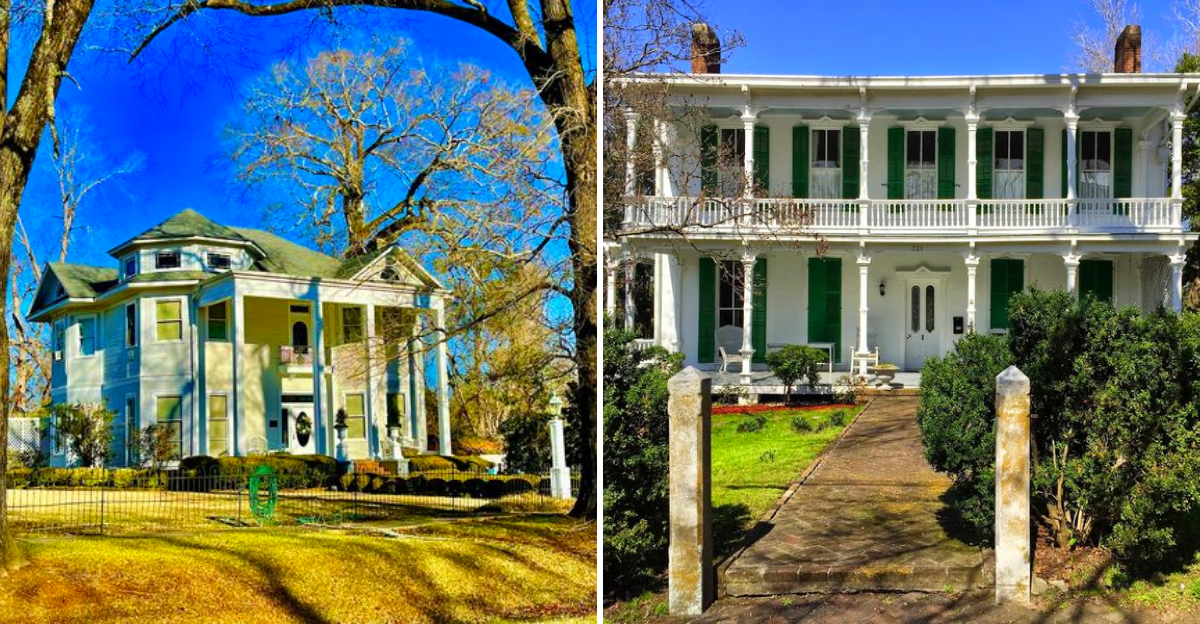
Jackson, Mississippi, gets plenty of attention, but the little towns surrounding it deserve some credit, too.
A handful of small communities sit just far enough away to feel like their own world, packed with porches, corner diners, and shop owners who wave at every car that passes.
Charm builds slowly in places like this, not through flashy attractions but through decades of people simply sticking around. Small towns don’t usually shout about themselves, and that’s what makes them special.
Shop windows near Jackson keep their old signs, faded but proud. Neighbors call each other by name and probably know each other’s stories too. Front porches fill up most nights with people sharing stories instead of looking at phones.
Taking it slow near Jackson might be the easiest choice you make all year.
1. Crystal Springs
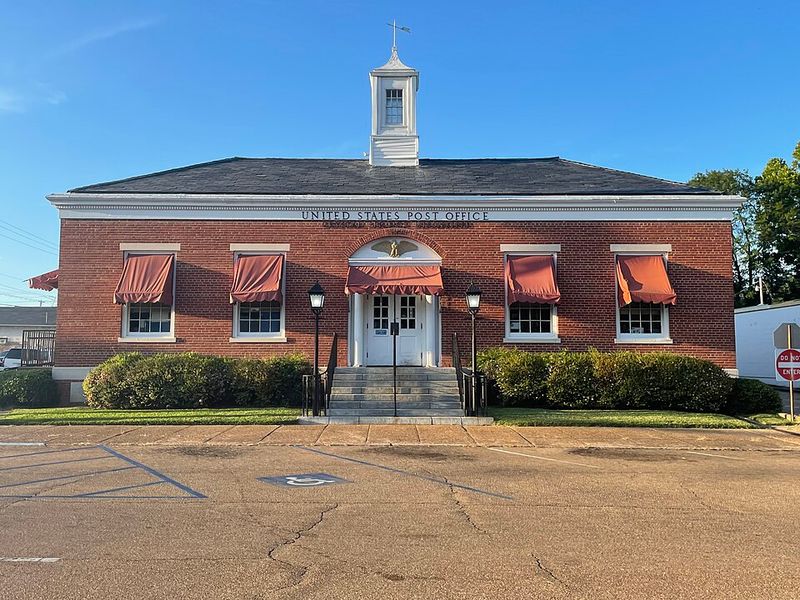
Few towns earn a nickname as bold as “Tomatopolis of the World,” but Crystal Springs absolutely owns it. About 26 miles south of Jackson, this town built its reputation on rich farmland and a great pride in what it grows.
Every June, the town throws its annual Tomato Festival on the last Saturday of the month, and in 2026 that falls on June 27th, right along Marion Ave. and Georgetown Street downtown.
Music lovers should make a point to visit the Robert Johnson Blues Museum at 218 E. Marion Ave, Crystal Springs, MS 39059.
Robert Johnson is one of the most legendary figures in American blues history, and this museum gives his story the respect it deserves. The Crystal Springs Tomato Museum inside the Chautauqua Park Visitors Center adds even more local flavor to the visit.
Crystal Springs is the kind of place that makes you slow down and actually look around. Antique shops, old churches, and charming homes line the streets with a quiet confidence.
If you time your visit right and catch the festival, you will leave with a full stomach and a seriously good story to tell.
Copiah County surrounds Crystal Springs with the kind of fertile farmland that made tomato growing economically significant enough to earn that bold nickname in the first place.
The Robert Johnson connection gives the town a cultural weight that extends well beyond Mississippi’s borders, drawing blues enthusiasts from across the country.
They make the pilgrimage specifically to stand in the place that shaped one of American music’s most mythologized figures.
The combination of food culture and musical heritage makes Crystal Springs genuinely layered for a town its size.
2. Flora
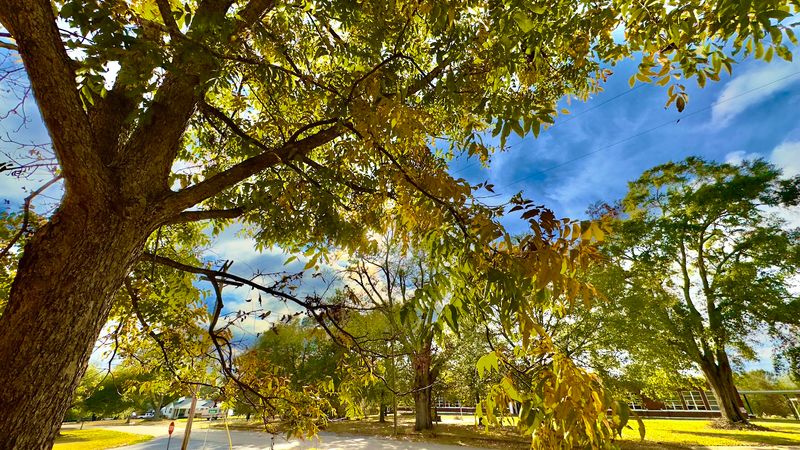
Flora is the kind of town that surprises you in the best way. About 20 miles northwest of Jackson, it is home to the Mississippi Petrified Forest, one of only two petrified wood sites east of the Mississippi River.
The other is the Gilboa Fossil Forest in New York, so Flora is in seriously rare company. You can walk the nature trail and explore the museum at 124 Forest Park Road, Flora, MS 39071.
The fossilized logs date back millions of years, and standing next to them feels genuinely surreal. Kids love it, geology nerds love it even more, and honestly anyone with a pulse will find something fascinating here.
To ensure a safe and enjoyable visit, remember to stay on designated paths and follow museum guidelines. It is the kind of attraction that makes you stop mid-sentence and stare.
After the forest, Flora’s historic downtown offers a pleasant stroll past local businesses and a preserved railroad depot that speaks to the town’s past as a railway hub. When hunger shows up, head straight to the Blue Rooster at 344 1st Street, Flora, MS 39071.
Their Southern menu and burgers have built a loyal following, and one visit makes it easy to understand why regulars keep coming back.
The petrified forest’s existence in central Mississippi surprises most visitors because the region’s current landscape gives no obvious hint that ancient waterways once deposited massive trees here from what is now the western United States.
The geological timeline involved is staggering enough to make the fossilized logs feel almost impossible, inspiring curiosity about Earth’s deep history.
Madison County surrounding Flora has grown considerably in recent decades. Still, the town itself has maintained a quieter identity that the petrified forest anchors with something irreplaceable and genuinely scientifically significant.
3. Terry
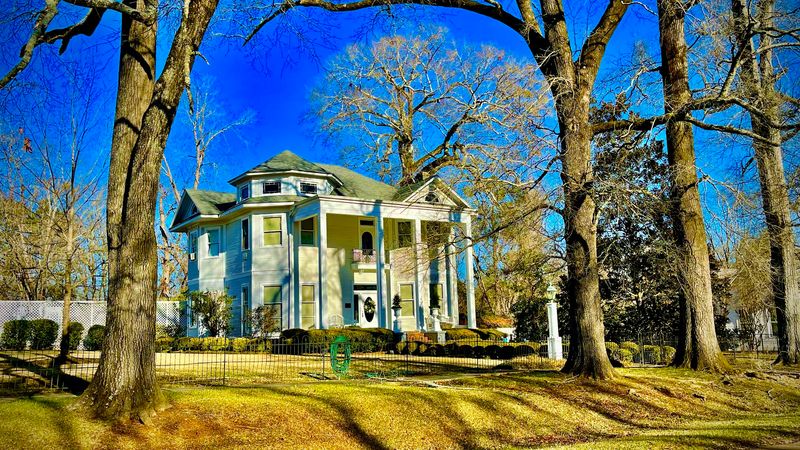
Terry does not try to impress you. It just is what it is, and that quiet confidence is exactly what makes it worth the trip.
Just 15 miles southwest of Jackson, off Interstate 55, this small railroad depot town has a history that goes all the way back to 1811, when the area was first settled. The railroad arrived in 1867, and the town has held onto that heritage ever since.
The original downtown still features old row buildings and a restored train depot built by the Illinois Central Railroad in the early 1880s. Before it was called Terry, the area was known as “Dry Grove,” which sounds like either a folk band name or a great trivia answer.
Town leaders have put real effort into preserving what makes the historic center special, and it shows in every weathered brick and original storefront.
Terry is not a flashy destination, and that is the whole point. It offers a genuinely calm atmosphere that feels like a step back in time without the tourist crowd.
If you want to feel the roots of small-town Mississippi without any fuss, Terry delivers that experience with understated grace and zero pretense.
The Illinois Central Railroad corridor that runs through Terry connected communities across the Deep South for generations, and the restored depot represents a physical anchor to that era of movement and commerce.
Hinds County has several small towns along this same rail line, and Terry sits among the better preserved of them.
The 1811 settlement date predates Mississippi’s statehood by six years, placing the town’s origins in a territorial period that most visitors never think to ask about.
4. Yazoo City
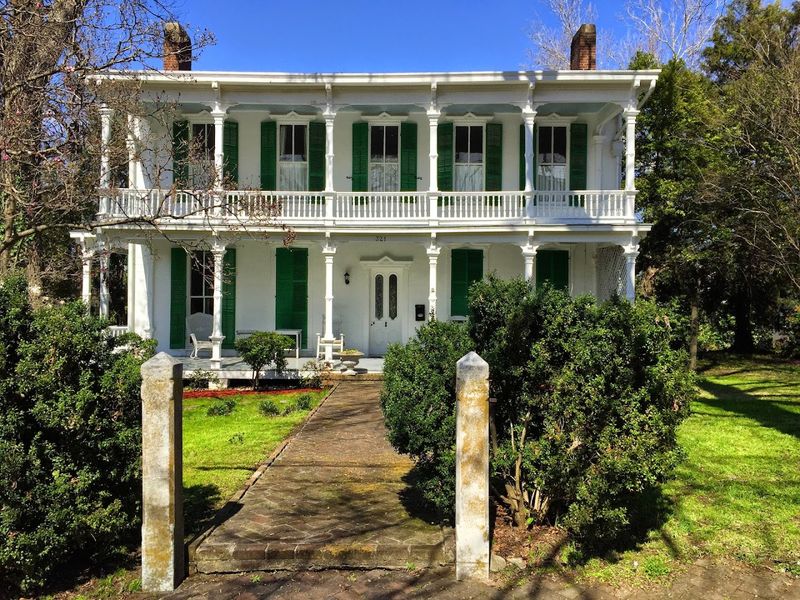
Yazoo City is the gateway to the Mississippi Delta, and it arrives with a personality that is equal parts elegant and eerie.
The town sits north of Jackson in the western part of the state, and its historic downtown is anchored by the stunning Ricks Memorial Library at 310 North Main Street, Yazoo City, MS 39194.
The building is a gorgeous Beaux Arts structure that is part of the Yazoo City Town Center Historic District.
Beyond the beautiful architecture, Yazoo City carries a legend that locals take seriously. The “Witch of Yazoo” story is tied to Glenwood Cemetery and a massive fire that tore through the city in 1904.
According to the legend, the fire happened exactly 20 years after the witch allegedly passed away, fulfilling a curse she had made. Whether you believe it or not, the story adds a layer of intrigue that most small towns cannot match.
Yazoo City rewards curious visitors who enjoy history with a side of mystery. The downtown architecture alone is worth the drive, and the local lore gives every corner of the city a little extra texture.
Bring your camera and your skepticism, and leave with a story that will genuinely raise some eyebrows at the dinner table.
The 1904 fire that the Witch of Yazoo legend claims to have predicted destroyed much of downtown, which is why the surviving Beaux-Arts architecture feels especially significant.
What survived and what was rebuilt after the fire both tell stories worth reading in the facades of North Main Street.
The Yazoo Delta region, extending north and west of the city, transitions quickly into some of the most culturally rich agricultural landscapes in the entire Deep South, making the town a natural gateway in both directions.
5. Utica
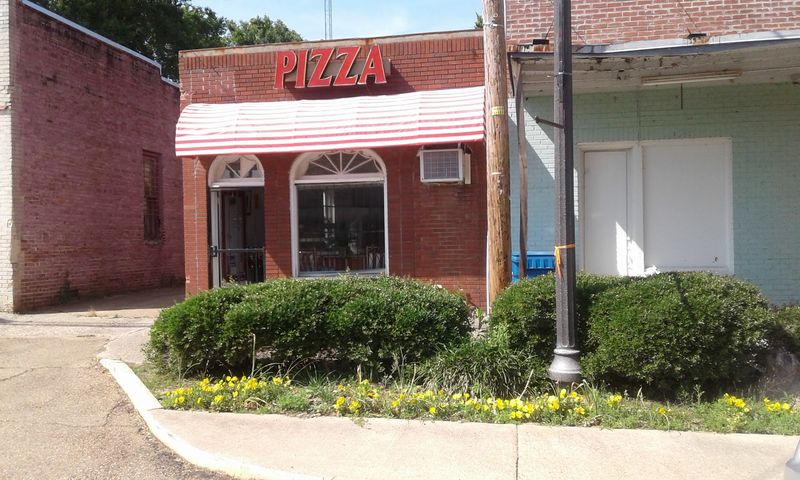
Utica has the kind of Main Street that makes you feel like time slowed down on purpose.
Incorporated in 1880, this Hinds County town grew into a railroad hub, with Main and Depot Streets once packed with businesses serving the surrounding agricultural community.
Produce, especially tomatoes, moved through here on its way to bigger cities, and that legacy of hard work still shapes the town’s identity today.
A revitalization effort is currently underway to establish the Main Street Cultural Center at the intersection of Main Street and White Oak Street.
The goal is to bring arts, food, and community events back to the heart of town, and the momentum behind it is genuinely exciting for such a small community.
Utica is proving that small towns do not fade quietly when their people care enough to push back.
The Utica Institute Museum on the Hinds Community College Utica Campus tells a compelling chapter in the history of Southern Black education, with a focus on agricultural traditions and community ties. It is a meaningful stop that adds real depth to any visit.
Utica rewards those who slow down and pay attention, offering an old-school Main Street feel with a forward-looking spirit that is hard not to admire.
The Hinds Community College Utica Campus, carrying on the educational mission of the original Utica Institute, reflects a community that never abandoned the belief that education changes outcomes. The original institute was founded in 1903 by William H.
Holtzclaw, a student of Booker T. Washington, with a specific focus on practical education for rural Black students in Mississippi.
That founding story gives the campus a historical significance that extends far beyond its current role as a community college serving the surrounding Hinds County region.
6. Bolton
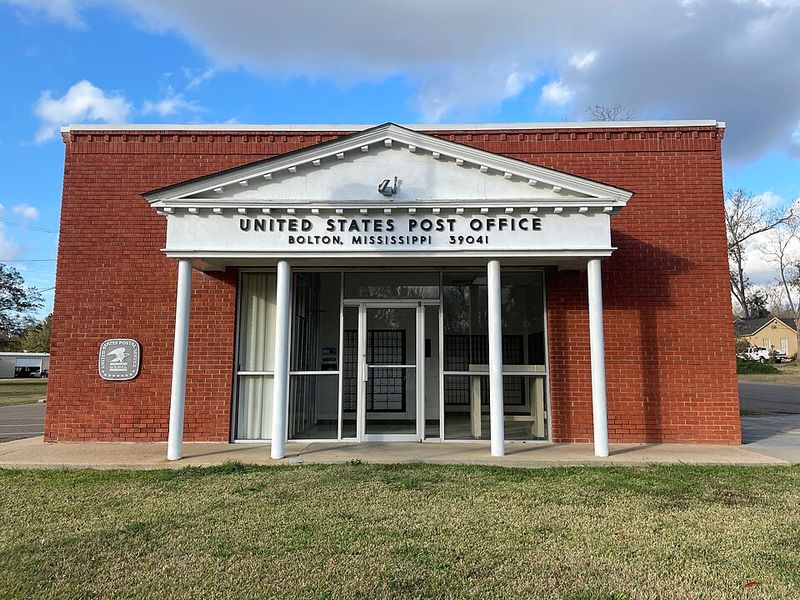
Bolton moves at its own pace, and honestly, that is a feature, not a flaw. Incorporated in 1871, this tiny Hinds County town sits along the east-west Kansas City Southern railroad line, which once made it a critical link between rural Mississippi and broader markets.
Cotton and timber passed through here regularly, and the town built its identity around that agricultural rhythm.
The commercial district has grown quieter over the years, but Bolton’s charm lives on in its collection of older homes, churches, and community spaces that reflect the character of earlier generations.
Preserved storefronts carry the memory of a busier era without trying too hard to recreate it.
There is something genuinely peaceful about walking through a place that has made peace with its own history.
Bolton is not the kind of town that hands you a brochure at the entrance. It asks you to look closely, notice the details in the architecture, and appreciate the stillness.
For travelers who find beauty in the understated and value a slower rhythm, Bolton is a surprisingly rewarding detour. It sits close enough to Jackson to make a quick afternoon trip completely reasonable and absolutely worth the short drive.
The Kansas City Southern line running through Bolton was part of a rail network that fundamentally shaped which Mississippi communities developed commercially and which ones remained purely agricultural.
Towns positioned along that corridor had access to markets that others did not, and Bolton’s early growth reflected that advantage directly.
The quiet that defines the town today carries a particular texture born of prosperity once present and now softened by time, a quality that newer planned communities spend enormous resources trying to simulate without ever quite getting there.
7. Edwards
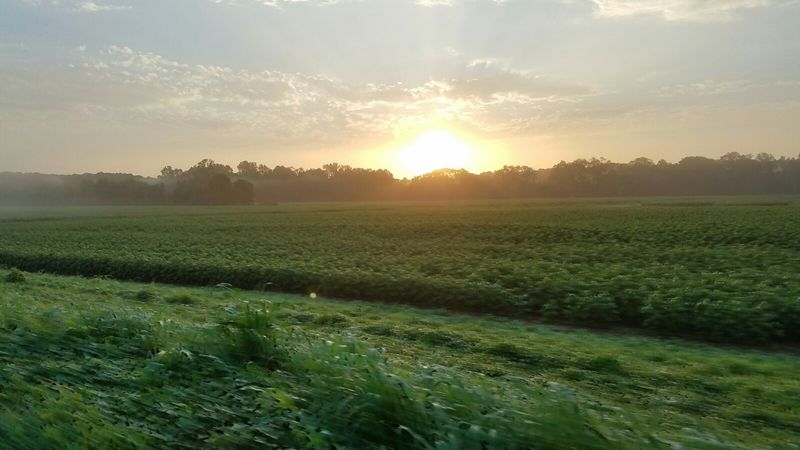
Edwards carries the weight of history in a way that few small towns can match. Tied directly to the Battle of Champion Hill, fought on May 16, 1863, this Civil War-era town sits on ground that shaped the outcome of the Vicksburg Campaign.
The rolling terrain between Edwards and Bolton witnessed a decisive engagement that changed the course of the war, and the echoes of that day are still very much present.
The Coker House is the crown jewel of the area’s historic sites. Built around 1852 in the Greek Revival style, it served as a Union hospital during the battle and stands today as the only surviving antebellum structure on the Champion Hill Battlefield.
You can find it at Adams Lane, Edwards, MS 39066. The Champion family’s original home site is also nearby and identifiable, adding another layer of context to the landscape.
Raymond-Edwards Road, now Mississippi State Highway 467, runs through a portion of the battlefield, meaning history literally passes beneath your tires on the drive in.
Edwards is a must-visit for anyone who takes American history seriously and wants to stand in a place where major events actually unfolded. The town is small, but the ground it sits on is enormous in significance.
Many Civil War historians consider Champion Hill to be the decisive battle of the entire Vicksburg Campaign, making the ground around Edwards more strategically significant than its modest size would suggest.
General Ulysses Grant’s forces effectively cut off Confederate General John Pemberton’s army at this engagement, setting in motion the siege that would surrender Vicksburg on July 4, 1863.
Standing at the Coker House and looking across the same rolling terrain where that engagement unfolded produces a quieting effect that no museum exhibit fully replicates.