
The Nevada Wetlands Where Birdwatchers Travel From Across The Country
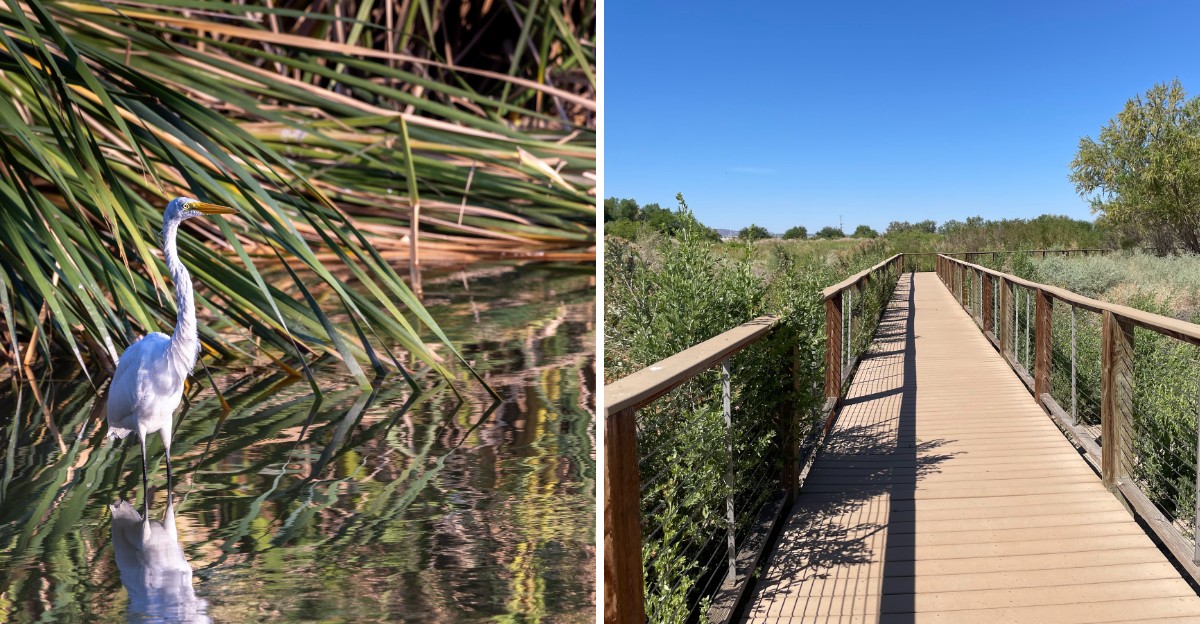
Some of the finest birding in the desert began at a wastewater treatment plant. Yes, these famous ponds started as part of a city utility.
More than two hundred seventy bird species have been recorded here. Birders cross the country just to add a few to their lists.
What draws them to such a dry corner of southern Nevada?
A major migration route passes right overhead. Nine quiet ponds and about five miles of trails wait below.
An observation tower offers a view worthy of a nosy heron. Admission costs nothing at all.
Where else do ducks, avocets, roadrunners, and a resident tortoise share one backyard?
Gates close by early afternoon, so early birds win here. Why not plan a sunrise visit in Nevada?
Those Famous Ponds Have A Very Unexpected Backstory
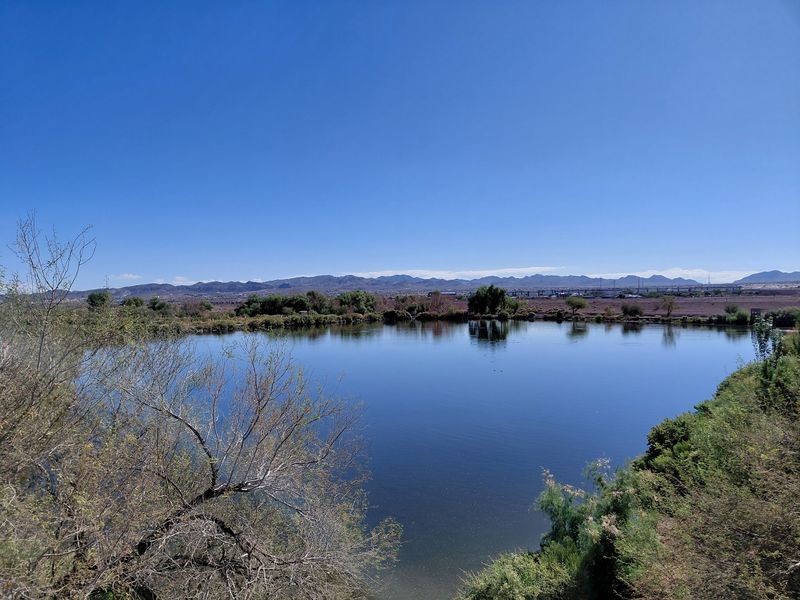
Few nature spots can say they began at a water treatment plant. The Henderson Bird Viewing Preserve started as part of the City of Henderson’s Wastewater Reclamation Facility.
Birds didn’t care about the paperwork, though. Those ponds became the third-largest body of water in southern Nevada.
Migrating flocks noticed quickly. Local birders had been visiting the ponds for decades before the preserve officially opened.
The city made things official decades later. Leaders approved the preserve concept on July 15, 1997, and crews broke ground on March 9, 1998.
The preserve was dedicated on May 20, 1998. It then received a major renovation in 2011 that cost about 1.9 million dollars.
Improvements are still happening today. In 2024, the preserve earned a state conservation grant plus extra funding for pathway upgrades.
That’s a pretty great glow-up for a utility site. Most city facilities don’t end up on birders’ bucket lists across the country.
I believe the story makes a visit even better. You’re standing in a spot where smart planning and wildlife quietly teamed up.
Keep that history in mind as you stroll. Every pond you pass carries a little bit of Henderson’s clever thinking.
Every Season Brings A Totally Different Cast Of Characters
Winter turns the ponds into a duck parade. Northern Shovelers, Pintails, Buffleheads, and Wood Ducks often show up in the cooler months.
Teal fans get a treat too. Green-winged, Cinnamon, and Blue-winged Teal may all appear during winter and early spring.
Geese join the party as well. Canada, Snow, and Ross’s Geese can be spotted, along with the occasional Tundra Swan.
Raptors patrol the skies in those months. Peregrine Falcons, Northern Harriers, and Cooper’s and Sharp-shinned Hawks are all possible sightings.
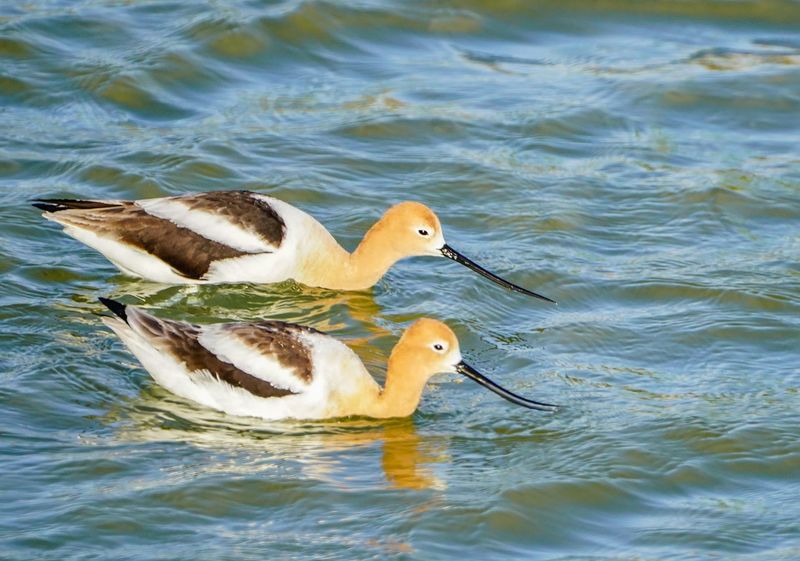
Summer changes the mood completely. American Avocets, Black-necked Stilts, Mallards, and Ruddy Ducks nest at the preserve.
Watching nesting birds feels special. Just keep your distance and let the parents do their important work.
Fall brings the songbird crowd. Warblers, thrushes, flycatchers, and sparrows pass through during migration season.
Those smaller birds can be tricky to spot. A pair of binoculars and some patience will help a lot.
So which season is best? Honestly, it depends on what you hope to see.
Duck lovers should aim for winter. Songbird fans may prefer fall, and nesting fans should consider summer mornings.
Bring A Notebook Because The Bird List Gets Long Fast
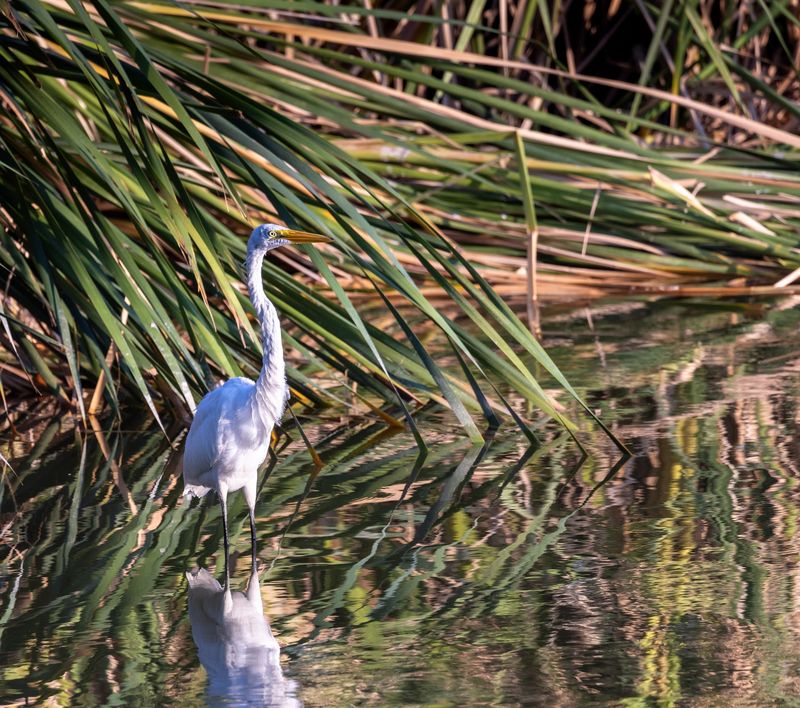
Over 270 species have been recorded here. Some sources stretch the count to around 295, which is wild for a desert.
Location explains a lot. The preserve sits on the eastern edge of the Pacific Flyway, a major route for migrating birds.
Thousands of waterfowl stop here to rest and refuel. For them, it’s basically a highway rest stop with much better scenery.
Desert residents stick around too. Verdins, Abert’s Towhees, Crissal Thrashers, and roadrunners all call this area home.
That mix is the magic. You can watch a duck paddle by, then spot a desert bird darting through the brush moments later.
Beginners shouldn’t feel nervous. The Visitor Center offers a bird list, so you can check off species as you go.
Experienced birders get plenty to chase as well. Rare visitors and seasonal surprises keep the list interesting all year.
My advice? Start with a few easy birds and build from there.
Mallards count, and nobody’s judging your first checkmark.
Ask the staff about recent sightings when you sign in. They can point you toward the ponds where the action is happening.
Good luck stopping at just one more pond. This list has a sneaky way of turning casual walkers into collectors.
Climb Up For A Bird’s-Eye View Of The Ponds
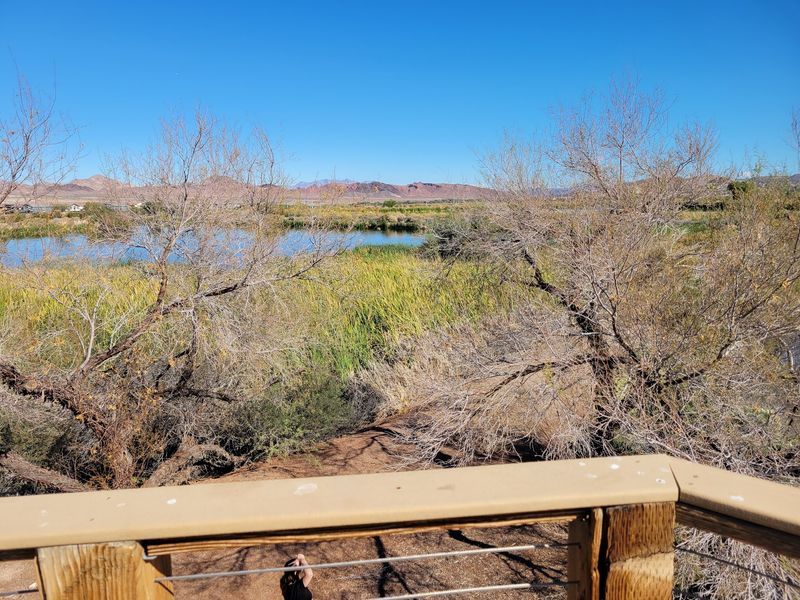
Height changes everything when you’re looking for birds. The observation tower gives you a wider view across several ponds at once.
From up there, patterns become easier to notice. You can watch flocks gather, shift, and settle across the water.
It’s a smart first stop on a visit. Scan the ponds from above, then decide where you’d like to walk next.
Photographers will appreciate the angle too. Shooting down onto the water creates a different look than shots from ground level.
Bring binoculars for the best results. Birds far across a pond look much more exciting up close.
Don’t own a pair? No problem at all, because the Visitor Center has loaner binoculars available.
Keep your voice low while you’re up there. Quiet visitors give the birds a reason to stay put.
Here’s a fun little challenge for kids. Have them count how many different birds they can spot from the tower.
Adults might get competitive too, honestly. Nobody needs to know you were racing a ten-year-old.
Either way, the view is worth the climb. You’ll see the preserve as one big, connected habitat instead of separate ponds.
Your Feet Will Love These Easy Paths Between The Water
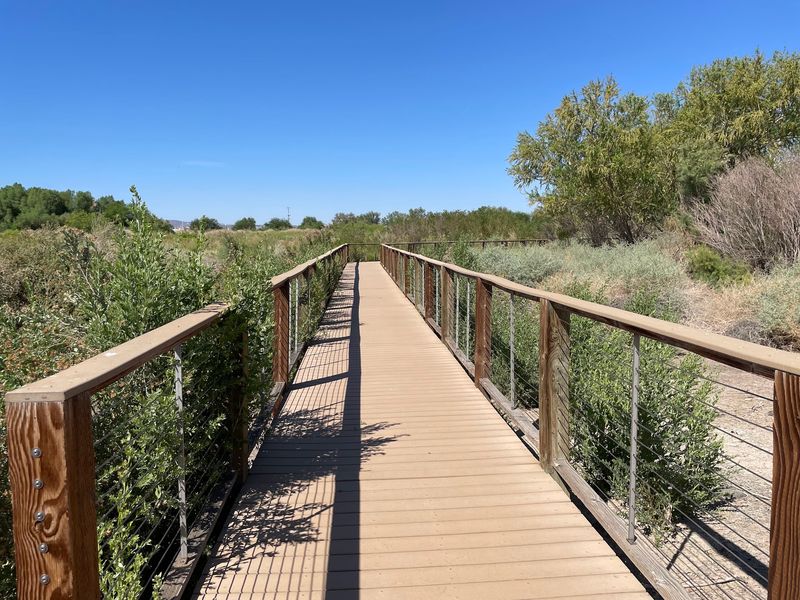
Nine ponds spread across 140 acres here. About five miles of trails connect them, so you can wander as much as you want.
Not up for a long trek? A paved, ADA-accessible path runs about three-quarters of a mile through the ponds.
That path makes the preserve friendly for strollers and wheelchairs. Grandparents and little kids can enjoy the walk together.
Benches sit along the way for quick breaks. They’re also great spots for quietly waiting on birds to show up.
Outhouses are placed around the property too. That’s a small detail, but you’ll appreciate it after a long morning.
Wear sturdy shoes for the longer routes. Breathable clothes make the walk more comfortable, especially as the day warms up.
Remember to stay on the marked trails. Walking into the water or mud isn’t allowed, and it disturbs the wildlife.
Running and biking are also off the table here. This is a slow, quiet place built for looking and listening.
I like that rule. It turns a simple walk into a calm break from everything else in your day.
Take your time and pause often. The birds tend to reward the patient walkers.
Start Your Adventure Inside The Friendly Visitor Center
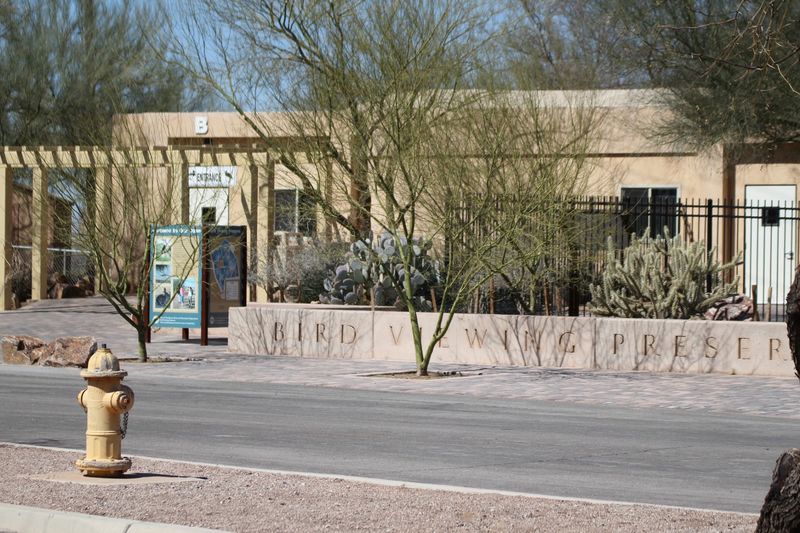
Every visit begins at the Visitor Center. Everyone signs in there, and first-timers fill out a liability waiver.
It only takes a moment. Then the fun part starts.
Grab a preserve map before heading out. It helps you plan a route around the ponds without getting turned around.
Pick up the bird list too. It’s a handy way to learn names and keep track of what you see.
The staff can share recent sightings. That tip might lead you straight to a bird you’d otherwise miss.
Loaner binoculars are available here as well. That’s a big help for families who don’t own any.
Educational programs happen at the preserve too. An outdoor classroom gives school groups and families a place to learn outside.
Guided walking tours are another option. There are also Bird Mobile cart tours, which may come with a fee.
A cart tour sounds great for anyone who can’t walk far. Ask about schedules when you check in.
Think of the Visitor Center as your launch pad. A few minutes there can make the whole visit smarter and more fun.
A Slow-Moving Celebrity And A Butterfly Garden Await
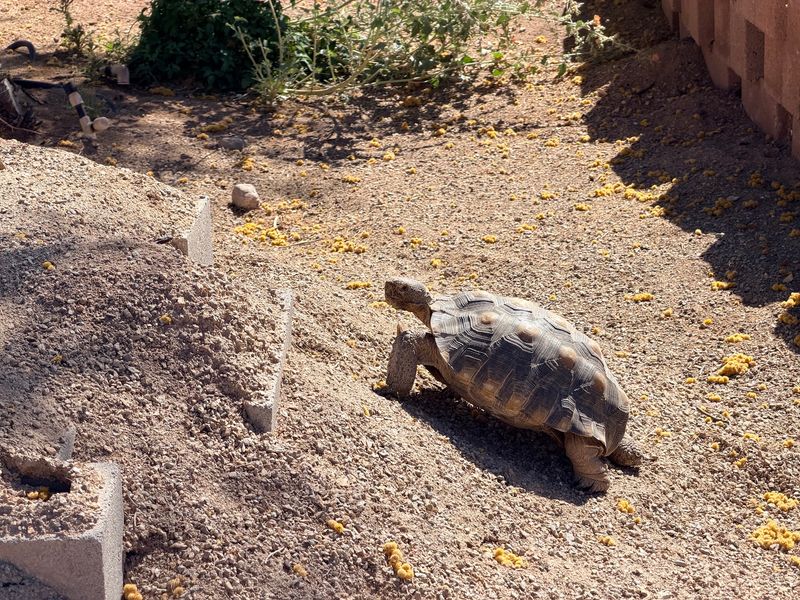
Meet Tino, the resident tortoise. He lives just outside the Visitor Center and has a pretty relaxed schedule.
Don’t count on him to hurry over for a photo. Tortoises do things on their own time, and that’s part of the charm.
Kids especially love looking for him. Spotting Tino can feel like winning a small prize.
Nearby, you’ll find March’s Monarch Garden. Gardens like this support butterflies and add even more life to the preserve.
It’s a nice reminder that birds aren’t the only stars. Insects, reptiles, and plants all play a role in this habitat.
Families can turn this area into a mini scavenger hunt. Look for the tortoise, then search the garden for butterflies.
Remember the big rule about wildlife here. Feeding the wildlife is not allowed and can harm the animals, so keep snacks to yourself.
That goes for Tino too. He’s doing just fine without any extra treats from visitors.
I love that the preserve includes these little extras. They give younger visitors something exciting before the longer walk begins.
Plus, a tortoise is a great mascot for this place. Slow down, look around, and enjoy the moment.
Set Your Alarm Because These Hours Wrap Up Early
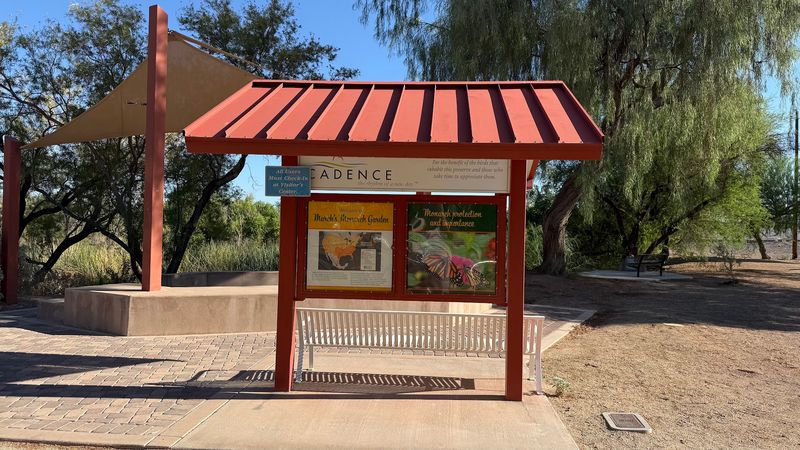
Early birds really do win here. The Henderson Bird Viewing Preserve opens at sunrise-friendly hours and closes in the early afternoon.
Spring and fall hours run from 6 AM to 2 PM. That covers March through May and September through November.
Summer is shorter, from June through August. The preserve opens at 6 AM and closes at noon.
Winter hours run from December through February. Doors open at 7 AM and close at 2 PM.
Plan to arrive at least 30 minutes before closing. That’s the cutoff for entry, so late arrivals may miss out.
The preserve also closes on several holidays. These include January 1, July 4, Thanksgiving, December 24, and December 25.
Now for the best news. Admission is completely free for everyone.
Morning is a smart time to visit anyway. Cooler temperatures make walking easier, and early hours are great for birdwatching.
Nevada sun can be intense, especially in summer. Bring a hat, sunscreen, and plenty of water.
Breathable clothes help too. Pack smart, show up early, and you’ll enjoy the preserve at its best.
Getting There Is Easier Than Finding A Bufflehead
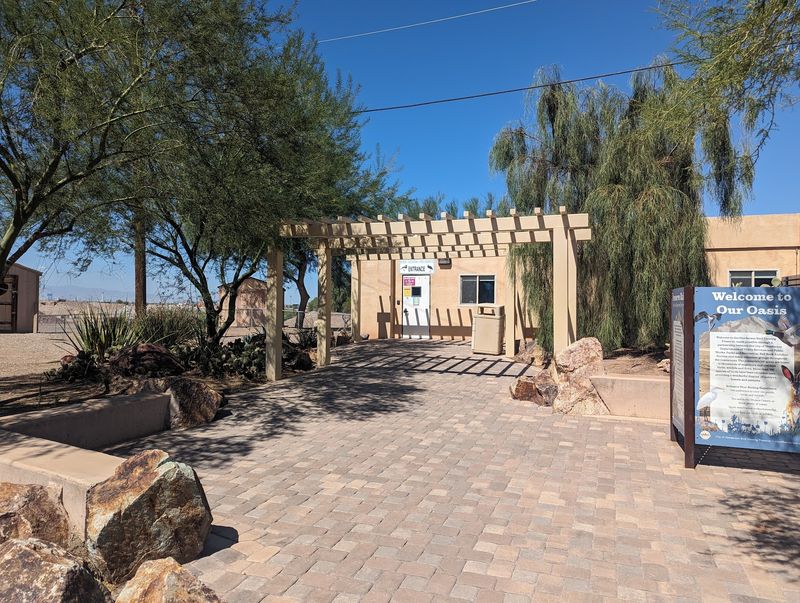
Finding this place is refreshingly simple. The preserve sits at 350 E.
Galleria Dr., Henderson, NV 89011.
Henderson is part of the Las Vegas metro area. That makes the preserve an easy add-on to a trip to southern Nevada.
Visitors heading to Las Vegas often stick to the busiest tourist areas.
A morning here offers a very different kind of show.
Instead of bright lights, you get ponds and birdsong. It’s a calm way to balance out a busy vacation.
Plan your stop around the early hours. A sunrise visit leaves the rest of the day open for other plans.
Please leave pets at home for this outing. Dogs and other pets aren’t allowed inside the facility.
Keep noise low once you arrive. The quiet setting helps the birds feel safe and helps you hear them too.
Wildlife photographers travel here from all over. Nature lovers of every level will find something worth seeing.
I can’t think of a better reason to wake up early in Nevada. Free admission, nine ponds, and hundreds of possible species make a strong case.
So grab your hat and water bottle. The ducks are already waiting.