
The New Hampshire Maple Syrup Producer That Food Lovers Cannot Stop Talking About
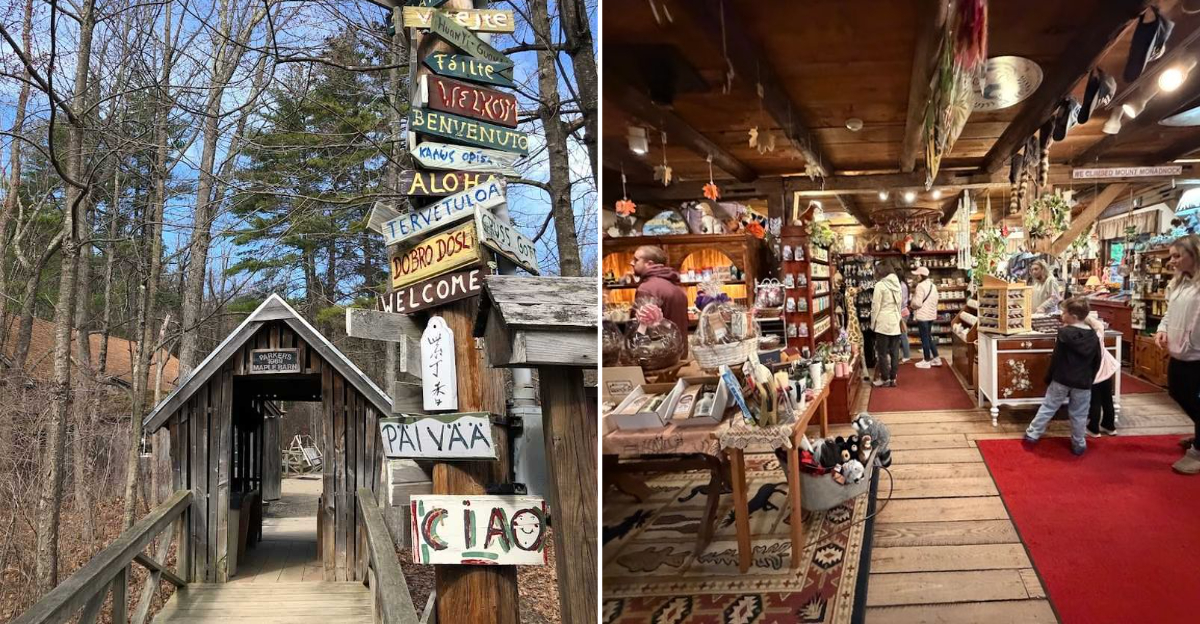
Maple syrup produced with this level of intention tastes like an argument against every bottle that came before it. Food lovers who encounter this New Hampshire producer for the first time tend to arrive at that conclusion before the sample cup is finished.
The process here is not abbreviated or modernized beyond the point where quality starts making concessions. Every batch reflects a standard the operation set for itself and has never found a reason to lower.
Producers who care this much about a single ingredient develop a following that operates outside the usual channels of food discovery.
Recommendations travel person to person, carried by people who feel the information is too valuable to keep entirely to themselves.
A maple syrup worth talking about is a specific and underappreciated category of food experience. This producer sits at the top of it, quietly and without any apparent interest in the attention that quality at this level inevitably generates anyway.
History Of Syrup Production In The Region
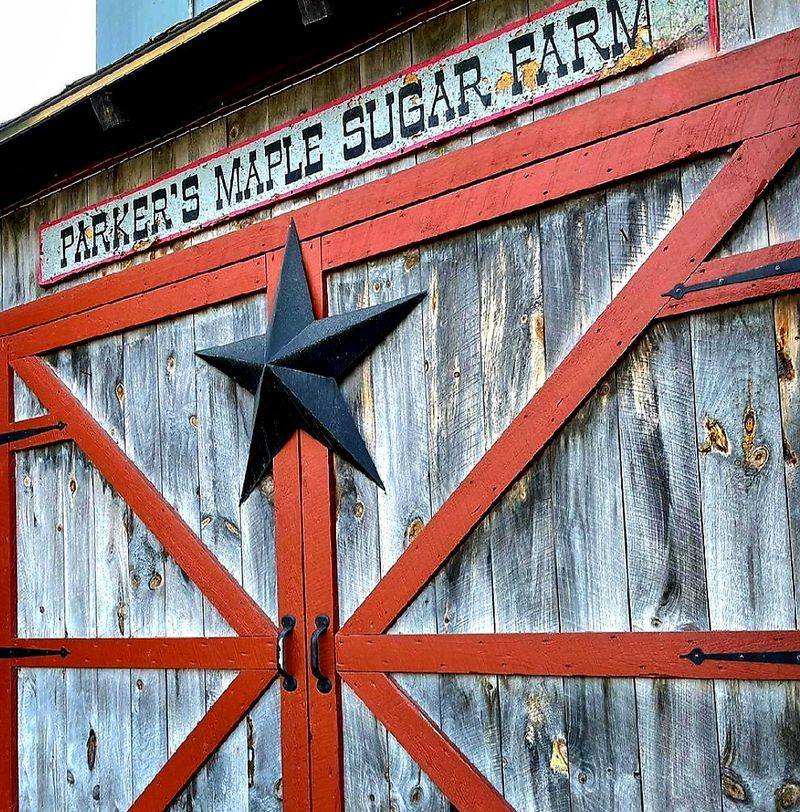
A place like this did not appear overnight. The original Parker family built a small sugar house in the late 1960s, right on the land in Mason, New Hampshire.
Back then, it was a modest operation focused on producing pure maple syrup the old-fashioned way. Nobody knew it would eventually become one of the most talked-about food destinations in New England.
Mason sits in southern New Hampshire, surrounded by forests full of sugar maple trees. The region has been tapped for syrup production for generations.
Cold nights and warm days in late winter create the perfect conditions for sap to flow. That seasonal rhythm is what makes New Hampshire maple syrup so special and so consistent.
Over the decades, the operation grew from a simple sugar house into a full country restaurant. The Roberts family took over and kept the maple tradition alive.
Ronnie Roberts Jr. and Tanya Roberts now run the place, carrying on what the Parker family started more than fifty years ago. The barn itself dates back to the 1800s.
It still has the original wooden floors, beams, and antique cow stanchions built right into the handmade tables. You can find Parker’s Maple Barn at 1349 Brookline Rd, Mason, NH 03048.
History is literally built into every corner of this place.
Unique Methods Of Harvesting Sap
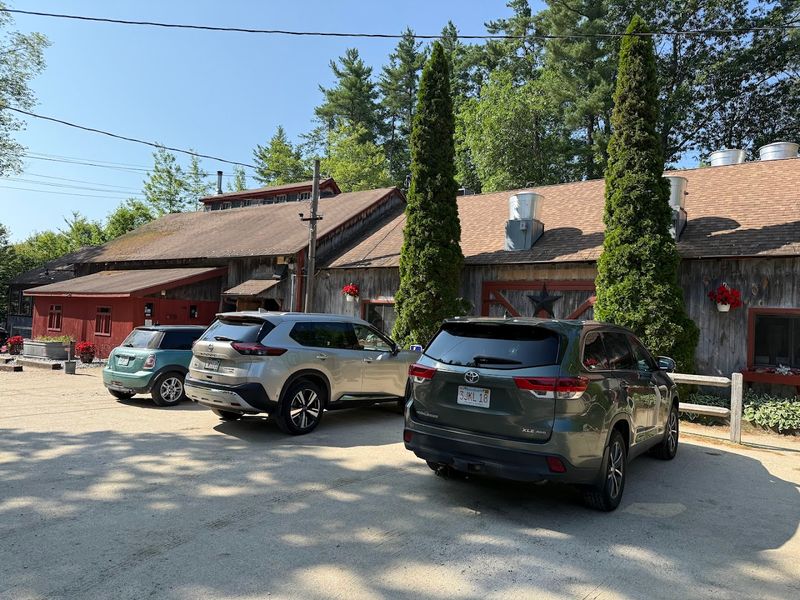
Sap harvesting at Parker’s Maple Barn follows a method that has not changed much in over a century. A traditional wood-fired evaporator sits at the heart of the sugar house operation.
During sugar season, which runs through March and April, the evaporator runs hot and steady. It takes roughly forty gallons of raw sap to produce just one gallon of finished maple syrup.
That ratio alone tells you how much work goes into every bottle.
The sugar house is open for tours during the season. Visitors actually get to watch the process unfold in real time.
Sap flows in, heat rises, steam fills the room, and the liquid slowly transforms into that rich amber syrup. It smells incredible in there.
The wood fire adds a warmth to the whole experience that you simply cannot replicate with modern equipment.
Using a wood-fired evaporator is a deliberate choice. It connects the production process to the land and the seasons in a way that feels authentic.
Many larger producers have switched to oil or gas, but Parker’s has stayed with wood. That commitment to traditional methods shows up in the flavor of the finished product.
The syrup carries a depth and complexity that processed alternatives just cannot match. Watching it happen from start to finish makes you appreciate every drop that lands on your pancakes at breakfast.
Varieties Of Syrup And Their Flavor Profiles
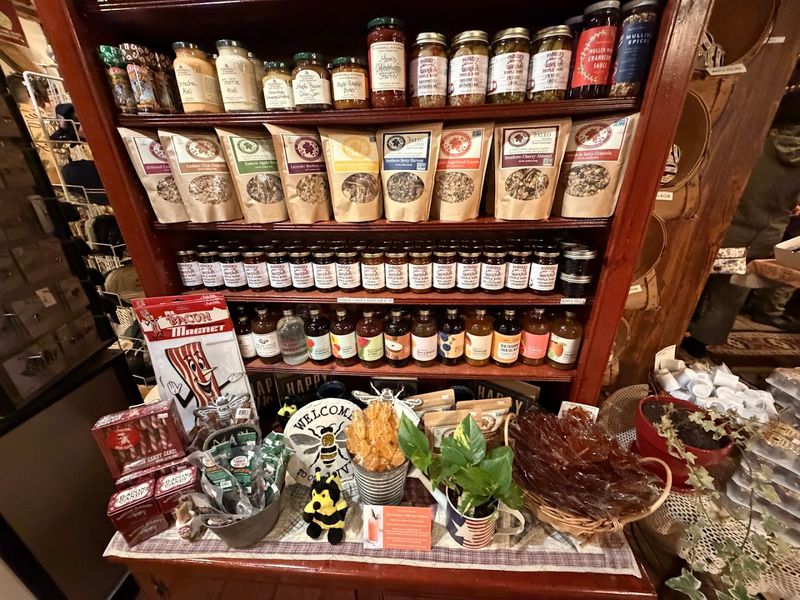
Not all maple syrup tastes the same. The flavor changes depending on when in the season the sap is collected.
Early-season sap produces a lighter, more delicate syrup with a subtle sweetness. As the season moves along, the syrup darkens, and the flavor deepens into something more robust and complex.
Parker’s Maple Barn produces pure New Hampshire syrup on-site, so the quality is consistent and the flavor reflects the local terroir.
Golden syrup has a mild, almost buttery taste. Amber syrup is the middle ground, balanced and crowd-pleasing.
Dark syrup carries bold maple notes with a slightly caramelized edge. Very dark syrup, sometimes called cooking grade, has an intense flavor perfect for baking or glazing meats.
Each variety has its own personality and its own ideal use in the kitchen.
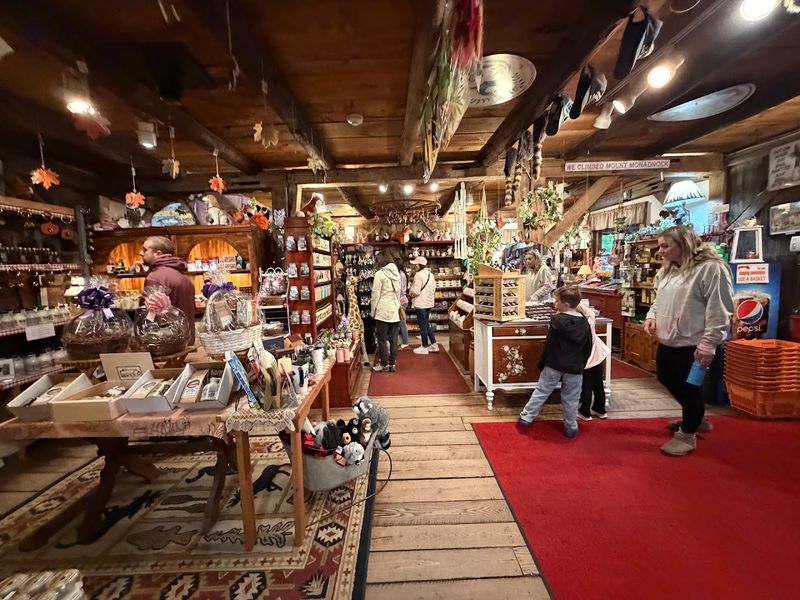
The gift shop at Parker’s, known as The Corn Crib, sells multiple maple products beyond just syrup. Maple sugar, maple candy, and maple cream are all available.
Maple cream is particularly worth trying if you have never spread it on toast. It is smooth, rich, and nothing like the jarred stuff from a grocery store.
Gift baskets packed with maple products make for easy and genuinely appreciated presents. Knowing the difference between syrup grades helps you pick the right one for whatever you are making at home.
Creative Culinary Uses For Syrup
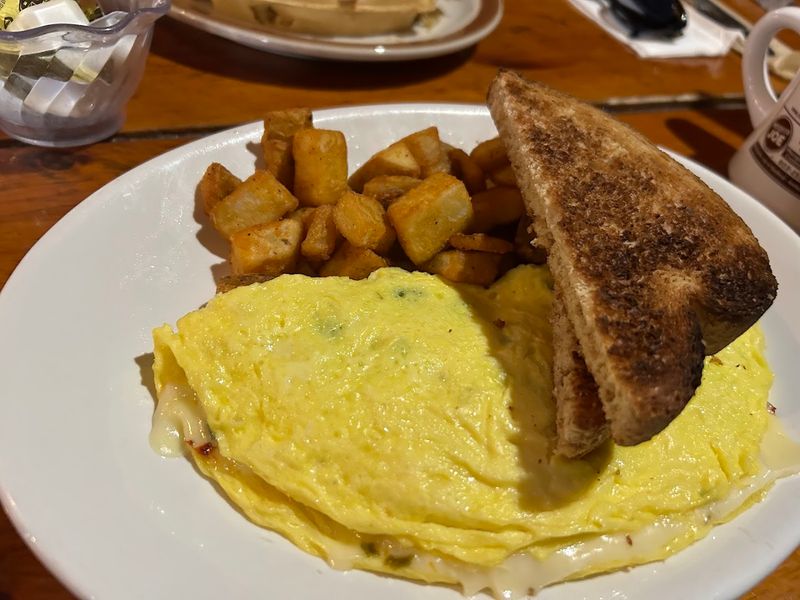
Maple syrup at Parker’s Maple Barn goes far beyond a pancake topping. The kitchen uses it throughout the menu in ways that surprise people.
The Maple Glazed Baby-Back Pork Ribs are probably the most talked-about example. The glaze is sweet and sticky, and the meat pulls right off the bone without any effort.
It is the kind of dish that makes you reconsider everything you thought you knew about ribs and breakfast restaurants.
The breakfast menu leans heavily on maple in creative ways. Buckwheat pancakes, chocolate chip pancakes, blueberry pancakes, and a rotating pancake of the month all get served with Parker’s own pure syrup.
Stuffed French toast shows up on the menu, too. Maple Baked Ham and Beans is a lunch staple that uses the syrup to balance the savory depth of the ham.
The result is a dish that feels both traditional and completely satisfying.
Even the coffee gets the maple treatment. Maple coffee is a real thing here, and people genuinely love it.
The sweetness integrates into the brew in a way that does not feel forced or overly sugary. Parker’s Special is the signature breakfast plate, featuring two pancakes, two eggs, bacon, ham, sausage, and home fries, all served alongside their own syrup.
Using maple as a cooking ingredient rather than just a condiment is what sets this kitchen apart from a standard breakfast spot.
Seasonal Events Celebrating Syrup Harvest
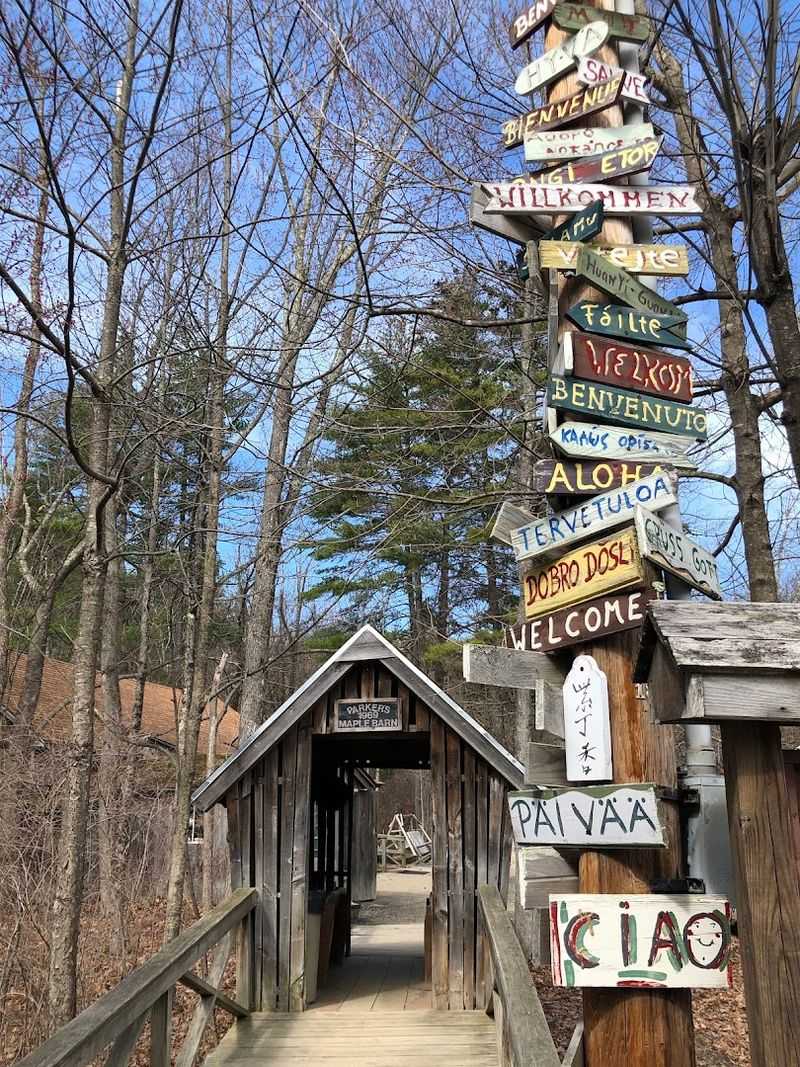
Sugar season in New Hampshire is a genuine celebration. At Parker’s Maple Barn, March and April bring the sugar house to life.
Tours run during those months so visitors can see the maple syrup making process from start to finish. Watching sap transform into syrup over a roaring wood fire is one of those experiences that sticks with you.
Kids especially love it, but honestly, adults are just as fascinated.
The crowds that show up during sugar season are impressive. Weekends see lines stretching out the door, and the energy around the barn is lively.
People treat a trip to Parker’s like a seasonal tradition, the way some families visit a pumpkin patch every October.
It has been a long-standing ritual for many New England households, passed down from parents to children across multiple generations. That kind of loyalty says a lot about what the place means to people.
Fall is another peak period. The foliage around Mason is spectacular, and the drive to the barn becomes part of the experience.
The restaurant decorates for the holidays in late fall, adding another layer of warmth to the already cozy interior. Parker’s stays open Thursday through Monday from 8 AM to 1:45 PM, closing on Tuesdays and Wednesdays.
There are short seasonal breaks throughout the year, so checking ahead before making the drive is always a smart move.
Sustainable Practices In Syrup Farming
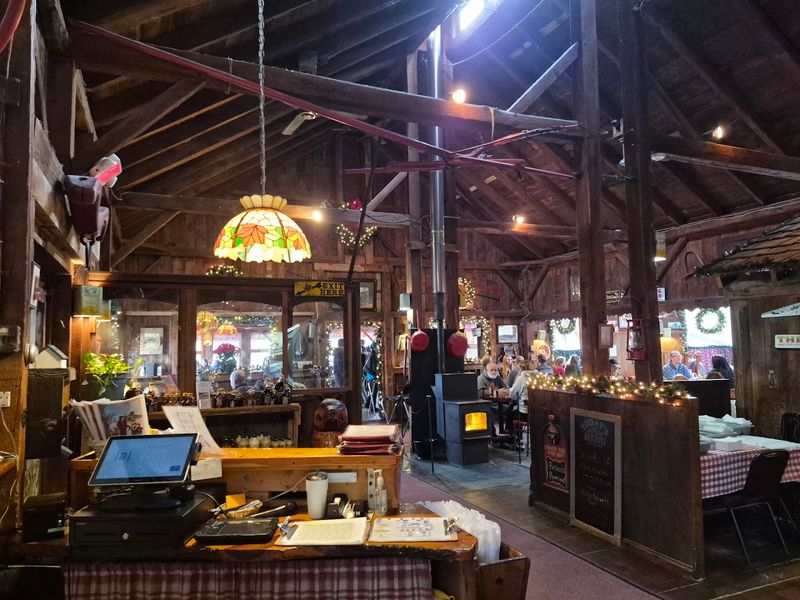
Maple syrup production is one of the more naturally sustainable food industries around. The trees are not cut down to collect sap.
Tapping a healthy sugar maple causes minimal stress to the tree, and a well-maintained tree can be tapped for decades. Parker’s Maple Barn operates within a forest ecosystem that has supported syrup production since the late 1960s.
That kind of longevity does not happen without a degree of care for the land.
The wood-fired evaporator at Parker’s uses locally sourced firewood. Burning wood to boil sap is a carbon cycle that is far more balanced than using fossil fuels.
The trees that supply the firewood absorb carbon as they grow, which offsets much of what gets released during the boiling process. It is not a perfect equation, but it is significantly cleaner than many industrial food production methods.
Maple farming also supports biodiversity. The forests around Mason provide habitat for wildlife, clean the air, and protect local watersheds.
Keeping those forests productive and intact benefits the entire region. Parker’s existence as a working maple operation gives the surrounding land economic value beyond development.
That matters in a state where rural character is worth protecting. Supporting a place like Parker’s Maple Barn is a small but meaningful way to back a food system that works with nature rather than against it.
Health Benefits Of Pure Syrup
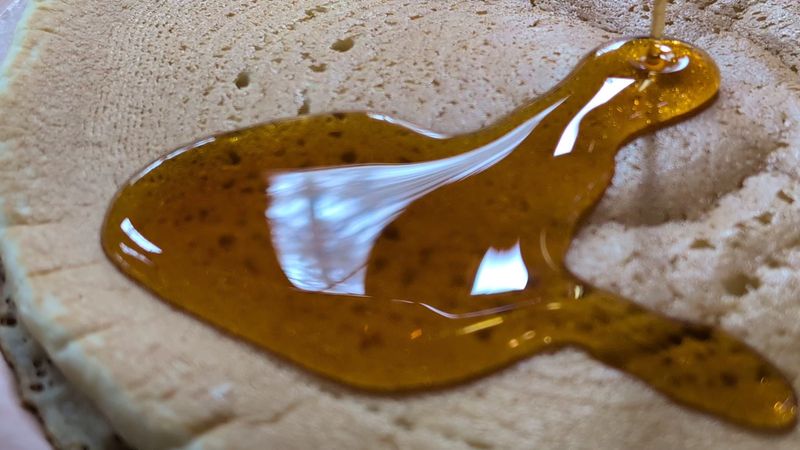
Pure maple syrup is not just a sweetener. It actually contains a range of minerals and antioxidants that refined sugar completely lacks.
Manganese, zinc, and riboflavin all show up in real maple syrup in meaningful amounts. Manganese supports bone health and energy metabolism.
Zinc plays a role in immune function. These are not huge doses, but they are real nutrients that come along for the ride when you choose pure syrup over processed alternatives.
The antioxidant content in dark maple syrup is particularly noteworthy. Darker grades contain higher concentrations of phenolic compounds, which are the same type of antioxidants found in berries and green tea.
Research has identified over sixty different polyphenols in pure maple syrup. That does not make it a health food in the conventional sense, but it does make it a more complex and nutritionally interesting choice than plain white sugar or corn syrup.
Maple syrup also has a lower glycemic index than refined sugar. It raises blood sugar more slowly, which can help with energy management throughout the day.
At Parker’s Maple Barn, every bottle of syrup served at the table is the real thing. No artificial flavors, no additives, no corn syrup blends.
What you get is pure New Hampshire maple syrup, produced right on the property. Choosing pure over imitation is one of those small decisions that genuinely makes a difference in both flavor and nutritional value.
Tips For Selecting Premium Syrup
Picking a quality maple syrup starts with reading the label. Real maple syrup lists one ingredient: maple syrup.
If the label mentions corn syrup, artificial flavors, or caramel color, put it back on the shelf. Those are imitation products designed to look like the real thing.
Parker’s Maple Barn sells only pure syrup produced on-site, so there is no guesswork involved when you shop at The Corn Crib gift shop.
Grade matters when selecting syrup for a specific purpose. Golden and amber grades work best for drizzling over pancakes or waffles because their lighter flavor does not overpower the food.
Dark and very dark grades bring a stronger maple punch that holds up well in baking, marinades, and glazes. Buying a smaller bottle of each grade is a practical way to figure out which one fits your cooking style before committing to a larger purchase.
Storage makes a difference too. Pure maple syrup should be refrigerated after opening to prevent mold growth.
An unopened bottle keeps well in a cool, dark pantry for up to four years. Once opened, plan to use it within a year.
Maple cream and maple candy have shorter shelf lives and should be kept cool. When visiting Parker’s Maple Barn, the gift shop staff can point you toward the right product for your needs.
Buying directly from a producer is always the best way to guarantee freshness and authenticity.