
The New York Shop With 20,000 Square Feet Of Antique Stained Glass And Salvaged House Parts
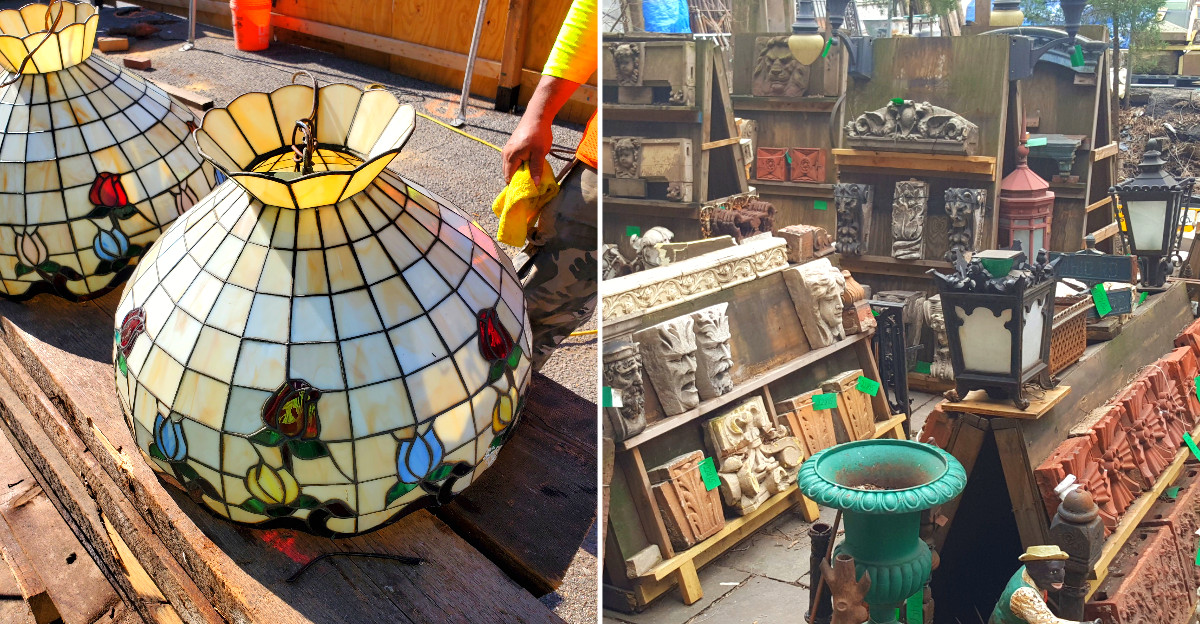
Old New York buildings do not always disappear for good. When the wrecking crews finish, pieces of those homes, churches, and hotels end up in a salvage shop holding four floors and roughly 20,000 square feet of rescued material.
Antique stained glass, marble mantels, claw foot tubs, and doors by the hundred, all waiting on a second building to live in. Most of it came out of structures that no longer exist anywhere except here, in pieces, stacked by category.
Clear an afternoon for it. History, design, and a proper treasure hunt are three different reasons to go, and the place handles all three without trying to be about any one of them.
Where Old Buildings Get A Second Act
Old buildings rarely vanish without a trace. When a mansion or a theater in New York comes down, pieces of it travel uptown to a warehouse in Harlem. Inside, four floors hold roughly 20,000 square feet of rescued architecture.
Stained glass leans against walls in stacks. Doors stand in rows like a silent crowd. Marble mantels wait for a new living room.
The feeling is part museum, part attic, part hardware store from another century. Nothing here arrives shiny and new. Every panel and knob carries a scratch with a story.
Shoppers wander with measuring tapes and phone cameras. Designers hunt for one perfect transom. Curious walkers come just to gawk, which is entirely allowed.
What makes the place unusual is the scale of the ordinary. Hinges, radiators, claw foot tubs, iron gates, and church windows all share the same roof. You could furnish an entire house without buying a single new object.
Prices range widely, so bring patience along with curiosity. The reward is a piece of the city that would otherwise be rubble. Few shops can promise that.
Sunlight through the colored glass paints the floorboards in odd shades. That alone justifies the trip uptown.
Meet Demolition Depot And Irreplaceable Artifacts

Names matter, and this one tells you exactly what happened. Demolition Depot and Irreplaceable Artifacts collects what wrecking crews leave behind. The Harlem showroom keeps its inventory at 159 East 126th Street in New York.
The building rises four stories, with a back yard full of stone and iron. There is no elevator, so comfortable shoes earn their keep. Each floor has its own personality and its own surprises.
Signage is modest. The treasures do the advertising instead, spilling toward the sidewalk in tempting piles. Passersby often stop mid errand and wander in.
Staff keep track of the stock with inventory numbers rather than paper tags. Jot down a number or snap a photo, then ask at the front desk. Questions are welcome and usually answered with real knowledge.
The uptown setting suits the business. Harlem grew through waves of building and rebuilding, and the shop lives inside that story. Nothing feels staged for visitors.
Plan on an hour at minimum. Two hours is closer to honest. Collectors have been known to lose an entire afternoon here.
Stained Glass That Paints The Floorboards
Sunlight through hundred year old glass behaves differently than sunlight through plain windows. Panels here came out of churches, stairwells, transoms, and old row house doors. Colors run deep: cranberry red, mossy green, amber, and cool slate blue.
Sizes vary a great deal. A few panels fit a kitchen cabinet door with room to spare. Others stand taller than a grown adult and need two people to move.
Condition varies as well, and that is part of the bargain. Small cracks and worn lead came with the years. A skilled restorer can stabilize most panels without erasing their age.
Hanging a panel indoors is the easiest win. Chains and a sturdy hook turn an east facing window into a color show. Morning coffee gets a stained glass upgrade for free.
Ask about the source when a panel catches your eye. Provenance often traces back to a specific New York building. Owning a fragment of that history feels oddly personal.
Bring the exact measurements of your window opening. Glass does not stretch. Neither does patience once you have driven home with the wrong size.
Photographs help, though nothing beats a written number.
Doors Standing In Wooden Canyons
Rows of salvaged doors create narrow canyons inside the building. Oak, walnut, pine, and iron all take their turn. Heights run from squat cellar hatches to grand slabs taller than modern frames allow.
Old doors weigh more than new ones. Solid wood and thick stiles explain the difference. Hinges and frames sometimes come along, which saves real trouble later.
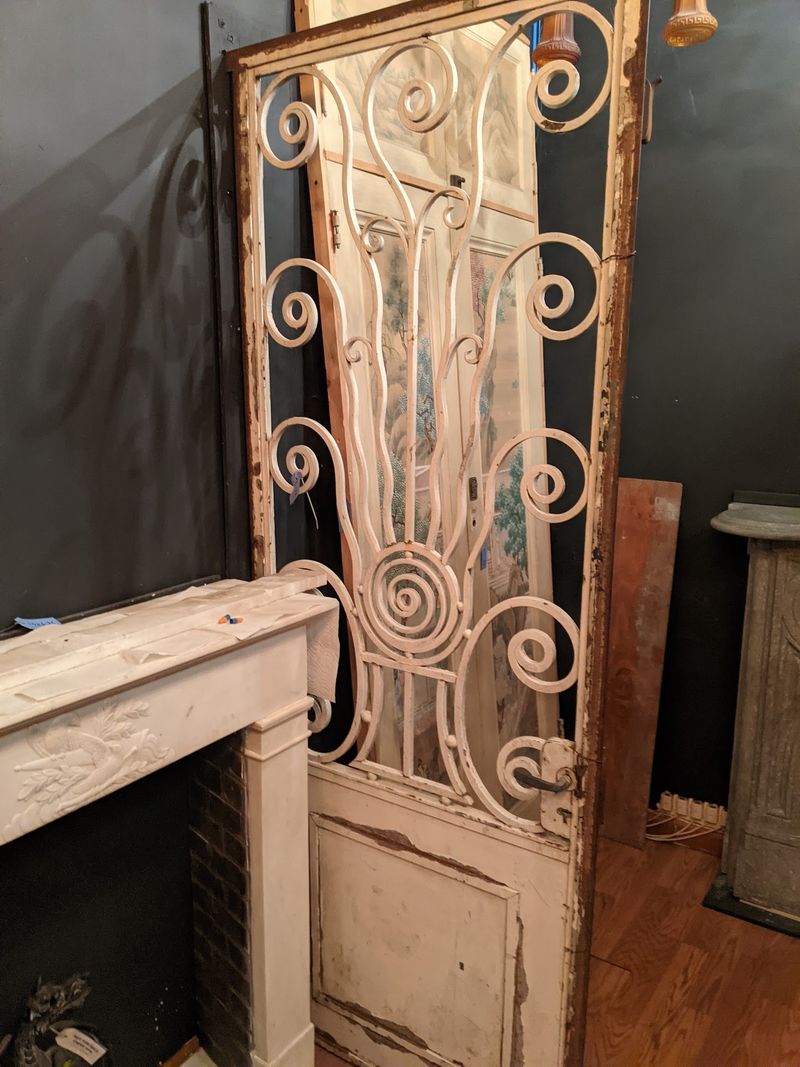
Wrought iron gates and security doors occupy their own corner. Scrollwork ranges from delicate vines to bold geometric bars. Iron takes paint well after a proper wire brushing.
Not every door needs to stay a door. Designers turn them into headboards, tabletops, sliding pantry panels, and garden screens. A glass paneled door makes a fine room divider.
Measure the opening first, then measure it again. Old sizes rarely match modern standards. A carpenter can trim a stile, but only so far.
Hardware often stays attached, including mortise locks and porcelain knobs. Keys are another matter entirely. Replacements exist, and the staff can point you toward options.
Prices depend on age, wood, and condition, so ask before assuming. A humble pine door can cost far less than a carved showpiece. Both carry decades of fingerprints.
That is the point.
Mantels With Fire In Their History
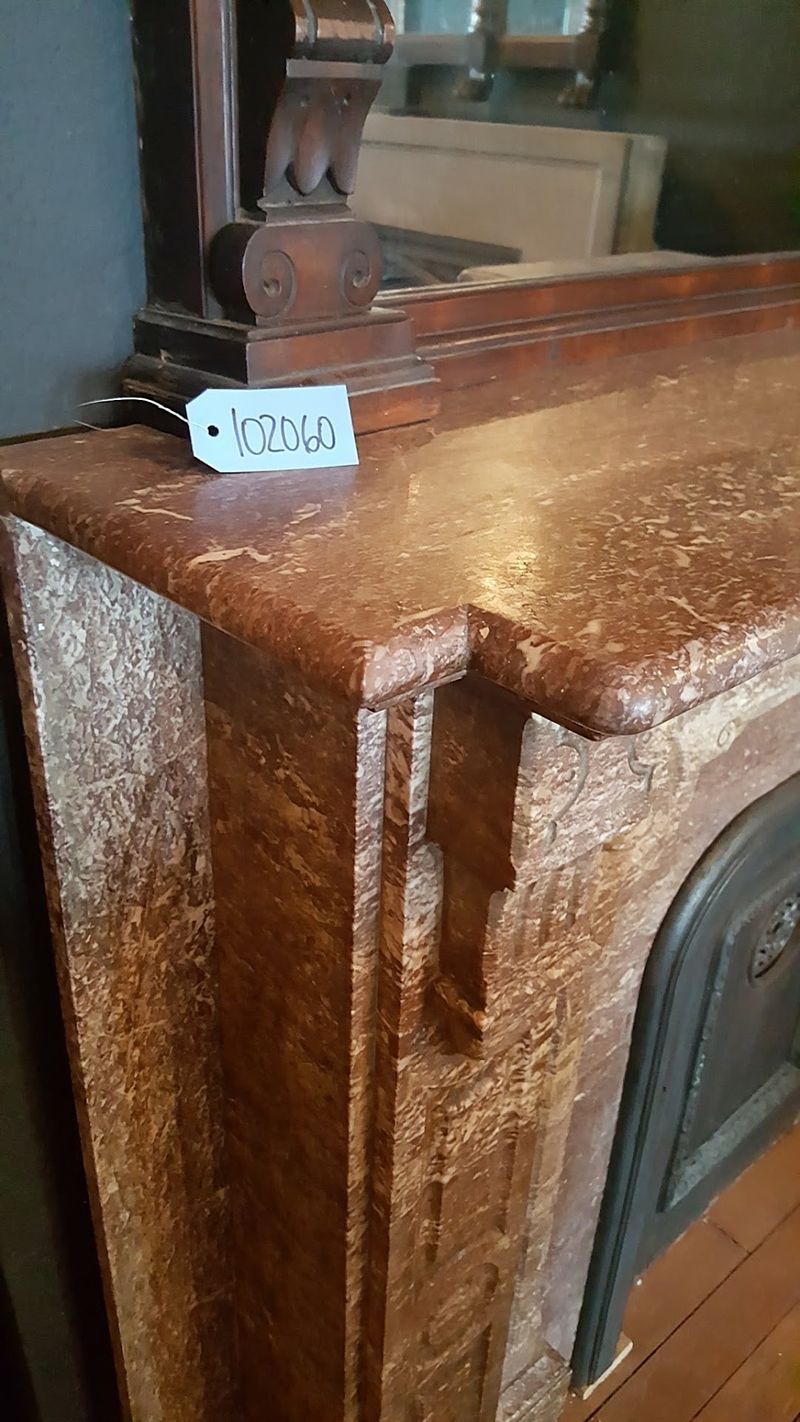
Fireplace mantels arrive in marble, slate, cast iron, and carved wood. A number came out of brownstones, others from hotels and grand apartment houses. Each one anchors a room the moment it goes up.
Marble shows up creamy white, gray with veining, and occasionally near black. Cast iron pieces often keep their original decorative tiles. Wood mantels lean Victorian, with carved columns and mirrored overmantels.
A mantel does not require a working chimney. Plenty of buyers install one against a flat wall purely for character. Candles or a stack of books fill the opening nicely.
Weight is the real consideration. Marble surrounds can tip past several hundred pounds. Delivery help and a moving plan matter more than the price tag.
Check the firebox opening dimensions before falling in love. Old fireboxes and modern inserts do not always agree. A mason can advise on safe adjustments.
Coal grates, fenders, andirons, and fire tools turn up too. Small accessories bring the same period feeling for far less money. Start there if a full surround feels ambitious.
Polish matters less than proportion. Pick the size your wall can carry, then worry about shine. History handles the rest.
Small Hardware, Big Personality
Not everything here needs a truck. Bins and shelves hold doorknobs, escutcheons, hooks, hinges, and drawer pulls. Crystal knobs catch the light like tiny paperweights.
Small hardware is the friendliest entry point for apartment dwellers. A set of glass knobs can rewrite a plain kitchen. Cost stays reasonable and installation takes an afternoon.
Brass develops a patina that new metal cannot fake. Cleaning it fully erases part of the charm. Gentle polishing usually strikes the right balance.
Mortise locks, bin pulls, transom latches, and register grates fill out the mix. Older screw threads differ from modern ones, so bring a sample screw. Hardware stores sell adapters for most mismatches.
Numbers matter when buying sets. Count your cabinets before choosing a style. Matching a discontinued antique later is a long shot.
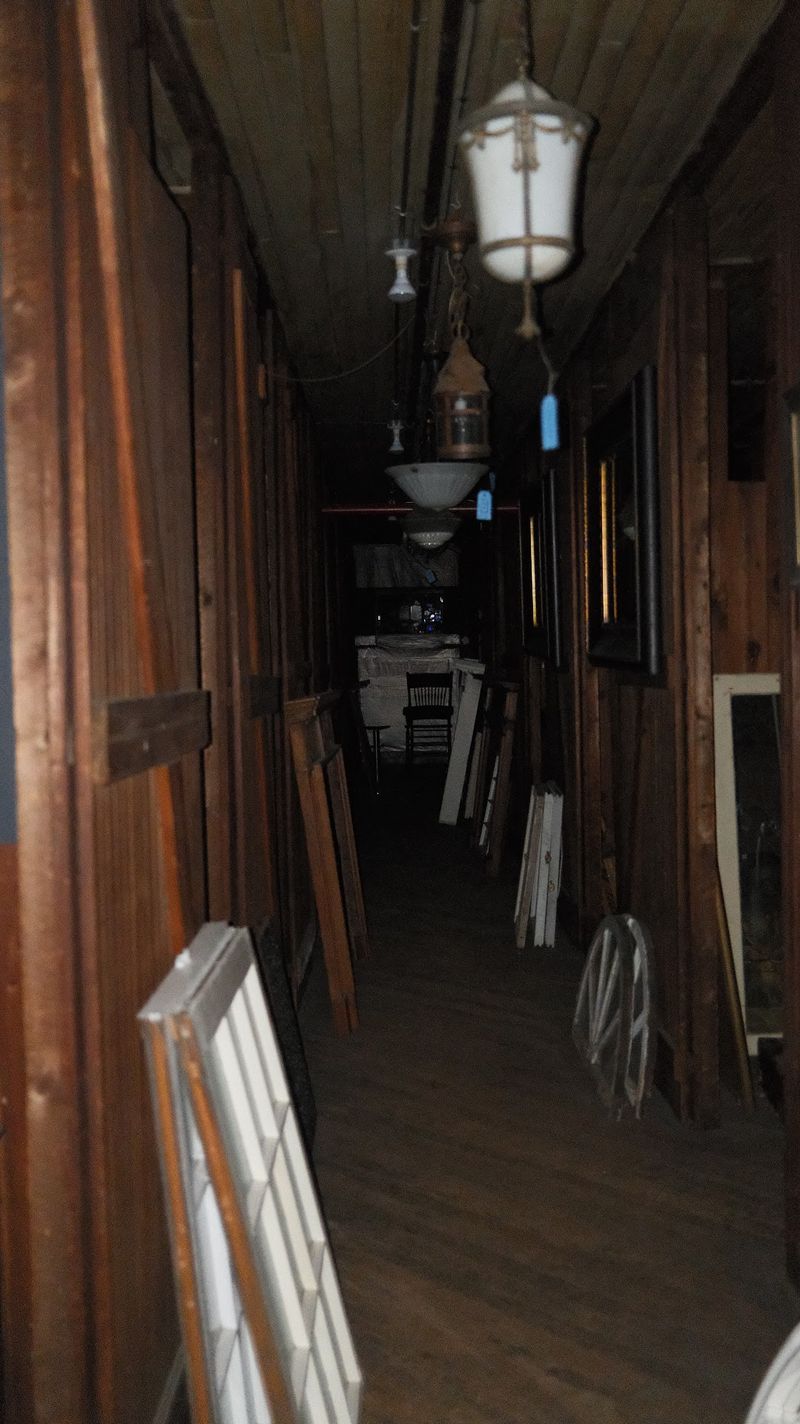
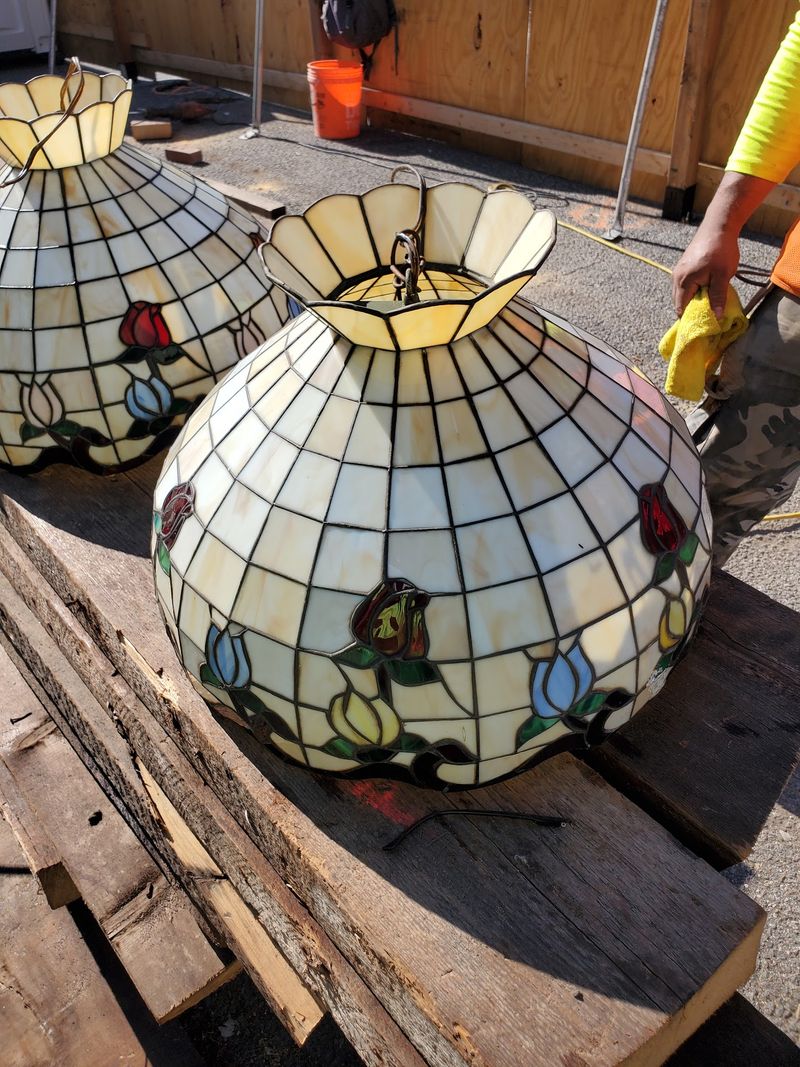
Light fixtures round out the smaller stock, including sconces and chandeliers. Rewiring by a licensed electrician keeps everything safe. The fixture keeps its age while the wiring joins this century.
Hunting through bins takes time, and that is half the fun. Bring a bag for loose finds. Ask a staff member when a shape puzzles you, because someone usually knows its original job.
Stone Giants In The Back Yard

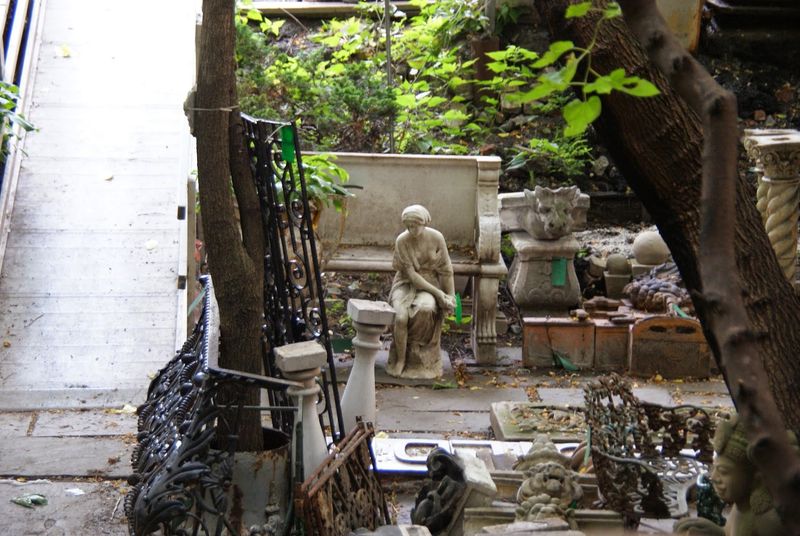
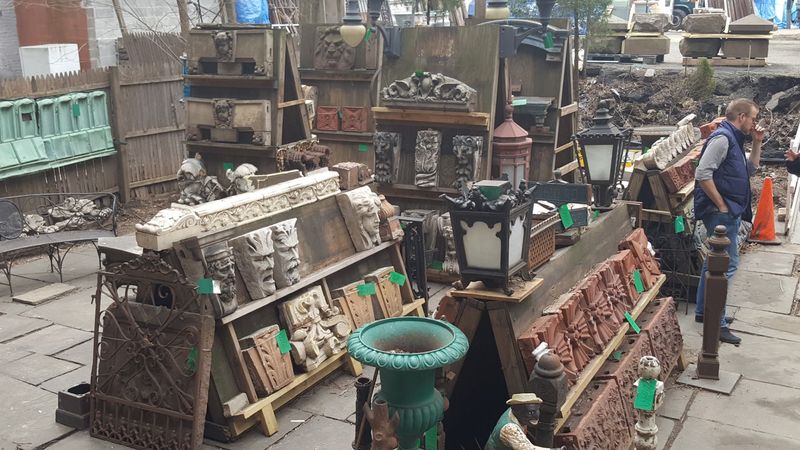
The back yard functions as an outdoor gallery for heavy stone. Urns, planters, columns, fountains, and carved figures sit under open sky. Weather has softened their edges in a way no factory can imitate.
Garden pieces move slowly, and that is expected. Stone cherubs and limestone finials have waited years for the right buyer. Patience is built into the business model.
Iron fencing, gates, and balcony rails lean along the walls. Sections can join together for a longer run. A welder can adapt most designs to a new property.
Terra cotta ornaments deserve special attention. Many came off New York facades during renovations and demolitions. A single scrolled bracket makes a striking shelf or sculpture indoors.
Cast concrete birdbaths and sundials appeal to gardeners on a budget. Moss and mineral stains only improve them. Set one at the end of a path for instant age.
Delivery arrangements matter for anything stone. Ask about shipping and handling before committing. A helping hand beats a strained back every time.
Shade shifts across the yard through the day, which changes how the stone reads. Come back later for a second opinion on a piece.
Why Designers And Film Crews Keep Coming
Film and television crews are regular customers, and rentals are part of the operation. A set dresser needing a period door can find one in minutes. The shop rents as well as sells.
Interior designers arrive with client lists and swatch books. One rescued mantel can define an entire renovation. Shopping salvage also keeps usable material out of landfills.
Photographers use the floors as a study in texture. Rust, patina, wavy glass, and worn wood all read beautifully on camera. Permission first, of course, and a friendly question goes far.
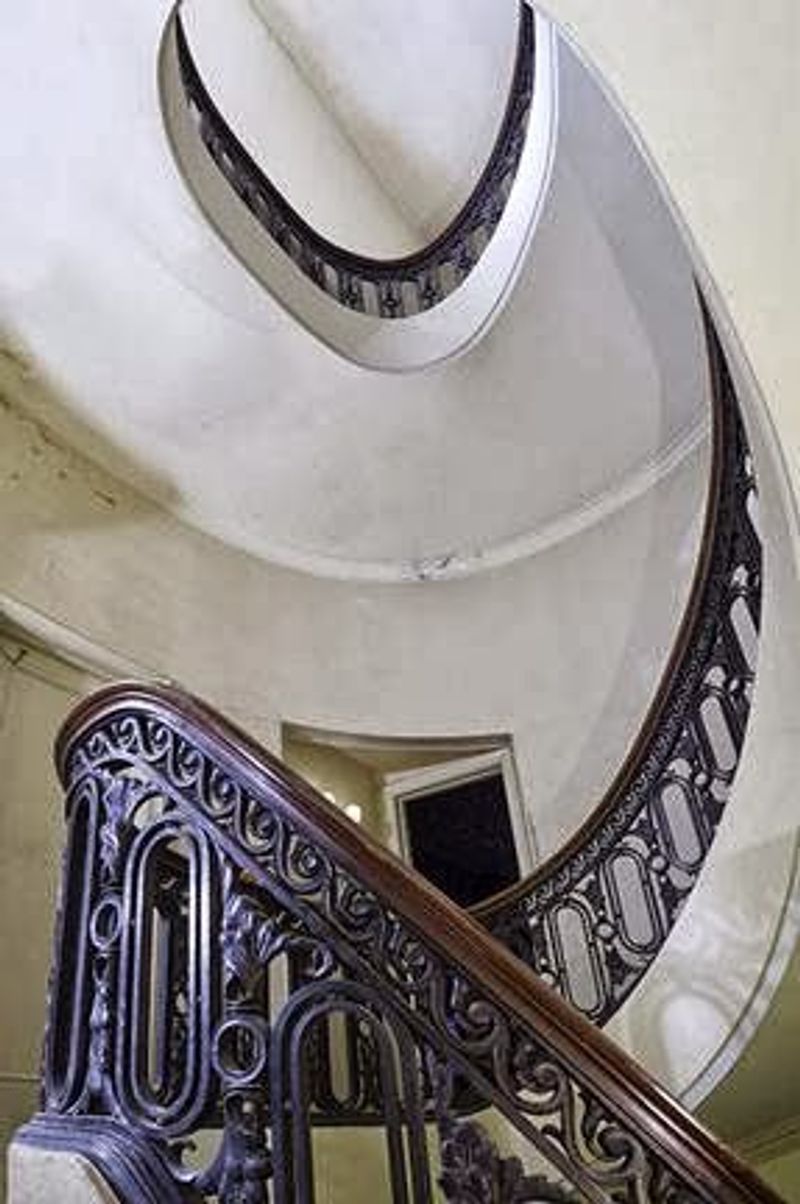
Homeowners restoring older houses treat the place as a parts department. Matching a missing baluster or a single window sash is possible here. Big box stores cannot help with 1890s profiles.
Prop masters and stylists come for oddities. Old street signs, city fixtures, and industrial pieces appear in the mix. New York history hides in the strangest objects.
Curious visitors are welcome too, even without a project. Browsing costs nothing but time. Many people leave with ideas rather than freight.
Trade shoppers and weekend wanderers browse the same aisles here. The mix keeps the atmosphere lively.
Plan The Trip Like A Pro
Hours favor the weekday crowd. Doors open at 10:30 in the morning Monday through Friday and close at 5:30 in the evening. Saturday and Sunday are closed, so plan the trip accordingly.
Arriving early leaves room for all four floors. Stairs connect the levels, and there is no elevator. Wear shoes you can climb in.
Dress for a warehouse rather than a boutique. Dust settles on everything, which is proof the inventory is genuine. Wipe your hands before checking your phone.
Bring a tape measure, a notebook, and your room dimensions. Photograph anything promising along with its inventory number. The front desk handles pricing questions from there.
Transit makes the trip simple. The 125th Street subway stops sit within a short walk of the block. Driving uptown means hunting for parking, which takes patience.
Budget time for a second lap. A first pass reveals the big pieces, and a second pass reveals the details. Harlem has plenty of good food nearby for a break afterward.
Leave space in your plans for surprise. The stock changes as buildings come down across the city. Today’s best find will not wait for next month.