
The Ohio City That Longtime Residents Once Claimed As Their Own Is Starting To Feel Like Someone Else
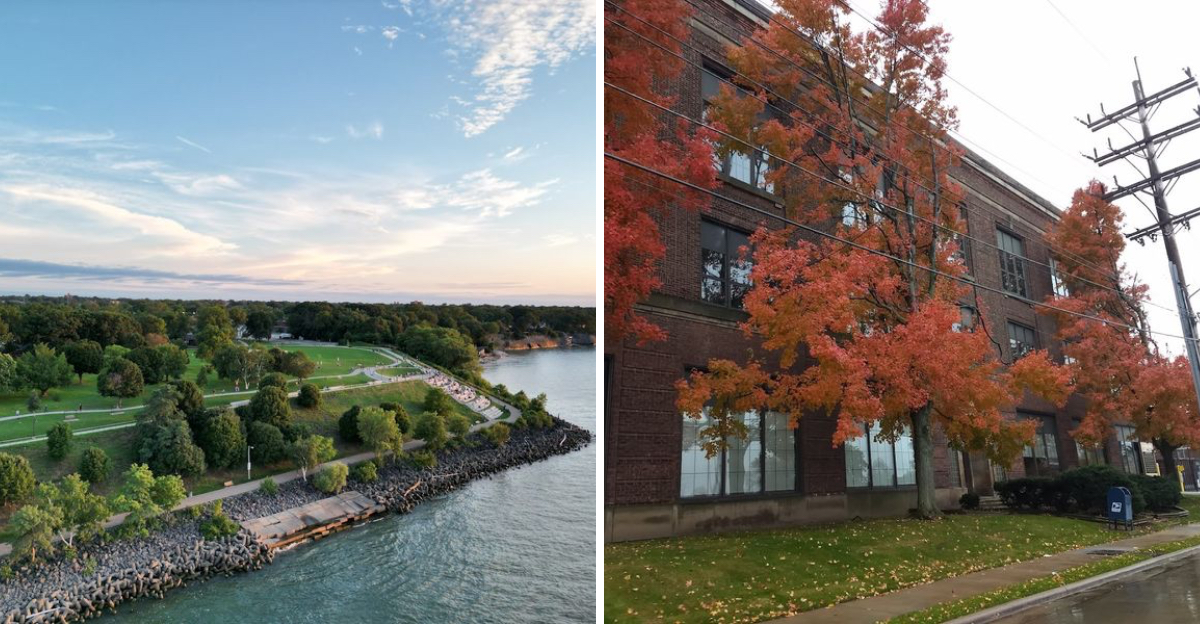
Small, walkable, and once totally under the radar, this Ohio city is not staying secret any longer! Longtime locals built quiet lives here around brick homes, tight streets, and neighbors who actually knew each other.
Now, outside buyers keep showing up, and property values keep climbing past anything anyone expected. A massive redevelopment project is rising where an old hospital once stood.
It promises hundreds of new homes and fresh energy downtown. Small businesses built this community one loyal customer at a time.
Now new arrivals are testing whether that loyalty still holds. Ohio locals are watching closely, wondering how much longer this place stays recognizable.
What happens when a quiet favorite stops staying quiet? Keep an eye on this one, because the story here is still being written.
A City That Used To Feel Like A Secret
For years, Lakewood flew under the radar. People who lived here liked it that way.
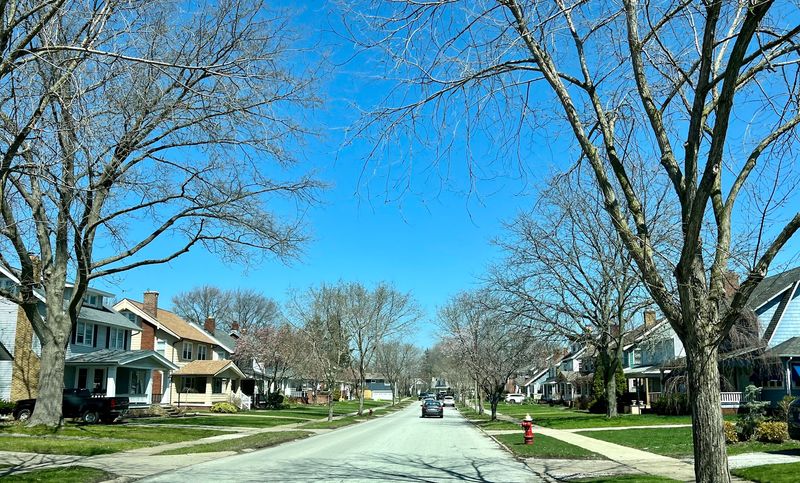
Positioned right on the edge of Cleveland, Ohio, this compact city packed a surprising amount of personality into a small footprint. Walkable streets, century-old homes, and a genuine sense of community made it feel like a reward for those who discovered it.
The city was never flashy. It did not need to be.
Residents built lives here because the place made sense for real people, not just people chasing trends.
But that low-key reputation is fading fast. More buyers are arriving from outside the region.
Property values are jumping. And the quiet identity that made Lakewood feel like a shared secret is now attracting exactly the kind of attention that tends to change places forever.
Understanding what made this city special in the first place is the only way to understand why so many people are now worried about losing it.
The Housing Market Has Stopped Being Friendly
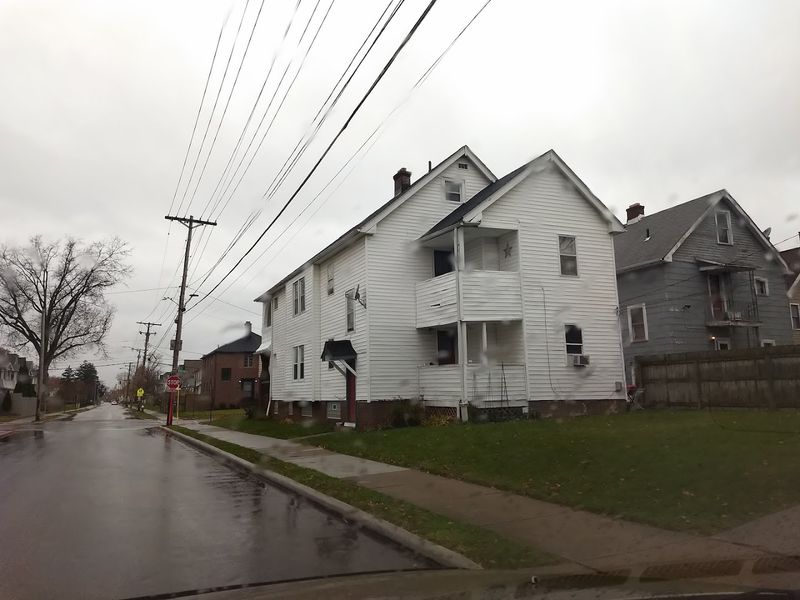
Home prices in Lakewood, Ohio have not crept up. They have sprinted.
Over the last decade, property values have appreciated by more than 130 percent. That kind of growth places Lakewood among the top ten percent of cities nationally for real estate appreciation.
For investors, that sounds exciting. For longtime residents, it sounds like a warning.
Median listing prices have pushed well past the two hundred thousand dollar range, with some recent figures reaching closer to three hundred and fifty thousand dollars. Homes are selling in under a month.
That pace leaves little room for buyers who need time to make careful decisions.
Renters are feeling it too. Renters are feeling it too, with year-over-year rental increases now outpacing wage growth for many households.
Out-of-state investors are actively purchasing properties here, which adds competitive pressure that local buyers simply cannot match. The market has become something the community no longer fully recognizes.
The Pit Becomes Something New
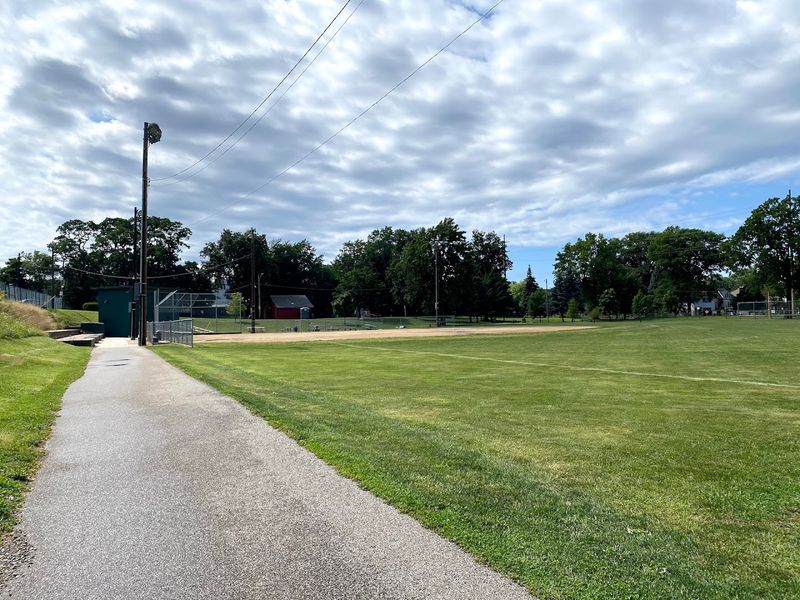
Ask longtime residents about the old Lakewood Hospital site and you will hear it called “The Pit.” That nickname stuck for years after the building came down and left behind a large vacant lot on a prime stretch of the city.
Now that emptiness is being filled. A project called Lakewood Common broke ground in September 2025 on the six-acre site.
The development carries a price tag of around 119 million dollars and is expected to wrap up by spring 2028.
When complete, it will include more than three hundred housing units, a mix of apartments and townhomes, along with roughly 25,000 square feet of retail space and a multi-level parking structure. Public community areas are also part of the plan.
Some residents welcome the activity. Others worry the design does not match Lakewood’s historic industrial-era architectural character.
The concern is not just aesthetic. Many fear that adding hundreds of new units will push property values even higher, making affordability harder to reach rather than easier.
What Gentrification Actually Looks Like Up Close
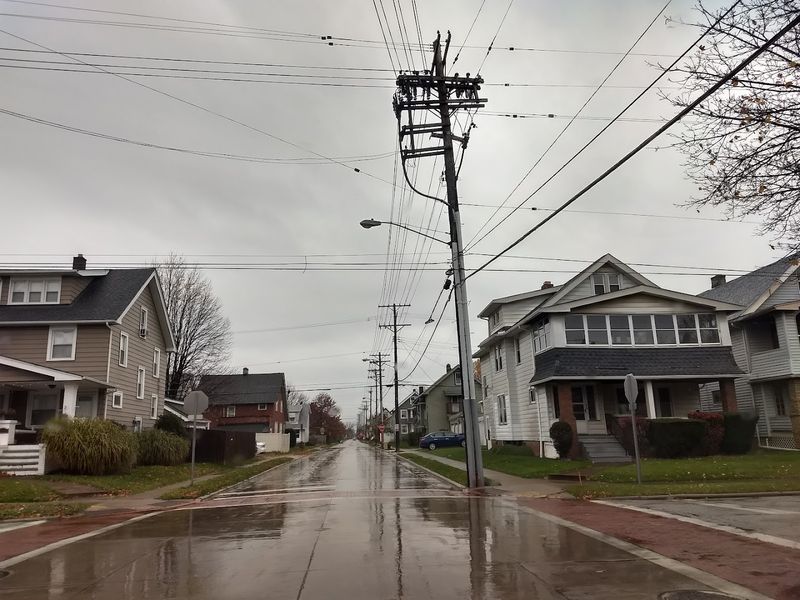
Gentrification is one of those words that gets used so often it starts to feel abstract. In Lakewood, Ohio, it is anything but abstract.
It looks like a longtime renter getting a lease renewal with a rent increase they cannot afford. It looks like a small business owner watching their block transform around them while their own customer base quietly moves away.
It looks like a family that has lived in the same house for twenty years suddenly facing a property tax bill that feels impossible.
Lakewood City Council has acknowledged the pressure. Discussions about potential property tax adjustments are underway, with some estimates showing a 45 to 60 percent increase in property values between 2018 and 2024 alone.
Rising values are not inherently bad. But when they outpace what residents actually earn, the community starts losing the very people who gave it character.
That is the uncomfortable math that Lakewood is currently trying to solve without a clear answer in sight.
Small Businesses Are The Backbone, But The Spine Is Bending
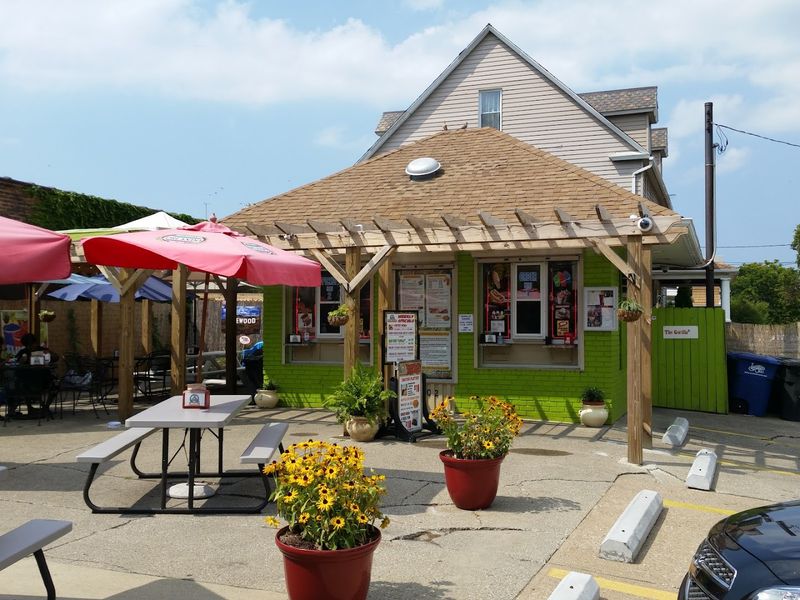
Roughly 75 percent of Lakewood’s workforce is employed by small businesses. That number says a lot about what kind of city this is.
Detroit Avenue runs through the heart of the commercial district and has long been lined with independent shops, restaurants, and service businesses that reflect the personality of the people who live here. The Downtown Lakewood Business Alliance has been working to expand its footprint and bring new businesses into the retail spaces opening up across the city.
But growth brings friction. New developments are creating retail opportunities, and the city is actively recruiting businesses to fill them.
The question is whether those incoming businesses will feel like a natural extension of Lakewood’s identity or like a corporate import that happens to share a zip code.
Long-time business owners have built loyal followings over years of showing up consistently. New arrivals, however well-intentioned, do not automatically inherit that trust.
The culture of a commercial district takes time to grow, and fast development does not always leave enough room for that process.
Population Numbers Tell A Complicated Story
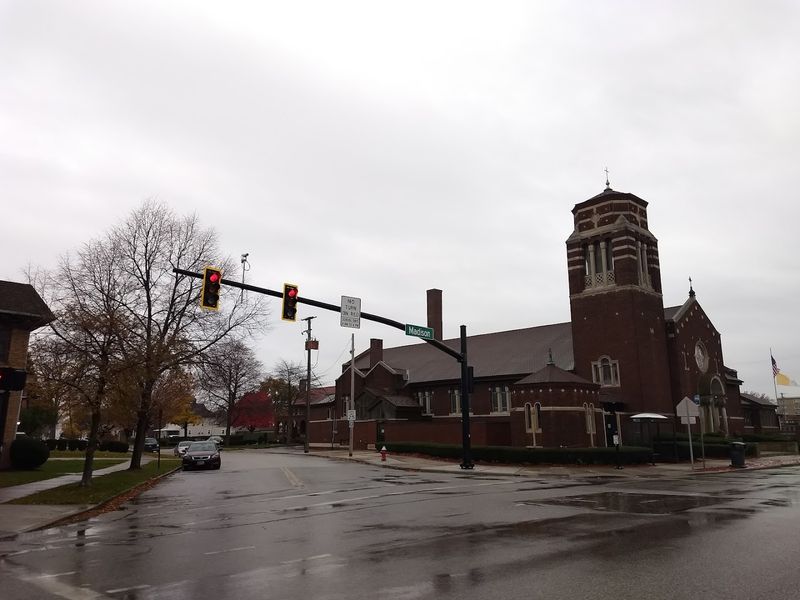
The population is projected to dip below 49,000 in 2026, continuing a gradual decline from the 2020 census count of just over 50,900.
On the surface, a shrinking population might seem like it contradicts the story of a city under pressure from growth. But both things can be true at once.
People are leaving, and new people are arriving. The issue is that the people leaving are often longtime residents who can no longer afford to stay, while the people arriving tend to have more financial flexibility.
The city has a median age of 35.5 years, which skews young and reflects an ongoing appeal to professionals and young families. Lakewood is also more racially diverse than many surrounding suburbs in Ohio, and that diversity has long been considered one of its defining strengths.
But when affordability erodes, diversity often follows. Communities that pride themselves on inclusion can unintentionally exclude the very people who built that inclusive reputation in the first place.
The Architecture Tells You Everything About Where This City Came From
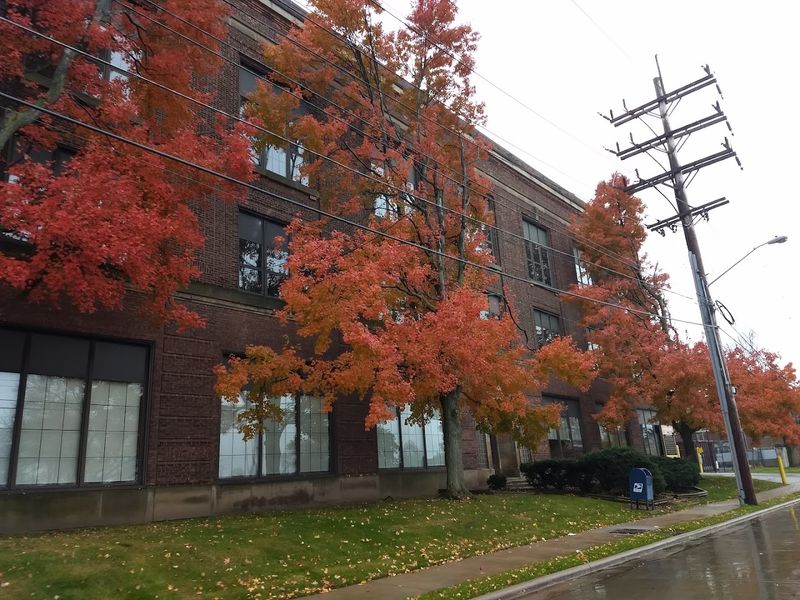
Lakewood was established in 1889 and grew up as one of Cleveland’s original streetcar suburbs. That history is written directly into its architecture.
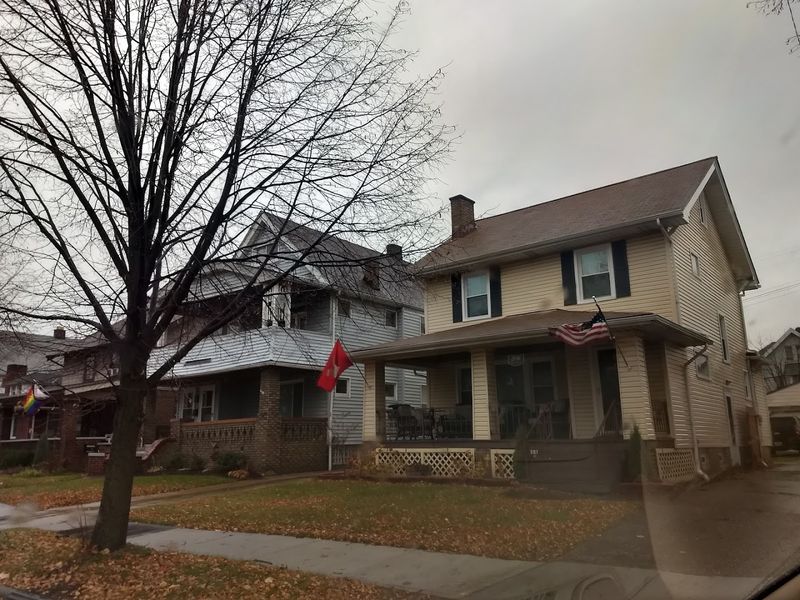
Brick bungalows, craftsman homes, and early twentieth century apartment buildings line the streets in a way that feels intentional and human-scaled. The density here is unusual for a suburb.
Buildings sit close together. Sidewalks are well-used.
The layout of the city was designed around people walking, not cars speeding through.
That built environment is part of what draws new residents in. But it is also what some fear losing as newer developments introduce more minimalist design language that does not always speak the same architectural dialect as the surrounding blocks.
Preservation is not just about aesthetics. It is about continuity.
When a neighborhood changes visually, it changes emotionally too. Residents who have walked the same streets for decades start to feel like visitors in a place they helped build.
The bones of Lakewood are still strong. Whether what gets built on top of them respects that legacy remains an open question.
Walkability Was Always The Secret Weapon
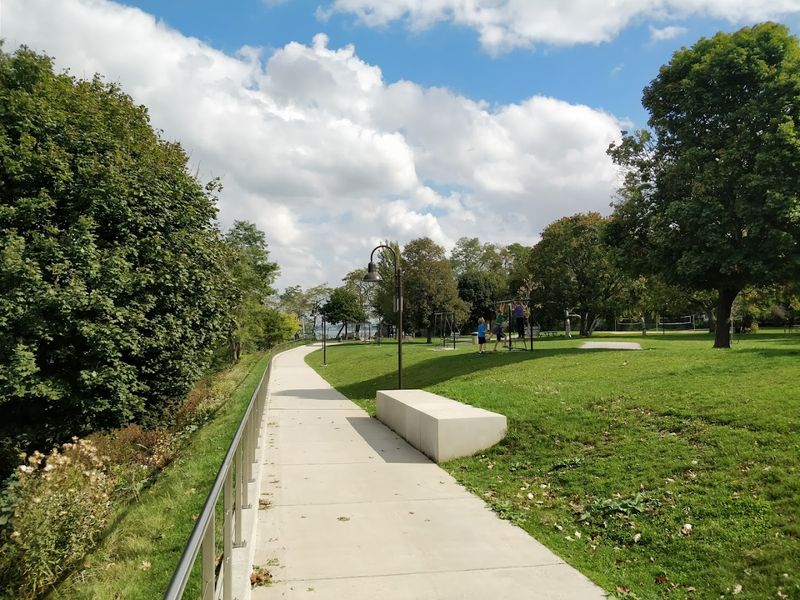
Walkability is not something most Ohio cities can brag about. Lakewood can, and it does.
The city’s compact layout means that most residents can reach a grocery store, a park, a coffee shop, or a bus stop without needing to get in a car. That kind of access changes daily life in ways that are hard to quantify but easy to feel.
It creates impromptu conversations. It builds community over time.
Longtime residents consistently name walkability as one of the top reasons they chose Lakewood and why they have stayed. It is one of those qualities that sounds simple but is actually very difficult to maintain as a city grows and changes.
Increased development brings more foot traffic, which sounds positive. But it also brings noise complaints, parking shortages, and congestion on streets that were not designed to handle dramatic increases in density.
Balancing growth with the qualities that made the city worth growing into is the central challenge Lakewood faces right now. So far, that balance is proving harder to strike than anyone anticipated.
Parks, Green Space, And The Fight To Keep Them
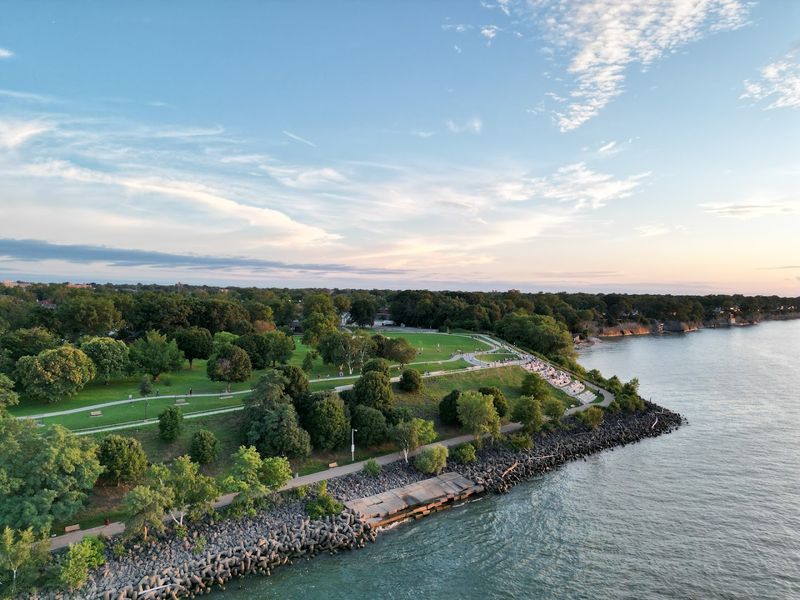
Lakewood sits on the southern shore of Lake Erie, and that geography gives it something most dense urban areas lack: real access to natural beauty.
The city’s parks have long served as pressure release valves for a densely packed community. Edgewater-adjacent green spaces, local recreation areas, and the proximity to the lake create breathing room that residents genuinely rely on.
These are not decorative spaces. They are functional parts of daily life for a city where private yards are often small.
As development accelerates, the pressure on public green space grows. More residents means more demand on parks.
More construction means less undeveloped land available for future green projects.
Residents have started paying closer attention to how new developments interact with existing public spaces. The Lakewood Common project, for example, includes community areas as part of its design.
Whether those spaces truly serve the broader public or primarily benefit the residents of the new buildings remains to be seen.
Green space is one of those things a city only misses after it is gone. Lakewood still has time to protect what it has.
What Comes Next For A City At A Crossroads
Every city eventually reaches a moment where the path it has been on splits into two very different directions. Lakewood, Ohio is standing at exactly that kind of fork right now.
One path leads toward continued investment, rising property values, new development, and a shinier version of the city that may attract a different kind of resident than the one who built its reputation. The other path requires harder choices: protecting affordability, preserving architectural character, and making sure that growth serves the people already here, not just the people arriving.
City Council is aware of the tension. Conversations about property tax adjustments, data center restrictions, and the shape of new development projects suggest that local government is listening, even if solutions are slow to materialize.
What Lakewood has going for it is genuine community investment. Residents here care loudly and show up consistently.
That civic energy is not a small thing. Cities with engaged populations tend to navigate change better than those without.
The city that longtime residents claimed as their own is still here. Whether it stays recognizable depends on choices being made right now.