
This Charming Connecticut Mill Town Is Known For Its Cobblestone Streets And Timeless Atmosphere
Cobblestone streets that survived every modernization attempt carry a permanence that poured concrete never quite matches. This mill town kept its stones in place and built an atmosphere around that decision that feels genuinely timeless.
Foot traffic slows naturally here without any posted suggestion to do so. The uneven surface demands attention in a way that smoothed pavement never does.
Mill architecture repurposed rather than demolished lines streets that feel more European than New England. Visitors spend more time looking up than forward.
A town this atmospherically complete surviving into the present required both luck and the right preservation decisions at the right moments. Connecticut managed both, and the cobblestones have been making the case ever since.
History Of Mill Town Development
A place like this did not start as a mill town in the traditional sense, but industry crept in quietly over the centuries. By the 19th century, windmills and dams were doing serious work here.
They processed grain, finished cloth, and even manufactured edged tools and spindles.
The town is better known for its agricultural roots, especially its famous red onions. Farmers grew them in such quantities that Wethersfield earned the nickname “Oniontown.”
It also became the cradle of American seed companies, which is a genuinely fascinating chapter in American agricultural history.
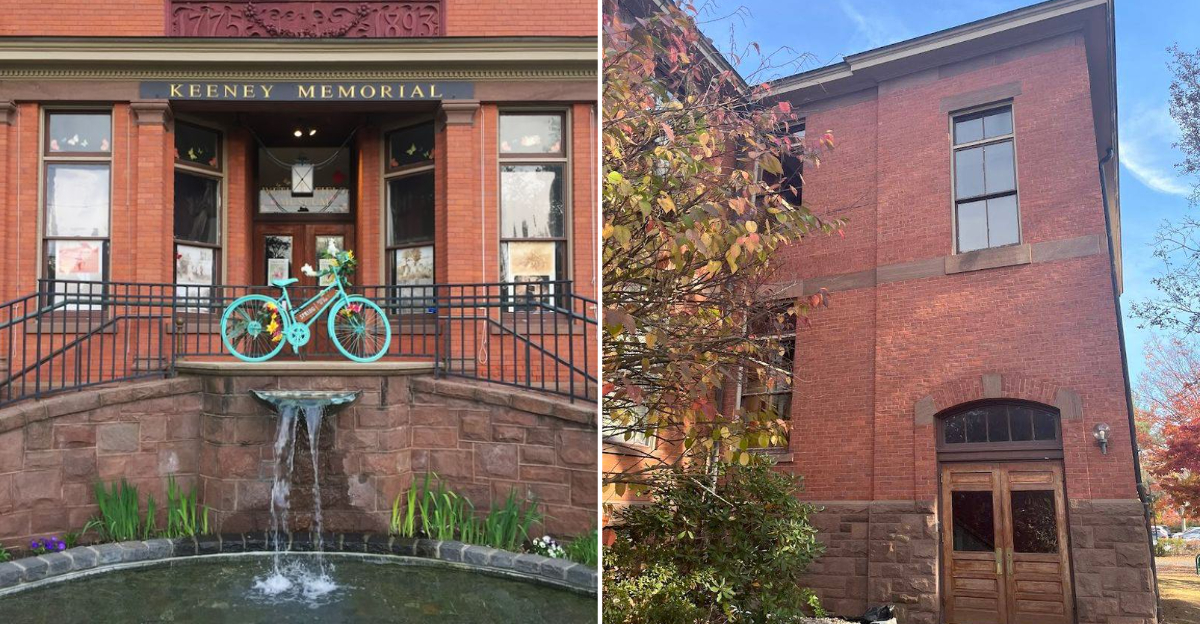
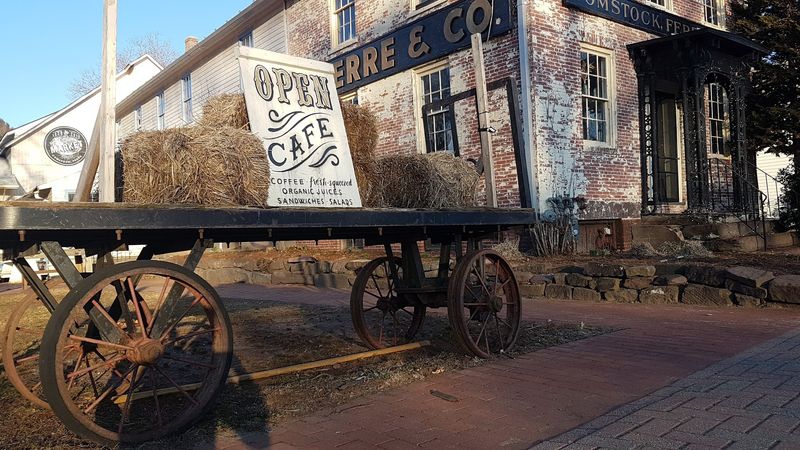
Comstock, Ferre and Co., founded in 1820, stands as America’s oldest continuously operating seed company. The Keeney Memorial Cultural Center is housed inside a former gristmill, keeping that industrial heritage alive in a very tangible way.
Walking through Old Wethersfield, you realize every corner has a layered story. This was never just a pretty town.
It was a working, breathing community that built real things and grew real food. The town sits in Hartford County, right along the Connecticut River.
Architectural Styles Of Cobblestone Streets
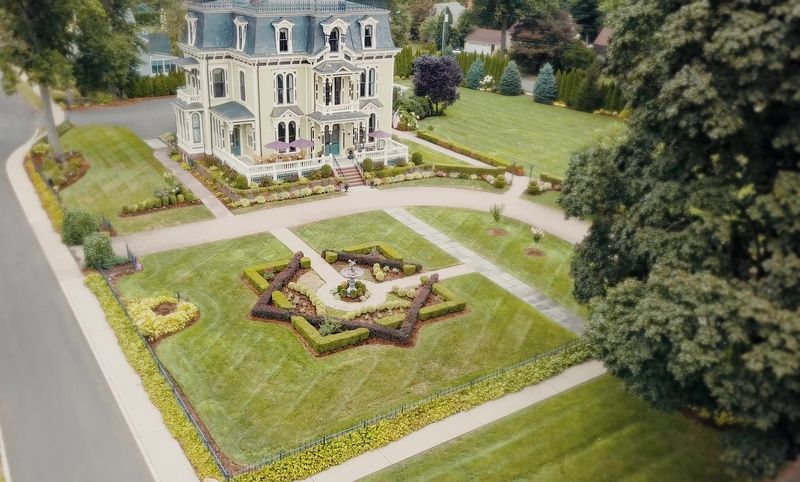
Old Wethersfield is a living architecture textbook, and that is not an exaggeration. The historic district holds over 150 structures built before 1850, with 50 of those predating the Revolutionary War itself.
Walking these streets feels genuinely surreal.
The streets feature brick-paver sidewalks shaded by enormous, mature trees. Cobblestone sections add texture and character to the neighborhood.
Colonial, Georgian, and Federal-style homes line the roads in remarkable concentration.
The historic district was listed on the National Register of Historic Places in 1970. It spans two square miles and contains around 1,100 structures total, making it the largest historic district in Connecticut.
That scale is hard to wrap your head around until you are actually standing there.
Three of those structures are National Historic Landmarks. The Buttolph-Williams House, the Joseph Webb House, and the Silas Deane House all carry that prestigious designation.
George Washington used the Joseph Webb House as his command center for five days in May 1781, where he and French General Rochambeau planned the Siege of Yorktown.
The architectural variety across these streets is remarkable. No two homes look the same, yet they share a cohesive visual rhythm.
The craftsmanship visible in the brickwork, woodwork, and window proportions reflects a time when buildings were meant to last for generations, not just decades.
Cultural Events Celebrating Local Heritage
Wethersfield takes its heritage seriously, and the town celebrates it with genuine enthusiasm throughout the year. Cultural events here are not just tourist attractions.
They are community gatherings rooted in real local history.
The town hosts events tied to its colonial past, agricultural traditions, and Revolutionary War connections. These gatherings bring residents and visitors together around shared stories.
History becomes something you participate in rather than just read about.
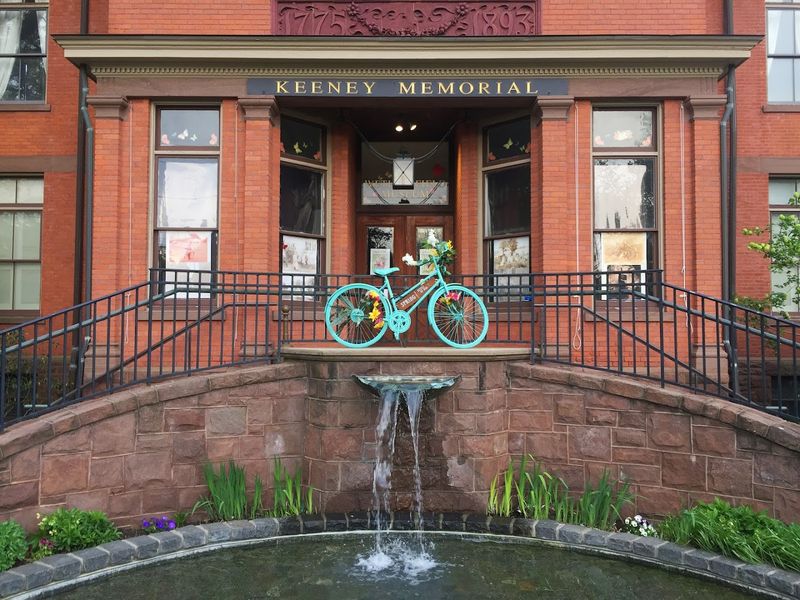
The Keeney Memorial Cultural Center serves as a hub for arts and cultural programming. Housed in a former gristmill, it connects the town’s industrial past to its creative present.
Exhibits, performances, and community programs keep that connection alive year-round.
Living history demonstrations at the National Historic Landmarks give visitors a hands-on experience. Costumed interpreters bring 18th-century life to vivid reality.
These events are especially popular with school groups and families. Local organizations work hard to keep the programming educational and engaging.
The town’s identity is deeply tied to its history, and cultural events reinforce that pride consistently. Wethersfield does not treat its past like a museum exhibit behind glass.
It treats it like something worth celebrating loudly, regularly, and with real community spirit backing every single event on the calendar.
Preservation Efforts For Historic Sites
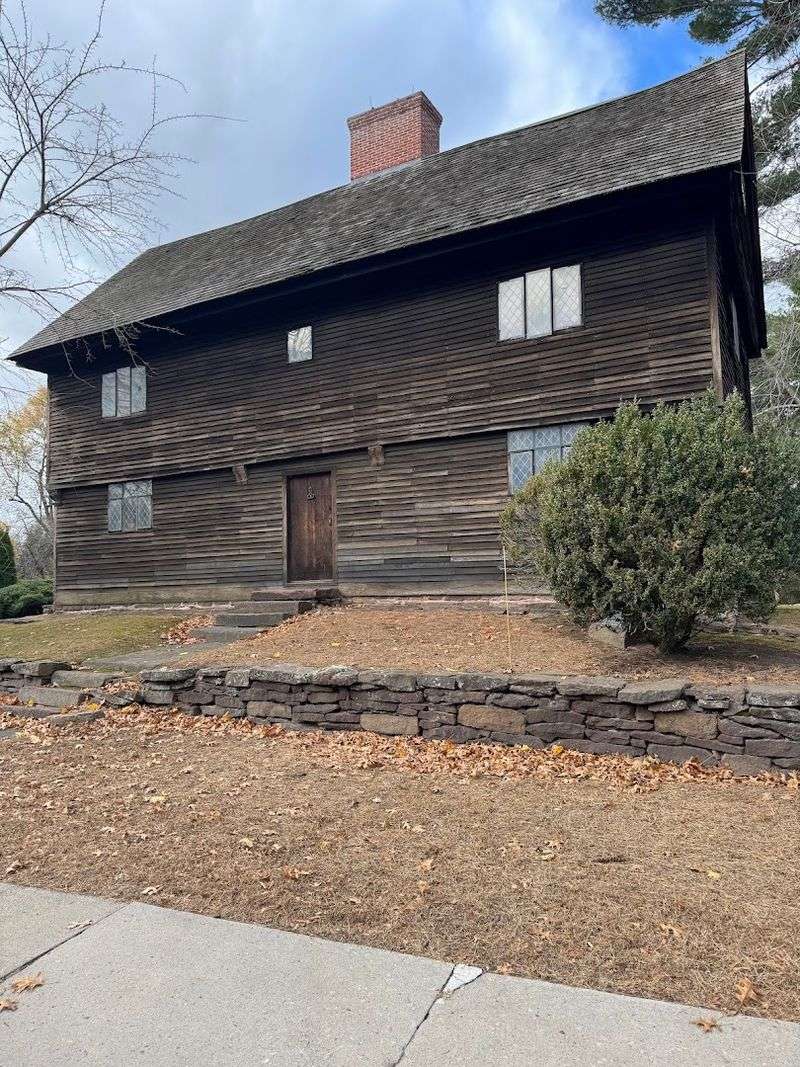
Keeping 1,200 historic structures intact is not a small task, and Wethersfield handles it with impressive dedication. The Old Wethersfield Historic District is the largest historic district in Connecticut.
Maintaining that distinction requires constant, coordinated effort from local organizations and government bodies.
The district’s listing on the National Register of Historic Places in 1970 was a landmark moment. It formalized the town’s commitment to preservation and opened doors to federal resources.
That designation still guides how the town manages development and restoration today.
Local preservation groups actively monitor changes to historic properties. Strict guidelines govern renovations and new construction within the district boundaries.
Homeowners work within those rules to maintain the visual integrity of their neighborhoods.
The three National Historic Landmarks receive particular attention and care. The Buttolph-Williams House, built around 1711, is one of the oldest surviving homes in Wethersfield and one of the best-preserved First Period houses in the Connecticut River Valley.
Ongoing restoration work keeps these landmarks accessible and structurally sound for future visitors.
The Wethersfield Historical Society plays a central role in preservation advocacy. They document local history, maintain archives, and educate the public about why these sites matter.
Preservation here is not just about aesthetics. It is about protecting a physical record of American life that stretches back nearly four centuries, which is something genuinely worth protecting with serious intention and consistent resources.
Seasonal Attractions And Activities
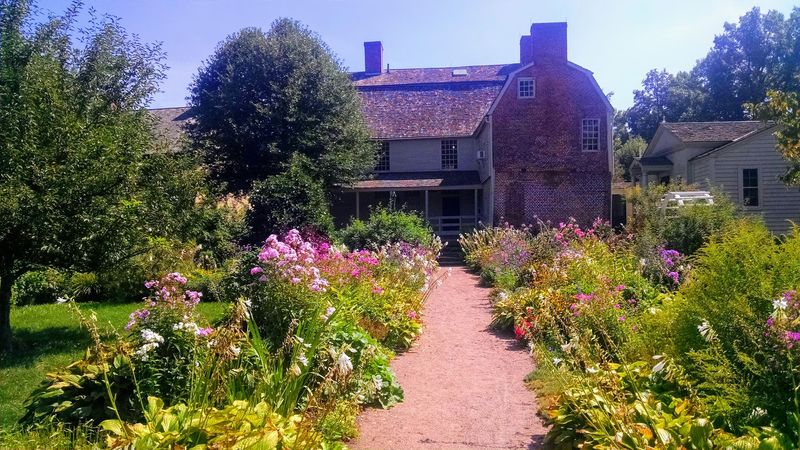
Wethersfield shifts beautifully with every season, and each one brings its own set of reasons to visit. Fall is probably the most dramatic.
The mature trees lining the historic district streets turn vivid shades of red, orange, and gold, and the brick sidewalks look even more cinematic beneath all that color.
Spring brings garden season to life in a big way. Comstock, Ferre and Co. becomes a destination all on its own.
Founded in 1820, it is America’s oldest continuously operating seed company, and spring is when it absolutely buzzes with activity.
Summer opens up the Connecticut River for kayaking, fishing, and scenic walks along the water. The three-mile self-guided Wethersfield Heritage Walk is especially enjoyable in warm weather.
It highlights historical landmarks and gives visitors a structured way to explore the district at their own pace.
Winter quiets things down considerably, but that has its own appeal. The historic homes draped in seasonal decorations look like something from a painted holiday card.
Snow on cobblestone streets is a genuinely beautiful sight.
Each season in Wethersfield offers a completely different experience. The town never feels like it is performing for tourists.
It simply continues living its life, and visitors get to tag along for whatever chapter happens to be unfolding at the time of their visit.
Local Artisans And Craftsmanship
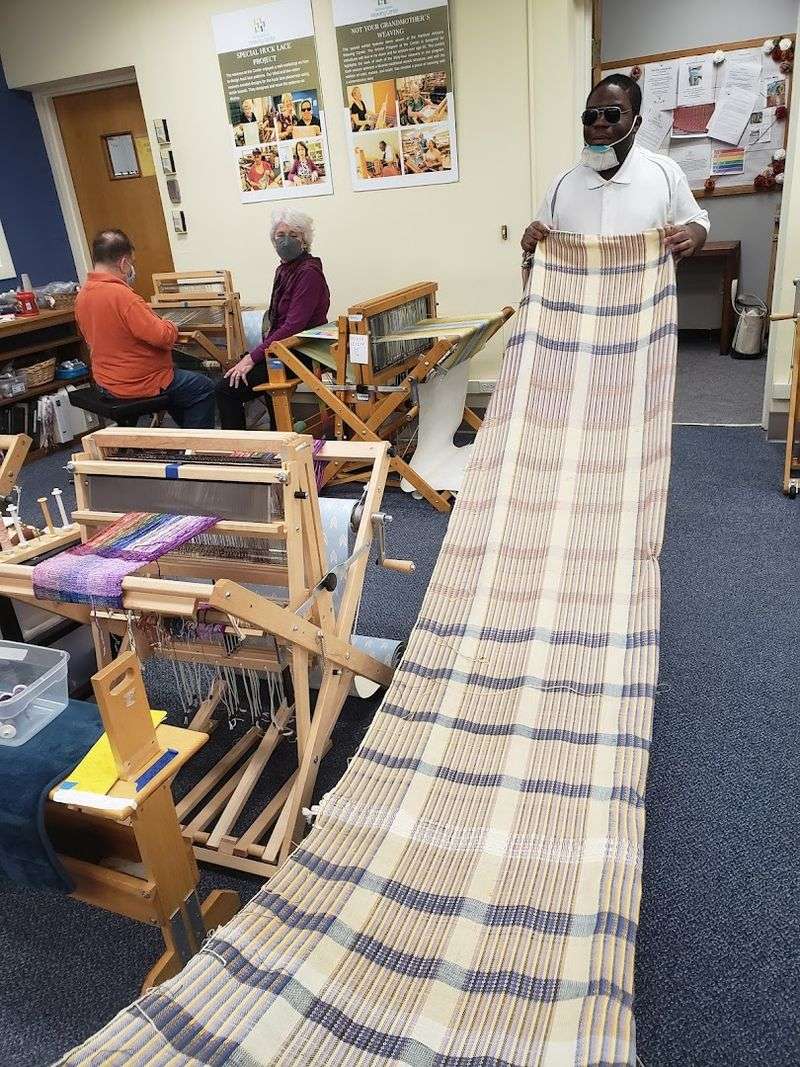
Wethersfield has a long tradition of skilled craftsmanship that goes back to its earliest days as a working community. The town’s 19th-century industrial period produced edged tools and spindles, and that hands-on maker culture never fully disappeared.
It simply evolved.
Today, local artisans operate within and around the historic district, continuing a tradition of making things with care and skill. Craft markets and small studios pop up throughout the year.
These are not mass-produced souvenir shops. They are genuine creative spaces run by people who take their work seriously.
The seed industry connection adds another layer to local craftsmanship. Growing, selecting, and packaging seeds is a precise, patient skill.
Comstock, Ferre and Co. represents that tradition in a way that connects modern garden enthusiasts to centuries of agricultural knowledge.
The Keeney Memorial Cultural Center supports local artists through programming and exhibition space. It bridges the gap between the town’s historic craft identity and its contemporary creative community.
Visitors often discover local makers they would never have found through a simple online search. Wethersfield rewards slow, curious exploration.
The artisan culture here is quiet but deeply rooted. You will not find flashy galleries or trendy boutiques.
What you will find are skilled people doing careful work, which is exactly the kind of craftsmanship this town has always been known for across its long history.
Community Traditions And Festivals
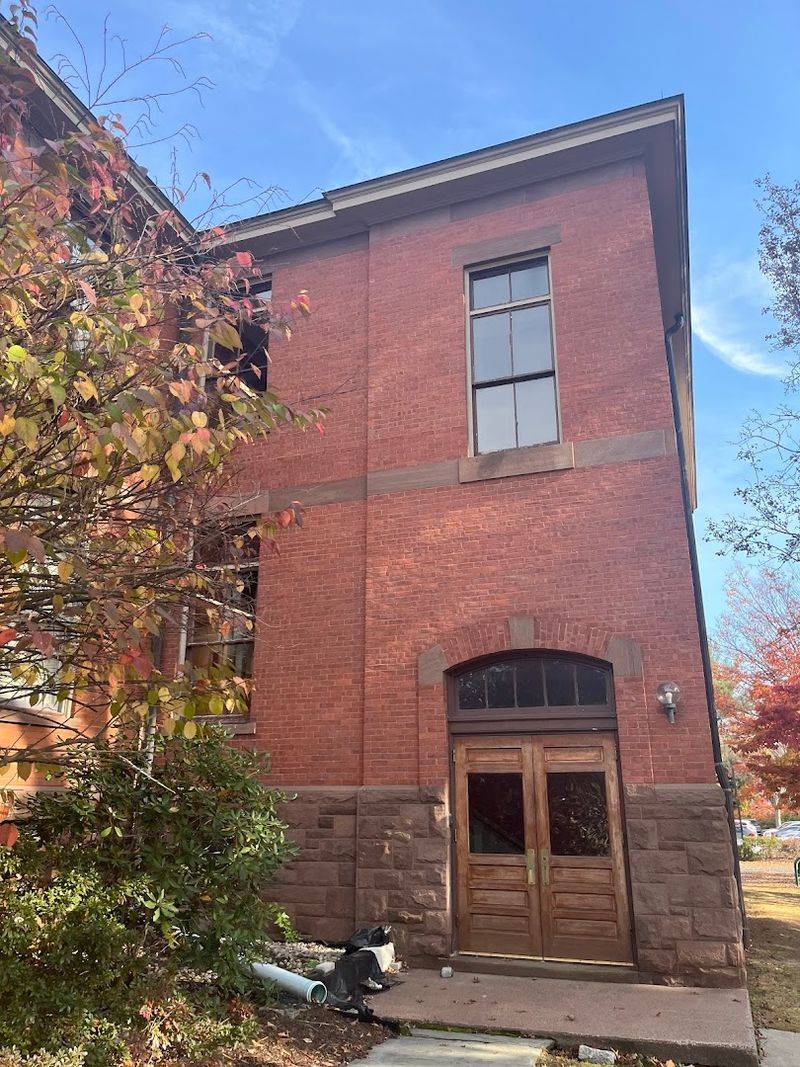
Community life in Wethersfield runs deep, and the town’s festivals reflect that authenticity. These are not events manufactured for outside attention.
They grow out of genuine local pride and long-standing neighborhood traditions that residents actually care about maintaining.
The town green has historically served as a gathering place for community events. Markets, seasonal celebrations, and civic gatherings all find their home there.
That central meeting point gives Wethersfield a social cohesion that many towns have lost over time.
Agricultural traditions remain woven into the community calendar. Given the town’s history as a major red onion producer and seed cultivation hub, harvest-themed events carry real meaning here.
They connect current residents to the farming identity that shaped Wethersfield for generations.
Historical anniversary events tied to the town’s 1634 founding draw significant community participation. Residents take genuine pride in being part of Connecticut’s oldest English settlement.
That pride shows up in how they organize, attend, and contribute to community events throughout the year. Family-friendly programming is a consistent priority across Wethersfield’s festival calendar.
Kids get hands-on history experiences while adults enjoy the atmosphere and community connection. The festivals here feel personal rather than corporate.
They have the energy of a neighborhood block party with the historical weight of a place that has been gathering together, in one form or another, for nearly four centuries without interruption.
Nature Trails And Riverside Views

Wethersfield sits right along the Connecticut River, and that geography gives the town some genuinely beautiful outdoor spaces to explore. The river corridor offers calm, scenic stretches that feel worlds away from the nearby city of Hartford.
Nature here is quiet and unhurried.
The Wethersfield Cove is a particularly peaceful spot. It is a sheltered inlet where the river meets the land in a way that creates a natural harbor.
Birding is popular here, and the reflections on the water during golden hour are worth the trip on their own.
The three-mile self-guided Wethersfield Heritage Walk connects historic landmarks but also passes through some lovely green spaces. It is a comfortable walk that mixes history with outdoor enjoyment.
Comfortable shoes and a curious mindset are really all you need.
Meadows and open fields near the river provide additional space for walking, picnicking, and wildlife observation. The Connecticut River Valley landscape is lush and varied across all four seasons.
Spring brings wildflowers, summer green canopies, fall New England colors, and winter the river’s quiet strength under bare branches. Wethersfield proves that a history-rich town and a nature-loving town are not mutually exclusive.
The outdoor spaces here complement the historic district perfectly, giving visitors a complete and well-rounded experience of everything this remarkable Connecticut town has to offer.