
The Overlooked Town In Tennessee Where Rent Stays Around $1,100 And Life Still Feels Good
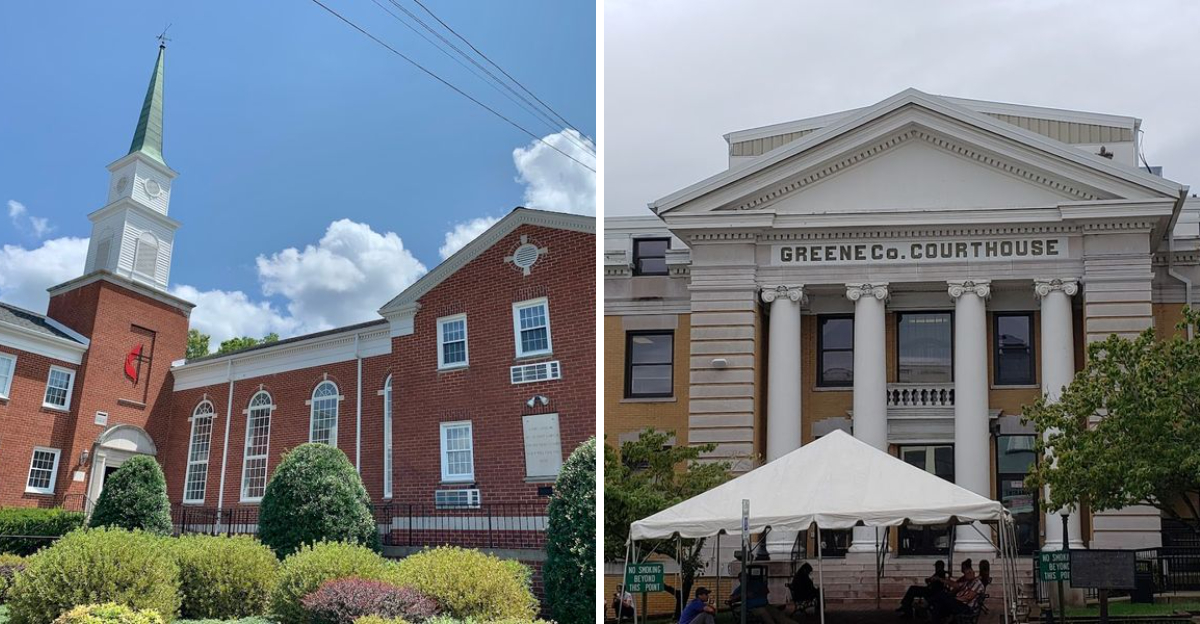
Most people chasing affordable living in Tennessee head straight for the big names.
Nashville is out of reach. Knoxville is catching up fast. But there is a small city in East Tennessee that has been quietly offering something most places stopped offering years ago: a real life at a reasonable price.
Rent here hovers around $1,100 a month. The downtown is alive. The mountains are close. And the people who live here will tell you they are not looking to leave anytime soon.
It has history, it has character, and it has the kind of pace that makes you wonder why you ever stressed about rent in the first place.
Tennessee has plenty of towns worth a second look, and this one might be the most underrated of all. Sometimes the best place to land is the one nobody is talking about.
Rent That Actually Makes Sense In Today’s Market
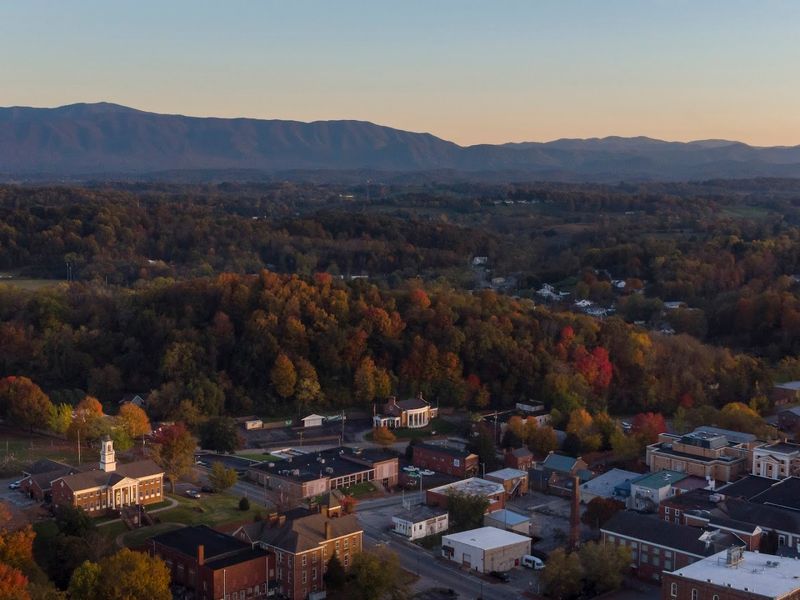
Most Americans spend a significant portion of their income just keeping a roof overhead.
In this town, that burden is considerably lighter. The average rent for a two-bedroom apartment sits around $1,100 per month, while one-bedroom units average closer to $900. That is not a typo.
To put that in perspective, the national average rent runs roughly 44% higher. For people relocating from cities like Nashville, Charlotte, or Atlanta, the difference feels almost surreal.
You can rent a clean, comfortable space here and still have money left over for groceries, savings, and the occasional dinner out. Houses average around $1,500 per month, which is still well below what most mid-sized American cities charge for a basic apartment.
The town sits in Greene County, and its overall cost of living index hovers between 79 and 80. That means residents typically spend about 20 to 21% less on everyday expenses than the average American household does.
For young professionals, retirees, or families trying to build financial stability, that gap adds up to real money over time.
This Tennessee town does not ask you to sacrifice quality to stay within a reasonable budget.
Tennessee Has No State Income Tax And Greeneville Benefits Fully
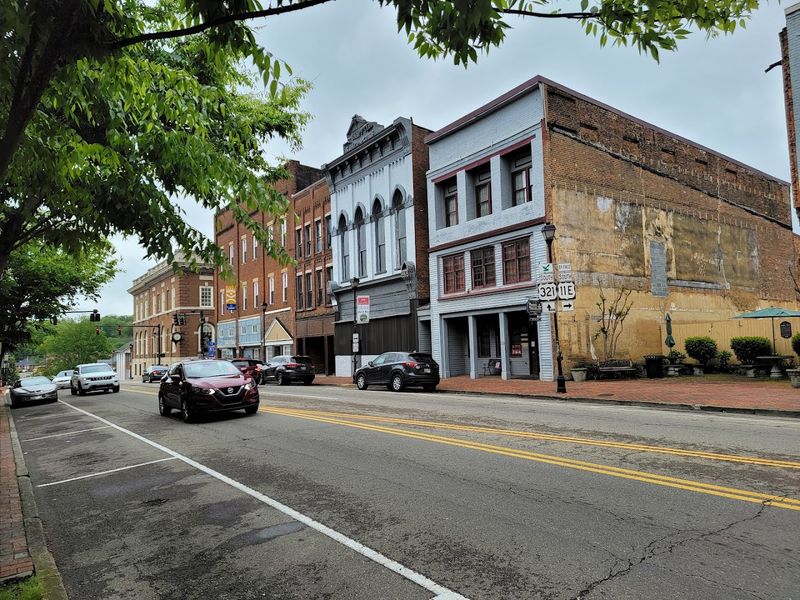
One of the quieter financial advantages of living in Tennessee is something many newcomers do not immediately realize: the state collects no personal income tax. That means every paycheck you bring home stays intact in a way it simply does not in states like California or New York.
For a household earning $60,000 annually, the absence of state income tax can translate into thousands of dollars kept rather than sent to a state government. Greeneville residents enjoy this benefit in full.
Combined with already low housing costs, low utility bills, and below-average transportation expenses, the financial picture becomes increasingly attractive the longer you examine it.
Utility costs in Greeneville run meaningfully below national averages, and fuel prices in the region tend to stay competitive. The average one-way commute clocks in around 16 minutes, which means residents spend less time sitting in traffic and less money burning fuel to get to work.
These are not glamorous statistics, but they are the kind that quietly reshape a household budget over months and years. Living well does not always require a high salary.
Sometimes it requires choosing the right zip code, and Greeneville, Tennessee, makes a compelling case for itself on that front.
A Downtown That Rewards A Slow Walk
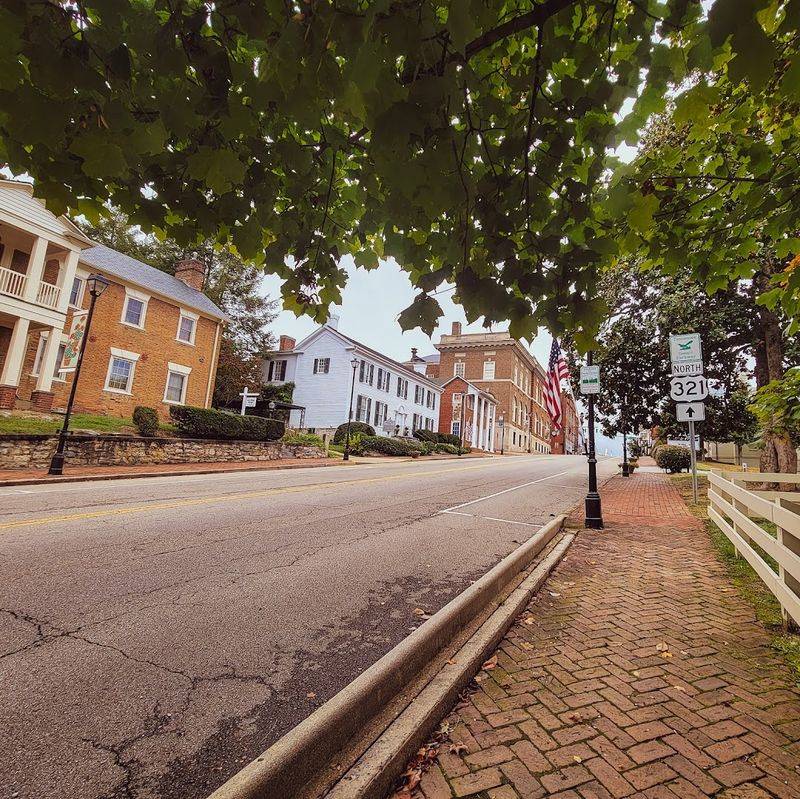
There is a certain pleasure in walking through a downtown that was built for people rather than cars. Greeneville’s revitalized town center offers that experience.
The streets are lined with historic brick storefronts, locally owned shops, and restaurants that feel like they belong to the community rather than a corporate franchise roster.
The pace here is deliberate. Nobody is rushing. Conversations happen on sidewalks. Shop owners recognize regular customers.
That kind of environment is increasingly rare in American towns, and its value is hard to quantify but easy to feel within an hour of arrival. The downtown area has seen thoughtful investment in recent years, bringing new energy without erasing the character that makes it worth visiting.
Greeneville is located in Greene County in northeastern Tennessee, and its town center sits at the heart of a community that takes genuine pride in its appearance and history.
Weekend mornings downtown feel particularly rewarding, with the kind of unhurried atmosphere that reminds you life does not have to operate at maximum speed.
For residents, this walkability is not a selling point from a brochure. It is simply Tuesday.
Having a lively, accessible downtown within easy reach adds a layer of daily enjoyment that larger cities often charge a premium to provide.
The Andrew Johnson Historic Site Keeps History Close
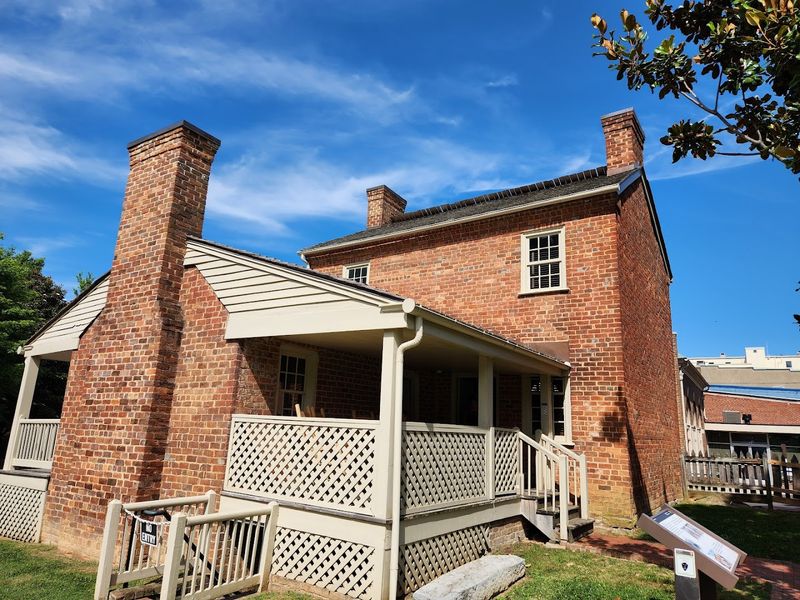
Greeneville is the kind of place where history is not locked behind velvet ropes or buried in textbooks. It lives on the street, in the architecture, and in sites like the Andrew Johnson National Historic Site, which commemorates the life and legacy of the 17th President of the United States.
Andrew Johnson was born in 1808 and spent much of his adult life in Greeneville before eventually ascending to the presidency following Abraham Lincoln’s assassination in 1865. His tailor shop, homestead, and burial site are preserved and managed by the National Park Service.
Admission is free, and the site draws visitors from across the country who want a tangible connection to one of the more complicated chapters in American political history.
For residents, having a nationally significant historic site practically in the backyard adds a dimension to daily life that most small towns cannot offer.
The Greene County History Museum provides additional context, tracing the broader story of the region from its earliest settlements through the present day.
Greeneville was founded in 1783 and stands as the second-oldest town in Tennessee, named in honor of Revolutionary War General Nathanael Greene.
That depth of history gives the town a grounded identity that newer communities spend decades trying to manufacture. Here, it simply exists.
Outdoor Recreation That Rivals Much More Famous Destinations
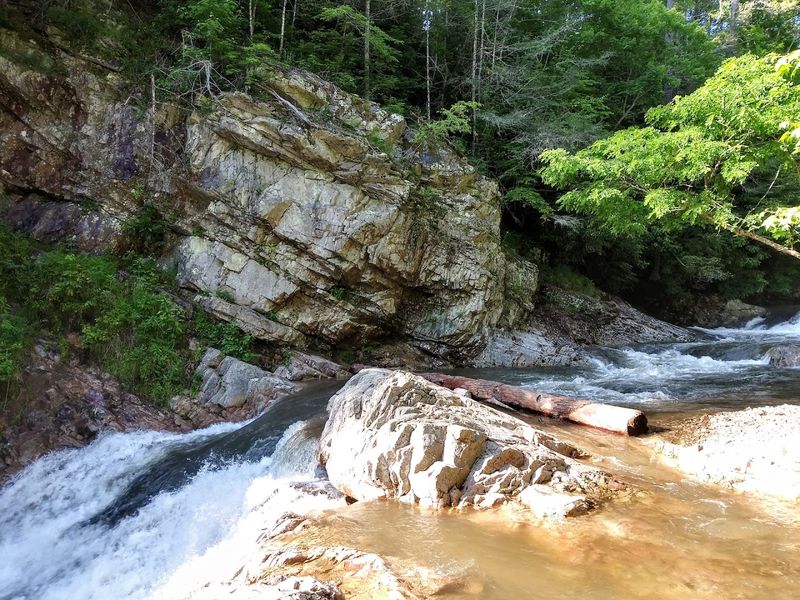
People who associate affordable small towns with limited outdoor access have not spent time in Greeneville.
The town sits in the foothills of the Great Smoky Mountains, placing residents within easy reach of Cherokee National Forest and the Nolichucky River gorge.
The Nolichucky River is particularly well regarded among paddlers. Its gorge section delivers challenging whitewater surrounded by steep, forested walls that create a sense of true wilderness even though you are never far from civilization.
Hikers have access to trails ranging from gentle afternoon walks to demanding multi-day routes through terrain that shifts with every season. Fishing, camping, and mountain biking round out an outdoor menu that costs very little to enjoy.
Closer to town, the Parks and Recreation Department maintains several well-kept facilities. Hardin Park includes ballfields, a swimming pool, playgrounds, a walking trail, and a skatepark.
W.T. Daniels Park offers a dog park and disc golf course. The Eastview Recreation Center provides indoor gyms and a splash pad for families.
These amenities are not afterthoughts. They reflect a community that understands quality of life is built through consistent, accessible recreation.
Greeneville delivers that without requiring residents to drive two hours or pay resort prices to enjoy the outdoors.
Education Options That Exceed Small-Town Expectations
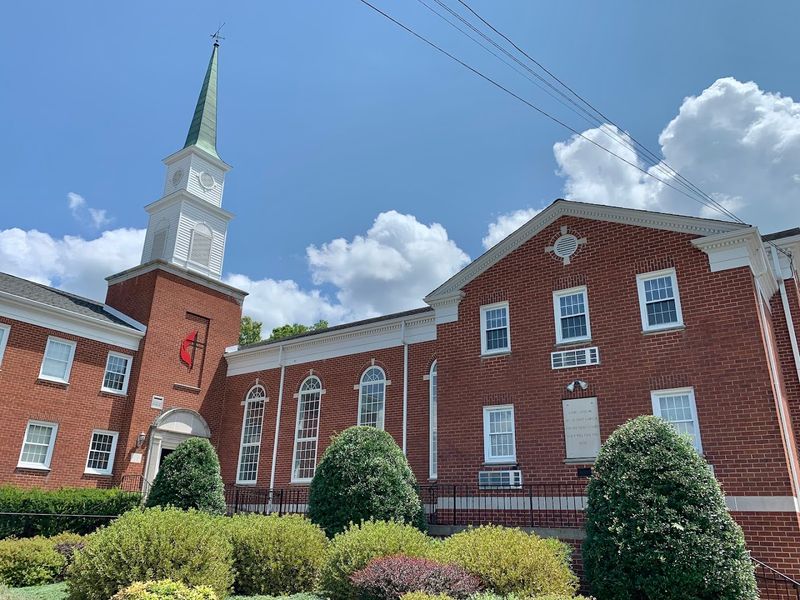
Families with school-age children often rank education quality near the top of their relocation priorities. Greeneville holds up well under that scrutiny.
The Greeneville City School District carries strong ratings and serves the community with a level of investment and performance that compares favorably against districts in far larger cities.
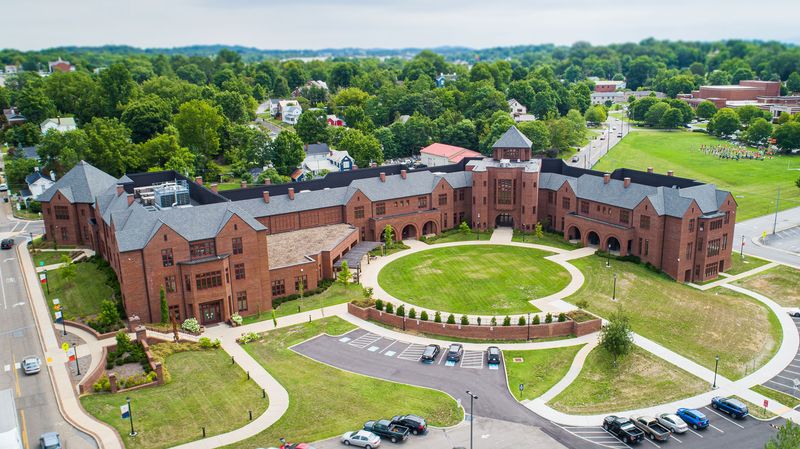
Beyond the K-12 system, Greeneville is home to Tusculum University, which holds the distinction of being Tennessee’s oldest college. Founded in 1794, Tusculum has been educating students for well over two centuries and continues to offer undergraduate and graduate programs.
Having a four-year university within town limits is a meaningful asset, providing cultural programming, employment opportunities, and a steady presence of students and faculty who contribute to the intellectual life of the community.
The combination of a well-regarded public school system and an established university creates an educational environment that supports children from their earliest years.
Parents can invest in a community knowing their children will have access to quality instruction at every stage.
Greeneville does not ask families to choose between affordability and educational quality. It offers both, and that combination is rarer than most people realize when they begin searching for a place to put down roots.
Healthcare That Does Not Break The Budget
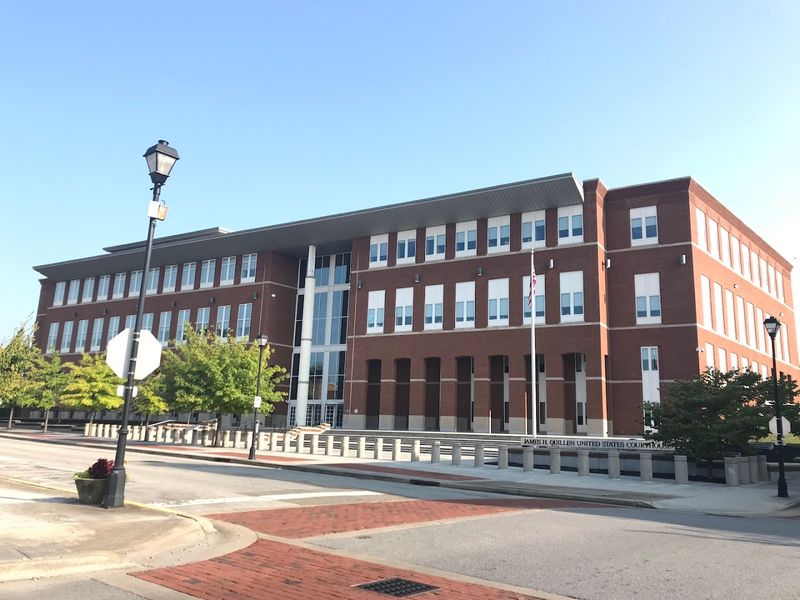
Access to reliable healthcare at a reasonable cost is one of those practical concerns that shapes where people choose to live, particularly for retirees and families with young children. Greeneville addresses this concern with more substance than its size might suggest.
Healthcare costs in the area run below the national average, which aligns with the broader pattern of affordability that defines life here.
Greeneville Community Hospital provides full acute care services to residents of Greene County and the surrounding region. The facility handles emergency care, surgical procedures, maternity services, and a range of specialized treatments.
For routine care, the town supports a network of primary care physicians, specialists, and clinics that keep residents from having to travel long distances for standard medical appointments.
The lower cost of healthcare in Greeneville is not simply a function of lower quality. It reflects the overall economic structure of the region, where overhead costs, insurance dynamics, and local pricing create a more accessible system for patients.
Retirees living on fixed incomes find this especially meaningful. A medical system that delivers competent, compassionate care without generating financial anxiety is a genuine quality-of-life factor, not a minor footnote.
For people evaluating Greeneville as a long-term home, knowing that a capable hospital sits within the community and that routine care remains financially manageable removes one more reason to hesitate.
Community Events That Build Real Connections
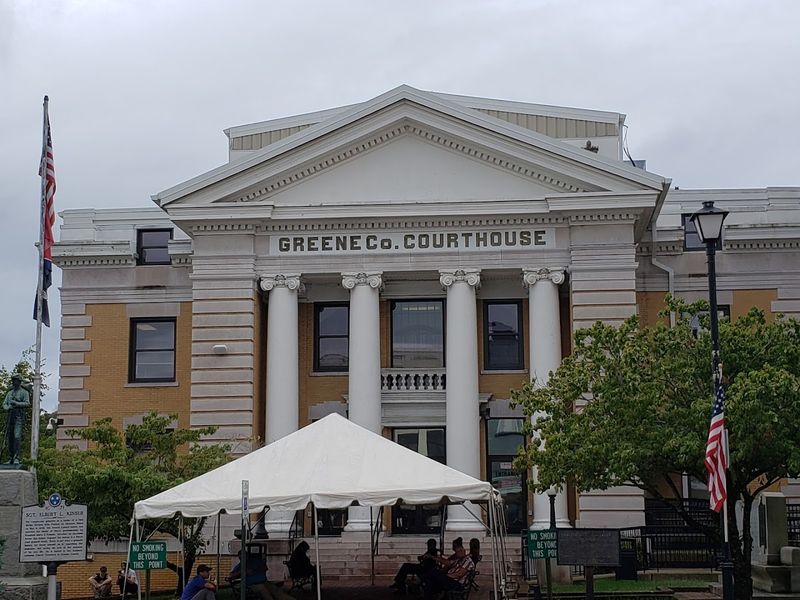
One of the reliable measures of a town’s social health is how its residents choose to spend time together.
In Greeneville, community events are not merely scheduled obligations on a municipal calendar. They are occasions that people actually look forward to and attend in meaningful numbers. That distinction matters more than it might initially seem.
Annual events like Spring Fling, Christmas in the Park, and Halloween in the Park draw families, longtime residents, and newcomers alike into shared spaces for shared experiences.
These gatherings create the kind of social fabric that does not come standard in larger cities, where anonymity is the default and neighbors can go years without exchanging names.
In Greeneville, the town’s modest size works in its favor. Events feel personal rather than corporate, and the atmosphere reflects genuine community investment rather than organized tourism.
For people relocating from more transient environments, the community cohesion in Greeneville can feel almost disorienting at first. Strangers wave.
Local business owners remember your order. Children grow up knowing multiple generations of the same families. This is not nostalgia or marketing language. It is the reality of a place where the population of roughly 15,500 people has chosen to remain engaged with one another.
That social warmth is among Greeneville’s most enduring and least advertised advantages for anyone considering a move.
The Broader Quality Of Life That Keeps People Staying
Numbers tell part of the story about Greeneville, but numbers alone do not explain why people who move here tend to stay.
The cost of living index between 79 and 80, the below-average utility bills, the short commute times, the affordable rent: these are measurable facts. What they produce in daily life is harder to quantify but unmistakably real.
Life in Greeneville operates at a pace that allows for actual rest. The 16-minute average commute means mornings are not consumed by highway gridlock.
Evenings belong to the household rather than recovery from a punishing workday. Weekends open up time for trails, parks, local restaurants, and the kind of unhurried domesticity that many Americans have quietly stopped expecting to find within their budgets.
The town’s population of approximately 15,500 keeps things manageable without feeling isolated.
Greeneville sits at coordinates that place it within reasonable driving distance of larger cities when the need arises, but its self-contained character means most residents rarely feel that pull.
The combination of financial relief, outdoor access, historical depth, strong schools, reliable healthcare, and genuine community warmth creates something that resists easy summarization. It is simply a good place to live.
In an era when that phrase has become increasingly difficult to attach to an affordable address, Greeneville earns it without apparent effort.