
This 1-Mile Trail Is One Of The Most Unique Hiking Experiences In Tennessee
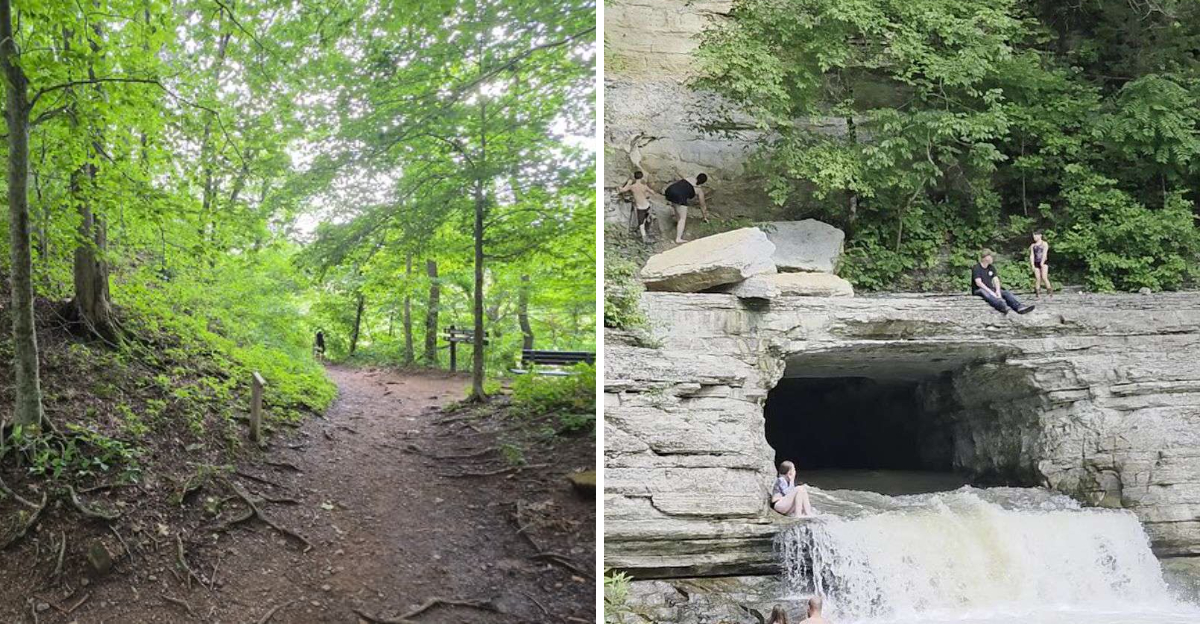
Most hikes offer a nice view and a bit of exercise. This Tennessee trail takes a completely different approach.
The walk is short, but the experience feels surprisingly big, turning a simple outing into something people talk about long after they leave.
A peaceful river winds through dramatic scenery. Steep cliffs frame the landscape. Then comes the feature that makes this place stand apart. It is the kind of sight that stops visitors in their tracks and leaves them reaching for their cameras.
What makes the route so special is how many different stories it tells in such a small space. Nature plays a major role, but so does history. Every section reveals something new, making the journey feel much longer than a single mile.
Plenty of Tennessee trails lead to waterfalls, overlooks, or forests. Very few deliver such an unusual mix of scenery, history, and surprise. That combination has earned this route a reputation as one of the most memorable hikes you can take anywhere in the state.
A Tunnel Carved By Hand Still Steals The Show More Than Two Centuries Later
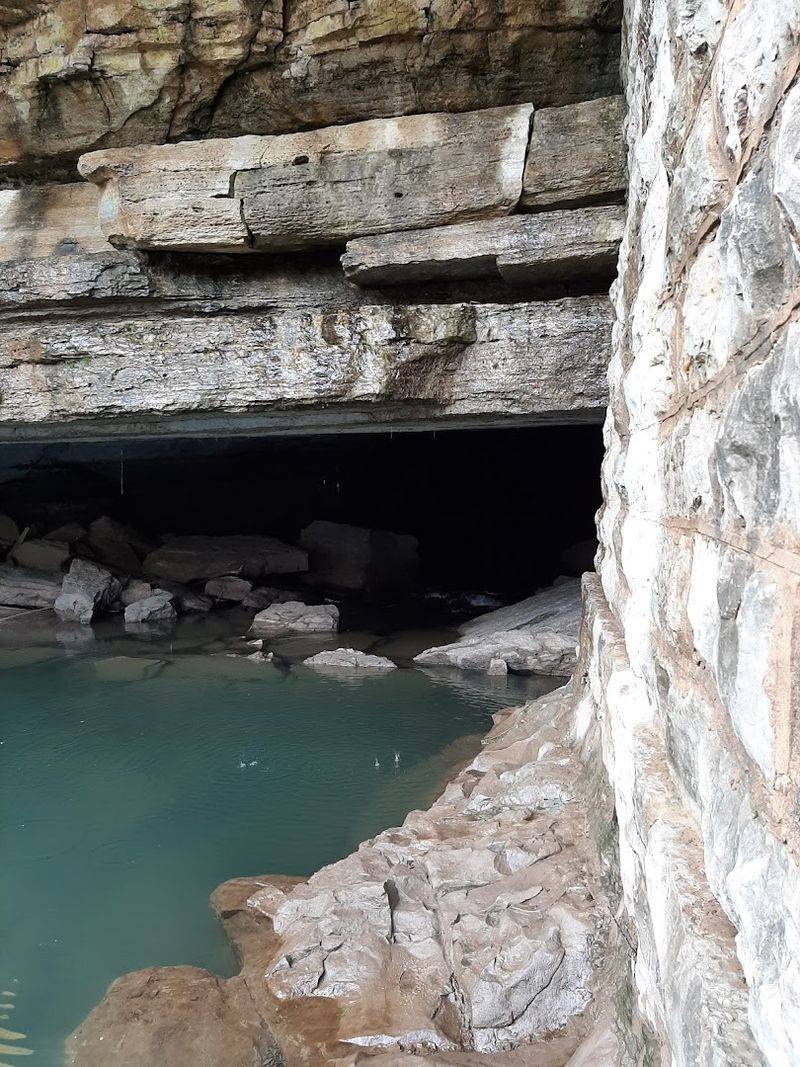
Before power tools, before modern machinery, workers armed with hand chisels and determination carved a 290-foot tunnel straight through solid limestone.
That is the story behind the tunnel built beginning in 1818 under the direction of iron manufacturer Montgomery Bell. He needed a way to redirect the Harpeth River to power his iron forge, known as Pattison Forge, and his solution was extraordinary for the era.
African American enslaved workers did the grueling physical labor of cutting through the rock by hand. The result was one of the first full-sized man-made tunnels in the entire United States.
That distinction earned the site a place on the National Register of Historic Places, and it remains one of the most compelling engineering stories in Tennessee.
Standing at the tunnel entrance today, you feel the weight of that history immediately. Water still flows through the passage, just as Bell intended.
The tunnel takes only a short walk from the parking area to reach it. The scale of human effort required to build this structure is humbling, and no photograph fully prepares you for the moment you see it in person.
The River Bend Geology That Made This Spot Extraordinary
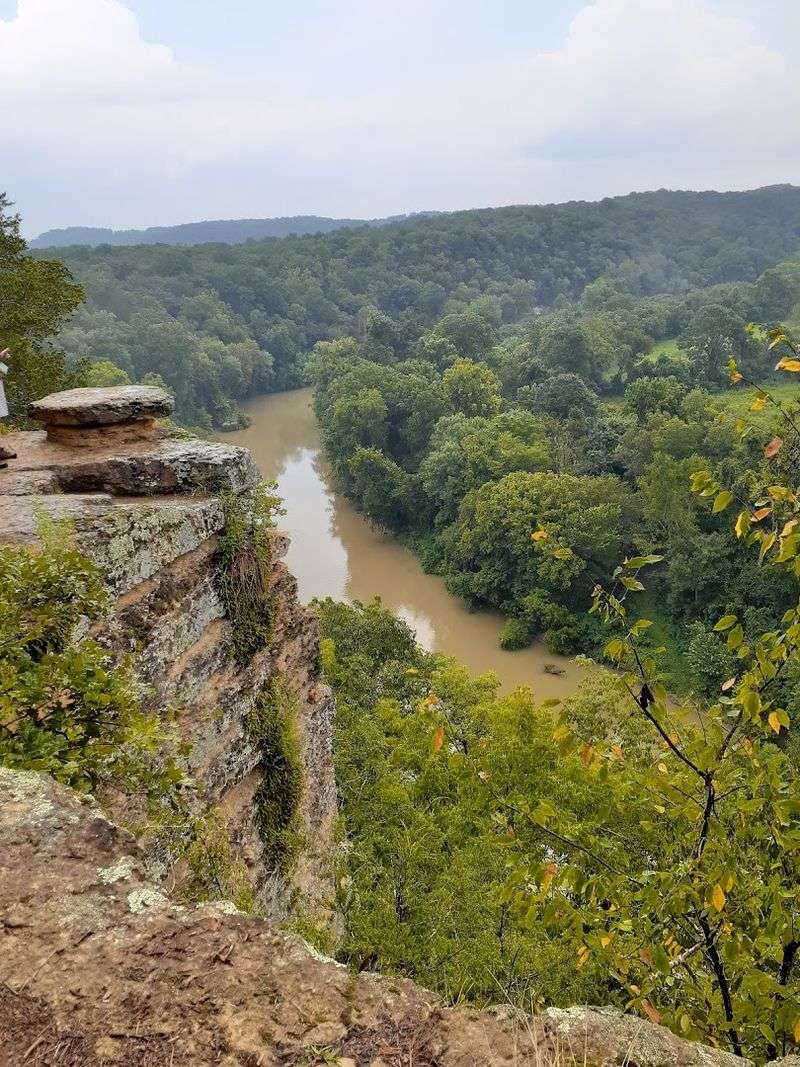
Rivers do not usually loop back on themselves, but the Harpeth River does exactly that at this location. After traveling four to five miles through the landscape, the river curves so sharply that it comes within just 200 yards of its own upstream path.
The result is a narrow limestone ridge, called an isthmus, separating two stretches of the same river.
This geological quirk is what made the site so attractive to Montgomery Bell in the first place. Rather than building a long canal, he simply needed to punch through a thin wall of rock.
The tunnel he created took advantage of a natural pressure difference between the two river levels, allowing water to flow through and power his forge downstream.
For hikers today, this bend creates something visually remarkable.
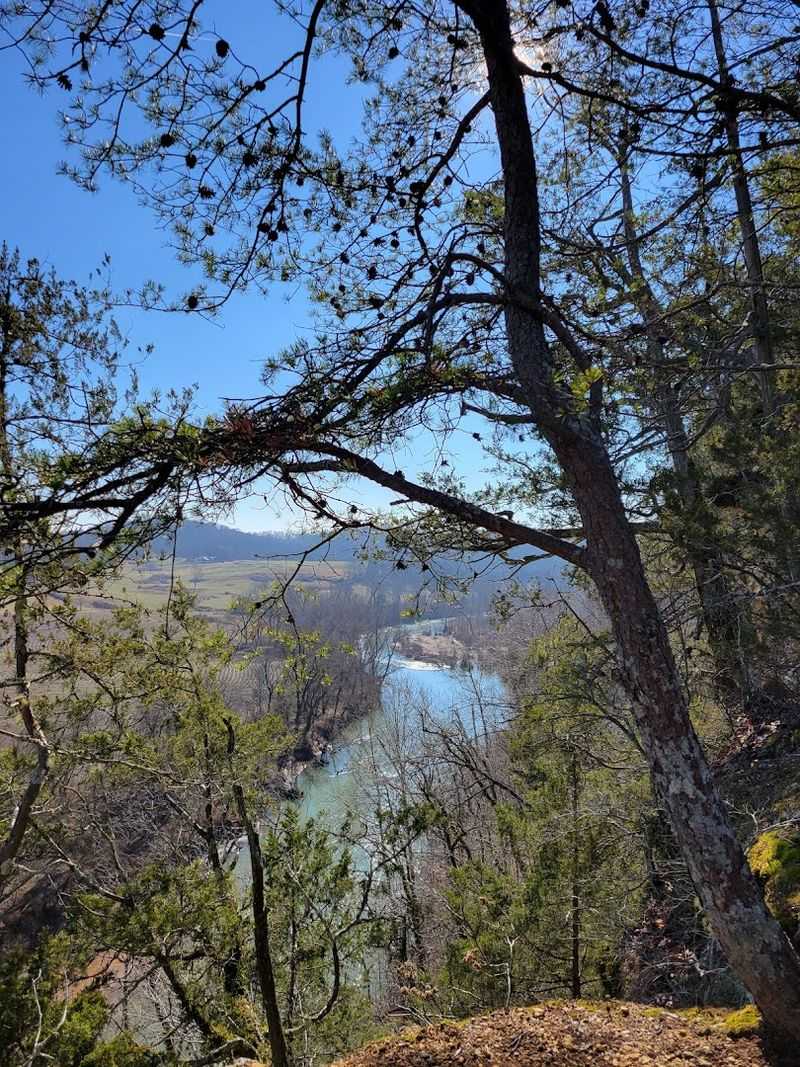
As you walk the bluff trail, you can look out and see the river on both sides simultaneously. That experience, seeing the same river running in two directions from a single vantage point, is genuinely unusual.
The terrain at Narrows of the Harpeth Tunnel rewards curious visitors who take time to understand what they are actually looking at.
A Waterfall Pouring Through Rock Makes This Short Trail Feel Unforgettable
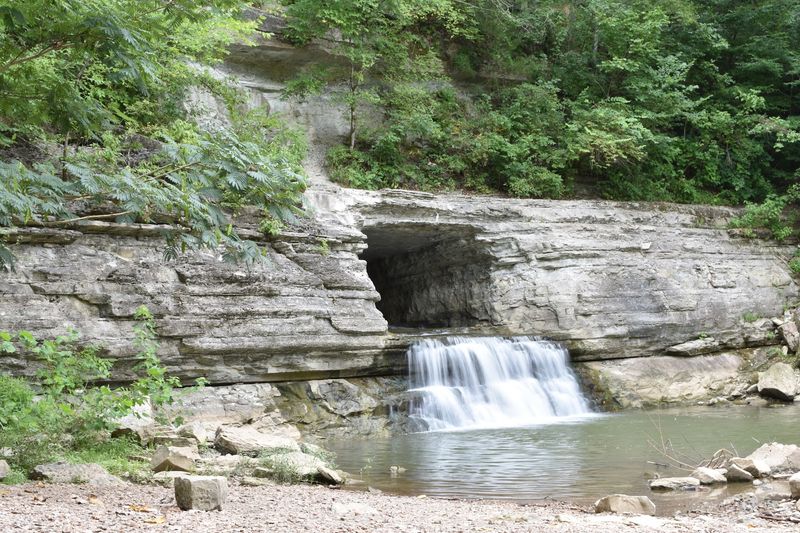
Most waterfalls form where rivers drop over natural rock ledges. This one is different.
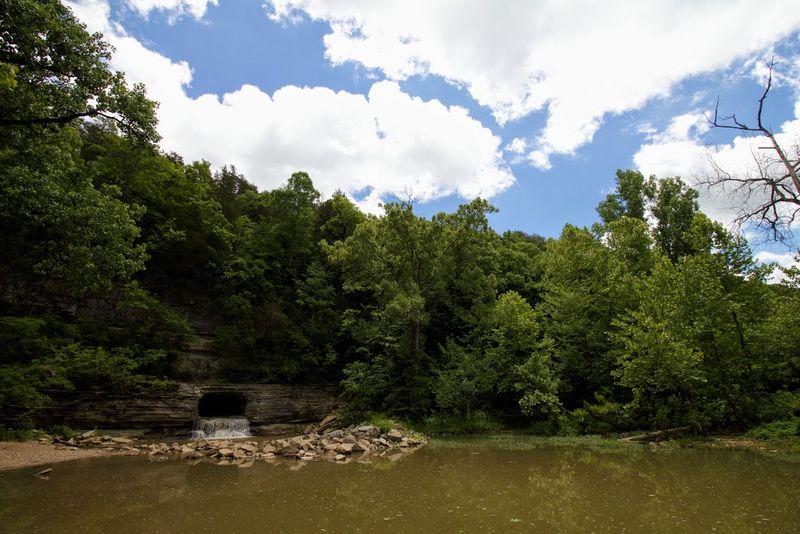
The waterfall at Narrows of the Harpeth is created entirely by water rushing out of the tunnel exit, making it one of the more unusual cascades you will find anywhere in the state. It is modest in size, but its origin story gives it a character that larger falls simply cannot match.
Visitors who arrive after recent rainfall will find the flow much more impressive. One reviewer noted that the water had been running hard just days before their visit, describing it as what would have been a truly spectacular sight.
Even on drier days, the steady trickle emerging from the carved limestone opening has a quiet, almost meditative quality that draws people in close.
The waterfall area is easy to reach and sits at the base of the tunnel trail, which stretches approximately 0.15 to 0.20 miles from the main trailhead. Some visitors have climbed above the falls for a higher vantage point before descending to view the cascade from the front.
Either way, this is one of those spots where you will want to linger a little longer than planned. Pack a snack and enjoy the sound of moving water through ancient stone.
A Short Climb Leads To A View That Makes The Whole Walk Worth It
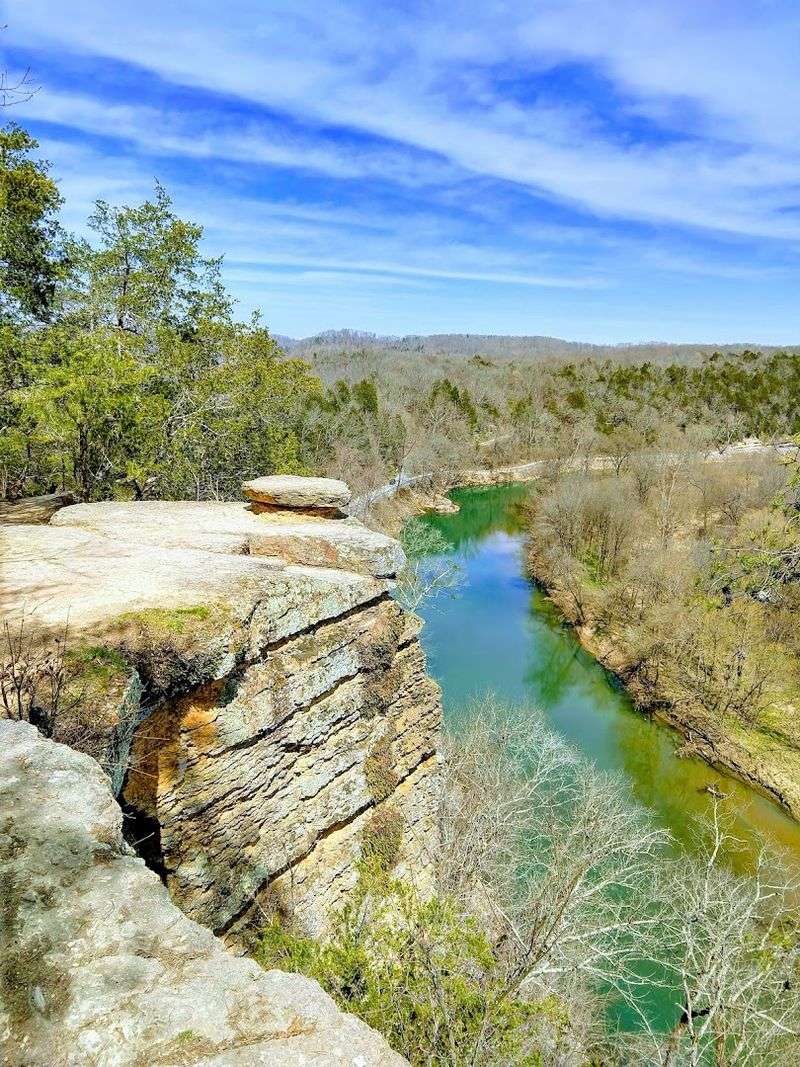
The Bluff Overlook Trail is short at 0.25 miles, but it demands your full attention. The first climb is steep enough to slow most hikers down, and the trail narrows considerably as it follows the ridge.
On both sides, the ground drops away sharply with no railings to catch a stumble. This is not a trail for distracted walking.
Once you reach the top, the view justifies every careful step. The Harpeth River stretches out below in both directions, curving through the valley in that remarkable horseshoe shape.
On clear days, the distant hills layer themselves across the horizon in shades of green and grey. In autumn, the colors across the canopy are reportedly stunning, and it is easy to imagine why repeat visitors plan return trips around the fall foliage season.
From the bluff, sharp-eyed visitors can also spot the Mound Bottom Archaeological Site in the valley below. This ancient complex dates to the Mississippian period, roughly 1000 to 1350 CE, and adds yet another layer of historical depth to an already rich location.
The overlook trail is genuinely suitable for older children and adults who are steady on their feet. Younger children and toddlers should be kept very close, as the drop-offs are real and unguarded throughout most of the route.
Ancient History Comes Into View Right From The Ridge
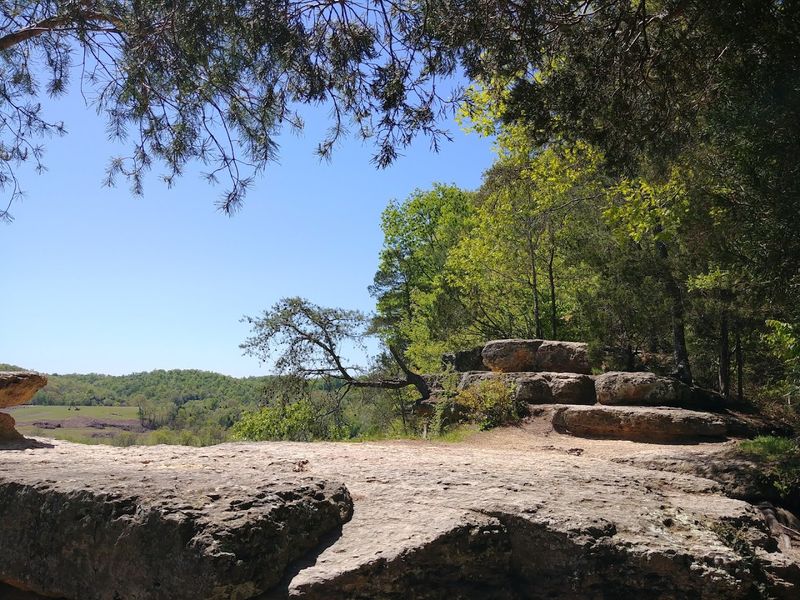
Standing on the bluff at Narrows of the Harpeth, you are not just looking at a pretty river. Directly below, spread across the valley floor, lies the Mound Bottom Archaeological Site.
This ancient complex was built and occupied by Mississippian-period Native Americans between approximately 1000 and 1350 CE, making it one of the more significant pre-Columbian sites in Middle Tennessee.
The mounds are earthen structures that once supported ceremonial buildings and served as platforms for community leaders. Their presence in this valley speaks to a sophisticated society that thrived here centuries before European contact.
From the bluff, you can observe the layout of the site in a way that ground-level visitors simply cannot, giving the overlook an almost archaeological quality.
Most casual hikers walk the ridge without realizing what they are looking at below. Knowing the history transforms the view entirely.
The combination of a hand-carved tunnel from 1818, a geological river anomaly, and a pre-Columbian archaeological site within a single short hike is genuinely rare. Few one-mile trails in Tennessee carry this much layered significance.
The location at 1254 Narrows of the Harpeth Rd, Kingston Springs, TN 37082 sits within Harpeth River State Park, which preserves all of these elements together in one accessible and free-to-visit destination.
A Few Things To Know Before You Hit The Trail
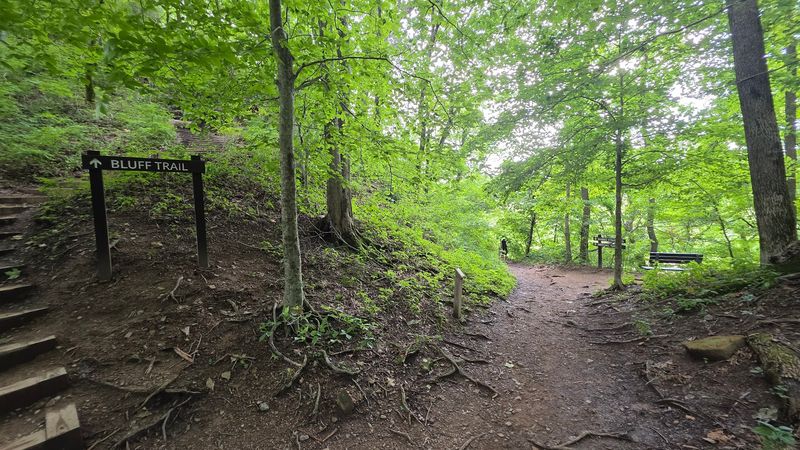
Planning any hike goes better when you know what the trail actually feels like underfoot. At Narrows of the Harpeth, the tunnel trail is flat and straightforward, suitable for most fitness levels including families with young children.
The main Narrows of the Harpeth Trail runs 1.1 miles total, making it a reasonable outing that does not require a full day of commitment.
The bluff trail is a different story. The initial climb is steep, and after rainfall, certain sections become slick and require careful footing.
Multiple visitors have mentioned that wet conditions increase the challenge noticeably, so checking the forecast before you go is a practical habit. Good trail shoes with grip are a smart choice, especially if you plan to tackle the ridge.
Parking at the trailhead is free, which is a welcome detail.
The trails are generally well-maintained and clearly marked, and even on busier weekends the overall crowd level stays manageable. One visitor noted that on a Monday holiday, the area was hardly busy at all.
The total trail network from the main trailhead covers roughly 0.8 miles across all routes combined, so you can realistically explore every trail here in a single visit without feeling rushed.
Start with the tunnel trail and finish on the bluff for the best overall experience.
Water Activities Along The Harpeth River
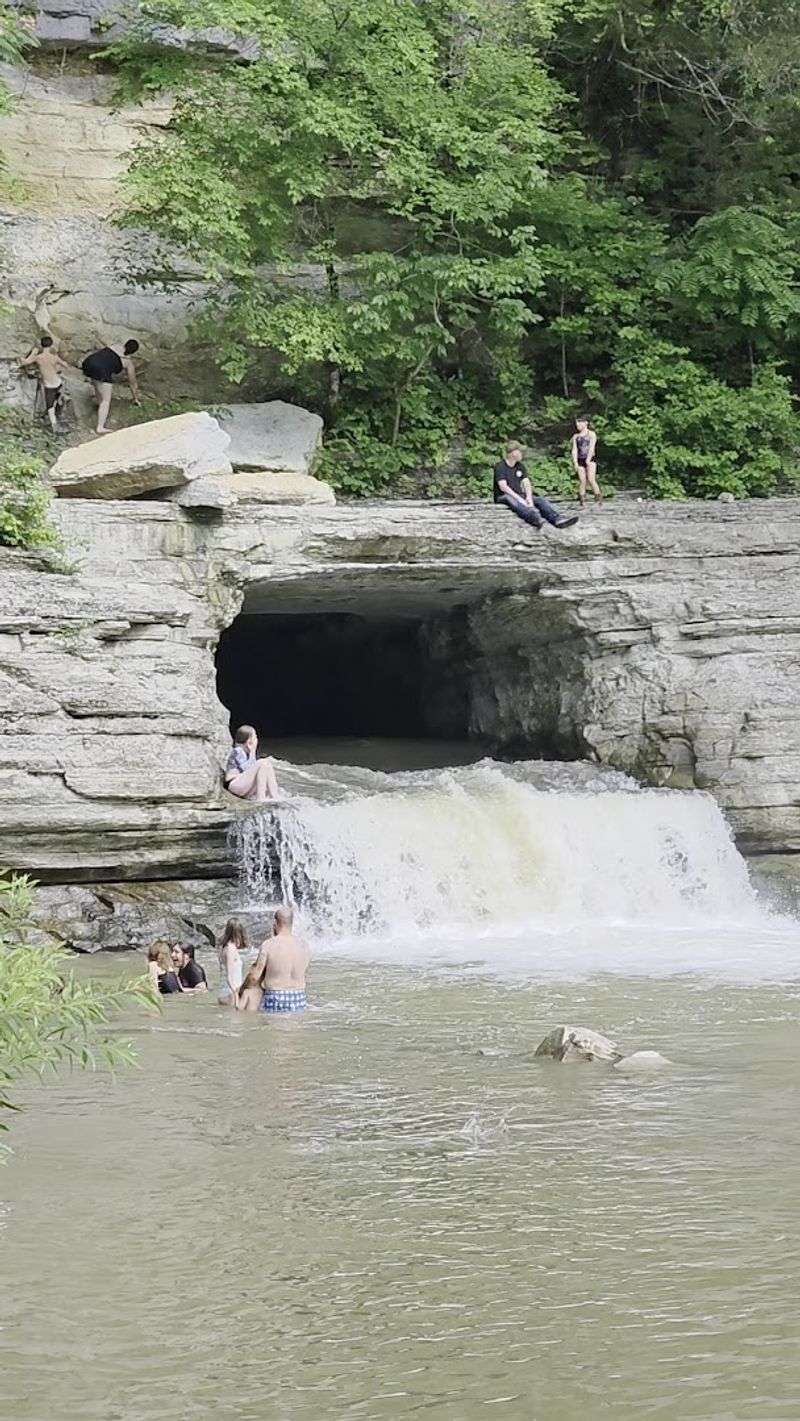
Hiking is only part of what draws people to this stretch of the Harpeth River.
During warmer months, the river becomes a popular corridor for kayaking, canoeing, and tubing. Several rental outfitters operate in the area, making it easy for visitors who do not own their own gear to get out on the water without much hassle.
The river is calm enough in many sections for beginners, and the scenery from water level is completely different from what you see on the trails above.
Floating past the limestone bluffs and watching the landscape from a low vantage point offers a fresh perspective on the same geography you just hiked through.
Summer weekends bring a lively crowd of paddlers, and the energy along the river has a relaxed, unhurried quality that fits the surroundings well.
Swimming is popular in certain spots, though conditions vary depending on recent rainfall and water levels. Some visitors have expressed a wish to swim near the tunnel waterfall area, but that spot is generally not designated for swimming.
For a full day out, combining a morning hike on the trails with an afternoon on the river is a natural pairing that many visitors have discovered. The area rewards those who are willing to slow down and explore it from multiple angles, both on foot and on water.
Timing Your Visit Can Make A Big Difference
Timing a visit to Narrows of the Harpeth can make a meaningful difference in what you experience.
Autumn is frequently mentioned as a favorite season among repeat visitors. The hardwood forest surrounding the bluffs turns vivid shades of orange, red, and gold from mid-October onward, and the overlook views become even more dramatic when framed by seasonal color.
Spring brings its own appeal. The river runs higher and faster after winter rains, and the waterfall flowing from the tunnel exit carries noticeably more volume.
Wildflowers appear along the lower trail sections, and the air carries that particular freshness that only comes in the weeks after the last frost. Weekdays in spring see lighter crowds, which makes for a more contemplative experience on the bluff.
Summer is the busiest season overall, driven largely by the river recreation crowd. If you plan a summer hike, starting early in the morning helps you beat both the heat and the parking lot rush.
Winter visits are quieter and surprisingly rewarding. Without leaves on the trees, the river views from the bluff open up considerably, and the geological features of the limestone ridge stand out with unusual clarity.
Each season offers something distinct, which is part of why this place earns so many repeat visits from people who live within driving distance of Kingston Springs.
It’s Easy To See Why Tennessee Hikers Keep Talking About This Trail
Narrows of the Harpeth consistently delivers on multiple levels at once. History, geology, scenery, and accessibility combine here in a way that is genuinely uncommon for a trail that barely exceeds a mile in total length.
What makes this place stand out in a state full of quality hiking options is the density of interesting things packed into a short distance.
You can walk to a hand-carved 19th-century tunnel, watch water emerge from limestone as a small waterfall, or climb a ridge with views of an ancient Native American archaeological site.
Also, yo can see the same river flowing in two directions from a single overlook. That is a remarkable amount of content for one short outing.
Visitors who make the short drive to 1254 Narrows of the Harpeth Rd frequently describe the experience as exceeding their expectations. The effort required is low, the reward is high, and the free parking removes one more barrier to just going.
For anyone within reasonable driving distance of Nashville looking for a trail that offers genuine substance rather than just exercise, this one belongs near the top of the list. It is the kind of place that earns a second visit almost immediately after the first.