
The Pennsylvania City Where Growth And Change Have Left Some Longtime Residents Feeling Left Behind
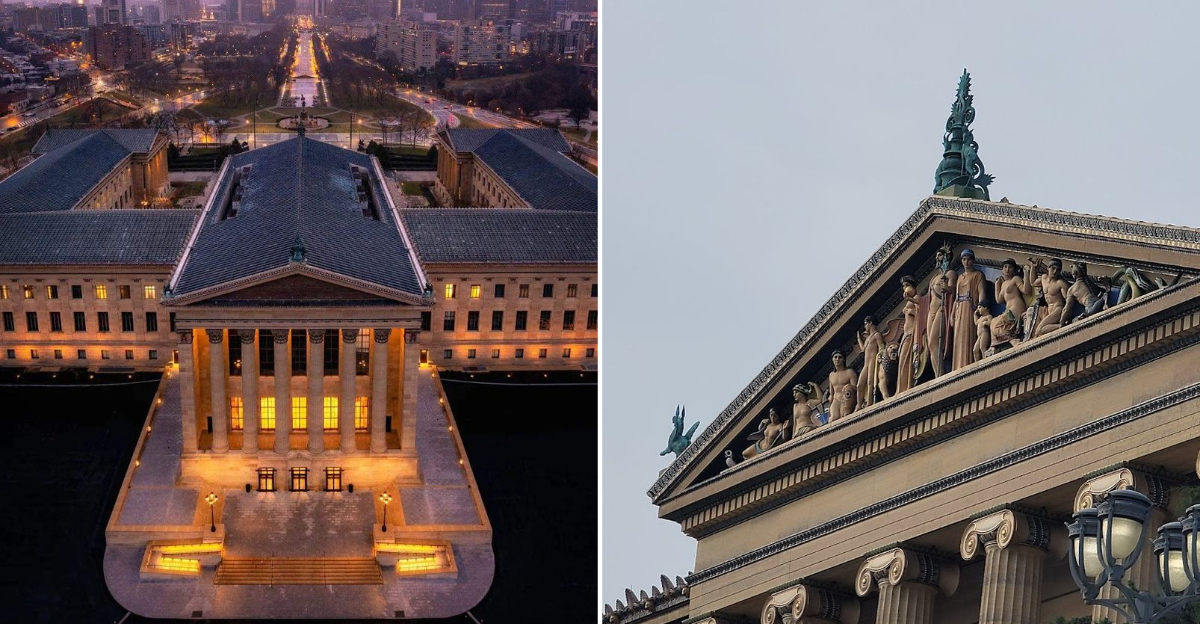
The city they grew up in still exists in the street names and the building facades. Everything operating behind them tells a different story.
Growth corridors produce winners and the kind of collateral that never makes it into the economic development presentations. Longtime residents here watched the investment arrive and waited for the part where it reached them.
For many, that part hasn’t come. Rents climbed in neighborhoods that hadn’t changed enough to justify it.
Familiar businesses closed, and the replacements arrived, speaking to a different customer entirely.
The city gained a reputation it never had before, and the people who built it over decades are still figuring out where they fit inside the version that replaced them.
Pennsylvania has watched this pattern before, but that familiarity doesn’t make it easier for the ones living through it.
Historical Development Patterns In Pennsylvania
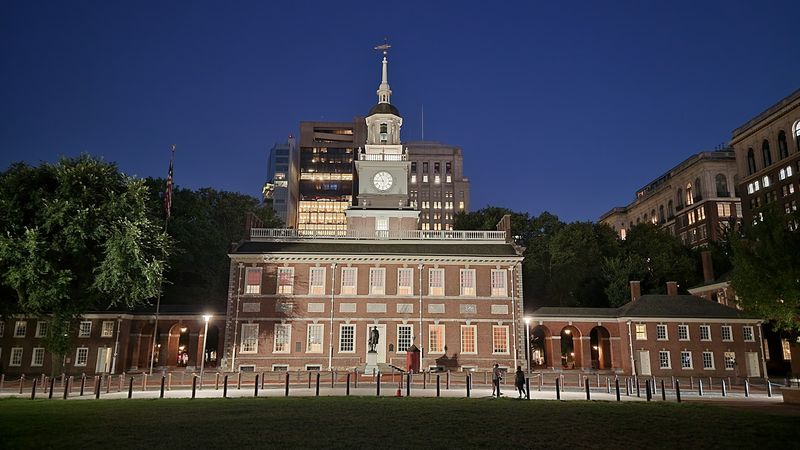
The development of this city stretches back centuries, shaped by industry, immigration, and policy decisions that still echo today.
The city was once a manufacturing powerhouse, drawing waves of workers who built tight-knit communities in neighborhoods across North and South Philly.
After World War II, suburbanization pulled many middle-class families out of the city. Population numbers dropped steadily from 1950 through 2000.
The city lost businesses, tax revenue, and services during that long decline.
Then something shifted. By the 2010s, Philadelphia started attracting younger residents and new investment.
Development picked up speed in neighborhoods that had been quiet for decades. Some called it a comeback.
Others called it the beginning of something more complicated.
Redlining and urban renewal policies from the mid-20th century left deep marks on certain communities. Black and low-income neighborhoods were systematically denied investment for generations.
Those same neighborhoods are now prime targets for development, creating a painful irony for longtime residents.
Understanding this history matters because it explains why growth feels uneven today. The benefits of Philadelphia’s revival have not landed equally across all zip codes.
For many residents, the city’s past is not just background noise. It is the foundation of every present-day struggle they face.
Community Responses To Urban Expansion
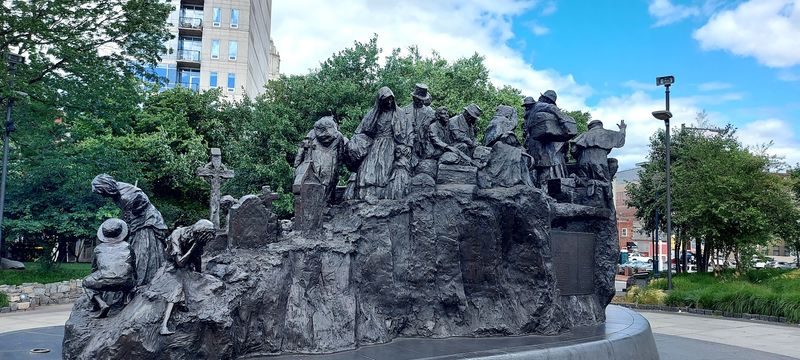
Longtime Philadelphia residents are not sitting quietly while their neighborhoods transform around them.
Community groups across the city have organized block associations, advocacy coalitions, and neighborhood councils to push back against unchecked development. These groups want a seat at the table, not just a notice in the mail.
In areas like Kensington and parts of West Philadelphia, residents have shown up to zoning meetings in large numbers. They challenge developers directly and demand affordable housing commitments before projects get approved.
That kind of organized pressure has actually changed outcomes in some cases.
Community land trusts have gained attention as a practical tool. These nonprofit structures allow communities to hold land permanently, keeping housing affordable even as surrounding property values climb.
Philadelphia has a handful of active land trusts working to protect specific blocks and corridors.
Social media has also changed how communities respond. Neighbors organize faster now.
A development notice that once might have gone unnoticed can spark a neighborhood-wide conversation within hours. That speed gives residents more time to respond and coordinate.
Still, organizing takes energy and resources that not every community has in equal supply. Wealthier neighborhoods often have more capacity to fight unwanted changes.
Lower-income communities, already stretched thin, sometimes struggle to mount the same level of sustained response. The playing field is not level, and residents know it well.
Economic Opportunities And Displacement Factors
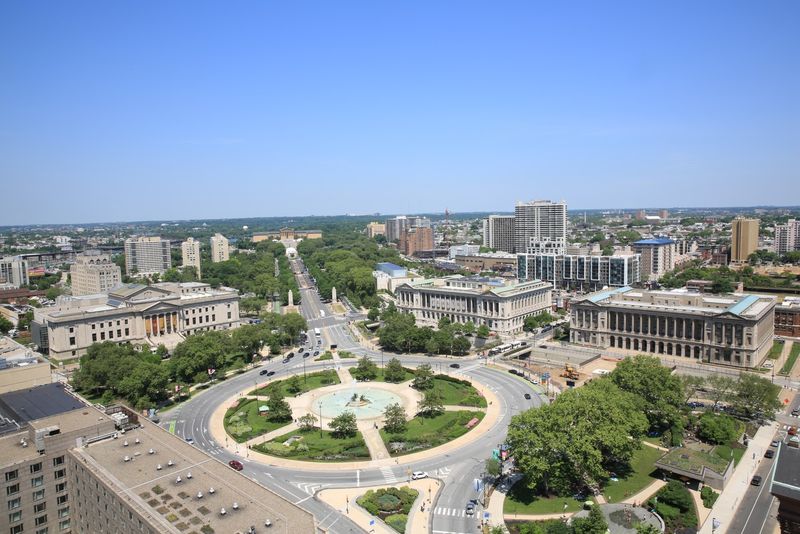
Philadelphia ranks 50th in economic mobility among major American cities. That number tells a blunt story.
Children born into poverty here face steep odds when it comes to climbing the income ladder. New development has brought jobs and investment, but those gains have not reached everyone equally.
New restaurants, tech offices, and retail spaces have opened across several neighborhoods. Many of those jobs require degrees or specialized skills.
Longtime residents without those credentials often find themselves watching opportunity arrive without being invited in.
Small businesses face their own version of this squeeze. Rising rents and property taxes hit neighborhood shops hard.
A family-owned store that survived for decades can suddenly find its lease unaffordable when a neighborhood becomes trendy. The customer base also shifts as demographics change.
Philadelphia’s city wage tax adds another layer of pressure on working residents. It is one of the highest in the nation for a major city.
Workers who can least afford extra deductions feel it most sharply in their paychecks every week.
Economic growth without intentional equity planning tends to concentrate benefits at the top. Philadelphia has seen this pattern play out in real time.
The skyline fills with cranes, new units get built, and tax revenues rise. But for the family trying to make rent in a neighborhood that used to be affordable, that progress can feel distant and even hostile.
Cultural Preservation Amidst Rapid Growth
Hundreds of murals cover building walls across the city, many of them telling the stories of specific communities and their histories. These murals are more than decoration.
They are cultural anchors in neighborhoods that are changing fast.
Cultural institutions tied to specific communities face real pressure when their surrounding neighborhoods shift.
Churches, cultural centers, and community gathering spots sometimes struggle to maintain their footing as property costs rise and congregation members relocate.
African American cultural traditions run deep in North and West Philadelphia. Music, food, faith communities, and neighborhood celebrations have defined those areas for generations.
When longtime residents get priced out, those cultural threads fray in ways that are hard to quantify but deeply felt.
Immigrant communities have also built rich cultural ecosystems across the city.
From Vietnamese communities in South Philadelphia to Latino enclaves in North Philly, these groups have built businesses, festivals, and institutions that define their neighborhoods.
Preservation efforts are happening, but they require intentional support. Cultural organizations are applying for grants, partnering with city agencies, and using legal tools to protect historic sites.
The goal is not to freeze neighborhoods in time. It is to make sure that growth does not erase the stories and traditions that gave those places meaning in the first place.
Infrastructure Challenges And Adaptation
Philadelphia’s infrastructure has been playing catch-up for a long time. Roads, water systems, and public transit were built for a different era and a different population size.
Rapid growth in certain neighborhoods is stressing systems that were already showing their age.
SEPTA, the regional transit authority, serves millions of riders but operates with chronic funding shortfalls. Buses run late.
Some rail lines need major repairs. Riders in lower-income neighborhoods often have fewer transit options and longer commutes than residents in more central areas.
Traffic has worsened as population growth and development add more vehicles and construction to already crowded streets.
Parking, always a sore subject in Philly, has become even more contentious in gentrifying blocks.
Water infrastructure is another ongoing concern. Philadelphia’s water system is aging, and lead pipe replacement programs are still underway across various neighborhoods.
Environmental hazards tied to old infrastructure fall disproportionately on lower-income communities, continuing a pattern rooted in historical neglect.
Adaptation is happening in places. The city has invested in green infrastructure projects, bike lanes, and pedestrian improvements.
Some of those upgrades have been welcomed. Others have sparked debate, particularly when they seem to serve incoming residents more than the people who have lived there for decades.
Getting infrastructure right requires listening to the communities that depend on it most.
Housing Trends And Affordability Issues
Housing affordability in Philadelphia has reached a critical point.
The city’s homeownership rate has declined over the past two decades, outpacing national trends and making it harder for families to build wealth through homeownership.
The share of homes affordable for median-income households has dropped dramatically compared to just a decade ago. That shift happened fast, and many families were not prepared for how quickly the market moved beneath them.
Renters are feeling it even harder. A significant majority of Philadelphia residents earning lower incomes are considered cost-burdened, spending at least thirty percent of their income on housing.
A large portion of that group are severely cost-burdened, meaning housing eats up more than half of everything they earn.
Black households face a sharper version of this crisis. They can afford only a fraction of homes currently on the market compared to white households.
That gap reflects decades of unequal access to credit, wealth-building opportunities, and fair housing.
West Philadelphia is currently fighting to prevent mass displacement as affordability restrictions on nearly a thousand rental units are set to expire.
Advocates and city officials are scrambling to find solutions before thousands of residents lose the only housing they can afford. The clock is ticking on that one.
Demographic Shifts And Population Changes
Philadelphia’s population story is full of twists. The city lost residents steadily for decades after 1950.
Then growth returned in the 2010s, bringing new energy and new challenges. Between 2021 and 2022, however, the city saw its largest single-year population drop since 1977, losing around 22,000 residents in one year.
Recent years have shown a small rebound, but growth has slowed considerably. The city is still working to understand what drove that sharp decline.
Pandemic-era shifts, rising costs, and public safety concerns all played roles in pushing people out.
The city has grown more diverse since 1950. Immigration has been a significant driver of population growth since the early 2000s.
Philadelphia now has a higher share of foreign-born residents than the national average, bringing new cultures, businesses, and community energy to many neighborhoods.
Educational attainment has also shifted. More Philadelphians now hold bachelor’s degrees than the national average, a first for the city.
That shift reflects the arrival of younger, college-educated residents drawn by universities, hospitals, and tech sector growth.
But demographic change is not neutral. When younger, higher-income residents move into historically lower-income neighborhoods, the ripple effects are immediate.
Rents climb. Property taxes follow.
Longtime residents, especially Black and Latino families who built those neighborhoods, often find themselves priced out of communities they shaped for generations.
Local Government Policies Impacting Residents
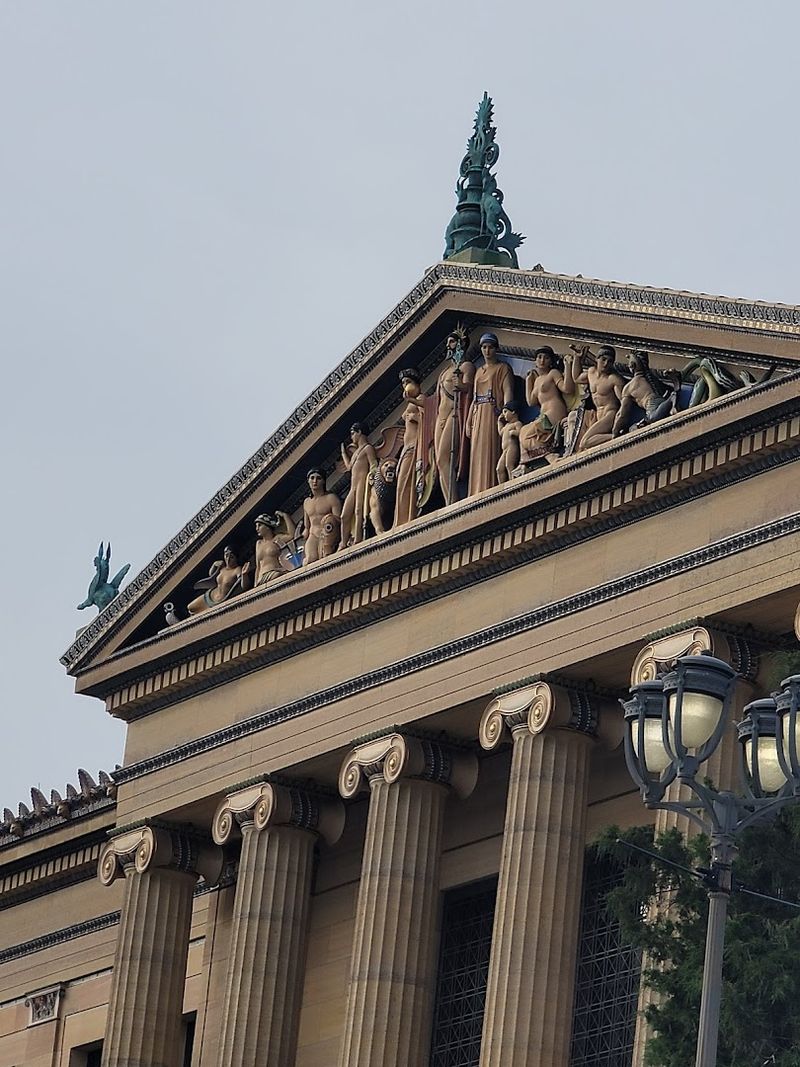
Local government decisions shape who gets to stay in Philadelphia and who gets pushed out. Zoning laws, tax abatement programs, and housing subsidies all directly affect affordability and displacement.
The choices made inside City Hall matter enormously to everyday residents.
Philadelphia’s 10-year tax abatement program drew significant controversy over the years. It allowed developers to build new properties without paying taxes on improvements for a decade.
Critics argued it supercharged gentrification and starved the school district of needed revenue. The program was eventually reformed, but debate about its legacy continues.
The city wage tax remains one of the highest in the nation. It discourages some businesses from locating in Philadelphia and puts extra financial pressure on workers who can least afford it.
Reform conversations have happened repeatedly, but meaningful change has been slow.
Affordable housing programs exist, but they are not keeping pace with demand. There are only 34 affordable and available rental units for every 100 extremely low-income renter households in the city.
That gap is not a rounding error. It represents real families sleeping in unstable situations.
Advocates have pushed for stronger tenant protections, right-to-counsel programs in eviction proceedings, and mandatory community benefit agreements tied to large development projects. Some policies have passed.
Others stall in committee. For residents watching their neighborhoods change, the pace of government action rarely feels fast enough to match the speed of the market.