
The Remote Montana Trout Stream That Still Feels Completely Untouched By Tourism
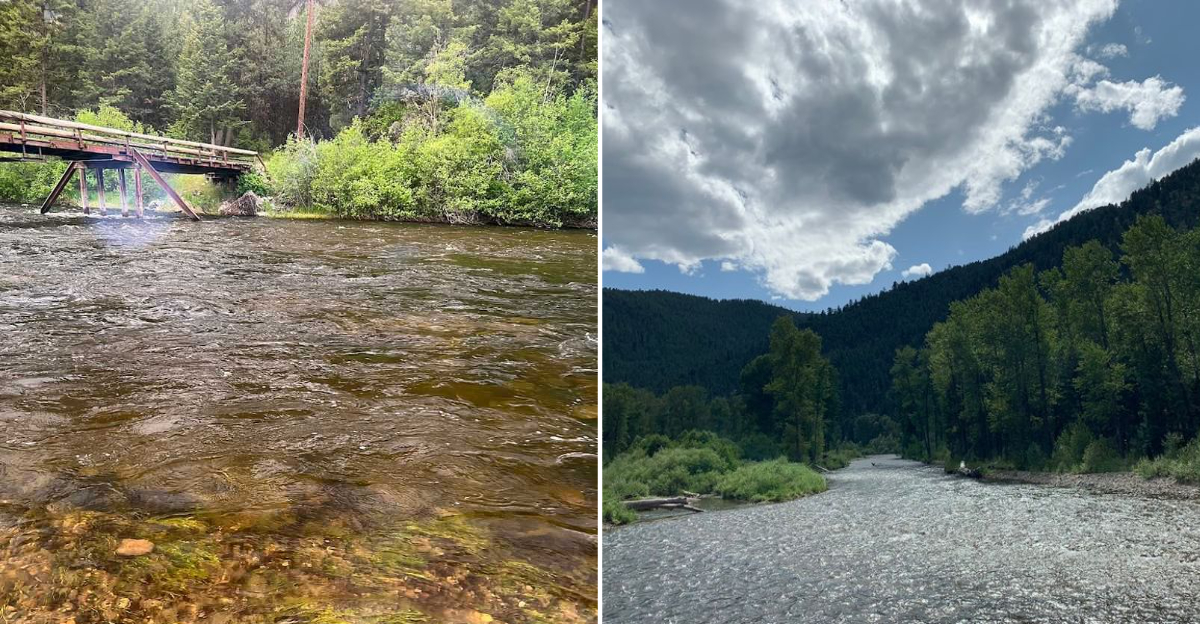
Finding water this clean and this quiet requires directions that most people never think to ask for. The stream sits where it has always sat, indifferent to tourism that developed everywhere around it without ever reaching this particular bend.
Anglers who know about it arrive before sunrise and leave saying very little to anyone waiting at the trailhead. That silence is not unfriendliness.
It is the protectiveness of someone who spent a morning in a place worth protecting. The water moves with the unhurried clarity of a stream that has never adjusted its behavior for an audience.
Every cast feels like the first one made in that specific spot. Montana has rivers famous enough to appear on magazine covers and streams quiet enough to remain entirely off them.
This one belongs firmly to the second category, and the anglers who found it have no interest in changing that.
Patterns Of Native Trout Species
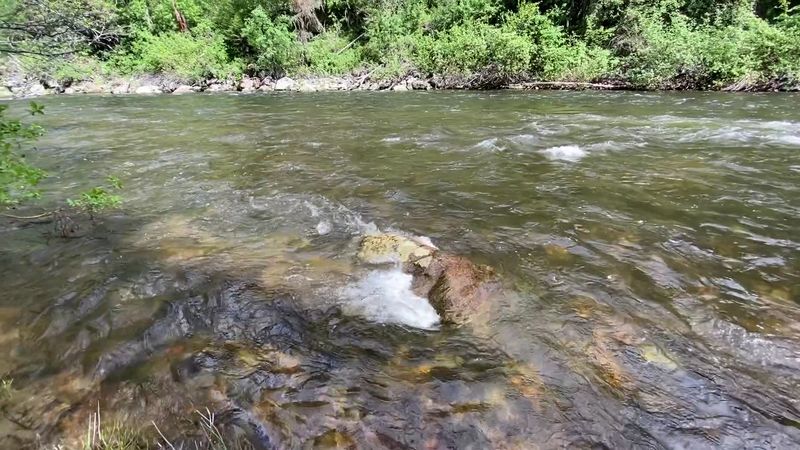
This place holds five distinct trout species, and that variety is genuinely rare. Brown, rainbow, Westslope cutthroat, brook, and bull trout all share the same water here.
Landing all five in a single trip is called a Grand Slam. It happens here more than you might expect.
Westslope cutthroat trout are native to this drainage and thrive in the upper reaches. They prefer colder, cleaner water far from the busier lower sections.
Rainbow trout tend to hold in faster riffles and pocket water. Brown trout favor deeper pools near undercut banks and woody debris.
Bull trout are the most sensitive of the group. They need the coldest, cleanest conditions to survive.
Montana lists them as a species of concern, so catch-and-release is mandatory for both rainbow and cutthroat. Regulations also restrict brown trout harvest to three fish daily.
Brook trout appear in smaller tributaries feeding the main creek. They are not native here, but they have established strong populations over decades.
Knowing which species holds where saves you serious time on the water. Study the habitat types before you wade in, and match your approach to the fish you are targeting.
Rock Creek rewards anglers who pay attention to these patterns rather than just casting randomly and hoping for the best.
Essential Gear For Remote Stream Fishing
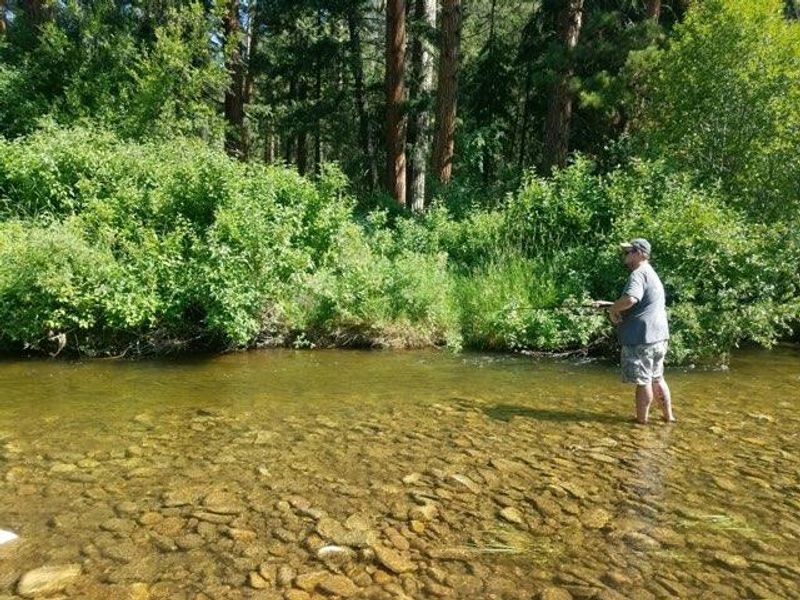
Packing right for Rock Creek saves you from a miserable day on the water. The creek is primarily a wade-fishing destination.
That means waders and wading boots are not optional gear. They are your foundation for the entire experience.
A 9-foot, 5-weight fly rod handles most situations you will encounter here. It casts dry flies delicately and still manages heavier nymph rigs without complaint.
Bring a reel with a reliable drag system. Bull and brown trout can make strong, fast runs that expose cheap equipment quickly.
Your fly selection matters more than your rod brand. Rock Creek is famous for its Salmonfly hatch in June, so carrying large stonefly imitations is non-negotiable during that window.
Caddis, PMD, and elk hair caddis patterns cover most other hatch situations throughout the season.
Polarized sunglasses are worth their weight in gold here. They cut the glare off the water and let you spot fish holding in pools before you spook them.
A wading staff helps on the slicker rock sections, especially in higher flows. The road to the upper creek is rough dirt with serious potholes.
Drive a vehicle with decent clearance or prepare for a slow, bumpy crawl. Rock Creek, Montana, sits about 30 minutes from Missoula near Clinton, making resupply runs easy if you forget something critical.
Techniques To Catch Trout Successfully
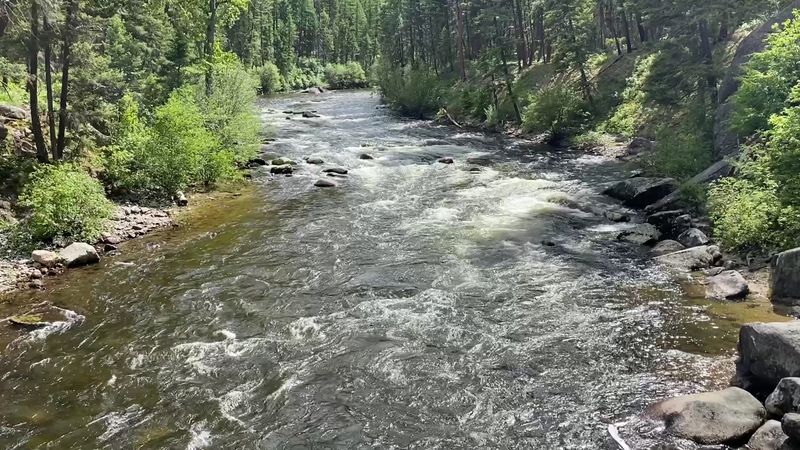
Reading the water correctly is the single biggest skill on Rock Creek. Trout do not sit randomly in the current.
They hold in specific spots where food arrives with minimal energy cost. Learn to identify those spots and your catch rate climbs fast.
Dry fly fishing gets the most attention here, and for good reason. During active hatches, fish rise visibly, and presentations can be incredibly precise.
A good drag-free drift over a rising fish is one of the most satisfying moments in fly fishing. Practice your mending before you arrive.
Nymphing produces fish consistently when nothing is rising on the surface. Drift a bead-head nymph through deeper runs and pocket water behind boulders.
Strike indicator setups work well for beginners, while experienced anglers often prefer tight-line Euro nymphing techniques. Both approaches work on this creek.
Streamer fishing is underrated here, especially for larger brown trout. Swinging a woolly bugger or sculpin pattern through deep pools early in the morning can trigger aggressive strikes from fish that ignore smaller offerings.
Vary your retrieve speed and depth until you find what triggers a response. One technique worth knowing: approach every pool from downstream and keep a low profile.
Trout in clear water spook easily from movement above the surface. Slow down, observe first, then cast.
Patience on Rock Creek pays off in ways that rushing never does.
Seasonal Changes Affecting Trout Behavior
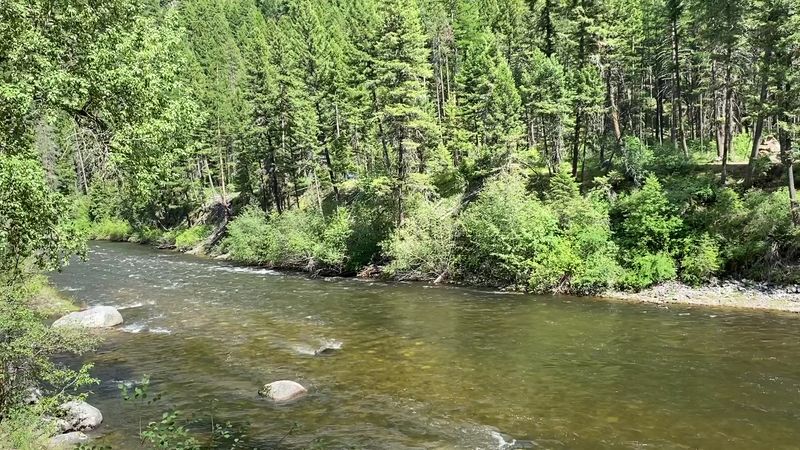
Trout behavior on Rock Creek shifts dramatically with each season, and knowing those shifts helps you plan a successful trip. Spring runoff from snowmelt turns the creek high and fast.
Water clarity drops significantly during peak runoff in April and May. Fishing during this window is challenging but not impossible.
June brings the famous Salmonfly hatch, and the creek transforms. These large stoneflies crawl out of the water and cling to streamside vegetation for days.
Trout go into full feeding mode during this event. Anglers from across the country time their visits specifically around this hatch.
Summer low water conditions arrive by late July and August. Trout become more cautious in clear, shallow water.
Early mornings and evenings produce the best activity. Midday fishing slows down as temperatures rise and fish seek deeper, cooler holding lies.
Fall is a favorite season for many regulars on this creek. Crowds thin out noticeably after Labor Day.
Brown trout become more active as water temperatures cool in September and October. Their pre-spawn aggression makes them more willing to chase streamers and larger flies.
Winter fishing is allowed year-round, but regulations shift to artificial lures only from December through mid-May. Cold-weather visits offer true solitude.
Entire sections of the creek can be yours alone on a January morning, which is a wild contrast to the summer rush near the lower access points.
Habitat Conservation Efforts In Montana
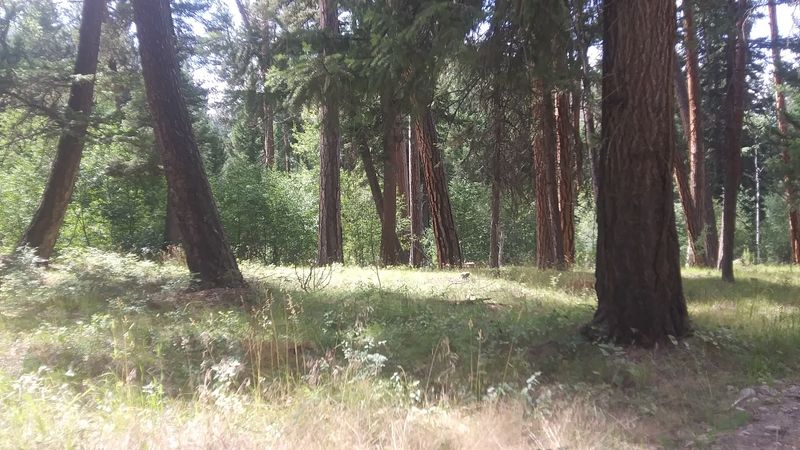
Rock Creek does not stay pristine by accident. Active conservation work protects this fishery year after year.
Trout Unlimited has been one of the most visible organizations working in the Rock Creek watershed for decades. Their projects address real threats to the creek’s long-term health.
Rising water temperatures are a growing concern for cold-water species like bull trout and cutthroat. Riparian shade projects plant native vegetation along stream banks to reduce solar heating of the water.
Cooler water holds more oxygen, which trout need to survive summer conditions. This work directly supports the fish populations anglers come to experience.
Fish passage barriers are another focus of restoration crews. Old culverts and road crossings sometimes block upstream migration routes.
Replacing those structures opens miles of additional habitat for spawning trout. The Welcome Creek Wilderness protects the headwaters of Rock Creek, adding another layer of natural defense against development pressure.
Montana state regulations play a direct role in conservation too. Limiting commercial outfitters to just three permitted operators keeps guided pressure manageable.
The ban on fishing from boats or vessels between July 1 and November 30 preserves the wade-fishing character of the creek. These rules exist because earlier generations fought to put them in place.
Supporting organizations like Trout Unlimited through membership or volunteering keeps that protective work funded and moving forward for future anglers who have not even picked up a rod yet.
Understanding Water Conditions For Fishing
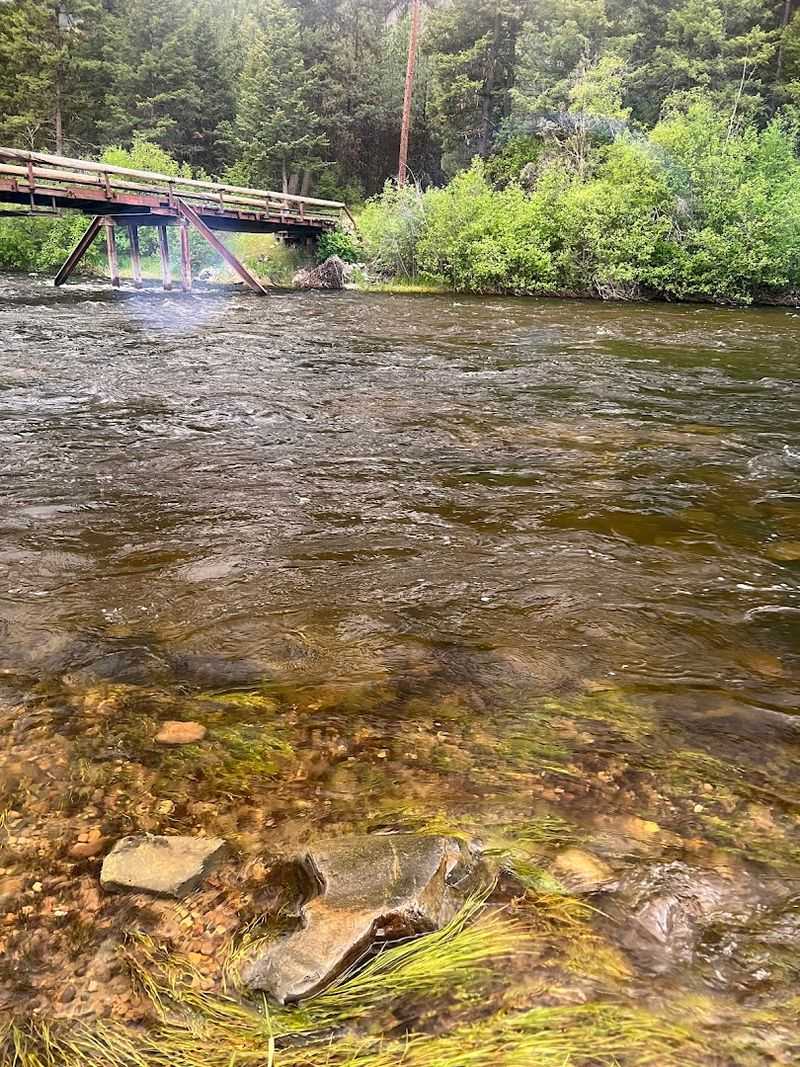
Water conditions on Rock Creek change more dramatically than most anglers expect. The creek drains a large mountain watershed, so rain events and temperature swings affect flows quickly.
Checking the USGS stream gauge before driving out saves a wasted trip. High, off-color water after rain is fishable but frustrating for dry fly purists.
Clarity is everything on this creek. Clear water means visible fish, precise presentations, and technical fishing at its best.
It also means fish can see you just as easily. Low summer flows in July and August produce gin-clear conditions that demand careful wading and longer, lighter leaders to avoid spooking trout.
Water temperature matters for fish welfare as well as behavior. Trout become stressed above 68 degrees Fahrenheit.
Montana fishing ethics encourage anglers to stop fishing when temperatures climb into that range during summer afternoons. Catching a fish in dangerously warm water and then releasing it causes more harm than most people realize.
The upper sections of Rock Creek run colder because of elevation and shading from dense forest cover. Those upper reaches also see less fishing pressure than the lower sections near the campgrounds.
Higher, faster water in spring pushes fish to slower seams along the banks and behind large boulders.
Learning to read current breaks and seam lines transforms how effectively you fish this creek across every season and flow condition you encounter throughout the year.
Nearby Wildlife Interactions And Observations
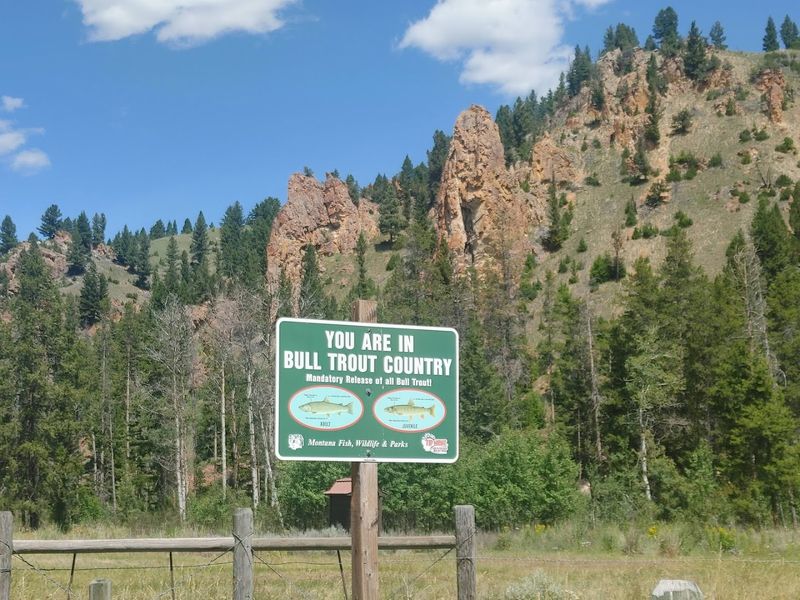
Rock Creek flows through the Lolo National Forest, and the wildlife density here is genuinely impressive. Deer are practically a daily sighting along the creek corridor.
Elk move through the valley during morning and evening hours, especially in the fall. Watching a bull elk cross the creek at dawn is the kind of moment that makes you forget to keep fishing.
Osprey patrol the water constantly during the summer months. They spot fish from high above and dive with remarkable accuracy.
Watching an osprey work the same riffle you just fished is both humbling and entertaining. Bald eagles are regular visitors too, particularly in the lower sections closer to the Clark Fork confluence.
Black bears live throughout the Lolo National Forest surrounding the creek. Encounters are uncommon but possible, especially in late summer when berry crops attract bears to the lower-elevation corridors.
Carry bear spray and make noise when moving through dense vegetation near the creek banks. Standard backcountry awareness applies here.
River otters have been documented in the Rock Creek drainage and are a delightful surprise when they appear. They move fast and rarely stay visible long.
Great blue herons are slow, patient hunters along the shallower sections. White-tailed deer often wade directly into the creek to drink or cool off during hot summer afternoons.
The wildlife viewing alone justifies a visit to this corridor even on days when the fishing is slower than you hoped it would be.
Navigational Challenges And Safety Tips
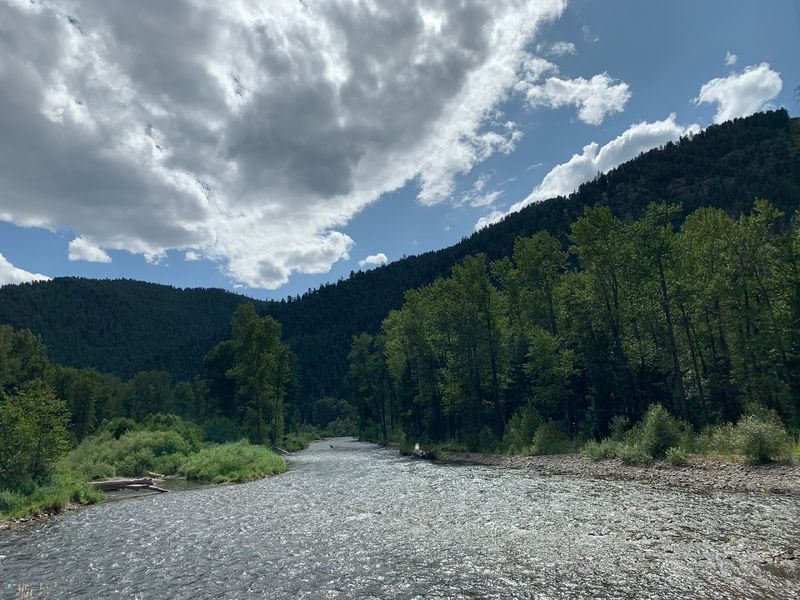
Getting to Rock Creek is straightforward from Missoula, but the road tells a different story once you leave pavement behind. Rock Creek Road runs parallel to the creek for most of its length.
Lower sections are manageable, but the upper reaches narrow to a single lane with serious potholes and no guardrails. A high-clearance vehicle is strongly recommended for the upper road.
Cell service disappears quickly once you head up the drainage. Download offline maps before you leave Missoula.
Let someone know your planned access points and expected return time. This is basic backcountry protocol that too many day trippers skip because the creek feels accessible.
Wading safety deserves real attention on this creek. Slick algae-covered rocks make for unstable footing, especially in faster currents.
Felt-soled wading boots provide better grip than rubber on these particular streambed conditions. A wading staff adds a third point of contact that can prevent a cold, embarrassing tumble in fast water.
Spring runoff conditions create genuinely dangerous wading situations. High, fast flows can knock an experienced angler off their feet without much warning.
Respect the power of moving water and choose access points with gradual entries rather than steep, slippery banks. Afternoon thunderstorms build quickly over the mountains in summer.
Watch the sky and get off the water if lightning approaches. The fishing will still be there tomorrow, and arriving home safely is always the priority over one more cast before dark.