
This Tiny Massachusetts Town Runs On The Kind Of Familiarity Most Places Lost Years Ago
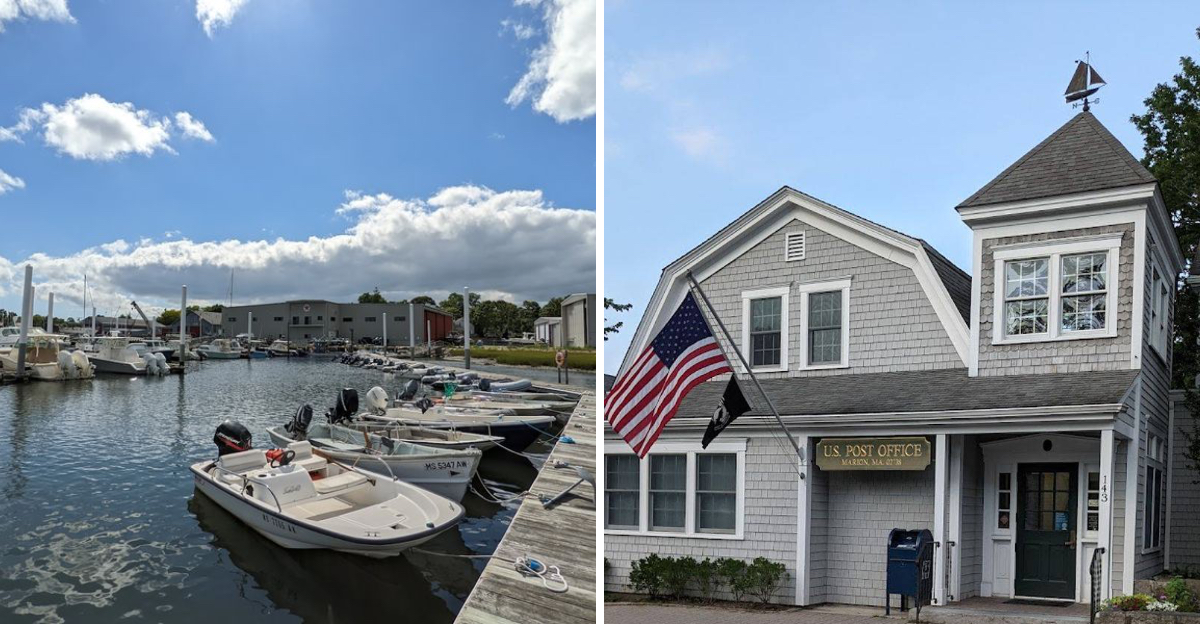
Forget the towns that perform charm for cameras. This tiny pocket of Massachusetts never had to try.
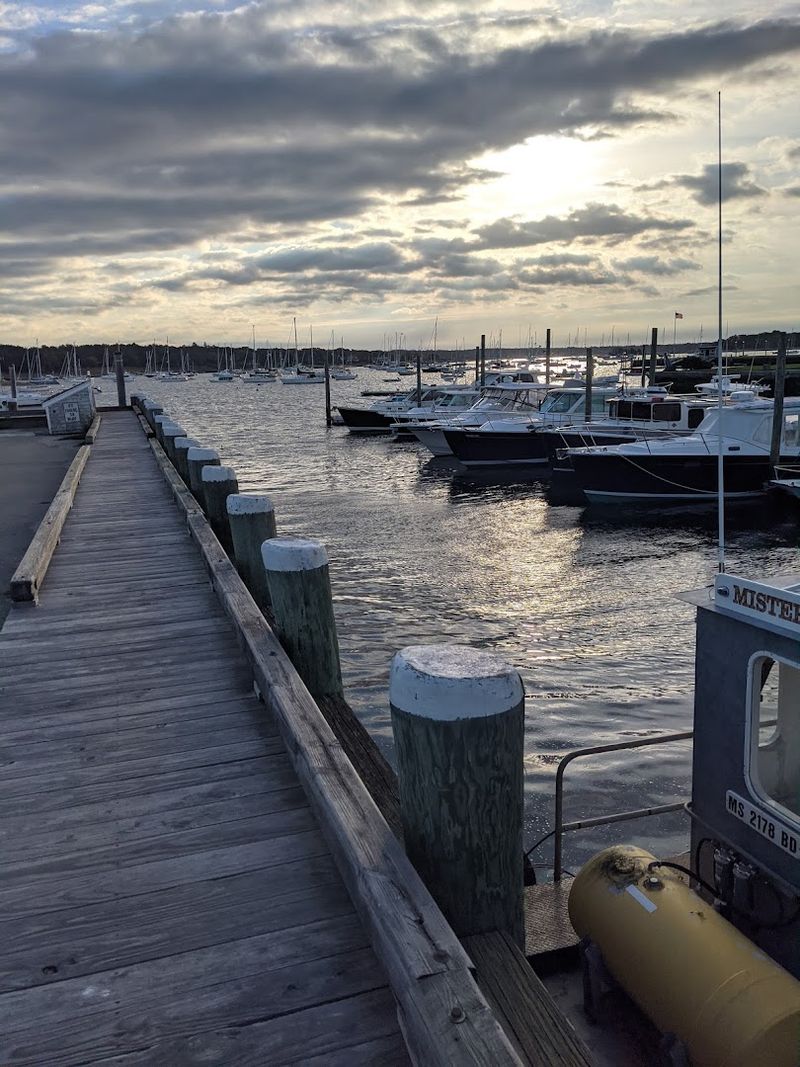
Sailboats drift across a hush of harbor water while colonial rooftops glow gold in the late light. Streets here feel walked, not staged, like the whole place simply forgot to modernize and got lucky for it.
There’s a general store older than most countries’ street signs, once a church, still somehow the town’s beating heart. A prep school with its own tall ship sits practically on the water, because why wouldn’t it.
Locals wave first, doors get held, and that old fashioned familiarity never really left. This stretch of Massachusetts isn’t trying to convince you of anything.
It’s just quietly daring you to come slow down and see for yourself.
A Town That Time Decided To Respect
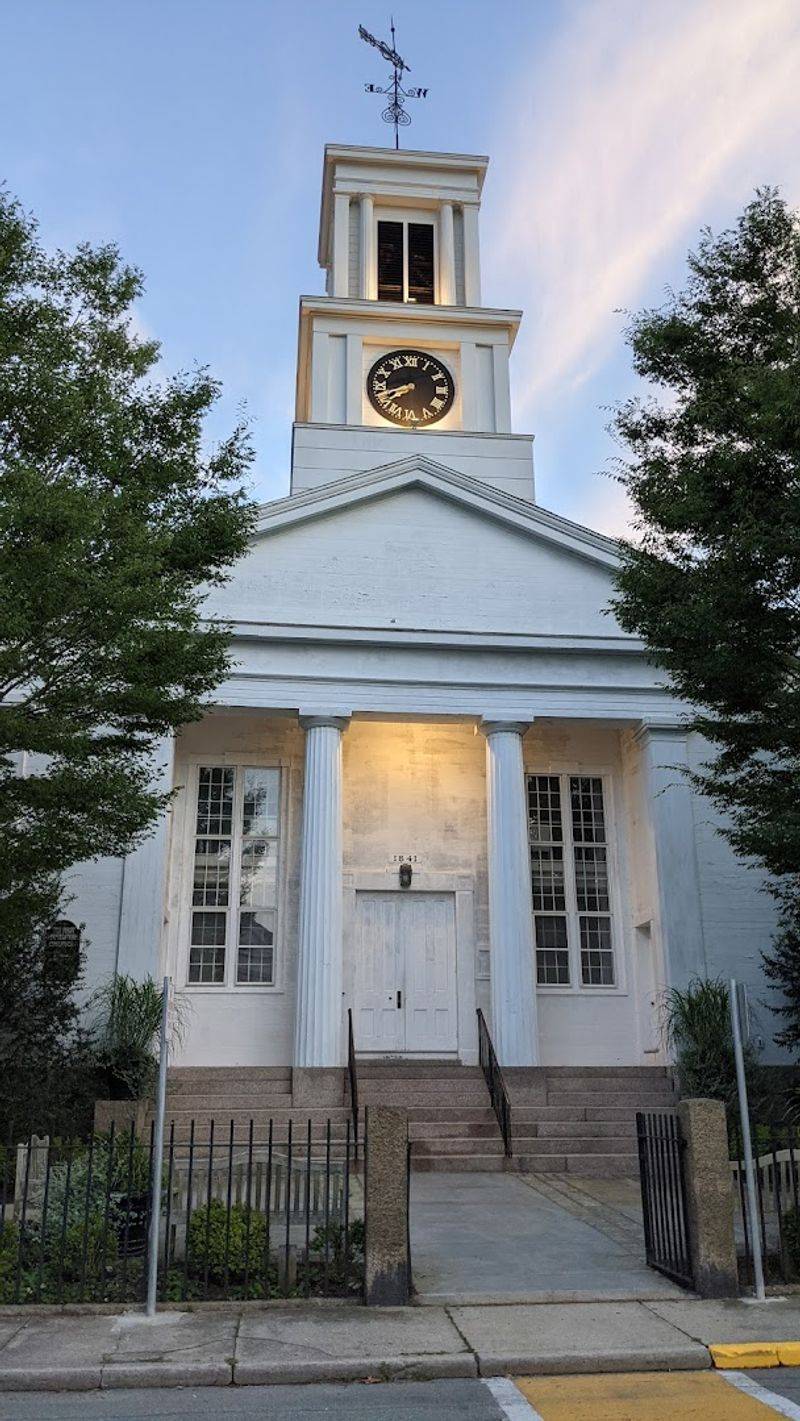
Marion does not feel frozen in time. It feels chosen by it.
This Plymouth County community carries its age with pride. The streets are lined with well-kept colonial homes, and the architecture tells a story that spans more than three centuries.
Every corner of downtown feels considered, not curated for tourists, but preserved because residents genuinely care.
Marion sits within the South Coast region of Massachusetts, which wraps around Buzzards Bay. That geography shapes everything, from the salty air to the unhurried rhythm of daily life.
The town is not trying to compete with bigger cities. It simply exists on its own terms.
Conservation has been a local priority for decades. The town actively works to protect its historic character through preservation efforts that go beyond surface-level aesthetics.
Buildings are maintained with intention. Green spaces are protected.
The result is a place that feels earned rather than staged, where history is not a selling point but a living part of everyday life here.
The General Store That Started As A Church
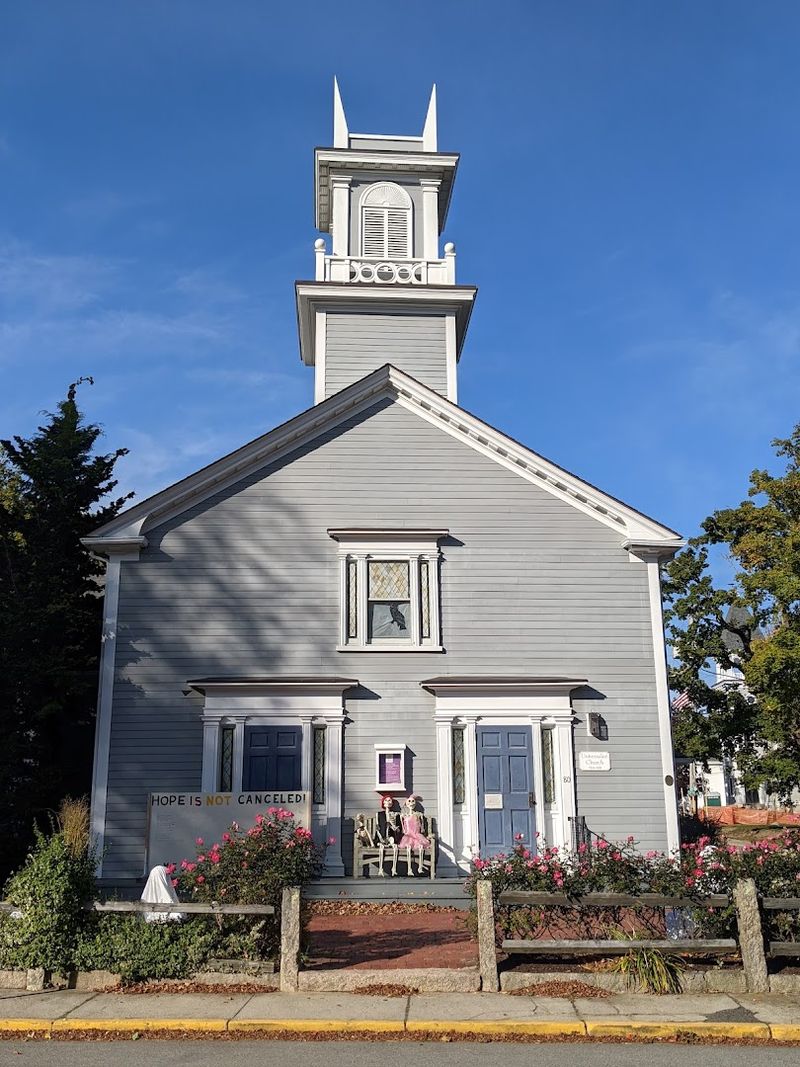
Few buildings carry as much community soul as the Marion General Store. Originally constructed as a church in 1794, the building has outlasted its original purpose and found a new one at the center of town life.
It functions as a gathering point where locals pick up essentials, catch up with neighbors, and share the kind of casual conversation that disappears in bigger cities. The structure itself is a landmark worth noticing.
Its history is written into the walls, and the fact that it still operates as a working store makes it even more remarkable.
Places like this are rare. Most historic buildings become museums or restaurants or get torn down entirely.
The General Store in Marion kept its usefulness without losing its character. That balance is hard to strike and even harder to maintain over generations.
Stopping in feels less like running an errand and more like participating in something that has been quietly happening for a very long time in this corner of Massachusetts.
Where Sippican Harbor Sets The Mood
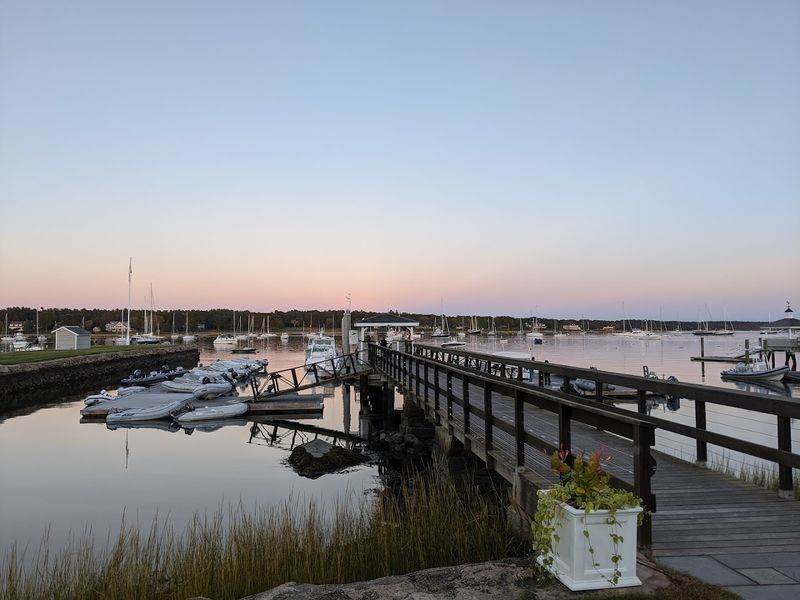
Water defines this town. Sippican Harbor stretches out at the edge of Marion like a quiet invitation, and most residents accept it daily.
The harbor connects to Buzzards Bay, giving the town direct access to open water and a maritime identity that runs deep. Recreational sailing is a major part of life here.
Boats dot the harbor on warm mornings, and the sight of sails catching wind against a blue Massachusetts sky feels entirely natural rather than postcard-perfect.
Historically, Marion was home to many sea captains. That heritage shaped the town’s relationship with the water in ways that still show up today, in the architecture near the shore, in the culture of the yacht club, and in the easy confidence locals carry around boats and tides.
The harbor is not a backdrop. It is an active part of daily life, setting the pace and the mood for everything that happens on land nearby.
Quiet mornings here feel almost meditative.
The Beverly Yacht Club And Its Lasting Presence
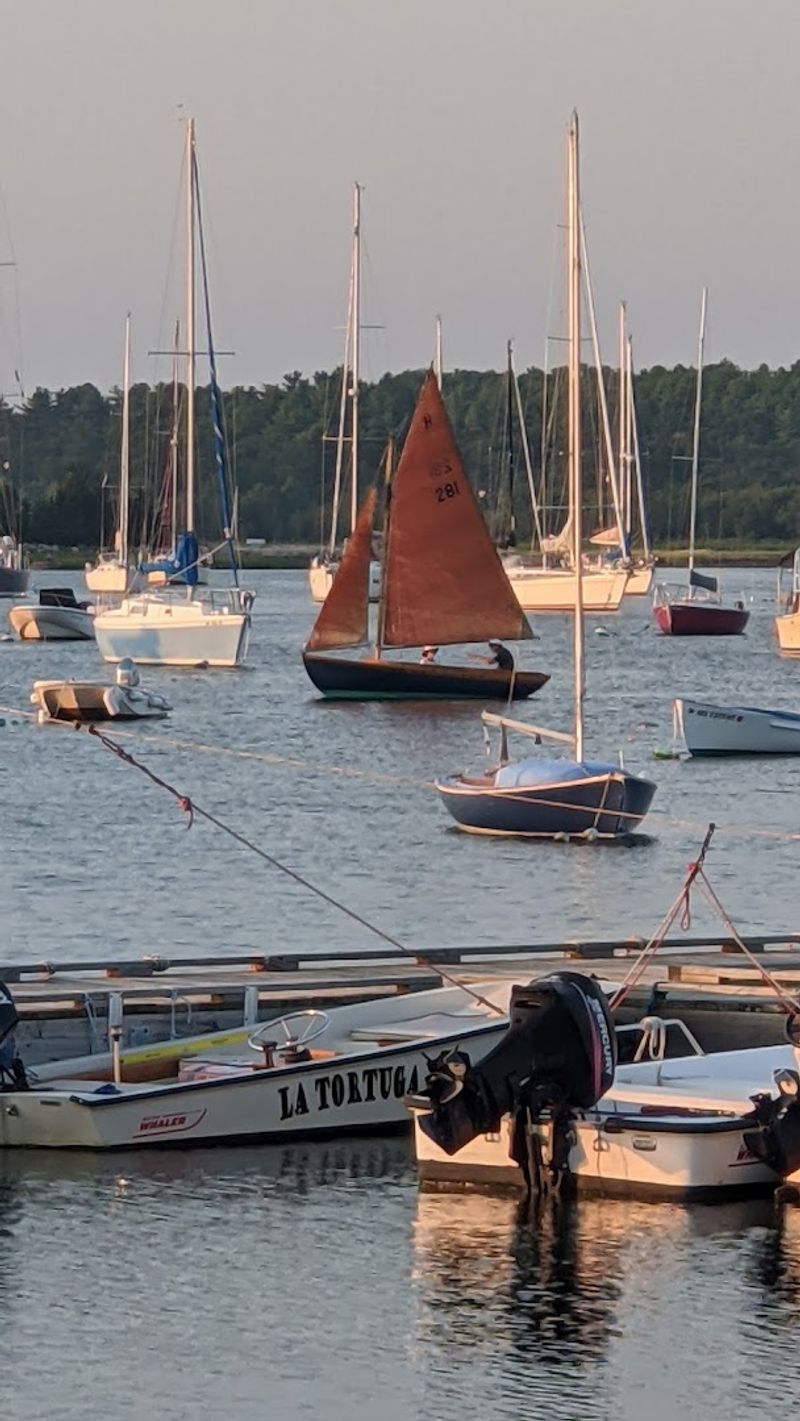
The Beverly Yacht Club is one of those institutions that quietly anchors a community without making a fuss about it. Based in Marion, it has been part of the town’s social and maritime fabric for well over a century.
Sailing regattas, junior sailing programs, and community events all flow through this organization. It is not just a club for enthusiasts.
It functions as a connector, bringing together families, longtime residents, and newcomers around a shared love of the water.
For a town the size of Marion, having an institution with that kind of reach matters. It gives the community a recurring reason to gather, compete, and celebrate together.
That kind of shared activity builds the familiarity that defines small-town life.
The yacht club also reinforces Marion’s identity as a place where maritime tradition is not just remembered but actively practiced. Kids learn to sail here.
Families spend weekends on the water. The club keeps that culture alive and accessible across generations in Massachusetts.
Tabor Academy And The Town Around It
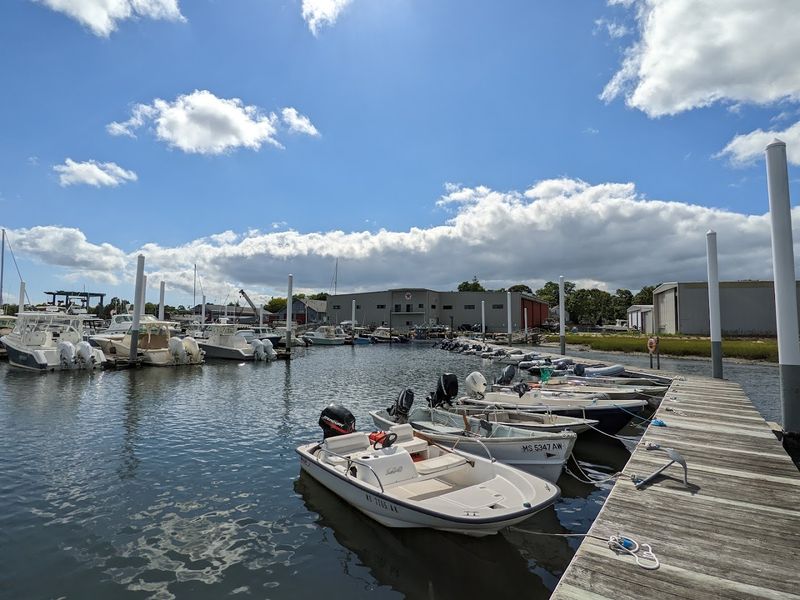
Tabor Academy has shaped Marion in ways that go far beyond education. This well-regarded preparatory school sits right in the heart of town, and its presence influences the energy, the economy, and the character of the community.
The school’s waterfront campus adds to Marion’s visual appeal. Its buildings blend with the surrounding New England architecture rather than clashing against it.
Students walking through town become part of the local scene, and the school’s events often pull the broader community together in shared activity.
For a small town, having an institution of Tabor’s caliber nearby creates a kind of intellectual and cultural current. Lectures, performances, and athletic events become part of the town’s calendar.
Residents benefit from that proximity even without any direct connection to the school itself.
The relationship between Tabor Academy and Marion feels genuinely symbiotic. The school needs the town, and the town is shaped by the school.
That kind of mutual investment is exactly what keeps small communities in Massachusetts feeling alive and purposeful over the long term.
What Quiet Actually Sounds Like Here
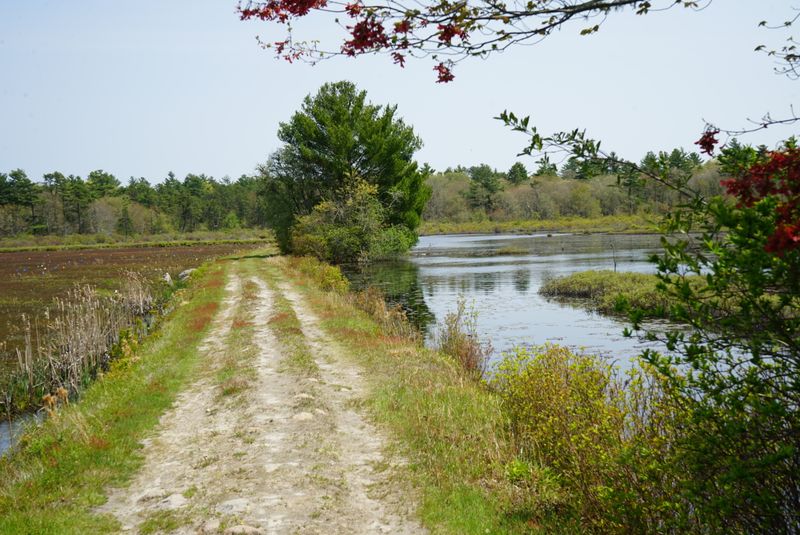
Quiet in Marion is not the absence of life. It is the presence of unhurried life, which is a very different thing.
The pace here moves at a speed that feels almost countercultural in modern Massachusetts. There is no constant honking, no aggressive commuter energy, no sense that everyone is running late for something important.
People walk. People talk.
Strangers acknowledge each other without suspicion.
That small-town warmth is not accidental. It is the result of a community that has resisted the pressure to grow faster than it wants to.
Marion has stayed small on purpose, and that choice shows up in everyday interactions that feel remarkably human.
Neighbors wave at passing cars. Doors get held open.
Conversations happen on sidewalks without anyone checking a phone. These details sound minor until you spend time somewhere that has lost them entirely.
Then they feel like luxuries.
Marion holds onto these habits because its residents value them enough to keep practicing them every single day.
Beaches That Do Not Need A Billboard
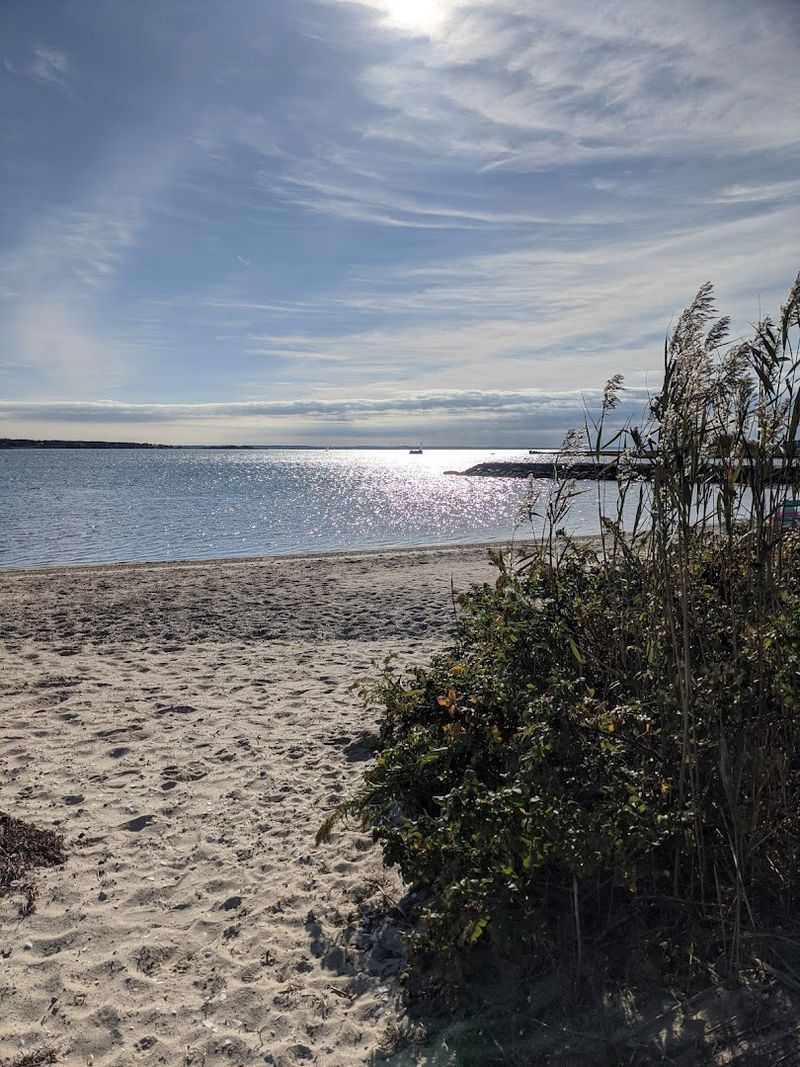
Marion’s beaches operate on a different frequency than the famous shores of Cape Cod. They are calm, accessible, and refreshingly uncrowded.
Buzzards Bay provides the backdrop, and the water here tends to be warmer than the ocean beaches further out on the Cape. That makes swimming genuinely comfortable during summer months.
Families set up without the stress of fighting for parking or space on the sand.
The beaches in Marion feel like a local secret, even though they are not particularly hidden. They simply attract the kind of visitors who prefer ease over spectacle.
No vendors, no crowds, no performance. Just water, sand, and a horizon that stretches out without interruption.
For residents, these beaches are part of the everyday rhythm. Morning walks, afternoon swims, and evening strolls along the water are not special occasions but regular habits.
That easy access to natural beauty is one of the most underrated aspects of life in this corner of Massachusetts, and it shapes the town’s relaxed character in lasting ways.
Historic Architecture Worth Slowing Down For
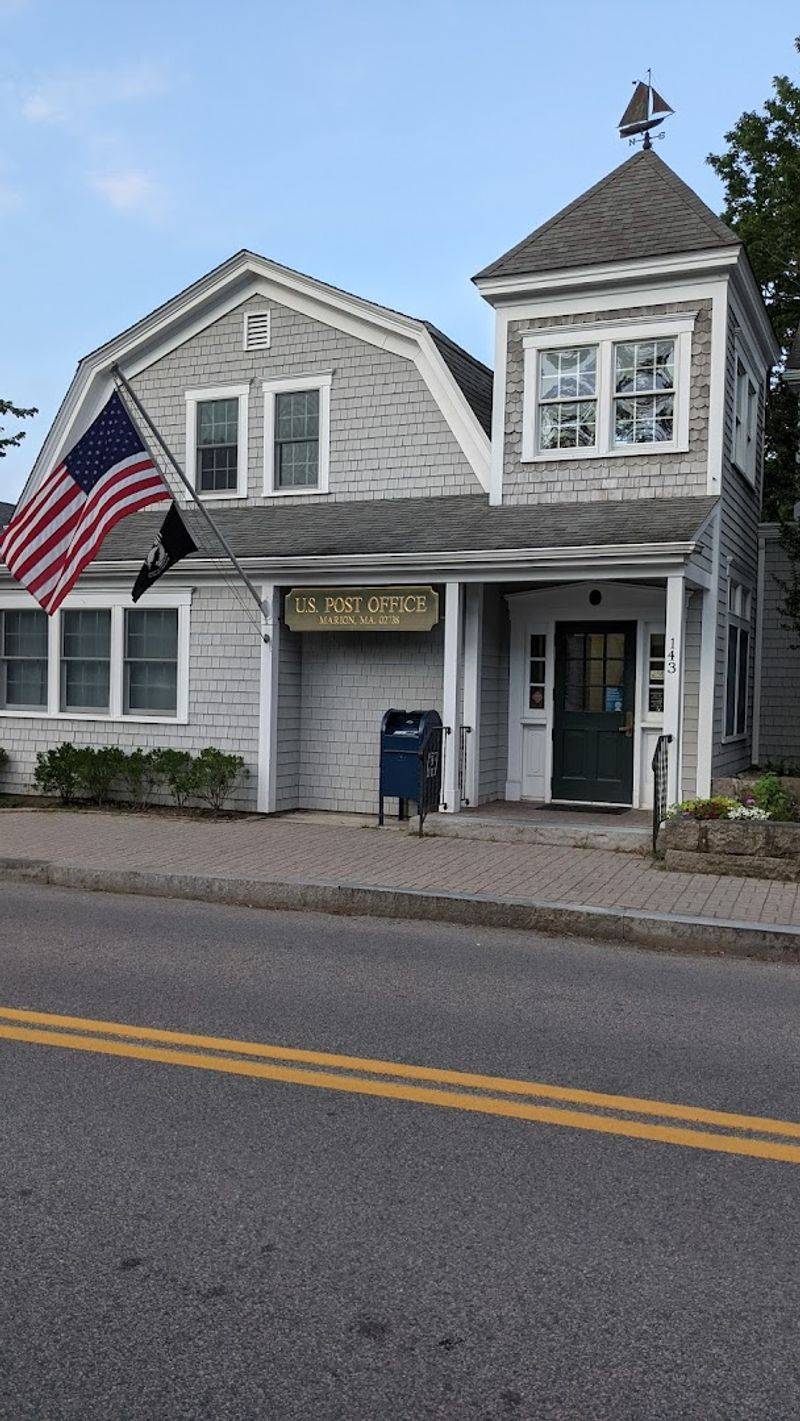
Marion’s built environment is one of its most underappreciated qualities. The town’s historic architecture is not confined to a single district or a walking tour brochure.
It shows up everywhere.
Colonial homes, Federal-style facades, and carefully maintained streetscapes create a visual consistency that feels organic rather than engineered. The buildings have aged well because the community made a deliberate choice to protect them.
Historic preservation here is not a bureaucratic exercise. It is a cultural value.
Walking through downtown Marion means encountering structures that have stood for two hundred years or more. They are not behind velvet ropes.
They are lived in, worked in, and passed every day by people who do not give them a second glance because this is simply what their town looks like.
That normalcy is the point. When historic beauty becomes part of the background of everyday life rather than a destination in itself, a community has achieved something genuinely worth preserving.
Marion, Massachusetts, has managed to do exactly that without making a big deal about it.
Conservation As A Community Value
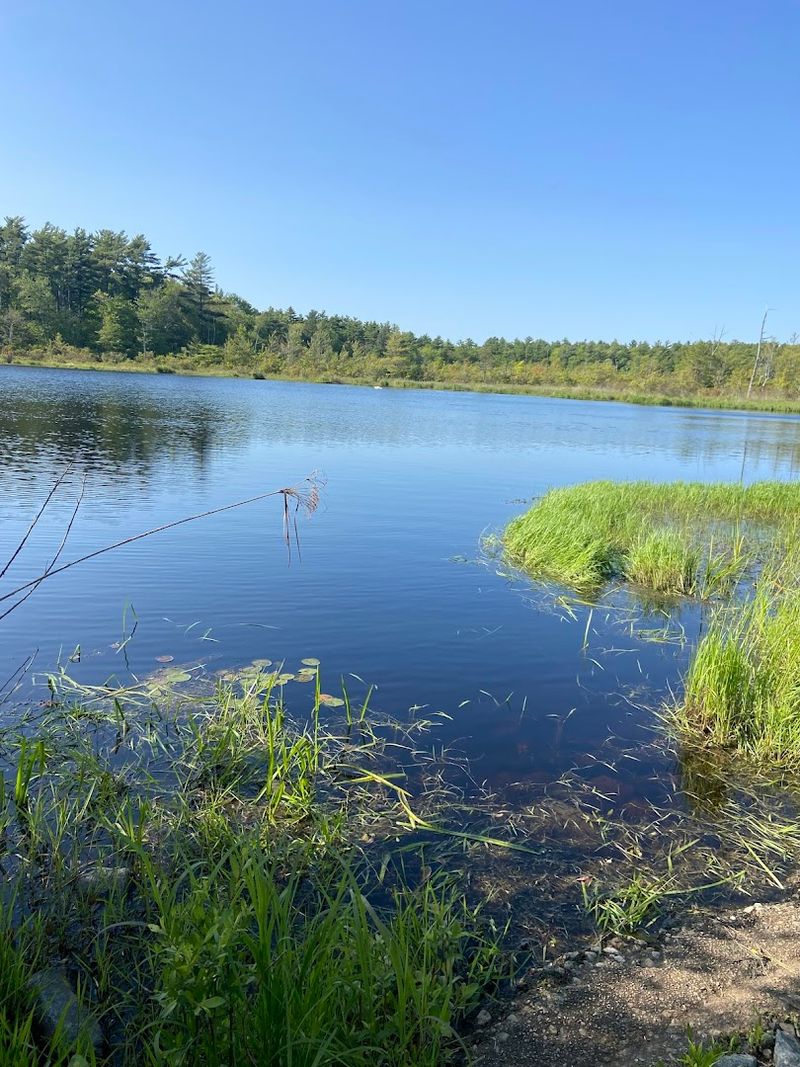
Marion takes land conservation seriously. This is not a town that treats open space as a waiting room for development.
Green areas, coastal marshes, and natural buffers are protected with real intention.
The town’s conservation efforts have shaped its physical character in visible ways. Driving or walking through Marion, it becomes clear that someone made deliberate decisions to keep certain areas undeveloped.
Those decisions add up over time and create a landscape that still feels genuinely natural.
Local conservation organizations work alongside town government to maintain protected land. Trails, wildlife habitats, and shoreline areas benefit from that ongoing attention.
Residents use these spaces regularly, which means the value of conservation is experienced firsthand rather than just appreciated in the abstract.
For a coastal community in Massachusetts, protecting natural land also means protecting water quality and the health of Buzzards Bay. Marion’s commitment to conservation is both an environmental and a community act.
It says something clear about what the town values and what kind of place it intends to remain for future generations.
Maritime Heritage That Still Has A Pulse
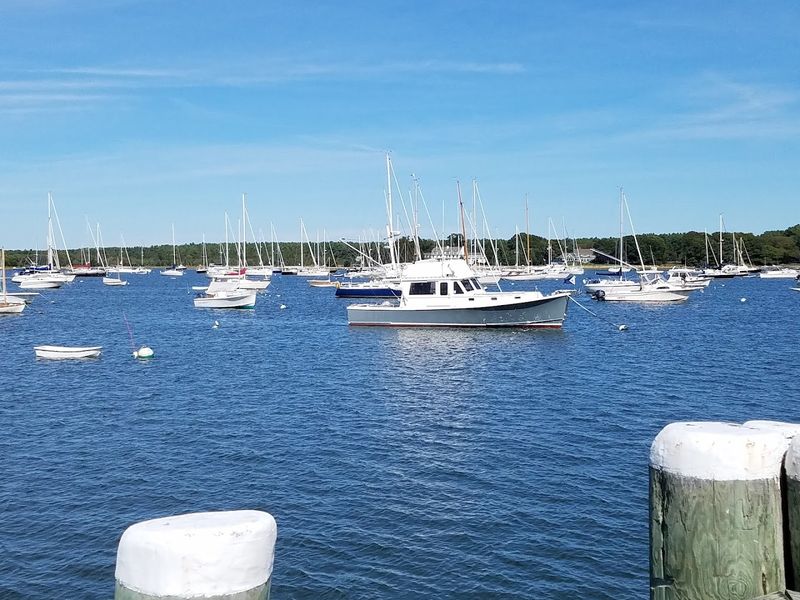
Maritime culture in Marion is not museum material. It is living, breathing, and practiced on the water every season.
The town’s history as a home for sea captains left a permanent mark on its identity. That legacy shows up in the architecture near the harbor, in the names of streets, and in the deep comfort locals have around boats, tides, and weather patterns.
Sailing is not a hobby here. For many residents, it is simply part of life.
Junior sailing programs introduce the next generation to seamanship. Regattas bring the community together around competition and craft.
The Beverly Yacht Club anchors much of this activity, but the maritime spirit extends well beyond any single organization.
Buzzards Bay provides a natural classroom for anyone willing to learn. The conditions there challenge sailors enough to build real skill while remaining accessible for beginners.
That combination keeps the sailing culture in Marion both serious and inclusive, which is a balance that few coastal communities manage to maintain across generations in Massachusetts.
What Makes A Small Town Feel Safe
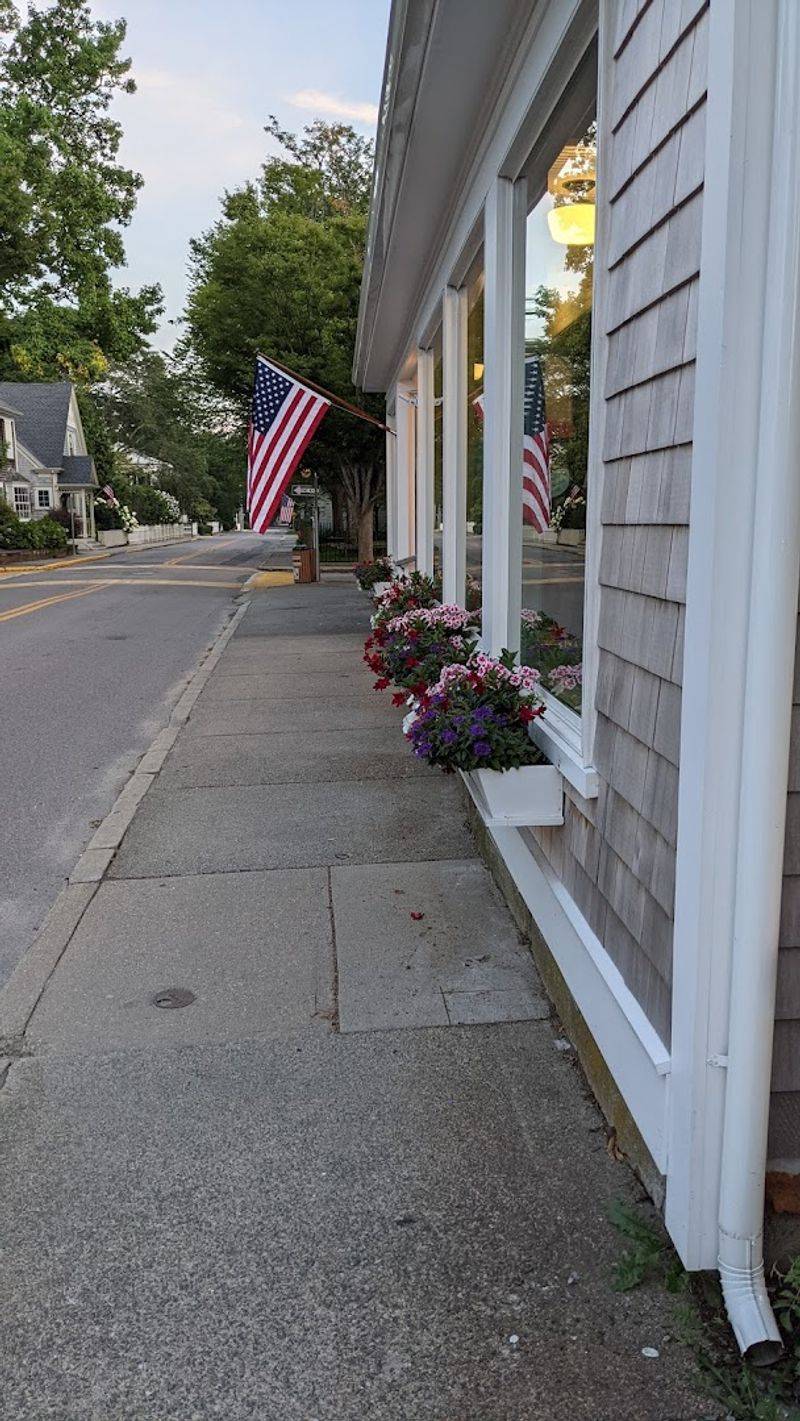
Safety in a small town is not just about crime statistics. It is about the feeling of being known, and Marion delivers that in abundance.
When people recognize each other on the street, when neighbors notice when something seems off, when a community is small enough that anonymity is nearly impossible, the result is a kind of collective watchfulness that no security system can replicate. Marion operates this way naturally.
The town’s low population, roughly 5,300 residents, means that social networks are tight and overlapping. People know each other through school, through the yacht club, through the general store, through years of shared proximity.
That web of connection creates accountability and trust in equal measure.
For families raising children or individuals looking to put down roots, that sense of being embedded in a community is enormously appealing. Marion, Massachusetts, offers exactly that.
It is the kind of place where people check on each other not out of obligation but out of genuine familiarity built slowly over time.
Why Marion Stays Worth The Trip
Marion rewards visitors who arrive without a packed itinerary. The town is not built around attractions in the traditional sense.
It is built around experience, and that requires a slightly different kind of attention.
Plan to walk. Plan to slow down.
Save time to wander past the general store and see what the new owners have done with the place. Spend time near the harbor and watch how the light changes on Sippican Harbor throughout the day.
Let the pace of the place set your pace rather than the other way around.
Getting to Marion is straightforward. The town sits in Plymouth County along the South Coast of Massachusetts, easily reachable by car from Boston and Providence.
It is close enough for a day trip but rewarding enough to justify staying longer.
What Marion offers is increasingly rare: a community that has not been optimized for outside consumption. It exists primarily for the people who live there, which is precisely what makes visiting feel like a privilege rather than a transaction.
Massachusetts has many beautiful towns, but few feel this genuinely themselves.