
The Stunning Medieval Castle In California That’s Absolutely Worth Every Mile
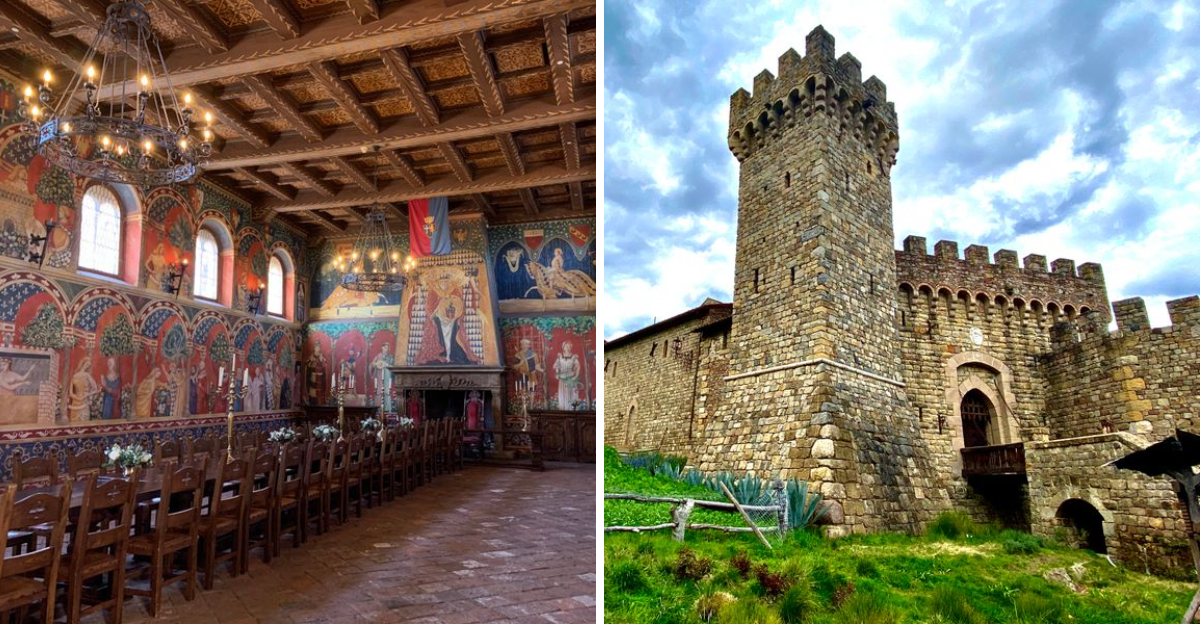
At first glance, it feels like Napa Valley is playing a trick on you. Rising from the hills near Calistoga, Castello di Amorosa looks less like a winery and more like a medieval stronghold that somehow lost its way from Tuscany.
Built over more than a decade using imported Italian stone and old-world techniques, the castle refuses to cut corners or soften its story. Cross the drawbridge and descend into its underground cellars, and the modern world fades fast, replaced by stone walls, shadowed corridors, and a level of authenticity that feels almost defiant.
A Real Medieval Castle Built Stone By Stone In Napa Valley
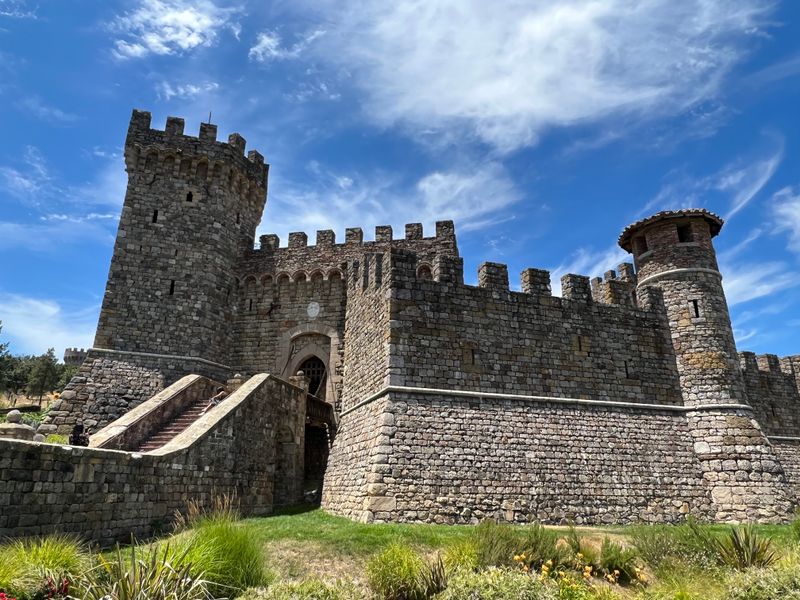
Castello di Amorosa refuses to play pretend. Owner Dario Sattui spent fourteen years overseeing construction that followed medieval building techniques with stubborn precision.
The castle rises from the vineyard landscape with 121,000 square feet of fortress architecture that would have made sense in 13th-century Italy.
Every stone was placed according to traditional methods that modern contractors had to relearn. The project demanded patience and resources most developers would consider irrational.
Visitors approaching from St Helena Highway see turrets and fortifications that look weathered by centuries rather than decades.
The scale becomes clear only when standing at the base of the exterior walls. This construction represents one person’s commitment to building something that could have existed eight hundred years ago.
The castle functions as both winery and architectural statement, proving that authentic medieval construction remains possible in contemporary California.
Authentic Construction Methods Set It Apart From Imitation Castles
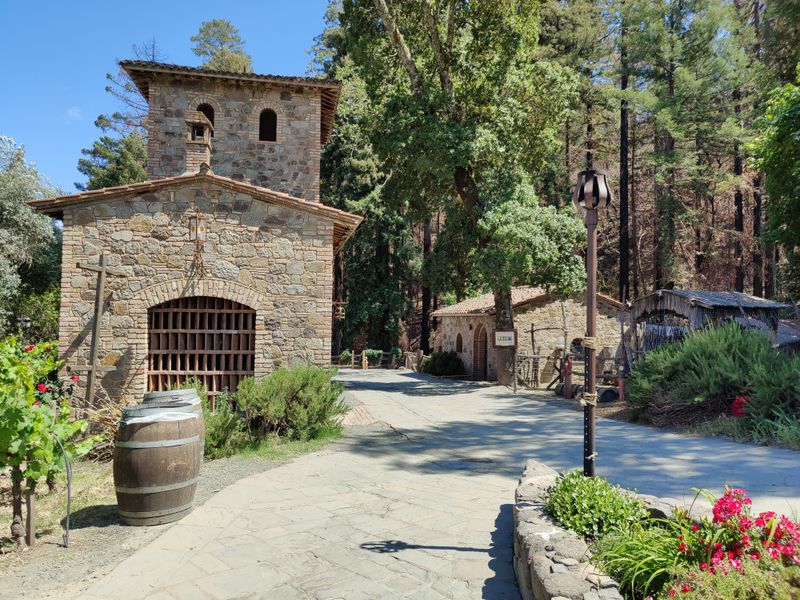
Modern shortcuts held no appeal during construction. Craftsmen used hand tools and traditional masonry techniques that construction crews had to study from historical references.
The walls went up without steel reinforcement or contemporary structural compromises that would have simplified the process.
Each archway and vault follows engineering principles developed before modern building codes existed. Stonemasons shaped individual blocks to fit together with the kind of precision that medieval builders would recognize.
The construction timeline stretched across years because authentic methods cannot be rushed.
Visitors who examine the stonework find variations and irregularities that machine-cut materials never show. The mortar joints and surface textures reflect human hands working at medieval pace.
This commitment to historical accuracy creates a structure that feels genuinely old rather than cleverly aged, separating Castello di Amorosa from attractions that merely suggest medieval architecture through decorative elements.
Imported European Materials Give The Castle Its Old-World Weight
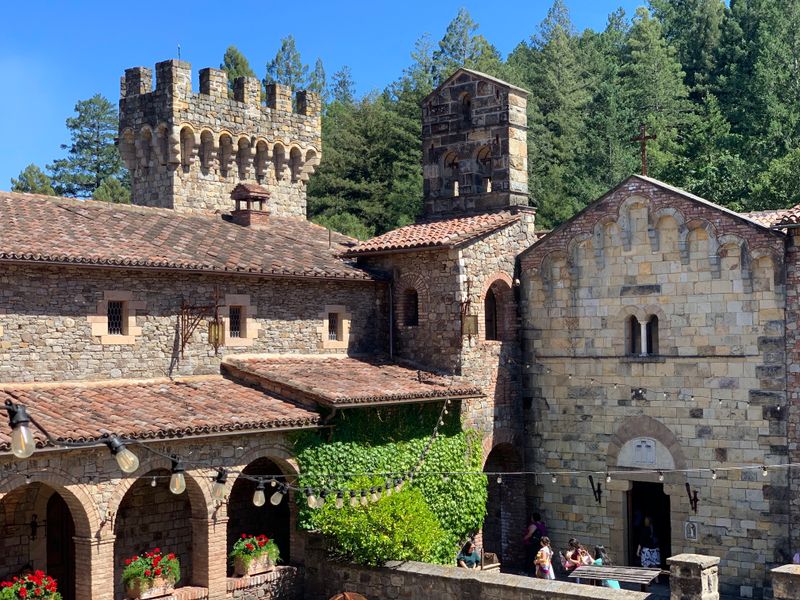
Sattui sourced materials from Europe with the determination of someone assembling historical evidence. Containers arrived carrying antique stone, hand-forged hardware, and reclaimed timbers from structures that had stood for centuries.
The castle incorporates elements that already carried history before crossing the Atlantic.
Bricks came from demolished European buildings rather than modern manufacturers. Iron fixtures were either genuine antiques or hand-forged by blacksmiths following period techniques.
Even decorative elements traveled from Italy to ensure visual and material authenticity.
The weight of these imported materials contributes to the castle’s convincing presence. Stone worn by European weather patterns brings texture that cannot be manufactured.
Hardware showing centuries of oxidation adds credibility that new metalwork lacks. This material sourcing represents both significant expense and absolute commitment to creating something that feels transported through time rather than recently constructed.
A Drawbridge, Towers, And Battlements Create A True Fortress Feel
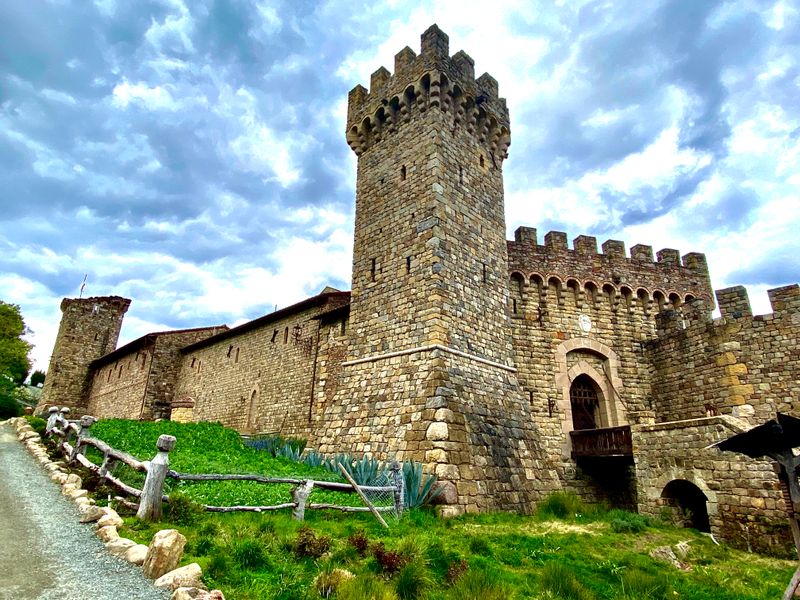
The castle includes defensive features that actually function rather than merely suggest medieval warfare. A working drawbridge spans the entrance, operated by mechanisms that follow historical designs.
Towers rise to heights that would have provided strategic advantage during actual sieges.
Battlements line the upper walls with crenellations sized for archers who will never occupy them. The defensive architecture follows principles developed through centuries of European conflict.
Walking the upper levels reveals sight lines and defensive positions planned with the same seriousness medieval engineers brought to fortress design.
These elements combine to create genuine fortress atmosphere rather than decorative suggestion. The drawbridge moves with the weight and mechanical honesty of functional defense equipment.
Tower staircases spiral upward in tight formations that limited medieval attackers. The architecture demonstrates how fortifications shaped daily life in structures built to withstand assault, adding psychological weight that purely decorative castles never achieve.
Underground Wine Cellars Stretch Multiple Levels Below Ground
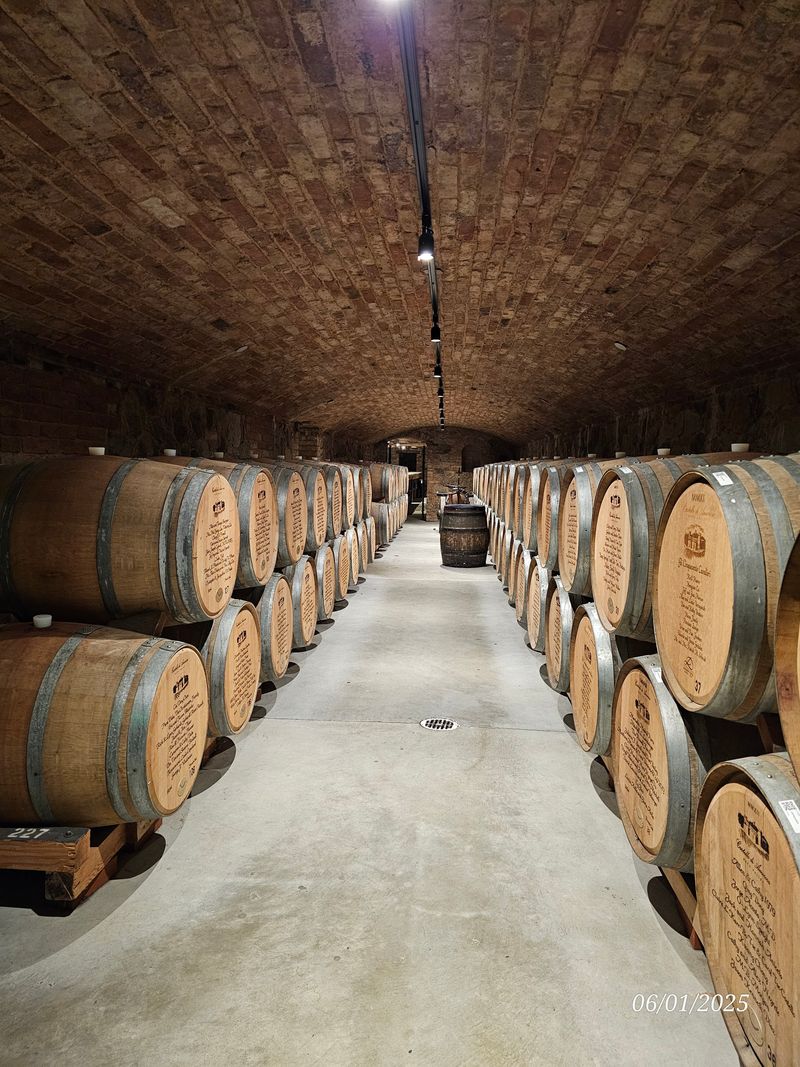
The cellars descend through bedrock in levels that suggest dungeon architecture adapted for viticulture. Stone passages connect chambers carved into the hillside at depths that maintain perfect wine storage temperatures.
The underground sections represent some of the most ambitious excavation in the entire project.
Barrel rooms occupy spaces that feel genuinely subterranean rather than superficially underground. The stone vaulting overhead follows medieval cellar design that predates modern climate control.
Air circulation and temperature regulation happen through architectural features rather than mechanical systems.
Tour groups descend into darkness broken by minimal lighting that preserves the cellar atmosphere. The depth and extent of these underground levels become clear only after walking through multiple chambers.
Storage capacity reaches into thousands of barrels aging in conditions that medieval winemakers would recognize. These cellars function as working production space while maintaining the aesthetic and practical advantages of traditional underground wine storage.
Interior Spaces Reflect Monastic And Medieval Daily Life
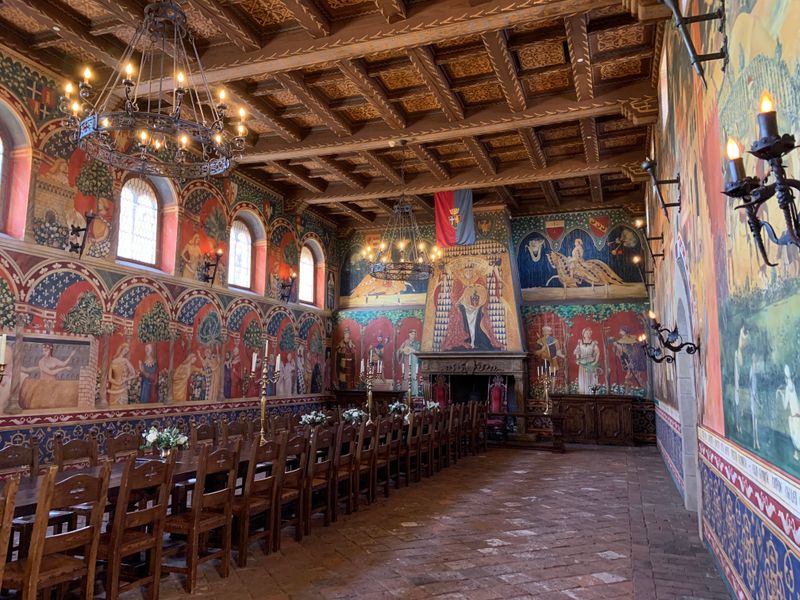
The Great Hall rises to ceiling heights designed for medieval gatherings rather than contemporary comfort. Exposed timber beams span distances that required old-growth lumber now difficult to source.
The interior proportions follow social hierarchies that shaped medieval architecture, with spaces sized according to their ceremonial importance.
Smaller chambers suggest monastic cells and administrative offices from periods when castles functioned as complete communities. The interior finishing uses plaster techniques and paint formulations that match historical examples.
Windows remain small and strategically placed according to defensive priorities rather than modern preferences for natural light.
Furnishings and decorative elements maintain period accuracy that extends beyond the architecture itself. The interiors avoid contemporary conveniences that would break the historical illusion.
Walking through these spaces provides insight into how medieval occupants experienced daily life within fortress walls, with all the atmospheric weight that accompanies authentic historical recreation.
The Courtyards Feel Transportive Rather Than Themed
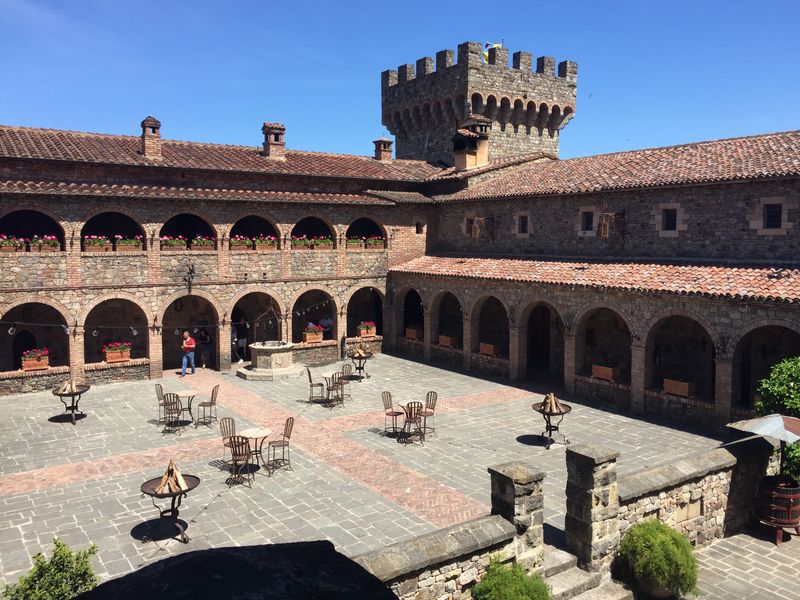
Open courtyards provide spaces where the castle’s scale becomes fully apparent. Stone paving shows wear patterns that suggest age beyond the structure’s actual timeline.
The proportions and enclosure create microclimates that medieval designers understood through practical experience rather than engineering calculations.
Colonnades and archways frame views that could appear in European travel photography without requiring explanation. The courtyards function as circulation space and gathering areas with the same versatility medieval builders intended.
Nothing about these open areas suggests modern event space adapted to look historical.
Light moves across stone surfaces throughout the day, creating shadow patterns that change the courtyard atmosphere from morning through evening. The enclosure provides shelter from wind while admitting enough sky to prevent claustrophobia.
These spaces demonstrate how medieval architecture created comfortable outdoor areas within defensive structures, offering visitors direct experience of how fortress design balanced security with livability in ways that purely military architecture never achieved.
The Setting Among Vineyards Enhances The Illusion
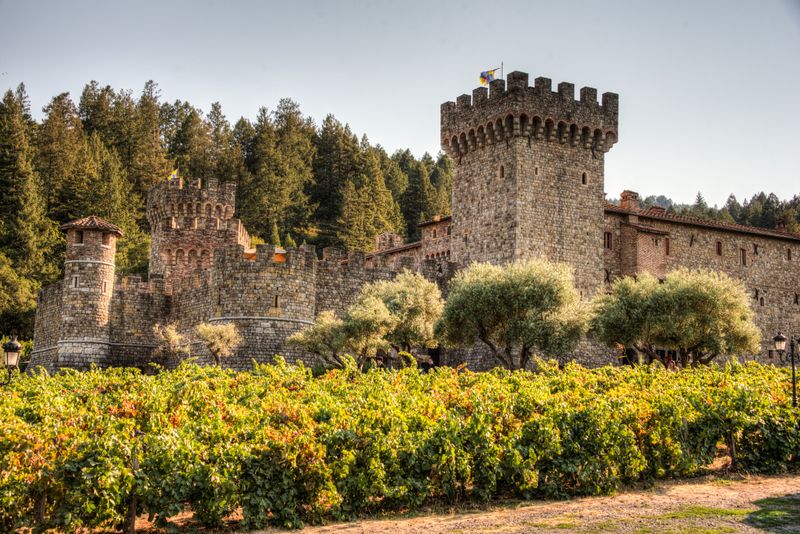
The castle occupies vineyard land that provides agricultural context medieval fortresses would have required. Grapevines surround the structure in patterns that suggest productive countryside rather than decorative landscaping.
The Napa Valley setting offers rolling terrain and mountain backgrounds that could pass for Tuscan landscape.
Seasonal changes in the vineyards alter the castle’s visual context throughout the year. Bare vines in winter expose the fortress architecture against hillsides.
Growing season brings green coverage that softens the military severity of the stone construction. Harvest activity adds agricultural authenticity that theme parks cannot replicate.
The location at 4045 St Helena Highway places the castle within working wine country rather than isolated as pure attraction. Approaching through vineyard roads builds anticipation that arrival at a European fortress might generate.
The agricultural setting grounds the medieval architecture in productive landscape, creating a context where the castle functions as both historical recreation and contemporary winery without contradiction.
Visitors Can Explore Freely Without Rushing Through
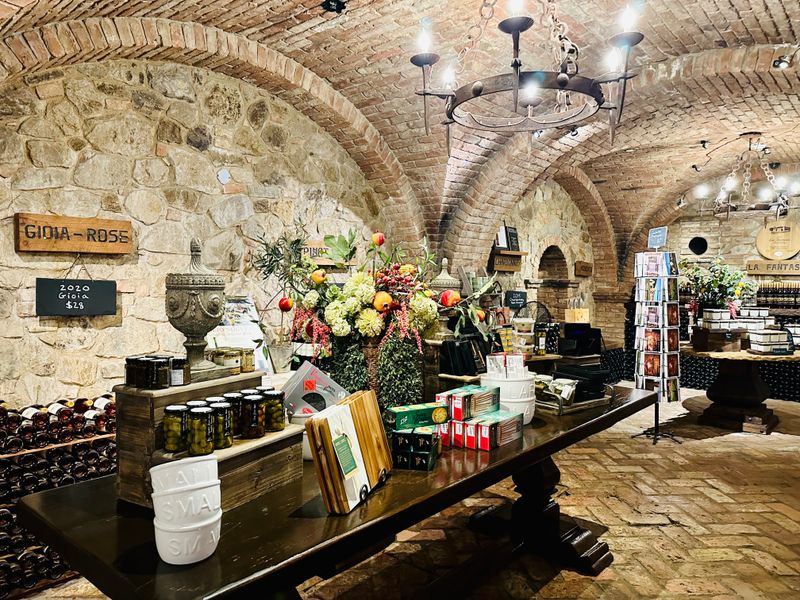
The castle operates with reservation requirements that control capacity rather than maximize throughput. Guests move through spaces without the crowding that ruins many popular attractions.
The touring structure allows time for examination and photography that rushed schedules eliminate.
Multiple areas remain accessible for self-guided exploration after formal tours conclude. The property design accommodates wandering that lets visitors discover details at individual pace.
Open hours from 10 AM to 5:30 PM daily provide flexibility for visits that extend beyond quick stops.
This approach respects both the architecture and the visitors who traveled to experience it. Groups can separate and reconvene without losing access to important areas.
The castle rewards careful observation that hurried tours prevent, allowing guests to notice construction details and design elements that quick passes miss. This touring philosophy creates experiences that justify the drive to Calistoga rather than leaving visitors feeling processed through an attraction.
The Castle Functions As A Working Winery, Not A Museum
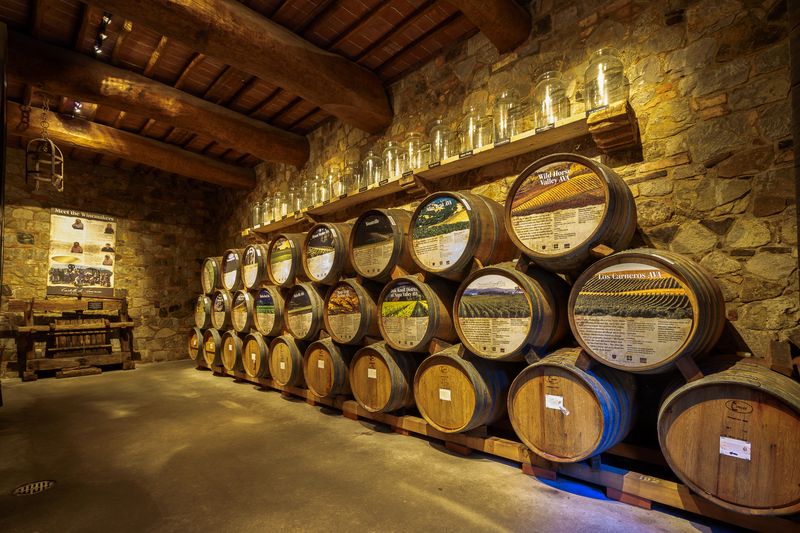
Castello di Amorosa produces wine as its primary business rather than operating as historical attraction with supplementary retail. The underground cellars store aging inventory that represents serious viticulture investment.
Production equipment occupies spaces designed for winemaking rather than adapted to accommodate it.
Tasting experiences focus on wines crafted on-site from estate vineyards surrounding the property. The selection includes Italian-inspired varietals that connect to the Tuscan architectural theme through viticulture rather than just decoration.
Bottles available for purchase come from barrels aging in the same cellars visitors tour.
This working winery status adds legitimacy that pure attractions lack. The castle serves functional purposes that justify its existence beyond tourism.
Visitors taste wines produced in the spaces they explore, creating direct connections between architecture and product. The winery operations prevent the castle from becoming a static museum, instead maintaining it as an active production facility where medieval architecture houses contemporary winemaking.
Seasonal Light And Weather Change The Experience Each Visit
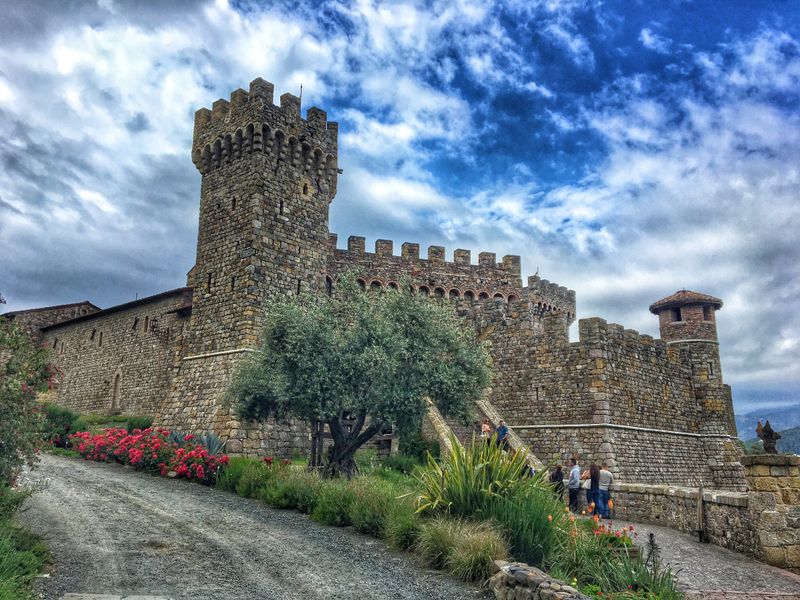
The castle transforms under different atmospheric conditions throughout the year. Winter fog rolling through Napa Valley obscures and reveals the towers in ways that heighten the medieval atmosphere.
Summer light creates sharp shadows that emphasize the fortress architecture against clear skies.
Morning visits find the stone still cool and the courtyards quiet before crowds arrive. Late afternoon sun warms the western walls and creates golden light that photographers favor.
Weather conditions that might disappoint at other attractions enhance the castle’s dramatic presence.
Return visitors discover different experiences based on season and time of day. The stone surfaces respond to changing light in ways that modern materials cannot replicate.
Rain darkens the masonry and emphasizes texture that dry conditions mute. These atmospheric variations mean the castle offers genuinely different experiences across multiple visits, rewarding guests who return to see how seasonal changes alter their perception of the architecture and setting.
The Drive Feels Justified Once The Castle Comes Into View
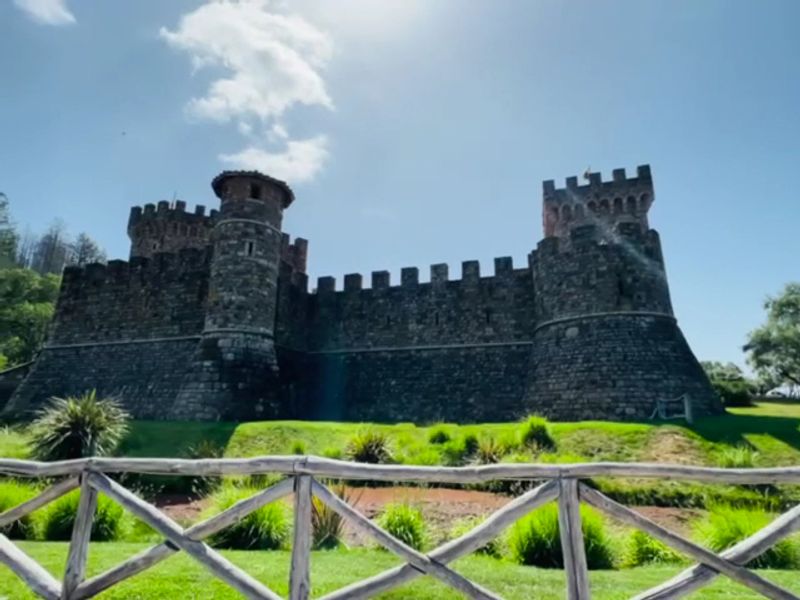
The journey through Napa Valley builds anticipation that arrival at Castello di Amorosa satisfies completely. The castle appears through vineyard rows and trees as a structure that exceeds expectations rather than disappointing them.
First views from the approach road confirm that the drive covered necessary distance to reach something genuinely unusual.
The scale and authenticity become immediately apparent even before entering the property. Towers rise above the vineyard landscape with proportions that photographs struggle to capture accurately.
The fortress presence justifies the mileage in ways that smaller or less committed attractions never could.
Visitors arriving from distant locations find their travel decisions validated by the castle’s actual substance. The structure delivers on promises that promotional materials made without exaggeration.
This payoff transforms the drive from obligation into worthwhile journey, making Castello di Amorosa a destination that rewards the effort required to reach it rather than leaving guests wishing they had allocated their time differently.