
The Truth Behind The Amish Life In Pennsylvania That Visitors Often Misinterpret
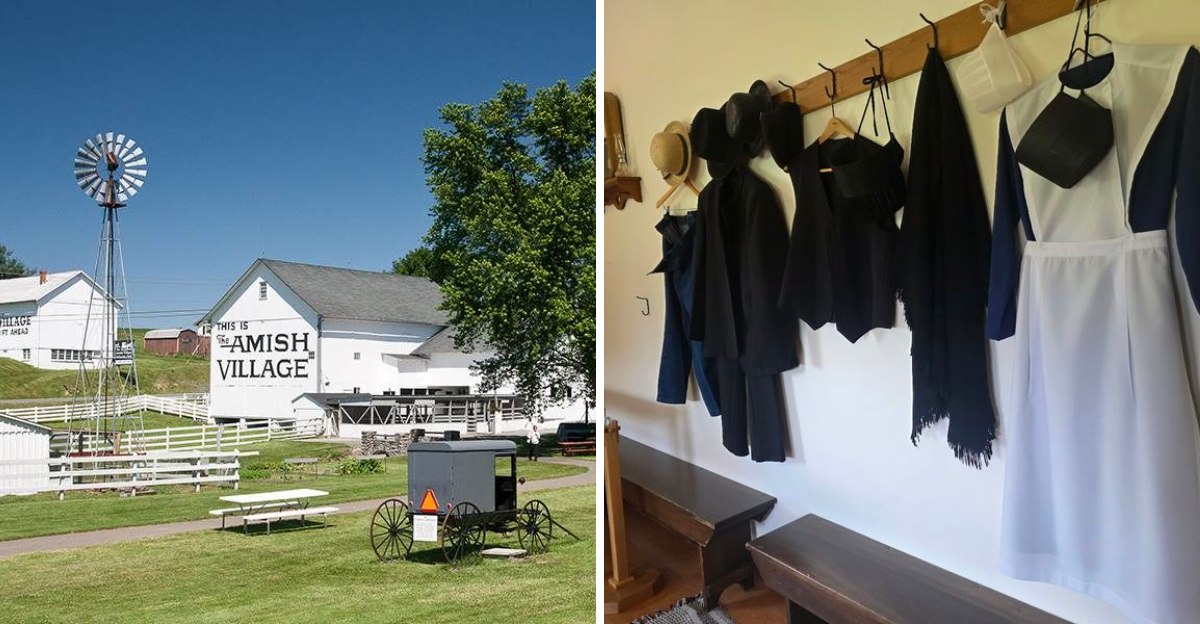
Pennsylvania’s Amish communities draw millions of visitors each year, but many leave with ideas about these communities that miss the mark entirely. Popular culture has painted a picture of the Amish that often confuses simplicity with backwardness and tradition with rigidity.
The reality of Amish life involves far more nuance, adaptability, and thoughtful decision-making than most outsiders realize. Understanding what visitors commonly get wrong helps us appreciate the wisdom and intentionality behind choices that might seem strange at first glance.
Amish Technology: Not All Technology Is Banned
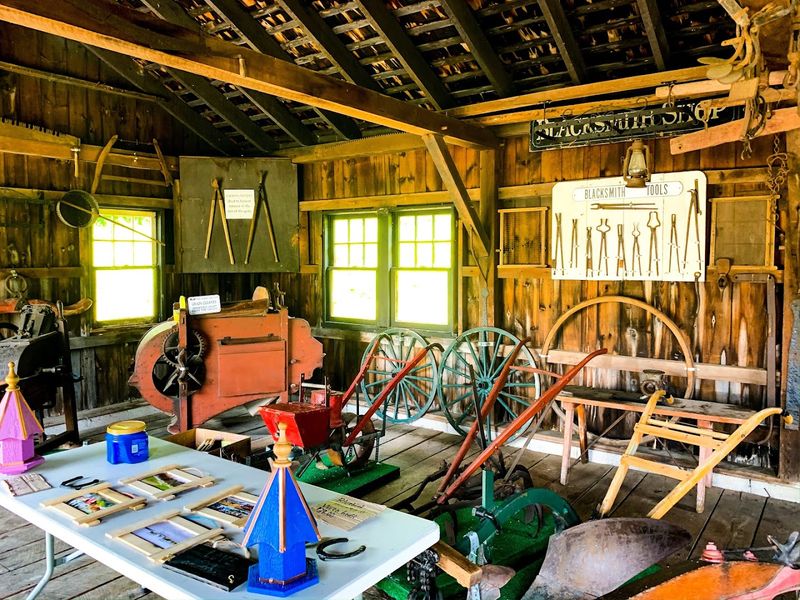
Visitors often assume the Amish reject all modern technology outright, but this oversimplifies a far more deliberate approach. Each Amish community evaluates technology based on whether it strengthens or weakens family bonds and community ties.
Gas-powered tools, hydraulic systems, and battery-operated devices appear regularly in Amish workshops and homes across Pennsylvania.
The key lies in how technology connects to the outside world. Electricity from public grids gets rejected because it creates dependence on external systems, while solar panels or generators offer acceptable alternatives.
Phones exist in many communities, though typically housed in shared buildings rather than individual homes.
This thoughtful selectivity reveals a community deeply engaged with modernity rather than blindly opposed to it. The Amish ask whether each innovation serves their values before adopting or refusing it.
That kind of intentional living requires far more sophistication than simple rejection ever could.
The Amish Are Not Isolated From Society
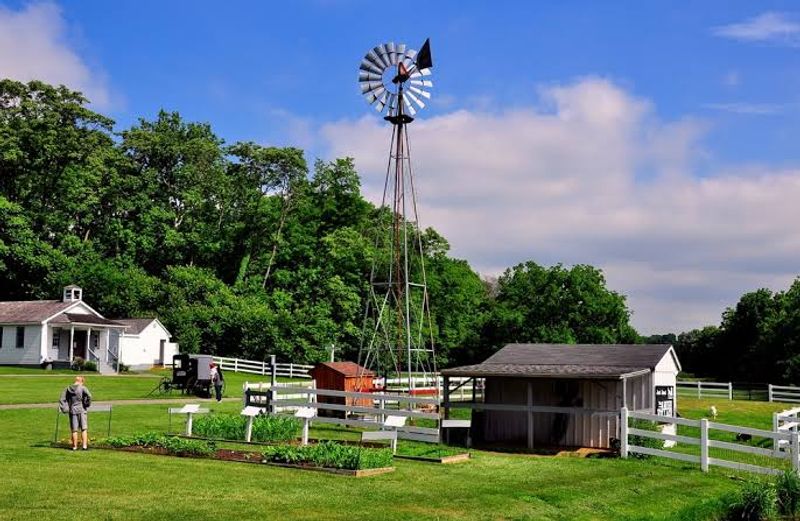
Many tourists imagine the Amish living in complete seclusion, cut off from the broader world around them. Lancaster County alone hosts countless interactions between Amish families and their non-Amish neighbors daily.
Business relationships, farmers markets, and community events create regular touchpoints with what the Amish call the English world.
Amish craftsmen sell furniture to customers across the country, Amish women run successful bakeries, and Amish farmers supply produce to regional markets. These economic relationships require negotiation, adaptation, and genuine engagement with contemporary business practices.
Children grow up understanding both their own culture and the wider society surrounding them.
The separation the Amish maintain focuses on spiritual distinctiveness rather than physical isolation. They participate in civic life, pay taxes, and contribute to local economies while preserving their religious identity.
This balance demonstrates remarkable social intelligence rather than fearful withdrawal from modern life.
Amish Dress: More Than Just Modesty
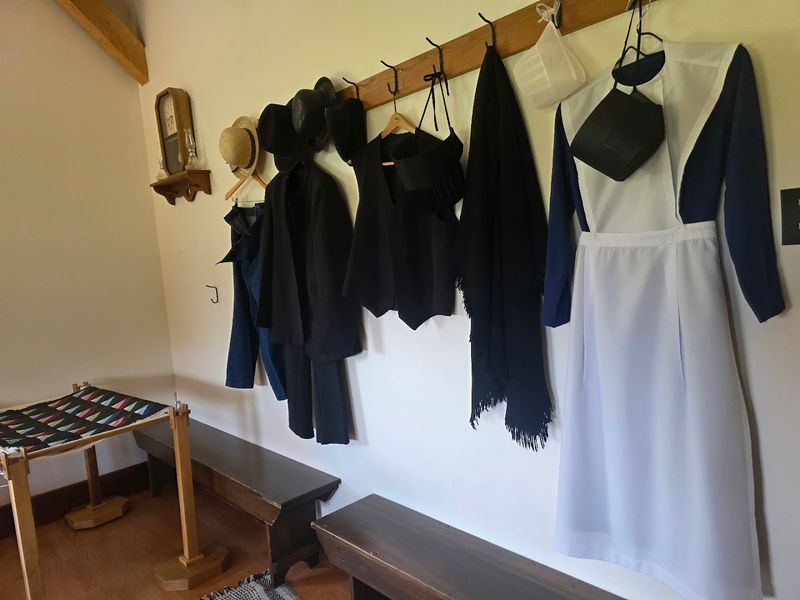
Plain clothing strikes visitors immediately, but most misread it as simply about covering up. The Amish dress code serves as visible theology, expressing beliefs about humility, equality, and separation from worldly vanity.
Every element carries meaning, from the absence of buttons to the color of a woman’s apron.
Different Amish affiliations maintain distinct clothing standards, with some groups allowing more color variation than others. Young single women wear different head covering styles than married women.
Men’s hat brims vary in width depending on their specific church district affiliation.
These distinctions function like a visual language within Amish society, communicating status, affiliation, and values without words. Outsiders who see only restriction miss the rich symbolic system at work.
The clothing choices reflect deep theological convictions about community over individualism and substance over style, principles that extend far beyond fabric and thread.
Education Within Amish Communities: A Different But Effective System
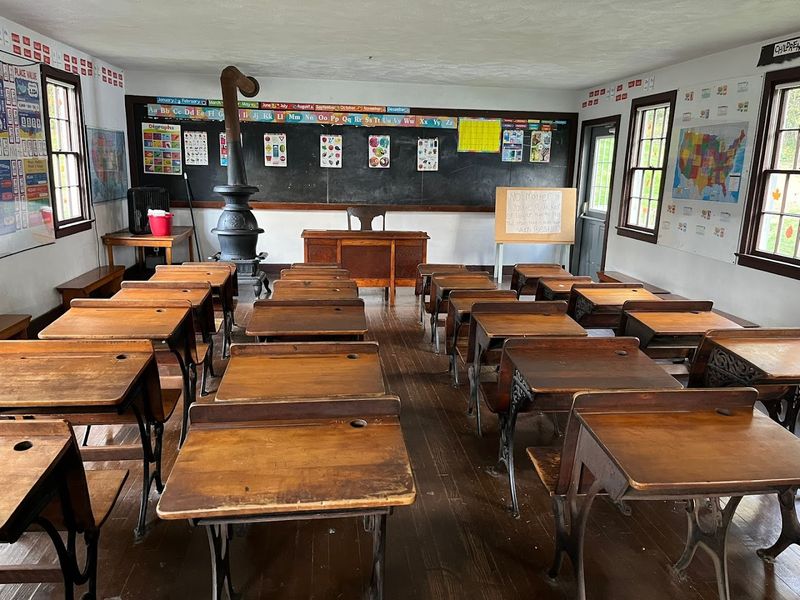
Critics often dismiss Amish education as inadequate because it ends at eighth grade, but this perspective ignores what happens after formal schooling. Amish children receive intensive practical training in skills their communities actually need.
By age sixteen, most can manage complex farm operations, run businesses, or practice skilled trades at professional levels.
One-room schoolhouses teach reading, writing, arithmetic, and practical knowledge efficiently. Students learn in multi-age groups, with older children helping younger ones, building teaching skills and community responsibility simultaneously.
Teachers come from within the community, ensuring cultural continuity and shared values.
The apprenticeship model that follows formal education produces remarkably capable adults. Amish young people enter adulthood with marketable skills, strong work ethics, and clear purposes.
Their system prioritizes competence and character over credentials, producing results that speak for themselves in thriving businesses and stable communities throughout Pennsylvania.
The Amish Work Ethic: More Than Just Farming
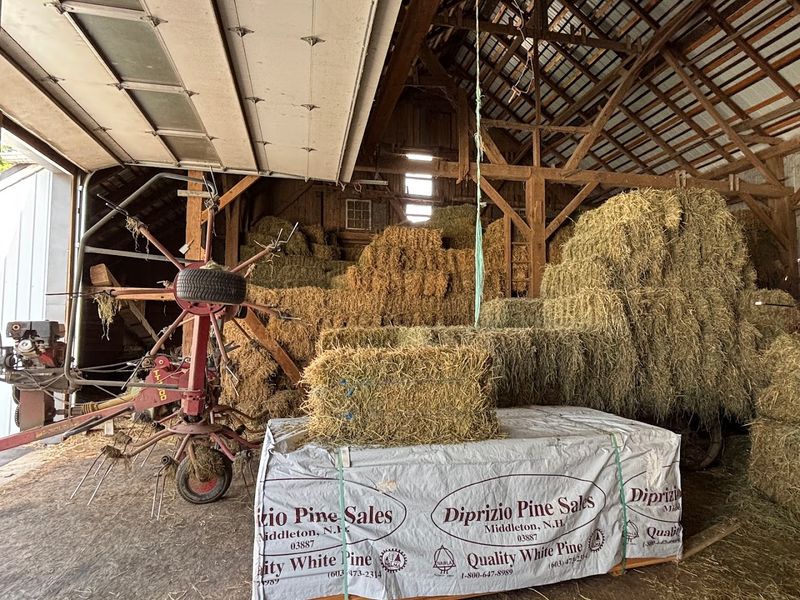
Tourists often picture all Amish people as farmers, but Pennsylvania’s Amish communities include skilled carpenters, furniture makers, blacksmiths, and business owners. Economic pressures and limited farmland have pushed many Amish into entrepreneurship and skilled trades.
The results showcase exceptional craftsmanship and business acumen that compete successfully in modern markets.
Amish furniture commands premium prices because buyers recognize superior quality and attention to detail. Construction crews complete projects with remarkable speed and precision, often outperforming conventional contractors.
Small manufacturing operations produce everything from gazebos to storage sheds, distributed nationwide through dealer networks.
This occupational diversity reveals communities adapting thoughtfully to economic realities while maintaining core values. The famous Amish work ethic transfers seamlessly from agricultural to commercial contexts.
Hard work, integrity, and craftsmanship define Amish professional life regardless of the specific occupation, creating reputations that drive business success across multiple industries.
The Role Of Religion: Amish Beliefs And Practices
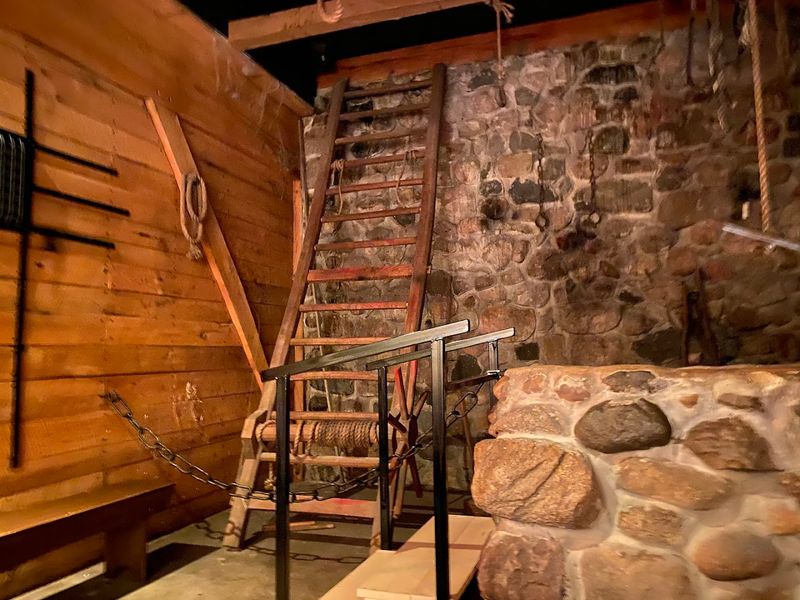
Visitors rarely understand that Amish life centers entirely on religious conviction rather than cultural preference. The Ordnung, an unwritten code of conduct, governs everything from clothing to technology use, rooted in biblical interpretation emphasizing humility and community.
Church services rotate through members’ homes every other Sunday, lasting three hours or more with German hymns and sermons.
Baptism happens in young adulthood rather than infancy, marking a conscious choice to join the community. This adult commitment carries serious weight, with those who later leave facing shunning by family and friends.
The practice seems harsh to outsiders but maintains community cohesion and doctrinal purity.
Foot washing ceremonies, communion services, and seasonal celebrations reinforce theological principles through ritual. These practices shape daily decisions and long-term priorities in ways most visitors never glimpse.
Religion provides the framework that makes sense of everything else, from buggy transportation to plain dress and separation from mainstream society.
Family Life And Community: Unity Is The Foundation
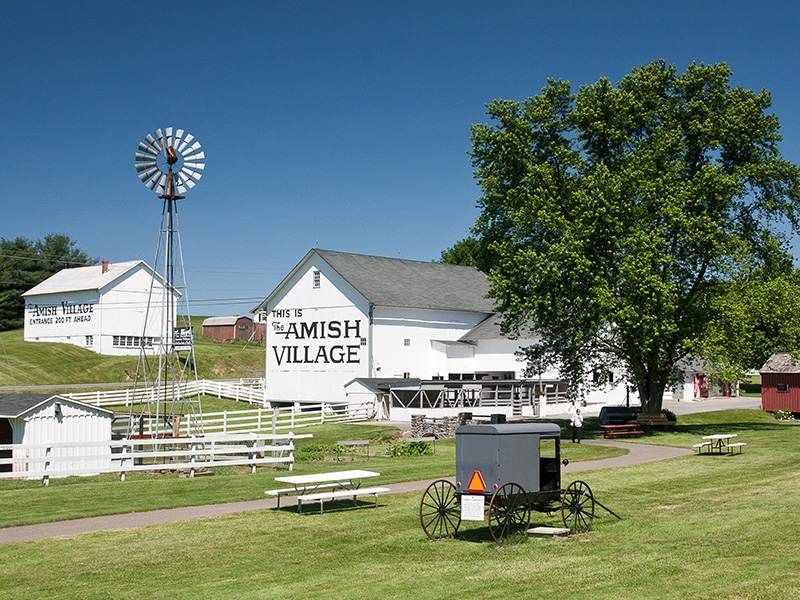
Outsiders often romanticize Amish family life without grasping the intense interdependence that defines it. Extended families typically live within close proximity, creating support networks that function like social insurance systems.
When someone faces illness, financial hardship, or other challenges, the community responds collectively rather than leaving individuals to struggle alone.
Barn raisings demonstrate this principle dramatically, with entire communities gathering to construct buildings in single days. But the same cooperative spirit applies to daily life through shared childcare, mutual aid, and collaborative work.
Elderly parents move into dedicated additions on their children’s properties, ensuring care without institutional placement.
This communal approach requires sacrifice of personal autonomy that many Americans would find suffocating. Individual desires yield regularly to group needs and decisions.
Yet the system provides security, belonging, and purpose that modern society often fails to deliver.
The trade-offs involve genuine costs and benefits that deserve honest assessment rather than simplistic judgment.
The Rumspringa: More Than Just A Rite Of Passage
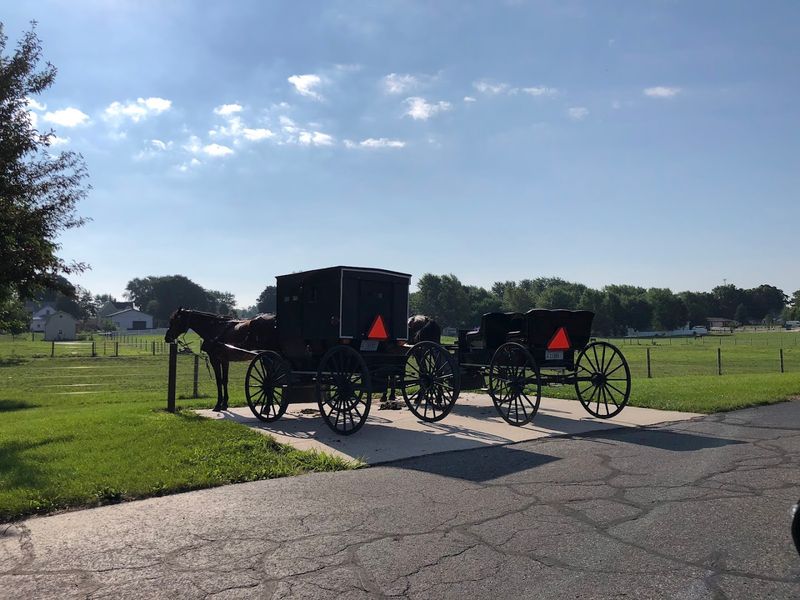
Popular media portrays rumspringa as a wild period of unrestricted freedom, but reality proves far more nuanced. This period of increased social freedom typically begins around age sixteen and continues until marriage or baptism.
Young people gain latitude to socialize, attend singings, and make choices about their futures, though parental oversight remains significant.
Some experiment with English clothing, technology, or entertainment, but extreme behavior affects only a small minority. Most rumspringa activities involve supervised social gatherings, courtship, and gradual assumption of adult responsibilities.
Parents worry but generally trust the foundation laid during childhood to guide decisions.
The period serves as a testing ground where young people confirm their commitment to Amish life through experience rather than coercion. Approximately eighty to ninety percent choose baptism and permanent community membership.
This high retention rate suggests rumspringa functions effectively as intended, allowing genuine choice while maintaining cultural continuity across generations throughout Pennsylvania’s Amish settlements.
Amish Women’s Roles: A Balance Of Tradition And Empowerment
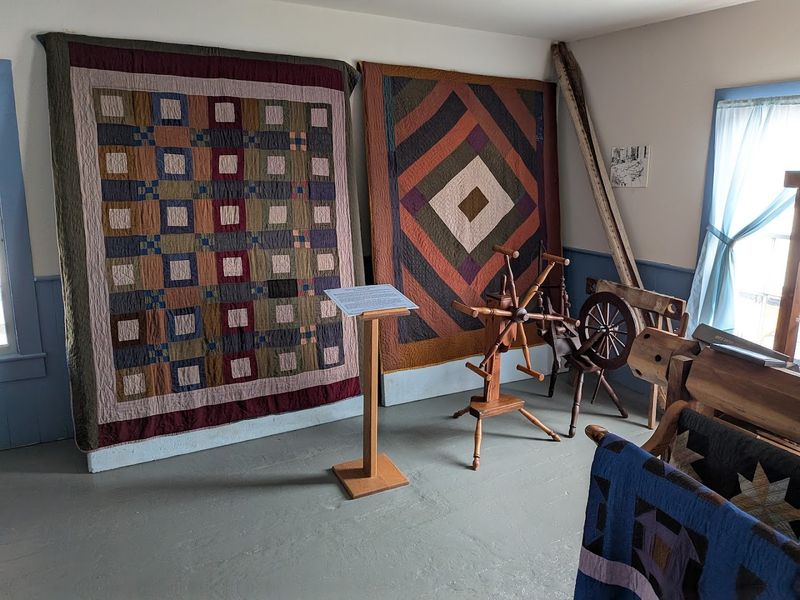
Feminist critics often view Amish women as oppressed, but many Amish women themselves reject this characterization entirely. Traditional gender roles define clear responsibilities, with women managing households, gardens, and often substantial home-based businesses.
These economic contributions provide real influence within families and communities, even if formal church leadership remains male.
Quilting circles, canning operations, and baking enterprises generate significant income while allowing women to work from home. Many Amish women run successful roadside stands, bakeries, or craft businesses that support their families financially.
The domestic sphere carries genuine status and respect rather than dismissal as lesser work.
Education levels match those of Amish men, and women participate actively in community decisions affecting children and households. The system differs dramatically from mainstream American feminism but provides satisfaction and purpose for many participants.
Outsiders who assume oppression often project their own values rather than listening to Amish women’s actual experiences and perspectives about their roles.