
The Underrated Wisconsin Lake With 233 Miles Of Shoreline And Barely Any Crowds
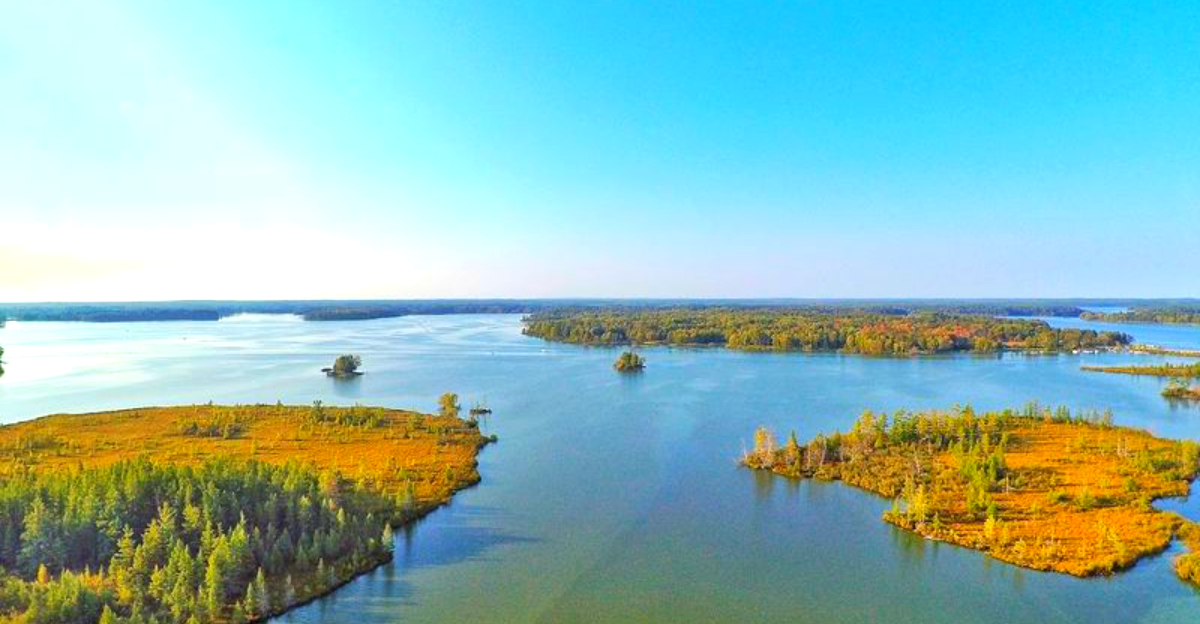
There is a lake getaway where the loudest interruption might be a loon calling across the water. No packed beaches. No endless parade of boats. Just wide-open views, quiet coves, and enough untouched shoreline to make a weekend feel gloriously off-grid.
How does a lake this massive still feel like it belongs to the wild? Wisconsin protects nearly all of its shoreline from development, leaving forests, islands, and hidden channels exactly where nature put them.
More than two hundred islands break up the water, creating endless places to paddle, fish, explore, or simply drift without seeing another person for a while.
This is the kind of escape that rewards slowing down. Pack a picnic, grab a kayak, and forget about checking the time. The crowds may have missed this one, but that only makes discovering it feel even better.
What Makes This Massive Wisconsin Lake So Unique
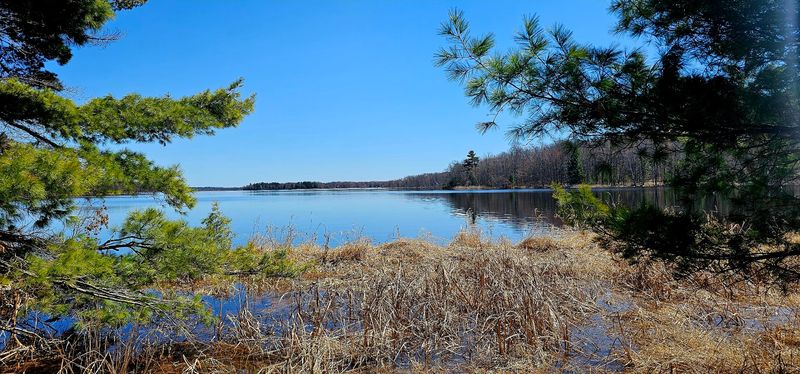
Not every lake earns a reputation like this one. The Chippewa Flowage was created in 1923 when the river was dammed, joining smaller lakes and streams into one vast waterway. That origin story still shapes what you experience today.
The result is a lake that does not look or feel like a typical Wisconsin lake. You will find bogs, narrow channels, open water stretches, and forested islands all packed into one address. The variety of terrain makes exploring here feel almost endless.
Because the flowage was formed by damming, its shoreline twists and turns in unexpected ways. You can spend an entire day on the water and still discover a cove or channel you have never seen before. That sense of discovery keeps people coming back year after year.
Located near Hayward in Sawyer County, this lake sits within a region known for its northwoods character. The surrounding forests are thick with pine and hardwood, and wildlife sightings are common along the water’s edge.
Bald eagles, osprey, loons, and white-tailed deer are regular visitors to the shoreline. The Chippewa Flowage is not just big. It is genuinely wild in a way that most lakes simply cannot offer anymore.
233 Miles Of Shoreline And What That Really Means For You
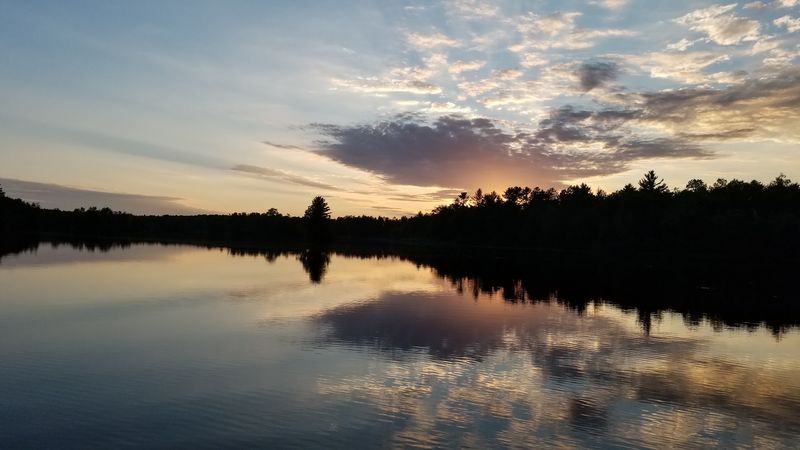
Numbers on a map do not always translate to real-world experience, but 233 miles of shoreline absolutely does. To put that in perspective, that is more shoreline than some Great Lakes bays offer to recreational visitors.
Spread across that distance, you will find quiet coves, open water, marshy edges, and rocky points.
What that means practically is that you will rarely feel boxed in. Even on a summer weekend, the sheer size of the flowage absorbs boat traffic in a way that smaller lakes simply cannot. You can anchor in a quiet bay and feel completely alone with the water and trees around you.
The protected shoreline plays a huge role in this experience. Because development is limited to just 10 percent of the total shoreline, most of what you see from the water looks the same as it did decades ago. That kind of visual continuity is rare and genuinely refreshing.
Paddlers especially appreciate the undeveloped edges. Kayakers and canoeists can hug the shoreline for miles without passing a single dock or cabin. The shoreline here is not just a number. It is an invitation to explore at your own pace.
Fishing On The Flowage Is A Whole Different Experience
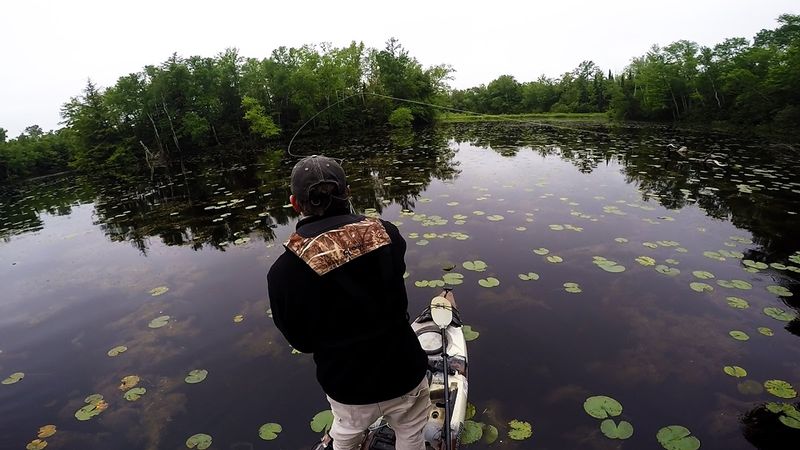
Anglers who have fished the Chippewa Flowage tend to talk about it with a certain kind of reverence. The lake has long been known as one of Wisconsin’s top muskie fisheries, drawing serious anglers from across the Midwest every season.
The flowage’s complex structure gives muskies plenty of places to hold and hunt.
Beyond muskie, you will find walleye, largemouth and smallmouth bass, northern pike, panfish, and crappie throughout the flowage. The variety of habitat means different species thrive in different areas, so your strategy shifts depending on where you are on the water.
The bogs and marshy areas along the shoreline create natural ambush zones for predatory fish. Casting along the edge of a bog with heavy vegetation can produce strikes that feel almost electric.
Many anglers say the flowage rewards patience and local knowledge more than raw gear or technique.
First-time visitors often benefit from hiring a local guide. The network of channels and hidden bays can be confusing, and a guide keeps you fishing productive water instead of getting turned around. Wisconsin fishing licenses are required and available online or at local outfitters.
The fishing here is not just good. It is the kind of good that makes you rearrange your calendar to come back.
Over 200 Islands To Explore By Boat Or Kayak
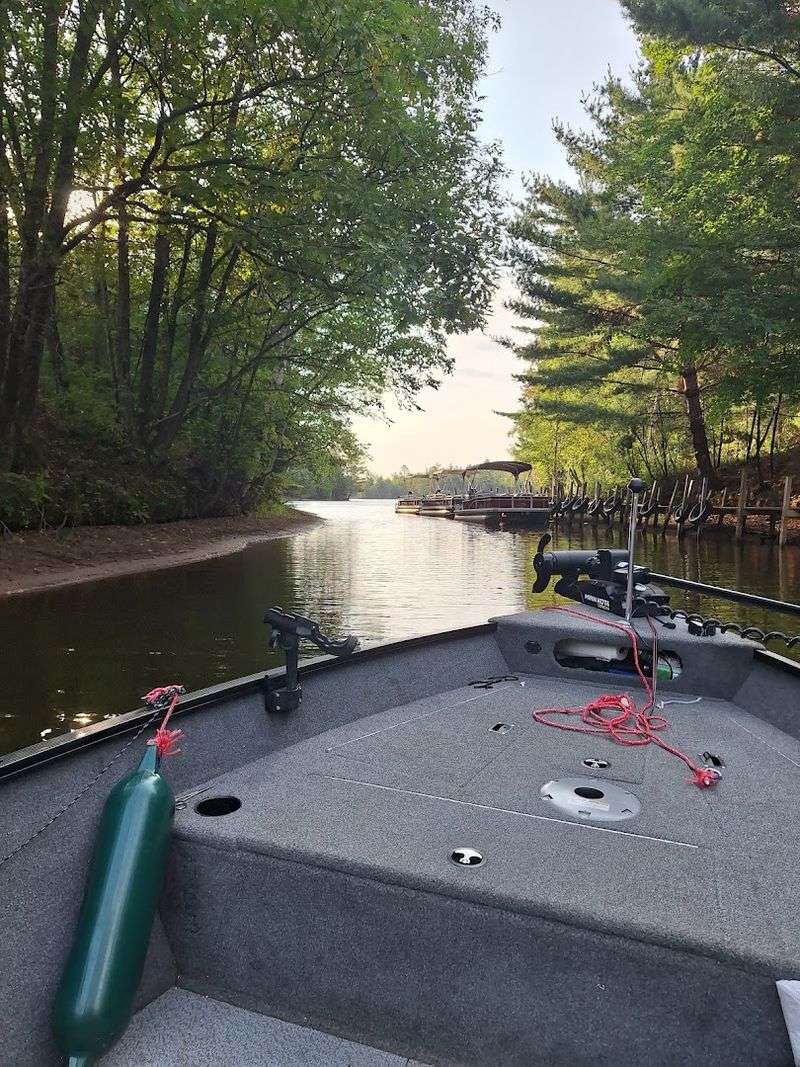
Two hundred islands scattered across one lake sounds almost impossible until you are actually out there navigating between them. The islands range from tiny tree-covered outcroppings to larger landmasses with sandy beaches and shaded interiors worth exploring.
Many of the islands are publicly accessible, making them ideal stopping points for boaters and paddlers looking to stretch their legs or have a shoreside lunch. You do not need a reservation or a permit to pull up to most of them. Just tie off your boat and walk around.
Kayakers particularly enjoy island-hopping on calm mornings when the water is flat and the light is soft. Moving from island to island at a slow pace gives you a chance to notice wildlife, study the vegetation, and appreciate just how undisturbed this place really is.
It feels more like exploring than recreating.
Camping on some of the islands is also possible, which opens up a completely different way to experience the flowage. Falling asleep to the sound of loons calling across the water is the kind of memory that sticks with you.
Bring your own supplies, because services are limited once you are out on the water. Each island has its own personality, and finding your favorites becomes part of the fun.
Why The Crowds Simply Never Show Up Here
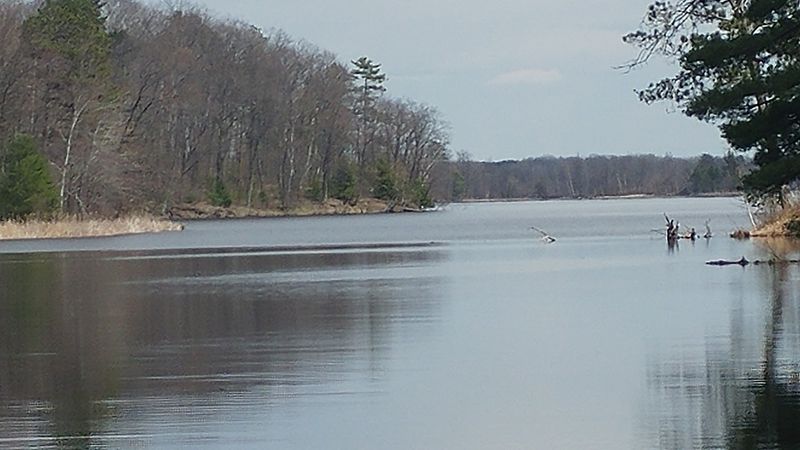
It is genuinely surprising that a lake this size stays this uncrowded. Part of the answer lies in geography.
The Chippewa Flowage sits in a remote stretch of northern Wisconsin, far enough from major population centers that casual day-trippers rarely make the drive. Getting here requires intention.
The development restrictions also play a role. Because only 10 percent of the shoreline can be developed, fewer cabins, docks, and resorts surround the lake than comparable Wisconsin lakes. Fewer facilities mean fewer people who feel drawn to visit without doing some research first.
The complexity of the flowage itself filters out visitors who want simple, easy lake access. The maze of channels, bogs, and open water sections rewards those who come prepared and take time to learn the lake.
That natural learning curve keeps casual crowds from overwhelming the experience.
Even during peak summer weeks, you can find stretches of open water where you will not see another boat for long periods. That breathing room is increasingly rare on popular Wisconsin lakes, making the Chippewa Flowage feel genuinely special.
The solitude here is not accidental. It is baked into the lake’s character and location, and it is one of the best things about coming here.
Wildlife And Natural Beauty Along Every Stretch Of Water
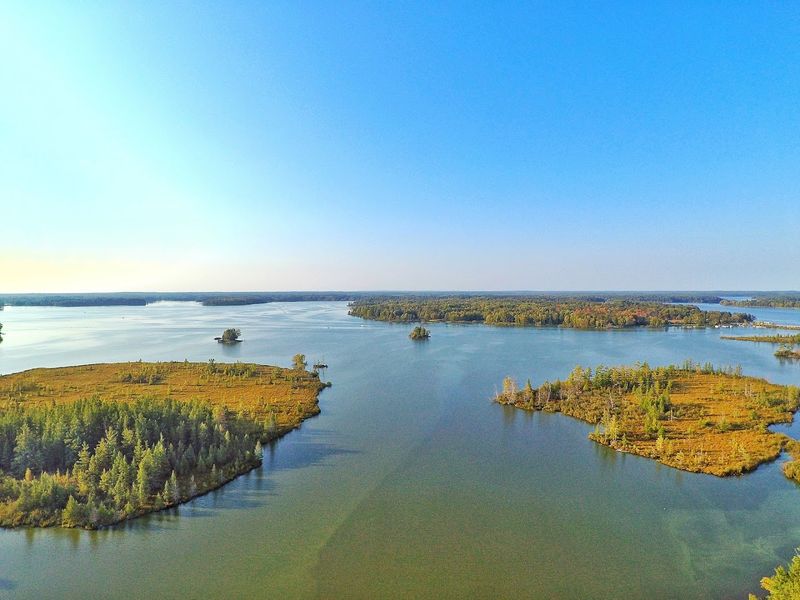
Few lakes in the Midwest offer wildlife viewing as consistently rewarding as what you find on the Chippewa Flowage. Undeveloped shoreline, wetlands, and northwoods forest create a habitat corridor supporting diverse species year-round.
Bald eagles are common here and can often be spotted perched in tall pines along the water’s edge or circling overhead in the morning. Loons nest on the flowage and call at dusk and dawn, while great blue herons patiently wade the shallow bays.
White-tailed deer, river otters, and black bears also inhabit the surrounding forest and occasionally appear near the shoreline. Spotting an otter along a bog while fishing creates a memorable moment beyond the catch itself.
Fall brings a dramatic shift to the landscape. The hardwoods around the flowage turn gold, orange, and red, and the reflection on the calm water can be absolutely stunning. Many people consider autumn the best season to visit for scenery, even above the summer months.
Nature here does not feel like a backdrop. It feels like the whole point of being on the water.
Seasonal Activities That Go Far Beyond Summer Fishing
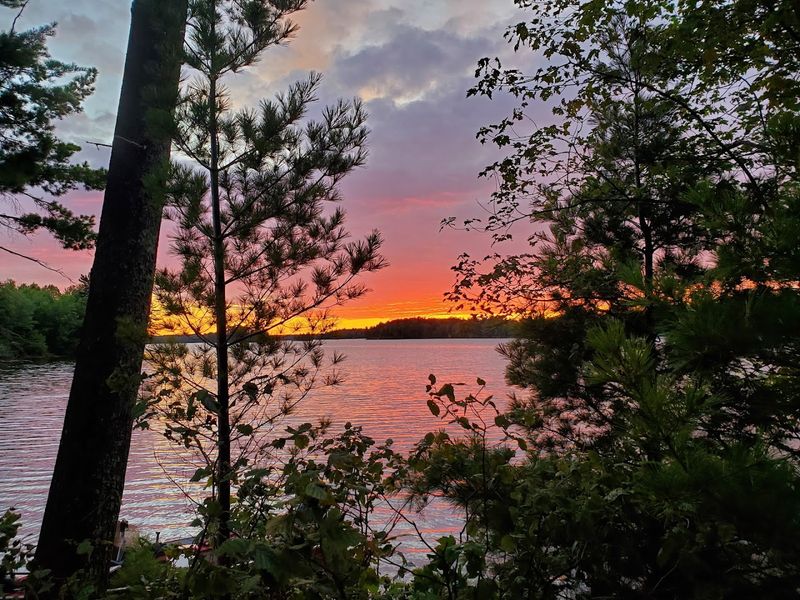
The Chippewa Flowage is not a one-season destination. Each time of year brings a different version of the lake, and regulars often have strong opinions about which season they prefer.
Spring arrives with open water and active fish, making it a favorite for anglers targeting walleye and northern pike coming off their winter patterns.
Summer opens up the full range of activities. Boating, water skiing, tubing, swimming, kayaking, and fishing all happen simultaneously across the lake’s 15,300 acres.
Families find plenty to do, while uncrowded conditions let everyone enjoy activities without feeling rushed or boxed in by other boaters.
Fall is the season that surprises most first-time visitors. Foliage peaks in late September and early October, while cooler temperatures make paddling and hiking especially comfortable. Muskie fishing also heats up in fall as fish feed aggressively before winter.
Winter transforms the flowage into an ice fishing destination. Anglers drill through several feet of ice to target walleye, perch, and northern pike during the cold months. Ice fishing shanties dot the frozen surface, and the quiet of a winter morning on the flowage has its own distinct appeal.
No matter when you visit Wisconsin, the Chippewa Flowage has something worth showing you.
How To Plan The Perfect Lakeside Escape
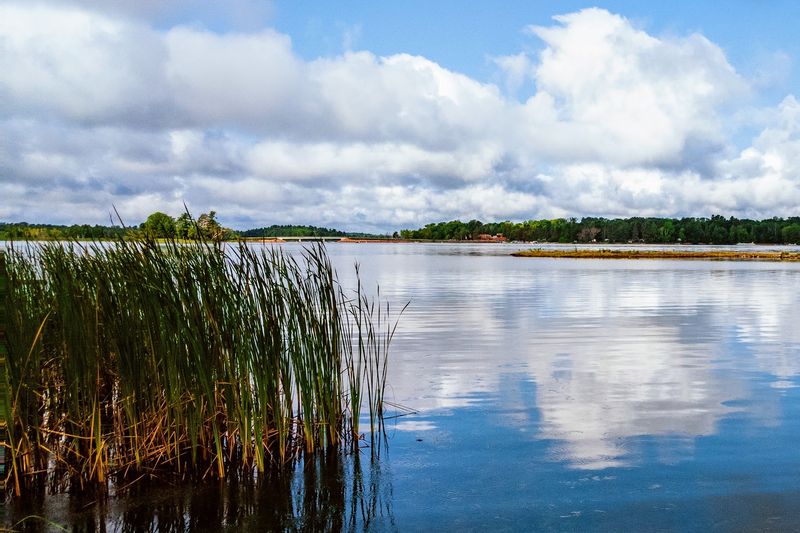
Getting to the Chippewa Flowage is straightforward once you know where you are headed. The main access point is located at N County Rd CC, Hayward, WI 54843. Public boat launches access the full flowage, while nearby outfitters rent boats, kayaks, and fishing gear.
Hayward serves as the closest full-service town and offers lodging, restaurants, and supply shops within a short drive of the water. Book accommodations early for summer and fall, as loyal repeat visitors often plan months ahead.
If you plan to fish, make sure your Wisconsin fishing license is current before you launch. Regulations on the flowage can be specific, particularly for muskie, so checking the Wisconsin DNR website for current rules before your trip is always a good idea.
Catch-and-release practices are widely followed by local anglers and help maintain the fishery.
For paddlers, bringing a detailed map or loading offline GPS maps before heading out is strongly recommended. The flowage’s network of channels and islands can disorient even experienced boaters without some navigational reference.
A visit here rewards preparation. The more you know going in, the more you will get out of every hour you spend on this remarkable Wisconsin lake.