
The Utah Hidden Meadow That Offers One Of The Most Peaceful Hikes In The Rockies
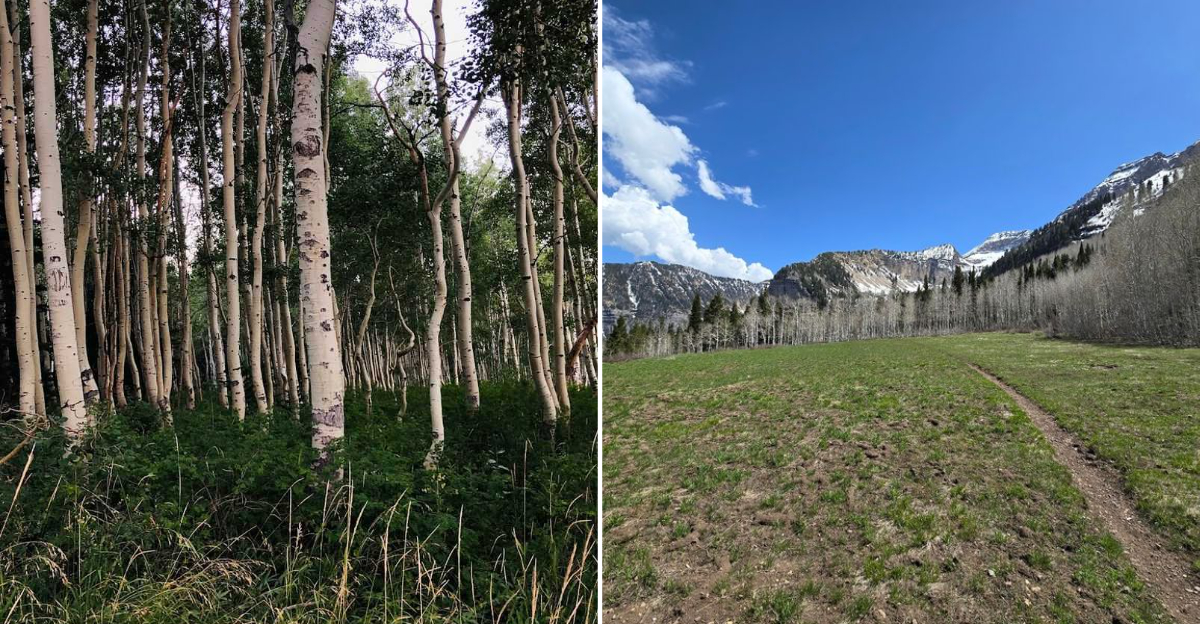
Without warning the meadow opens after a long stretch of dense trail. That transition stops most hikers mid-step before they’ve processed what just changed.
Dramatic landscapes that announce themselves from miles away exist throughout the Rockies.
This one operates on an entirely different frequency, arriving quietly. It settles into something most visitors describe as the most peaceful hour they’ve spent outdoors in years.
Wildflowers run the full length of the season here. The silence holds in a way that exposed ridgelines and canyon floors never quite manage.
Utah keeps this one closer than most of its celebrated outdoor destinations. A meadow that earns its place not through scale or spectacle but through the specific quality of stillness it produces in whoever finds it.
Scenic Flora And Fauna Of The Hidden
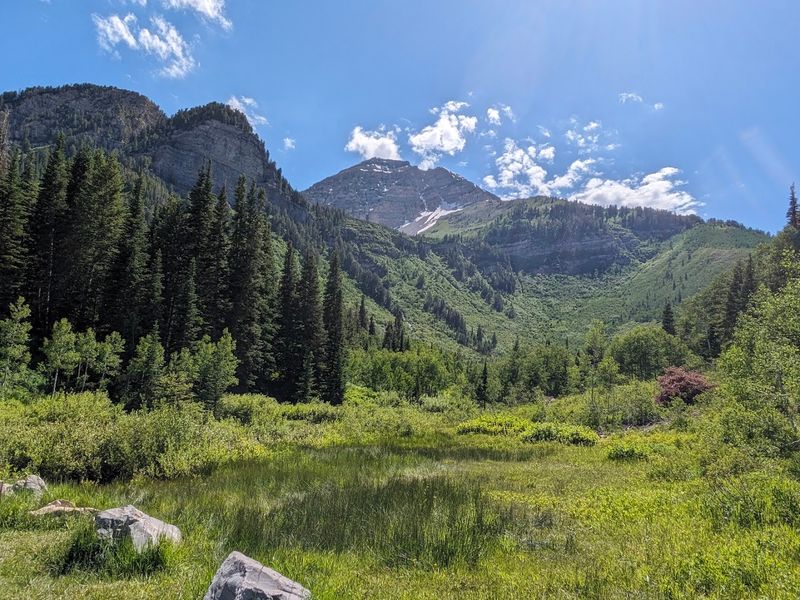
This meadow earns its name with a landscape that feels almost too beautiful to be real. The trail winds through shaded aspen groves before opening into a wide, grassy meadow.
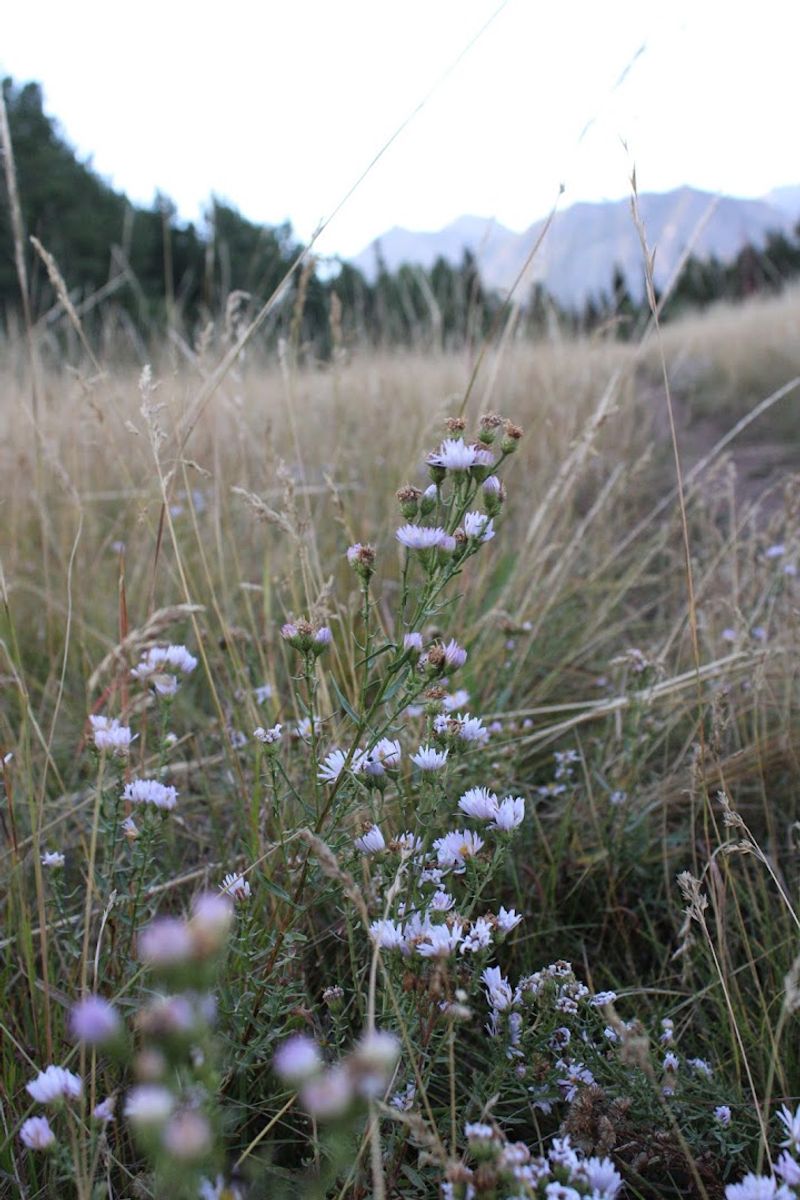
Wildflowers bloom in brilliant patches during early summer. The colors range from deep purple to bright yellow.
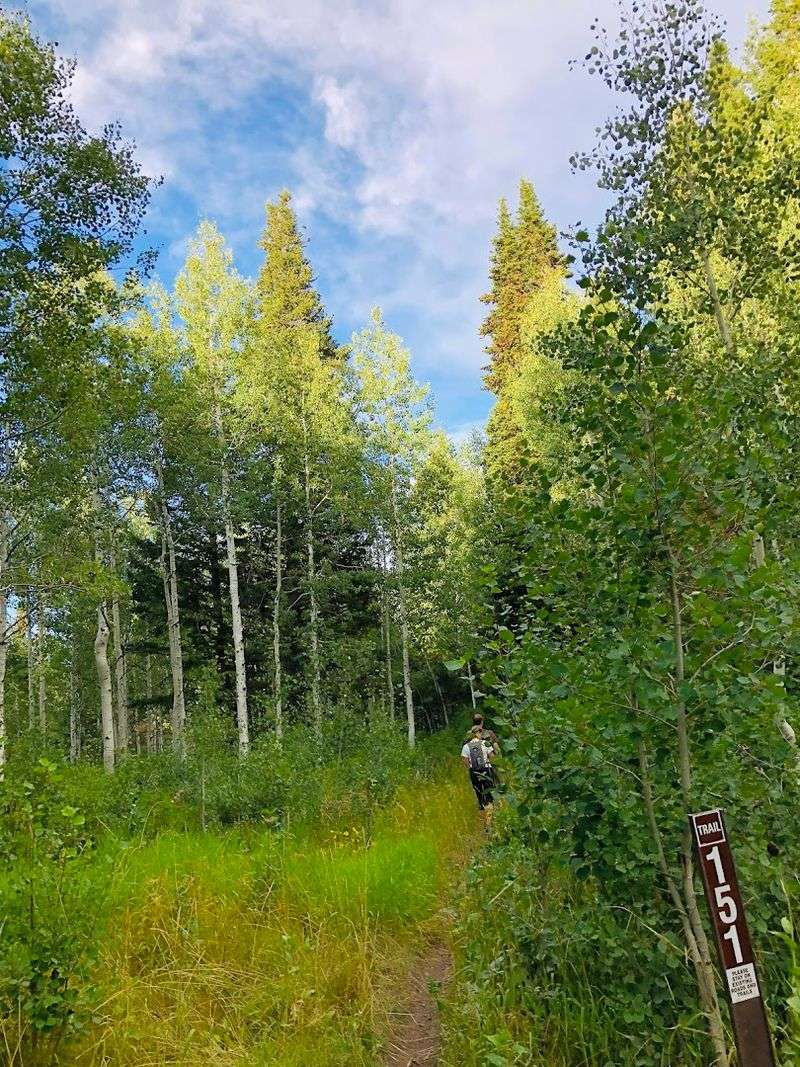
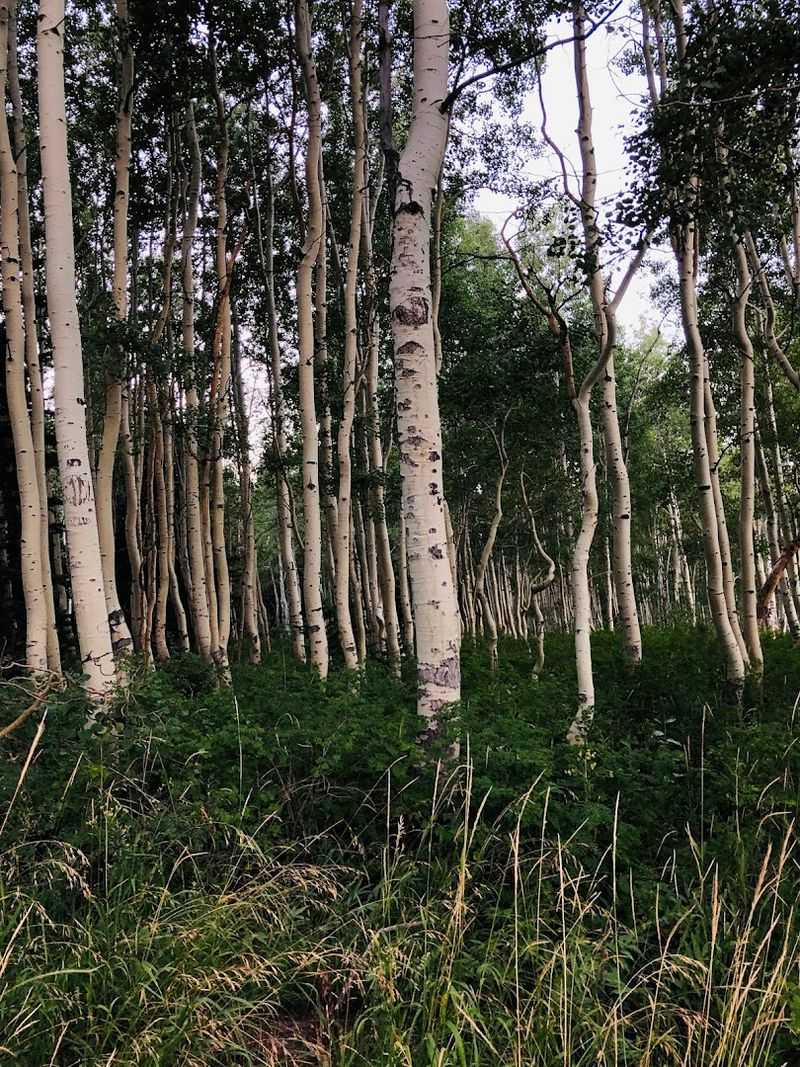
Aspen trees line much of the Timpooneke-Chris Flat Trail corridor. Their leaves shimmer and flutter with every breeze, creating a natural sound that is oddly calming.
Pine trees fill in the gaps, adding a rich, earthy scent to the whole experience. The forest feels alive in the best possible way.
Look down at your feet occasionally. Tiny alpine plants grow close to the ground, surviving harsh winters and short growing seasons.
The meadow grass itself is lush and soft-looking, especially in June and July. It really does look like something out of a movie set.
The flora here reflects the high-elevation ecosystem of the Wasatch Mountains. Everything grows with purpose and resilience.
American Fork Canyon supports a wide variety of plant species across its elevation range. You will notice the landscape shift noticeably as you climb higher on the trail.
The address for this trailhead is Timpooneke-Chris Flat Trail, Provo, UT 84604. Plan your visit early in the season for the most vibrant floral display.
The meadow rewards patient, observant hikers every single time.
Best Times Of Year For Quiet Hiking Experiences
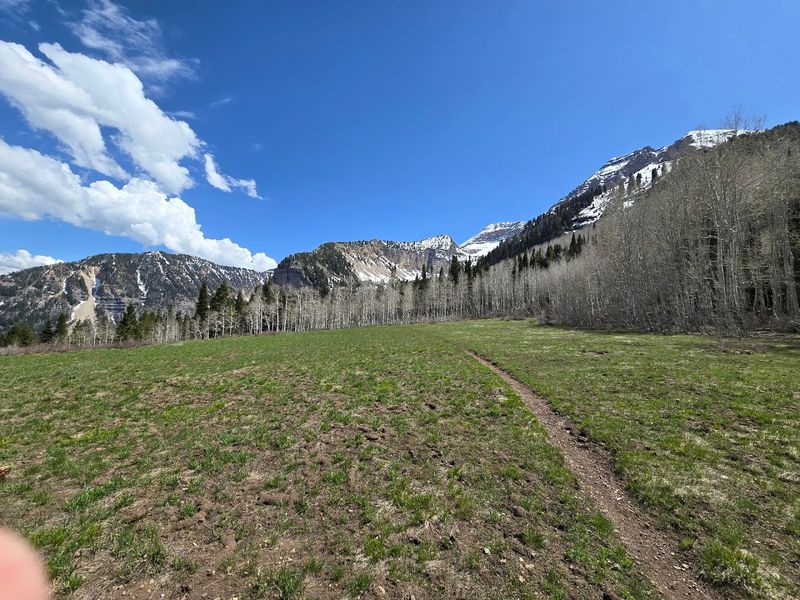
Early summer is the golden window for visiting Julie Andrews Meadow. The meadow turns a vivid, saturated green that almost looks fake.
Wildflowers are at peak bloom from late June through mid-July. Snow patches near Mount Timpanogos add a dramatic contrast to all that green.
Fall is equally worth your time. Aspen trees shift into shades of gold, orange, and amber throughout September and October.
The crowds thin out noticeably after Labor Day. You get the trail largely to yourself, which makes the whole experience feel more personal.
Weekday mornings are consistently quieter than weekend afternoons. Arriving before 9 AM gives you the best chance at a calm, unhurried hike.
The trail hours run from 8 AM to 4:30 PM on weekdays. Plan accordingly so you have enough time to enjoy the meadow without rushing.
Midweek visits in late September hit a perfect balance. The air is crisp, the light is warm and golden, and the foliage is at its most dramatic.
Bugs are also far less of a problem by then. Bring a light jacket because temperatures drop fast once the sun shifts.
Winter access is limited, and the trail is generally not maintained for snow travel. Summer and fall remain the two most rewarding seasons.
Each offers a completely different but equally stunning version of the same beautiful landscape.
Trail Difficulty And What To Expect On Foot
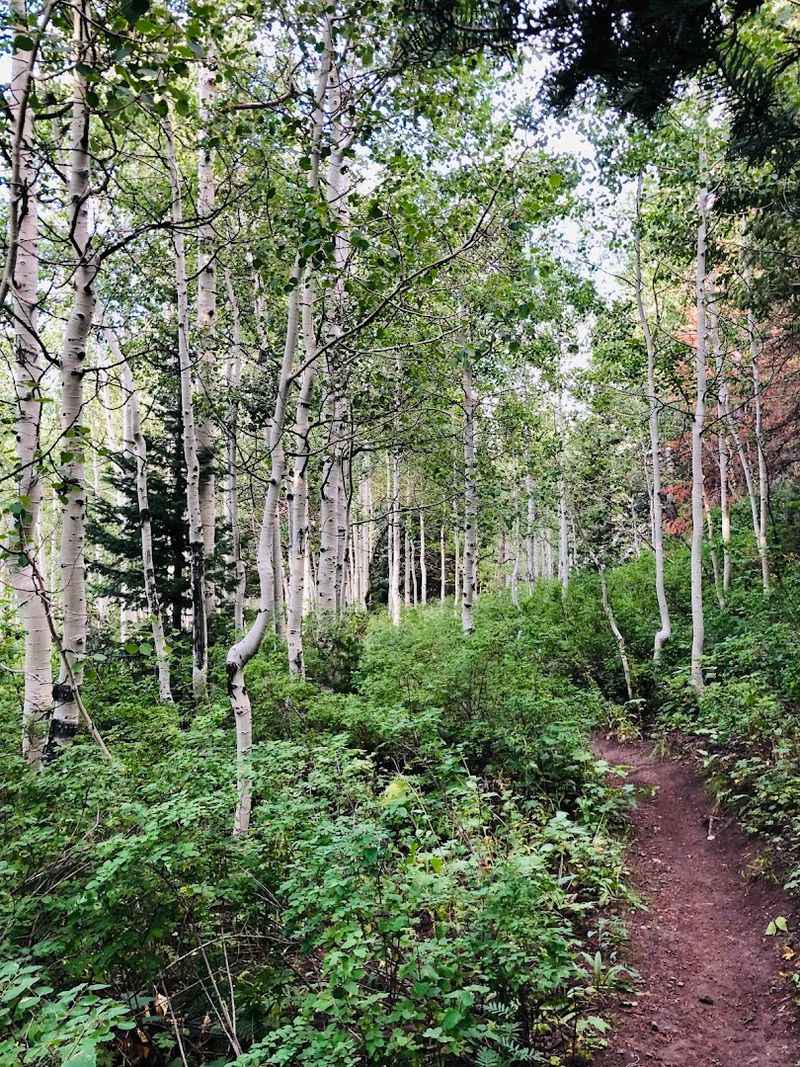
The Timpooneke-Chris Flat Trail is rated moderate, which is a fair and honest description. Most reasonably fit hikers will handle it without major trouble.
The round trip comes in at roughly 4 miles from the Timpooneke Trailhead. Elevation gain sits around 1,100 feet, so expect a real workout.
Some sections of the trail get rocky and uneven underfoot. Solid footwear makes a noticeable difference on those stretches.
The path includes a few switchbacks that help manage the steeper portions. Nothing here feels technical or dangerous, just steady and purposeful climbing.
Families with kids hike this trail regularly. Children who are comfortable with moderate terrain and longer walks do well here.
Dogs are welcome and often seen on the trail off-leash. Just keep an eye on smaller dogs near rocky drop-offs.
The hike typically takes between two and three hours round trip. That estimate includes time to stop, breathe, and actually look around.
Do not rush through the aspen groves. They are worth slowing down for, especially when the light hits them at a low angle.
Shade is plentiful along much of the route, which is a genuine blessing on warm days. The final stretch opening into the meadow feels like a well-earned reveal.
You climb through forest, and then suddenly the whole sky opens up. That moment never gets old, no matter how many times you make the trip.
Wildlife Watching Opportunities Along The Path
Wildlife sightings on this trail are common enough to stay alert, but never guaranteed. That uncertainty is actually part of the fun.
Mule deer are frequent visitors to the meadow and the surrounding forest. They tend to appear in the early morning and near dusk.
Smaller mammals are everywhere once you start paying attention. Chipmunks dart across the trail constantly, which kids absolutely love.
Ground squirrels pop up near rocky outcroppings along the path. Watch for their quick, nervous movements near the trailside boulders.
Birds are a highlight of the Timpooneke corridor. Mountain chickadees, Steller’s jays, and various woodpeckers are regulars in the aspen and pine zones.
Bring binoculars if birdwatching interests you. The tree canopy is dense enough to hide some genuinely impressive species.
Elk have been spotted in the broader American Fork Canyon area, though meadow sightings are less predictable. Keep noise low and movement slow if you want the best chances.
Wildlife here is wild and unpredictable, which is exactly how it should be. Respect the animals by keeping a distance and never feeding them.
The meadow itself acts as a natural gathering point for many species. An open grassland surrounded by forest creates an ideal edge habitat.
That combination draws a wide range of animals throughout the day. Morning hikers consistently report the most active wildlife encounters on this trail.
Preparing For Weather Variations In The Rockies
Mountain weather in Utah changes fast and without much warning. One clear morning can turn into an afternoon thunderstorm before you finish lunch.
The Wasatch Range is particularly known for rapid weather shifts. Always check the forecast before leaving the trailhead parking area.
Afternoon thunderstorms are most common between July and August. They typically build between noon and 3 PM.
Getting caught above the tree line during lightning is genuinely dangerous. Start your hike early to reach the meadow and return before storm windows open.
Temperature swings of 20 to 30 degrees within a single day are normal at this elevation. What feels warm at the trailhead can feel quite cold at the meadow.
Layering is the most practical approach to managing this. A lightweight insulating layer takes almost no space in a pack.
Rain gear is worth carrying even on days that look completely clear. A compact rain jacket weighs almost nothing and solves a lot of problems.
Wet trails become slippery, especially on rocky sections. Waterproof footwear or trail shoes with good grip help a lot in those conditions.
Snow is possible at the higher elevations even in early summer. Patches near Mount Timpanogos sometimes linger well into July.
Do not let that discourage you. Snow patches add visual drama to the meadow and make for great photographs on a clear day.
Essential Gear For Peaceful Outdoor Excursions
Good gear does not have to be expensive to be effective. A well-fitted daypack in the 20 to 25 liter range handles everything you need for this trail.
Comfort matters more than brand name when you are covering 4 miles of elevation change. Test your pack before the trip, not on it.
Water is non-negotiable. Carry at least two liters per person for the full round trip.
Hydration packs make drinking while walking easier and encourage consistent intake. Dehydration at elevation hits harder and faster than most people expect.
Trekking poles are optional but genuinely useful on the rocky sections. They reduce knee strain on descents and improve balance on uneven ground.
Collapsible poles pack down small and add almost no weight. First-time users usually convert quickly after one steep downhill stretch.
Sun protection is easy to overlook at the trailhead but hard to ignore on the open meadow. Sunscreen, sunglasses, and a hat are basics worth packing every time.
UV exposure increases significantly at higher elevations. A broad-brim hat does double duty against both sun and unexpected light rain.
Snacks fuel the experience in more ways than one. Trail mix, energy bars, and fruit keep energy levels steady on the climb.
Eat before you feel hungry rather than after. A small first aid kit rounds out the essentials without adding meaningful weight to your pack.
Preserving Natural Beauty Through Responsible Hiking
Julie Andrews Meadow stays beautiful because people care enough to treat it well. That is not an accident.
Leave No Trace principles apply to every section of the Timpooneke-Chris Flat Trail. Following them is straightforward and genuinely makes a difference.
Stay on the marked trail at all times. Cutting switchbacks or stepping into the meadow grass causes erosion and damages root systems.
The ground here looks tough, but it is actually fragile at the surface level. One shortcut repeated by hundreds of hikers creates lasting damage.
Pack out everything you bring in. That includes food wrappers, fruit peels, and dog waste bags.
Trash left on the trail does not decompose quickly at this elevation. Even organic waste like apple cores takes longer to break down than most people realize.
There is a small fee to enter American Fork Canyon. Annual AF Canyon passes and National Park passes are accepted at the gate.
Weekend and holiday parking between July and October may require a permit. Check the Uinta-Wasatch-Cache National Forest website before heading out.
Wildflowers are protected in this area. Do not pick them, no matter how tempting.
Photograph them instead, and the memory lasts longer anyway. Responsible hiking is less about sacrifice and more about making choices that keep places like this accessible for everyone who comes after you.
Photography Tips For Capturing Tranquil Landscapes
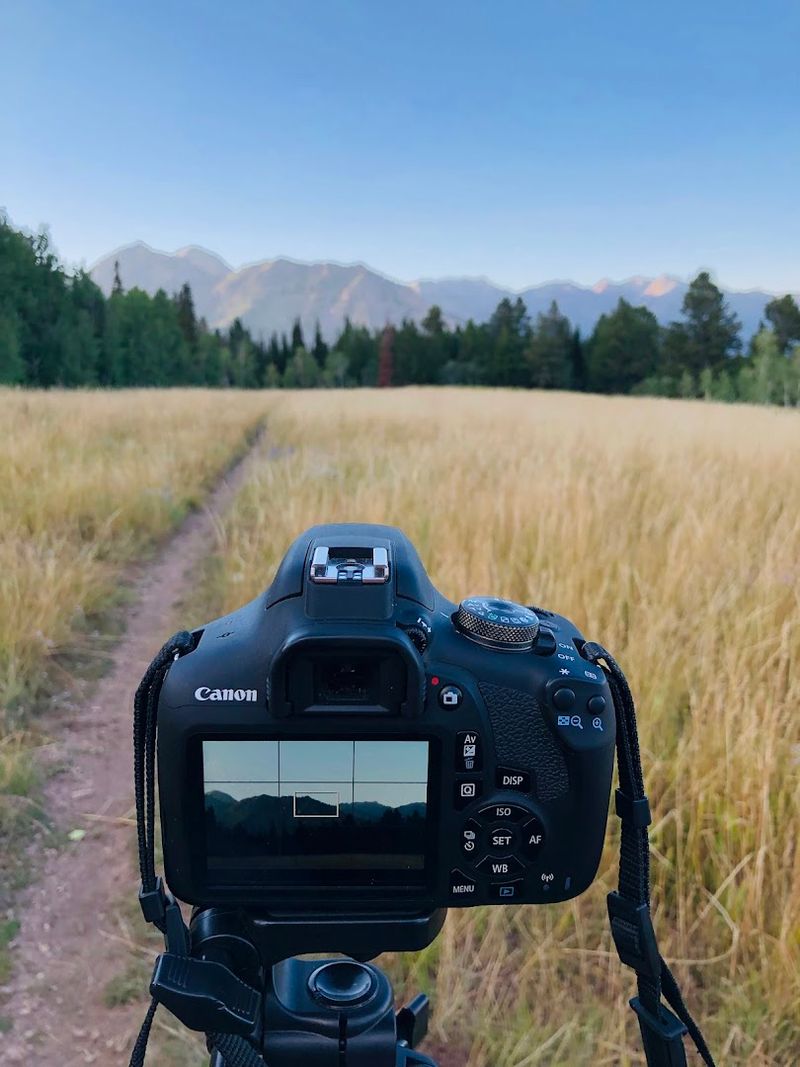
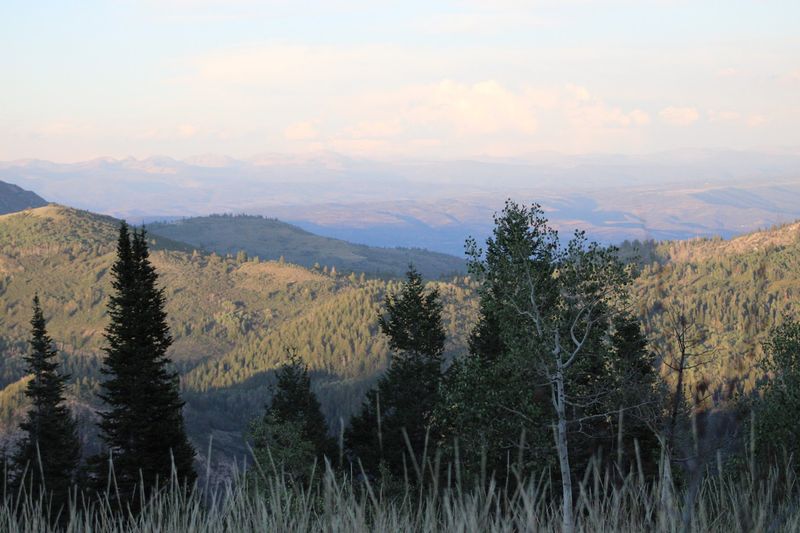
Julie Andrews Meadow is genuinely one of the most photogenic spots in the Wasatch Range. The wide open foreground paired with mountain peaks in the background creates natural depth.
Golden hour light, roughly one hour after sunrise, transforms the meadow into something extraordinary. Plan your arrival accordingly if photography is a priority.
Wide-angle lenses work beautifully here. They capture the full sweep of the meadow without compressing the sense of space.
A polarizing filter cuts glare on bright days and deepens the blue of the sky. Both are worth having in your kit for this location.
Aspen groves along the trail offer a completely different shooting environment. The vertical lines of white trunks create natural leading lines.
Shoot upward through the canopy for abstract, layered compositions. Early morning fog in the trees adds a moody quality that midday light simply cannot replicate.
Wildflower close-ups reward patience and a macro lens or close-focus setting. Get low to the ground for the most dramatic perspective.
Use a shallow depth of field to isolate individual blooms against a soft, blurred background. The results look far more intentional than a standard standing shot.
Your phone camera handles this landscape better than you might expect. Use the grid overlay to keep horizons level.
Avoid digital zoom and move your feet instead. Natural light does most of the heavy lifting at Julie Andrews Meadow, and that is a gift every photographer appreciates.