
The Water At This Spring Fed Washington Lake Is So Clear Locals Are Fighting To Preserve It
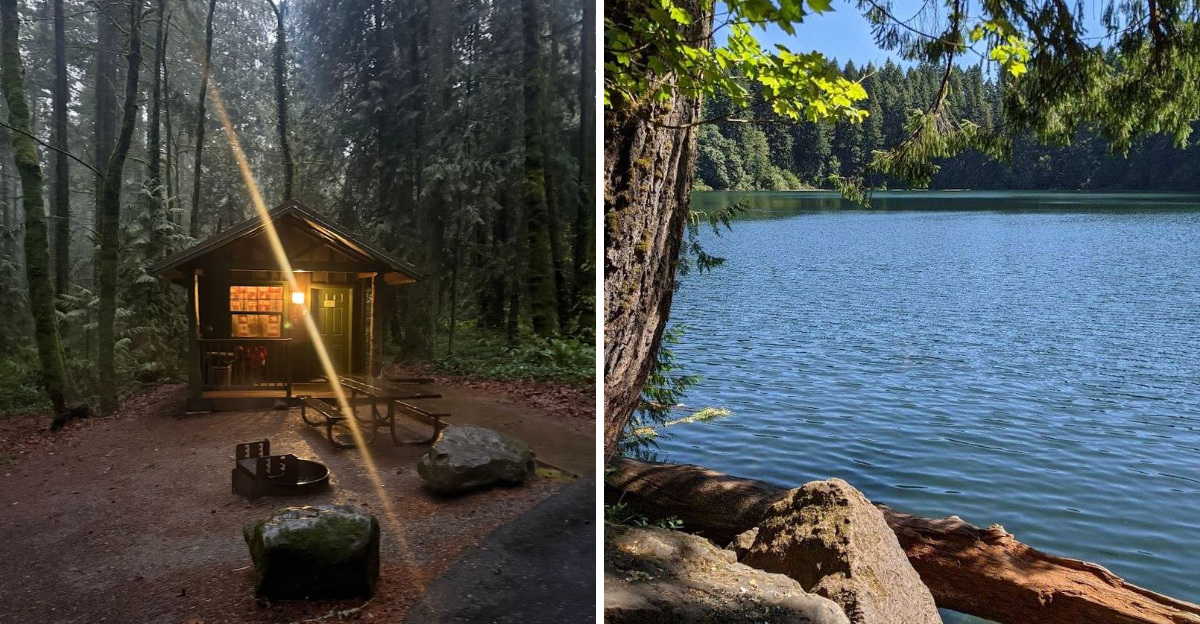
Crystal clear water like this feels almost impossible to find. Fish glide beneath the surface in full view, and swimmers pause to stare.
This lake formed inside an ancient volcanic crater, fed by natural springs deep underground. Washington holds plenty of scenic lakes, but few carry this much raw geological drama.
Locals have spent years protecting that rare clarity, testing water and watching closely. Paddlers slice across the glassy surface in near silence, while eagles circle overhead.
Trails wind through dense evergreen forest, climbing past mossy boulders and root-covered paths. Campers return year after year for that same quiet magic.
Washington keeps plenty of quiet secrets, and this might be the best-kept one yet. A trip like this could turn into your favorite story of the year.
A Lake Born From Fire And Time
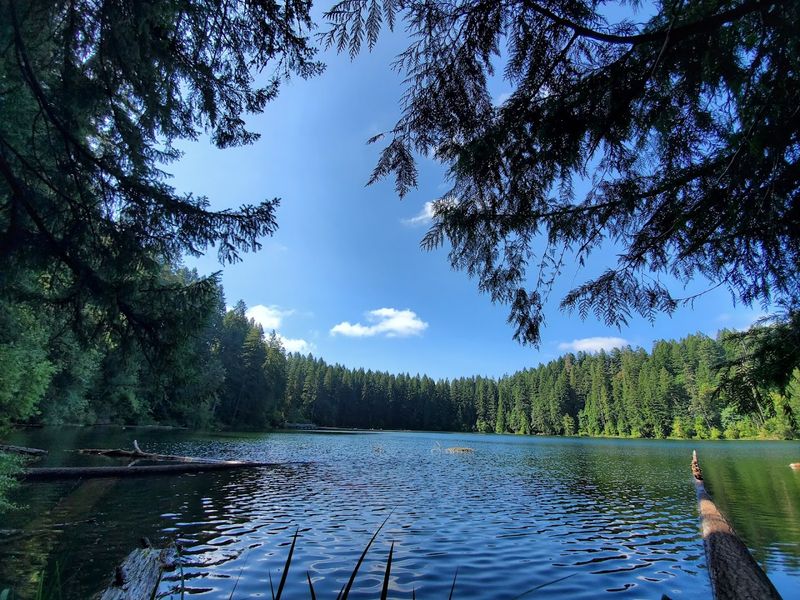
Volcanic fury created this lake, and the evidence is still written in the rock. Over 60,000 years ago, rising magma from the Boring Volcanic Field collided with an underground aquifer.
The resulting steam explosion ripped open the earth and formed a maar, a type of crater born from phreatic eruption.
Over thousands of years, fresh spring water gradually filled that ancient crater. The result is the serene, bean-shaped lake visitors see today.
Locals sometimes call it a miniature Crater Lake, and the comparison is surprisingly fitting.
Basalt boulders and volcanic ash remnants are scattered throughout the surrounding park. These geological clues tell the story of a landscape shaped by enormous force.
Washington holds many natural wonders, but few carry the raw geological drama of this spring-fed lake.
The volcanic origin also explains why the lake has no major river feeding into it. Groundwater seeping through fractured rock keeps it full and remarkably clear year-round.
That clarity is the foundation of everything that makes this place special.
The Many Names Of One Mysterious Lake
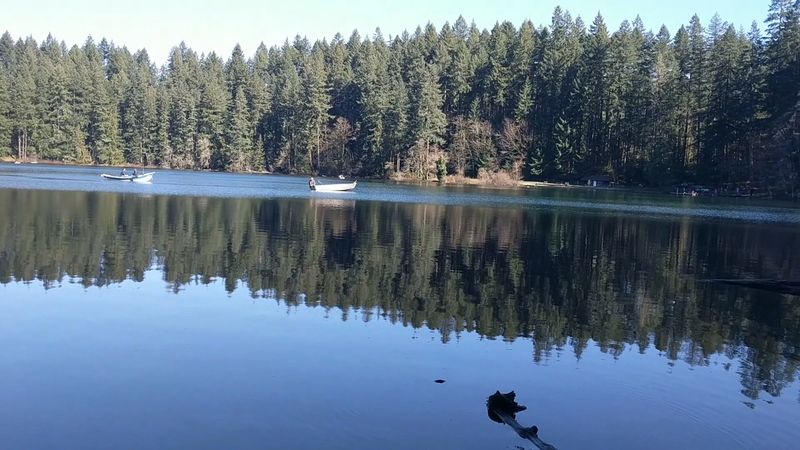
Names carry memory, and this lake has collected several over the centuries. Indigenous peoples in the area knew it as Lake Oluk, sometimes translated as Serpent Lake.
That name hints at stories and spiritual significance that predate any written record.
Early settlers called it Crater Lake and sometimes Battle Ground Crater Lake, reflecting its obvious geological character. A land development company even tried rebranding it as Shadow Lake on promotional materials, though that name never stuck.
The current name, Battle Ground Lake, references a peculiar historical footnote. In 1855, U.S.
Army soldiers and a group of Klickitat people were expected to clash near this area, but the two sides never engaged in battle, and the name commemorating that standoff remained.
Each name layers onto the last, building a portrait of a place that has meant different things to different people across generations. Washington has no shortage of historically layered landscapes, but few carry this many identities in such a compact space.
The lake holds its past quietly, like still water holding light.
Spring-Fed Clarity That Locals Will Fight To Protect
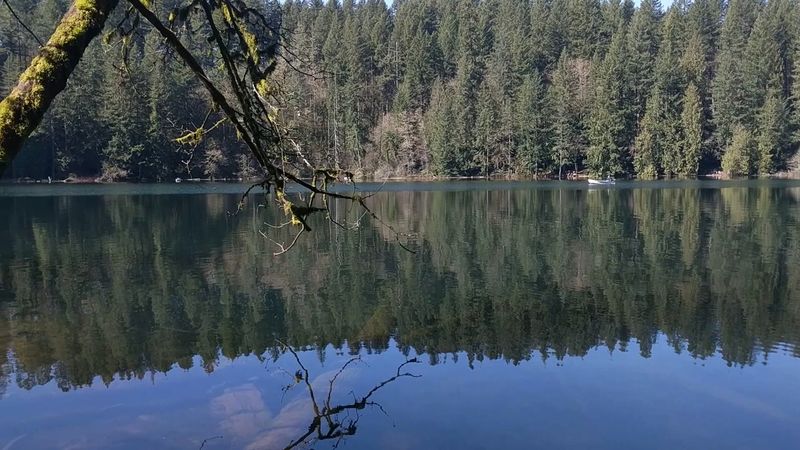
The water here does something that surprises first-time visitors. Fish are visible from the shore.
Not vaguely, not if you squint, but clearly, swimming in full detail beneath the surface. That kind of transparency is rare, and it does not happen by accident.
Continuous groundwater flow through volcanic rock filters the water naturally. No major inflow from surface runoff means fewer pollutants entering the system.
The spring-fed source keeps temperatures and chemistry relatively stable through the seasons.
Preserving that clarity requires active effort. Water quality is monitored regularly, and swim advisories are occasionally issued when E. coli levels rise during the warmer months.
Those advisories reflect a commitment to transparency in both senses of the word.
Community members, environmental advocates, and park management all play roles in keeping the lake clean. Washington residents near Battle Ground treat this water like a shared responsibility.
The fight to preserve it is not dramatic or loud. It is steady, consistent, and quietly determined, much like the springs that feed the lake itself.
Trails That Circle, Climb, And Reward
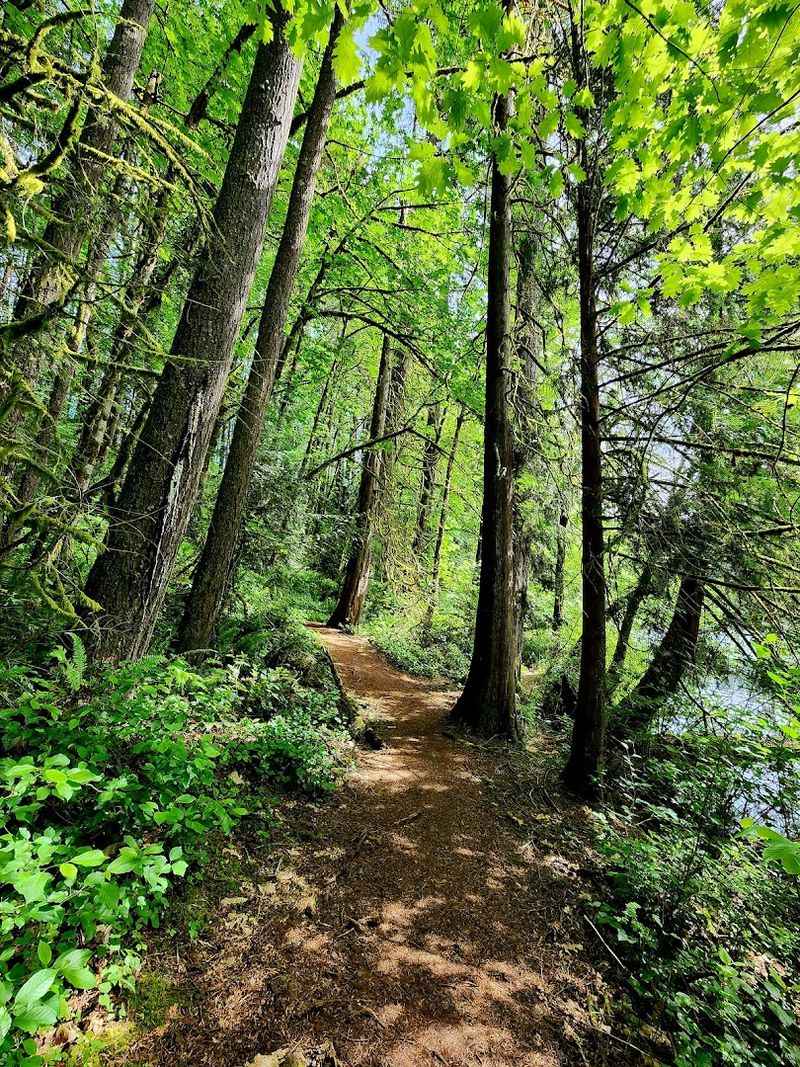
Ten miles of trails weave through this 280-acre park, offering something for nearly every pace and ability level. The one-mile Lower Lake Trail is the most popular, circling the volcanic crater and keeping the water in view for most of its length.
It is short enough for casual visitors but rewarding enough to loop twice.
The Lower Lake Trail has a feature that surprises hikers. Much of the path is built over a dense network of exposed tree roots, where soil has settled around them over decades.
It feels like walking across a living floor.
Upper trails climb into older forest and offer a different perspective on the park’s topography. Mountain bikers share equestrian trails, with the understanding that horses always have the right of way.
After rain, some sections become slippery, so shoes with solid grip are worth bringing.
Birdsong follows visitors along every path. Bald eagles, woodpeckers, owls, and waterfowl are commonly spotted.
Washington forests have a way of making silence feel full rather than empty, and these trails capture that quality completely.
Paddling The Calm Surface Of A Crater
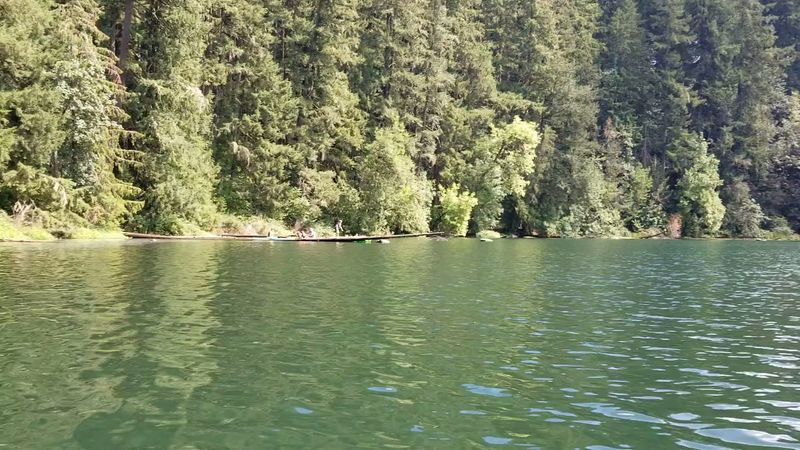
No motorized boats are allowed on Battle Ground Lake. That rule changes everything about the experience.
Without engine noise cutting across the water, the lake holds onto its quiet in a way that motorized lakes simply cannot match.
Kayaks, paddleboards, and canoes move across the surface in near silence. Rentals are available at the park store for visitors who arrive without their own equipment.
The lake is compact enough that paddlers can circle it comfortably, yet deep enough to feel genuinely immersive.
The volcanic crater shape means the shoreline curves in interesting ways. Paddlers can hug the edges, peer into the clear water below, and spot fish without needing snorkel gear.
On calm mornings, the surface reflects the surrounding fir trees so cleanly that it is hard to tell where forest ends and water begins.
Washington summers bring warm enough temperatures to make paddling genuinely refreshing rather than just scenic. The combination of still water, clear depths, and forested surroundings makes this one of the more memorable paddle experiences in the region.
Fishing In A Well-Stocked Volcanic Bowl
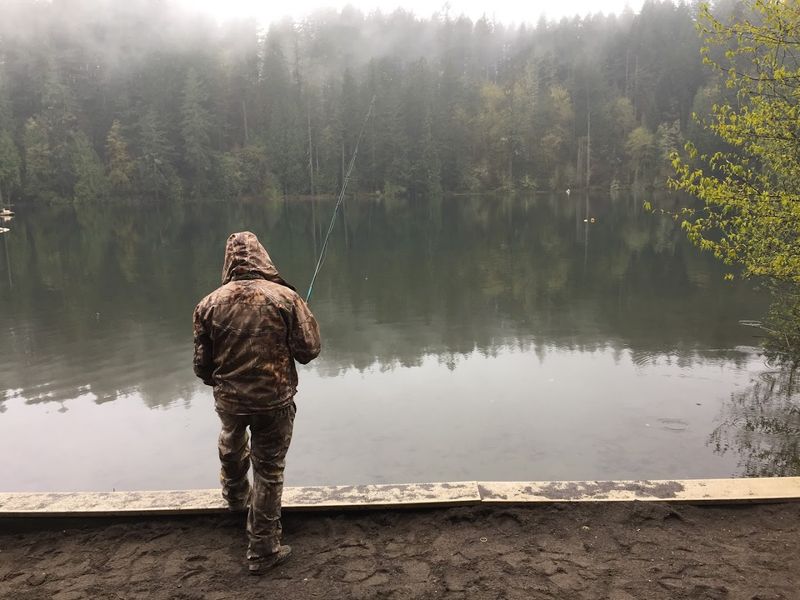
Anglers return to this lake season after season, and the fish population gives them good reason. Rainbow trout are regularly stocked, making the lake a reliable destination for those chasing a catch rather than just a cast.
Bass, crappie, and catfish round out the variety available to patient fishers.
The lake is small, which means fishing spots fill up during peak hours. The main dock area sees the most activity, and during busy summer weekends, lines can get crowded.
Weekday visits offer a noticeably quieter and more spacious experience.
One practical note worth keeping in mind: submerged branches and logs are common near the edges. Lines snag with some regularity, so bringing extra tackle is a smart move.
The natural debris is part of the ecosystem, not a sign of neglect.
Washington fishing regulations apply here, and a valid fishing license is required for anyone of appropriate age. The lake’s clarity means fish are sometimes visible before the cast is even made, which adds an unusual and satisfying dimension to the whole experience.
Camping Where The Forest Meets The Crater
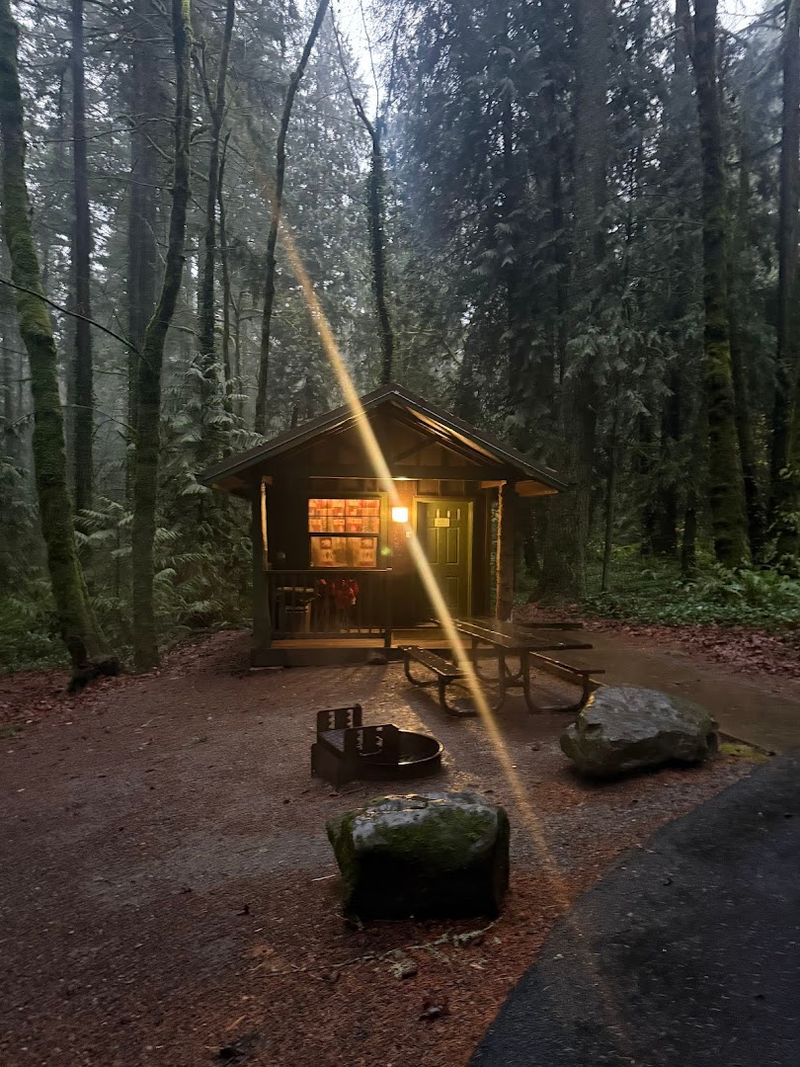
Spending a night here shifts the experience entirely. The park offers a range of camping options that cover most preferences without overcomplicating the choice.
Standard tent sites, partial hookup sites for RVs up to 35 feet, and primitive hike-in spots give visitors real flexibility.
Four reservable cabins provide a more comfortable base. Each cabin comes with heat, lighting, bunk beds, and a futon, making them appealing for families or visitors who want shelter without sacrificing the outdoor atmosphere.
Certain cabins are pet-friendly, which is worth noting for travelers with dogs.
Equestrian campsites with corrals and water access serve visitors who arrive on horseback. Modern restrooms with hot showers and an RV dump station keep the campground functional and clean.
The facilities consistently earn praise from visitors who expect state park basics and find them genuinely well-maintained.
Reservations are strongly recommended for summer stays, especially for cabins. Washington summer weekends fill quickly, and arriving without a booking during peak season is risky.
Planning ahead turns a hopeful visit into a confirmed one.
The Forest That Holds The Lake Together
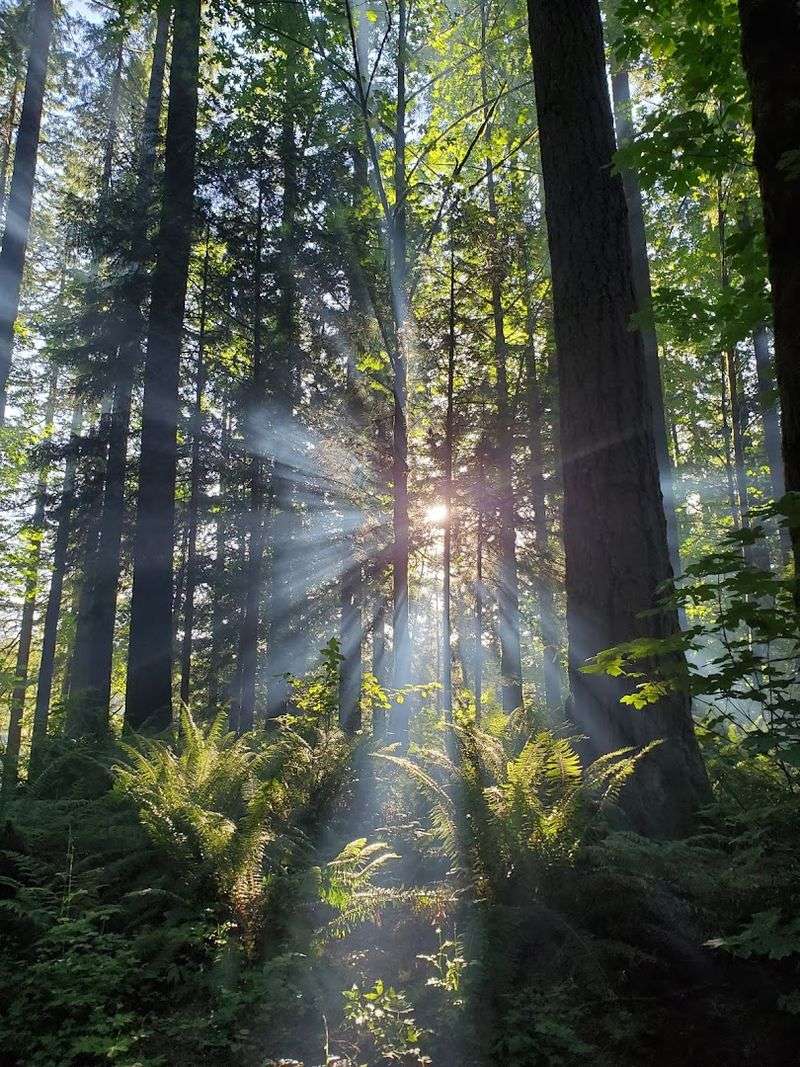
The trees here are doing more than creating atmosphere. Douglas firs, western hemlocks, red alders, and big-leaf maples form a dense canopy that moderates temperature and filters light down to the forest floor.
In the right season, that filtered light turns the whole park golden in the late afternoon.
Moss clings to nearly every surface. Ferns carpet the ground between tree roots.
Lichen hangs from branches in the older sections of forest. The overall effect is one of a temperate rainforest, and the classification fits.
Washington’s wet winters feed this kind of lush, layered growth.
Old-growth characteristics appear in parts of the forest, where massive trunks and complex root systems suggest trees that have been standing for well over a century. Fallen logs decompose slowly, becoming nursery logs for new growth.
Life here does not waste anything.
Cedar and cherry trees add variety to the mix, while berry bushes and apple trees provide food sources for wildlife. The forest is not just a backdrop.
It is an active, interdependent system that keeps the lake and its surroundings functioning.
Wildlife That Shares The Space Generously
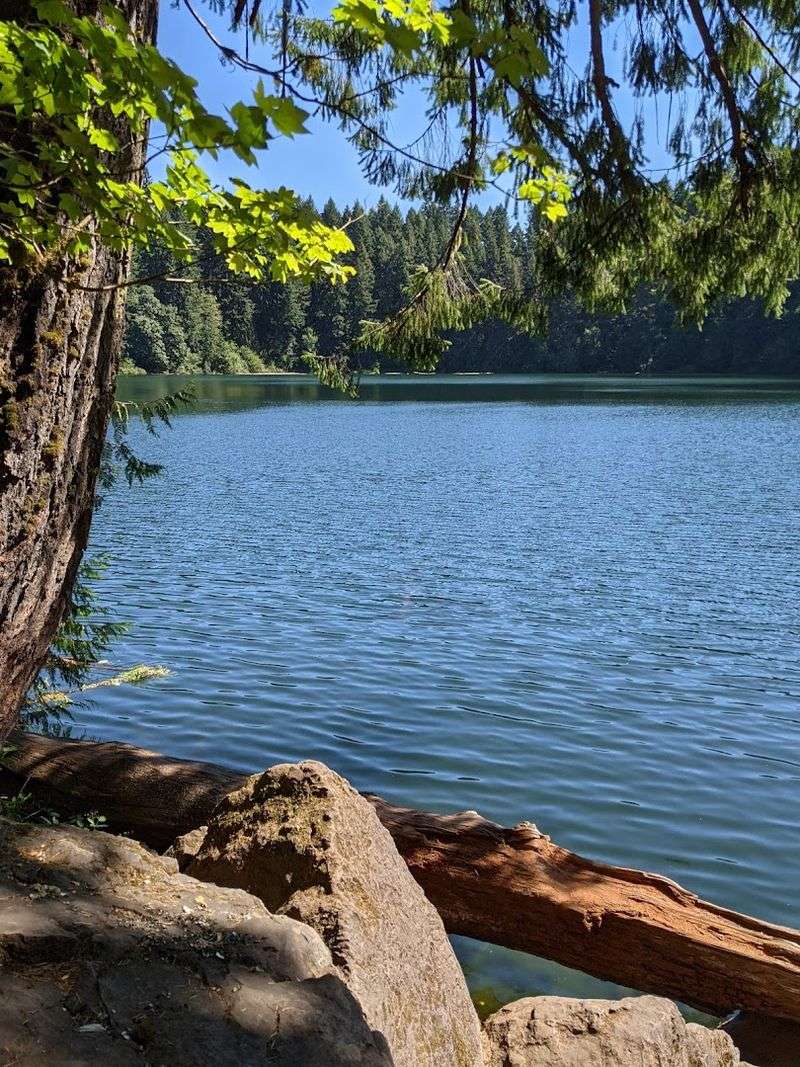
Bald eagles show up here often enough that visitors who keep their eyes on the sky are regularly rewarded. Owls call from the deeper forest sections, and various waterfowl patrol the lake’s edges with impressive confidence.
Jays and woodpeckers add color and noise to the canopy above the trails.
On the ground, deer move through the undergrowth with the calm of animals that know they are not being hunted. Foxes, rabbits, and squirrels are spotted by observant walkers.
Bullfrogs make themselves heard near the water’s edge, especially in the warmer months.
The lake itself supports fish that are visible from above the surface, which gives the wildlife watching an aquatic dimension that most parks cannot offer. Dragonflies hover above the shallows in summer, catching light in a way that feels almost theatrical.
Washington’s biodiversity is well-represented in this compact park. The variety of species present in such a small area reflects how healthy and intact the ecosystem remains.
Respecting that balance, by staying on trails and keeping dogs leashed, helps ensure it stays that way for future visitors.
Day Use Without The Overnight Commitment
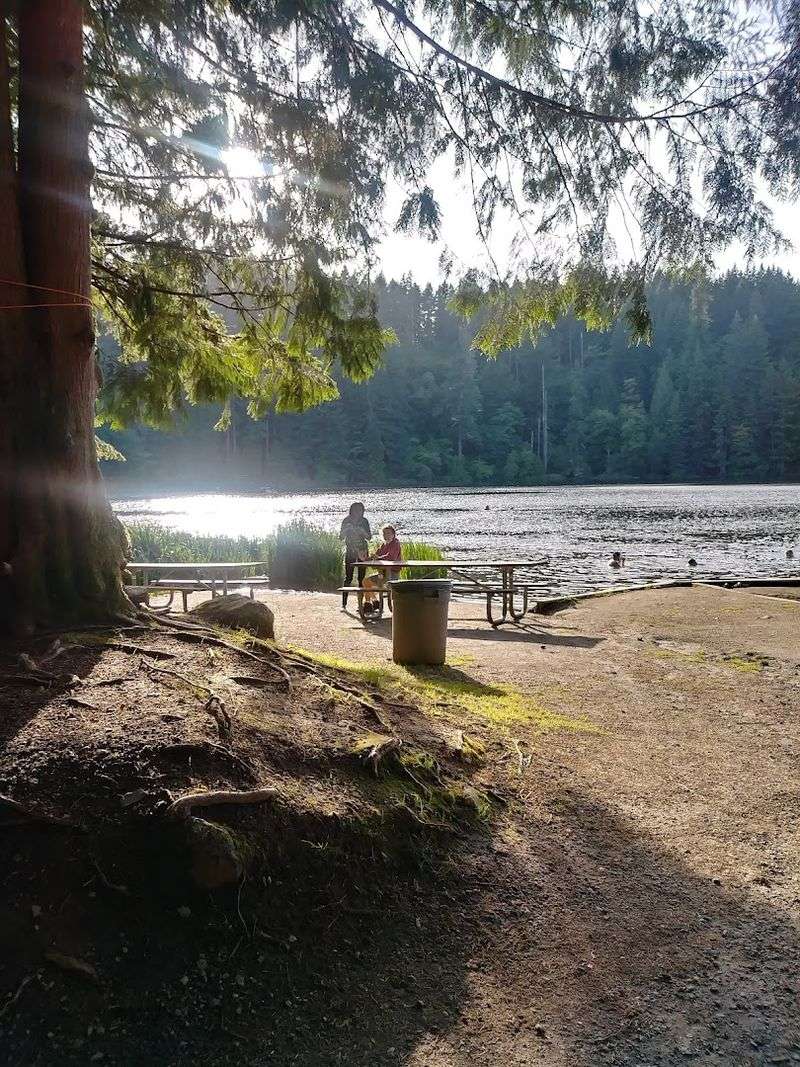
Not every visit needs a tent or a reservation. Battle Ground Lake State Park is well-suited to day trips, with facilities that make a few hours feel complete rather than rushed.
Picnic tables are spread throughout shaded areas, and kitchen shelters are available for groups who want a more organized setup.
The paved path from the parking lot down to the lake is worth knowing about before arriving. It is steep enough to challenge visitors with knee or hip concerns, though a drop-off area at the bottom accommodates those who need it.
The descent is short, and the view at the bottom makes it worthwhile.
A small concession stand and camp store operate seasonally, offering snacks, firewood, and basic supplies. Water equipment rentals, including kayaks and paddleboards, are available directly at the lake.
Bringing a picnic is a popular choice, and the park has enough space to spread out comfortably.
A Discover Pass is required for vehicle access. It can be purchased online in advance or at the gate electronically.
Washington state parks use this system consistently, so having one ready saves time at the entrance.
Seasonal Shifts And The Best Time To Visit
Summer brings the crowds, and for good reason. The swim beach opens, rentals operate, and the trails are dry enough for comfortable hiking.
Weekdays are noticeably quieter than weekends, and arriving early on a summer morning means having the lake almost entirely to oneself for a short window.
Fall transforms the park into something quieter and more introspective. Deciduous trees shift through orange and gold, and the reduced foot traffic makes wildlife sightings more frequent.
The trails stay usable well into autumn, though rain increases the slip risk on root-heavy sections.
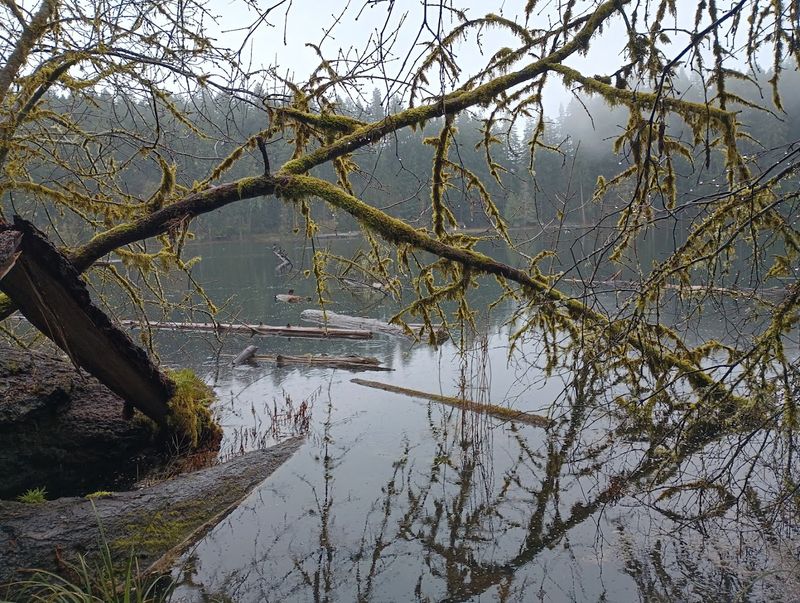
Winter and early spring bring a different kind of reward. The park remains open year-round, and the forest feels especially alive during wet seasons when moss brightens and the air smells of cedar and rain.
Fewer visitors mean more solitude, which has its own appeal.
Washington weather is variable across all seasons, so checking conditions before visiting is always a reasonable step. Layering clothing, wearing waterproof footwear, and arriving with realistic expectations for the weather makes any seasonal visit more enjoyable and less surprising.
Why This Place Keeps Drawing People Back
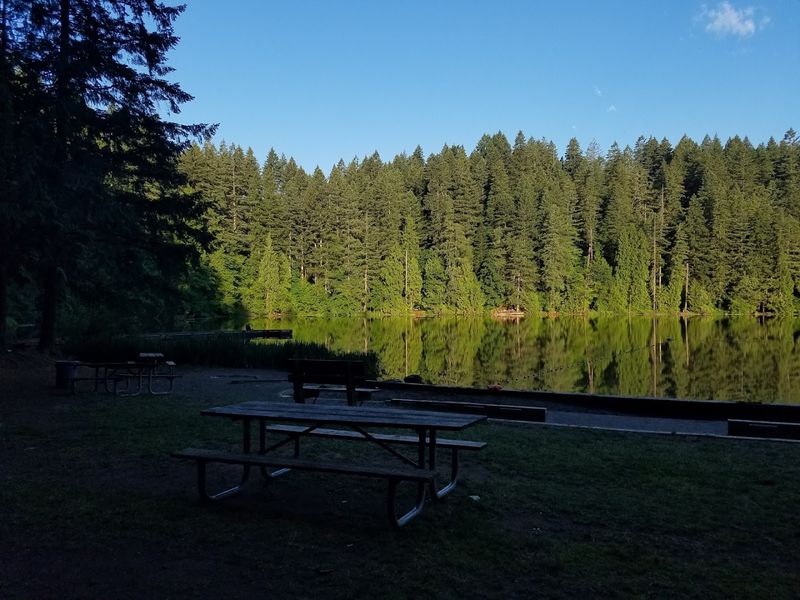
Repeat visits are common here, and the reasons are easy to understand. The lake does not try to impress with size or spectacle.
Its appeal is quieter than that, built on clarity, calm, and a geological backstory that rewards curiosity.
Families come for the swimming and the trails. Anglers come for the stocked trout and the accessible dock.
Paddlers come for the motor-free surface and the reflective stillness. Campers come for the well-maintained sites and the sound of the forest at night.
Each group finds what it is looking for without crowding out the others.
The community investment in keeping the water clean adds something intangible to the experience. Knowing that locals care about this place, that they monitor it and advocate for it, makes a visit feel like participation rather than just consumption.
Washington has larger parks and more dramatic landscapes, but Battle Ground Lake State Park offers something harder to quantify. It offers the feeling of a place that is genuinely cared for.
That feeling lingers long after the drive home, which is probably why so many people find themselves planning a return trip before they have even left.