
This Wisconsin Town Is The Cheese Capital Of The World And Most Americans Have Never Heard Of It
Cheese people are easy to spot. They know a good road trip can be measured by how many curds make it home.
In southern Wisconsin, one small city takes that idea very seriously, and honestly, you can taste the pride everywhere. Local dairy history runs deep, with Swiss traditions, skilled makers, and shops that treat cheese like the star of the whole town. It is not loud or flashy. That is what makes it fun.
You can wander in hungry, sample something sharp, creamy, or squeaky, then somehow leave with a bag heavier than planned. For anyone who loves food with a story behind it, this place makes cheese feel like a reason to travel.
Green County’s Swiss Roots Shape The Town’s Cheese Identity
Swiss immigrants began settling Green County in the mid-1800s, seeking farmland that reminded them of their alpine homeland. The gently rolling hills and rich soil proved ideal for dairy farming.
These newcomers refused to abandon their cheesemaking heritage, even though American tastes ran toward cheddar and other English-style cheeses.
The Swiss brought specific recipes and techniques that required patience and skill. They built small cheese factories called käsereien, each serving a handful of nearby farms.
The cheesemakers, called käsers, trained for years to master the craft of turning milk into wheels of Emmentaler, Gruyere, and other alpine varieties.
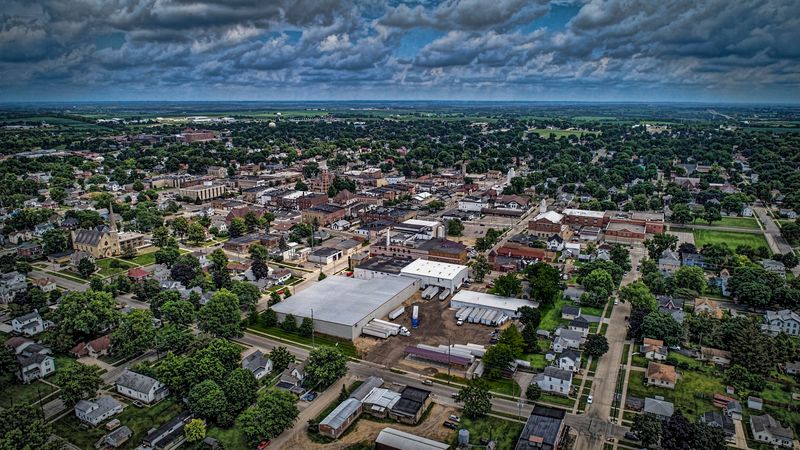
Monroe became the commercial center for these scattered cheese operations. The town square hosted markets where farmers sold their products and purchased supplies.
Even today, you can hear German and Swiss-German dialects spoken by older residents, and many family names reflect this heritage. The Swiss influence extends beyond cheese into architecture, food traditions, and community celebrations throughout the area.
Monroe Is Known As The Cheese Capital Of The U.S.A.
Monroe earned its nickname through generations of dedicated cheesemaking that began when Swiss immigrants arrived in Green County during the 1840s. The settlers brought their alpine dairy knowledge with them, transforming the landscape into a patchwork of small farms and cheese factories.
By the early 1900s, Green County produced more Limburger and Swiss cheese than anywhere else in America.
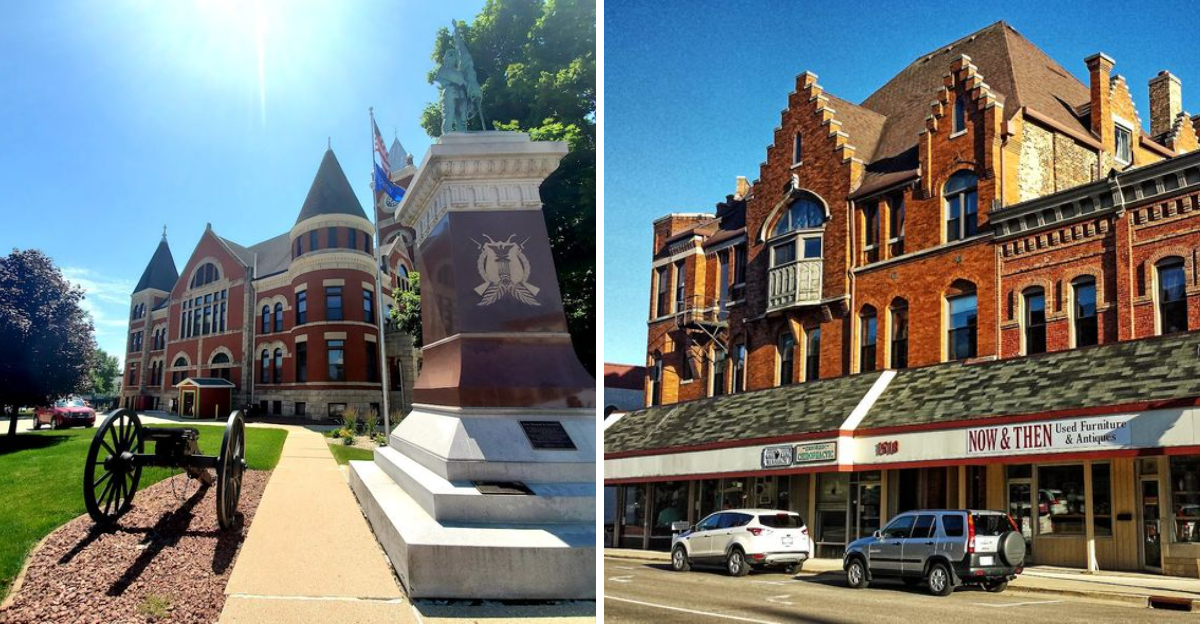
The city officially embraced the title and made it part of its identity. You can see the pride everywhere, from welcome signs entering town to murals painted on brick buildings along the main streets.
Local businesses incorporate cheese themes into their names and decorations.
This designation sets Monroe apart from larger Wisconsin cities like Milwaukee or Madison. The cheese industry remains central to the local economy and culture, not just a historical footnote.
Families who have been making cheese for four or five generations still operate in the area, maintaining standards their ancestors established more than a century ago.
Cheese Days Turns The Town Square Into A Dairy Celebration
Every even-numbered year in September, Monroe hosts Cheese Days, a festival that transforms the entire downtown into a massive celebration of dairy culture. More than 100,000 visitors flood into this small city over a single weekend.
The Historic Courthouse Square becomes packed with vendors selling every imaginable cheese product, from traditional wheels of Swiss to experimental flavored varieties.
The festival features a parade with floats decorated in cheese themes, live music on multiple stages, and demonstrations of traditional cheesemaking techniques. Visitors can watch käsers hand-stir giant copper kettles of milk, just as their predecessors did generations ago.
Food stands serve cheese curds, fondue, raclette, and sandwiches piled high with local varieties.
Cheese Days began as a small harvest celebration and grew into one of Wisconsin’s largest food festivals. The event requires months of planning by hundreds of volunteers.
Local businesses prepare all year for the crowds, and many families treat it as a homecoming, returning to Monroe from wherever they have moved to reconnect with their roots.
The Festival Dates Back More Than A Century
The first Cheese Days took place in 1914, making it one of America’s oldest food festivals still operating today. Local business leaders organized the event to promote Green County cheese and attract buyers from around the Midwest.
Early festivals featured cheese judging competitions, factory tours, and social gatherings that brought isolated farming families together.
The celebration paused during World War I and the Great Depression but resumed in the late 1930s with renewed enthusiasm. Organizers added parades, beauty pageants, and other entertainment to draw larger crowds.
By the 1950s, Cheese Days had become a major regional event, with special trains bringing visitors from Chicago and Milwaukee.
The festival moved to a biennial schedule in 1978 to allow more time for planning and preparation. Each edition builds on traditions established decades earlier while adding contemporary elements.
Photographs from early Cheese Days hang in local businesses and the historical society, showing how little the basic format has changed even as the crowds have grown exponentially over the past century.
The Historic Courthouse Square Gives Monroe Its Classic Small Town Look
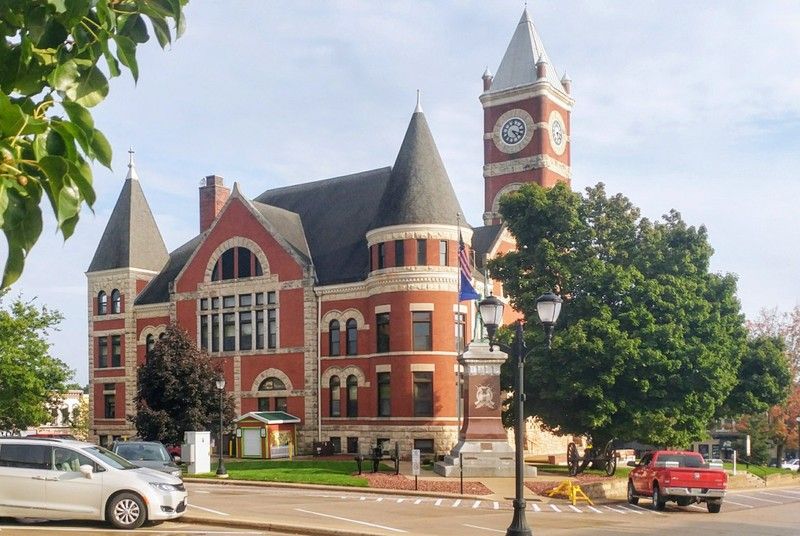
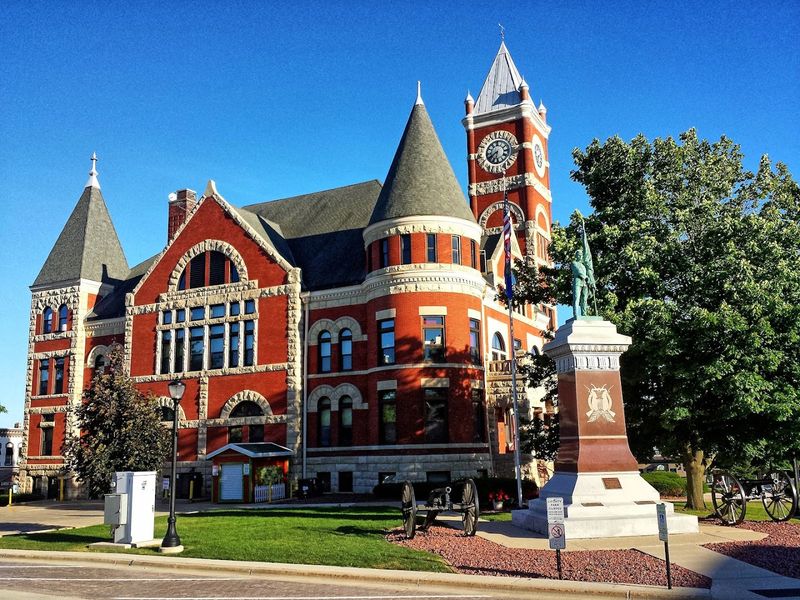
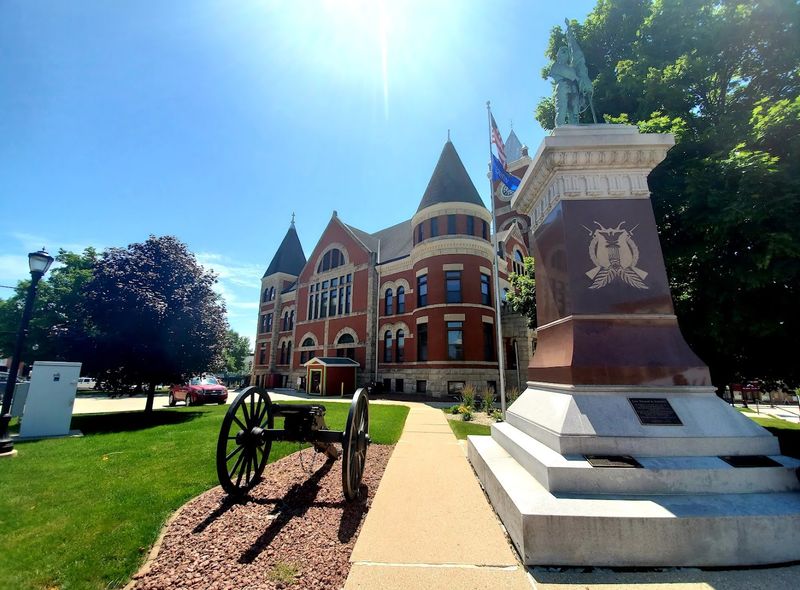
The Green County Courthouse anchors Monroe’s downtown, sitting in the center of a traditional public square surrounded by locally owned businesses. Built in 1891, the Romanesque Revival building features a prominent clock tower visible from blocks away.
The courthouse lawn hosts community events throughout the year, from farmers markets to concerts to the massive Cheese Days gatherings.
Streets radiate outward from the square in a grid pattern common to Midwest county seats. Many of the surrounding buildings date from the late 1800s and early 1900s, constructed with locally fired brick.
The storefronts retain their original architectural details, including decorative cornices and large display windows that give the area an authentic historical character rather than a recreated theme park atmosphere.
Walking around the square feels like stepping back several decades. Independent shops sell clothing, hardware, books, and gifts without the chain stores that dominate most small American towns.
Benches under mature trees invite people to sit and watch the slow pace of daily life unfold around them.
The National Historic Cheesemaking Center Tells The Town’s Dairy Story
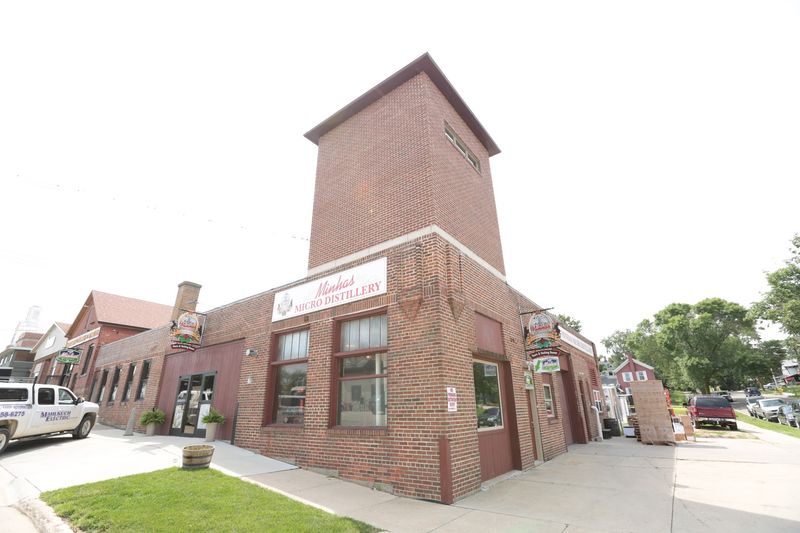
Located at 2108 Sixth Avenue, the National Historic Cheesemaking Center preserves and presents the story of American artisan cheesemaking. The museum occupies a restored 1890s building that once housed an actual cheese factory.
Visitors can examine antique equipment, photographs, and documents that trace the evolution of dairy farming and cheese production in Wisconsin and beyond.
The collection includes massive copper kettles, wooden cheese presses, and hand tools that cheesemakers used before mechanization changed the industry. Interpretive displays explain the science behind turning milk into cheese and the cultural traditions various immigrant groups brought to Wisconsin.
The center also maintains an archive of recipes, business records, and family histories donated by local cheesemaking families.
Guided tours provide context that static displays cannot convey. Staff members, many with personal connections to the cheese industry, share stories about specific families and factories.
The center hosts special events including cheesemaking demonstrations where visitors can see traditional techniques in action and taste the results of methods perfected over generations.
Local Cheesemakers Keep Old World Traditions Alive
Several small-scale cheese factories still operate in and around Monroe, maintaining production methods their founders established in the 1800s. These operations resist industrial automation, believing that handcrafted cheese tastes better and preserves cultural heritage worth protecting.
Cheesemakers arrive before dawn to begin the slow process of transforming fresh milk into aged wheels of Swiss, Gruyere, and other varieties.
The work requires physical strength and learned intuition. Käsers must judge by sight, smell, and touch when curds have reached the proper consistency, when to cut them, and how long to cook the mixture.
Temperature and timing variations of just a few degrees or minutes can ruin an entire batch. Most current cheesemakers learned through years of apprenticeship under family members or experienced craftspeople.
These small factories face constant economic pressure from large-scale producers who can undercut their prices. Yet they survive by selling to customers who value quality and authenticity over convenience.
Specialty food stores across America stock Monroe cheeses, and chefs seek them out for their complex flavors that mass-produced varieties cannot replicate.
Green County Has More Dairy Cows Than People
Green County’s human population hovers around 37,000, while dairy cow numbers typically exceed 50,000. This unusual demographic reality shapes everything about the region, from its economy to its landscape to its political priorities.
Dairy farming remains the dominant industry, employing more people than any other sector and generating the majority of agricultural revenue.
The farms tend to be smaller than those in other Wisconsin dairy regions. Many operations milk fewer than 100 cows, a scale that allows for personalized animal care and high-quality milk production.
Farmers know their animals individually and can spot health problems or changes in behavior that might escape notice in larger herds. This attention to detail produces milk with consistent butterfat content ideal for cheesemaking.
The abundance of cows creates challenges as well as economic benefits. Manure management, odor control, and water quality require constant attention.
Yet most residents accept these issues as the price of living in a working agricultural community. The cows represent jobs, tradition, and a way of life that defines Green County’s identity in ways that transcend simple economics.
Baumgartner’s Is Wisconsin’s Oldest Cheese Store
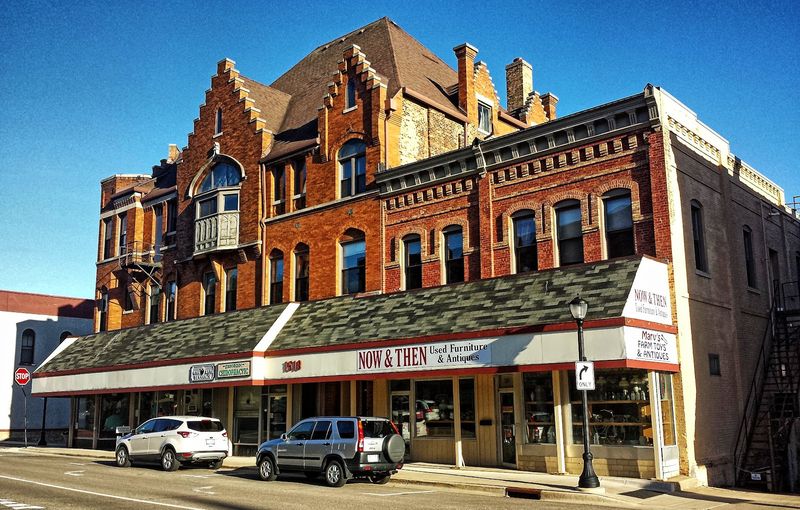
Baumgartner’s Cheese Store and Tavern has occupied the same location on Monroe’s town square since 1931, making it the oldest continuously operating cheese store in Wisconsin. The business began when John Baumgartner started selling cheese and sandwiches to courthouse workers and farmers who came to town on market days.
The original wooden coolers, tin ceiling, and back bar remain in place, creating an atmosphere that feels genuinely historic rather than artificially nostalgic.
The store carries more than 100 varieties of cheese, including rare and pungent types that most Americans have never encountered. Staff members offer samples and explain the characteristics of different cheeses, helping customers discover new favorites.
The attached tavern serves simple sandwiches piled with multiple cheese varieties, attracting both locals and tourists who have heard about the place through word of mouth.
Baumgartner’s survived the Great Depression, multiple recessions, and the decline of small-town retail by refusing to change its basic formula. The current owners, descendants of the founder, maintain the same standards of quality and customer service that built the business nearly a century ago.
Limburger Gives Monroe One Of Its Boldest Food Claims
Monroe produces virtually all the Limburger cheese made in the United States, a distinction that comes with both pride and jokes about the smell. This soft, pungent cheese originated in Belgium but became a staple of Swiss and German cuisine.
The aroma, often compared to dirty socks or worse, comes from the same bacteria that cause foot odor, though the taste is surprisingly mild and creamy.
Only one factory still makes Limburger in America: Chalet Cheese Cooperative, located just outside Monroe. The cheesemakers age the cheese in temperature-controlled rooms for several months, during which the distinctive smell develops.
Production requires specific knowledge passed down through generations, as the cheese can easily spoil if conditions are not precisely maintained.
Limburger has a devoted following despite its challenging reputation. Fans eat it on rye bread with onions and mustard, a combination that balances the cheese’s strong flavor.
The annual Limburger sandwich eating contest during Cheese Days draws competitors willing to consume impressive quantities of this polarizing cheese while crowds watch and laugh at their expressions.