
The Wisconsin Lake Where Locals Paddle Out And Harvest Their Own Wild Rice
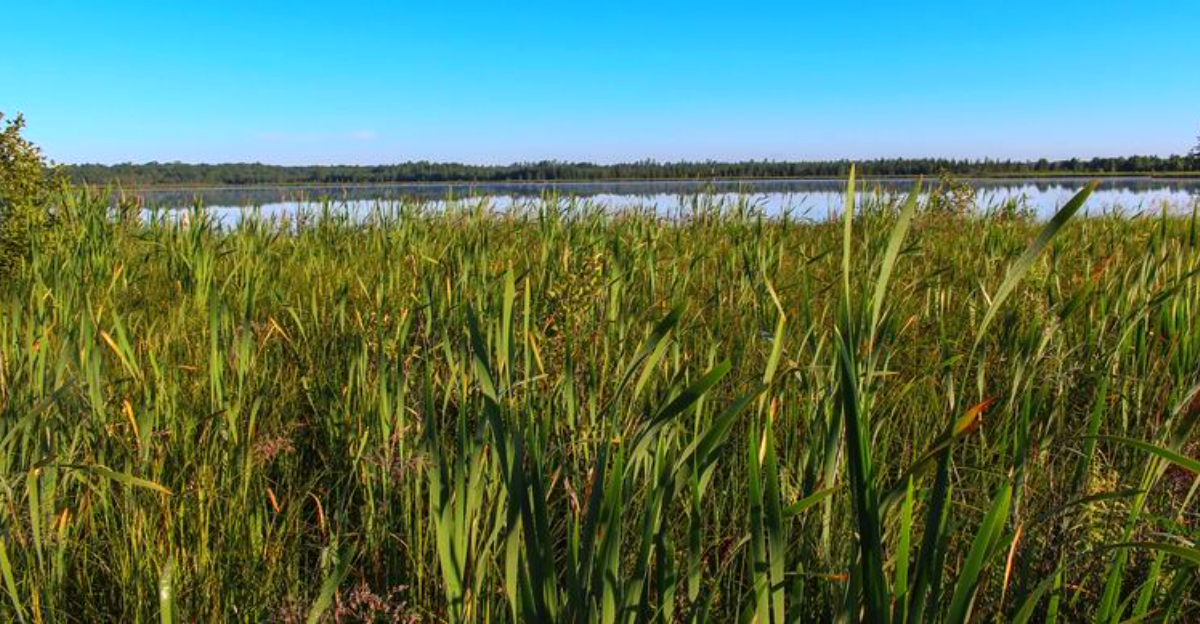
Every fall, a quiet stretch of water turns into one of Wisconsin’s most fascinating seasonal traditions. Tall green stalks rise from the shallows, then ripen into wild rice that has supported local communities for generations.
The harvest is simple, slow, and hands-on. Canoes move gently through the beds while paddlers use smooth sticks to knock ripe grains loose.
No elaborate setup is required. A small watercraft, the proper harvest license, and patience can take you surprisingly far.
The setting adds to the experience. Calm water, marshy edges, and distant loon calls make the whole scene feel wonderfully removed from everyday routines.
Rice season may draw the attention, but the area offers more than one reason to linger. Once the harvest winds down, there is still plenty to explore, making this an autumn adventure that keeps giving long after the final grains are gathered.
Where The Wild Rice Actually Grows
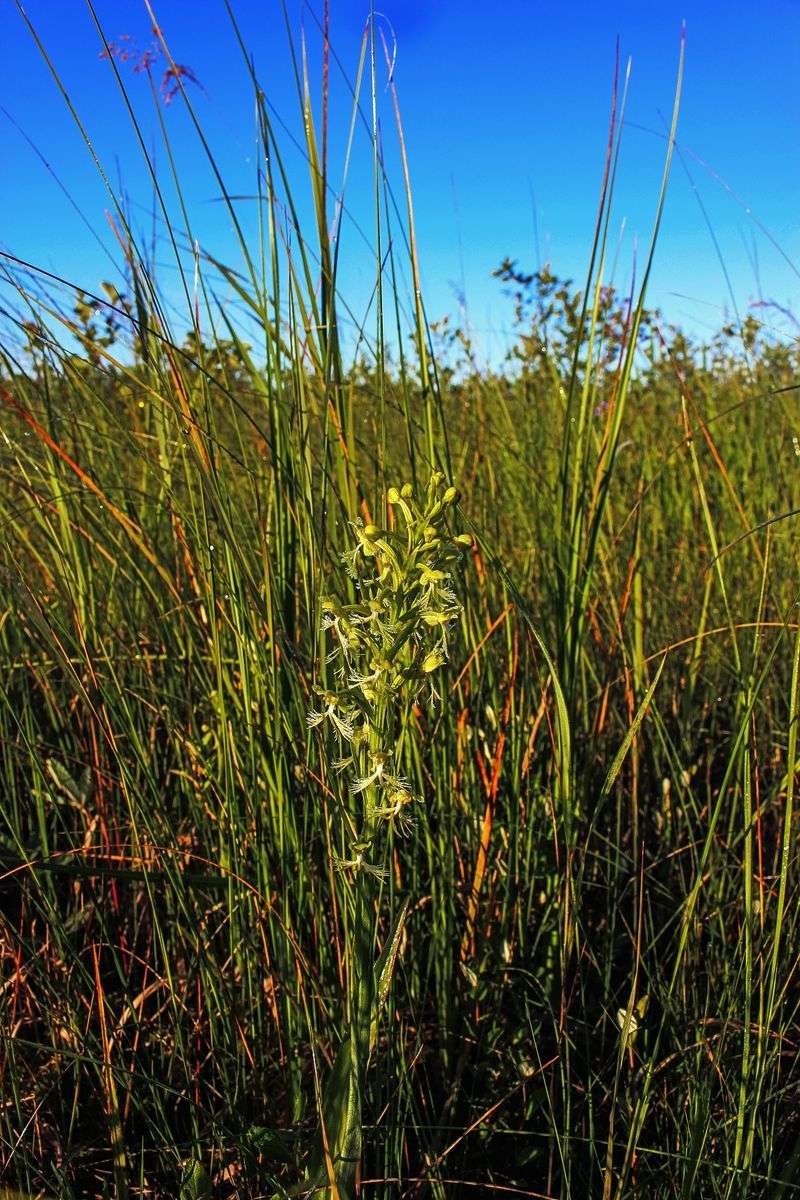
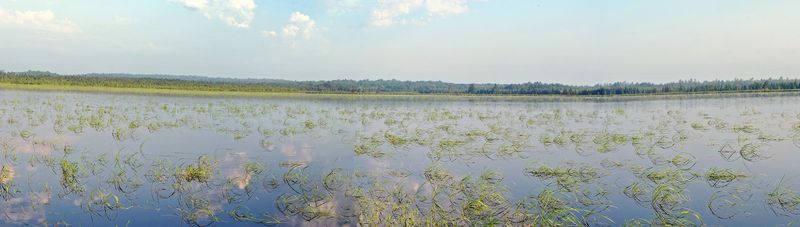
Shallow water is the whole secret here. Rice Lake is a large, shallow, softwater lake with extensive wild rice production that varies from year to year. You will notice the lake looks more like a flooded meadow than a swimming spot. That is by design.
The bottom holds decades of organic muck that anchors the rice roots while the water keeps the plants cool. Wild rice moves through floating-leaf and upright growth stages before the grain matures later in summer. By late August into September, the grain darkens and drops easily.
Beyond the rice beds, you will find sedge meadow, tamarack, black spruce, and stretches of open bog. Northern Wisconsin holds many marshes, but few carry rice stands this healthy and this accessible.
Practical tip: scout the lake a week or two before you plan to harvest. Ripeness shifts year to year depending on spring water levels and summer heat. If the seeds shatter off the stalk with a light tap, you have arrived at the right moment. If they cling tight, give it a few more days.
How Free Dinner Really Works Out Here
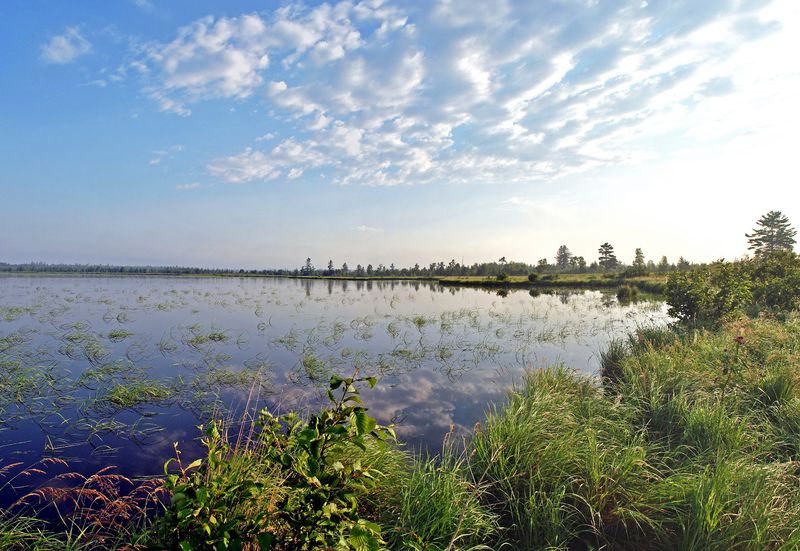
Here is the part that surprises people: the grain itself costs nothing. Wisconsin residents with the proper license can harvest wild rice from eligible public waters when the rice is ripe and harvest conditions allow.
The method has barely changed in generations. One person poles or paddles slowly through the beds while a partner sits facing backward, using one stick to bend the stalks over the boat and the other to gently tap the seeds loose.
Ripe kernels fall into the bottom of the canoe. Unripe ones stay on the plant for later harvesters or for the ducks.
You keep only what falls naturally, which means the plant reseeds itself and the beds stay productive. Nothing gets pulled, cut, or stripped. Expect a workout. Poling through thick rice takes muscle, and your arms will feel it after an hour.
Most first timers come away with a modest amount, and that is fine. Even a few pounds of green rice turns into a real meal after processing. The satisfaction of eating something you knocked out of a lake yourself lasts far longer than the dinner does.
Rules, Licenses, And Timing You Should Know
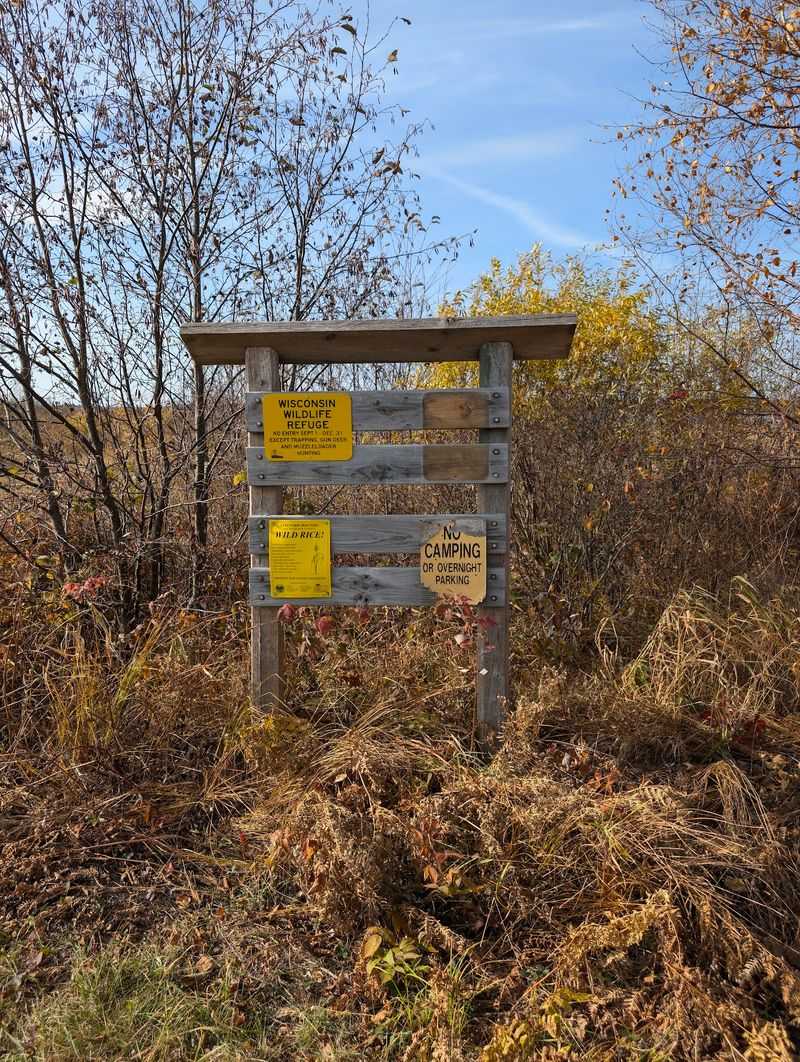
Wisconsin requires most residents who harvest wild rice to have a wild rice harvesting license. Wild rice typically matures from late August through mid-September, and harvesting is allowed from 10 AM to sunset when the rice is ripe and the water is open for harvest.
You will also find gear restrictions. Boats must fall within length and width limits, motors are not allowed while harvesting, and knocking sticks have to meet size and weight rules so the plants are not damaged.
Before you head to Rice Lake State Natural Area, check the current regulations or contact the Wisconsin DNR directly. Rules can change from one season to the next.
Tribal harvesters hold treaty rights on many northern waters, and courtesy on the water goes a long way. Give other boats room and keep noise down.
Plan for a weekday if you want quieter conditions. Weekends during peak ripeness draw more traffic, and thick beds get crowded quickly when word spreads.
Finding The Place And Getting On The Water
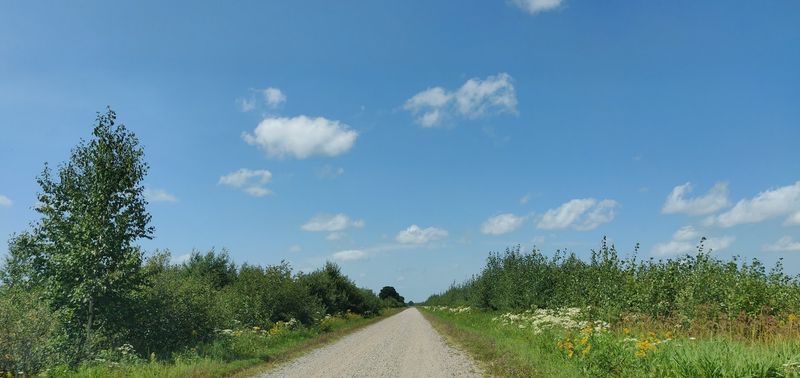
Directions matter more than usual out here, because signage is minimal and cell service gets spotty. You will find Rice Lake State Natural Area near Rice Lake Road, Three Lakes, WI 54562, within the Thunder Lake Wildlife Area in Oneida County.
Access is rustic. Do not expect a paved boat ramp, docks, or a parking lot with painted lines. The DNR says the best access is by canoe from Rice Lake Road.
Bring a printed map or download offline maps before you leave town. GPS coordinates land around 45.8176, -89.2278, which puts you in the heart of Oneida County lake country. Nearby Three Lakes and Eagle River both offer gas, groceries, and lodging, so stock up before driving in.
Water levels change the character of the access points, so give yourself extra time on a first visit. Arriving early in the day means better light, calmer wind, and fewer surprises when you are hauling a boat through soft ground.
Turning Green Rice Into Something You Can Cook
Raw rice off the stalk is not ready for the pot. What you carry home is called green rice, and it needs three more steps before it becomes the dark, nutty grain you recognize.
First comes curing. Spread the rice thinly on a tarp or screen in the shade for a day or two, stirring often so it dries evenly and does not mold.
Parching follows. Traditionally the rice roasts in a large kettle over a low fire while someone stirs constantly, loosening the hull and developing flavor.
Then comes hulling, where the parched grain gets rubbed or gently trampled to crack the outer husk, followed by winnowing in a shallow basket or in a breeze so the chaff blows away.
Plenty of harvesters at Rice Lake State Natural Area skip the labor and take their crop to a local finisher who processes it for a small fee. Either way, the finished rice stores for years in a sealed jar. Cook it in broth with mushrooms and onions, fold it into soup, or serve it beside fish.
Wisconsin cooks have been doing exactly that for a very long time.
Birdwatching That Rivals The Harvest
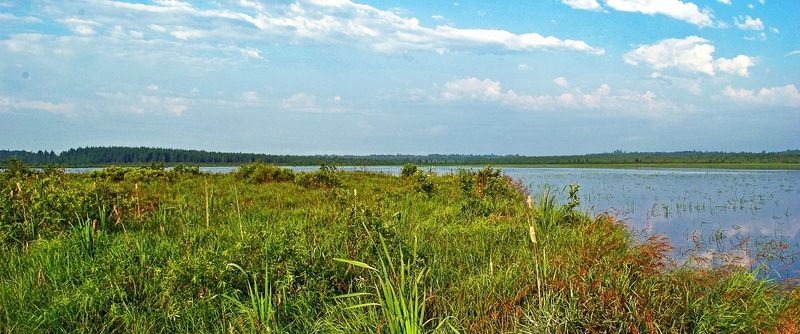
Ask anyone who visits with binoculars instead of knocking sticks, and they will tell you the wildlife alone justifies the drive. Rice beds function as an all you can eat buffet for waterfowl, which means fall brings ducks by the hundreds.
Mallards, wood ducks, teal, and ring necked ducks all pile in as the grain drops. Sandhill cranes stalk the shallows, and you may hear their rattling call before you spot them.
Loons nest on nearby lakes and cruise through. Bald eagles perch in dead snags along the edges, watching for an easy meal.
Songbird activity in the surrounding bog and conifer stands adds another layer. Listen for warblers in the tamaracks and sparrows in the sedge meadow. The marsh at Rice Lake State Natural Area rewards patience, so park yourself in one spot and let the birds come to you.
Early morning gives the best sound and the calmest water for photographs. Spring migration brings a different cast of characters than autumn does, so the site stays interesting across seasons. Pack a field guide, a thermos, and something waterproof to sit on.
Trails, Riding, And Other Ways To Explore
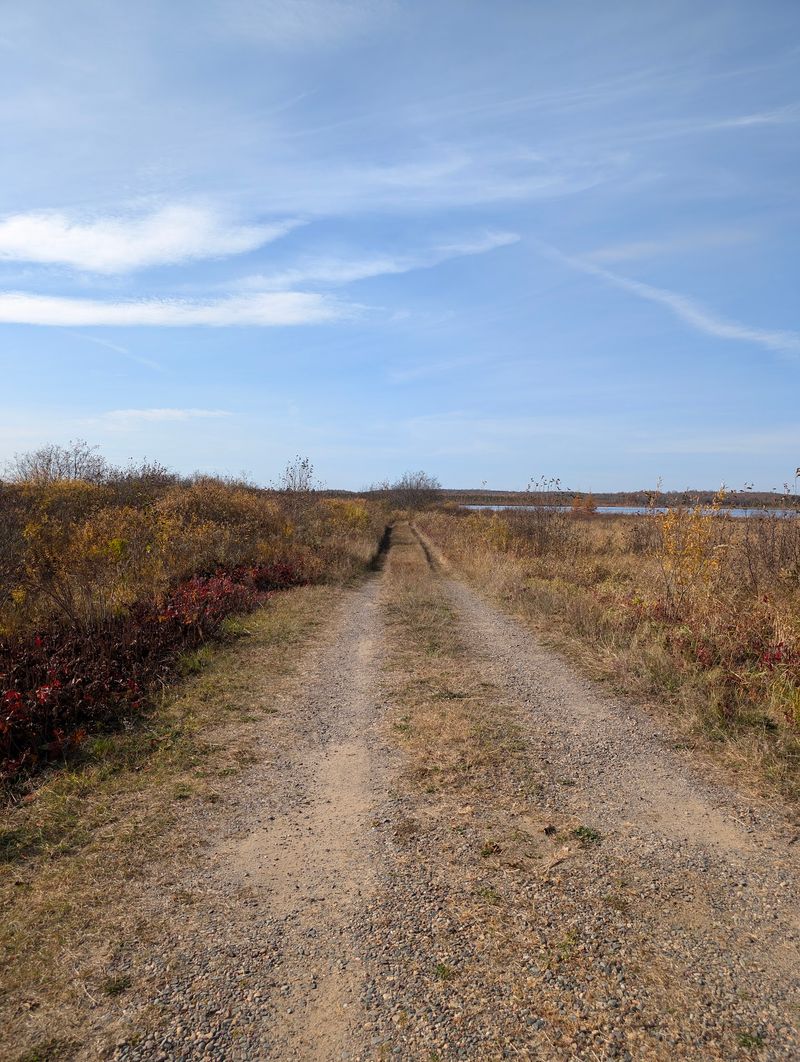
Not everyone who comes here gets in a boat. The surrounding national forest roads and trail corridors near Rice Lake State Natural Area draw cyclists, ATV riders on designated routes, and people who simply want a quiet gravel road to wander.
Snowmobile and multi use trails thread through the Three Lakes area, connecting to one of the larger trail networks in the state. Winter turns the whole landscape white and silent, and the frozen marsh opens views you cannot reach in summer.
There are no groomed hiking loops inside the natural area itself, so expect off trail walking on uneven, often wet ground. Waterproof boots are not optional.
Fishing interest is limited by the shallow depth, but the surrounding chain of lakes near Three Lakes offers plenty of options within a short drive.
Fall color peaks in late September and early October across northern Wisconsin, and the tamaracks turn a striking gold a few weeks after the maples.
Whatever activity brings you out, respect the state natural area designation. These sites exist to protect rare habitat, so stay light on the land and pack out everything you carry in.
Why A Marsh Like Rice Lake Deserves Your Time
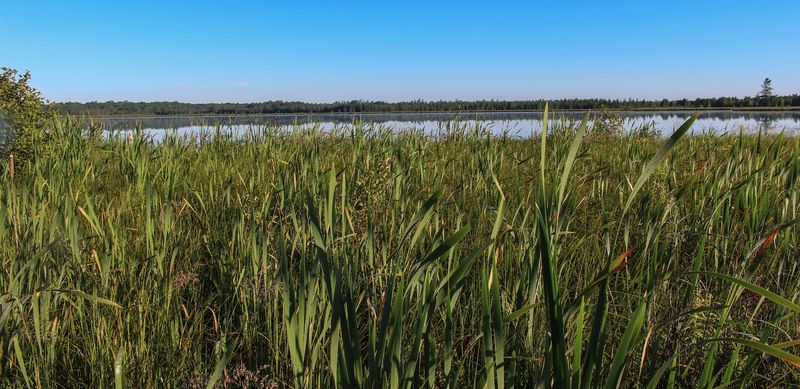
Some places impress you immediately. A rice marsh works differently, revealing itself slowly through sound, movement, and the smell of warm water and green plants.
Rice Lake State Natural Area protects something increasingly uncommon: a functioning wild rice ecosystem that still produces food, still shelters wildlife, and still connects people to a practice thousands of years old.
Wisconsin has lost many of its rice waters to development and shoreline change, which makes healthy stands like this one genuinely valuable.
You come away with more than a bag of grain. You gain a sense of how a wetland actually operates and why quiet, shallow water matters.
Go in late August or September if the harvest interests you. Go in May or October if birds and color pull you more. Bring your own water, snacks, insect protection, and a plan, because services are far away and the site offers no facilities.
Leave the beds better than you found them and the lake will keep giving for generations. That is the real reason people in this corner of the Northwoods keep coming back year after year with sticks in hand.