
The Wisconsin Trail Most People Skip Leads To A Tower With Views Stretching Across The Entire Northwoods
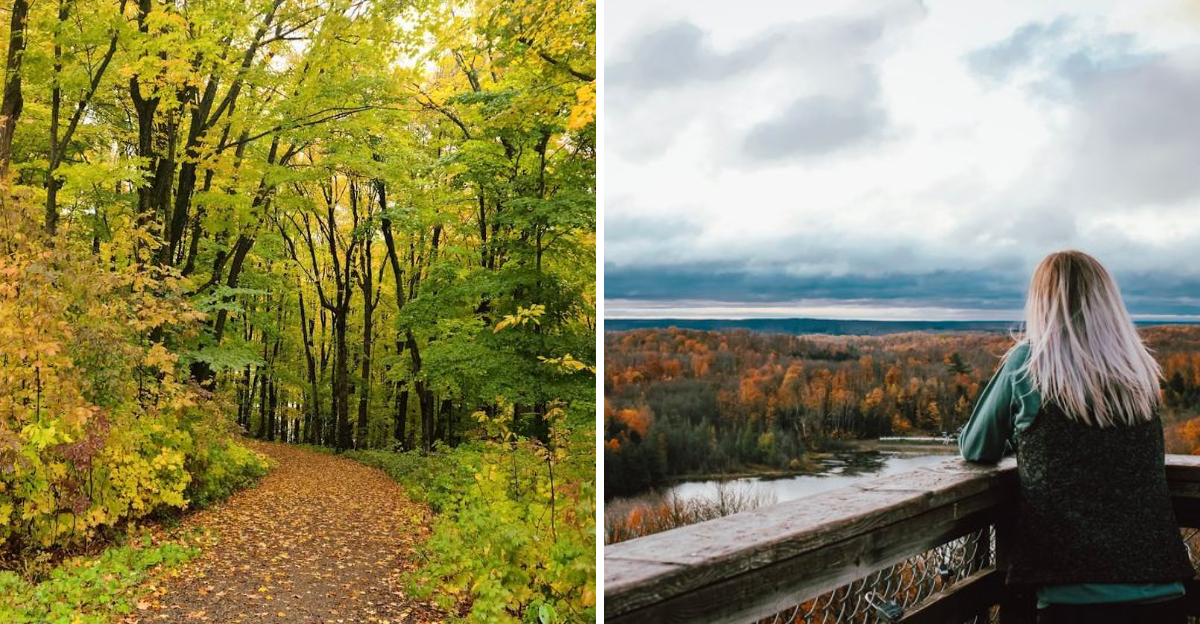
Plenty of drivers cruise through the Northwoods without knowing Wisconsin’s highest point is waiting beyond the highway. Rising 1,951 feet above sea level, the forested summit delivers a surprisingly big payoff for such a short adventure.
Reaching it requires tackling a brief but steep trail that gets the legs working quickly. Then comes the observation tower.
Climb its steps and the landscape opens in every direction, revealing distant lakes, thick woodlands, and rolling hills stretching toward the horizon. Autumn adds bold color, while summer covers everything below in endless green.
The hike may be over before you expect, but the view encourages a longer pause. Bring sturdy shoes, catch your breath, and prepare to see Wisconsin from its natural rooftop.
Timms Hill Is The Highest Point In Wisconsin
Standing at 1,951 feet above sea level, Timms Hill claims the title of Wisconsin’s highest natural point. The summit sits in Price County, far from the crowded tourist routes that define much of the state’s vacation landscape.
A metal survey marker beneath an old communication tower marks the exact spot.
The elevation gain might not rival mountain ranges out west, but the significance holds strong for anyone chasing state high points or simply curious about geography. Visitors from flat regions find the climb more challenging than expected.
The forested approach hides the summit until you’re nearly there, adding an element of surprise to the final approach.
Located near the small community of Ogema at Hill, WI 54459, the peak attracts highpointers, hikers, and families looking for an accessible outdoor adventure without the demands of technical climbing or lengthy treks.
The Observation Tower Is The Big Reward At The Top
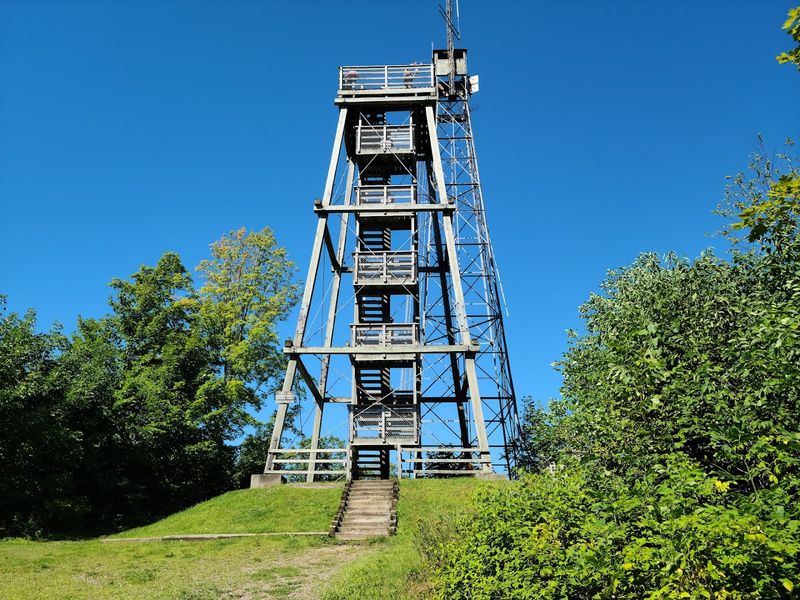
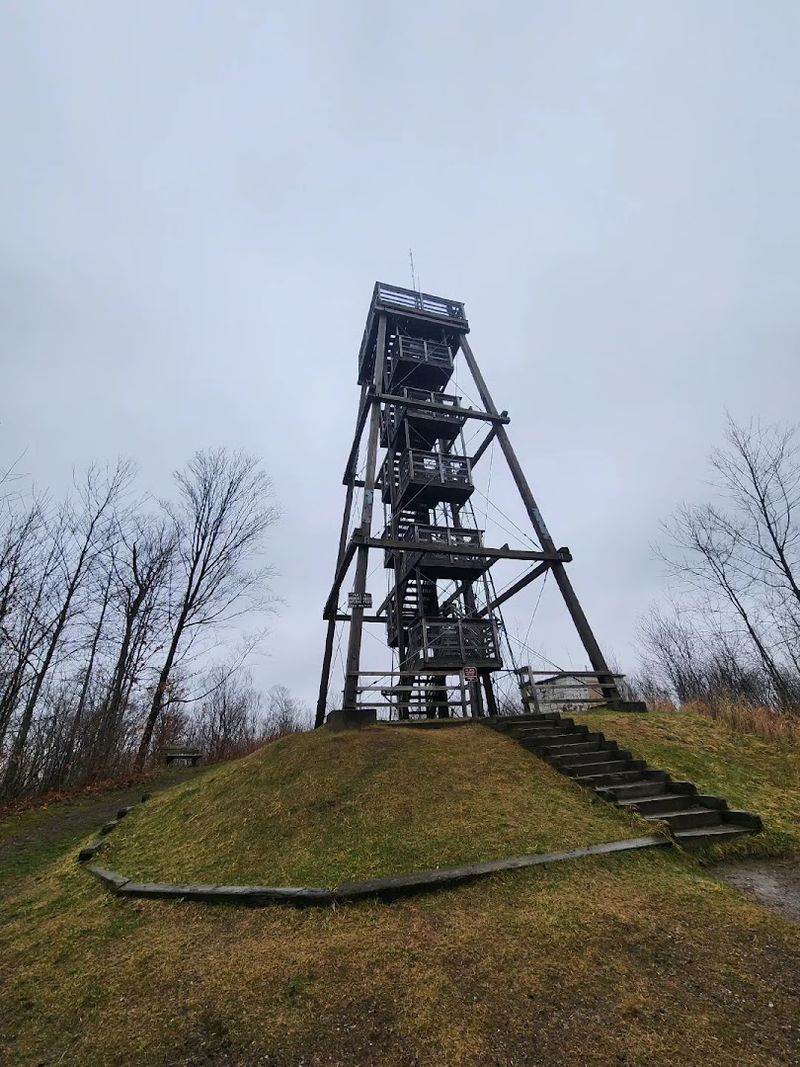
A sturdy wooden observation tower rises 45 feet above the summit, lifting visitors well above the surrounding tree canopy. The structure feels solid underfoot, far more stable than many fire towers scattered across the country.
Each level provides a different perspective as you climb, with the final platform delivering unobstructed panoramic views.
The tower sways slightly on windy days, a reminder that you’re standing on an elevated platform, but the construction inspires confidence. Railings run along each level, and the stairs are wide enough for comfortable passage even when multiple groups are ascending or descending.
Benches at the top allow for extended viewing sessions.
An older metal tower stands nearby, climbable but without the safety features of its wooden neighbor. Most visitors stick to the newer structure, which offers better visibility and a more secure experience for all ages and fitness levels.
The Views Stretch Across The Northwoods For Miles
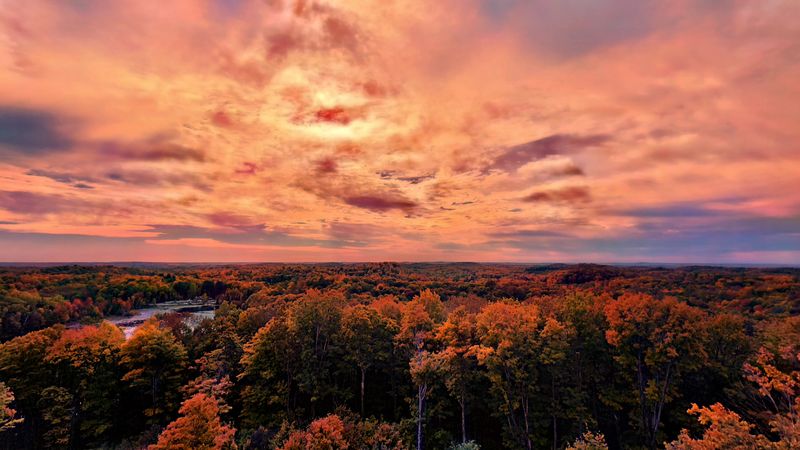
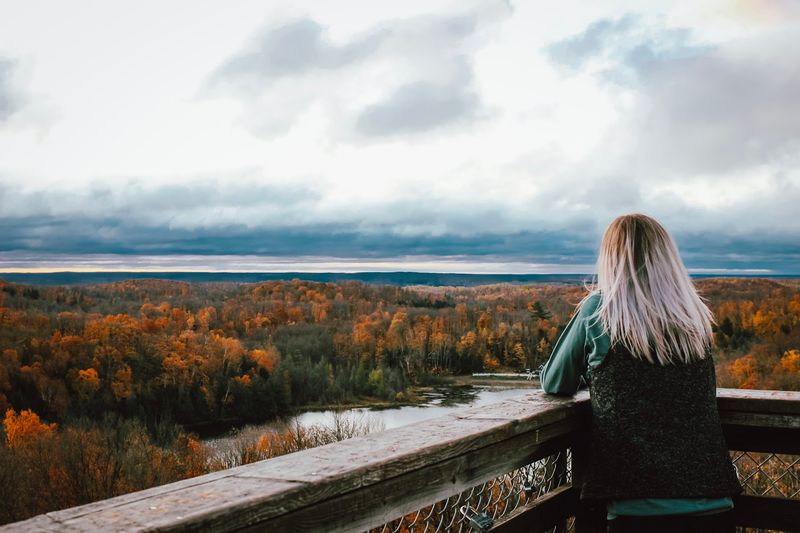
From the tower’s top platform, the landscape unfolds in every direction with a clarity that surprises first-time visitors. Forests stretch toward the horizon in waves of green during summer, punctuated by the blue shimmer of distant lakes.
On clear days, visibility extends beyond 30 miles, revealing the true scale of Wisconsin’s northern wilderness.
The view lacks dramatic cliffs or jagged peaks, but the gentle roll of the land creates its own appeal. You can trace the contours of valleys, spot clearings that mark small communities, and follow the irregular shapes of dozens of water bodies.
The perspective shifts your understanding of the region’s geography entirely.
Autumn transforms the scene into a tapestry of reds, oranges, and yellows, making fall the most popular season for tower visits. Winter offers stark beauty, though ice and snow can make the climb more treacherous.
Summer brings lush greenery and the occasional afternoon thunderstorm rolling in from the west.
The Tower Trail Is Short But Still Feels Like A Real Climb
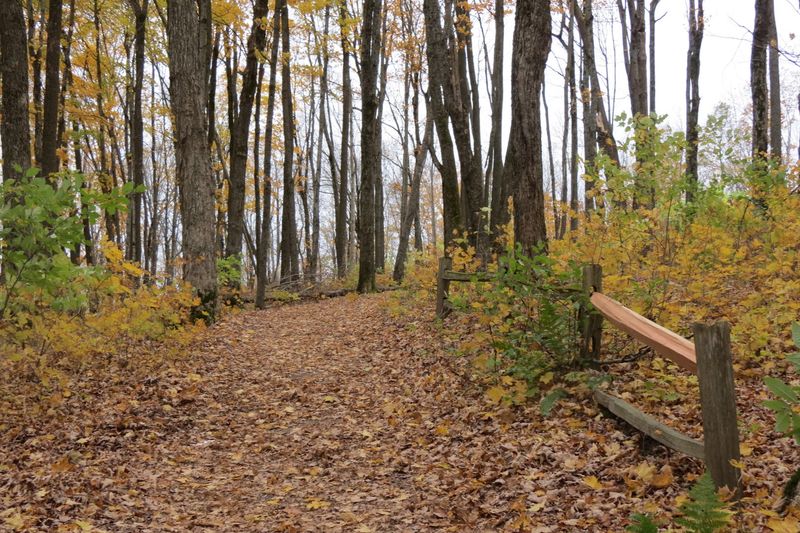
The trail from the parking area to the summit measures only about 300 yards, but the grade makes it more demanding than the distance suggests. The path climbs steadily through hardwood forest, with roots and occasional rocks adding texture underfoot.
Several benches line the route for those who need to catch their breath.
Most people complete the ascent in under ten minutes, though families with small children or visitors taking a leisurely pace might stretch it to fifteen. The trail surface stays relatively dry thanks to good drainage, but spring thaws and heavy rains can create muddy patches.
Proper footwear helps, though the path remains accessible to anyone in reasonable health.
The descent goes quickly, perhaps too quickly for those with knee issues who might appreciate trekking poles. The trail sees heavy foot traffic on weekends and during peak fall color, but early morning visits often reward hikers with solitude and better wildlife viewing opportunities along the way.
Bass Lake Adds A Scenic Bonus Below The Hill
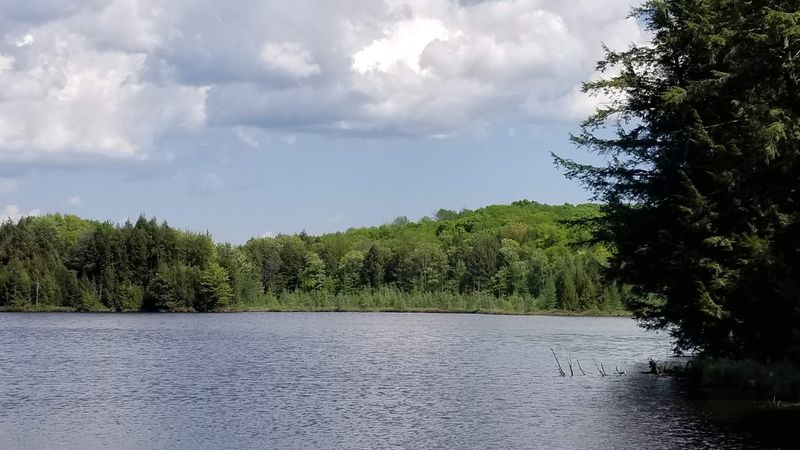
Bass Lake spreads out below the hill, visible from the tower and accessible via trails that connect to the summit area. The lake adds recreational variety to a visit focused primarily on the high point.
Fishing, swimming, and quiet contemplation all find a home along its shoreline.
The water stays clear enough to see several feet down on calm days, and the surrounding forest provides natural beauty without excessive development. A small beach area attracts families during summer months, though the water temperature remains brisk even in July and August.
Anglers work the shoreline and deeper sections for bass, panfish, and northern pike.
The lake’s proximity to the summit trail makes it easy to combine a tower climb with a picnic or swim. Trails wind around portions of the shoreline, offering flat walking for those who prefer gentler terrain.
The combination of high point and lakeside recreation creates a fuller experience than either element would provide alone.
The Park Feels Quiet Compared To Bigger Wisconsin Destinations
Timms Hill County Park operates at a different pace than Wisconsin’s marquee attractions. You won’t encounter tour buses or gift shops, and the parking lot rarely fills to capacity outside of peak fall weekends.
The atmosphere leans toward contemplative rather than carnival, attracting visitors who appreciate natural settings without commercial overlay.
Facilities remain basic but functional: clean restrooms, covered picnic shelters, and a small playground for children. The absence of entrance fees reflects the park’s community-oriented mission, though donation boxes accept contributions for maintenance.
Rangers and caretakers keep the grounds tidy without imposing heavy-handed rules or restrictions.
The quiet character appeals to people seeking respite from busier parks like Devil’s Lake or the Wisconsin Dells area. You can actually hear birdsong from the tower platform, and conversations don’t compete with loudspeakers or crowds.
This low-key quality makes Timms Hill ideal for contemplative visits and genuine connection with the landscape.
The Area Connects To The Ice Age Trail
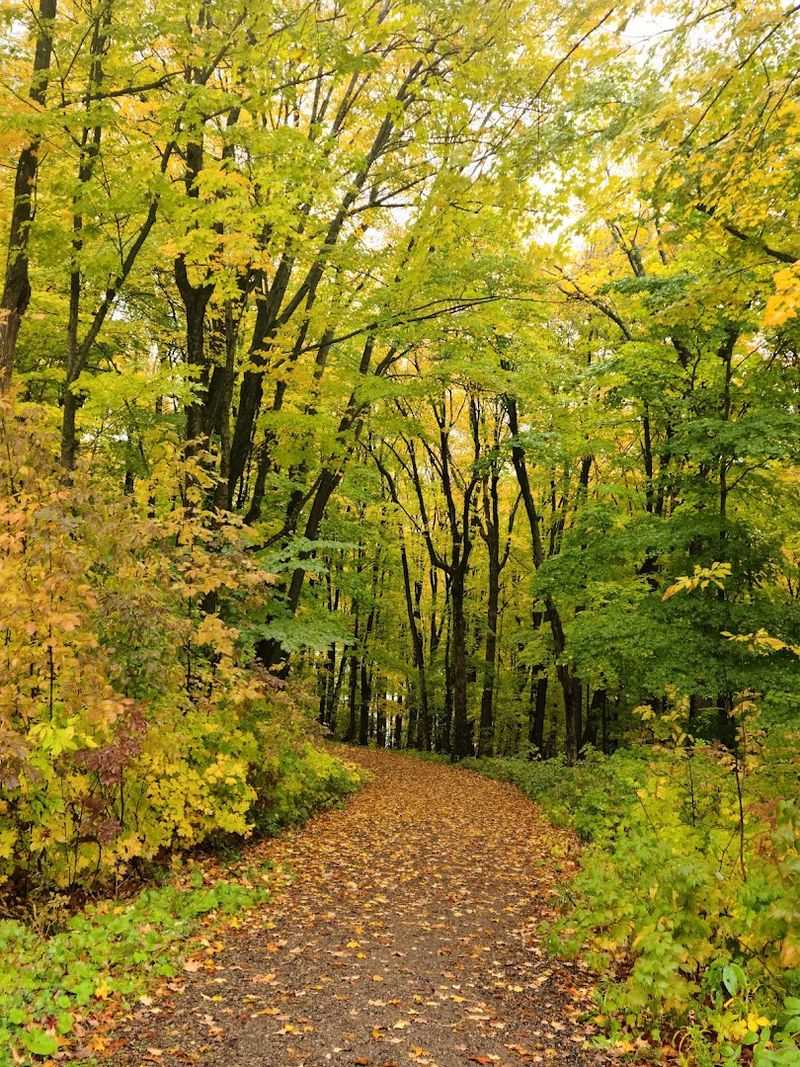
The Ice Age National Scenic Trail passes through the region surrounding Timms Hill, offering extended hiking opportunities for those wanting more than the short summit climb. This 1,200-mile footpath traces the edge of the last glaciation across Wisconsin, connecting diverse landscapes and ecosystems.
Several access points lie within reasonable driving distance of the park.
Hikers can tackle sections ranging from a few miles to multi-day segments, all showcasing the glacial legacy that shaped this part of the state. The terrain varies from gentle forest paths to more challenging segments crossing moraines and kettle lakes.
Trail conditions and difficulty change with the seasons, requiring appropriate preparation and gear.
The connection to this larger trail system elevates Timms Hill from a simple viewpoint to a potential base for broader exploration. Backpackers sometimes use the park as a resupply point or rest stop during longer treks.
The combination of summit views and trail access creates compelling reasons for repeat visits throughout different seasons.
Fall Color Makes The Tower View Even Better
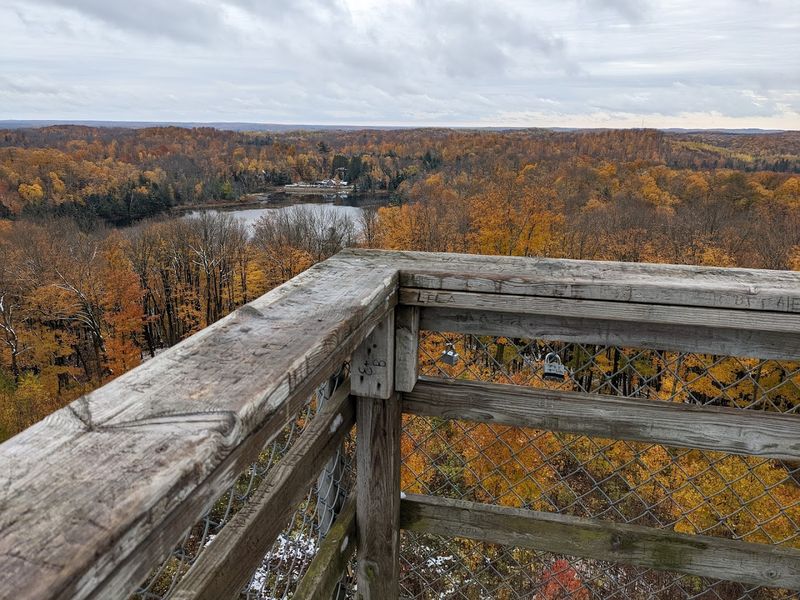
Autumn transforms the view from Timms Hill into one of Wisconsin’s most impressive color displays. Maples, oaks, and birches ignite in reds, oranges, and yellows that spread across the landscape like a slow-burning fire.
The elevation advantage of the tower lets you see the progression of color change across different elevations and tree species.
Peak color typically arrives in early to mid-October, though exact timing shifts based on weather patterns and temperatures. The window of optimal viewing lasts about two weeks before winds and rain strip the leaves.
Photographers arrive early to catch morning light illuminating the canopy, while afternoon visitors enjoy warmer temperatures and different shadow patterns.
Parking becomes more challenging during peak color weekends, and the tower platform can feel crowded with multiple groups jockeying for views. Weekday visits or arriving very early on weekend mornings helps avoid the rush.
The spectacular display justifies the extra planning required to experience fall at its finest from this elevated perspective.
The Park Has Picnic Areas, A Beach, And Fishing Access
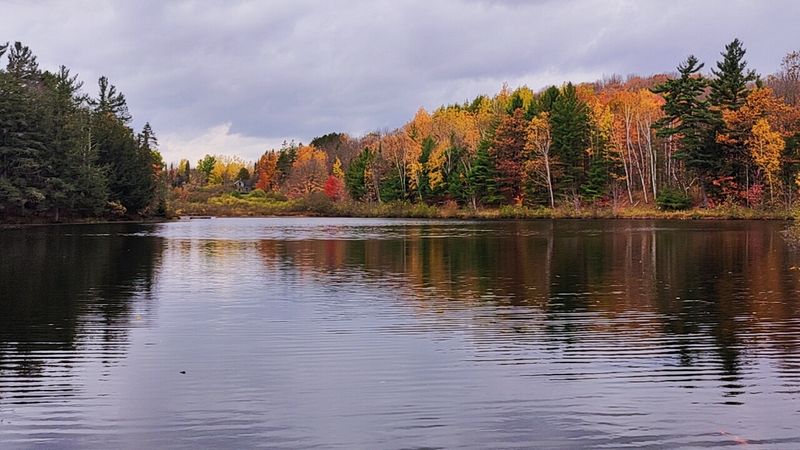
Beyond the summit trail, Timms Hill County Park offers facilities that support extended visits and family outings. Covered picnic pavilions provide shelter from sun and rain, with tables and grills available on a first-come basis.
The playground equipment gives children a place to burn energy before or after the tower climb.
The beach area along Bass Lake provides swimming access during warmer months, though no lifeguards patrol the area. The sandy entry slopes gradually into deeper water, making it suitable for younger swimmers under parental supervision.
Fishing access exists along the shoreline and from a small pier, with panfish and bass being the primary targets.
Clean restroom facilities serve park visitors throughout the operating season, and the grounds receive regular maintenance that keeps the area pleasant without feeling overly manicured. These amenities transform a quick tower visit into a half-day or full-day outing, particularly for families wanting to combine multiple activities in one location without driving between separate destinations.
Rustic Road 62 Makes The Drive Feel Like Part Of The Trip
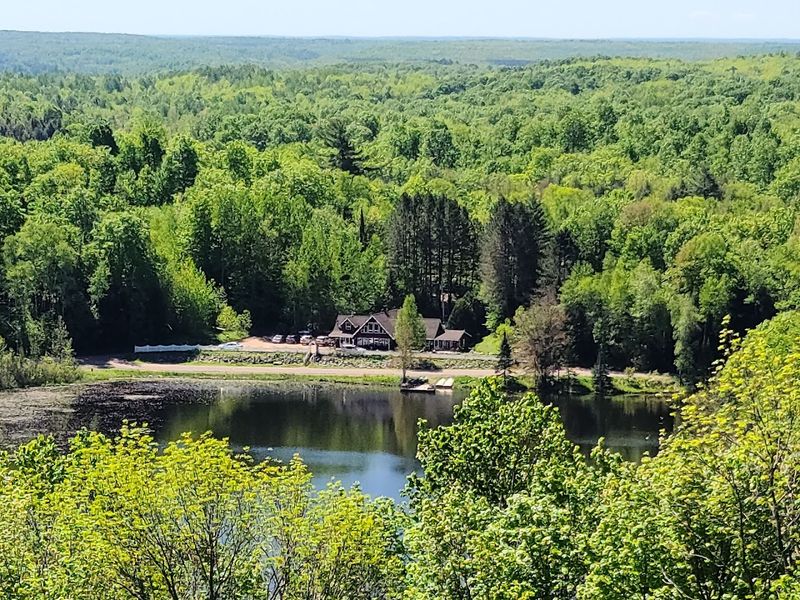
Rustic Road 62 leads directly to Timms Hill, turning the approach into a scenic experience rather than mere transportation. This designated route winds through forest and farmland, following a slower pace that matches the destination’s unhurried character.
The road surface remains paved but narrow, discouraging high speeds and encouraging observation of the surrounding landscape.
The route passes through classic Northwoods scenery: stands of pine and hardwood, occasional clearings with old barns, and glimpses of small lakes through the trees. Wildlife sightings are common, particularly deer in early morning or evening hours.
The road sees light traffic, making it pleasant for cycling as well as driving.
This designated rustic road is one of over 120 such routes across Wisconsin, each selected for scenic and historic value. The deliberate pace it imposes helps visitors shift into a more relaxed mindset before arriving at the park.
The drive itself becomes memorable rather than forgettable, adding value to the overall experience of visiting Wisconsin’s highest point.