
These 7 Mississippi Fishing Holes Have Never Been Properly Written Down And The Directions Are Only Given In Person
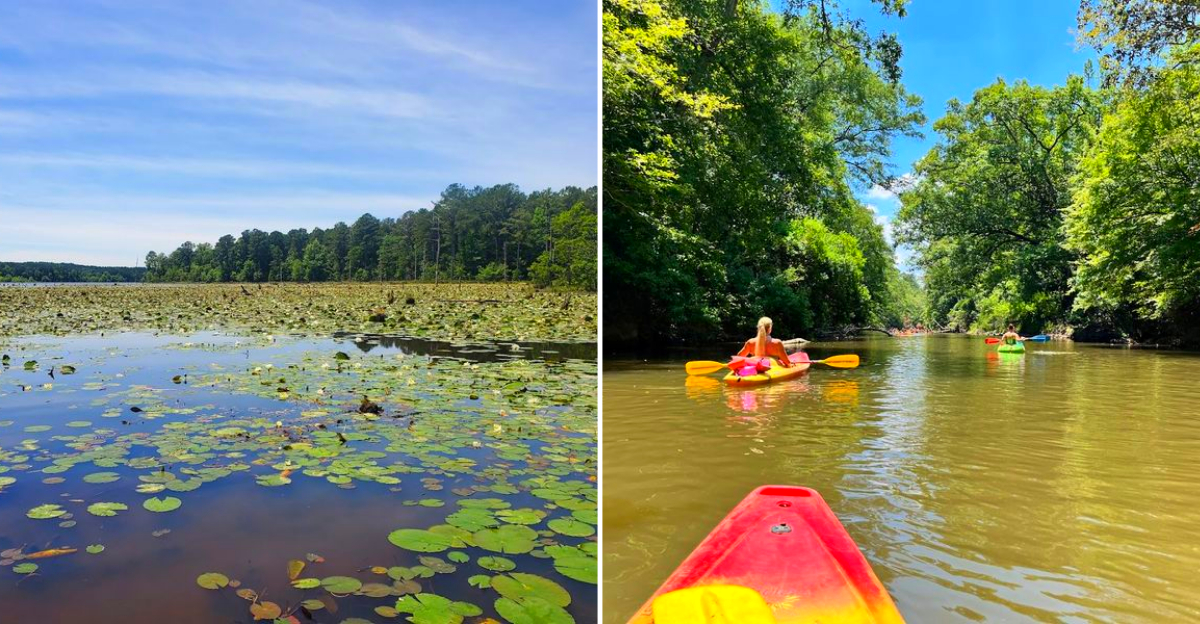
Mississippi fishing knowledge does not always live on signs, maps, or GPS pins.
Sometimes it lives with an uncle who knows which gravel road to take, a neighbor who remembers where the water bends, or a bait shop regular who will only talk after he trusts you.
That is part of what makes these fishing holes so fascinating. They are not polished recreation areas with crowded docks and easy directions posted online.
They are whispered-about spots tied to patience, local memory, and the kind of outdoor culture that still depends on relationships.
The fish matter, of course, but so does earning the tip, finding the turnoff, and respecting why people keep quiet.
These Mississippi fishing spots prove that the best places are not always advertised. Sometimes, the real directions are still passed person to person.
1. Okatibbee Creek — Near Meridian, Lauderdale County, MS
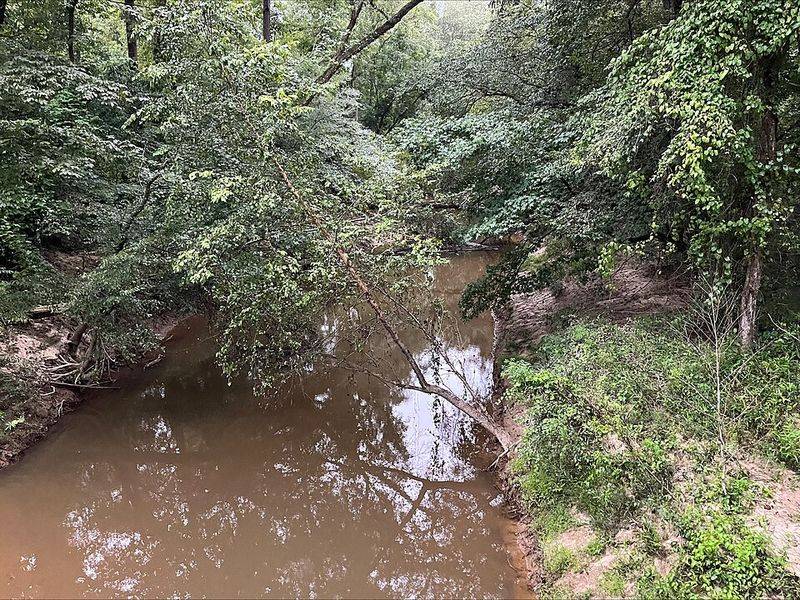
Locals around Meridian call it the king of the creeks, and once you see the spotted bass that come out of Okatibbee Creek, you will not argue with them.
Spotted bass fishing in Mississippi does not get much better than what this creek offers, and the fact that it remains almost entirely undocumented as a fishing destination is either a miracle or a carefully maintained secret. Probably both.
Okatibbee Creek winds through Lauderdale County near Meridian and feeds into Okatibbee Lake, but the creek itself is a completely different animal than the reservoir. The creek has a personality.
Riffles, deep bends, root-tangled holes that hold fish the way a good hiding spot holds a kid during a game of hide and seek.
You have to read the water and trust your instincts, which is exactly the kind of fishing that separates the real anglers from the weekend warriors.
Finding the right holes requires local knowledge that does not live on any website. The people who fish Okatibbee Creek regularly know it by feel, by seasonal changes, and by landmarks that would mean nothing to an outsider.
A certain fallen oak. A gravel bar near a cattle crossing.
A bend where the water slows just enough in summer to stack fish like they are waiting in line. Getting those directions means building a relationship with someone who has already put in the years on this water.
The good news is that anglers in this part of Mississippi are genuinely passionate about their fishing, and if you approach with respect, you just might get the conversation started that leads you straight to the king.
2. Calling Panther Lake — Near Port Gibson, Claiborne County, MS
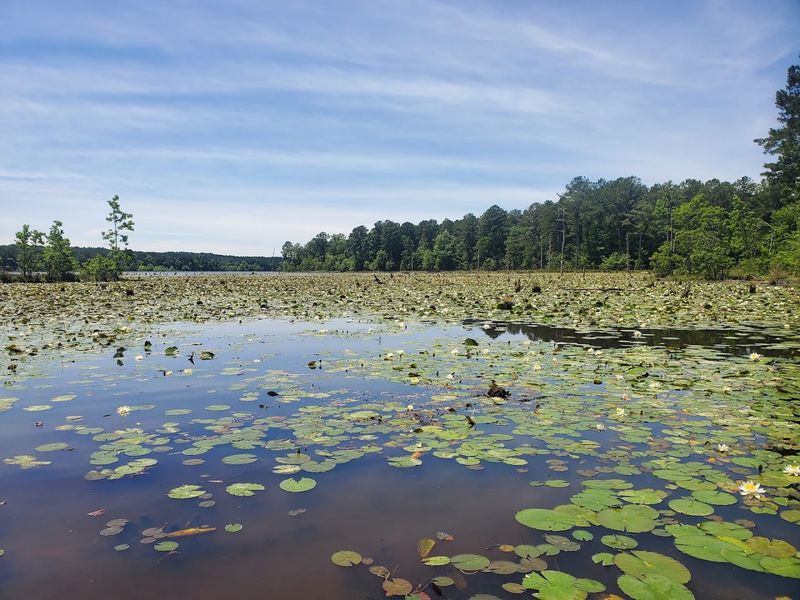
There are lakes you hear about and lakes you have to earn. Panther Lake near Port Gibson, Mississippi falls firmly in the second category.
At 512 acres, it is large enough to get lost in and remote enough to feel like the rest of the world has genuinely forgotten you exist. That feeling is not a flaw.
It is the entire point of going.
Port Gibson sits in Claiborne County, about an hour southwest of Jackson, and Panther Lake sits just outside of town feeling completely removed from the highway noise and the city rush.
Trophy bass are the main attraction, and the fish here grow large because the pressure stays low. When a lake does not get written about, it does not get fished out. Simple math, great results.
Getting specific about the best bank spots and cove entries requires an in-person conversation with someone who has been fishing Panther Lake for years. The lake sits in an area where local families have fished the same spots across multiple generations.
You might find a reference or two buried deep in an old fishing forum, but nothing that gives you real, usable directions. The GPS coordinates will get you to the general area.
What happens after that depends entirely on who you know and how much they like you. Pro tip: bring something to share for lunch and come with genuine curiosity rather than just a rod and reel.
Locals respond well to people who respect the water. Show up with that attitude and you might just get the full tour from someone who truly knows every inch of this lake.
3. Okatoma Creek — Seminary, Covington County, MS
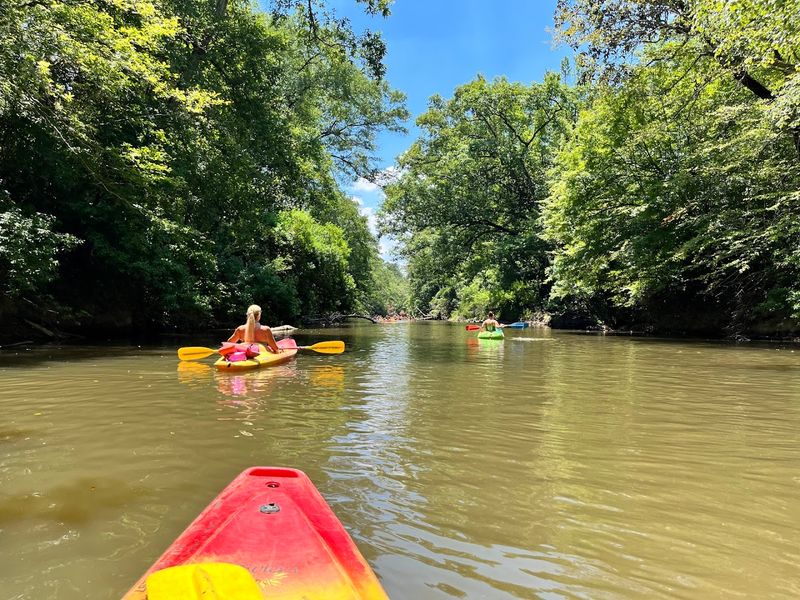
Float fishing on Okatoma Creek is the kind of experience that makes you wonder why you ever bothered with crowded public lakes.
Mississippi Sportsman once called the bass fishing here a well-kept secret even among serious bass fishermen, and that is saying a lot in a state full of serious bass fishermen.
The spotted bass and channel catfish in this creek are plentiful, feisty, and not used to seeing a lot of pressure.
The creek runs through Covington County near Seminary, Mississippi, and the only way to fish it properly is by floating. You cannot just pull up to a bank and cast.
You have to know which holes to stop at, and those holes are passed down by word of mouth from one generation of anglers to the next. No signage.
No outfitter map. No YouTube tutorial is going to save you here.
The float itself is part of the reward. Tall pines line the banks and the water stays clear enough that you can watch fish move before you even make a cast.
That visual element alone makes this creek feel more like a fishing dream than a fishing trip. Locals who grew up on Okatoma treat newcomers with polite suspicion until trust is earned.
Once you are in the circle, someone will pull out their phone not to show you a map but to call a cousin who knows the best entry point. That is how the directions work out here.
Old school, personal, and worth every bit of the effort it takes to get them.
4. Bogue Chitto River — Lincoln/Pike County, MS
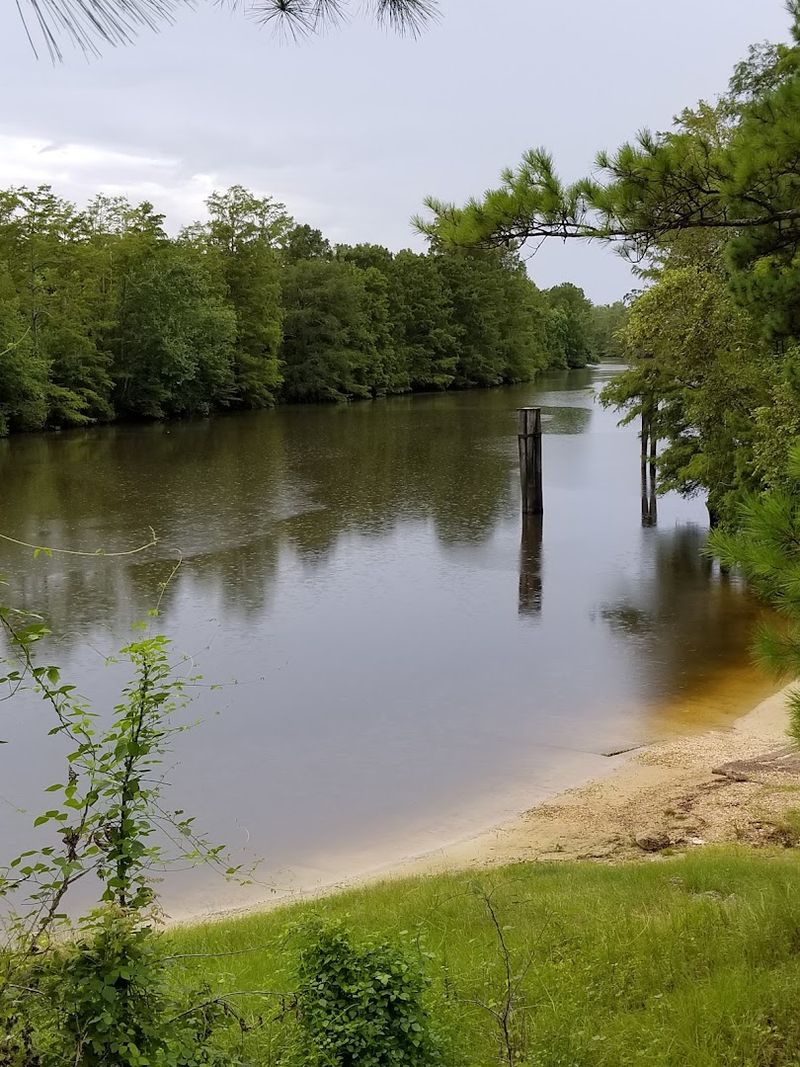
Nobody is going to hand you a map to the good spots on the Bogue Chitto River.
The best bass and catfish holes along this river are known by landmark, not by address, and the landmarks in question are the kind that only make sense if you have already been there.
A big leaning cypress near a gravel bar. The spot where two channels meet just past the old fence post. You get the idea.
The Bogue Chitto flows through Lincoln and Pike Counties in southwest Mississippi, and it is a legitimate river fishing experience with no outfitters, no guided float trips, and no signage pointing you toward the productive water.
That absence of infrastructure is exactly what keeps the fish population strong and the crowds nonexistent.
Channel catfish grow heavy in the deeper bends, and largemouth bass hold along the cypress-lined banks where the current slows in summer.
Float fishing is the most effective approach, and locals who know the river well have put-in and take-out spots memorized that are not marked on any public access map.
Getting that information requires a conversation, usually at a bait shop near Brookhaven or McComb, Mississippi, with someone who grew up fishing this river with their parents.
The Bogue Chitto has been a local fishing staple for generations, and the people who love it most are protective of it in the best possible way. They are not trying to hoard the fish.
They are trying to protect the experience. Respect the river, respect the culture, and you might just earn yourself a set of directions that feels like a treasure map.
5. Yellow Creek — Tishomingo County, NE Mississippi
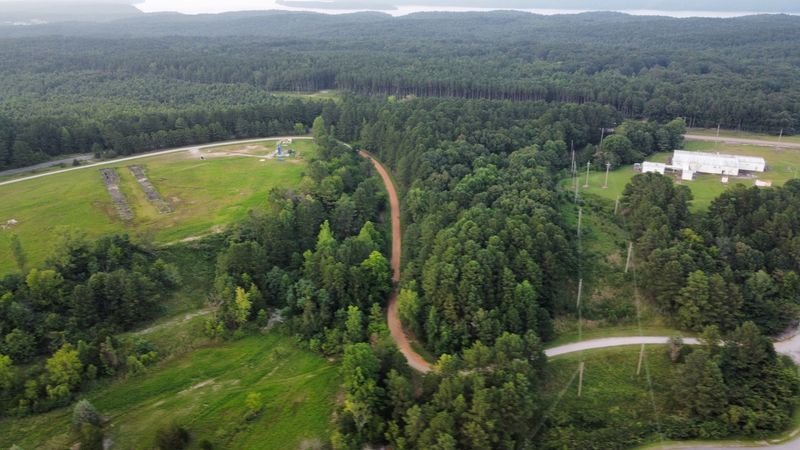
Smallmouth bass in Mississippi? Most people do not even know that is possible, and that is exactly what makes Yellow Creek in Tishomingo County one of the most surprising fishing experiences the state has to offer.
The far northeast corner of Mississippi looks and feels nothing like the flat Delta or the piney woods further south.
Up here the land rolls, the creeks run clear over rocky bottoms, and the smallmouth bass are real, feisty, and completely off most anglers’ radar.
Yellow Creek has almost no online presence as a fishing destination. Try searching for it and you will find mostly references to the broader Tishomingo County area or Tennessee-Tombigbee Waterway content that barely grazes the surface of what this creek offers.
The smallmouth population here is the result of the creek’s cool, oxygen-rich, rocky habitat that mirrors the kind of environment those fish prefer in Tennessee and Alabama. Tishomingo County essentially borrowed some of its neighbors’ best fish.
Getting to the productive stretches of Yellow Creek requires navigating unmarked backroads that locals know by feel rather than by GPS instruction.
The creek runs through rural private and public land, and knowing which access points are legal and which holes are worth stopping at is knowledge that travels by conversation only.
Tishomingo County is home to J.P. Coleman State Park, which sits along the Tennessee-Tombigbee Waterway, and anglers who fish the park regularly sometimes know locals who can point you toward Yellow Creek access.
Go to the park. Talk to people. Be patient. The smallmouth bass are worth every bit of the detective work required to find them.
6. Twenty-Mile Lake — Bolivar County, MS (Mississippi Delta)
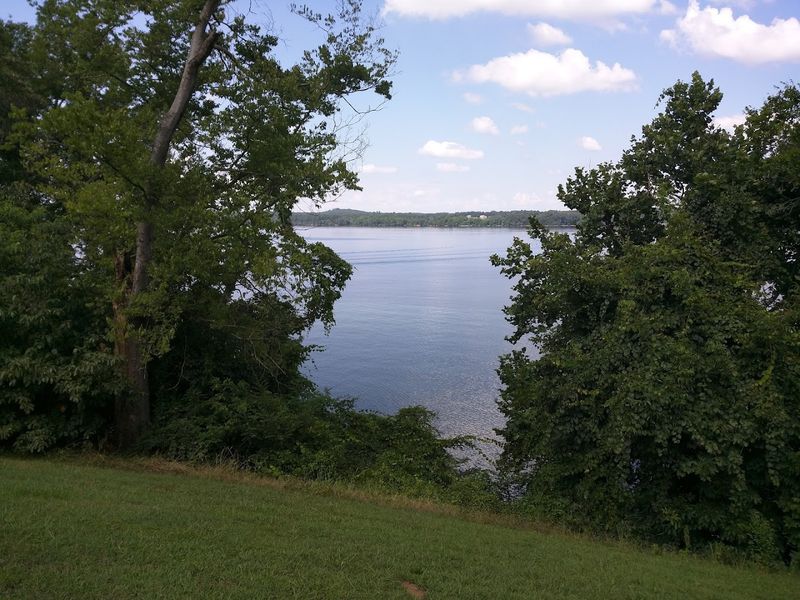
Welcome to the Mississippi Delta, where the land is flat, the history runs deep, and the crappie fishing at Twenty-Mile Lake in Bolivar County is the kind of thing people whisper about rather than post about.
Classic Delta oxbow lakes like this one are formed when a river changes course over time and leaves behind a curved, still body of water.
The result is a crappie habitat so good it almost feels unfair to the crappie.
Twenty-Mile Lake sits in Bolivar County, deep in the heart of the Delta, and finding the exact bank spots that produce fish consistently requires knowing somebody who knows somebody. That is not a figure of speech.
The productive crappie structure in an oxbow lake like this one changes with water levels, seasons, and the natural movement of brush and timber.
The people who track those changes are the ones who fish here every week, not the ones who visit once a year with a map they downloaded from the internet.
The Delta fishing culture is its own universe. Out here, fishing spots are part of a community’s identity and are shared with the same careful consideration you would give to any meaningful gift.
Getting an invitation to fish Twenty-Mile Lake with someone who knows it well is genuinely something to be grateful for. Bolivar County is accessible via Highway 61, the legendary Blues Highway that cuts straight through the Delta.
Once you are in the county, the real navigation begins, and it happens through conversation, trust, and the kind of generosity that Delta fishing culture has always been built on. Bring your patience and your best manners.
7. Chunky River — Newton County, MS
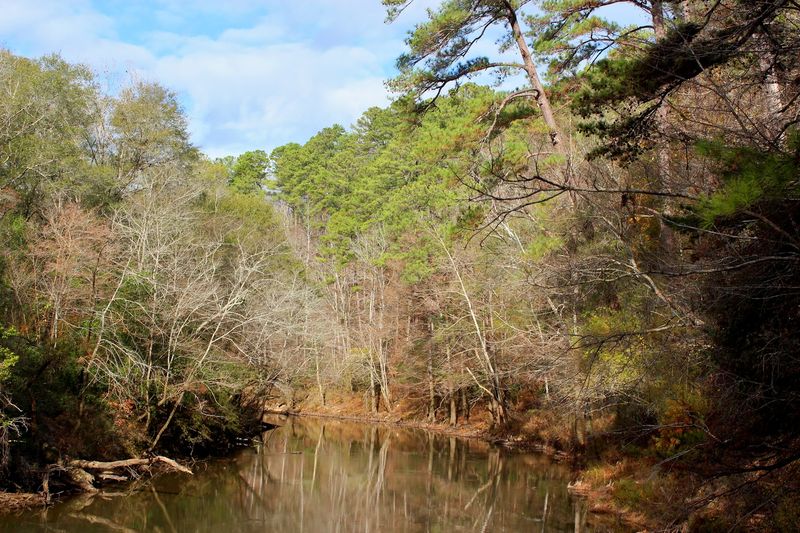
The water runs surprisingly good for a Mississippi river, which means you can actually see the bass and bream holding in the deeper pools before you even make a cast.
For an angler who loves sight fishing, the Chunky River is basically a playground with fins.
The Chunky River flows through East-Central Mississippi and passes near the town of Chunky, Mississippi, which has one of the best town names in the entire state and that is a fact worth celebrating.
The river offers bass and bream fishing in a wild, largely undeveloped setting that has not been packaged or promoted as a tourism destination.
That lack of promotion is the whole reason the fish are still there in such good numbers. The river essentially runs on the honor system.
Outside of local knowledge, the Chunky River barely exists as a documented fishing destination. You will not find guided trip options or detailed access maps for the best holes.
What you will find, if you stop at a gas station in Newton County and strike up a conversation, is someone who grew up wading this river and knows every productive pool between Highway 80 and the next county line.
Newton County locals are proud of the Chunky River in a quiet, understated way.
They love it enough to protect it and respect it enough not to overfish it. Get in good with one of them and the whole river opens up like a gift you did not expect but absolutely needed.