
These 13 Pennsylvania Castles Look Like They Belong In A Fairytale
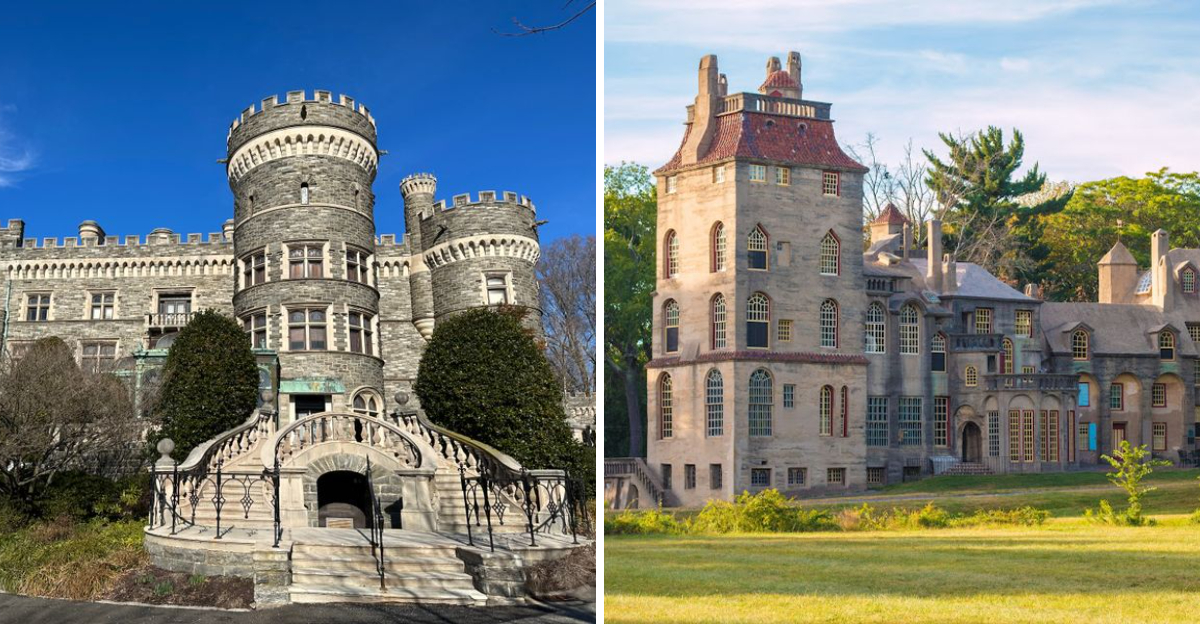
While Pennsylvania is best known for cheesesteaks and the Liberty Bell, it’s also home to hidden castles that seem like they’ve been pulled straight from a fairy tale. Throughout the state, you’ll find stone fortresses created by visionary minds and Gothic mansions with secret passageways.
These architectural marvels prove that you don’t need to travel overseas to experience a regal escape. Whether you’re passionate about history, architecture, or simply enjoy exploring magical places, Pennsylvania’s castles offer a unique opportunity to step into a different world, all within reach.
1. Mercer Museum (Doylestown)
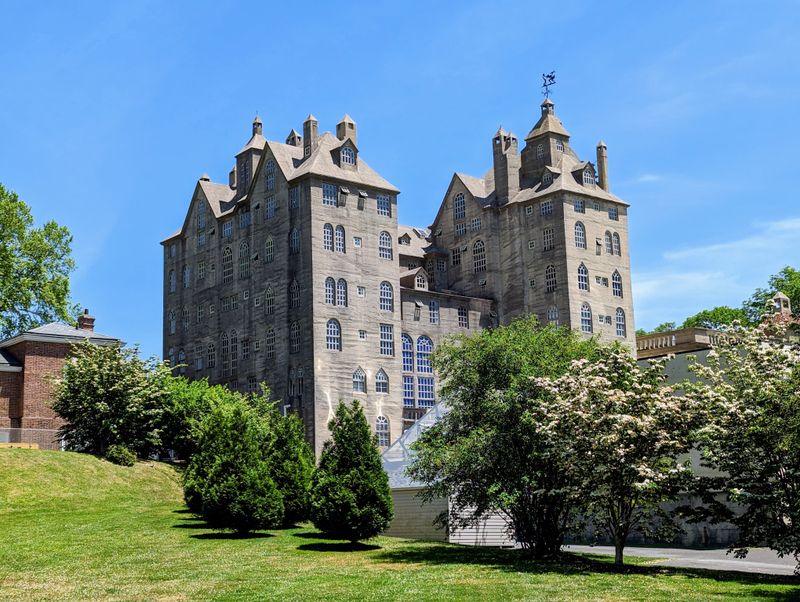
Henry Chapman Mercer wasn’t done after building Fonthill. He went ahead and constructed another castle, this time to house his collection of over 40,000 early American tools and objects.
Walking into the Mercer Museum feels like entering a six-story treasure chest where everyday items become artifacts of wonder. From whale boats hanging from the ceiling to antique coffins and butter churns, the displays celebrate the ingenuity of ordinary people.
The building itself is a reinforced concrete marvel, designed with the same quirky genius as Fonthill. Natural light pours through tall windows, illuminating the central atrium where objects seem to float in mid-air.
Each floor focuses on different trades and crafts, giving you a crash course in how people lived and worked before machines took over.
Kids love spotting the Conestoga wagon suspended overhead, while adults appreciate the sheer variety of human creativity on display. Mercer believed these objects told stories that textbooks couldn’t, and wandering through his castle-museum proves him absolutely right.
2. Fonthill Castle (Doylestown)
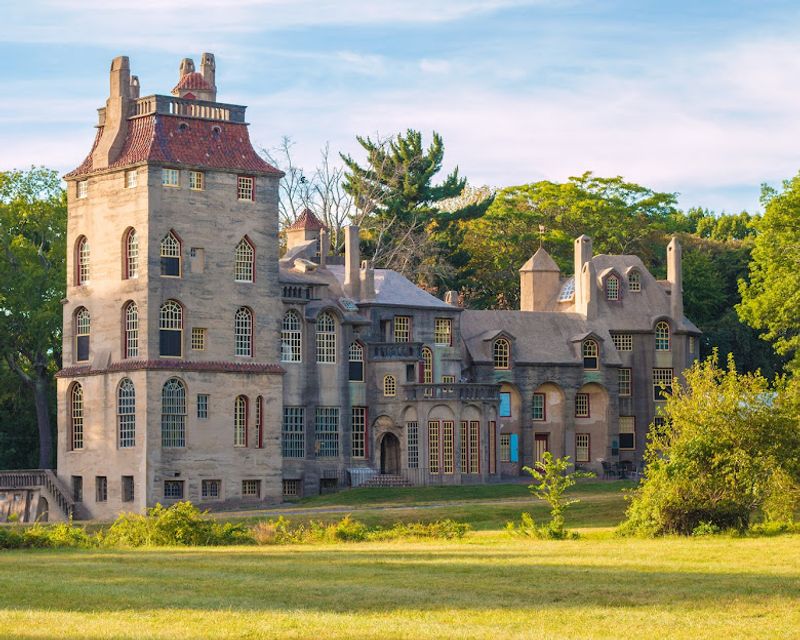
Built between 1908 and 1912, this concrete wonderland was the brainchild of Henry Chapman Mercer, a man who refused to follow anyone’s rules but his own. Every room feels like stepping into a different dream, with 44 rooms, over 200 windows, and 18 fireplaces, none of which match.
Mercer filled his castle with handmade tiles depicting everything from medieval tales to Bible stories, creating a visual feast around every corner.
Winding staircases lead to unexpected nooks, and some doorways are so low you’ll need to duck. The architecture defies logic in the best way possible, with towers jutting out at odd angles and secret passages that make you feel like a character in a mystery novel.
Mercer even designed a built-in system to collect rainwater, proving he was as practical as he was whimsical.
Tours guide you through this labyrinth of creativity, where you’ll learn about Mercer’s obsession with preserving pre-industrial craftsmanship. Standing in Fonthill feels like being inside someone’s imagination brought to life in poured concrete and colorful ceramic.
3. Glencairn Museum (Bryn Athyn)
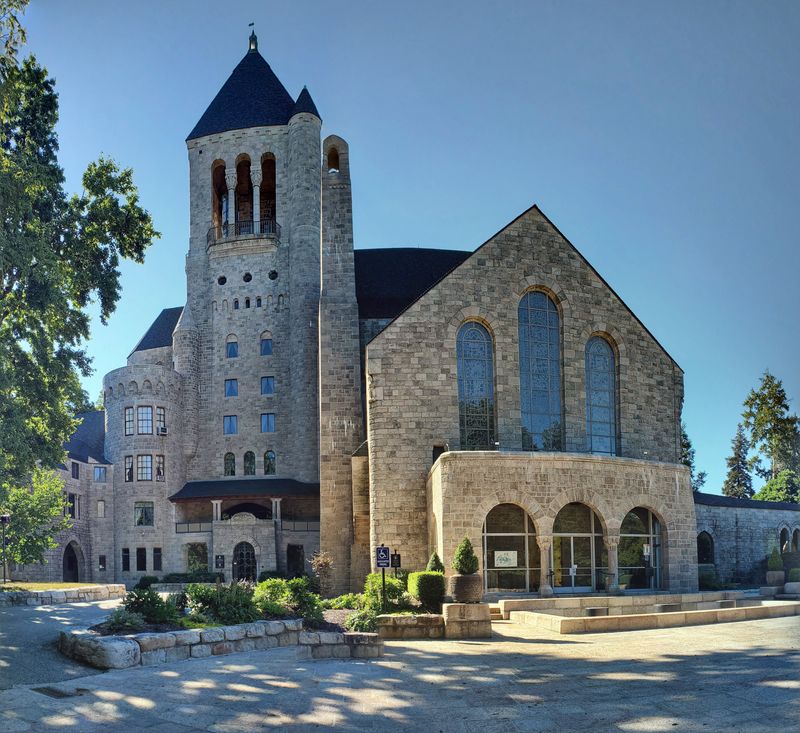
Raymond Pitcairn took nine years to build this Romanesque-style castle, completing it in 1939 as both a family home and a showcase for his incredible collection of religious art. The moment you approach Glencairn, you’re struck by its fortress-like presence, with thick stone walls and a tower that reaches toward the sky.
Inside, the great hall soars three stories high, featuring stained glass windows that bathe everything in jewel-toned light.
Pitcairn traveled the world collecting ancient artifacts from Egypt, Greece, Rome, and medieval Europe, and he designed specific rooms to display each culture’s treasures. The Medieval Room feels like stepping into a chapel, while the Egyptian collection includes genuine mummies and funerary objects.
Every architectural detail was intentional, from hand-carved woodwork to custom metalwork created in Pitcairn’s own workshops.
What makes Glencairn truly special is how it blends a lived-in warmth with museum-quality exhibits. You can peek into the family’s private quarters and see where real people once gathered for dinner beneath Gothic arches and ornate ceilings.
4. Grey Towers Castle (Glenside)
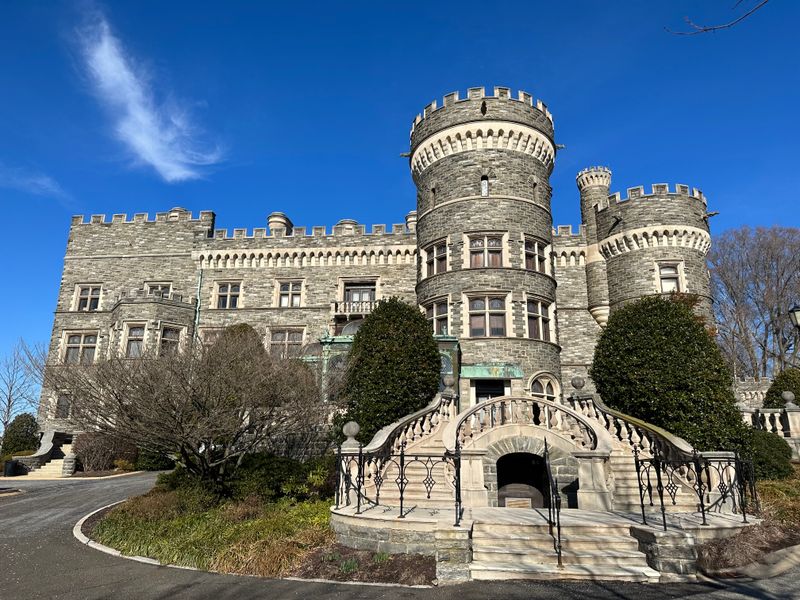
Perched on the campus of Arcadia University, Grey Towers looks exactly like something pulled from the Scottish Highlands. William Welsh Harrison commissioned this Gothic Revival masterpiece in 1893, sparing no expense to create his dream estate.
The grey stone walls, crenellated towers, and dramatic turrets make it one of the most photographed buildings in the Philadelphia area, and for good reason.
Originally a private residence, the castle now serves as the university’s main administrative building, but its grandeur remains intact. Stone gargoyles peer down from corners, and arched doorways lead to rooms with soaring ceilings and intricate woodwork.
The grand staircase alone is worth the visit, sweeping upward beneath stained glass windows that cast rainbow patterns across the steps.
The surrounding grounds feature manicured gardens and walking paths where you can admire the castle from different angles. During certain times of year, the university offers tours that let you explore the interior’s Victorian elegance.
Standing beneath those towers, you half expect to see knights riding up the driveway.
5. Stokesay Castle (Reading)
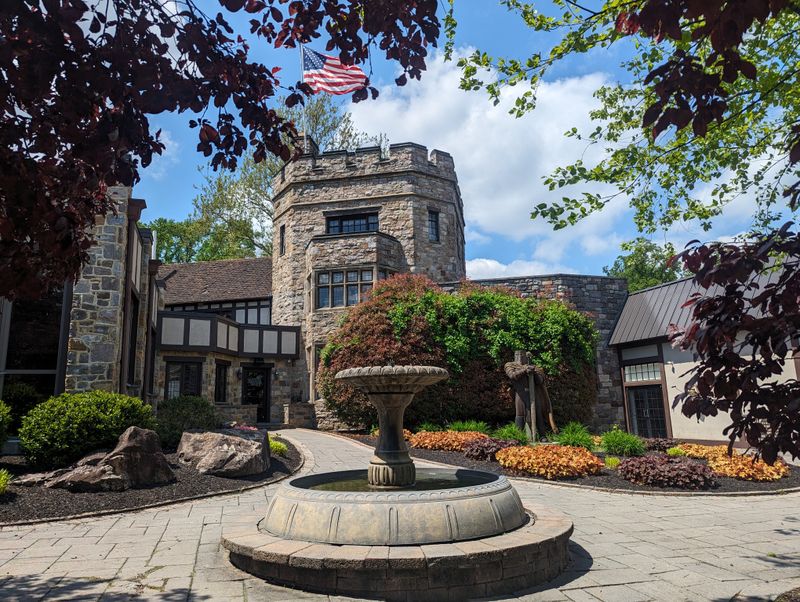
Don’t let the name fool you—Stokesay Castle in Reading is actually a Victorian mansion designed to look like a medieval fortress. Built in the 1850s for the Musselman family, this sandstone beauty features towers, battlements, and Gothic windows that transport you straight to England.
The Musselmans were successful industrialists who wanted a home that reflected their romantic ideals and love of European architecture.
The castle sits on spacious grounds that once included elaborate gardens and outbuildings. Though it’s now privately owned and not always open for tours, the exterior alone is worth seeking out.
The careful attention to period details, from the pointed arches to the decorative stonework, shows how seriously the builders took their medieval inspiration.
Local historians love sharing stories about the family gatherings and grand parties that once filled these halls with music and laughter. The building has changed hands several times over the decades, but it remains a testament to America’s Victorian-era fascination with all things castle-like and chivalrous.
6. Hanson Haines House (“The Castle”) (Philadelphia)
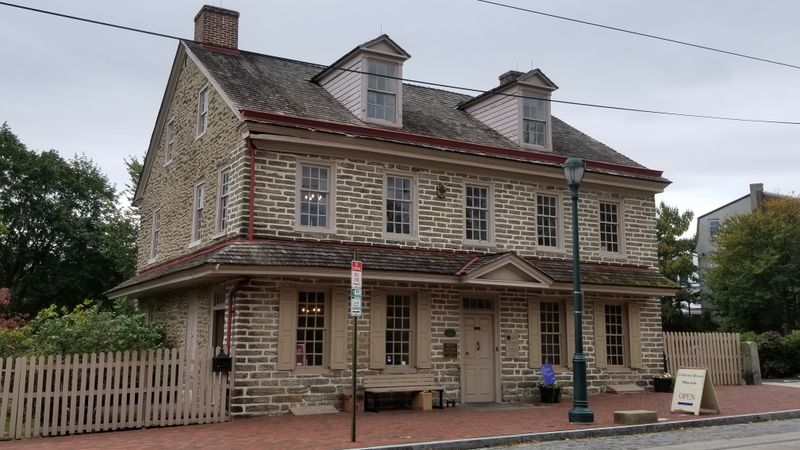
Right in the middle of Philadelphia’s Fairmount neighborhood stands a house locals simply call “The Castle,” and one look tells you why. Built in 1888 for Hanson Haines, a successful businessman, this Romanesque Revival gem features a round tower complete with a conical roof that looks like it belongs in a fairytale.
The rough-cut stone exterior and arched entryway give it a fortress-like quality, even though it’s surrounded by regular rowhouses.
The contrast between this architectural showpiece and its urban surroundings makes it even more striking. Haines wanted a home that stood out, and he certainly got his wish.
The tower dominates the corner lot, drawing eyes from blocks away and making the house an instant neighborhood landmark.
Over the years, the building has served various purposes, from private residence to apartments. Despite changes in use, the exterior has been carefully preserved, maintaining its storybook charm.
Walking past it feels like discovering a secret portal to another time, proof that castles aren’t just for countryside estates.
7. Bowman’s Castle (Nemacolin Castle) (Brownsville)
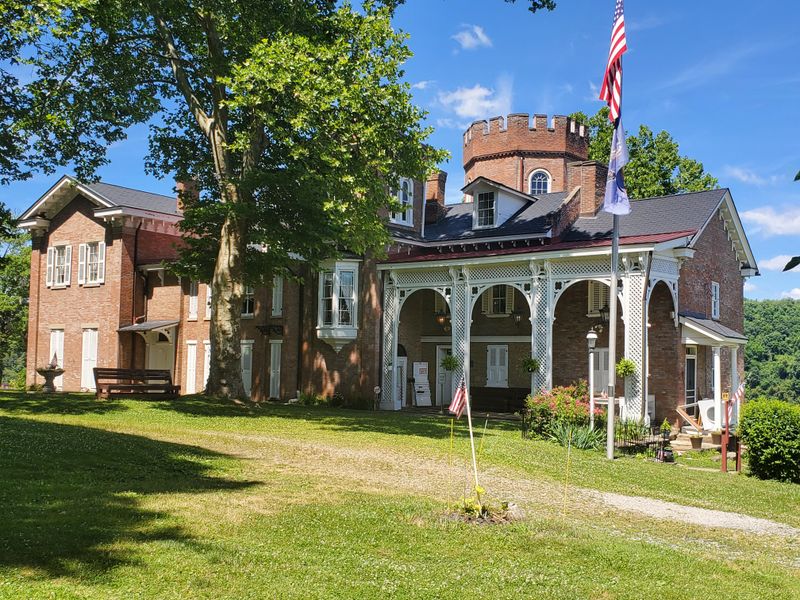
Built around 1789, Nemacolin Castle is one of Pennsylvania’s oldest trading posts and the only remaining structure of its kind in the entire state. Isaac Bowman constructed this fortress-like building as both a home and a defensive position during the frontier days when the area was still considered the wild west.
The thick stone walls and small windows weren’t just for show—they were necessary protection against potential attacks.
The castle’s name honors Chief Nemacolin, a Delaware Indian who helped blaze the trail that became a crucial route westward. Inside, you’ll find period furnishings and artifacts that tell the story of early American frontier life.
The building served as a trading post where settlers could stock up on supplies before pushing further into uncharted territory.
Today, it operates as a museum where guides share tales of the Bowman family and the challenges of frontier living. The castle’s survival through centuries of change makes it a precious link to Pennsylvania’s pioneering past, when every stone building was a small fortress against the unknown.
8. Blairsville Armory (Blairsville)
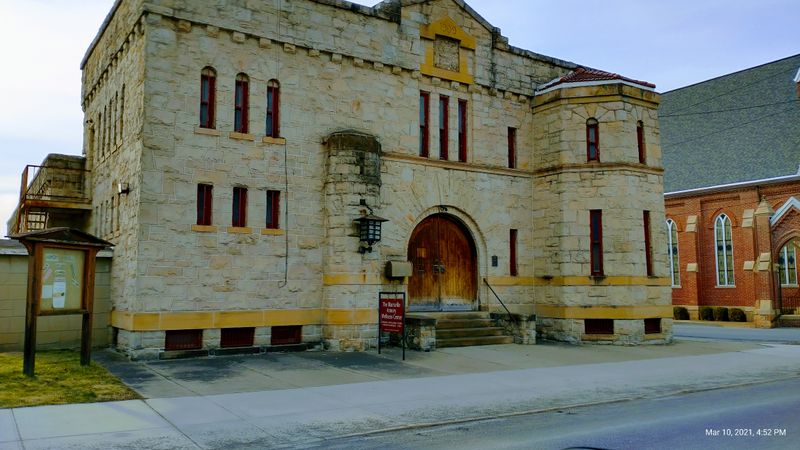
At first glance, the Blairsville Armory looks like a medieval castle dropped into small-town Pennsylvania. Completed in 1914, this National Guard armory was designed in the Castellated style, complete with crenellated towers and fortress-like stone walls.
The architects wanted to create a building that projected strength and permanence, and they succeeded beyond measure.
The armory served as a training facility for local military units and a gathering place for community events. Its drill hall could accommodate large crowds, making it perfect for everything from military exercises to town celebrations.
The castle-like exterior wasn’t just decorative—it reflected the building’s serious purpose while also filling residents with civic pride.
Though it no longer functions as an active armory, the building remains a striking landmark in downtown Blairsville. The stonework has weathered beautifully, and the towers still stand tall against the skyline.
Locals treasure it as a reminder of when even practical buildings were constructed with artistry and imagination, blending function with fairytale aesthetics.
9. Aldie Mansion (Doylestown)
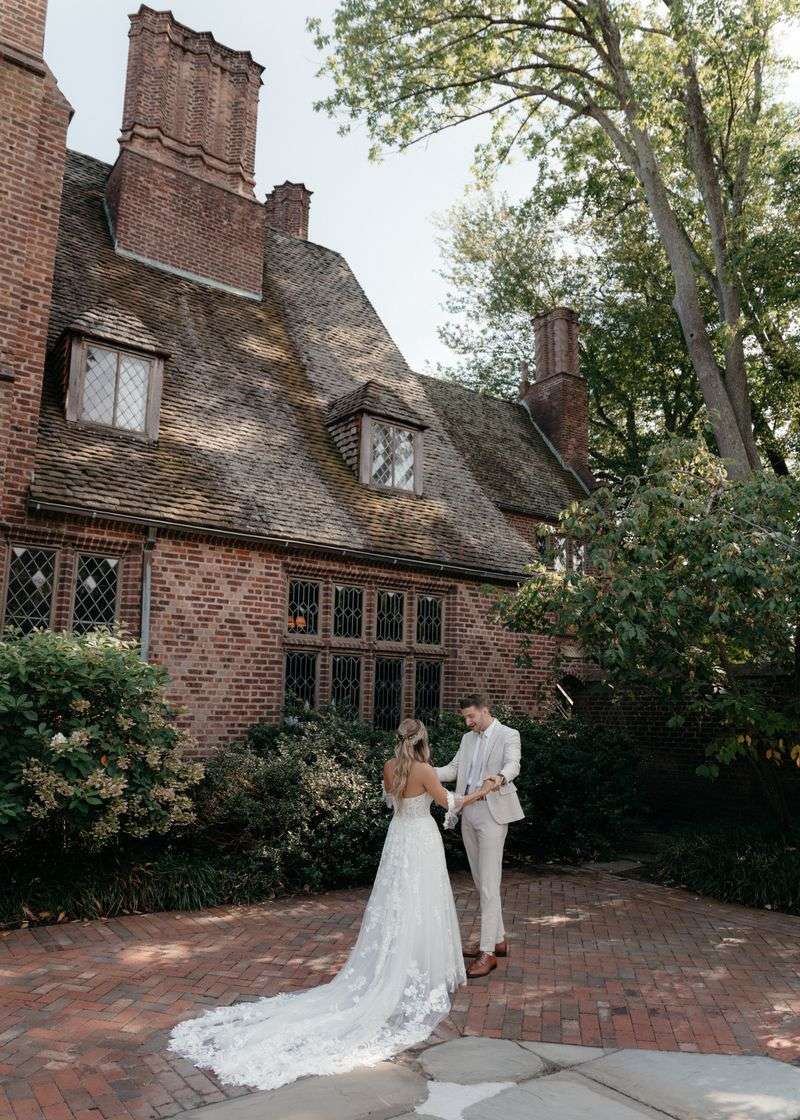
Aldie Mansion started life in 1927 as a Tudor Revival estate for the Eberhard family, who made their fortune in the steel industry. The mansion’s steeply pitched roofs, decorative half-timbering, and multiple chimneys create a storybook silhouette that could easily be mistaken for an English manor house.
Surrounded by 10 acres of rolling lawns and mature trees, the property feels worlds away from modern life.
The interior features hand-carved woodwork, leaded glass windows, and fireplaces large enough to stand in. Each room was designed with meticulous attention to period details, from the library’s built-in bookshelves to the formal dining room’s coffered ceiling.
The Eberhards entertained lavishly here, hosting guests in surroundings that celebrated old-world craftsmanship.
Today, Aldie operates as a historic house museum and event venue, allowing visitors to experience the elegance of the Jazz Age. Walking through its rooms, you can almost hear the echo of 1920s parties and imagine what life was like for Pennsylvania’s industrial elite during that golden era.
10. The Highlands Mansion And Gardens (Fort Washington)
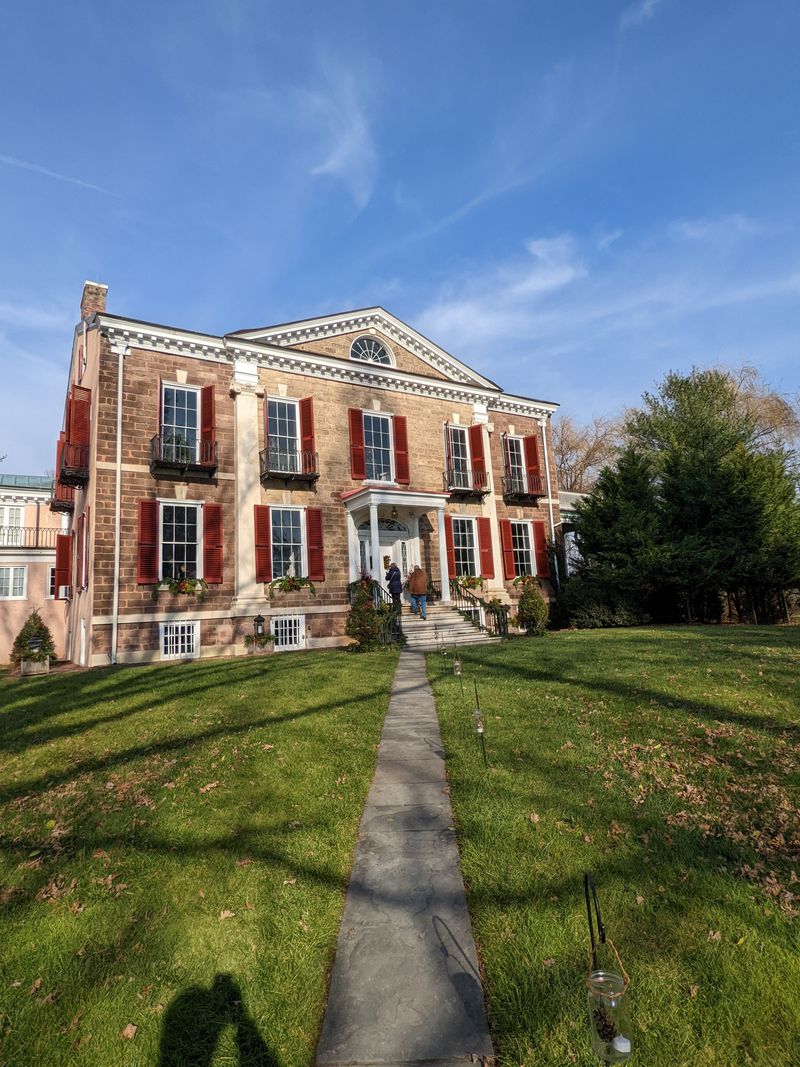
Anthony Morris built the original Highlands house in 1796, but it was Caroline Sinkler who transformed it into the Georgian-style mansion we see today during the early 1900s. The symmetrical facade, elegant proportions, and refined details reflect the classical revival movement that swept through American architecture.
But what truly sets the Highlands apart are its 44 acres of stunning gardens, designed as outdoor rooms that flow from one to another.
The formal gardens feature boxwood hedges, perennial borders, and specimen trees that have been growing for over a century. A walled garden provides a secret retreat, while woodland paths invite exploration through natural areas.
Each season brings new colors and textures, from spring bulbs to fall foliage that sets the mansion aglow.
Inside, the mansion has been restored to reflect different periods of its history, with furnished rooms showing how tastes evolved over generations. Costumed interpreters bring the past to life during special events, and the property hosts workshops on everything from gardening to historical crafts.
11. Cairnwood Estate (Bryn Athyn)
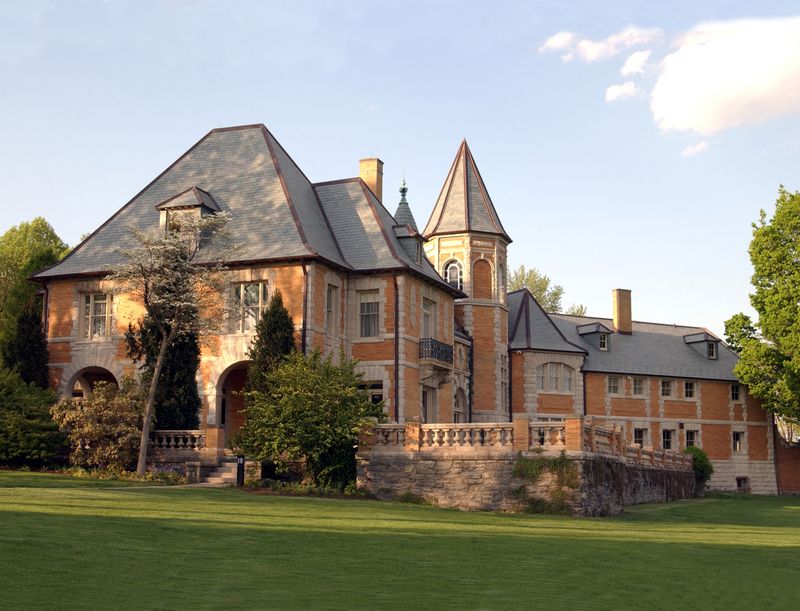
John Pitcairn, founder of Pittsburgh Plate Glass Company, built Cairnwood between 1895 and 1898 as a summer retreat for his large family. This Beaux-Arts mansion combines French chateau elements with American practicality, resulting in a home that’s both grand and surprisingly livable.
The limestone exterior, slate roof, and ornamental details create an impression of European sophistication transplanted to Pennsylvania soil.
Inside, you’ll find 26 rooms filled with original furnishings, family photographs, and personal belongings that make history feel intimate. The Pitcairns were deeply religious and committed to their community, values reflected in the home’s design and decoration.
Stained glass windows throughout the house were created by skilled artisans, some of whom also worked on nearby Glencairn Museum.
The estate sits on beautifully maintained grounds with gardens, walking paths, and views across the Pennypack Valley. Tours reveal not just architectural splendor but also the story of a family who used their wealth to build churches, support education, and create beauty that still enriches the community today.
12. Houston Hall (State College)
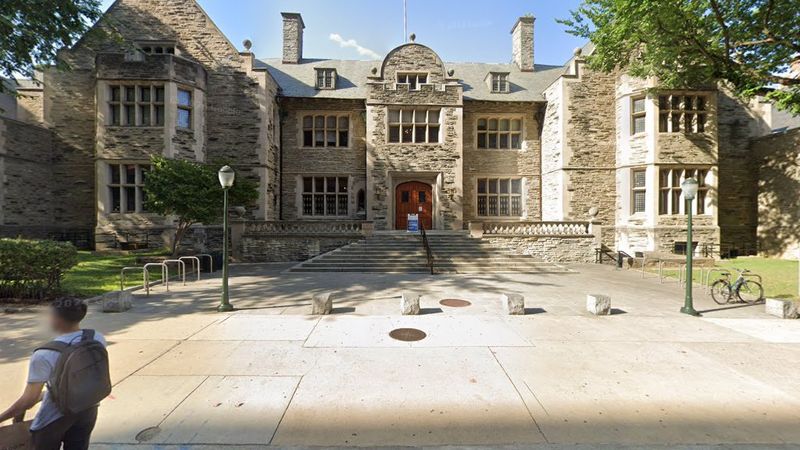
Located on the Penn State campus, Houston Hall was built in 1939 and named after David Fleming Houston, a distinguished university trustee. This Collegiate Gothic building features the stone construction, pointed arches, and decorative details typical of medieval-inspired architecture.
The designers wanted to create a structure that would inspire students while providing practical space for administrative offices.
The exterior stonework includes carved details and Gothic windows that give the building its castle-like appearance. Towers flank the main entrance, and the overall design creates a sense of permanence and academic tradition.
Walking past Houston Hall, students literally pass through a gateway that connects them to centuries of educational heritage.
Though it serves a modern purpose, the building maintains its historical character through careful preservation. The Gothic style was intentionally chosen to link Penn State with the great universities of Europe, suggesting that learning is a timeless pursuit worthy of noble architecture.
It’s proof that even twentieth-century campus buildings could capture fairytale magic while serving contemporary needs.
13. Conestoga House & Gardens (Morgantown)
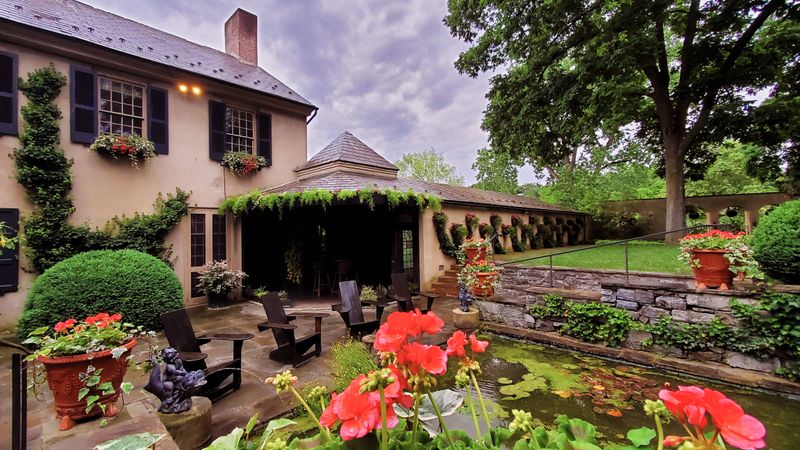
Built in 1840, Conestoga House started as a modest Greek Revival home before being dramatically transformed in the 1920s into a Tudor Revival showpiece. The current owners have spent decades restoring the property and developing its six acres of gardens into one of Pennsylvania’s hidden horticultural gems.
Stone walls, steeply pitched roofs, and diamond-paned windows give the house its storybook character.
The gardens are divided into distinct areas, each with its own personality and purpose. A formal parterre features geometric beds filled with colorful annuals, while a woodland garden showcases shade-loving plants beneath towering trees.
Water features, stone paths, and carefully placed benches invite visitors to slow down and savor the beauty.
Garden tours reveal the passion and knowledge that have gone into creating these outdoor spaces, where every plant is chosen for its contribution to the overall design. The combination of historic architecture and world-class gardens makes Conestoga House feel like a private estate you’re lucky enough to visit, a place where time slows and beauty surrounds you.