
These Popular Florida Beach Communities Are Becoming Out Of Reach For Many Longtime Residents
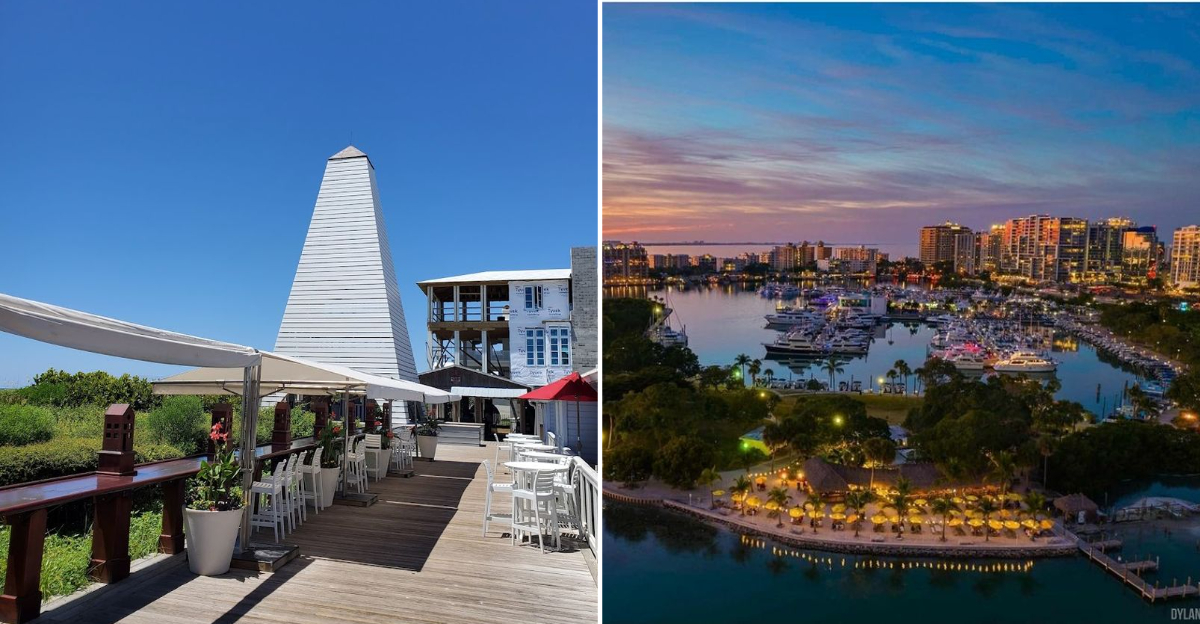
Property values climbing faster than local paychecks have a way of pricing out the people who built a community’s character. These Florida beach towns are watching that dynamic play out in real time.
The shift did not happen overnight. It accumulated slowly, one sale and one renovation at a time, until the math stopped working for longtime families.
Longtime locals describe the change with a specific kind of resignation. Not surprise exactly, just the quiet acknowledgment that the place they remember is harder to recognize every season.
Beach communities thrive on the character residents build over decades, yet that same desirability often prices them out. Florida is living through that contradiction, and the people most affected have the least power to change it.
1. Destin
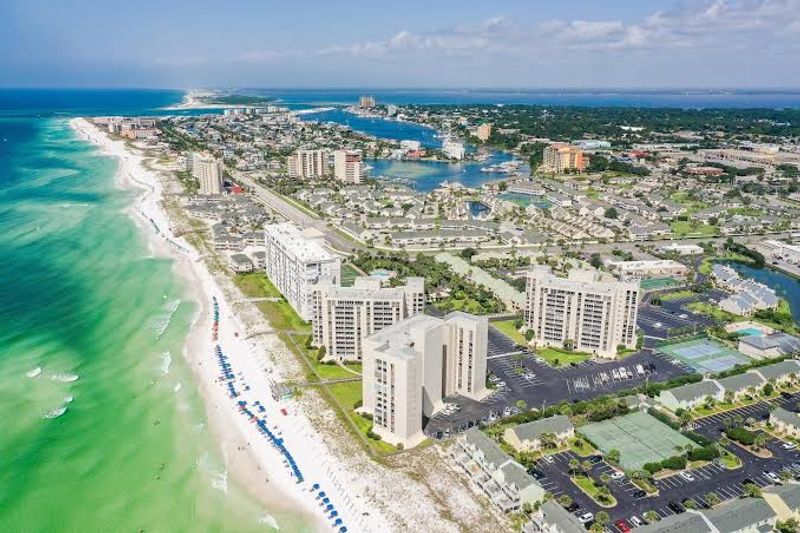
Destin used to be a fishing village. Seriously, it was a quiet little spot where families grilled grouper and kids chased sand crabs at dusk.
Now it is one of the most visited beach destinations in the entire country, and longtime residents are feeling the squeeze hard.
The median home price here has shot up dramatically over the past few years. Investors swooped in and bought up everything they could, turning single-family homes into short-term vacation rentals almost overnight.
Local teachers, nurses, and restaurant workers who grew up here cannot compete with out-of-state buyers paying cash. Many are relocating inland to Fort Walton Beach or Crestview just to find something affordable.
That is a brutal trade-off when the beach was your backyard.
Property insurance is another gut punch. Coastal homeowners in Destin are seeing annual premiums climb to levels that would make your jaw drop.
Flood insurance alone can cost thousands more per year than it did just a decade ago.
The tourism economy that fueled Destin’s growth is now part of the problem. Vacation rental demand keeps property values inflated, making it nearly impossible for working families to buy in.
The community vibe that made Destin special is slowly being replaced by a revolving door of tourists.
There is still beauty here, no question. The Emerald Coast water is genuinely that stunning shade of green-blue.
But beauty alone does not pay a mortgage. Longtime residents are watching their hometown transform into something they barely recognize, and many are choosing to leave rather than fight an uphill financial battle.
2. Naples
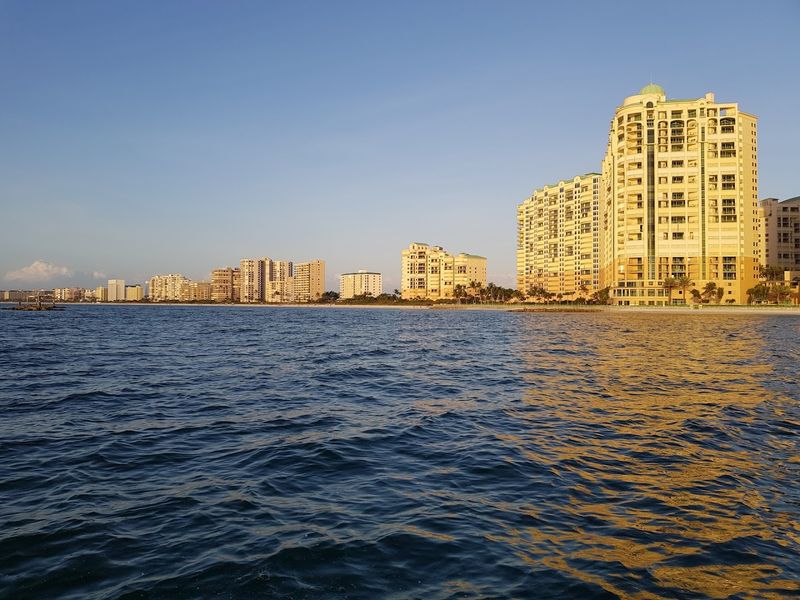
Naples is the kind of place where golf carts outnumber pickup trucks and every restaurant has a dress code. It has always leaned wealthy, but the past five years have taken things to a whole new level.
Even longtime upper-middle-class residents are finding it hard to keep up.
Coastal areas in Collier County now feature average home prices that regularly top one million dollars. That number used to feel like an exaggeration.
Today it is just Tuesday in Naples real estate.
Retirees who moved here twenty years ago on modest savings are now sitting on homes worth a fortune but struggling to afford the taxes and insurance that come with that fortune. It is a strange kind of trap.
You are technically wealthy on paper but cash-poor in real life.
Essential workers face an even bleaker situation. Hospitality staff who keep Naples running, the hotel workers, the landscapers, the restaurant servers, most of them commute from towns thirty to forty minutes away.
Finding affordable housing inside city limits is nearly impossible for them.
Hurricane Ian in 2022 made everything worse. Insurance companies fled the state or raised premiums to staggering heights.
Some homeowners in Naples are now paying more in annual insurance than they used to pay in annual mortgage payments. That math does not work for most families.
The charm of Naples is undeniable. The pier sunsets are world-class.
The food scene is genuinely excellent. But a community only stays a community when the people who built it can still afford to live in it.
Right now, that is very much in question. 735 8th St S, Naples, FL 34102.
3. Sarasota
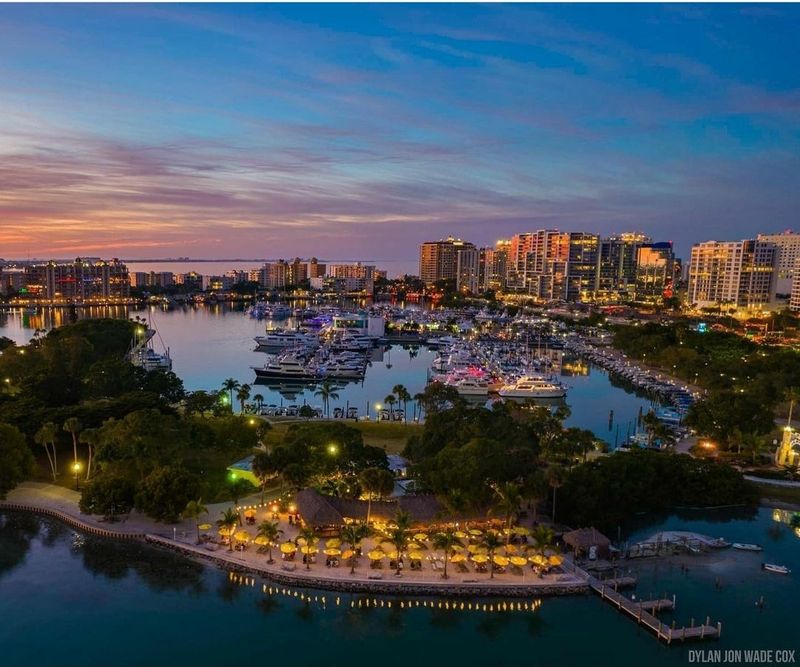
Sarasota has always had this artsy, cultured energy that sets it apart from other Florida beach towns. It has world-class museums, a thriving theater scene, and Siesta Key right next door.
For a long time, it managed to stay relatively accessible. That window is closing fast.
The median home price in Sarasota has climbed well above state averages. Remote workers from New York and Chicago discovered it during the pandemic and never really left.
Their higher salaries completely changed what sellers expect to get for their homes.
Longtime residents who rent are in an especially tough spot. Landlords in Sarasota have raised rents aggressively over the past few years, knowing demand far outpaces supply.
Some renters have seen their monthly costs jump by hundreds of dollars in a single lease renewal cycle.
The arts community that gave Sarasota its soul is quietly shrinking. Artists, musicians, and small gallery owners cannot afford to stay.
When the creative class gets priced out, a city loses something harder to replace than just bodies in buildings. It loses its identity.
Climate concerns add another layer of pressure. Sarasota sits low and flat along the Gulf Coast.
Flood insurance requirements are becoming a major financial burden for homeowners in vulnerable zones, pushing total housing costs even higher for those who stay.
There is genuine heartbreak in talking to longtime Sarasota residents. Many of them raised families here, built businesses here, and watched the city grow.
Now they are watching a version of Sarasota emerge that no longer has room for them. That is a loss the whole community feels, even if the newcomers do not know it yet.
4. Delray Beach
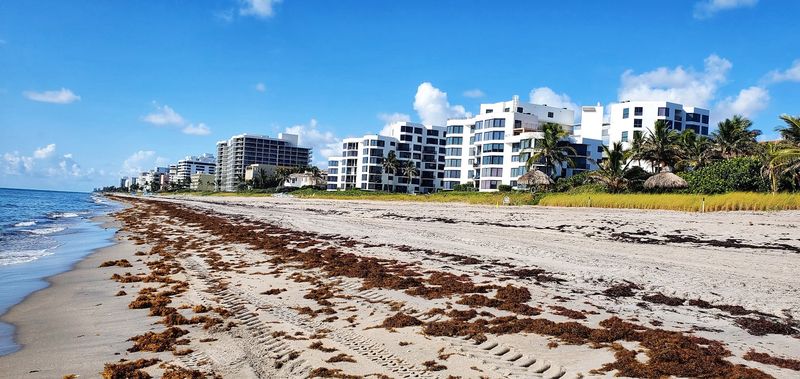
This place earned the nickname “The Most Fun Small Town in America” back in the day, and it genuinely earned that title.
Atlantic Avenue buzzes with energy, the beach is gorgeous, and the community has historically been more diverse and welcoming than many South Florida spots. But things are shifting fast.
Home prices in Delray Beach have surged dramatically, driven by proximity to Boca Raton and West Palm Beach. Buyers priced out of those markets started looking south and east, and Delray absorbed a massive wave of demand it was not prepared for.
The city has a historically Black neighborhood called the Osceola Park area that has seen intense pressure from gentrification.
Families who have lived there for generations are watching property values rise in ways that sound good on paper but translate to displacement in practice. Higher values mean higher taxes and higher pressure to sell.
Younger locals who grew up in Delray face a near-impossible path to homeownership. Even with decent jobs, saving enough for a down payment on a local home feels like trying to catch the tide with a paper cup.
Many are giving up and moving west to Boynton Beach or Lake Worth.
The short-term rental market has not helped either. Investors converted a significant number of residential properties into vacation units, shrinking the already-tight inventory for full-time residents who just want a stable place to live.
Atlantic Avenue is still fun on a Friday night. The energy is real.
But underneath that festive surface, a quieter story is playing out about who gets to stay and who gets pushed out.
5. St. Pete Beach
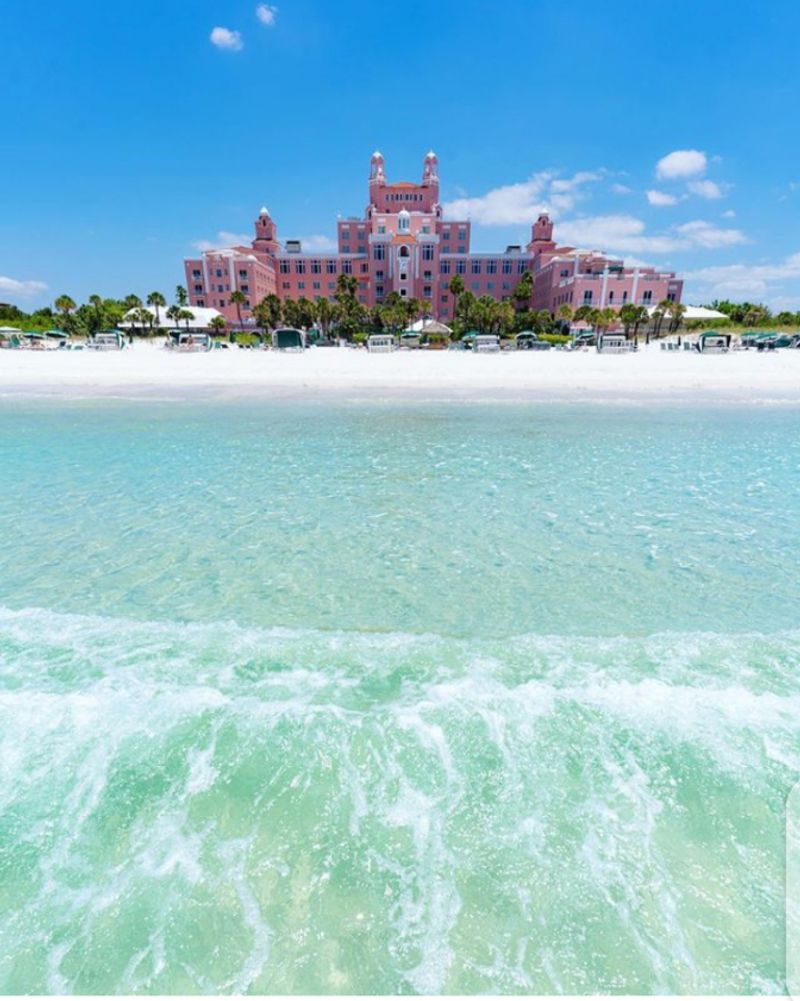
St. Pete Beach is on a barrier island west of St. Petersburg and has long been a popular, quieter Gulf Coast destination for Florida families. The water is warm, the vibe is laid-back, and the sunsets are the stuff of screensavers.
But laid-back does not mean affordable anymore.
The island geography creates a real problem. There is only so much land on a barrier island, and when demand rises, prices have nowhere to go but up.
Housing inventory on St. Pete Beach is perpetually tight, and new construction opportunities are extremely limited.
After Hurricane Helene caused significant flooding in 2024, the conversation around coastal insurance became even more urgent. Some homeowners received renewal quotes that were double or triple what they had paid the year before.
Many simply could not absorb that cost and chose to sell.
Those sellers often found eager buyers, but not the kind who planned to live there full-time. Investors and vacation rental operators stepped in quickly.
The result is a neighborhood that increasingly looks like a resort district rather than a real community.
Longtime residents describe a strange loneliness that comes with watching your neighbors disappear. Block by block, year-round families get replaced by rotating groups of vacationers.
The local grocery store feels less familiar. The neighborhood Facebook group becomes less about community and more about parking complaints from short-term renters.
The beauty of St. Pete Beach is not in question. The problem is that beauty has a price tag now, and that price is rising faster than most longtime residents can keep up with.
6. Vero Beach
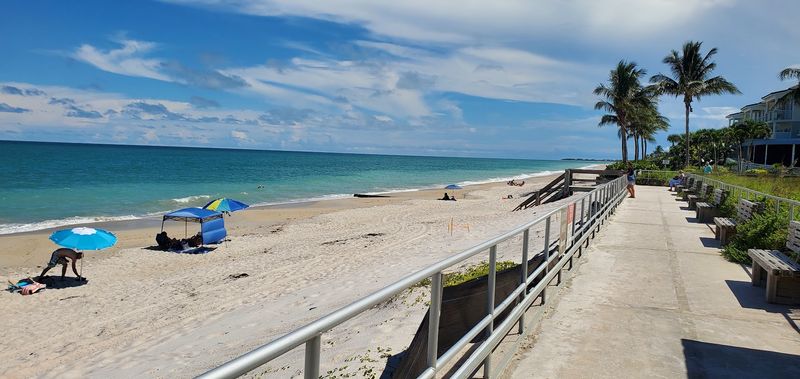
A spot like this does not have the flash of Miami or the crowds of Destin.
For decades, that low-key vibe kept it accessible to middle-class families who wanted ocean living without the insanity. That reputation is slowly becoming a memory.
Vero Beach sits in Indian River County, which has seen some of the fastest home price appreciation in the state over recent years.
Buyers fleeing more expensive coastal markets discovered Vero and brought their budgets with them, permanently reshaping what sellers expect.
The retired community here has been hit particularly hard. Many retirees moved to Vero Beach on fixed incomes, expecting stable costs.
Instead, they are watching property taxes climb, insurance premiums soar, and grocery bills grow in ways that were never part of their financial plan.
Younger working families face different but equally daunting challenges. Wages in Indian River County have not kept pace with the housing cost explosion.
A family earning a solid combined income still finds itself priced out of neighborhoods they grew up in.
The Indian River Lagoon, one of the most biodiverse estuaries in North America, is both a treasure and a factor in the affordability problem.
Waterfront access commands premium prices, and anything near the lagoon has become a target for investors and wealthy second-home buyers.
There is still something genuinely peaceful about Vero Beach. The pace is slower.
The beaches are less crowded. But peace of mind is hard to maintain when the financial pressure of staying keeps growing louder every year.
7. Fernandina Beach
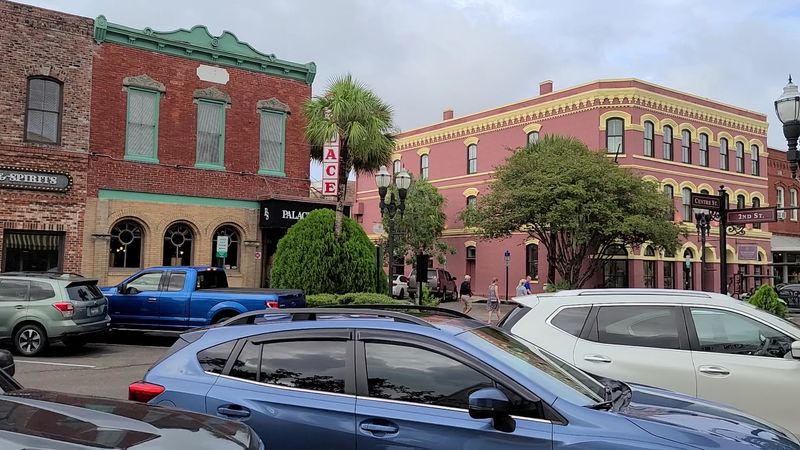
Fernandina Beach is on Amelia Island in far northern Florida near Georgia and is known for its charming historic downtown, one of the most distinctive in the state.
Victorian homes, shrimp boats in the harbor, and a main street that still feels like it belongs to the people who live there. Or at least it used to.
Amelia Island has become a hot destination for wealthy retirees and remote workers who discovered its charms and decided they wanted in.
The island’s limited land supply and strict development regulations mean that increased demand has nowhere to spread out, and prices go up instead.
The shrimping industry, which has been a backbone of Fernandina Beach’s identity for over a century, is staffed by workers who increasingly cannot afford to live anywhere near the docks.
The cultural heritage of the community is being hollowed out even as the buildings get prettier and better maintained.
Historic preservation rules, while important for protecting the town’s character, also limit new affordable housing development. It is a genuine tension between keeping Fernandina beautiful and keeping it livable for working families.
Right now, beautiful is winning, and livable is losing.
Nassau County as a whole has seen a significant jump in median home prices over recent years.
The spillover from Jacksonville’s growth has reached Fernandina, bringing with it buyers who see the island as a manageable commute or a perfect remote work base.
Longtime families here feel a particular kind of grief. Fernandina Beach was never supposed to be exclusive.
It was a working town with a great beach. Keeping that spirit alive is getting harder every single year.
8. Seaside
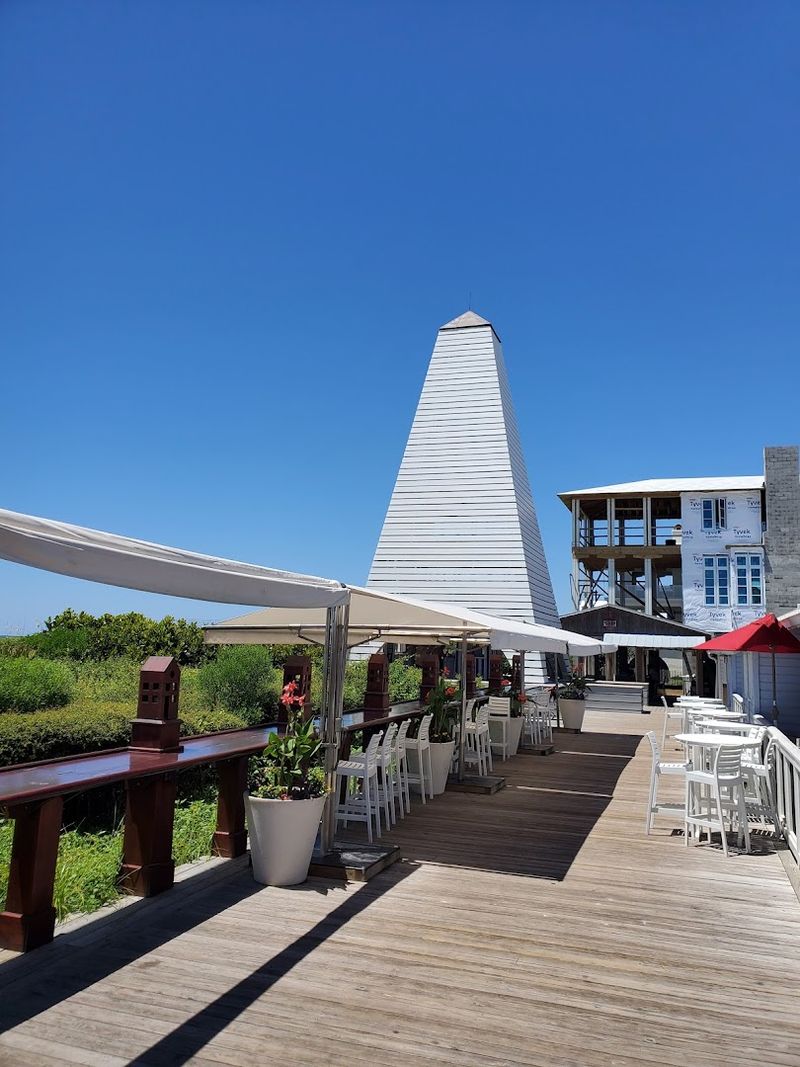
Seaside is arguably the most famous planned community in America. It inspired the movie The Truman Show, which is either a great marketing story or a slightly unsettling omen depending on how you look at it.
Built in the 1980s as a model of New Urbanism, it was designed to create a real community. Ironically, it has become one of the least affordable places on the Florida Panhandle.
Homes in Seaside routinely list for well over a million dollars. The town was designed with walkability, human-scale architecture, and shared public spaces in mind.
Those values attracted admirers, and admirers attracted investors. Now most properties function primarily as short-term vacation rentals.
The original vision included housing for people of different income levels. That vision got steamrolled by market forces decades ago.
Today, Seaside is essentially a resort town wearing the costume of a neighborhood, which is a bit like a movie set, come to think of it.
Neighboring communities like WaterColor and Rosemary Beach followed Seaside’s architectural playbook and its pricing trajectory.
The entire stretch of 30A has become a corridor of wealth that workers serving those communities simply cannot afford to live anywhere near.
Workforce housing in Walton County is a genuine crisis. The people who clean the vacation rentals, staff the boutiques, and run the restaurants commute from towns thirty or forty miles away.
That is unsustainable for both workers and the local economy.
Seaside is genuinely beautiful and worth visiting. The design is thoughtful, and the setting is stunning.
But a town that was supposed to prove community-centered design works has instead become proof that no design survives contact with skyrocketing demand.