
This Arkansas Berry Farm Offers A Fresh Pick-Your-Own Experience With Seasonal Fruits And Snacks
The rows stretch further than they look from the parking lot. Most visitors underestimate how long they’ll be out there, and nobody seems particularly bothered by that miscalculation.
The picking is the experience here, not just the means to an end. Fruit that travels steps rather than miles tastes like a different thing entirely, and this farm built everything around that simple fact.
Seasonal snacks run alongside whatever is ready to harvest that week. The menu follows the farm rather than the other way around.
Families who come once in strawberry season tend to reappear in blueberry season, building a calendar around a patch of land that keeps delivering reasons to return.
Arkansas farm culture runs deep, and this particular spot has earned its place near the top of it.
Seasonal Varieties Available For Picking
This farm grows an impressive lineup of berries across its picking season. Strawberries kick things off in May, giving early visitors first access to the freshest fruit.
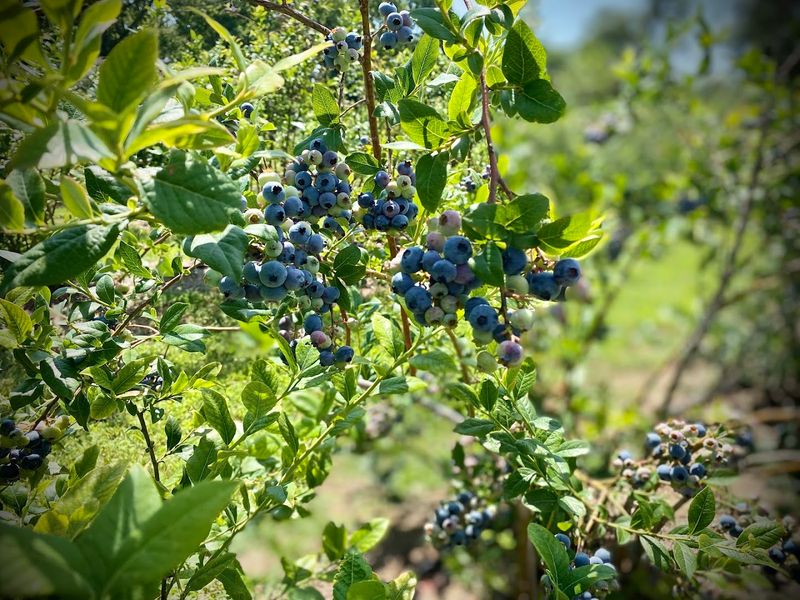
Blueberries usually follow around the third or fourth week of May, sometimes stretching into early June.
Blackberries arrive mid-June and typically last through mid-July. Elderberries and raspberries are also part of the mix, though raspberries require an appointment.
Each berry has its own window, so timing your visit matters a lot.
The farm sometimes sources blueberries from Michigan and peaches from South Carolina once their local supply runs out. That means you can still find great fruit even after the peak local season ends.
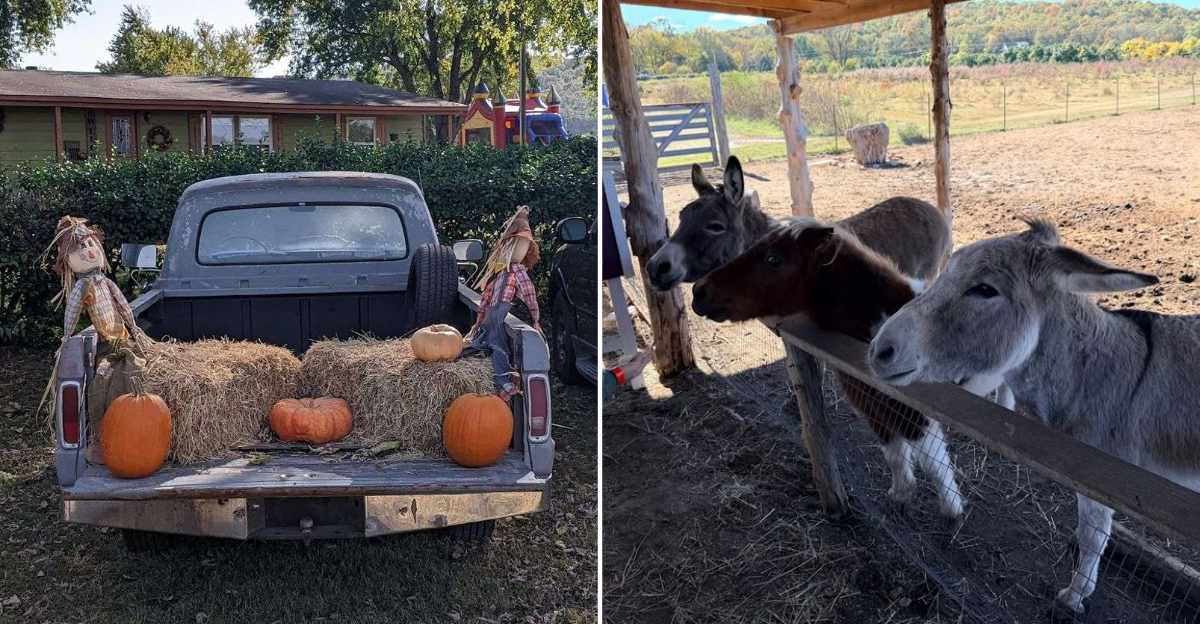
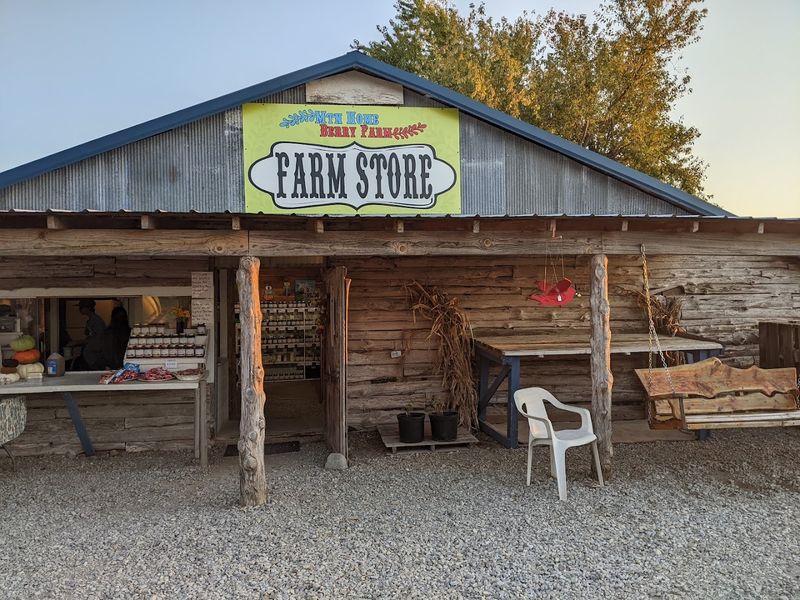
Pumpkins also appear in the fall, running from late September through early November.
The growing season overall spans May through September, making summer the busiest and most rewarding time to visit. The farm uses organic products and natural farming practices, which means what you pick is clean and carefully grown.
You can find Mountain Home Berry Farm at 693 Co Rd 57, Mountain Home, AR 72653. Check their Facebook page before heading out, since berry availability and hours can shift based on weather and ripeness.
Planning makes the whole trip smoother and guarantees you will not show up on a closed day.
Snack Options Featuring Fresh Locally Grown Produce
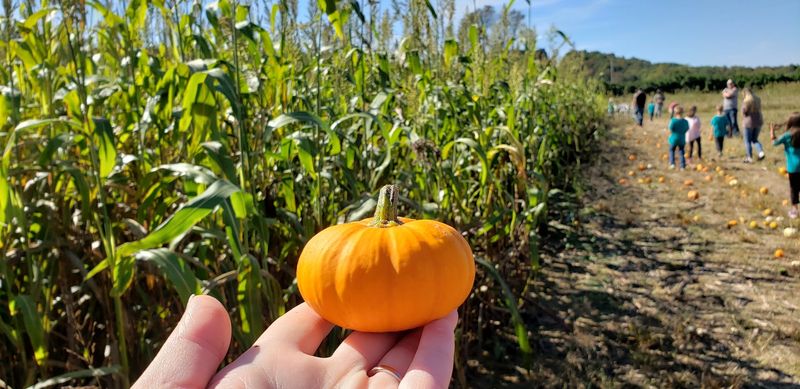
The on-site rustic barn store at Mountain Home Berry Farm is honestly one of the best parts of the visit. It carries a wide range of jams, jellies, syrups, salsas, sauces, relishes, and butters.
Many of these are made by Mennonites, which adds a real artisan quality to every jar.
Local honey is available, and so is elderberry syrup, which is known for its immune-supporting properties. Fresh chicken eggs, raw milk, cheese, butter, and apple cider are also stocked.
During the Fall Festival, fresh-pressed cider from Murphy’s Orchard in Missouri makes a seasonal appearance.
T Bar C Ranch beef is sold at the farm store, too, giving you a chance to stock up on more than just berries. The store feels like a mini farmers’ market with a personal touch.
You are not just buying snacks. You are buying something made with real care and local ingredients.
Beyond food, the barn store also carries crafts, quilts, jewelry, wallets, wooden toys, soaps, candles, notecards, crocheted animals, and custom embroidered items. It is easy to walk in for jam and walk out with a quilt and a bag of fresh eggs.
The store is a solid reason to arrive a little early and browse before heading out to the fields. Every item on the shelf tells a small story about the community around this farm.
Tips For A Successful Pick Your Own Visit
Showing up prepared makes the whole u-pick experience at Mountain Home Berry Farm much more enjoyable. First, always check the farm’s Facebook page or call ahead before visiting.
Hours change based on berry ripeness and weather, so confirming in advance saves you a wasted trip.
Wear clothes you do not mind getting stained. Berry juice is stubborn, and it will find your shirt no matter how careful you are.
Closed-toe shoes are a smart call since you will be walking through rows of plants on uneven ground.
Bring a hat and sunscreen because the Arkansas summer sun is not joking around. A reusable water bottle is also a solid idea, especially if you are visiting with kids.
The farm provides containers for picking, but calling ahead to confirm is always a good move.
Go earlier in the day when temperatures are cooler, and berry selection is at its peak. Mid-morning visits tend to be the most productive and comfortable.
Avoid bringing large bags or backpacks that might slow you down between rows.
If you want raspberries specifically, those require a separate appointment. Plan that call so you do not miss out.
Kids tend to pick slower and eat more than they collect, which is completely normal and part of the fun. Budget a little extra time and enjoy the pace of being out in a real working farm in the Ozarks.
Benefits Of Eating Freshly Harvested Fruit
Fruit picked straight from the plant is nutritionally different from what sits in a store for days. Once a berry is harvested, it begins losing vitamins and antioxidants almost immediately.
Eating it the same day you pick it means you are getting the full nutritional value nature packed in.
Blueberries are loaded with antioxidants that support brain health and reduce inflammation. Blackberries carry high levels of vitamin C and fiber.
Strawberries offer folate and manganese, which support heart health and bone strength. All of these benefits are strongest when the fruit is freshest.
There is also a flavor difference that is hard to describe until you experience it. A berry picked at peak ripeness tastes completely different from one that traveled across the country in a refrigerated truck.
The sugar content is higher, the texture is better, and the smell alone tells you something is different.
Mountain Home Berry Farm’s use of organic products and natural farming methods also means fewer synthetic chemicals on your fruit. That matters whether you are feeding yourself or your kids.
Freshly harvested fruit is also easier to preserve through freezing or canning right after picking, which locks in nutrients at their peak. Many visitors leave the farm and head straight home to freeze their haul or make jam the same afternoon.
That habit turns one farm visit into months of good eating well beyond the summer season.
Ideal Times Of Year For Picking In Arkansas
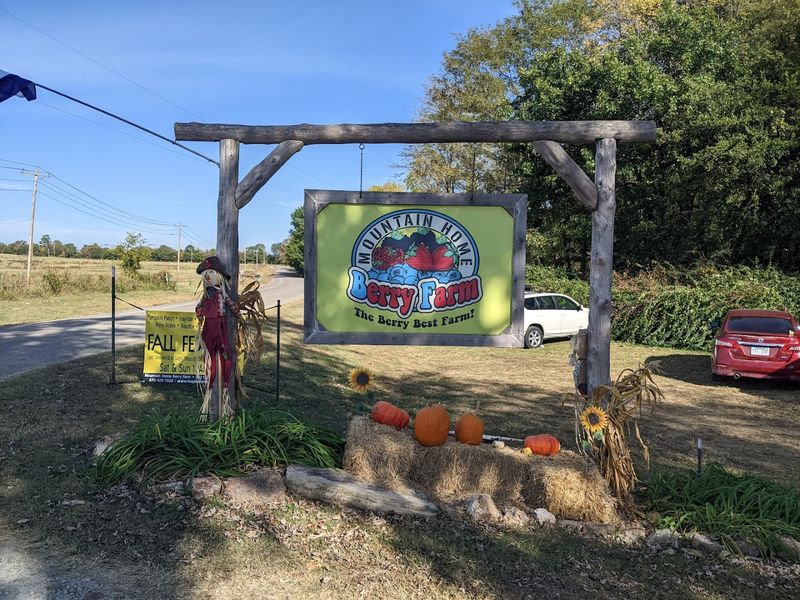
Timing a visit to Mountain Home Berry Farm requires knowing which fruit peaks when. The farm generally opens in April when asparagus starts producing.
That early spring window is short, running from early April to late May, but asparagus fans consider it worth planning around.
May is when strawberry season begins, making it a great month for first-time visitors. Blueberry season follows closely, often starting in the third or fourth week of May.
That overlap creates a brief window where you can pick both in the same visit, which is a rare and satisfying combination.
June brings blackberries into full swing, and the farm often hosts its Berry Festival during this month. That event adds extra activities and a festive atmosphere to the already enjoyable picking experience.
July shifts the farm toward vegetables, including tomatoes, onions, garlic, shallots, green beans, and purple hulled peas.
Fall visits are their own kind of fun. The farm transitions to pumpkins, a pumpkin barn, hayrides, and Fall Festival weekends from late September through early November.
The Christmas Hayride event rounds out the year before the farm closes around late December. It reopens in April, completing a full seasonal loop.
Each season offers something genuinely different, which is why so many families make Mountain Home Berry Farm a year-round destination rather than just a summer stop. Knowing the calendar helps you plan the visit that fits your interests best.
Safe Practices For Picking And Handling Fruit
Picking your own fruit is a hands-on experience, and a little awareness goes a long way toward keeping it safe. Start by washing your hands before you begin picking.
Your hands touch a lot of surfaces, and clean hands mean cleaner fruit going into your container.
Only pick berries that look fully ripe. Overripe or damaged fruit bruises easily and can harbor bacteria that spread to healthy berries nearby.
A ripe berry should come off the stem with a gentle tug, not a forceful pull. If it resists, it probably needs more time.
Avoid piling berries too high in your container. Deep piles crush the fruit at the bottom, which speeds up spoilage and makes a mess.
Flat layers help preserve the integrity of each berry, especially for soft fruits like raspberries and strawberries.
Once you get your berries home, refrigerate them as soon as possible. Do not wash them until you are ready to eat or use them, since moisture speeds up mold growth.
A light rinse just before eating is all you need. For larger hauls, sorting out any bruised or soft berries right away prevents the bad ones from affecting the good ones stored nearby.
These small habits extend the life of your harvest by several days. Mountain Home Berry Farm’s natural growing methods also mean you are starting with cleaner fruit from the beginning, which makes safe handling even easier.
Ways To Preserve Freshly Picked Berries At Home

Leaving Mountain Home Berry Farm with a full bucket of berries is exciting right up until you realize you cannot eat them all before they turn. That is where preservation comes in, and it is easier than most people think.
Freezing is the fastest and most beginner-friendly method.
To freeze berries properly, spread them in a single layer on a baking sheet and place them in the freezer for a few hours. Once frozen solid, transfer them to airtight bags or containers.
This prevents clumping and makes it easy to grab exactly the amount you need later.
Making jam is another popular option, and the farm store even sells jams made by Mennonites as inspiration. A basic berry jam requires fruit, sugar, and pectin.
The process takes about an hour and produces jars that last months in a cool pantry. It is a satisfying way to extend the season long after the farm closes for winter.
Dehydrating is a less common but highly effective method. Dried berries work great in oatmeal, trail mix, or baked goods.
A home dehydrator handles the job well, and the results last for months when stored in airtight containers. Canning in a water bath is another solid choice for jams and fruit preserves.
The farm store sells syrups and butters that show exactly what is possible with preserved fruit. Starting with freshly harvested, naturally grown berries gives any preservation method a significant head start in both flavor and quality.
Engaging Activities Suitable For All Ages
Mountain Home Berry Farm is not just about picking fruit. The farm has enough activities to keep every age group genuinely entertained from arrival to departure.
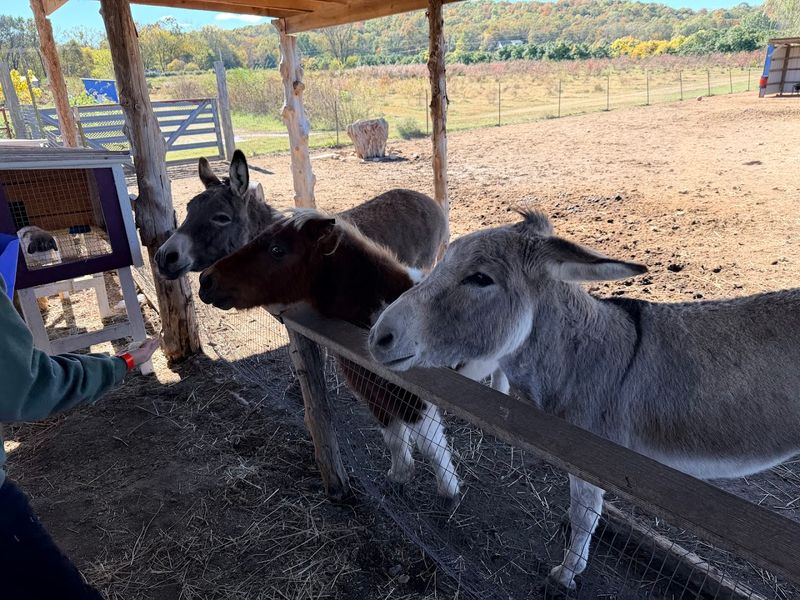
Kids especially respond well to the petting zoo, which has included donkeys, mini horses, pigs, chickens, and ducks over the years.
Hayrides are a crowd favorite across seasons. The farm offers them during the Berry Festival in June, Fall Festival weekends, and the annual Lighted Christmas Hayride.
Each seasonal event brings a different atmosphere, which is part of why families return year after year rather than treating it as a one-time trip.
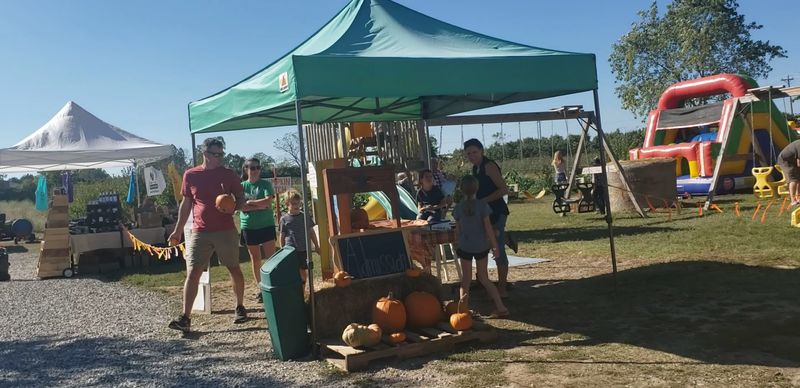
The fall season brings a pumpkin patch, corn maze, and playground into the mix. Picnic areas give families a spot to rest, eat, and enjoy the farm setting without rushing.
The corn kernel sensory station near the maze has been a hit with younger visitors who love the hands-on texture experience.
For adults, the barn store offers plenty to explore. Browsing handmade crafts, quilts, wooden toys, and custom embroidered items takes longer than you expect.
The farm’s local honey, elderberry syrup, and artisan food products also make for easy and meaningful gifts to bring home.
There is something genuinely fun about watching kids hold a chicken for the first time while you shop for apple butter a few feet away.
Mountain Home Berry Farm makes that combination feel completely natural and worth the drive into the Ozarks.