
9 Tennessee Day Trips So Good They Have A Habit Of Turning Into Overnight Stays
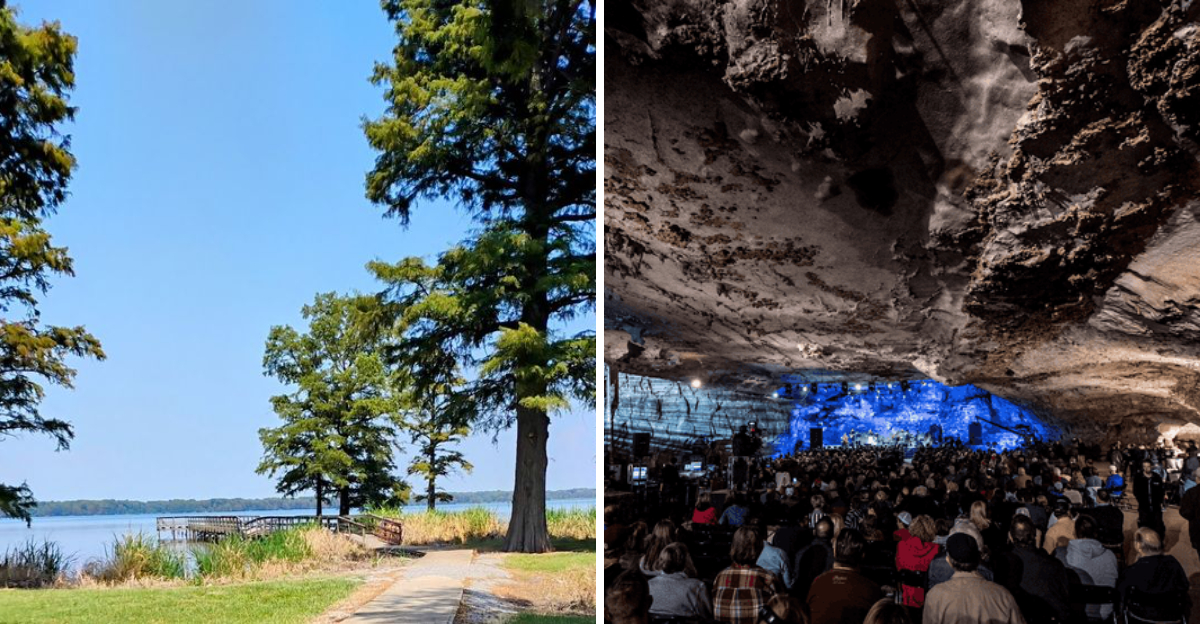
Tennessee has a way of making you forget your plans. You leave the house telling yourself you will be back by dinner.
Maybe a quick hike, a walk through a pretty town, a stop at a waterfall. Simple enough.
But then something happens. The scenery is better than expected.
The restaurant is too good to rush through. The view from that overlook makes you want to watch the sunset.
Suddenly you are checking your phone for nearby places to stay and texting someone that you will be back tomorrow instead. It happens all the time in Tennessee.
The state has a long list of places that were never supposed to be more than a day trip but have a stubborn habit of stretching into something longer. These nine destinations are exactly that kind of trouble.
Pack a change of clothes just in case. You have been warned.
1. Fall Creek Falls State Park, Van Buren County
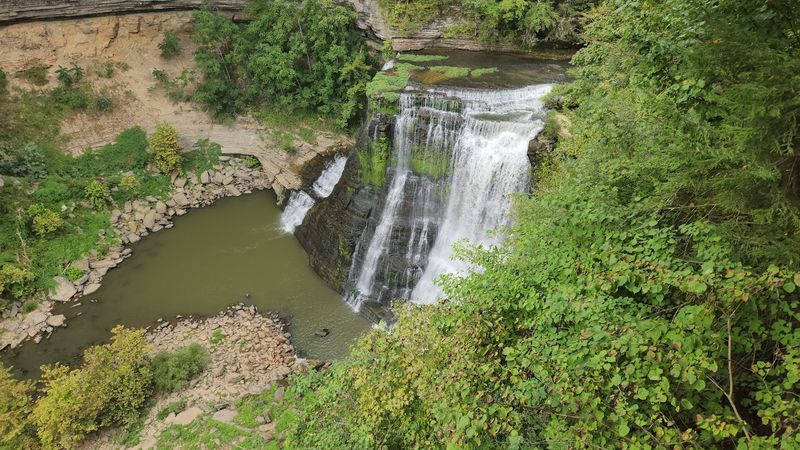
Standing at the base of Fall Creek Falls and staring up at 256 feet of cascading water is the kind of moment that quietly rearranges your priorities for the rest of the day.
Fall Creek Falls State Park is one of the most dramatic natural spaces in the entire eastern United States.
The park stretches across thousands of acres and includes over 35 miles of hiking trails that wind past multiple waterfalls, gorges, and overlooks.
Piney Creek Falls and Cane Creek Cascade are just as worth visiting as the headliner, and most day-trippers realize mid-afternoon that they have barely covered a fraction of what is here.
The on-site restaurant at the lodge makes a convincing argument for staying put, and the lakefront cabins seal the deal for most visitors.
Fishing, paddling, and even an 18-hole golf course round out the list of reasons to extend the trip.
Fall is especially spectacular here, when the hardwood forest turns every shade of amber and red imaginable.
Families, solo hikers, and couples all find something that fits their pace at this park.
Book a cabin or a lodge room with a lake view, and the decision to stay overnight will feel less like a change of plans and more like the smartest move you made all week.
2. Chattanooga, Hamilton County
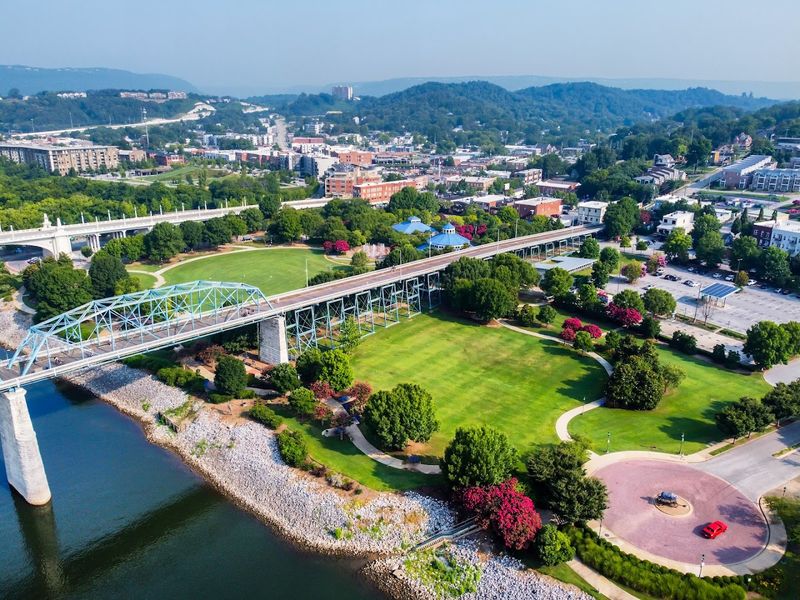
Few cities in the South pack as much into a single square mile as Chattanooga does along its riverfront.
Chattanooga sits at the base of Lookout Mountain and along a dramatic bend of the Tennessee River, giving it scenery that most cities would envy.
Lookout Mountain alone could fill a full day, with Rock City Gardens offering jaw-dropping views across seven states and Ruby Falls presenting the tallest underground waterfall open to the public in the country.
Back in the city, the Tennessee Aquarium is one of the best freshwater aquariums anywhere, and the Riverwalk offers a relaxed way to cover ground between attractions.
The arts district, the Walnut Street Bridge, and a free electric shuttle connecting downtown make the whole place surprisingly easy to explore on foot.
Boutique hotels and well-reviewed downtown stays mean there is no shortage of comfortable places to end the day.
Chattanooga also has a strong food scene, with everything from Southern comfort plates to creative small-batch coffee shops tucked into its walkable neighborhoods.
A single day here tends to end with a long list of things left undone, and that is precisely the kind of problem that a hotel reservation fixes very nicely.
3. Jonesborough, Washington County
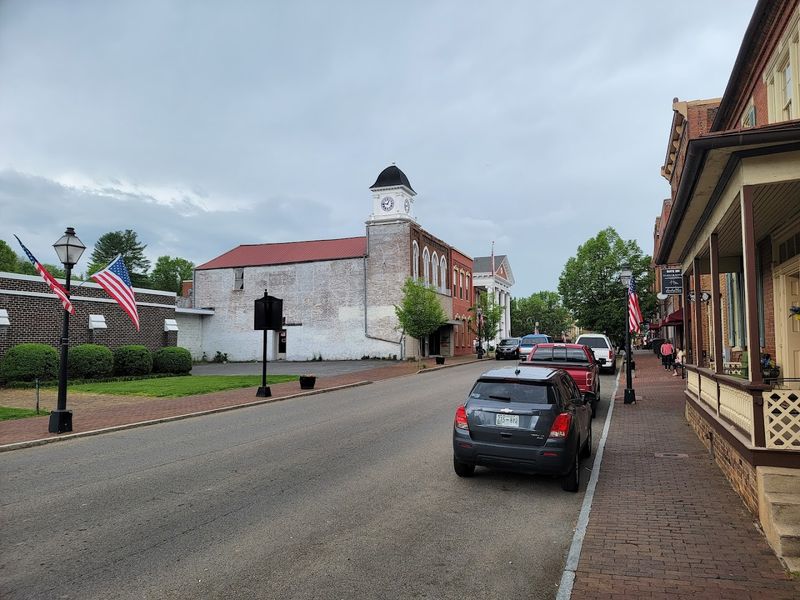
Jonesborough sits in Washington County in the northeastern corner of the state, and its brick-paved historic district is one of the best-preserved Main Streets in all of Appalachia.
The town was established in 1779, and walking its streets means passing buildings that have witnessed more Tennessee history than most textbooks bother to cover.
Locally owned shops, cozy restaurants, and bed-and-breakfasts operating out of restored historic buildings make the downtown area feel genuinely lived-in rather than staged for tourism.
The town is also home to the International Storytelling Center, which hosts the National Storytelling Festival every October.
That festival draws thousands of visitors and transforms Jonesborough into one of the most electric small-town events in the country.
Even outside of October, the town rewards slow exploration, whether that means browsing an antique shop, sitting on a porch with a cup of coffee, or simply admiring the architecture.
The B&Bs in the historic district are particularly well-suited for overnight stays, offering the kind of personal hospitality that a chain hotel simply cannot replicate.
Jonesborough is the rare place that gets better the longer you stay in it.
4. Roan Mountain State Park, Carter County
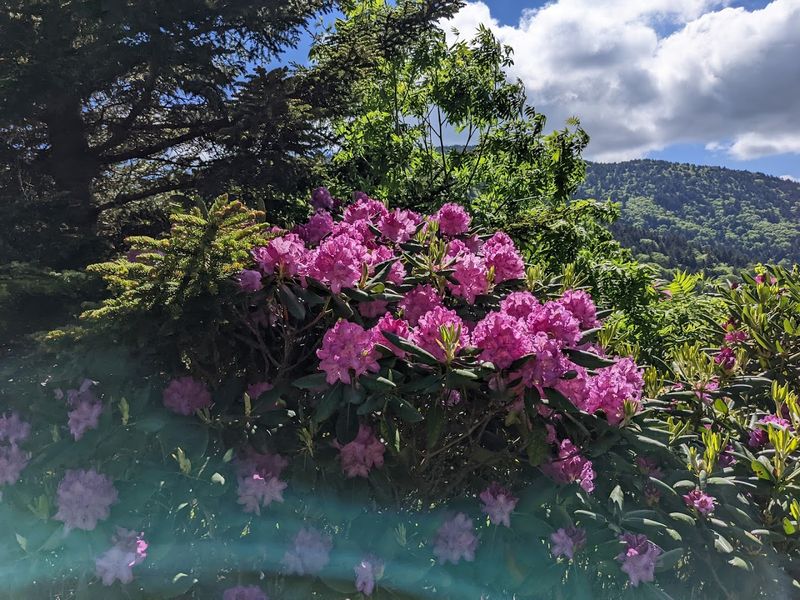
Every June, something remarkable happens on the high ridges of Roan Mountain that turns casual day-trippers into people who immediately start planning a return visit.
Roan Mountain State Park sits at the edge of some of the most spectacular high-elevation terrain in the entire Appalachian chain.
The Roan Highlands are home to the largest natural rhododendron gardens in the world, and when those balds erupt in color each June, the landscape becomes almost impossible to describe.
The park also provides direct access to the Appalachian Trail, which crosses the Roan Highlands and offers miles of ridge-top hiking with panoramic views stretching into North Carolina.
Trout streams run through the lower sections of the park, making it a favorite among fly fishing enthusiasts who appreciate the cold, clear mountain water.
Cabins and a campground are available for overnight stays, and they book up fast during the June bloom season for obvious reasons.
Fall brings its own reward here, with the hardwood forests on the lower slopes turning brilliant shades of orange and gold while the high ridges stay open and windswept.
Whether you come for the wildflowers, the trail access, or the trout streams, Roan Mountain has a strong track record of convincing people that one day was never going to be enough.
5. Historic Rugby, Morgan County
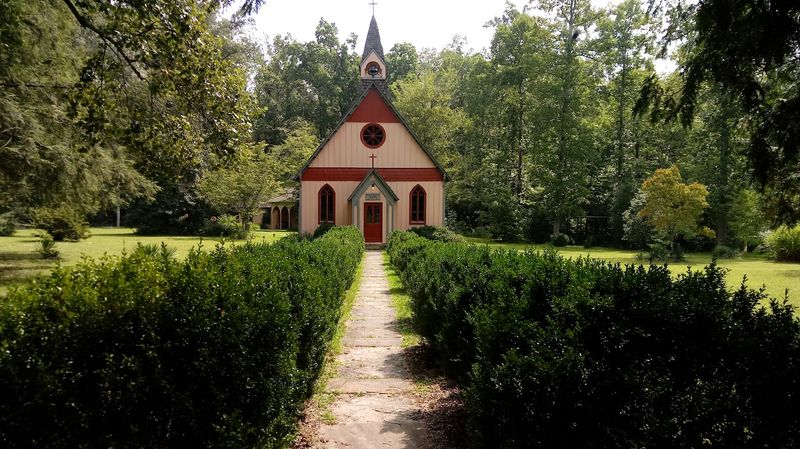
Somewhere in the forested hills of Morgan County in northeastern Tennessee, the 1880s are still very much alive and doing just fine.
Historic Rugby is one of the most unusual and atmospheric destinations in the entire state.
It’s a Victorian English colony that was founded in 1880 by British social reformer Thomas Hughes as an idealistic community for younger sons of English gentry.
The colony struggled economically and never grew as planned, but what remains is a remarkably intact collection of original Victorian buildings set within a quiet forest landscape.
Visitors can tour the original Christ Church Episcopal and the Hughes Public Library with its collection of Victorian-era books still on the shelves.
The site sits right on the edge of the Big South Fork National River and Recreation Area, which adds hiking and outdoor exploration to the list of available activities.
Restored cottages on the Rugby grounds are available for overnight rental, and staying in one of them overnight is one of the most atmospheric accommodation experiences in Tennessee.
The combination of deep history, architectural beauty, forest surroundings, and proximity to Big South Fork makes Rugby far more than a quick stop.
Plan for a full day and bring a book, because the pace here is deliberately slow and the setting earns every quiet moment you give it.
6. The Caverns And Grundy County Area, Grundy County
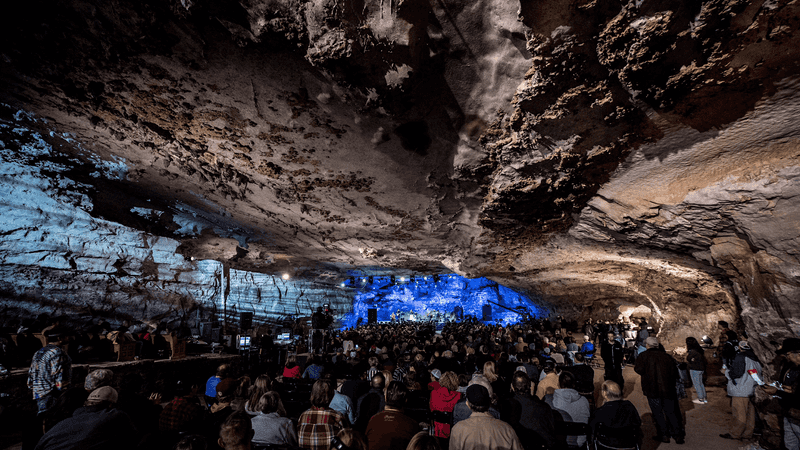
Most people come to Grundy County for a concert and leave with a brand new favorite region of Tennessee they had somehow never thought about before.
The Caverns is exactly what it sounds like: a live music venue built inside a natural cave system where the acoustics are extraordinary and the setting is unlike any other concert experience.
Shows happen underground, with the cave walls and formations serving as the backdrop, and the experience tends to leave a lasting impression on everyone who attends.
But the real discovery happens when visitors start exploring the surrounding area and realize that Grundy County sits at the heart of the South Cumberland Plateau.
The nearby town of Monteagle has a cool, high-elevation charm and serves as a good base for exploring the plateau.
Sewanee, home to the University of the South and its 13,000-acre campus called the Domain, is just a short drive away and offers trails, a natural bridge, and a beautiful mountain-town atmosphere.
South Cumberland State Park connects multiple natural areas across the plateau, including Grundy Forest and Foster Falls, both of which are worth serious hiking time.
Come for the show, stay for the plateau, and give yourself at least two days to properly appreciate what this corner of Tennessee is quietly offering.
7. Reelfoot Lake State Park, Lake County
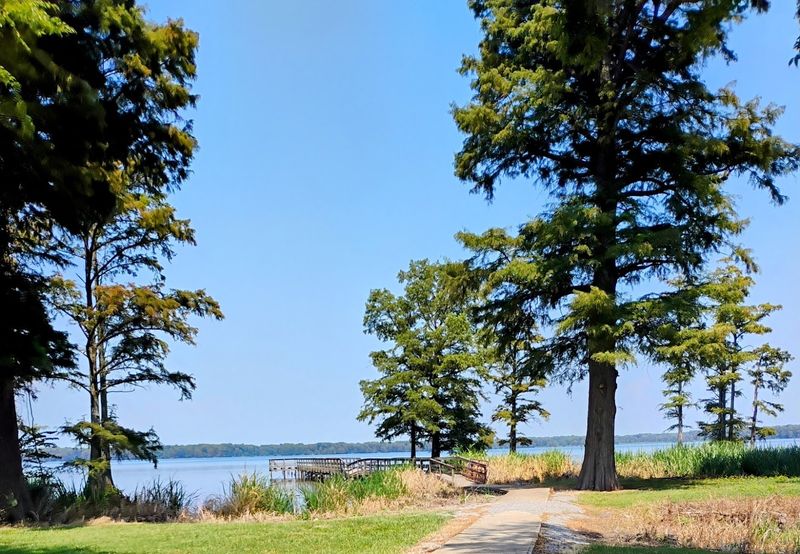
Reelfoot Lake was not built, planted, or designed by anyone.
It was created in a single violent winter by the New Madrid earthquakes of 1811 and 1812, when the ground shifted so dramatically that the Mississippi River briefly ran backward. This way, an entirely new lake was born in western Tennessee.
Reelfoot Lake State Park protects one of the most ecologically unusual landscapes in all of Tennessee.
The lake is filled with ancient bald cypress trees that rise straight out of the water, their knobby root formations called knees jutting above the surface in formations that look almost sculptural.
Bald eagles gather here in significant numbers during the winter months, making January and February some of the best times to visit for wildlife viewing.
Boat tours operate throughout the day and are the best way to experience the lake’s interior, where the cypress groves create a green maze of channels and open water.
The park’s lakeside inn provides comfortable overnight accommodations right on the water. Waking up to a cypress-framed sunrise over Reelfoot is the kind of morning that justifies every minute of the drive out here.
Fishing is also a major draw, as the lake is renowned for producing exceptional catches of crappie, bass, and bluegill throughout the warmer months.
West Tennessee rarely gets the spotlight it deserves, and Reelfoot is the clearest possible argument for changing that.
8. Pickett CCC Memorial State Park, Pickett County
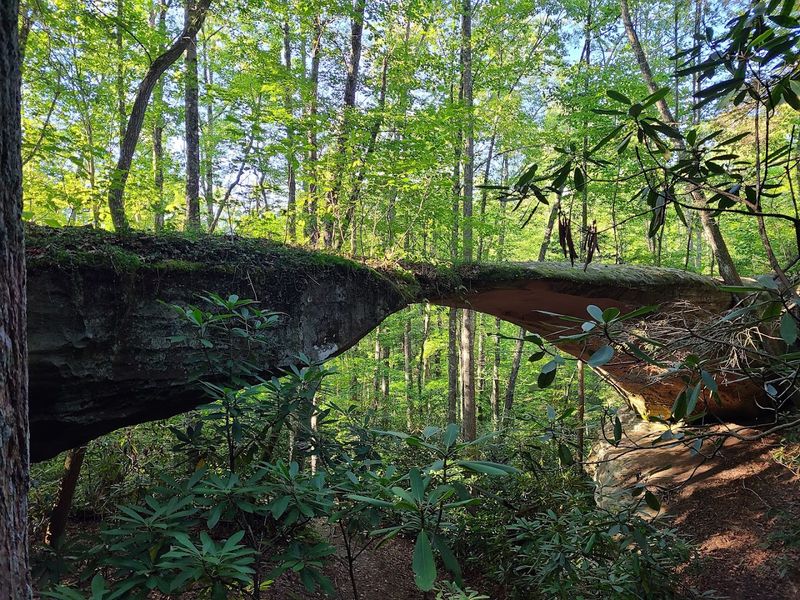
Getting to Pickett CCC Memorial State Park requires commitment, and that is exactly why the people who make the effort tend to come back year after year.
This park is one of the most remote and least-visited state parks in the state, which also makes it one of the most rewarding for those willing to seek it out.
The park features over 58 miles of trails that connect directly with the Big South Fork National River and Recreation Area.
Natural sandstone arches, sculpted bluffs, and hidden rock shelters appear throughout the trail system, offering the kind of geological variety that keeps the landscape surprising mile after mile.
The park’s cabins were built by the Civilian Conservation Corps in the 1930s and are still available for rental today, offering a genuinely historic overnight experience.
Hemlock Overlook and the natural bridge near the park’s interior are among the most photogenic spots, particularly in spring when wildflowers carpet the forest floor.
The park also has a small lake for swimming and paddling during the warmer months, giving families an easy activity between longer hikes.
Pickett rewards patience and curiosity in equal measure, and a single day here will almost certainly leave you wanting more trail time than you planned for.
9. Savage Gulf State Park, Grundy County
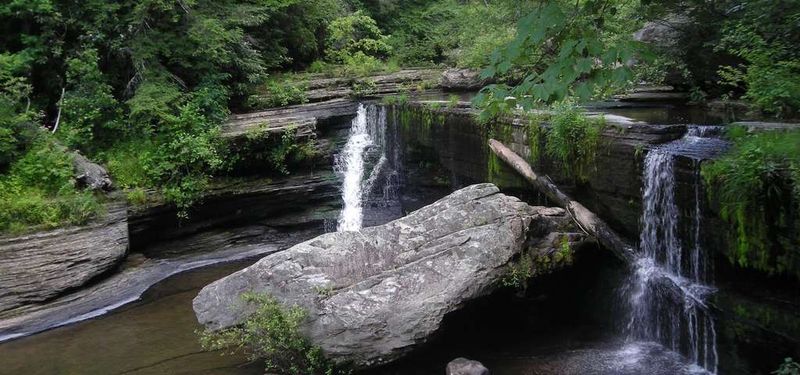
There is a moment on the trail when the forest suddenly drops away and you find yourself standing at the edge of a sheer sandstone bluff looking down into a deep gorge.
Savage Gulf State Park protects three distinct gulfs carved into the edge of the Cumberland Plateau: Savage Gulf, Collins Gulf, and Stoney Fork Gulf.
Each one features its own waterfall, its own trail network, and its own distinct personality, which means the park rewards multiple visits rather than just one long day of hiking.
The trail system covers dozens of miles and includes options for day hikes as well as multi-night backcountry camping trips that take hikers deep into the gorges.
Towering sandstone walls, old-growth hemlocks, and cascading streams create a layered visual experience that photographers and nature lovers find endlessly compelling.
The Stone Door, a narrow slot in the sandstone bluff that serves as a natural gateway into the gorge below, is one of the most distinctive geological features in the entire state.
Spring brings wildflowers and swollen waterfalls, while fall turns the canyon walls into a mosaic of red, orange, and gold that makes every overlook worth stopping at twice.
A single day at Savage Gulf will get you to the rim, but the real rewards are waiting at the bottom of those gulfs.