
This Beautiful Mississippi 4 Mile Trail Packs Waterfalls, Forests And Amazing Views Into One Hike
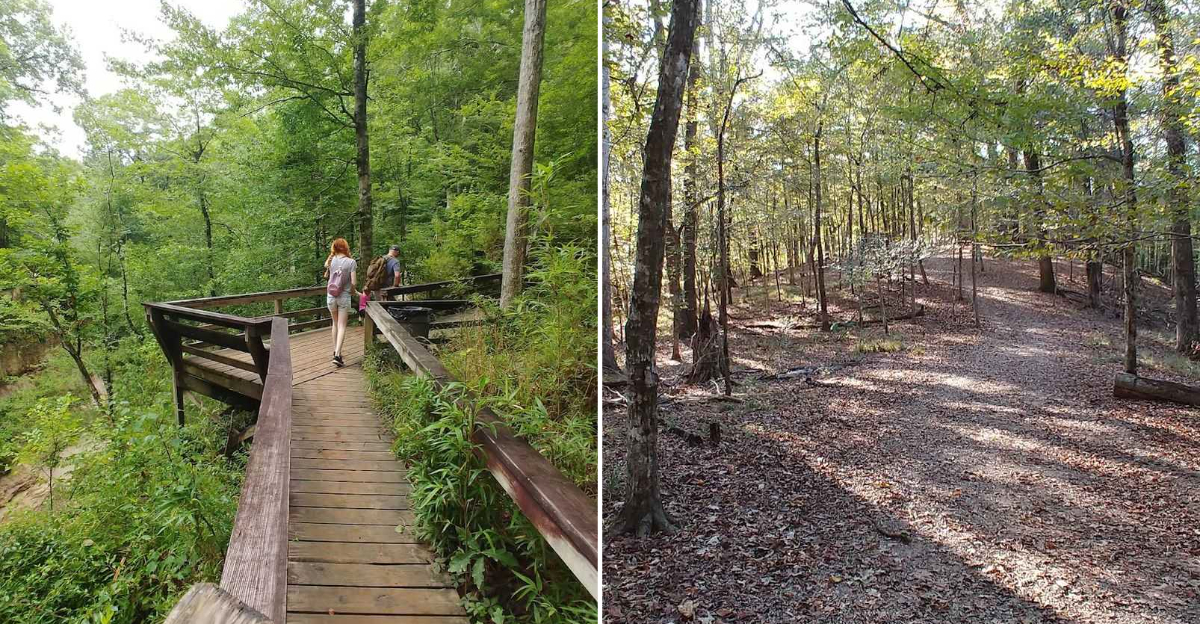
My grandfather always said that the best stories are written on the soles of your boots. That quiet wisdom turns into a physical journey along a remarkable four-mile loop in Mississippi.
This specific path does not waste any time making an impression on your senses. The dirt track plunges immediately into a dense canopy of ancient hardwood trees.
Within twenty minutes, the distant roar of rushing water replaces the hum of highway traffic. Wooden footbridges guide you across hidden creeks that feed into spectacular, hidden waterfalls.
The elevation changes just enough to keep your heart pumping without exhausting your lungs. Suddenly, the trees part to reveal an expansive overlook that stretches across the horizon.
It is a rare piece of terrain that delivers absolute solitude without requiring a grueling multi-day expedition.
Waterfall Highlights Along The Trail
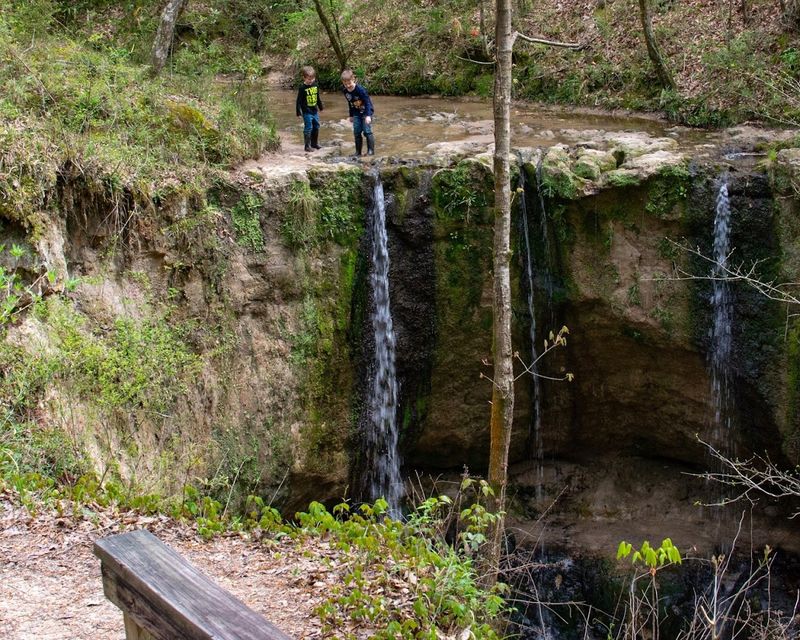
This place is home to around 50 waterfalls. That number alone should make you stop scrolling.
Heights range from 10 feet all the way up to 30-plus feet.
The First Waterfall sits about half a mile from the trailhead. It’s a great warm-up reward for your legs.
The Fourth Waterfall climbs to nearly 30 feet and might be the tallest in the entire park.
Water flow changes depending on recent rainfall and the season. After a good rain, these falls really come alive.
The sound is incredible, almost like nature cranked up the volume.
The primitive trail gives you the best up-close waterfall views. It’s rougher, yes, but absolutely worth the effort.
You’ll feel like you discovered something nobody else knows about.
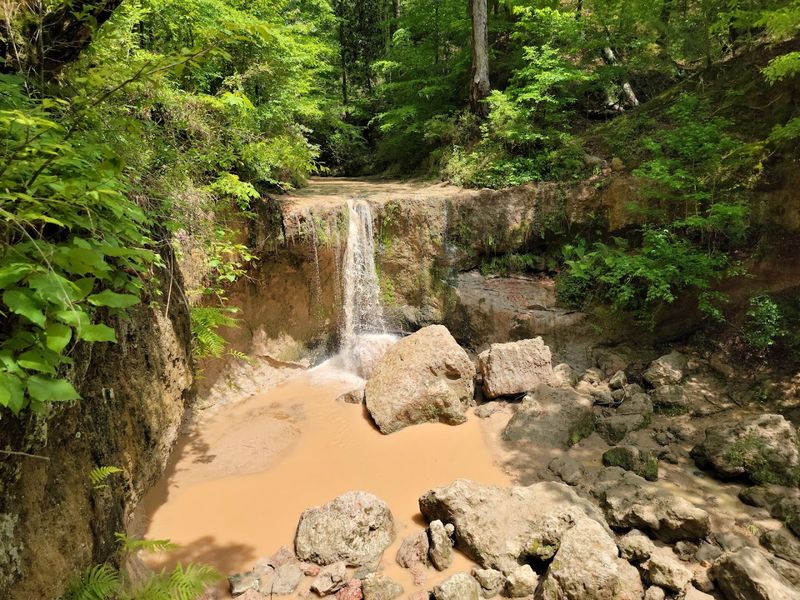
Some falls pour over hard siltstone ledges formed from ancient geological layers. The rock formations create natural shelves that channel the water beautifully.
It’s geology doing its best artistic work.
Pack a camera because your phone camera will not do these justice. Seriously, every angle looks like a postcard.
Clark Creek Hiking Trail is located at 109 Ft Adams Pond Rd, Woodville, MS 39669.
Flora And Fauna Unique To Forested Areas
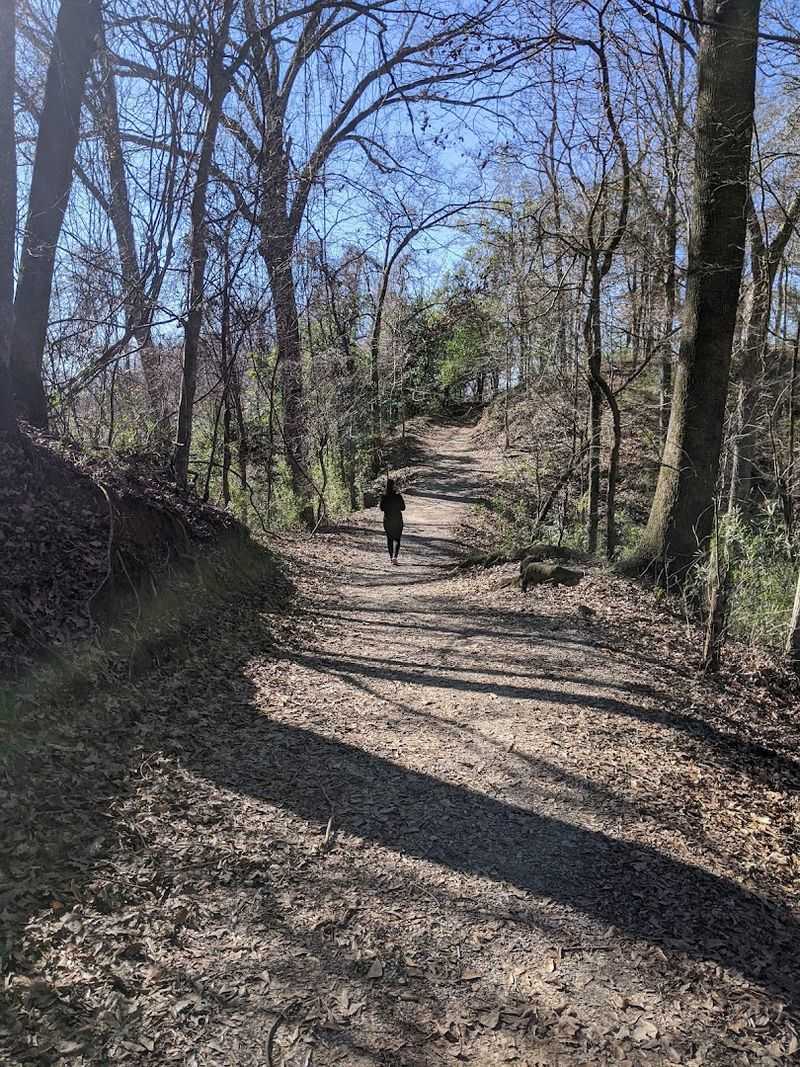
Clark Creek is not your average patch of Mississippi woods. The forest here is a layered mix of hardwoods and pines that feels genuinely ancient.
Large beech trees and magnolia species dominate the canopy overhead.
You might spot Southern sugar maple here, which is rare for this region. Serviceberry, umbrella tree, and pyramid magnolia also grow along the trail.
Chinquapin oak adds another layer of variety to the forest floor.
Clark Creek actually holds world records for two tree species. The Mexican plum and bigleaf snowball trees found here are record-setters.
That’s not something most hiking trails can brag about.
The globally rare Carolina magnolia vine thrives in this natural area. Finding it feels like stumbling onto something secret.
Botanists and plant lovers make special trips just for this vine.
Wildflowers carpet the ground in spring, adding bursts of color everywhere. Ferns spread across the shadier sections of the trail.
The forest floor feels alive in a way that’s hard to describe without seeing it yourself.
Walking through here, you notice how layered and rich the vegetation really is. Every few steps, something new catches your eye.
This forest rewards the curious and the slow walkers equally well.
Scenic Vista Points Worth The Climb
Getting to the top of a ridge at Clark Creek feels like earning a prize. The Ridge and Ravine Trail delivers some of the most expansive overlooks in the park.
Steep bluffs drop away below you, revealing deep green ravines.
Some trails climb wooded hills before opening up to countryside views. The payoff at the top genuinely catches you off guard.
You forget how hard the climb was almost instantly.
A hilltop shelter sits at one of the higher points along the trail. In winter, when leaves are gone, you can see all the way to the eastern horizon.
That view is worth every step of the uphill grind.
Some marked scenic overlooks can get obscured by overgrown foliage in summer. Visiting in late fall or winter gives you much cleaner sightlines.
The bare trees actually work in your favor here.
The rugged terrain itself becomes part of the visual experience. Steep bluffs, twisted roots, and mossy rocks frame every view naturally.
Nothing feels staged or manicured because none of it is.
Standing at one of those ridgelines, you realize Mississippi has serious outdoor bragging rights. The landscape rolls out in every direction with no buildings in sight.
It’s a rare kind of quiet that hits differently up high.
Trail Difficulty And Accessibility Guide
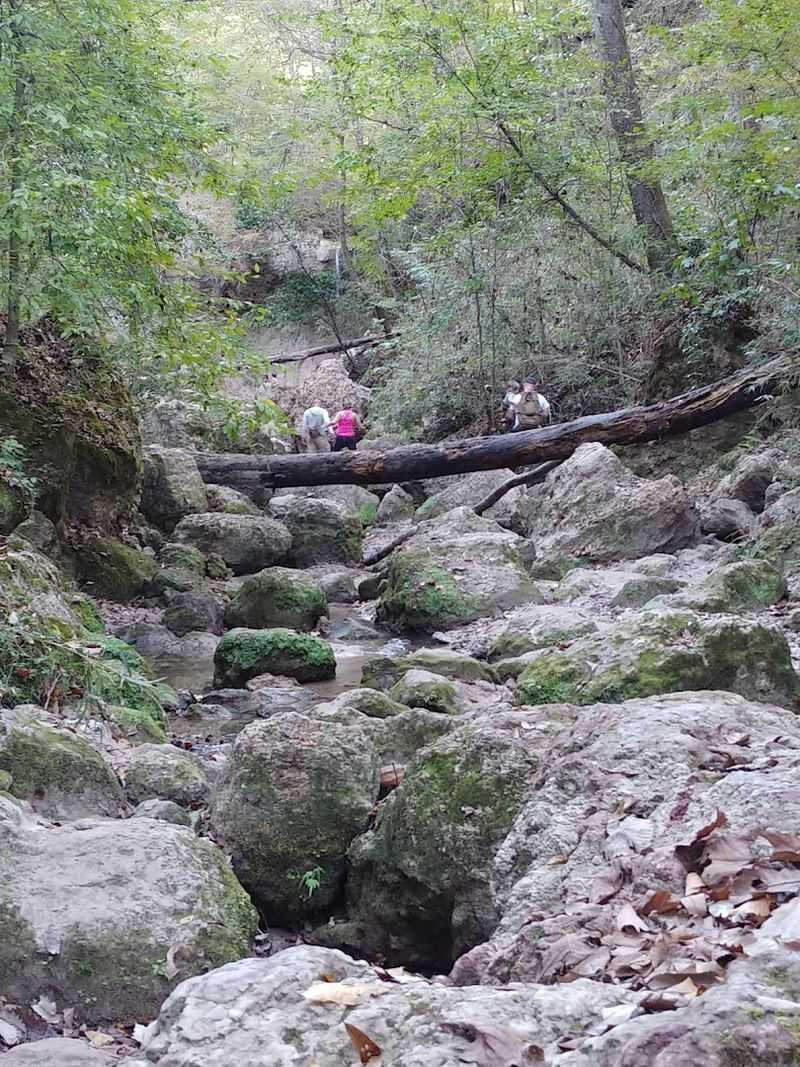
Clark Creek trails run from moderate to seriously strenuous. Expect steep hills, exposed roots, mud, and wooden stairs throughout.
This is not a casual stroll in the park.
The Primitive Trail is the harder option, built for experienced hikers. It covers more ground and demands more from your legs and lungs.
First-timers should know what they’re signing up for before choosing it.
The Improved Trail offers an easier, shorter route through the area. It’s a solid choice for families or those newer to hiking.
You still get great scenery without the extreme elevation changes.
The full loop stretches several miles total depending on the route chosen. Plan your pace carefully on this terrain.
Rushing leads to slips, and slips lead to muddy situations.
Sturdy hiking boots with ankle support are necessary here. Flip-flops will betray you immediately on these trails.
Water shoes work well if you plan to walk through the creek itself.
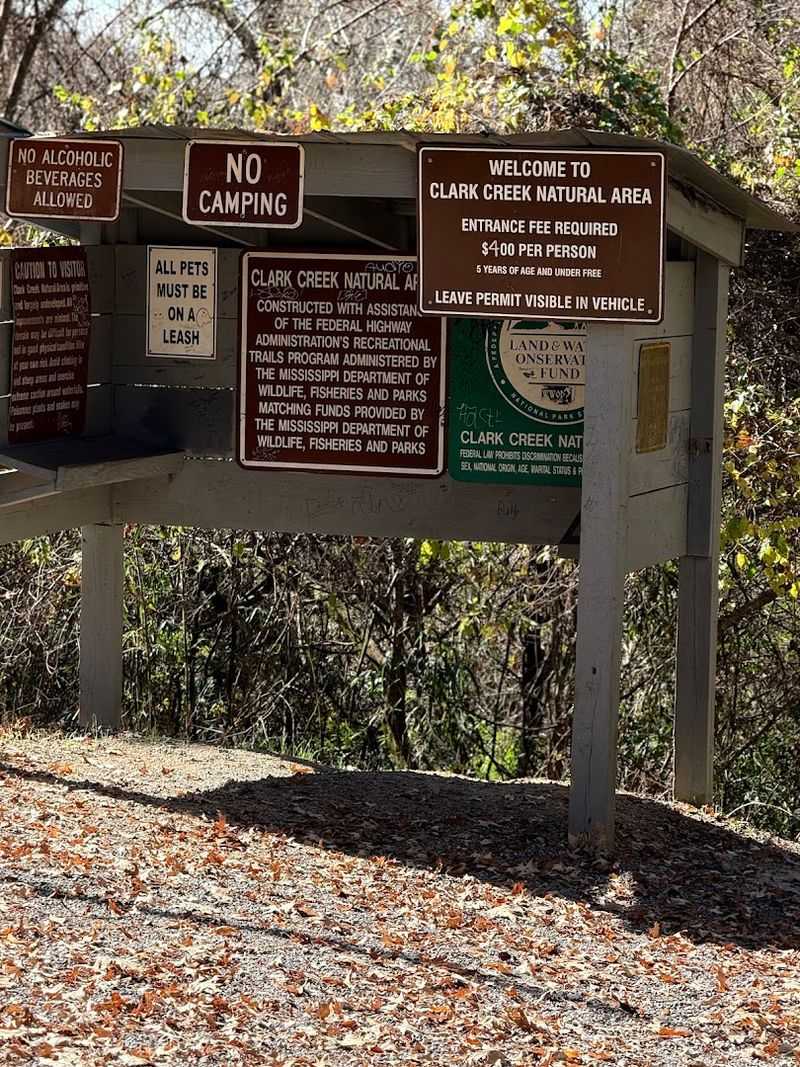
Restrooms are available near the trailhead area for convenience. A small day-use fee per vehicle applies at the entrance.
Young children typically get in free, which is a nice bonus for families.
Seasonal Changes Impact On Trail Experience
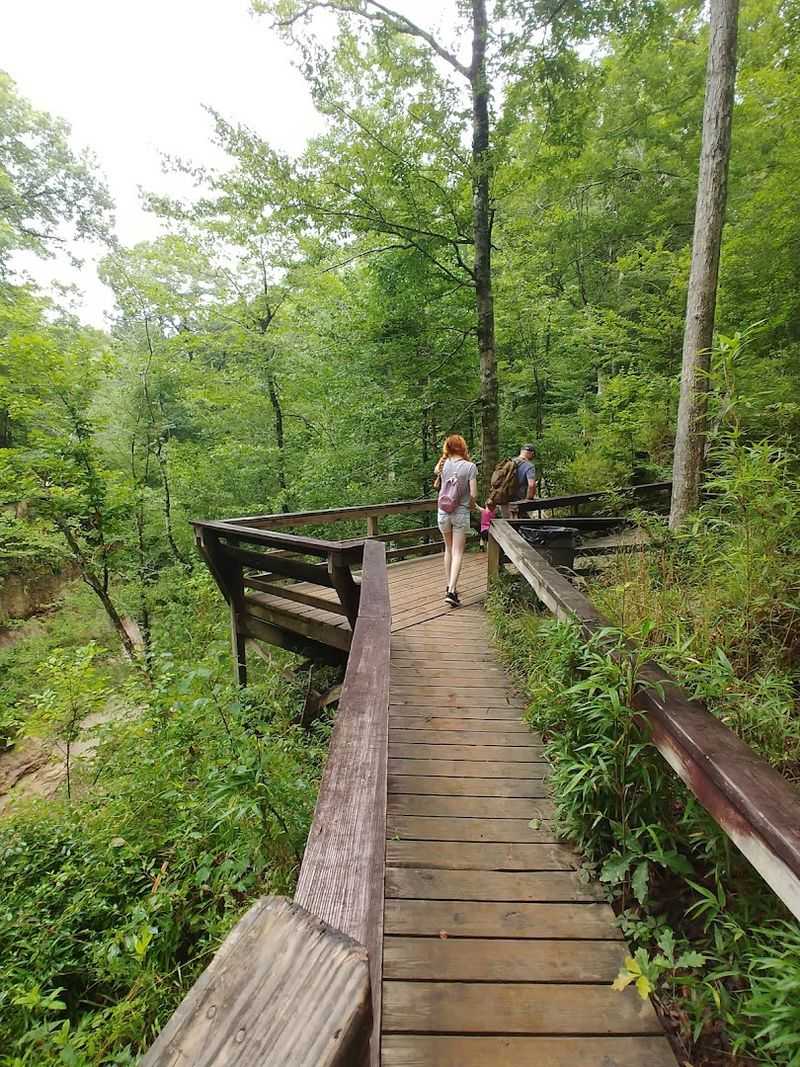
Late fall through early spring is the sweet spot for visiting Clark Creek. Cooler temperatures make the climbs far more manageable.
You won’t be stopping every five minutes to catch your breath.
Spring brings wildflowers exploding across the forest floor. The waterfalls run stronger after seasonal rains, which is a real bonus.
Everything feels fresh and alive in a way that’s hard to beat.
Fall transforms the trail into something almost cinematic. Orange and red foliage blankets the hillsides and ravines.
The contrast against the green creek water is genuinely stunning.
Summer hiking at Clark Creek is a different kind of challenge. Heat and humidity hit hard out here, especially on exposed ridgelines.
Early morning starts are basically mandatory if you go in summer.
Trails get muddy and slippery after rainfall in any season. Good grip on your footwear becomes even more critical then.
Mud is part of the Clark Creek experience whether you like it or not.
Winter visits offer the clearest scenic overlook views of the year. Bare trees open up sightlines that summer hides completely.
If you want those big horizon views, winter is honestly your best bet.
Wildlife Spotting Opportunities On The Path
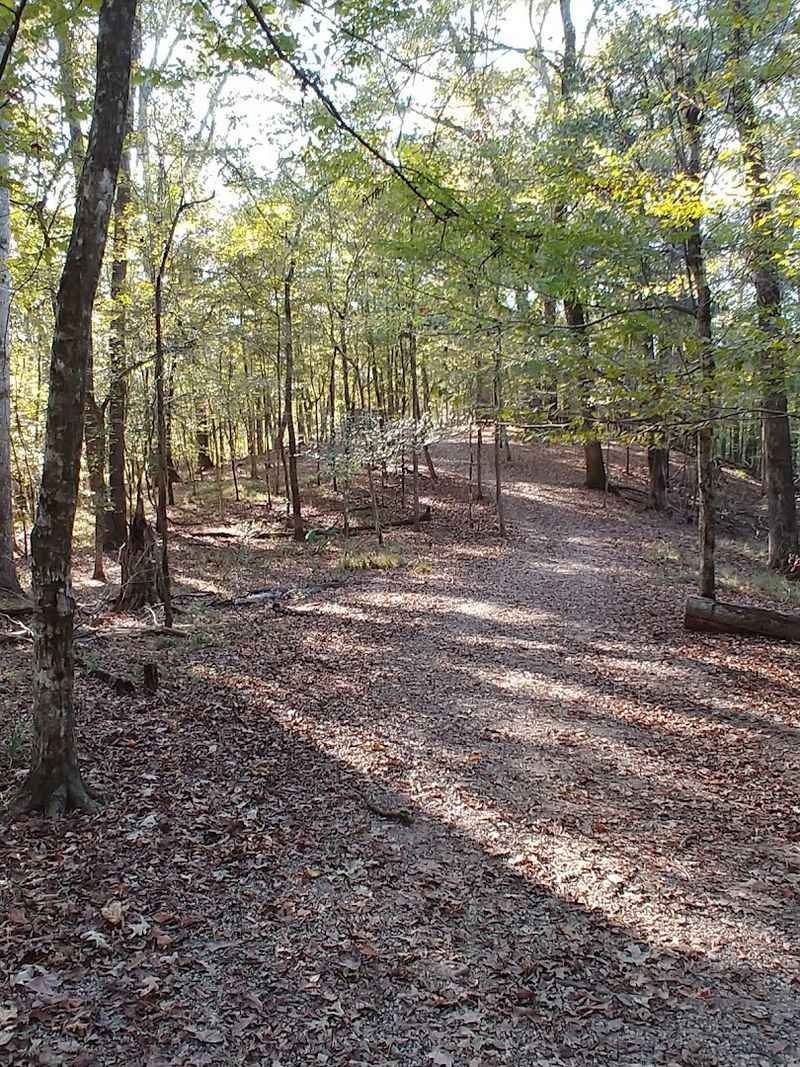
Clark Creek is genuinely alive with wildlife. White-tailed deer move quietly through the woods, especially in the early morning.
Spotting a doe with fawns on the trail is not unusual at all.
Chipmunks, squirrels, foxes, and coyotes all call this area home. Armadillos root around in the leaf litter along the trail edges.
Cottontail rabbits dart across the path when you least expect them.
Black bears, listed as a threatened species, also inhabit Clark Creek. Sightings are rare but real.
Knowing they’re out there adds a certain electricity to every hike.
Bobcats and feral pigs have been documented in the area as well. These are not animals you typically expect on a Mississippi hike.
Clark Creek’s remote location keeps the wildlife population genuinely wild.
Bird watchers will find plenty to get excited about here. Colorful migratory and resident species pass through regularly.
Bring binoculars if birding is your thing.
The creek itself supports the state-endangered Southern red belly dace fish. A rare land snail also makes its home within the park boundaries.
Even the smallest creatures here have a story worth knowing.
History And Geology Behind The Landscape
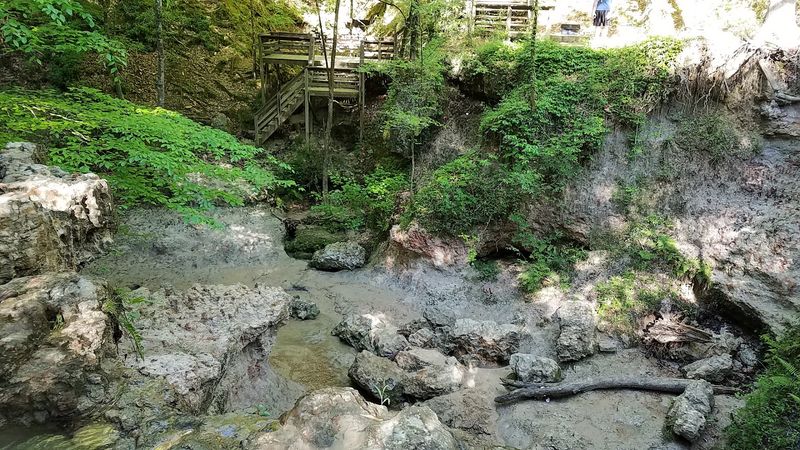
Clark Creek Natural Area was officially established in 1978. The Nature Conservancy played a key role in making that happen.
Without that effort, this landscape might look very different today.
The terrain here formed from steep, sloping loess bluff hills. Ancient glacial dust settled and compressed over thousands of years.
That process created the dramatic ridges and ravines you hike through now.
Three major geological units make up the Clark Creek landscape. Peoria loess sits at the top, followed by the Upland Complex known as the Citronelle formation.
The Fleming Formation rounds out the geological foundation beneath everything.
The Citronelle formation is the real star of the waterfall story. It’s made of sands and gravel that, when exposed to air, harden into siltstone ledges.
Those ledges are literally what the waterfalls pour over.
Iron oxide nodules create deep red streaks in the rock faces. Those rust-colored bands running through the bluff walls are not paint.
They’re the result of ancient chemical processes working over millennia.
Walking through Clark Creek is basically hiking through a geology textbook. Every layer of rock tells part of a very long story.
You don’t need to be a scientist to appreciate how wild that is.
Best Times To Visit For Optimal Views
Late fall through early spring gives you the best overall Clark Creek experience. Cooler air makes the climbs feel less punishing.
The waterfalls also tend to run fuller after seasonal rainfall.
Spring is spectacular for wildflower displays and forest color. The forest goes from bare to brilliantly green in just a few weeks.
Waterfall flow peaks after spring rains, making the timing ideal.
Fall visits reward you with some of the most vivid foliage in Mississippi. Orange, red, and gold leaves line every section of the trail.
The colors reflect beautifully off the creek water below.
Arriving early in the morning is always a smart move. Weekday visits mean fewer people on the trail and more wildlife activity.
You’ll have waterfalls nearly to yourself on a quiet Tuesday morning.
Summer is possible but demands serious preparation. Bring more water than you think you need, then add more.
Heat exhaustion is a real risk on the steeper sections during July and August.
The park opens at 6:30 AM most operating days, which is perfect for early starters. Hours run from 4:00 to 4:30 PM depending on the day.
Check the schedule before heading out since the park is closed on Tuesdays and Wednesdays.