
This Beautiful Mississippi Attraction Is One Of The State’s Best-Kept Secrets That Not Even Locals Know About
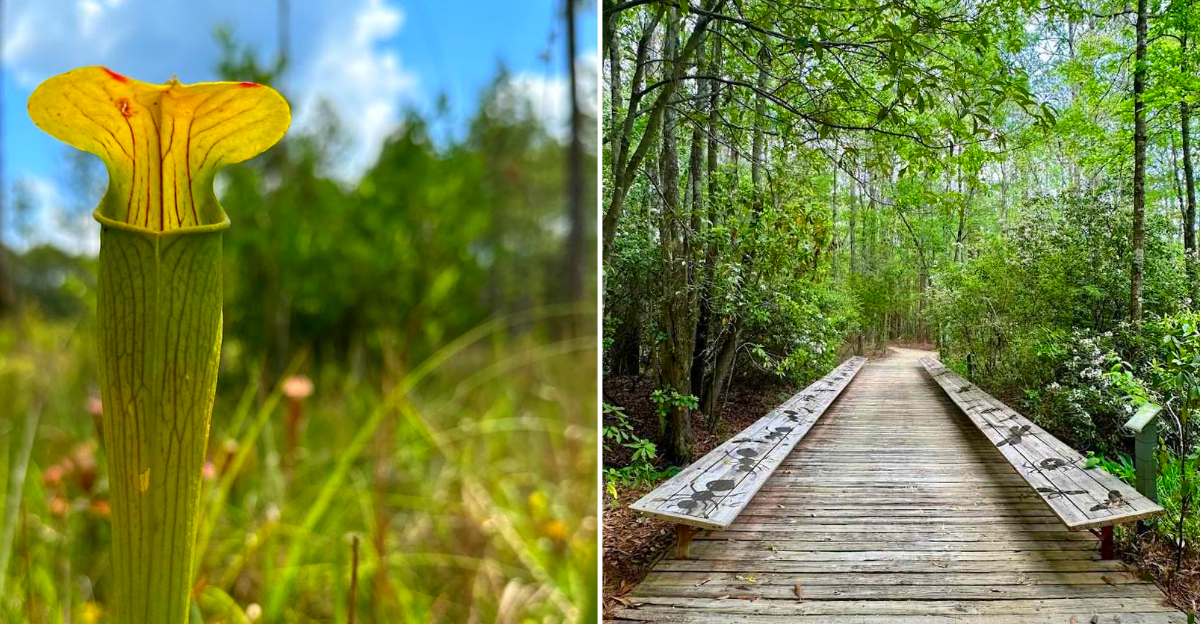
Finding something beautiful is easy enough in Mississippi. Finding something beautiful that nobody bothered to put on a sign is a rarer situation entirely. Most locals have not even seen it. That part is not an exaggeration.
Secrets at this level tend to stay secrets for one reason. The people who know about them go quiet. Not because they are selfish exactly. More because some places feel too good to hand over to the internet all at once.
Mississippi has more stunning places than it ever gets credit for, and this one sits near the top of a very short, very exclusive list.
No crowd waiting at the entrance. No line forming for a photo. Just an attraction that has been going about its business, completely unbothered, while the rest of the state looked elsewhere. You are about to become one of the very few people who knows where to look.
A Natural Wonder Worth Every Mile
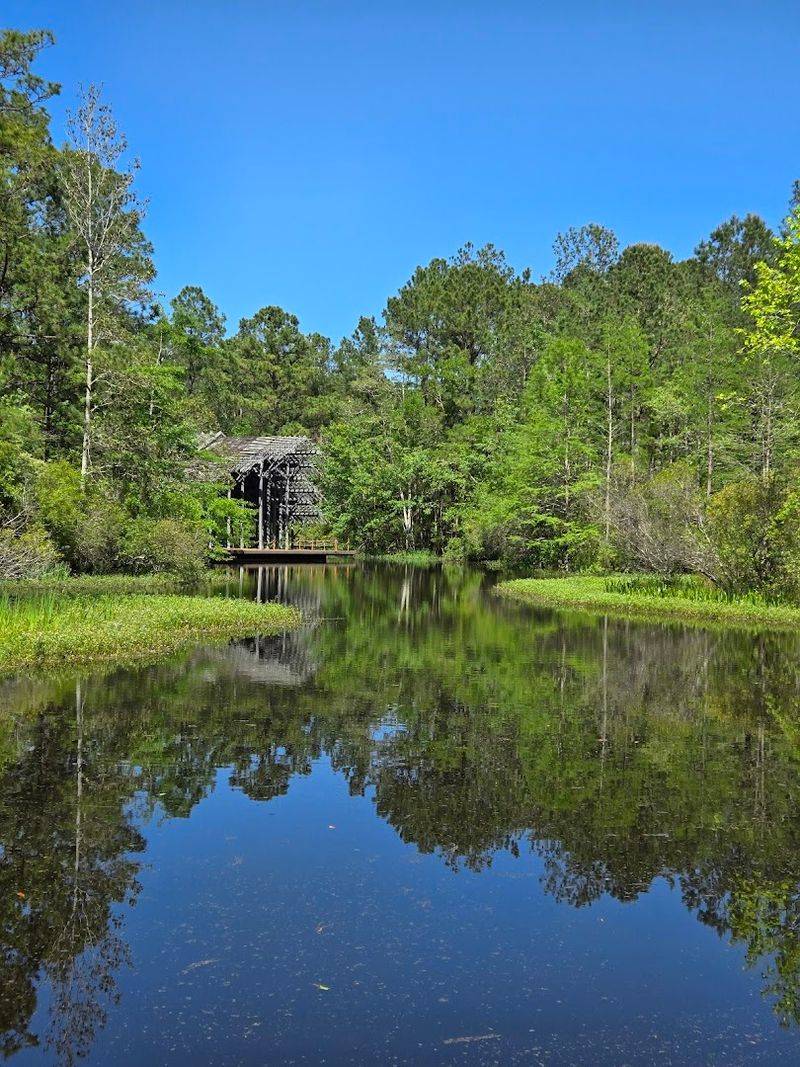
Not every great destination announces itself with a billboard or a buzzing crowd. Some of the best places earn their reputation quietly, through sheer natural beauty and a commitment to something bigger than tourism.
A conservatory that protects over 300 species of indigenous trees, shrubs, and plants is not something you find around every corner.
What makes this particular spot so remarkable is how intentional every inch of it feels. The landscapes are not random.
They have been carefully designed to reflect the native ecosystems of the Pearl River Drainage Basin, giving visitors a rare and genuine window into the region’s natural heritage.
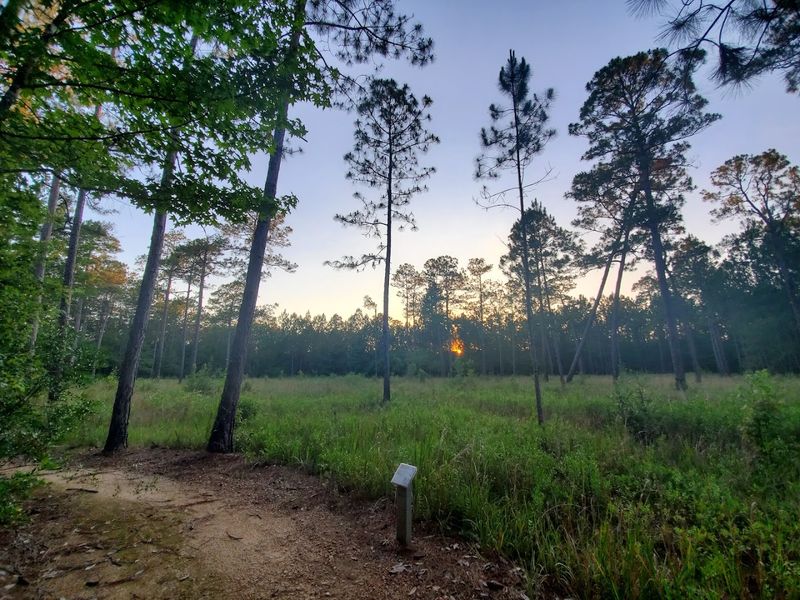
Savanna, woodland, and aquatic habitats each tell a different story. Wildflowers bloom in open grasslands while carnivorous pitcher plants thrive in boggy wetlands nearby.
Hawks circle overhead and turtles bask along the water’s edge. The whole experience feels like the natural world is putting on its best show, and you just happened to get a front-row seat.
Meet The Crosby Arboretum At 370 Ridge Road
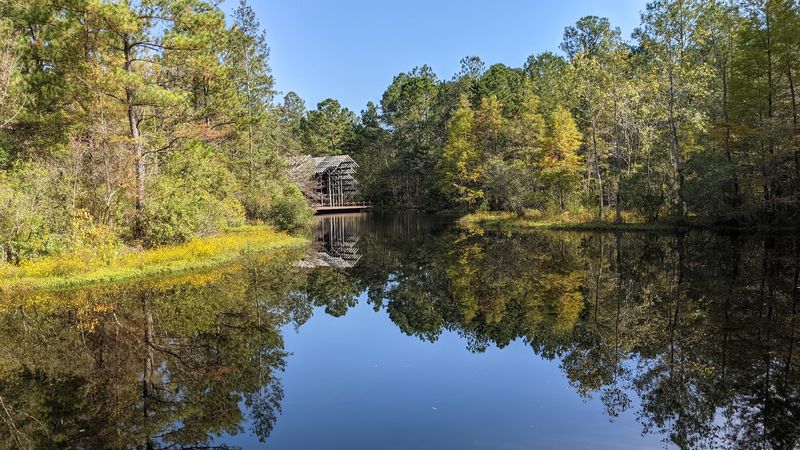
The Crosby Arboretum at 370 Ridge Road, Picayune, MS 39466 is affiliated with Mississippi State University and operates as a living memorial to L.O. Crosby, Jr. Its mission goes well beyond simply growing pretty plants.
The arboretum actively preserves, protects, and displays flora native to the Pearl River Drainage Basin ecosystem.
Open Wednesday through Sunday from 9:00 AM to 4:30 PM, the arboretum welcomes visitors with a small entrance fee that is genuinely worth every penny. Seniors, military members, and annual members all receive discounts or free entry.
A yearly family membership runs around forty dollars, which is an outstanding deal for unlimited visits throughout the year.
The 104-acre interpretive center is just the beginning. Beyond the main grounds, the arboretum manages over 700 acres across seven additional natural areas spread throughout Pearl River, Hancock, and Lamar counties.
It is one of the first arboreta in the nation to fully embrace landscape sustainability in both design and ongoing management. Mississippi State University’s involvement ensures that research, education, and conservation remain at the heart of everything happening here.
Carnivorous Plants And The Bog That Feeds Them
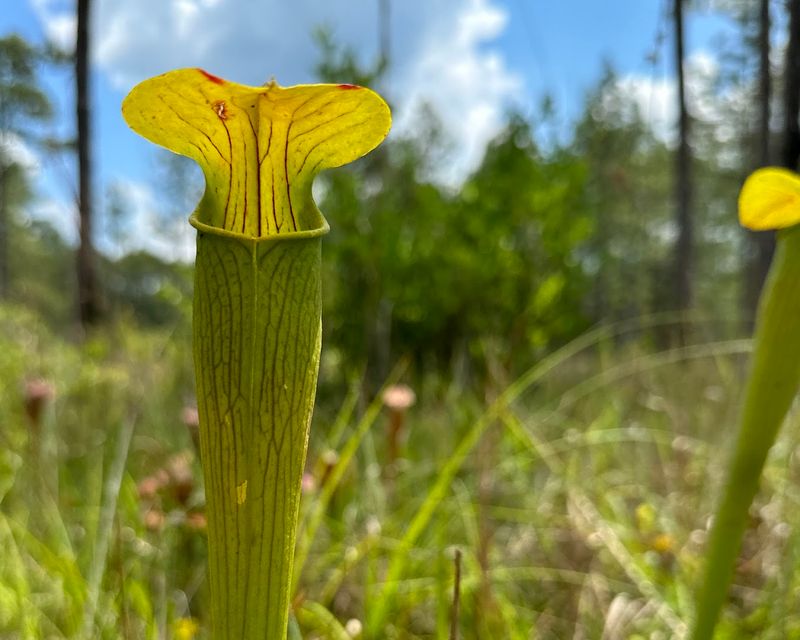
Few things in the plant world are as fascinating as a carnivorous species that has evolved to trap and consume insects for nutrition. The Crosby Arboretum protects several pitcher plant bogs that showcase exactly this kind of biological drama.
The yellow pitcher plant, known scientifically as Sarracenia alata, is the star of the show.
Pitcher plant bogs are rare and fragile ecosystems that require very specific conditions to survive. The fact that the arboretum has preserved multiple healthy bogs is a genuine conservation achievement.
Alongside the pitcher plants, visitors will also find native orchids and other insect-eating species thriving in these wetland pockets.
Walking through a pitcher plant bog feels like stepping into a world operating by entirely different rules. The ground is spongy, the air is thick with humidity, and everywhere you look something remarkable is happening at a microscopic level.
Children are especially fascinated by the idea that a plant can eat a bug, and the arboretum’s interpretive signage helps explain the science in clear and engaging terms. It is one of those experiences that stays with you long after you have driven back home.
Three Miles Of Trails Worth Every Step
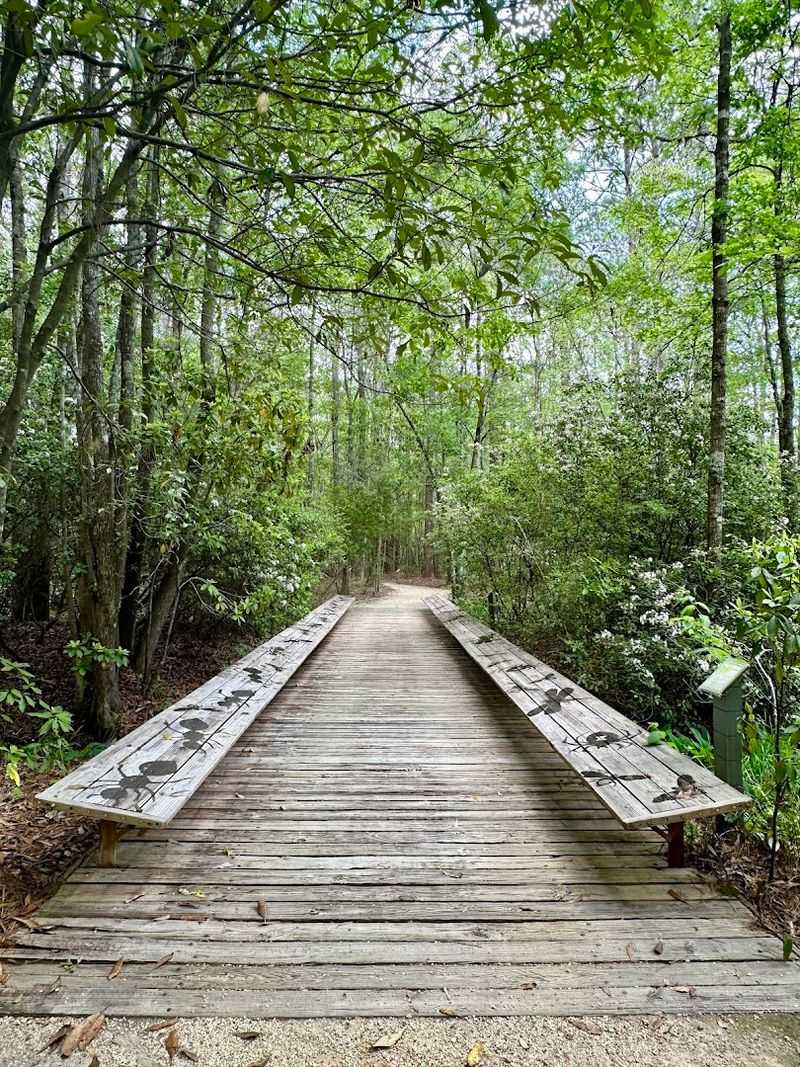
Three miles of walking trails wind through the arboretum’s most spectacular habitats, and each one offers something distinct. The Pond Journey trail wraps around Piney Woods Lake, giving walkers a tranquil waterside experience full of wildlife sightings and reflective moments.
Savanna trails cut through open grasslands where native grasses and wildflowers grow in abundance.
The trails are well maintained and clearly marked throughout, making navigation easy for first-time visitors. A map is provided at check-in, and the staff are genuinely helpful when it comes to pointing out seasonal highlights or particularly interesting sections of the route.
Some portions of the path are wheelchair accessible, which makes the arboretum a welcoming destination for visitors of all mobility levels.
Turtle food is also handed out at check-in, which immediately sets the tone for the kind of experience ahead. Feeding turtles along the water’s edge is a genuinely joyful activity that appeals to visitors of every age.
The trails pass through savanna, woodland, and aquatic zones, meaning a single walk covers an impressive range of ecosystems. Comfortable shoes are the only real requirement for a thoroughly satisfying afternoon outdoors.
Aquatic Exhibits And The Life They Support
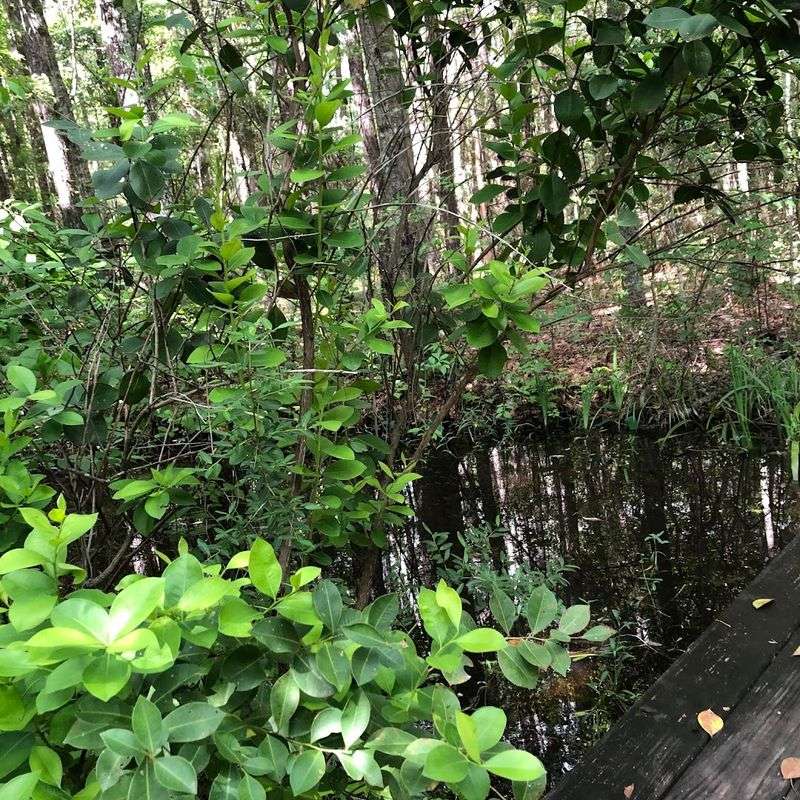
Water has a way of pulling everything together in a landscape, and the aquatic exhibits at the Crosby Arboretum are no exception. Piney Woods Lake anchors the aquatic section and provides a calm, reflective centerpiece for the Pond Journey trail.
Native aquatic plants line the edges while turtles sun themselves on logs and birds wade through the shallows.
The aquatic zone showcases plant species adapted to life in and around standing water, including sedges, rushes, and emergent vegetation that provide critical habitat for amphibians and birds.
Watching a great blue heron stalk through the shallows while dragonflies dart overhead is the kind of effortless wildlife encounter that makes a place memorable.
The arboretum’s approach to aquatic habitat management reflects the same philosophy applied across all its ecosystems: let the native species lead, support them with thoughtful stewardship, and resist the temptation to over-engineer or over-manicure.
The result is a water landscape that feels genuinely alive rather than decorative. Visitors often linger here longer than anywhere else on the property, drawn in by the quiet rhythm of the water and the constant, unhurried movement of the wildlife that calls it home.
Awards That Prove The World Is Paying Attention
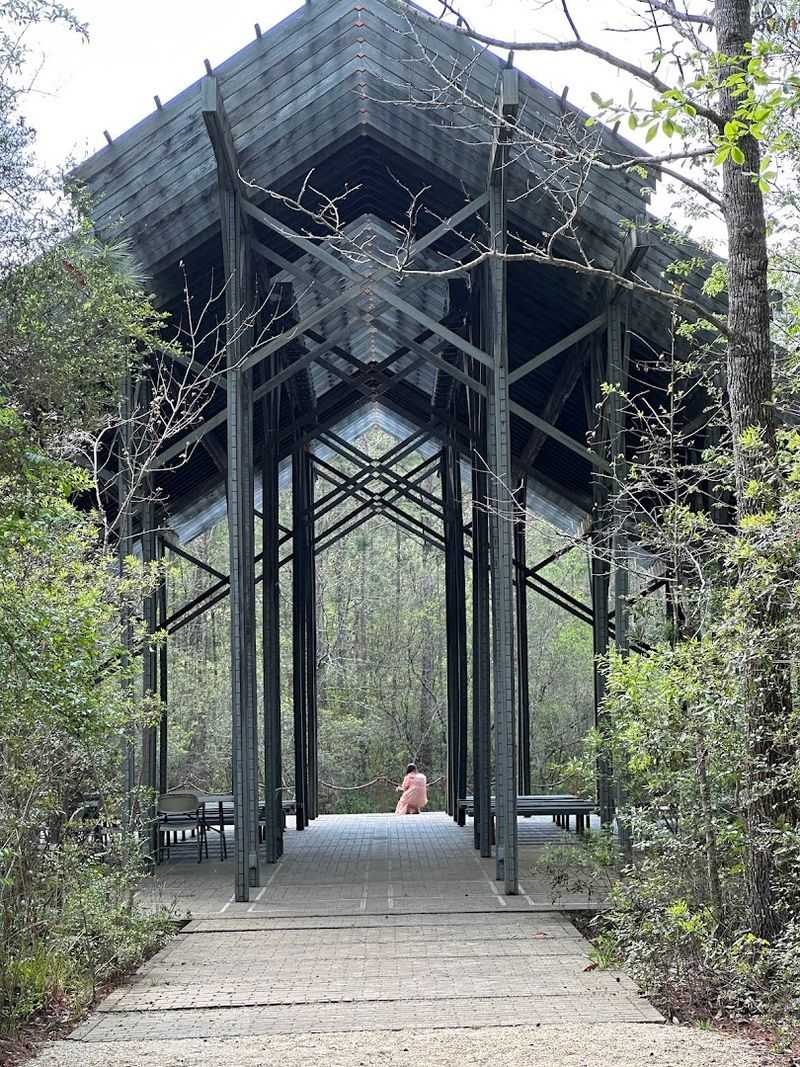
Recognition from respected institutions tends to mean something, especially when it comes from multiple directions over many years. The Crosby Arboretum received the prestigious Garden Excellence Award from the American Public Gardens Association in 2016.
That same year, Best College Reviews ranked it seventh on its list of the top fifty most beautiful college arboreta in the country.
That ranking came with a description that called it a small paradise in the Deep South, which is both accurate and a little bit of an understatement.
The arboretum is also recognized as one of the first in the nation to fully integrate landscape sustainability into its design philosophy and daily management practices. That kind of forward thinking was genuinely ahead of its time.
In 2024, it was designated an Outpost Business by the Mississippi Gulf Coast National Heritage Area, acknowledging its ongoing contribution to environmental and cultural understanding in the region.
The arboretum is also a featured stop on the Great Mississippi Nature Trail, a statewide initiative promoting the state’s diverse natural destinations.
For a place that operates quietly and without fanfare, it has accumulated an impressive and well-deserved collection of honors that speak to the depth of its impact.
Over 700 Acres Of Protected Mississippi Landscape
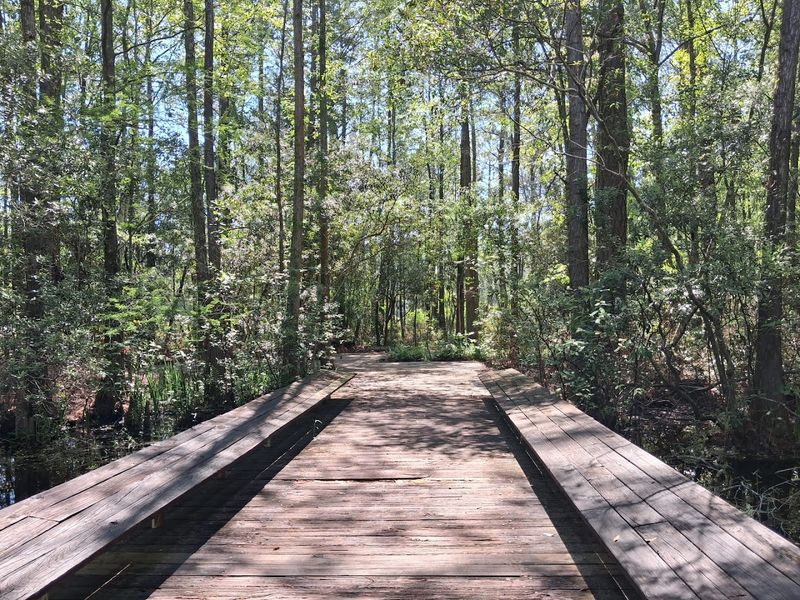
The 104-acre interpretive center is impressive on its own, but it is just one piece of a much larger conservation effort. The Crosby Arboretum manages over 700 acres across seven additional natural areas spread through Pearl River, Hancock, and Lamar counties.
Each of those sites protects a different facet of the Pearl River Drainage Basin ecosystem. Together, these lands shelter more than 300 species of indigenous trees and shrubs that might otherwise struggle to survive in a landscape increasingly shaped by development.
The arboretum’s reach across multiple counties gives it a conservation footprint that most visitors would never guess from a single afternoon walk through the main grounds.
That scale of protection matters enormously for the long-term health of the region’s biodiversity. Native species depend on connected, intact habitat to maintain healthy populations, and the arboretum’s multi-site approach helps create those critical corridors.
Mississippi’s coastal plain ecosystem is one of the most biologically diverse in the eastern United States, and the Crosby Arboretum has positioned itself as one of its most dedicated guardians.
Visiting the interpretive center is a wonderful introduction, but knowing the full scope of the effort makes the experience feel even more meaningful.
The Gift Shop And Visitor Center Experience

Every great natural destination deserves an equally great place to begin and end the visit, and the Crosby Arboretum’s visitor center delivers on that front.
Check-in is friendly and efficient, with staff ready to hand over a trail map and a small packet of turtle food that immediately signals the kind of experience waiting outside. It is a small touch that sets a genuinely warm tone.
The gift shop carries items that reflect the arboretum’s native plant focus, making it a useful stop for gardeners, nature lovers, and anyone looking for a meaningful souvenir that connects back to the landscape they just explored.
Native plant guides, seeds, and regional natural history books are the kinds of finds that reward a browse.
Self-guided tours are supported throughout the grounds by interpretive markers that explain the ecological significance of each habitat zone. Guided tours are also available for visitors who want a deeper and more curated experience.
The combination of independent exploration and expert-led options means the arboretum works equally well for seasoned naturalists and complete beginners.
Starting the visit at the visitor center ensures you leave with enough context to genuinely appreciate everything the grounds have to offer.
Why This Place Deserves A Spot On Your List
Some destinations check a single box. The Crosby Arboretum checks about a dozen without breaking a sweat.
It is a conservation landmark, an architectural showcase, an educational hub, a wildlife sanctuary, and a genuinely peaceful place to spend a few hours reconnecting with the natural world.
That is a rare combination to find anywhere, let alone tucked away in a small Mississippi town.
The entrance fee is minimal, the trails are well maintained, and the staff bring a level of genuine enthusiasm that makes every visit feel personal. Seasonal changes transform the landscape throughout the year, meaning repeat visits always offer something new.
Spring wildflowers give way to summer bogs in full carnivorous glory, and autumn brings its own quiet beauty to the savanna grasslands.
Mississippi often gets overlooked when people plan their travel itineraries, and that is a genuine loss for anyone who skips it. The Crosby Arboretum is the kind of place that reminds you why slowing down and paying attention to the natural world is always worth the effort.
If your travel list needs one more destination that will actually stay with you, this is absolutely the one to add next.