
This Beautiful Wisconsin Town Is Packed With Antique Shops And Small-Town Charm
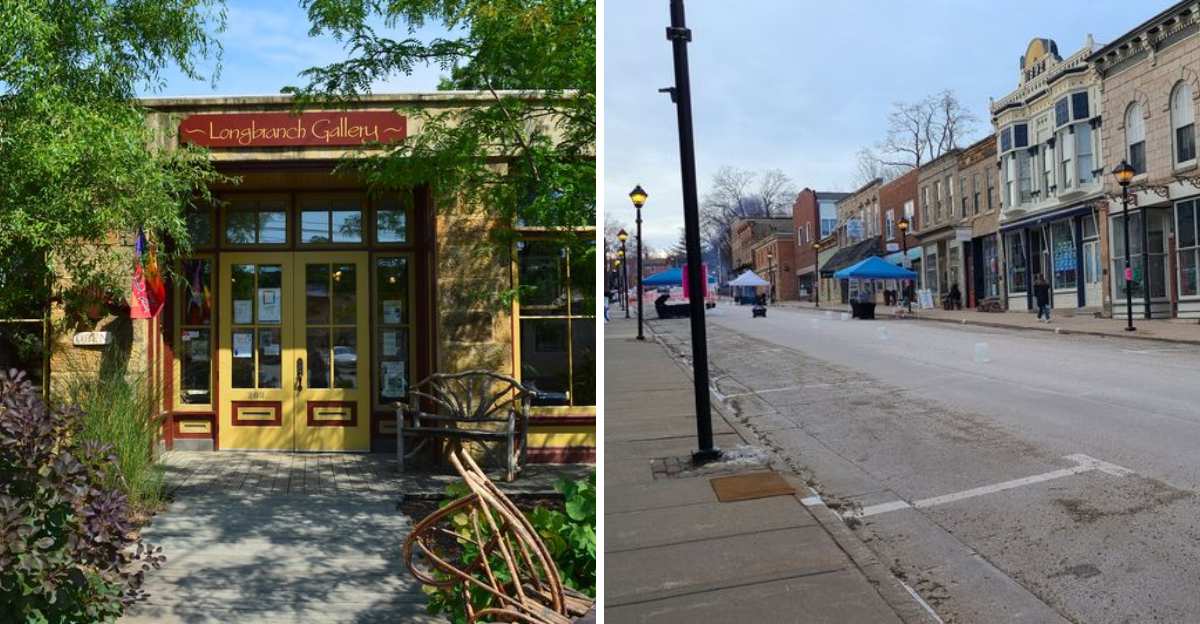
Among the rolling hills of southwestern Wisconsin is a town where the past feels wonderfully close at hand. Stone cottages line the streets, historic storefronts stand proudly along a walkable main road, and every corner hints at stories that reach back nearly two centuries.
The community first took shape in the early 1800s when Cornish miners arrived in search of lead and zinc, leaving behind traditions, architecture, and a character that still define the town today. These days, visitors come for something entirely different.
Antique shops, art galleries, and charming cafés have taken root in those historic buildings, creating a place where browsing for treasures and strolling quiet streets feels like stepping into another era.
A Historic Town Frozen In Time
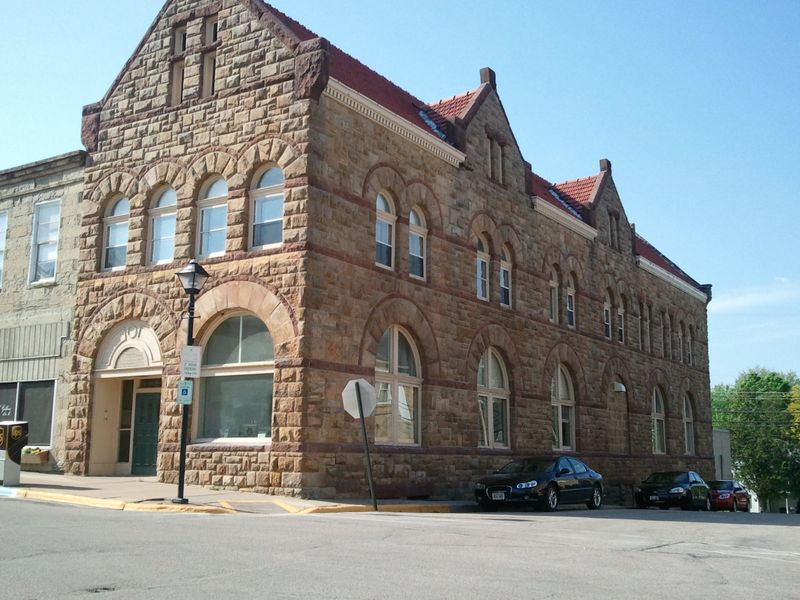
Walking through Mineral Point feels like entering a photograph from another century. The buildings along High Street and Commerce Street date back to the 1830s and 1840s, constructed from locally quarried limestone by skilled Cornish stonemasons.
Many structures retain their original facades, with hand-cut stone walls and wooden shutters that have weathered more than a century of Wisconsin winters.
The town earned National Historic Landmark status in 1971, recognizing its exceptional collection of Cornish architecture. Unlike many small towns that modernized their downtowns in the mid-20th century, Mineral Point resisted change.
Preservation efforts began early, led by residents who understood the value of what they had inherited.
At 42.859997, -90.17984729999999, this community of roughly 2,500 people maintains its character through careful stewardship. Buildings house businesses, not museums, which keeps the historic district alive rather than frozen as a tourist attraction.
Antique Shops Around Every Corner
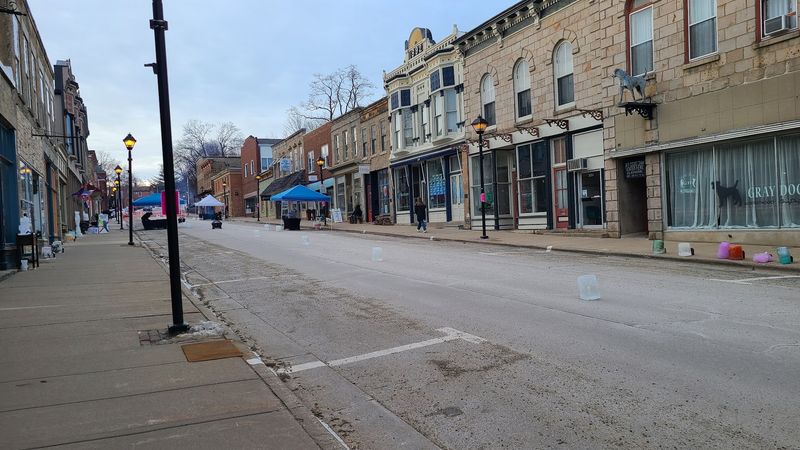
Collectors travel from Chicago, Milwaukee, and beyond to hunt through Mineral Point’s concentration of antique dealers. More than a dozen shops operate within a few blocks of each other, each specializing in different eras and categories.
Some focus on primitives and farm tools, others on mid-century modern furniture or vintage advertising signs.
The density of dealers creates a browsing experience rare in small towns. You can spend an entire afternoon moving from shop to shop without retracing your steps.
Many dealers know each other and will direct customers to competitors if they think another shop has what someone seeks.
Inventory changes constantly as dealers buy estates and trade with each other. Regular visitors check back monthly to see what has arrived.
Prices remain reasonable compared to urban markets, though dealers know their merchandise and price accordingly for quality pieces.
One Of Wisconsin’s Oldest Communities
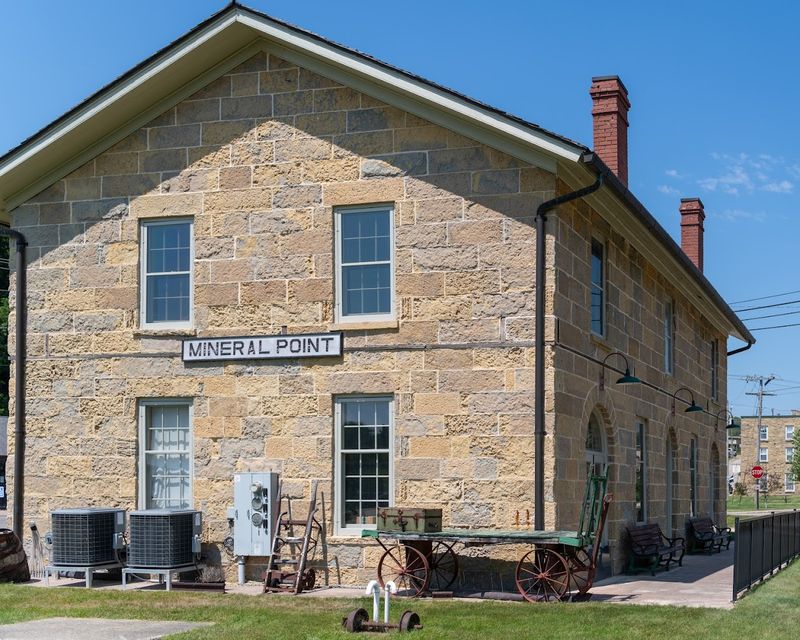
Lead brought the first permanent settlers to this corner of Wisconsin in 1827, before statehood, before most of the upper Midwest had been mapped. Prospectors dug shallow mines across the hillsides, extracting lead ore that would be smelted and shipped downriver.
The mining boom transformed wilderness into a bustling town almost overnight.
By 1830, Mineral Point had emerged as one of the largest settlements in what would become Wisconsin Territory. The population swelled to several thousand during peak mining years, making it larger than Milwaukee at the time.
Cornish immigrants arrived with mining expertise from England’s tin and copper districts, bringing building traditions that still define the town’s appearance.
The lead deposits played out by the 1850s, causing many residents to leave for California gold fields or newer mining districts. Those who remained shifted to farming and commerce, leaving behind an architectural legacy that outlasted the boom.
Stone Cottages And Historic Streets
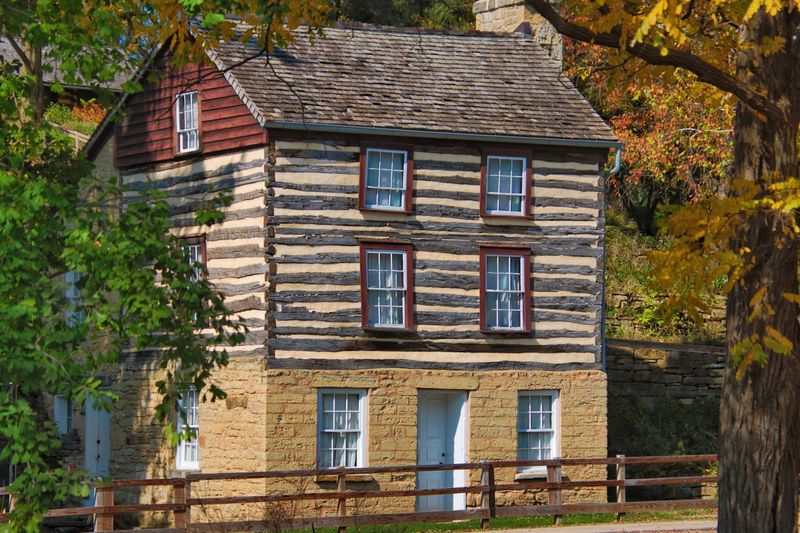
Pendarvis, a collection of restored Cornish cottages on Shake Rag Street, offers the clearest window into how miners and their families lived in the 1830s and 1840s. These small limestone houses, built into the hillside, feature thick walls, low ceilings, and tiny windows designed to conserve heat during brutal winters.
The interiors have been furnished with period pieces that show the modest circumstances of working families.
Beyond Pendarvis, dozens of private homes throughout town display similar Cornish construction techniques. Builders used limestone because it was abundant and durable, quarrying blocks from nearby outcrops.
The stone cottages have lasted far longer than the wooden structures that once stood beside them.
Walking the residential streets reveals how topography shaped building patterns. Houses cling to hillsides at odd angles, connected by steep stairways and narrow passages that wind between properties.
A Downtown Full Of Hidden Treasures
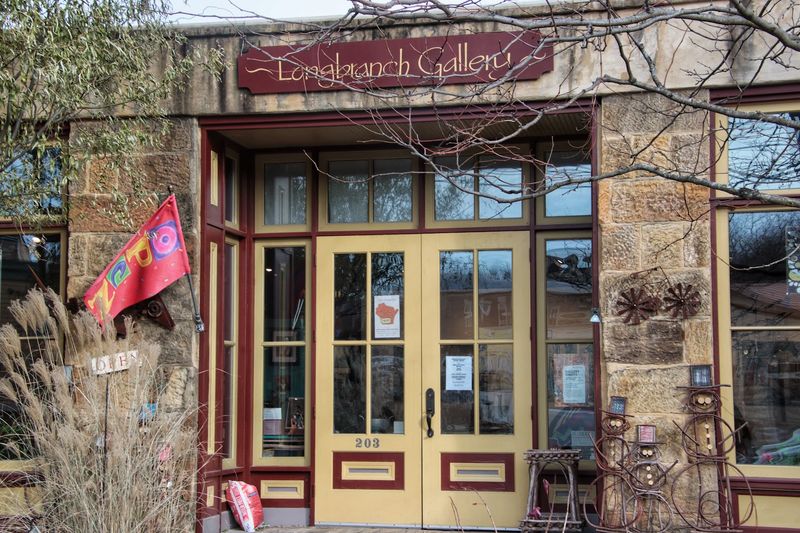
Shopping in Mineral Point requires curiosity and patience. The best discoveries hide in back rooms, upstairs galleries, and basement storage areas that dealers open for serious browsers.
One shop might specialize in architectural salvage, offering mantels, doors, and hardware reclaimed from demolished buildings. Another focuses on vintage textiles, with quilts and linens sorted by era and condition.
Several dealers operate by appointment only, maintaining inventory in historic buildings not set up for walk-in retail. Calling ahead can unlock access to collections not visible from the street.
Other shops keep irregular hours, particularly during winter months when tourism slows.
The unpredictability adds to the treasure hunt atmosphere. You might find a first-edition book, a piece of Wisconsin pottery, or a tool your grandfather used.
Dealers enjoy talking about their merchandise, sharing provenance and history with anyone who asks questions.
The Artistic Heart Of Southwestern Wisconsin
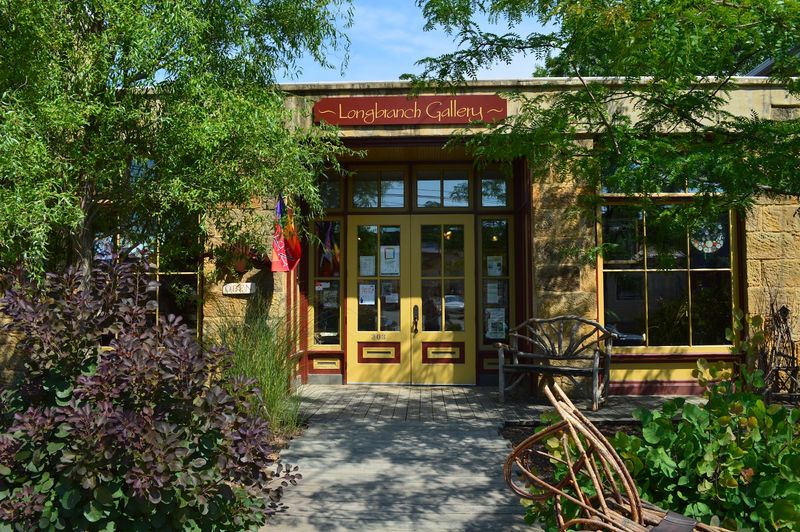
Artists began moving to Mineral Point in the 1940s, attracted by cheap real estate and historic buildings perfect for conversion into studios. That creative influx never stopped, evolving over decades into a thriving arts community.
Today, the town supports multiple galleries showing contemporary painting, sculpture, ceramics, and fiber arts alongside the antique trade.
The Mineral Point Arts Coalition coordinates gallery openings and events, creating opportunities for artists to connect with collectors. Many artists live and work in town, maintaining studios where visitors can watch creative processes unfold.
The combination of working studios and finished galleries gives the arts scene authenticity that purely commercial districts lack.
Each October, the Fall Art Tour opens private studios across town and the surrounding countryside. Potters demonstrate throwing techniques, painters discuss their methods, and jewelers show how they fabricate pieces.
The tour has become a regional tradition, drawing crowds that fill restaurants and lodging for the weekend.
A Town Shaped By Cornish Miners
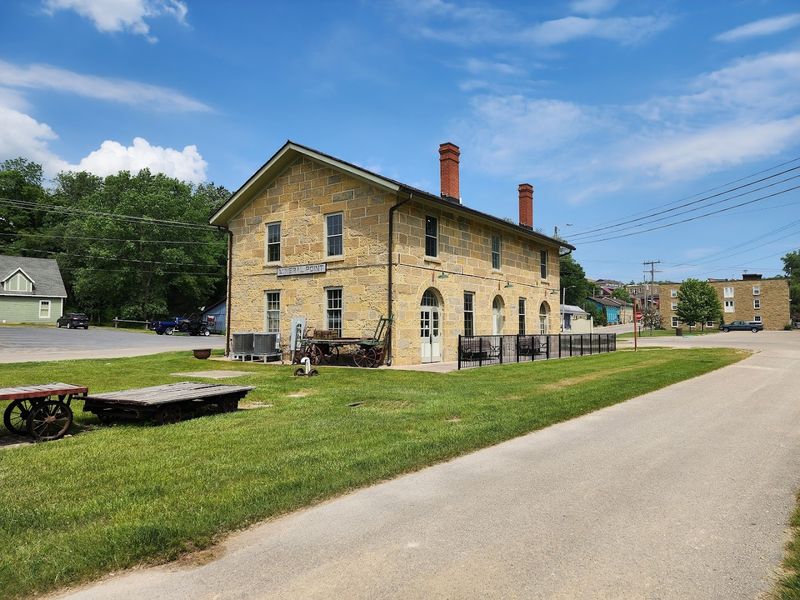
Cornwall, in southwestern England, sent thousands of miners to Wisconsin during the 1830s and 1840s. These immigrants possessed skills American prospectors lacked, knowing how to sink deep shafts, timber tunnels, and extract ore efficiently.
They also brought building traditions, constructing stone cottages that mimicked houses back home.
Cornish culture shaped more than architecture. The miners introduced pasties, meat and vegetable pies baked in portable crusts that wives prepared for their husbands to carry underground.
Local restaurants still serve pasties, maintaining recipes passed through generations. Cornish dialect words entered local speech, some surviving into the 20th century.
Family names reflect this heritage. Surnames like Tregillus, Pengilly, and Trewartha appear on mailboxes and business signs throughout town.
Descendants of those original mining families still live in houses their ancestors built, maintaining connections to Cornwall through genealogy research and occasional visits to ancestral villages.
Local Galleries And Artisan Studios
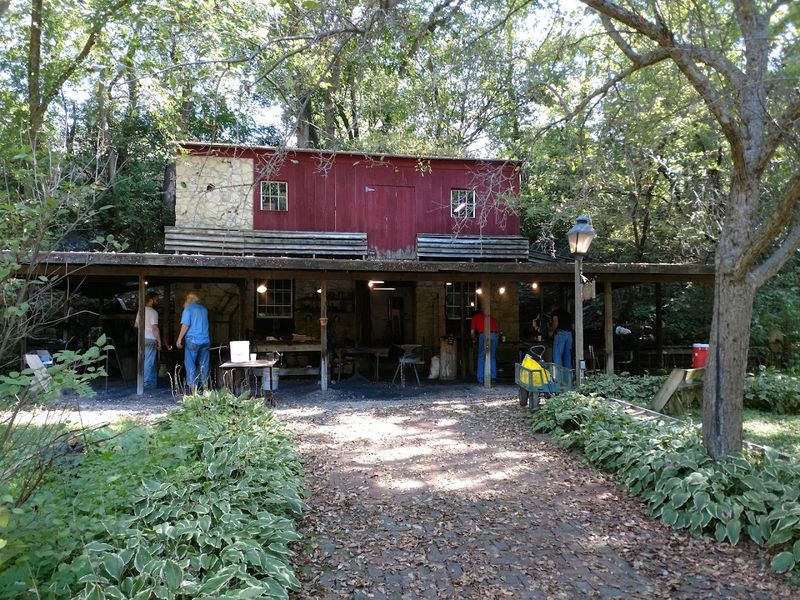
Functional craft thrives alongside fine art in Mineral Point. Potters produce dinnerware and serving pieces, jewelers fabricate rings and pendants, woodworkers build furniture using traditional joinery.
These artisans occupy a space between artist and tradesperson, creating objects meant for daily use rather than wall display.
Several studios welcome visitors during regular hours, allowing customers to commission custom work or purchase finished pieces. Watching a potter center clay or a blacksmith forge iron gives insight into skills that require years to master.
Many artisans apprenticed with established craftspeople, learning techniques that cannot be absorbed from books or videos.
Prices reflect the time invested in handmade work. A thrown and glazed bowl costs more than factory production, but buyers appreciate owning something made by known hands in a specific place.
The connection between maker and user matters to people tired of anonymous mass production.
Quaint Cafés And Small-Town Eateries
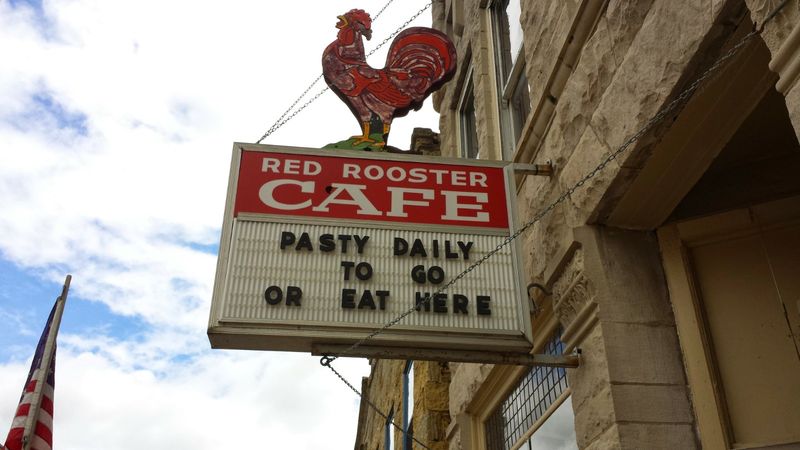
Restaurants in Mineral Point occupy historic storefronts, with exposed stone walls and original tin ceilings setting the atmosphere. Menus emphasize local ingredients and regional specialties, particularly those Cornish pasties that appear on nearly every menu.
Some establishments bake their own bread, cure their own meats, and source produce from nearby farms during growing season.
The dining scene punches above its weight for a town this size. A few restaurants have earned recognition in regional food publications, drawing diners from Madison and beyond.
Reservations help on weekends, especially during art tour season and summer months when tourism peaks.
Cafes serve as community gathering spots where locals catch up over coffee and visitors plan their antiquing routes. Several offer outdoor seating during warm months, with tables along sidewalks perfect for watching the unhurried pace of small-town life.
Service moves at a relaxed tempo that matches the town’s overall rhythm.
Why Treasure Hunters Love This Town
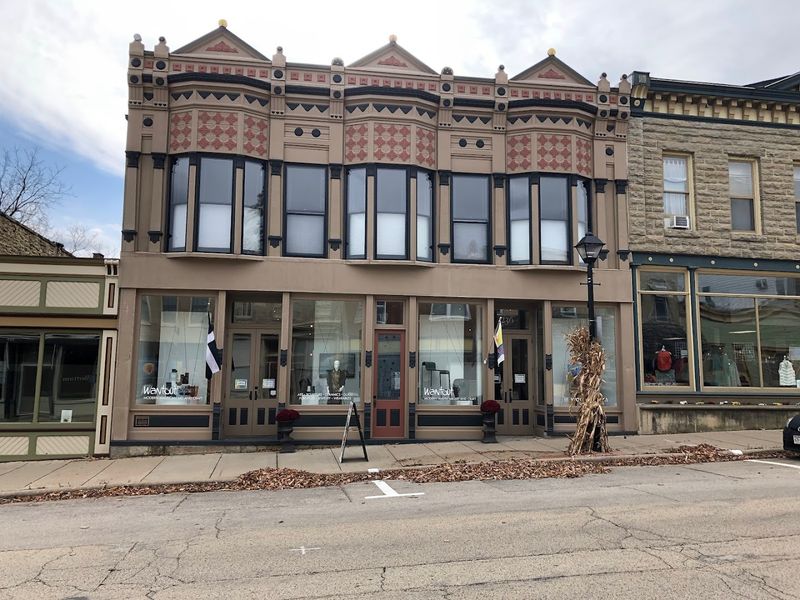
Serious collectors return to Mineral Point repeatedly because inventory turns over constantly and dealers maintain high standards. Unlike antique malls packed with reproductions and junk, shops here curate their offerings carefully.
Dealers develop reputations for specific categories, making it easy to know where to look for particular items.
The town’s location helps keep prices competitive. Situated away from major tourist routes, Mineral Point avoids the inflated pricing common in more heavily visited antique destinations.
Dealers buy locally when possible, acquiring estates from the surrounding agricultural region where families accumulated possessions over generations.
Building relationships with dealers pays dividends. Regular customers get first looks at new arrivals and phone calls when specific items appear.
Dealers remember what people collect and will hold pieces they think might interest particular buyers. That personal attention has disappeared from most retail but survives in small towns where relationships still matter more than transactions.