
This Beginner-Friendly Wisconsin Trail Leads To A Secret Waterfall In Just 1.4 Miles
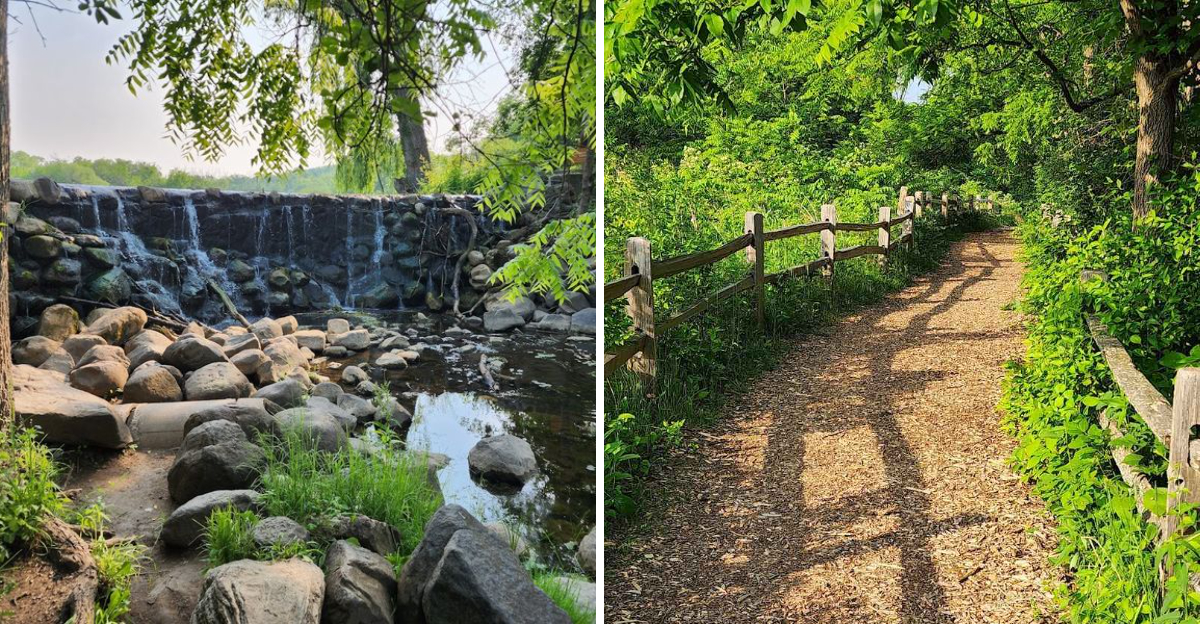
Some of Wisconsin’s best little outdoor surprises do not require a long hike, special gear, or a full afternoon of planning. Just outside Milwaukee, a peaceful loop trail circles a quiet lake, slips through woods and wetlands, and rewards careful walkers with a small waterfall that is easy to pass by if you are moving too quickly.
The route runs about 1.4 miles, making it ideal for beginners, families, or anyone craving a simple reset in nature. Boardwalk sections, gravel stretches, and dirt paths keep the walk varied without making it difficult.
It is the kind of trail that feels calm, manageable, and surprisingly scenic for such a short outing.
A Short Lake Loop That Feels Easy From The Start
Walking around Mallard Lake takes most people between 45 minutes and an hour at a relaxed pace. The trail begins near the Wehr Nature Center at 6401 Nature Center Drive in Franklin, and you can choose to go clockwise or counterclockwise around the water.
Both directions work fine, though going left from the nature center brings you to the waterfall sooner.
The path stays flat almost the entire way, which means you can focus on looking around instead of watching your footing on steep sections. Families with young children manage this loop without much trouble, and older adults appreciate the gentle terrain.
The distance feels just right for a quick outdoor break that does not demand athletic ability or special hiking gear.
Parking is available along Whitnall Park Drive at no cost, or you can pay a small fee to park directly at the nature center. The trail stays open from 6 AM to 10 PM every day of the week.
Mallard Lake Gives The Trail Its Calm, Scenic Centerpiece
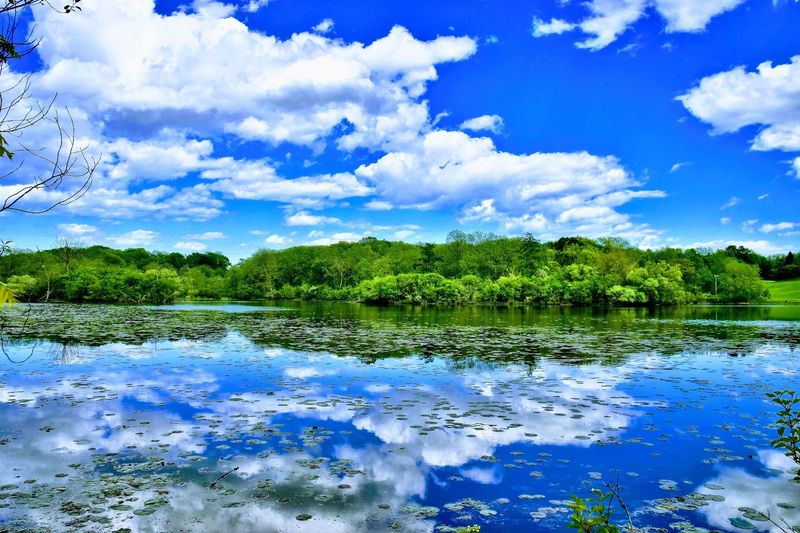
The lake itself sits at the heart of this walking experience, offering clear views across open water from multiple points along the path. Mallard Lake is not large, but its size works in favor of the scenery because you can see across to the opposite shore and watch how the light changes on the surface throughout the day.
Morning visits often bring mist rising off the water, while afternoons show reflections of clouds and trees.
The shoreline varies as you walk, sometimes bringing you close to the edge where you can see into the shallows, other times pulling back into the woods. Water birds use the lake regularly, and you might spot ducks, herons, or geese depending on the season.
The lake stays quiet because fishing and motorized boats are not permitted here.
Benches appear at several spots along the way, giving you places to sit and watch the water without rushing through the loop.
Boardwalk, Gravel, Dirt, And Woodchips Keep The Walk Interesting
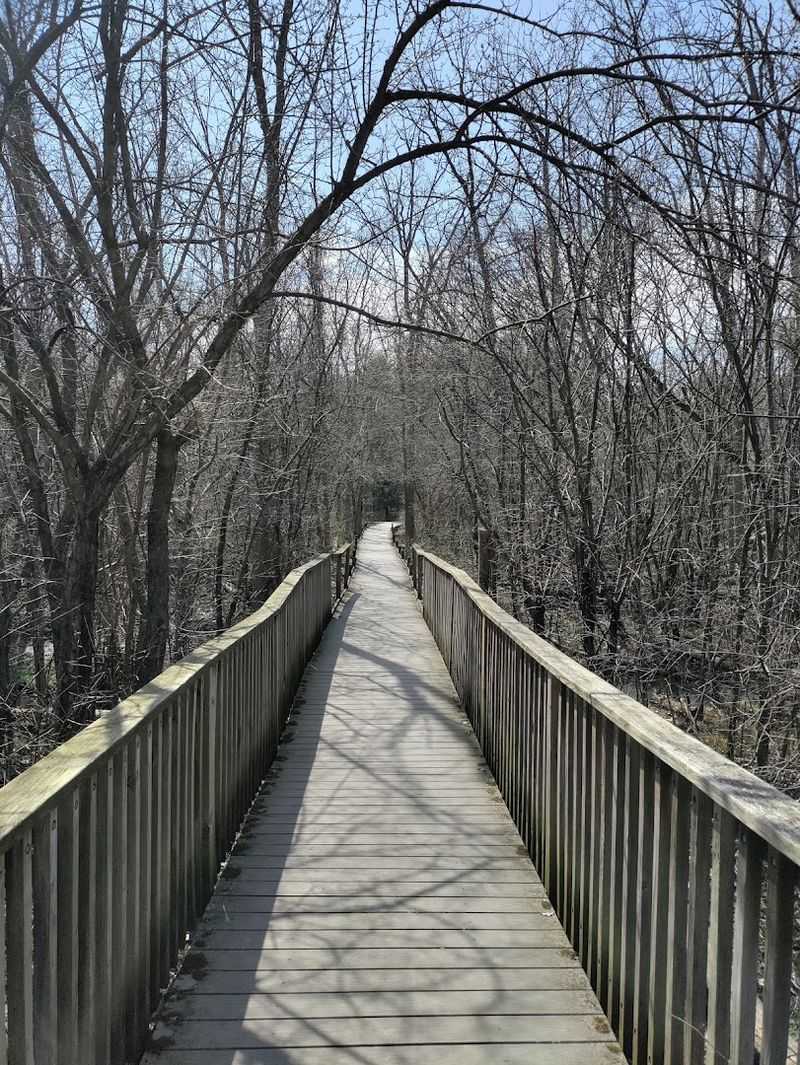
The trail surface changes several times as you circle the lake, giving your feet different textures to walk on and preventing the path from feeling monotonous. Sections of elevated boardwalk appear where the ground gets wet or marshy, lifting you above the mud and giving you clear views into the wetland areas.
These wooden stretches make pleasant sounds underfoot and keep your shoes clean even after rain.
Other parts of the trail use crushed gravel that crunches lightly as you walk, while still more sections follow packed dirt paths that wind through the woods. Woodchip-covered areas appear in spots where the trail passes under heavier tree cover.
The mix of surfaces also means the trail drains well and rarely becomes impassable after storms.
The boardwalk sections have expanded in recent years, replacing some of the original dirt paths. Memorial plaques line portions of the boardwalk, honoring people who contributed to the park.
The Waterfall Is Small, Pretty, And Easy To Miss If You Rush
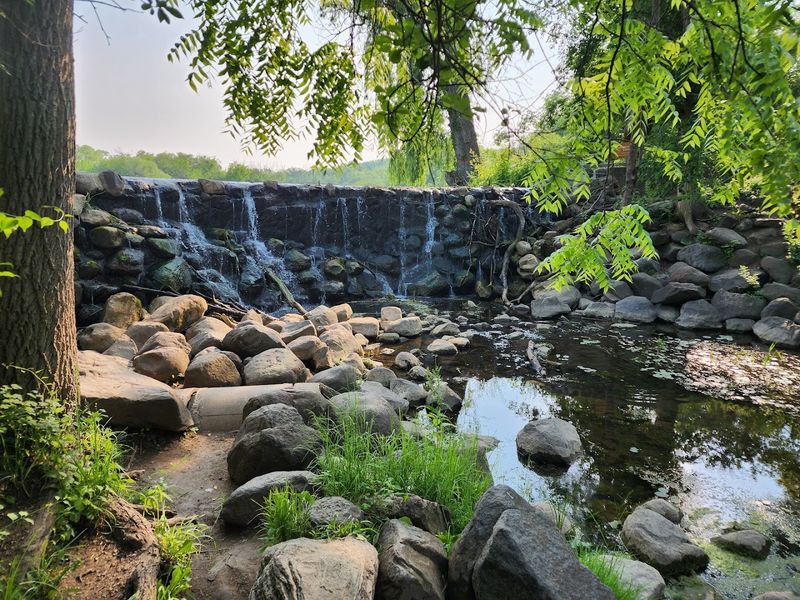
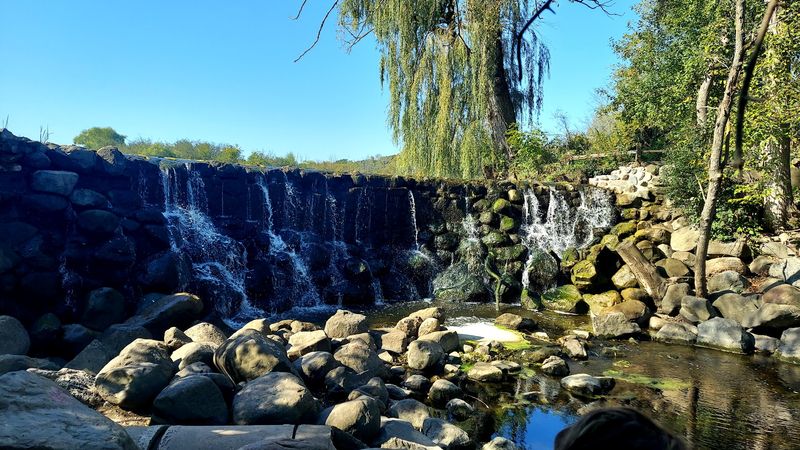
The waterfall does not announce itself with roaring sounds or dramatic drops, so many people walk right past it if they are moving too quickly or talking instead of listening. It appears along the trail as a modest cascade flowing over rocks, more of a gentle tumble than a thundering plunge.
The water comes from a small stream that feeds into Mallard Lake, and the flow varies depending on recent rainfall.
You will find the waterfall on the western side of the loop, surrounded by trees and low vegetation that frame it naturally. During spring and after heavy rains, the flow increases and becomes more visible.
In drier months, it might slow to a trickle, but the spot still holds charm with moss-covered rocks and the sound of moving water.
Look for a slight widening in the trail and listen for the sound of water over stone. The best views come from standing still for a moment rather than glancing while walking past.
The Trail Passes Wetlands, Lowland Forest, And Prairie Edges
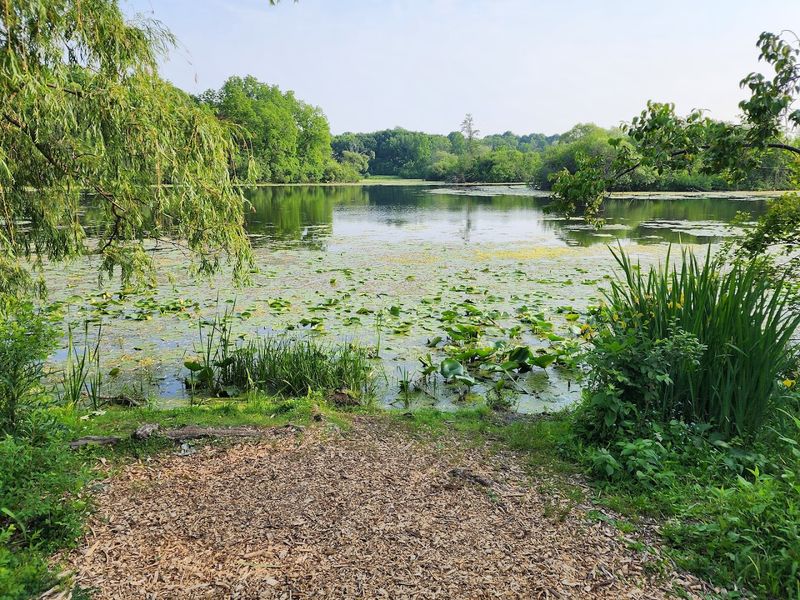
Walking the full loop takes you through several distinct types of landscape, each supporting different plants and animals. The wetland areas appear where water sits close to the surface, creating habitat for cattails, marsh grasses, and the birds that feed on insects living there.
These sections feel open and bright, especially when the sun is out.
Lowland forest covers much of the trail, with mature trees forming a canopy overhead and smaller plants growing in the understory. The shade feels welcome on hot days, and the forest floor shows seasonal changes as wildflowers bloom in spring and leaves fall in autumn.
Prairie edges appear where the woods meet open grassland, and these transition zones attract butterflies and other pollinators during warmer months.
The variety means you see different things depending on where you are on the loop, and the landscape shifts gradually rather than abruptly. Each section has its own character and light quality.
It Is A Beginner-Friendly Hike With Very Little Elevation Gain
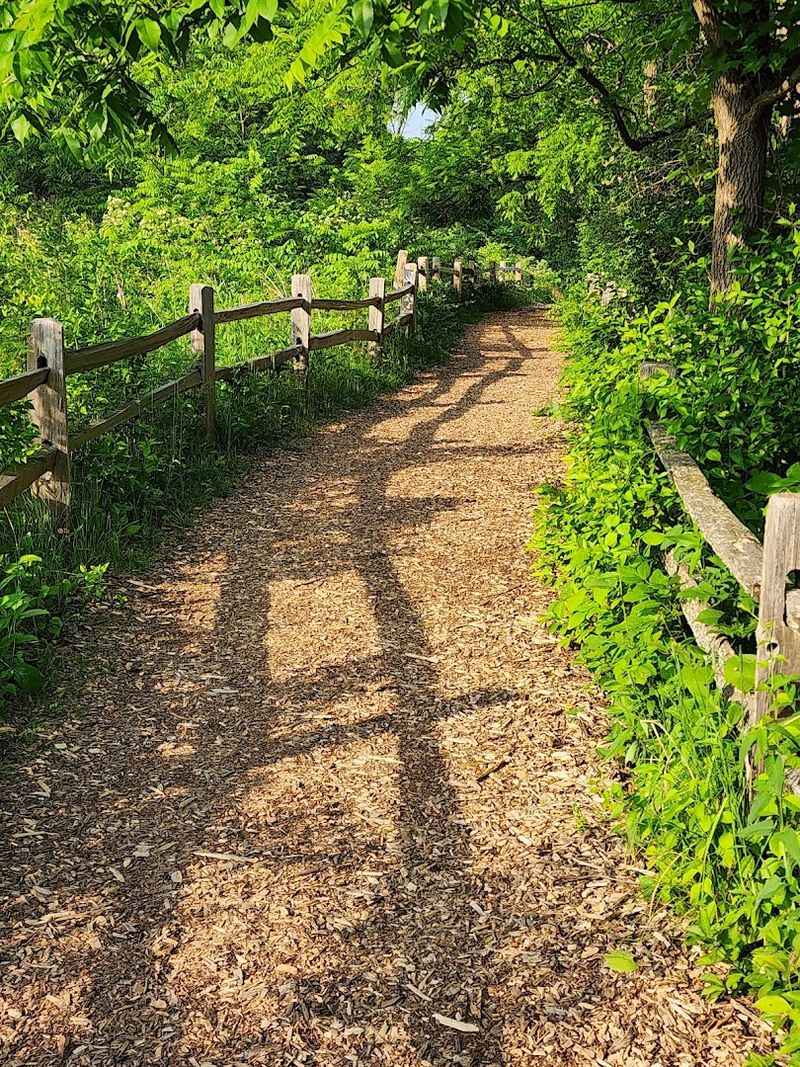
The lack of hills makes this trail accessible to people who do not hike regularly or who have mobility limitations that make steep climbs difficult. The entire loop stays essentially level, with only minor undulations that barely register as you walk.
You will not find yourself breathing hard or needing to stop and rest because of elevation changes.
This flat character also makes the trail suitable for pushing strollers, though the surface variety means you might encounter some bumpy sections on the boardwalk or gravel. People recovering from injuries or building up their fitness after time away from exercise often choose this trail because it allows them to walk a decent distance without strain.
The gentle nature of the path does not mean it lacks interest, just that the challenge comes from distance rather than climbing.
The trail proves that a good walk does not require mountains or dramatic terrain to be worthwhile. Sometimes the best outdoor experiences happen on level ground.
Birdwatchers Get Plenty To Look For Around The Lake
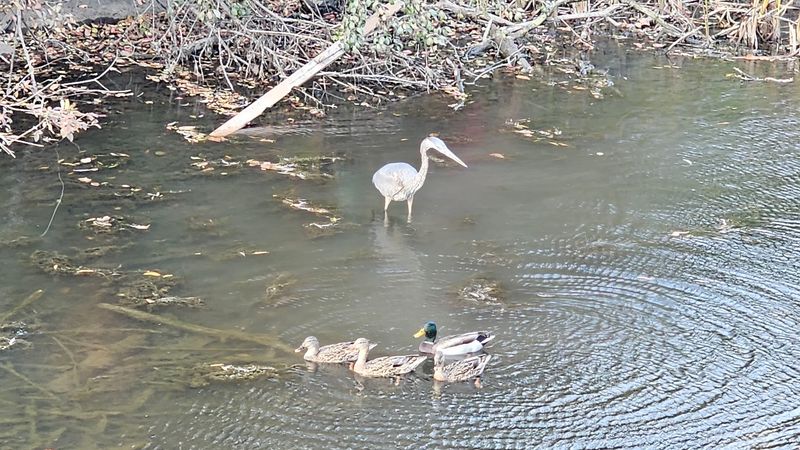
Mallard Lake and the surrounding habitats attract a good variety of bird species throughout the year, making this trail popular with people who carry binoculars and field guides. Waterfowl use the lake itself, including the mallard ducks that give the lake its name, along with wood ducks, Canada geese, and occasional herons that wade in the shallows looking for fish and frogs.
The wetland areas host red-winged blackbirds and marsh wrens during breeding season.
Forest sections bring opportunities to spot woodpeckers, nuthatches, chickadees, and warblers moving through the trees. Spring migration brings additional species passing through on their way north, while winter can reveal birds that are easier to see once the leaves have fallen.
The mix of habitats means you might encounter different species within just a few hundred yards of walking.
Early morning visits typically offer the best bird activity, when feeding and singing are most active. The quiet rules at this nature center trail help maintain an environment where birds feel comfortable.
A Lakeside Observation Blind Gives Visitors A Quiet Viewpoint
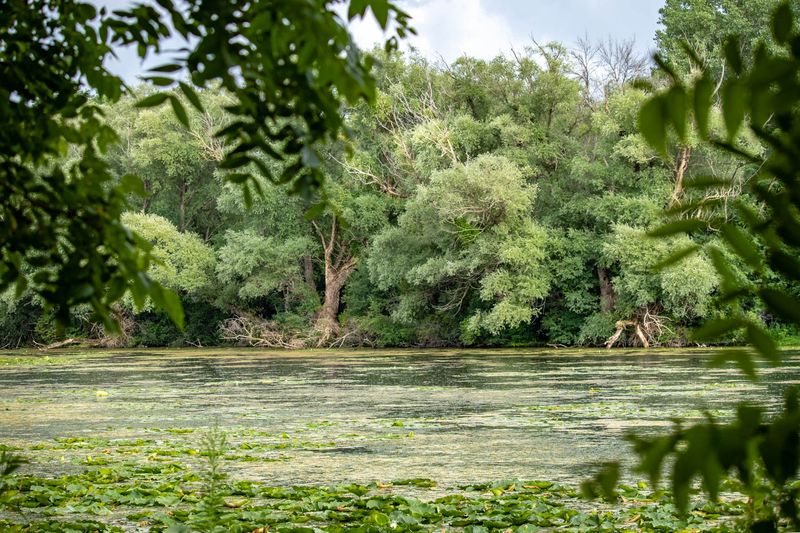
Along the trail, you will find a small observation blind positioned to give you a concealed view of the lake and its wildlife. The structure is simple, with openings that let you look out while remaining hidden from the animals you are trying to watch.
This setup works particularly well for observing waterfowl that might swim away if they saw people standing in the open.
The blind offers a place to sit quietly and wait for wildlife to appear, which often proves more productive than walking around hoping to spot things. Turtles sometimes sun themselves on logs near the blind, and birds often swim closer to shore in this area because they feel less threatened.
The shelter also provides a dry spot if light rain starts while you are out on the trail.
Using the blind requires patience and stillness, but the reward comes in seeing natural behavior that animals would not display if they knew you were watching. It adds an element of wildlife observation that goes beyond casual walking.
The Trail Fits Easily Into A Morning Or Afternoon Outing
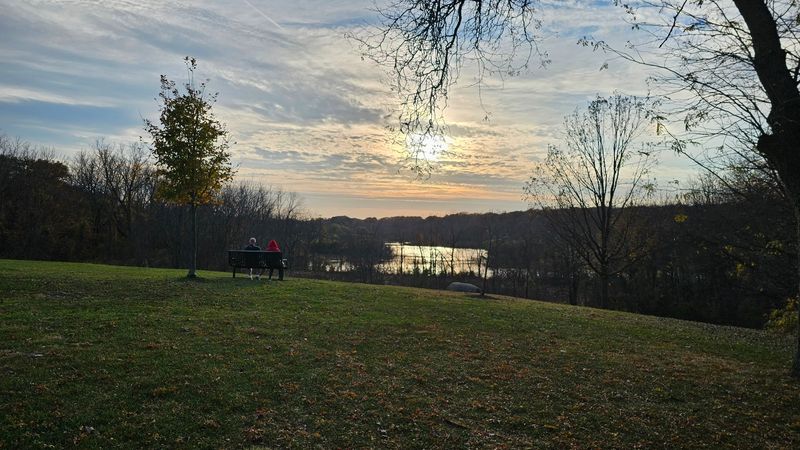
The 1.4-mile distance means you can complete the loop in about an hour, making it practical for people with limited time who still want to get outside. You do not need to pack a full day’s worth of supplies or clear your entire schedule to enjoy this trail.
It fits comfortably into a morning before lunch or an afternoon before dinner, leaving plenty of time for other activities.
This shorter timeframe also works well for families with children whose attention spans do not extend to all-day hikes, or for people who want to add a walk to their day without it becoming the main event. The trail gives you enough time in nature to feel like you have had a real outdoor experience without the commitment required by longer or more remote trails.
The park’s hours extend from early morning until 10 PM, so you can choose the time that works best for your schedule and preferred lighting conditions. Sunset walks are possible during longer days.
Whitnall Park Makes The Hike Feel Bigger Than Its Mileage
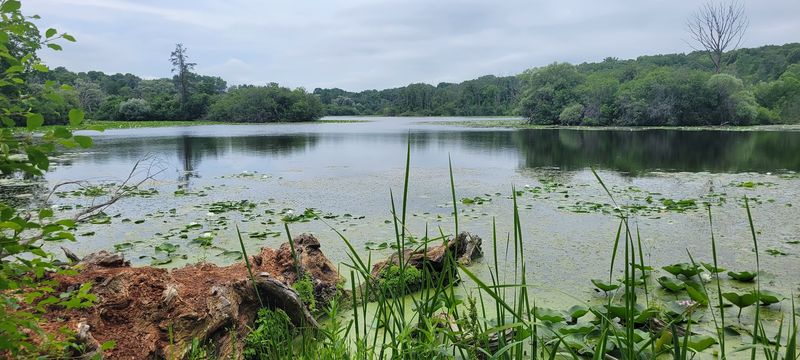
Mallard Lake sits within the larger Whitnall Park system, which spans hundreds of acres in Franklin and gives the trail a sense of being part of something more extensive. The park includes additional trails, picnic areas, a golf course, gardens, and other recreational facilities that you can explore before or after walking around the lake.
This context makes the experience feel more substantial than just a short loop trail.
The Wehr Nature Center serves as the educational hub for this area, offering programs and exhibits about local ecology and wildlife. Visiting the center before or after your walk can deepen your understanding of what you are seeing on the trail.
The park’s size also means you encounter fewer crowds than you might on a standalone short trail, because visitors spread out across the various attractions.
The surrounding park infrastructure provides amenities like parking and maps that make the trail more accessible. Being part of a larger park system gives this small trail more resources and maintenance than it might receive on its own.
Dogs Are Not Allowed On This Particular Nature Center Trail
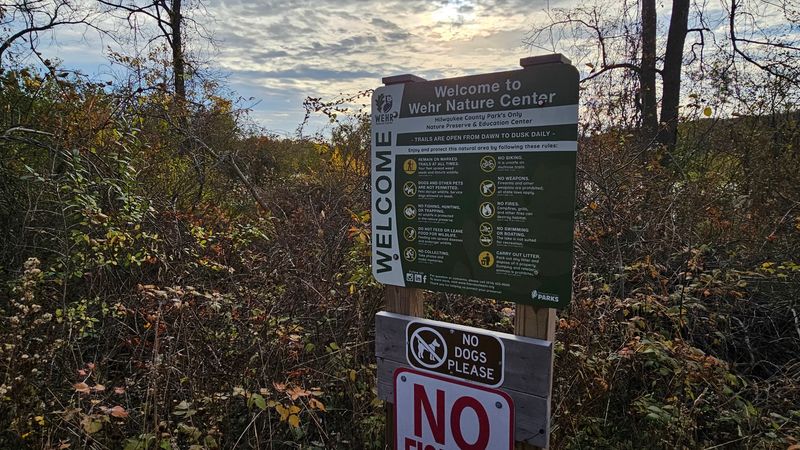
The Mallard Lake trail operates under nature center rules that prohibit dogs, even on leashes, in order to protect wildlife and maintain a quiet environment for observation. This policy differs from many other trails in the area, so people who normally bring their dogs on walks need to leave them home for this particular outing.
The restriction helps keep ground-nesting birds safe and prevents disturbance to the various animals that use the lake and surrounding habitats.
The no-dog rule also contributes to the calm atmosphere that makes this trail appealing for people seeking quiet time in nature. You will not encounter barking or the complications that sometimes arise when multiple dogs meet on narrow paths.
Jogging is also not permitted on this trail, maintaining the slow pace that suits wildlife observation.
If you want to hike with your dog, other trails within Whitnall Park allow pets on leash. The Mallard Lake loop simply prioritizes wildlife protection and tranquility over recreational flexibility in this specific area.