
This California Farm Stand Is Serving All-You-Can-Eat Sweet Corn At Its Popular Corn Roast
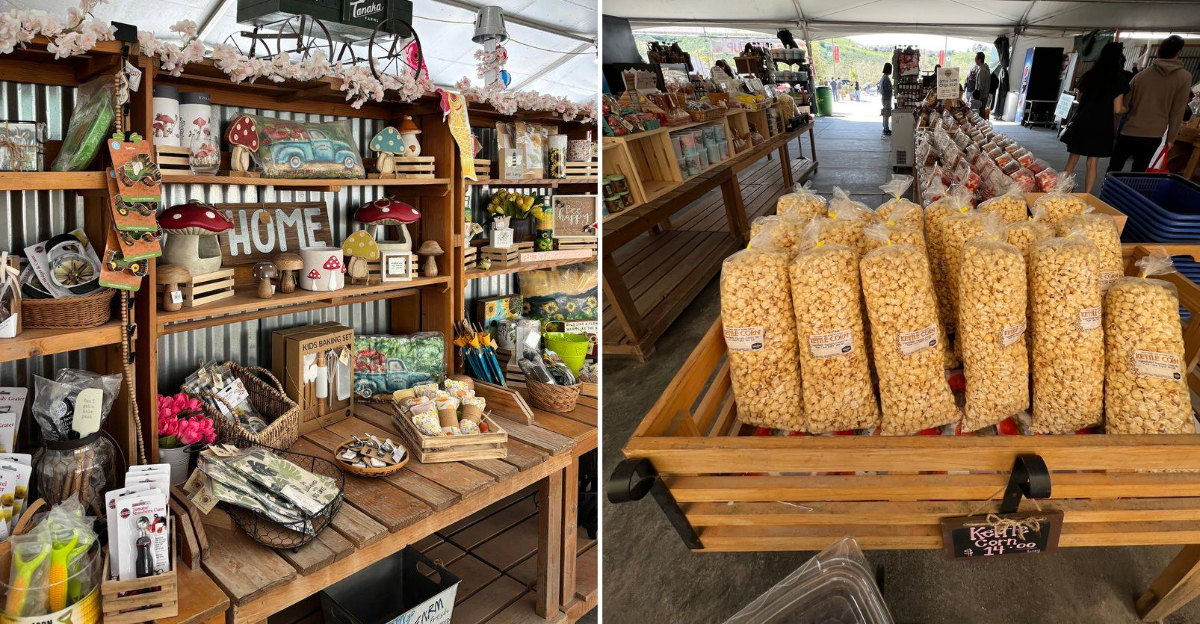
Sweet corn stays in every kid’s memory, such a simple dish yet somehow so unforgettable. At this California farm stand, you can still relive that exact feeling during their popular corn roast.
Corn here gets roasted fresh throughout the event, never sitting around long enough to lose its flavor. Regulars know to arrive early, since the roast draws steady crowds throughout the day.
Nothing about the process feels rushed despite serving so many visitors at once. Portions stay unlimited, letting guests eat as much as they want without holding back.
Families often turn the visit into a full afternoon, treating the roast as much a tradition as a meal. This farm stand proved that sometimes the simplest food creates the most lasting memories.
The Evolution Of Corn Farming In California

Corn has been traveling around the Americas far longer than California has existed as a state. Maize made its way north from Mexico into the Southwest roughly 4,000 years ago, moving through mountain corridors in the Sierra Madre.
About two thousand years later, a better variety arrived by way of the Pacific Coast, bringing bigger cobs and fatter kernels. Spanish missions planted corn heavily in the coastal valleys, though other grains eventually pushed it aside in the late 1800s.
Early growers in the Sacramento and San Joaquin Valleys hit a wall because corn pollen struggled in blistering, dry heat. Plant breeders solved that puzzle with varieties suited to Central Valley conditions, and production expanded again.
Sweet corn itself is a natural variant of field corn and has been part of American cooking since the 1700s. California now ranks second in the country for sweet corn, with harvest running June through October.
Growing regions stretch from the southern desert valleys to the central coast, and Orange County sits right in the mix. Farms that sell straight to the public keep that tradition visible instead of hiding it behind a supply chain.
Tanaka Farms carries that history forward on a working piece of Irvine farmland, and you can find it at 5380 3/4 University Dr, Irvine, CA 92612.
Health Benefits Of Fresh Produce
Sweet corn gets treated like junk food sometimes, which is a little unfair. A medium ear has around 80 calories and counts as a whole grain that happens to be high in fiber and low in fat.
Inside those kernels are B vitamins including folate, thiamin, and B6, plus vitamin C, vitamin A, magnesium, potassium, zinc, copper, iron, and manganese. Folate supports heart health and lowers the risk of neural tube birth defects.
Thiamin helps cells turn carbohydrates into usable energy and keeps the nervous system running smoothly. Not bad for something you eat off a cob with butter on your chin.
The fiber in corn comes in both soluble and insoluble forms, which helps digestion stay regular and keeps you full longer. That same fiber is linked to lower blood cholesterol and a reduced risk of Type 2 diabetes.
Corn also delivers carotenoids like lutein and zeaxanthin, both connected to eye health and protection against age-related macular disease. There is beta-cryptoxanthin in there too, studied for its role in slowing bone loss and reducing inflammation.
One cob offers roughly 6 grams of protein, about what you would get from an egg. Eating it fresh off a farm grill just makes the nutrition math taste better.
Different Techniques For Roasting A Summer Favorite
Ask ten people how to roast corn and you will get ten confident, slightly different answers. Direct grilling is the classic move: husks off, a brush of olive oil, seasoning, then 10 to 15 minutes over hot coals with regular turning until the kernels char.
Foil wrapping trades char for steam. Husk the ear, set it on foil with butter and salt, seal it tight, and grill about 20 minutes over medium-high heat with one flip.
A crowd favorite involves peeling husks back into a built-in handle, pulling out the silk, then grilling until some kernels brown. It looks great and saves your fingertips.
Ovens work beautifully too. Rub husked ears with softened butter, salt, and pepper, or go bolder with garlic butter and Creole seasoning, then roast at 400 to 425 degrees for 20 to 30 minutes, flipping halfway.
Leaving the husks on changes things entirely. Trim the stray silk, set the ears right on the oven grates at 350 degrees, and bake for 35 minutes while the husks steam the kernels.
Foil in the oven splits the difference at 425 degrees for 20 to 25 minutes. Some cooks even microwave the ears briefly first to speed everything along.
Seasonal Variations Affecting Corn Sweetness Levels
Sweetness in corn is a race against the clock, literally. The moment an ear is picked, or if it sits on the stalk past the milk stage, sugars start turning into starch.
Heat speeds that conversion up dramatically. Warm afternoons can strip flavor from an ear faster than most people realize, which is why timing matters so much.
Growers who care about flavor try to chill corn to around 32 degrees within an hour of harvest. Picking in the early morning helps, since those ears run 15 to 30 degrees cooler than midday ones.
Weather across the season shapes the final flavor too. Sunny summers usually mean sweeter corn because photosynthesis pumps out more sugar, while extreme heat or heavy rain stresses plants and dilutes that sweetness.
Cool overnight temperatures act like a natural brake on the sugar-to-starch process. During long stretches above 86 degrees, an ear might sit at peak quality for only a day or two.
Wait too long and the kernels turn starchy, tough, and slightly dented-looking. Genetics help as well, since sugar-enhanced and supersweet varieties hold their sweetness longer than standard types after being picked.
How Local Growers Ensure Freshness And Quality
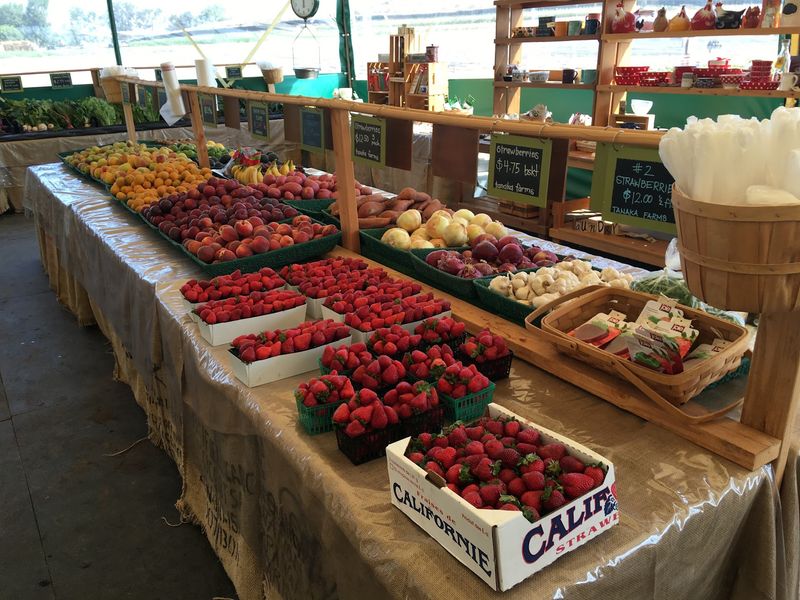
Freshness is less about luck and more about speed. Cooling corn right after harvest is the single biggest factor in keeping sugars from flipping into starch.
Morning picking gives an immediate head start, since those ears come out of the field noticeably cooler. Getting them down near 32 degrees within an hour locks in flavor and stretches shelf life to five or seven days.
Bigger operations rely on hydro-cooling, soaking or showering the ears in chilled water to drop temperatures fast. Smaller farms often hand-harvest instead, which lets pickers choose only the best-looking ears.
At home, storage habits matter more than people expect. Keep the husks on, slide the ears into a slightly damp paper bag, and refrigerate them for up to a week.
Stripping the husk early speeds ripening and dulls the flavor, so resist the urge. Shoppers can spot quality by looking for brown, dry silks, full ear tips, and milky kernels with no gaps in the rows.
Buying straight from a farm stand or farmers market skips days of trucking and warehouse time. That short trip from field to table is exactly why farm-grown corn tastes different from the supermarket version.
Creative Recipes For Grilled Seasonal Delights
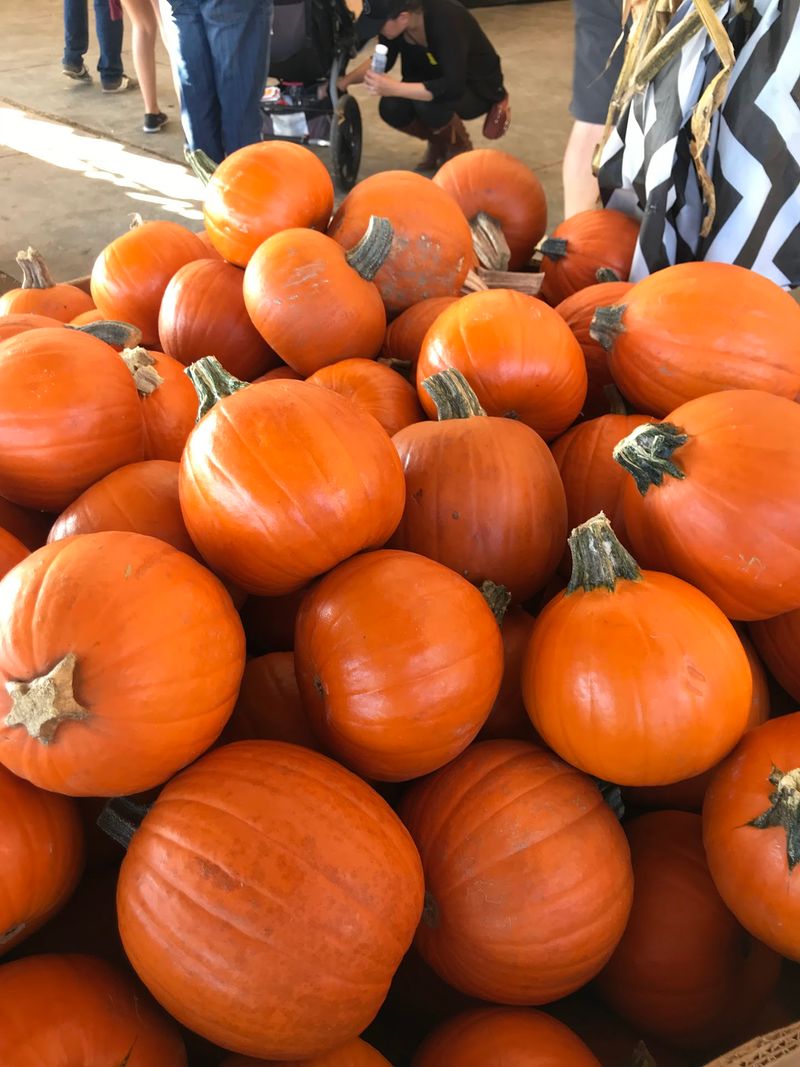
Butter and salt will always work, but grilled corn deserves a little adventure now and then. Elote, the Mexican street corn classic, coats charred ears with chile powder, cumin, Cotija cheese, lime juice, and cilantro.
Garlic Parmesan corn keeps things simpler. Brush the ears with garlic butter, grill until tender, then finish with grated Parmesan and chopped parsley.
Spicy buffalo butter turns corn into something closer to a game-day snack, blending hot sauce, blue cheese, and scallions into a compound butter. A sweet and spicy barbecue glaze works just as well for smoky flavor fans.
The international versions are where it gets fun. Italian style uses olive oil, garlic salt, pepper, Parmesan, and fresh basil, while Thai style leans on sriracha butter with cilantro, garlic, and lime.
Spanish grilled corn gets smoked paprika and grated Manchego, and a Portuguese or Mozambican take builds piri piri butter with garlic, cilantro, lemon juice, and zest. Each one changes the whole personality of the cob.
Cilantro chimichurri drizzled over charred kernels is bright and herby. Leftover roasted corn also disappears fast when stirred into guacamole, pasta, soup, or a summer salad.
Community Events Celebrating Corn Harvest Seasons
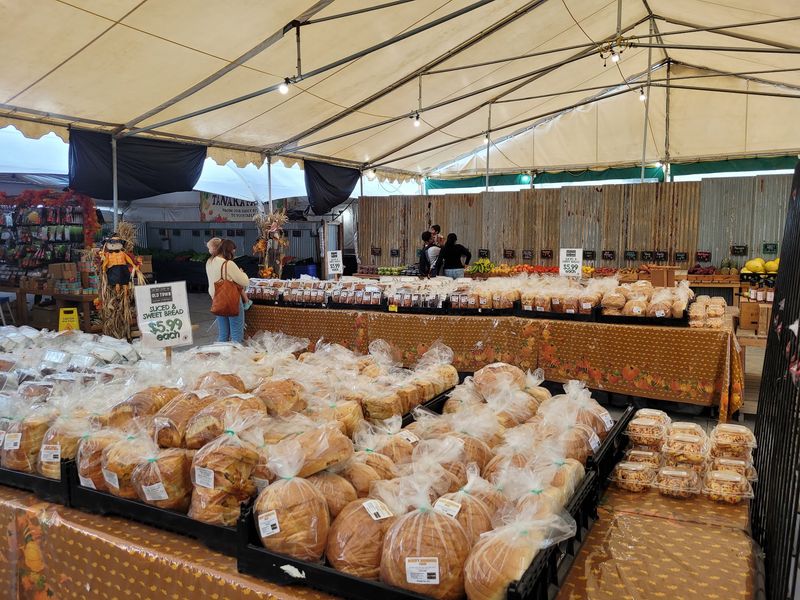
Harvest season in California turns into a party pretty quickly. Towns across the state throw corn-themed festivals loaded with rides, food vendors, craft booths, games, and live music.
La Habra hosts a well-known Corn Festival that fills the local calendar every year. Up in Crescent City, the Harvest Festival brings corn eating contests, food trucks, artisan vendors, and bands.
Galt has the Lucero Organic Farms Harvest Festival with music and craft booths, while Stockton’s Community Farm runs produce giveaways, cooking demos, and farm tours. Arroyo Grande leans into parades and pumpkin painting.
Down in Irvine, the farm itself becomes a seasonal gathering spot. The fall pumpkin patch draws crowds from across Orange County, complete with wagon rides, a corn maze, and harvest activities built for families.
Winter brings the Hikari Lantern Festival, where dormant fields glow with lanterns, a snow machine hums along to holiday music, and the petting zoo stays open after dark. Goats and a donkey usually steal the show.
Spring means U-pick strawberry tours, summer means melons, and corn shows up right in the middle of it all. The farm keeps something happening nearly year-round.
Sustainable Farming Practices Supporting Crop Production
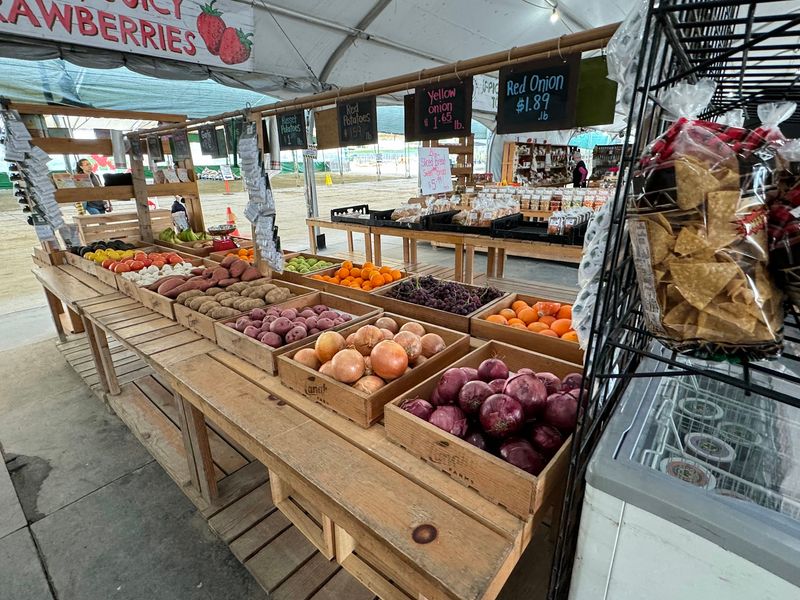
Growing corn in a semi-arid state takes serious planning. California farms increasingly use precision agriculture to fine-tune inputs, along with drip and low-volume irrigation systems that stretch every drop of water.
Pest control has changed too. Integrated pest management leans on beneficial insects and natural controls rather than reaching straight for synthetic chemicals.
Soil health sits at the center of the whole approach. Cover crops protect nutrients, hold moisture, and improve water infiltration between growing seasons.
No-till and reduced-till methods keep soil microbes thriving while storing carbon underground. Adding compost and manure builds organic matter and feeds that microbial life even further.
Choosing drought-tolerant varieties is another practical defense against water shortages. Together these practices cut reliance on nonrenewable resources, fertilizers, and pesticides.
State programs back the effort, including the Healthy Soils Program and the State Water Efficiency and Enhancement Program, both offering support for farms that adopt these methods. Research shows careful irrigation can save water without sacrificing sweetness or quality in the harvest.
For visitors, all of that shows up as better tasting corn and fields that will still be productive decades from now. Buying directly from the farm keeps that cycle going.