
This California Trail Is Short Enough For Anyone And The Forest And Secret Beach At The End Make It Unforgettable
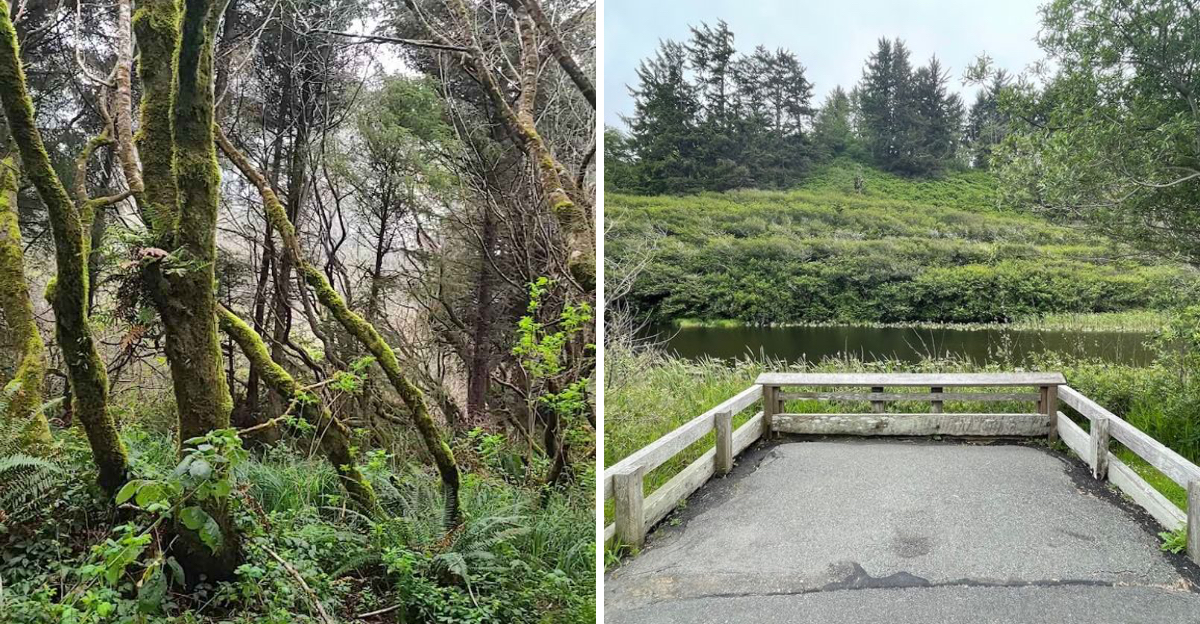
Short trails rarely deliver a payoff this big, but this one pulls it off completely. California hides a coastal walk easy enough for almost anyone to finish without struggle.
Tall trees close in overhead, turning sunlight into soft green shadows underfoot. Ferns and moss cover everything, and the air smells like damp earth and salt water at once.
Ocean views appear in pieces before opening up completely from high bluffs above the water. A hidden cove waits at the end, tucked away and rarely crowded.
Tide pools reveal starfish and tiny crabs when the water pulls back at low tide. California coastline rarely feels this wild and this reachable at the same time.
Consider lacing up your shoes soon, because a short walk has never felt quite this rewarding.
The Trailhead That Starts Everything Right
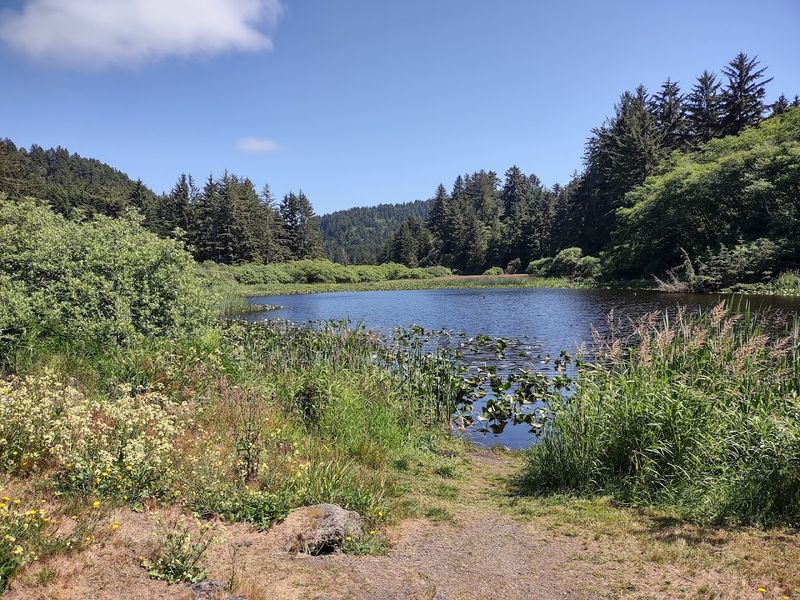
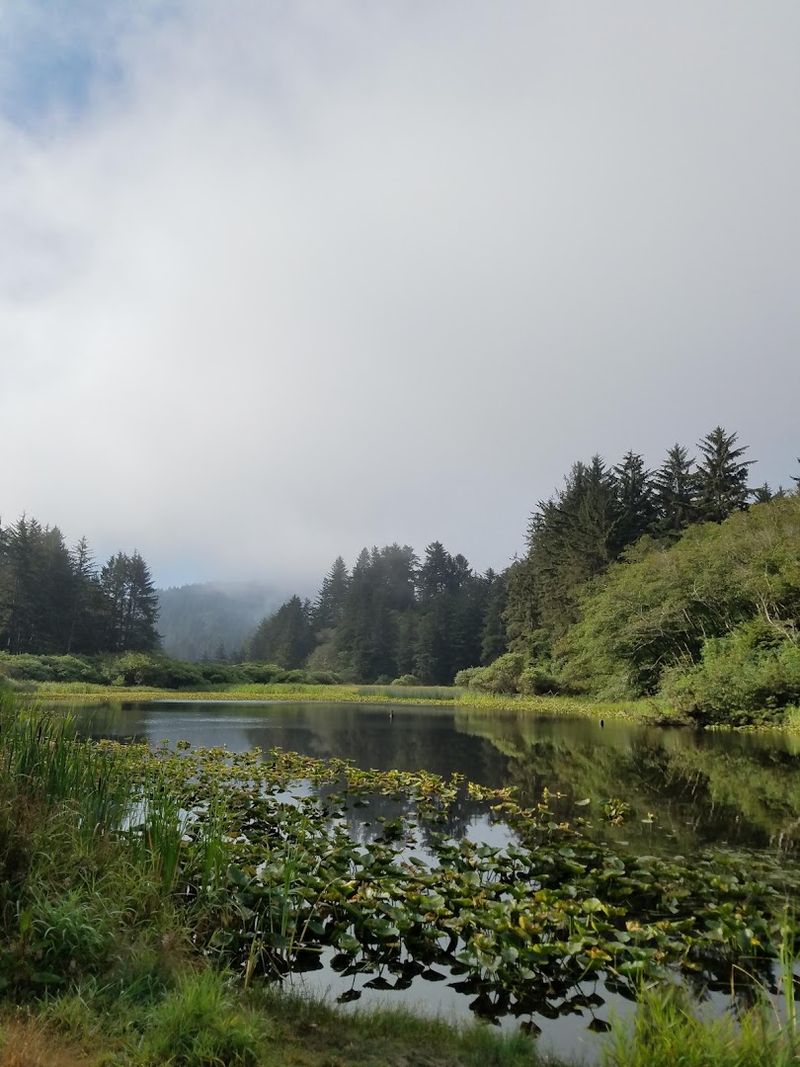
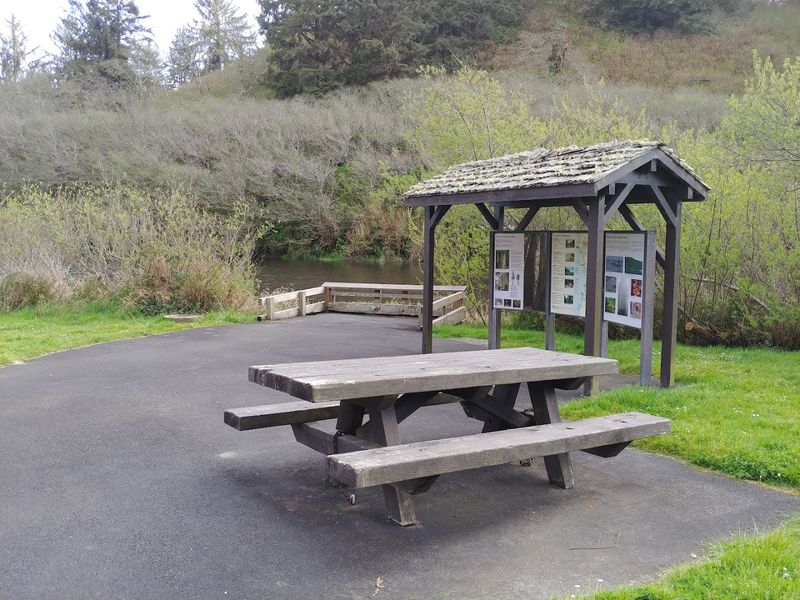
Right off Highway 101 sits one of Northern California’s most underrated starting points. The Lagoon Creek Picnic Area, addressed at US-101, Klamath, CA 95548, greets visitors with a shallow pond blanketed in lily pads and a peaceful atmosphere that feels worlds away from road travel.
Free parking, clean restrooms, and picnic tables make this trailhead easy to use for families, solo hikers, and road-trippers alike. The lot is spacious and the turnoff from the highway is clearly marked.
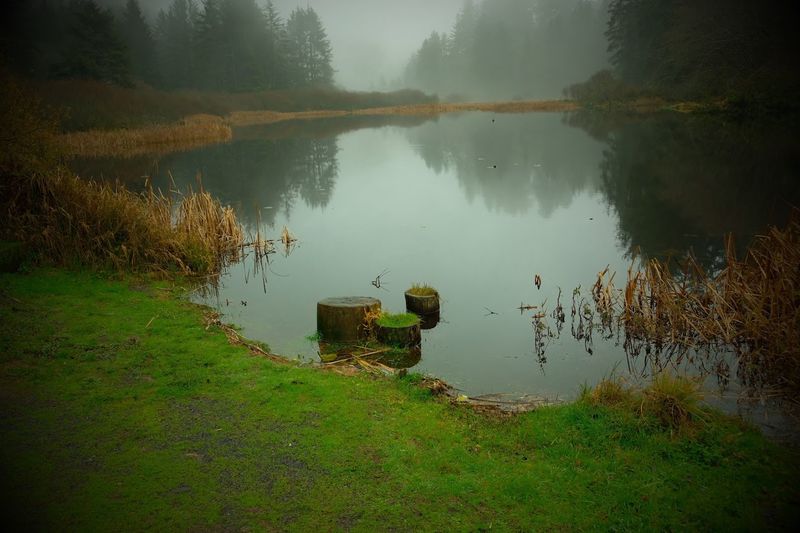
Before even hitting the trail, the lagoon itself is worth a slow walk around. Birds drift across the water, clouds reflect off the surface, and the hum of passing trucks quickly fades.
California has plenty of dramatic trailheads, but few are this welcoming from the very first step. Starting here sets a calm, expectant tone for everything that follows on the Hidden Beach Trail.
A Forest Walk That Feels Like Stepping Into Another World
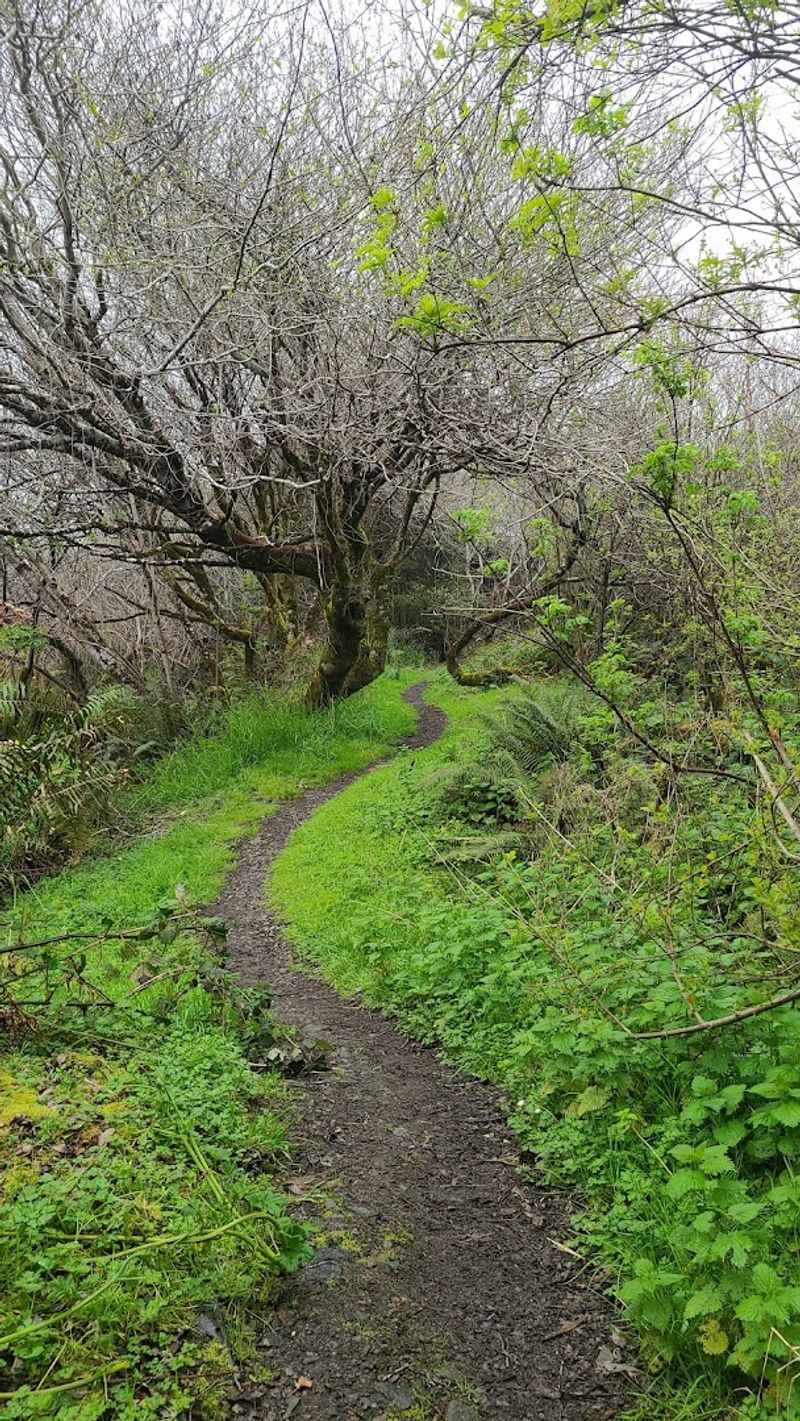
The forest section of this hike hits differently than most coastal trails. Red alder and Sitka spruce trees rise on both sides, their canopies so thick that the sky disappears into layers of green.
Ferns carpet the ground. Moss creeps up every trunk.
The air carries that specific damp, earthy smell that only old-growth coastal forests produce. Walking through this section feels less like hiking and more like being swallowed whole by something ancient and alive.
Blackberry bushes line parts of the path, and in spring and summer, blue lupines and cow parsnips add flashes of color to the green corridors. The trail is narrow in places, which adds to the feeling of discovery rather than detracting from it.
California forests near the coast have a moody, dramatic quality that photographs barely capture. This stretch of the Hidden Beach Trail delivers that atmosphere in full, and it only lasts long enough to leave visitors wanting more.
The Yurok Loop And The History Beneath Your Feet
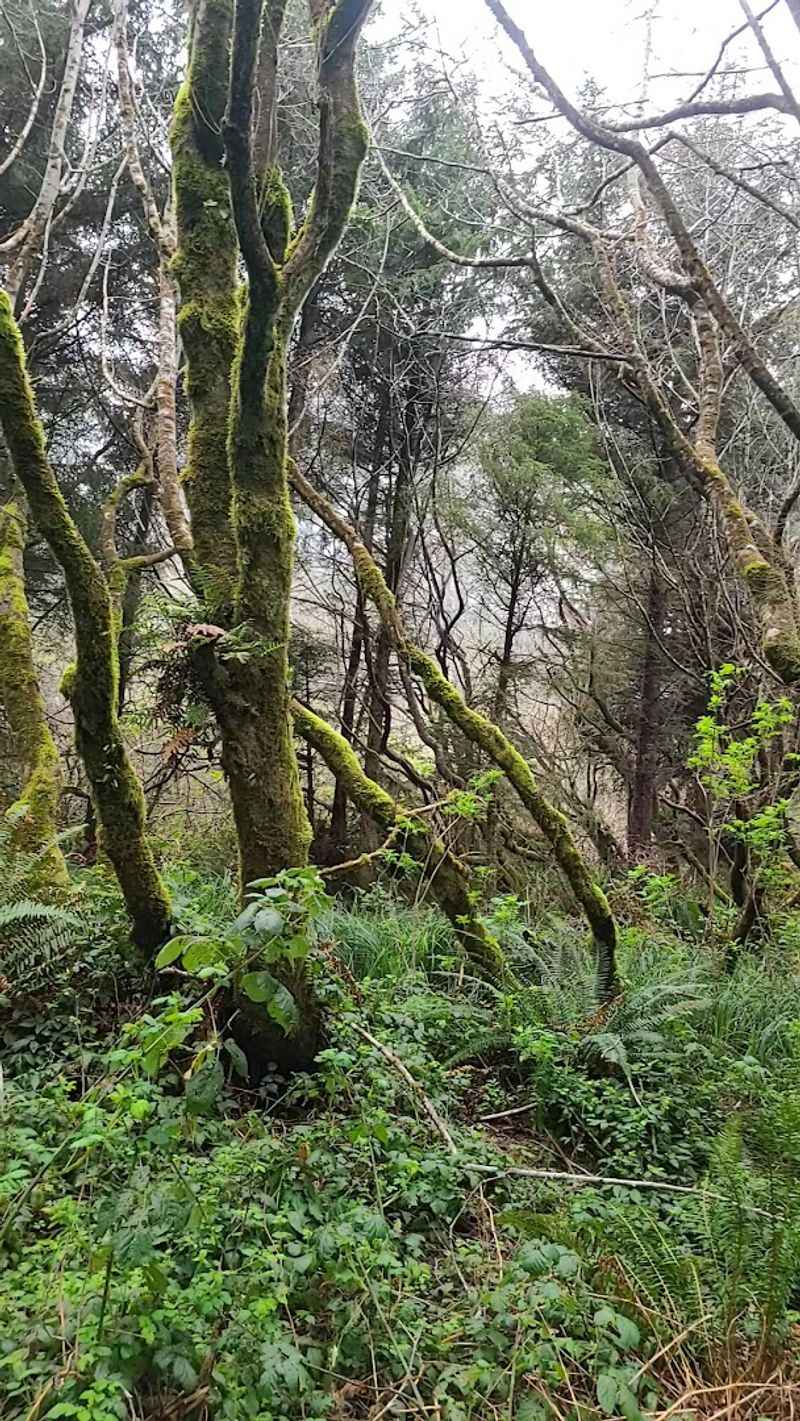
The path most hikers take to reach Hidden Beach follows part of the Yurok Loop Trail. That name carries real weight.
The Yurok people have historically inhabited these redwood forests near the mouth of the Klamath River for generations, and their connection to this land runs deep.
At one point along the loop, an area once held a Yurok village. No traces remain today, but interpretive signs at Lagoon Creek help visitors understand what life here looked like before roads, tourists, and Highway 101 arrived.
Those same signs also reference the 19th and 20th-century logging era, when these forests were harvested at a pace that dramatically reshaped the Northern California landscape. Reading them adds a layer of meaning to every tall tree still standing.
Knowing the history underfoot changes how the walk feels. The forest is not just scenery.
It is a living record of survival, both cultural and ecological, and the trail quietly asks visitors to pay attention to that.
Ocean Views That Show Up Before You Expect Them
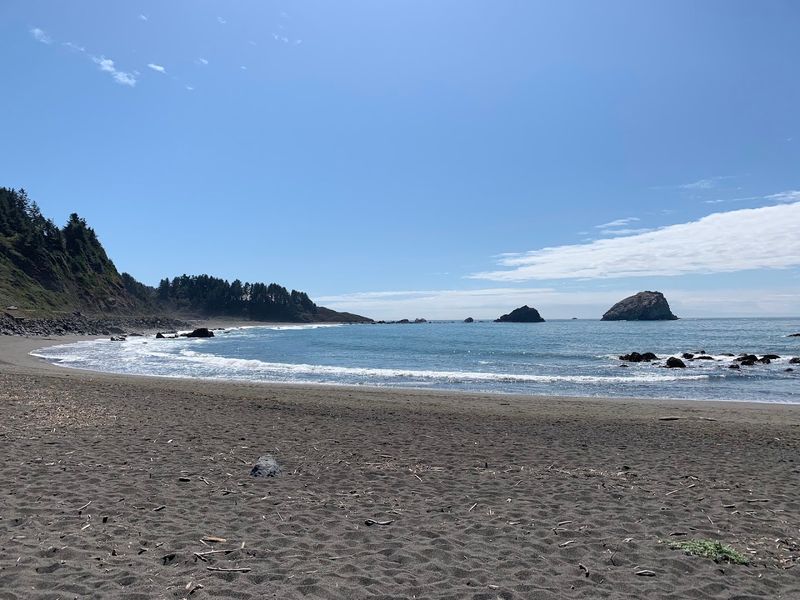
The trail does not tease visitors with a single dramatic reveal. Instead, the Pacific Ocean starts appearing through the trees in glimpses, then wider frames, then full unobstructed views from the bluffs above.
The coastal trail runs along steep, spruce-covered slopes high above the water. From up here, the scale of the ocean becomes genuinely hard to process.
It stretches to the horizon without interruption, grey-green and restless.
False Klamath Rock, a towering sea stack rising roughly 209 feet from the water, anchors the view to the south. Smaller isolated rocks dot the surface closer to shore, surrounded by white surf that breaks and reforms constantly.
Further along, the mouth of the Klamath River becomes visible where it pours into the Pacific. That meeting point, river and ocean colliding in a muddy, churning line, is one of the more dramatic natural sights Northern California has to offer.
And it is visible right from the trail, no detour required.
The Beach Itself Is Worth Every Step
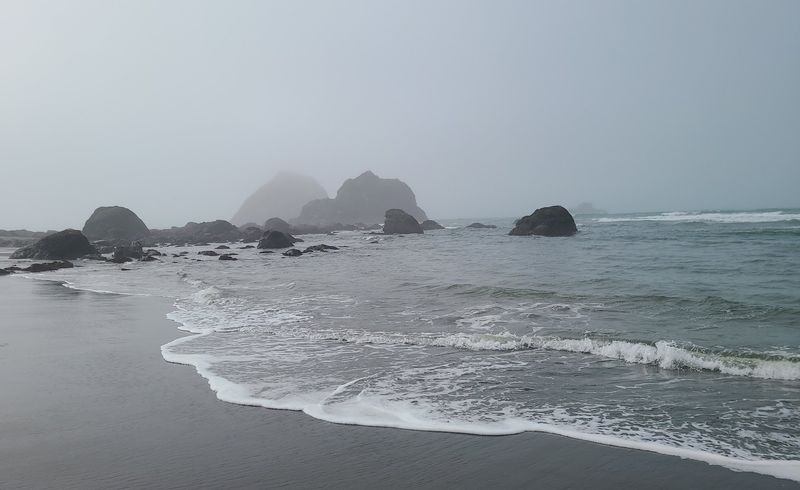
Arriving at Hidden Beach feels like finding something that was not meant to be found. The cove is small and enclosed, with dark-gray sand that looks almost volcanic under overcast skies.
It is nothing like the wide, sunny beaches further south in California.
Massive driftwood logs pile up along the high-water mark, bleached and weathered into smooth shapes. They create a natural barrier between the forest edge and the surf, and they double as excellent spots to sit and watch the waves work.
A jutting sea stack marks the southern end of the beach, adding a sculptural quality to the shoreline. The rocks offshore create irregular surf patterns, and the sound of water hitting stone echoes around the cove walls.
This beach is not built for swimming or sunbathing. Dangerous rip currents and unpredictable sneaker waves make the water off-limits for wading or surfing.
But as a place to stand, breathe, and simply absorb something wild and unfiltered, it delivers completely.
Tide Pools That Turn Low Tide Into A Science Lesson
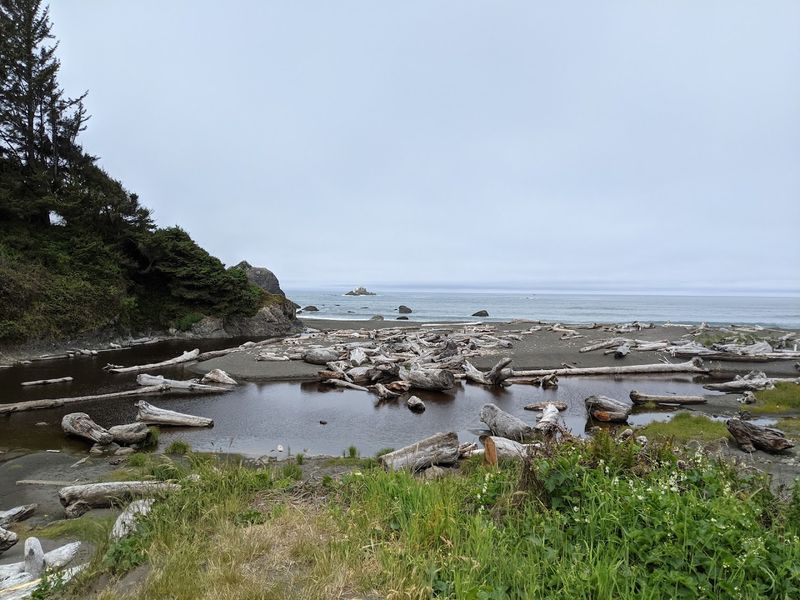
When the tide pulls back, Hidden Beach transforms. The rocks that sit half-submerged at high tide become exposed platforms full of life, and exploring them is one of the best activities the trail has to offer.
Starfish cling to rock surfaces in shades of orange and purple. Sea urchins cluster in crevices.
Small crabs move sideways through shallow pools. The variety of intertidal creatures packed into these rocks is remarkable for such a compact stretch of coastline.
Checking tide times before visiting is strongly recommended. Arriving at low tide opens up access to areas that are completely underwater otherwise.
Arriving at high tide means the rocky platforms disappear and the tide pool experience becomes unavailable.
Tide pooling here is quiet and unhurried. There are no crowds, no guided tours, and no entry fees.
Just rocks, creatures, and the steady rhythm of the ocean refilling pools with every incoming wave. For families with curious kids, this part of the California coast is a natural classroom that requires no planning beyond good timing.
Wildlife That Shares The Trail Without Asking Permission
The Hidden Beach Trail passes through habitat that belongs to more than just hikers. Roosevelt elk roam this stretch of the Northern California coast, and spotting one near the trail is not unusual.
These are California’s largest land animals, and seeing one up close resets expectations about what a short hike can deliver.
The offshore sea stacks visible from the bluffs are active seabird colonies. Murres, cormorants, and pigeon guillemots nest on the rocks, and the noise they generate carries across the water.
Birdwatchers with binoculars will find the views from the coastal bluffs especially productive.
The lagoon at the trailhead attracts its own cast of birds. Herons, ducks, and various shorebirds use the shallow water regularly.
Watching the lagoon for even ten minutes before starting the hike often produces multiple sightings.
Wildlife here behaves as if the trail belongs to them, because in most meaningful ways, it does. Visitors share the space rather than own it, and that dynamic makes every encounter feel like a privilege rather than a tourist attraction.
How Easy The Hike Actually Is
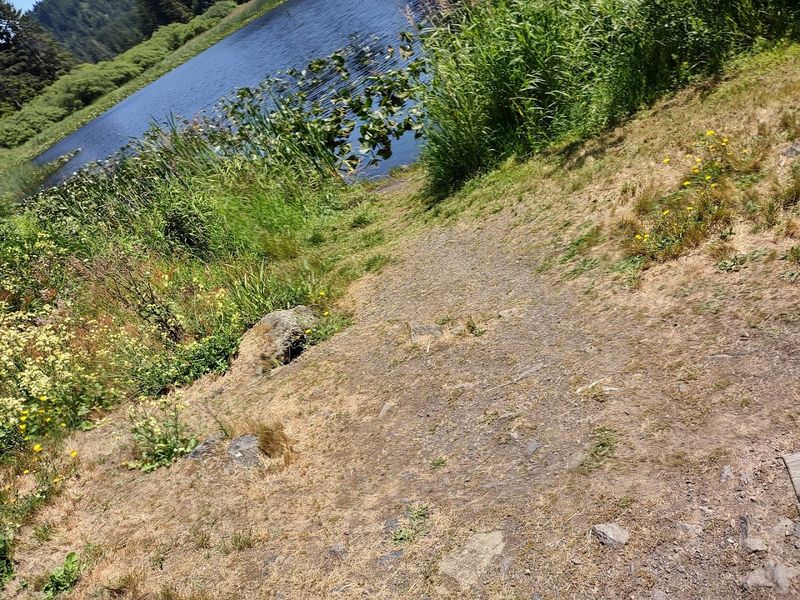
Short does not always mean easy, but this trail earns both labels honestly. The round trip from Lagoon Creek to Hidden Beach covers roughly 2.5 miles.
The total elevation gain sits around 147 feet, which is modest by almost any hiking standard.
Most people complete the hike in one to two hours at a relaxed pace. Spending extra time at the beach or exploring tide pools can stretch that to three or four hours without any rushing.
The trail is graded as easy for good reason.
There are sections where the path narrows and the terrain requires attention. Mud can appear after rain, and some parts of the trail become overgrown with stinging nettle during certain seasons.
Wearing long pants and a long-sleeved shirt is a practical choice, not just a weather precaution.
Pets are not permitted on the Hidden Beach Trail, and camping and biking are also off the table. But for walkers of almost any age or fitness level, the physical demands here are well within reach.
California hiking rarely offers this much reward for this little effort.
Three Ways To Reach The Beach
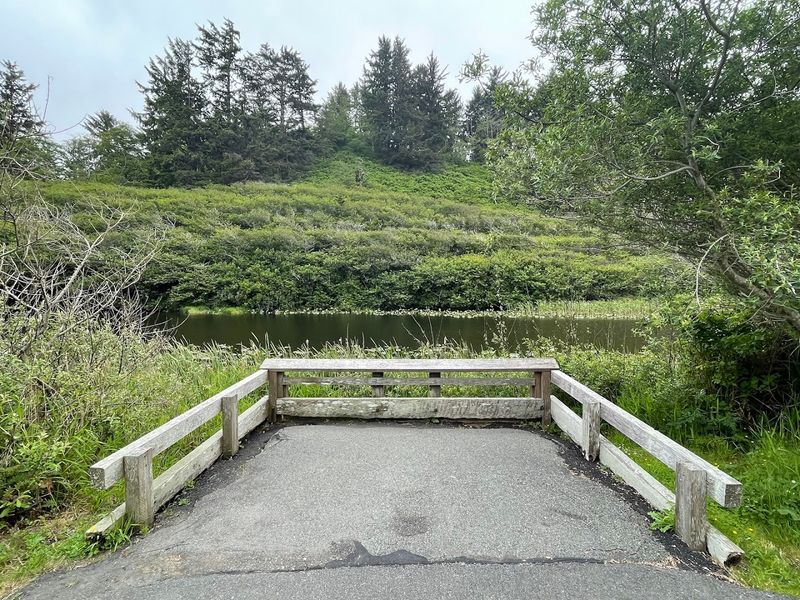
Hidden Beach is not locked behind a single approach. Visitors have options, and each route offers a different experience of the surrounding landscape.
The most popular and easiest route starts at Lagoon Creek Picnic Area and follows the Yurok Loop Trail for roughly one mile along the coast. This path delivers ocean views and forest atmosphere in combination, making it the most complete version of the hike.
A shorter half-mile forested approach exists across Highway 101 near the Trees of Mystery attraction. This route is quicker but requires knowing exactly where to look.
The trailhead sign is reportedly overgrown and easy to miss, so the Lagoon Creek start remains the safer and more scenic choice for first-time visitors.
The third option extends the adventure significantly. Starting from the Klamath River Overlook adds up to three miles to the journey, connecting multiple viewpoints and stretching the hike into a longer half-day experience.
That route suits visitors who want more miles without leaving this stretch of the California coast.
The Best Time To Visit And What To Expect
The trail stays open year-round, which is one of its strongest practical advantages. That said, early fall and spring tend to offer the most comfortable conditions for most visitors.
Spring brings wildflowers along the path, including blue lupines and cow parsnips that add color to the green corridor of the forest. Berries appear on the blackberry bushes.
The vegetation feels alive in a way that winter months cannot quite match.
Early fall brings fewer visitors and milder temperatures. The summer fog that blankets much of the Northern California coast starts to thin, and clear days become more frequent.
Visibility from the bluffs improves, and the ocean views become sharper.
Summer is popular but can bring heavy coastal fog that limits views. Winter is quieter still, with the risk of muddy trail conditions and heavier rainfall.
The trail sits within a tsunami hazard zone, so paying attention to coastal advisories during any season is worth keeping in mind. Preparation makes every season workable here.
What Makes This Part Of California Special
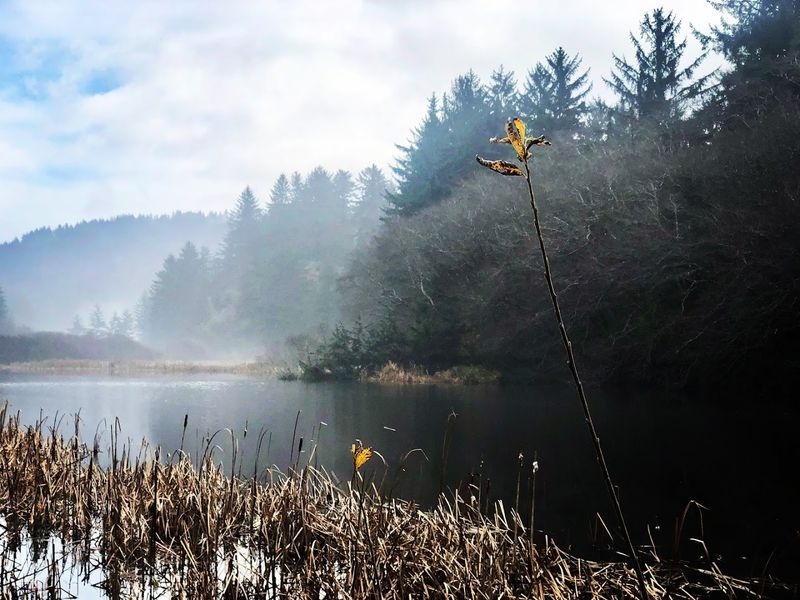
The stretch of coast around Klamath and Del Norte County belongs to a part of California that most people drive through rather than stop in. That oversight is significant.
The combination of old-growth forest, rugged coastline, and wild rivers here is unlike anything further south.
Redwood National Park surrounds the trail and its trailhead. The park represents one of the last large intact old-growth redwood ecosystems on the planet.
Hiking through it, even briefly, connects visitors to a scale of natural history that is hard to articulate and impossible to forget.
The Klamath River Overlook sits nearby, offering views of the river meeting the Pacific in a dramatic, churning confluence. Whale-watching from that overlook is possible during migration seasons, adding another layer to an already rich area.
The Trees of Mystery attraction is just a mile south, providing a quirky and family-friendly contrast to the natural solitude of the trail. Northern California here is not a single note.
It is a full, layered experience packed into a short stretch of Highway 101.
Practical Tips That Make The Difference
A few simple preparations separate a great visit from a frustrating one on this trail. Parking at Lagoon Creek Picnic Area is free, and the lot handles a reasonable number of vehicles without becoming chaotic.
Arriving earlier in the day helps secure a spot and avoids any midday congestion near the picnic tables.
Restrooms are available at the trailhead, which matters on a hike with no facilities once the path begins. Using them before starting is obvious advice that saves real inconvenience later.
Long pants and long sleeves are worth wearing regardless of temperature. Stinging nettle grows along sections of the trail, especially during warmer months when vegetation becomes dense.
Sturdy shoes with grip handle the occasional mud without difficulty.
Pets are not allowed on the Hidden Beach Trail, so leaving animals at home or in the car is necessary. Swimming at the beach is not safe under any conditions.
Rip currents and sneaker waves make the water dangerous. Checking tide times before visiting adds value for anyone planning to explore the tide pools on California’s wild and unpredictable coast.