
This Carson City, Nevada Railway Museum Still Sends Vintage Steam Engines Around The Tracks
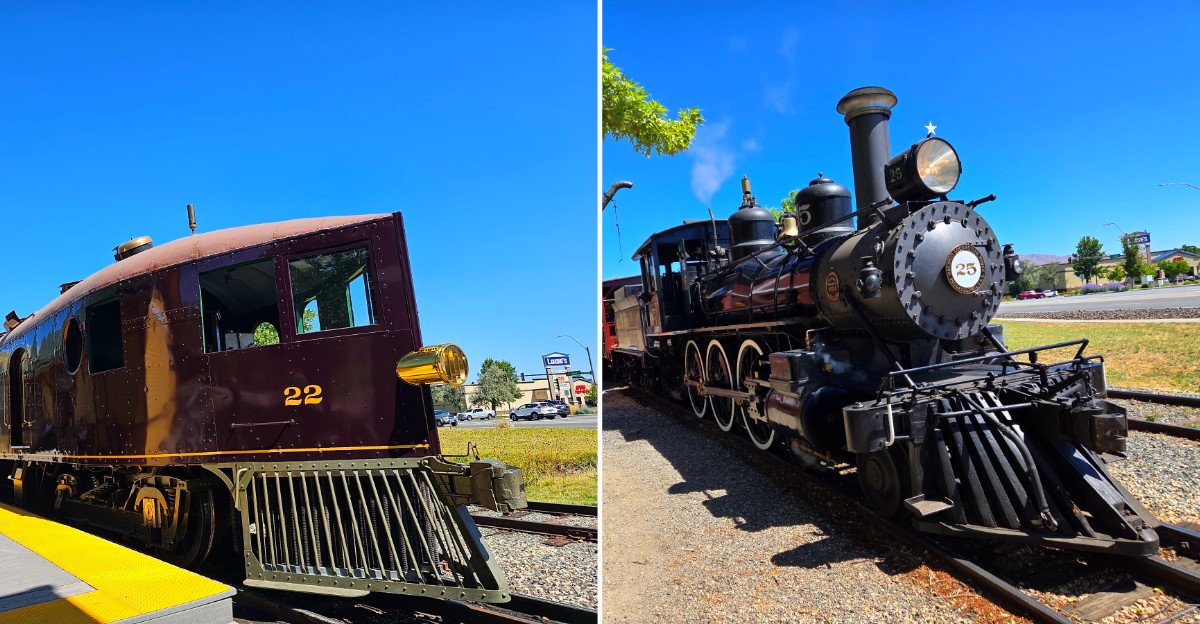
History feels very different when it starts moving.
One minute you are looking at polished brass, heavy wheels, and century-old machinery. The next, steam is drifting across the platform and a locomotive that belongs in an old photograph is rolling past you under its own power. That is the kind of surprise Nevada can deliver.
You can climb aboard vintage passenger cars, wander through old railroad equipment, and watch restoration work happening instead of staring at machines frozen behind ropes. There is noise.
There is grease. There is the unmistakable smell of a working railroad. Even better, the experience never feels stiff or overly organized. You can slow down, look closely, and chat with people who know these locomotives inside and out.
Train fans will have plenty to obsess over, but you do not need to know a boiler from a boxcar to enjoy this one.
Steam Engines That Actually Still Run
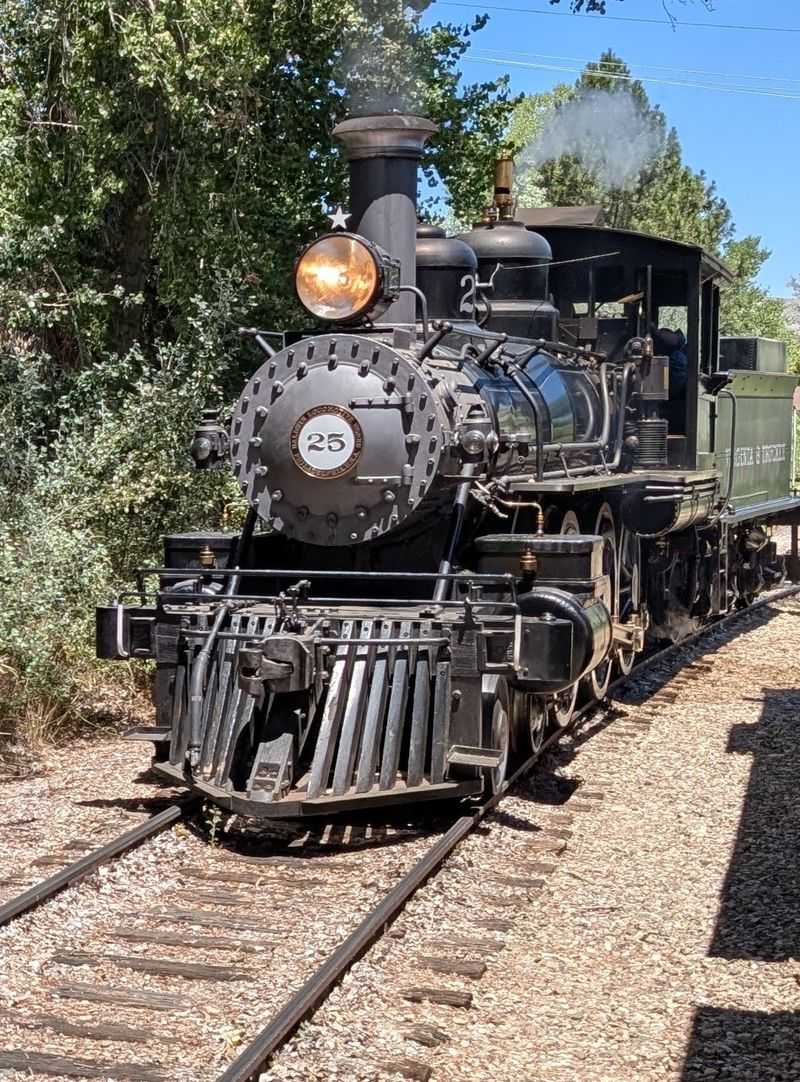
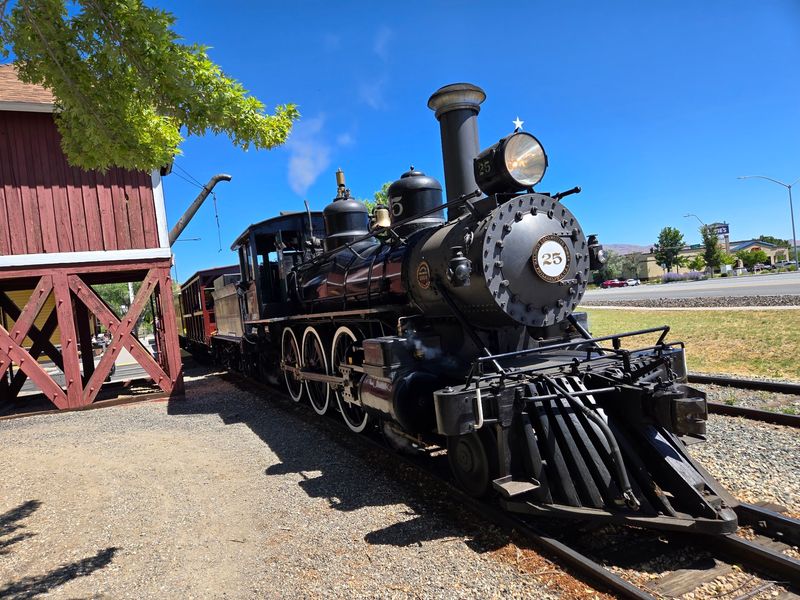
Most museums park their locomotives and call it a day. At the Nevada State Railroad Museum, several of the old engines still fire up, roll down the track, and carry passengers around the property.
Operating days are scheduled rather than daily, so you should check the calendar on the museum website before you drive over. When steam is running, you will hear the whistle long before you see the engine.
The ride around the grounds lasts roughly 40 minutes. Passenger accommodations vary with the equipment running that day, so check the current schedule before your visit.
Watching a steam locomotive work is different from watching a video of one. The rods move, the steam puffs in rhythm, and the whole machine breathes in a way modern engines never do.
Bring a wide-brim hat and sunscreen if your ride includes open-air seating. You leave understanding why people fell in love with these machines in the first place.
Meet The Movie Star Locomotive Named Inyo
Here is a fun bit of trivia. One of the locomotives housed at the Nevada State Railroad Museum has more screen credits than most working actors.
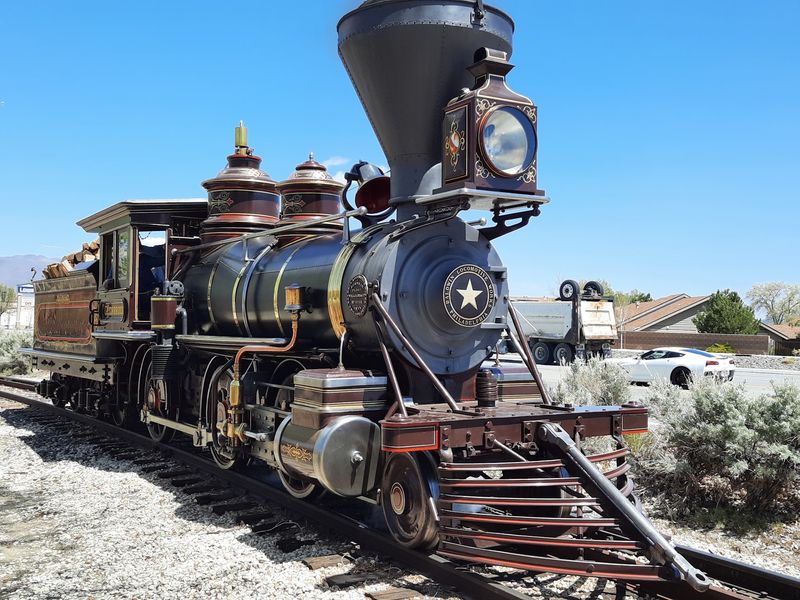
The Virginia and Truckee No. 22, known as the Inyo, was built in 1875 and later appeared in more than twenty films and television programs, including Union Pacific, Red River, and The Great Locomotive Chase.
Hollywood loved it because it looked exactly like what people imagined an Old West train should look like.
When the Inyo returns to display, its polished brass and towering wheels make its Hollywood appeal easy to understand. The brass shines, the wheels tower over you, and the whole machine carries a kind of theatrical swagger.
Staff and volunteers love pointing out these connections, and they will happily name the films if you ask. Those stories turn a static display into something you actually remember on the drive home.
The Inyo also served real purpose long before cameras arrived, hauling freight and passengers through the Comstock region during its working years on the Virginia & Truckee Railroad.
The locomotive is currently off display for restoration, so check the museum’s exhibit information before visiting if seeing the Inyo is important to you.
Climb Aboard Rail Cars You Can Touch
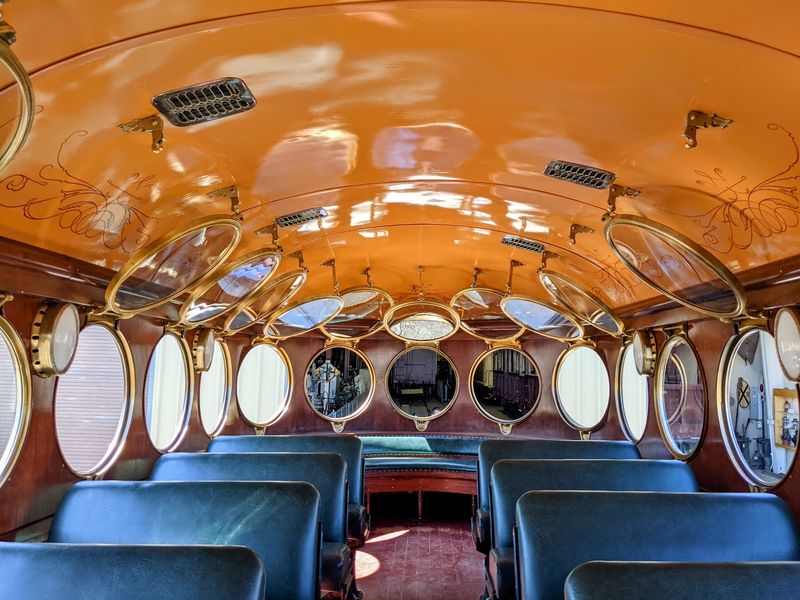
Ropes and do-not-touch signs get old fast, especially when you have children with you. Part of the charm at the Nevada State Railroad Museum is that certain cars are open for you to walk through and explore.
Some historic equipment may be accessible for closer exploration, depending on the displays and activities available during your visit. That small physical detail does more for understanding than any plaque.
Address for your map app: 2180 S Carson St, Carson City, NV 89701. Exhibits spread across two pavilions, so you can wander at your own pace without feeling boxed in.
There is also a play table with toy trains that keeps the smallest visitors happy while everyone else reads. Families often spend two to four hours here. Nobody pushes you along, which makes the visit feel more like exploring than touring.
Volunteers Who Know Every Bolt
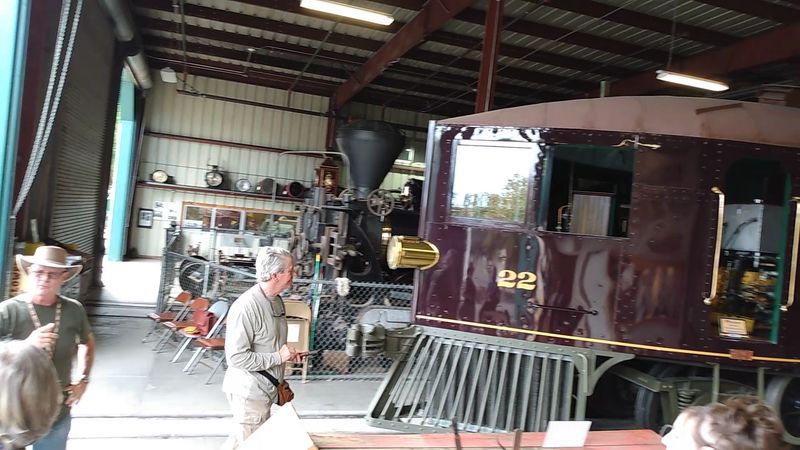
Ask one question about a valve or a whistle and you may get a fifteen minute answer. That is a compliment.
The people staffing the Nevada State Railroad Museum, many of them members of the Friends of the Nevada State Railroad Museum, volunteer their time because they genuinely love this equipment.
They support tours, demonstrations, special events, fundraising, and preservation work around the museum.
Some appear in period clothing, operating switches and explaining how crews once handled them. Children tend to follow these folks around like ducklings.
You should take advantage of their knowledge instead of walking past silently. Ask why a certain engine has a balloon stack, or how the museum funds a restoration that takes years. The answers are usually better than anything printed on a sign.
Volunteers support fundraising and preservation efforts that help the museum care for its historic collection.
If you feel inspired, the museum accepts volunteers. Plenty of people who wandered in as visitors ended up joining, learning skills like metalwork, woodwork, and mechanical restoration along the way. Friendly does not begin to cover it.
Two Pavilions Packed With Nevada Railroad History
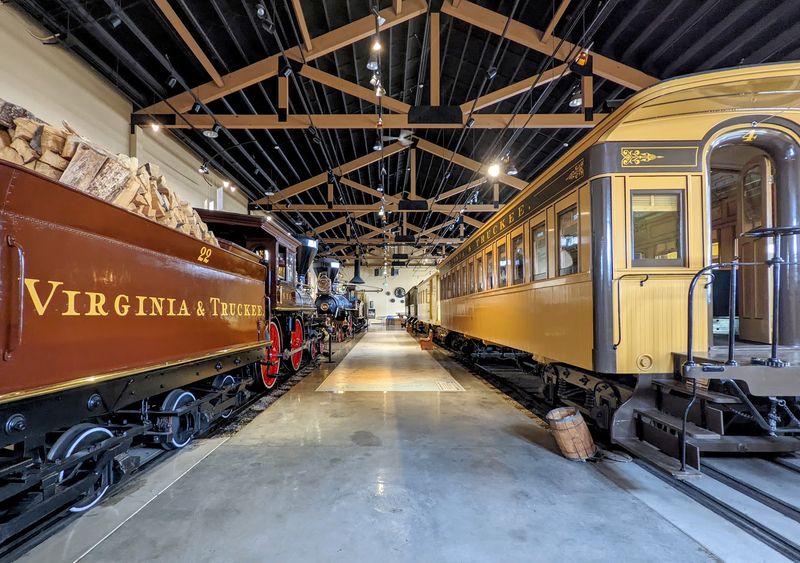
The collection stretches farther than most first-time visitors expect. Museum buildings and exhibit spaces hold locomotives, passenger coaches, freight cars, and cases full of tools, lanterns, timetables, and photographs.
Focus stays on Nevada rather than national railroad history, which makes the whole place feel specific and grounded. You learn how the Virginia and Truckee Railroad moved silver ore, lumber, and people during the Comstock mining years.
Photographs show construction crews, depots, and towns that barely exist anymore. Reading those captions gives you a clearer picture of how railroads shaped the state.
The second building adds the headline locomotives and restored passenger equipment, including elegantly finished cars with polished wood and brass fittings. The second building adds more displays, smaller artifacts, and rotating exhibits.
Everything is self-paced. You can move quickly through sections that do not interest you and linger where something catches your eye.
Clean restrooms are available on site, which matters more than people admit when traveling with kids. Give yourself at least two hours. Rushing through this collection is the one mistake worth avoiding.
Restoration Work Keeps Historic Equipment Alive
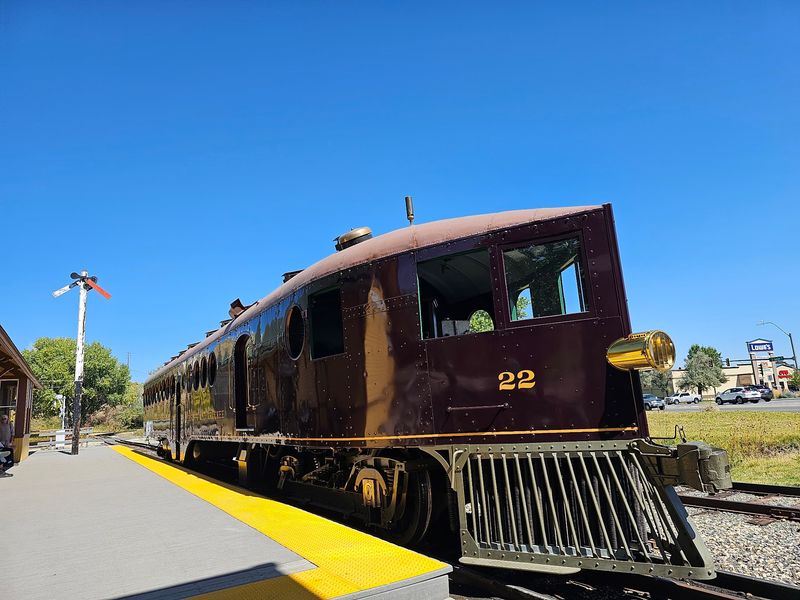
Restoring a locomotive is not a weekend project. It takes years, specialized skills, careful planning, and plenty of patience.
The Nevada State Railroad Museum maintains an active restoration program that helps preserve historic locomotives and rail equipment for future generations.
Some projects involve major mechanical work, while others focus on repairing worn parts, restoring finishes, or carefully preserving original materials.
That work helps explain why so much of the collection looks remarkably well cared for. Keeping century-old machinery in good condition takes far more than a fresh coat of paint.
Restoration specialists often have to solve problems that no longer come with an instruction manual. Replacement parts may need to be fabricated, old materials have to be evaluated, and every repair requires a balance between preservation and practical use.
The work becomes even more impressive when one of those restored locomotives returns to operation.
Seeing a historic engine move under its own power is the finished result, but years of careful restoration and maintenance happen behind the scenes before that whistle ever sounds again.
Planning Your Visit Without Any Guesswork
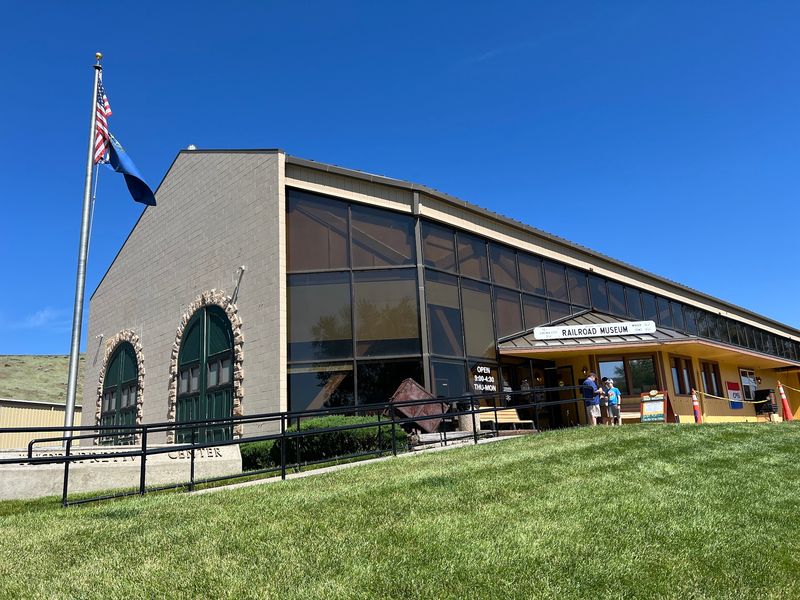
A little planning saves frustration here. The Nevada State Railroad Museum opens Thursday through Monday from 9 AM to 4:30 PM and stays closed Tuesday and Wednesday.
Admission is reasonably priced, with reduced or free entry available for children depending on age. Memberships exist if you think you will return, which plenty of people do.
Train operating days are separate from regular museum hours, so calling ahead or checking the official website helps you land on a day when steam is running.
Mornings tend to be cooler and quieter, especially in summer. Afternoon light works better for photographs of the outdoor equipment.
Wear comfortable shoes since the grounds include gravel and paved areas between buildings. Sunscreen and water are smart additions in warmer months.
The gift shop near the entrance carries books, models, and souvenirs at reasonable cost, and it makes a nice stop on your way out.
Arriving with two to three hours of open schedule gives you room to enjoy everything without checking your watch. Half a day is even better if trains are running.
Why This Stop Earns A Spot On Your Nevada Itinerary
Plenty of attractions promise history and deliver a hallway of text panels. The Nevada State Railroad Museum does something rarer by keeping its subject alive and moving.
You can see historic locomotives running on scheduled days and explore preserved railroad equipment. Staff answer questions with genuine enthusiasm rather than a script.
That combination works equally well for train enthusiasts and for someone who tagged along without much interest.
Location helps too. Carson City sits close to Lake Tahoe and Reno, so the museum fits neatly into a larger trip through northern Nevada without costing you a whole day.
Families find it easy going. Younger visitors have plenty of railroad details to explore, while adults can dig deeper into the exhibits and history.
The restoration work happening on site means the collection keeps improving. What you see this year may look even better next year.
You walk out knowing more about how Nevada was built and why railroads mattered so much. That is a solid return for a couple of relaxed hours and the sound of a whistle you will remember.