
The Tiny Missouri College That Offers Full-Tuition Scholarships And Ranks Among The Best In The Country
Free tuition sounds like a scam until someone explains how it actually works here. Missouri hides a tiny college that erases the entire tuition bill, and yes, that claim is completely real.
Students trade classroom time for work shifts instead of loans.
Milking cows, running the dining hall, and staffing the gift shop all count as coursework in a strange but effective way. Every student clocks real hours on campus instead of writing a check.
Graduates walk away with a degree and no debt attached to it.
National rankings keep noticing this small Missouri campus, stacking up honors that most schools twice its size never touch. Full-tuition scholarships and a spot among the best in the country rarely show up in the same sentence, yet here they are.
The Scholarship That Replaces A Tuition Bill
No tuition bill. That single fact draws applicants from across the country to College of the Ozarks.
Every full-time student receives a Tuition Assurance Scholarship. Federal and state aid combine with campus work to cover the cost of tuition.
Students hold a campus job for about fifteen hours each week during the school year. They also complete two forty-hour work weeks during breaks.
The trade is simple and honest. Labor replaces loans, and graduates typically leave without tuition debt following them home.
Room, board, fees, and books sit outside that scholarship, so families should plan for those separately. A summer work program can help offset part of those extra costs, with eligibility tied to financial need.
Filing the Free Application for Federal Student Aid matters here more than at most schools. Aid eligibility feeds directly into how the scholarship works.
Curious travelers can see the whole operation for themselves at 1 Opportunity Ave, Point Lookout, Missouri, in the United States.
Few campuses in the country turn a work schedule into a financial aid package this completely, and fewer still make it the heart of their identity.
Ninety Workstations And Counting
Milking cows counts as coursework of a sort. So does folding laundry, shelving library books, and plating dinner for hotel guests.
The Work Education Program at College of the Ozarks assigns every full-time student to a campus job. Participation is not a choice; it is part of the education.
Workstations stretch across the property. Students staff the dairy, the dining room, administrative offices, the laundry, and the library.
Skills pile up fast. Punctuality, teamwork, and handling real responsibility come with the territory.
Supervisors act a bit like first employers. Students learn to take direction, solve problems, and finish what they start.
Resumes benefit in obvious ways. Graduates can point to years of documented work experience alongside their degree.
For visitors, the program is visible everywhere. The person pouring coffee, running the register at the gift shop, or guiding a tour is usually a student on shift.
Watching that system hum along explains the Hard Work U nickname faster than any admissions pamphlet could. Labor and learning share the same schedule, and both seem better for it.
From A Small Mission School To Hard Work U
The story starts in 1906. A Presbyterian missionary founded a school for young people in the Ozarks who could not afford an education.
Back then it was called School of the Ozarks, and it served high school students. The mission centered on Christian education for those with limited means.
Growth came slowly and steadily. The school added a junior college program in 1956.
By 1965 it had become a four-year liberal arts institution. The name College of the Ozarks arrived in 1990.
What has not changed is the founding idea. Students who want an education and are willing to work for it still come first.
That thread runs through more than a century of expansion, new buildings, and shifting national trends in higher education.
Visitors who walk the grounds pick up on the continuity quickly. Older stone structures sit beside newer facilities, and the work program ties both eras together.
History here is not locked behind glass. It shows up in the daily rhythm of a Missouri campus that still runs on the same promise it made in 1906.
Rankings That Keep Stacking Up
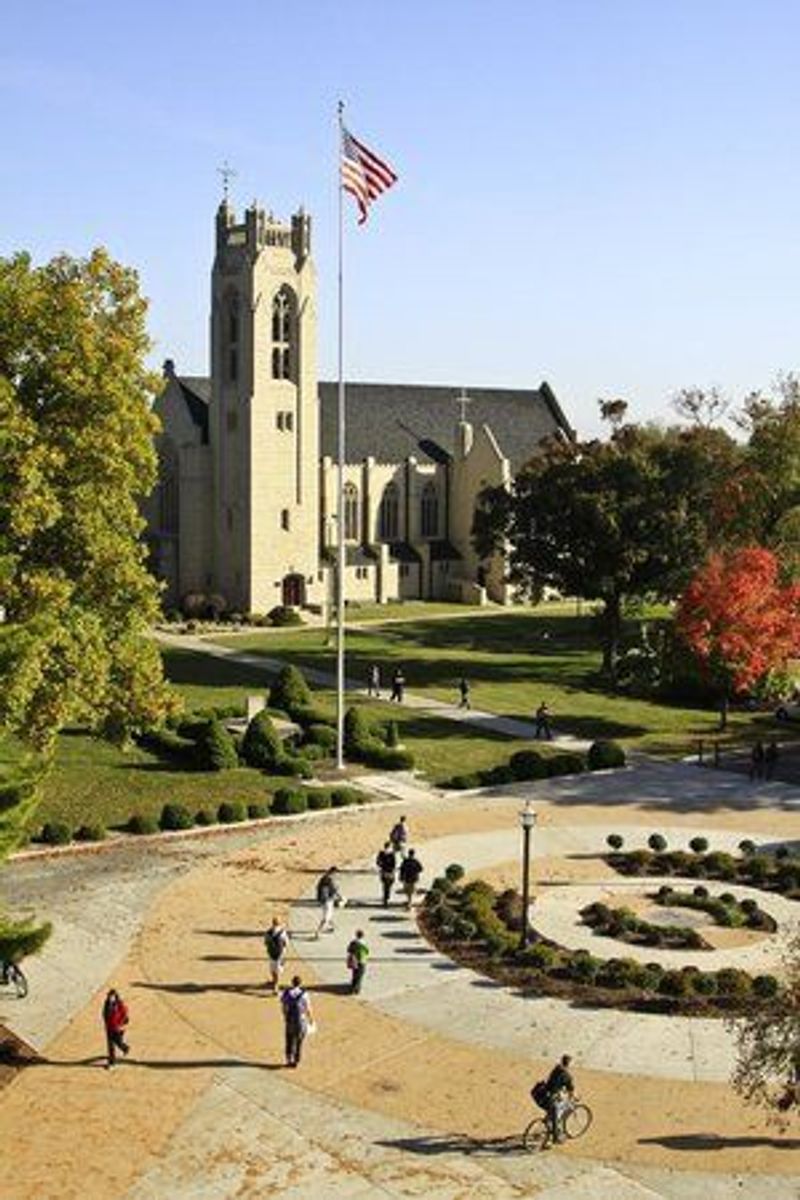
National ranking lists have noticed this small school repeatedly. For 2023-2024, U.S.
News & World Report named it the No. 1 Most Innovative School in the Midwest.
Other top spots followed in that same cycle. It took No. 1 for Best Value School in the Midwest and No. 1 for Best Undergraduate Teaching.
Social mobility scores ran high too. The college placed No. 2 for Top Performer on Social Mobility in the Midwest and No. 3 among Best Regional Colleges there.
The 2024-2025 cycle brought more recognition. Rankings included No. 2 for Best Performers on Social Mobility among regional colleges in the Midwest and No. 4 Best Regional Colleges in the Midwest.
Value stayed strong at No. 8 Best Value Regional College in the Midwest. The Wall Street Journal also listed it among The Best 2024 Colleges, praising social mobility and student experience.
Niche’s 2026 rankings went a different direction entirely. They named College of the Ozarks the No. 1 Best Christian College in Missouri.
Rankings shift year to year, but the pattern holds remarkably steady for a school this size.
A Thousand Acres Above Lake Taneycomo
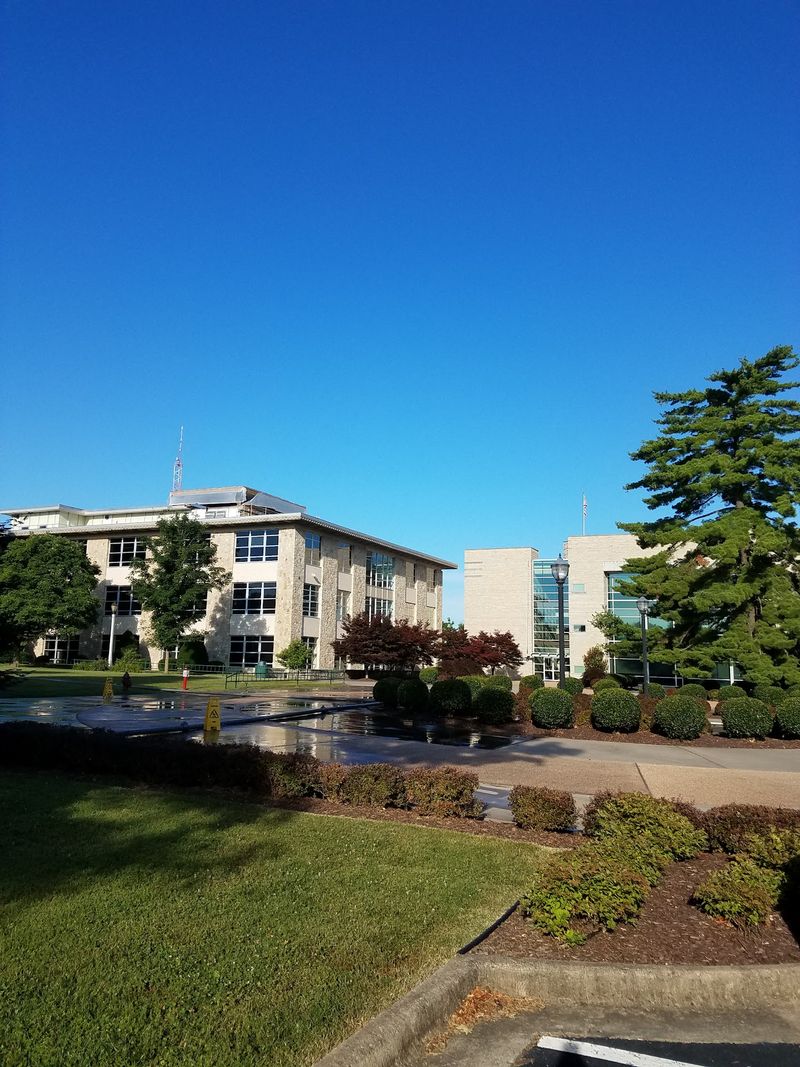
One thousand acres. That is the canvas this campus works with, and the landscape does a lot of heavy lifting.
Point Lookout sits on high ground, and the views live up to the name. Ozark hills roll out in layers, with Lake Taneycomo shining below.
Stone buildings anchor the grounds. Flower beds, trimmed lawns, and a working farm fill the spaces between them.
The setting feels rural without feeling remote. Branson’s attractions sit just a short drive away, which surprises first-time visitors.
Seasons change the mood considerably. Spring brings blooms and green hillsides, while autumn turns the surrounding ridges gold and rust.
Shared values shape the atmosphere as much as scenery does. The college emphasizes Christian principles and patriotism, and chapel attendance is part of student life.
Quiet is the default setting. Conversations on the lawn carry farther than traffic noise.
Anyone touring southwest Missouri for the first time tends to underestimate how photogenic a college campus can be. A slow loop through these grounds corrects that assumption in about ten minutes flat.
Mud Games, Formals, And Small-Town Camaraderie
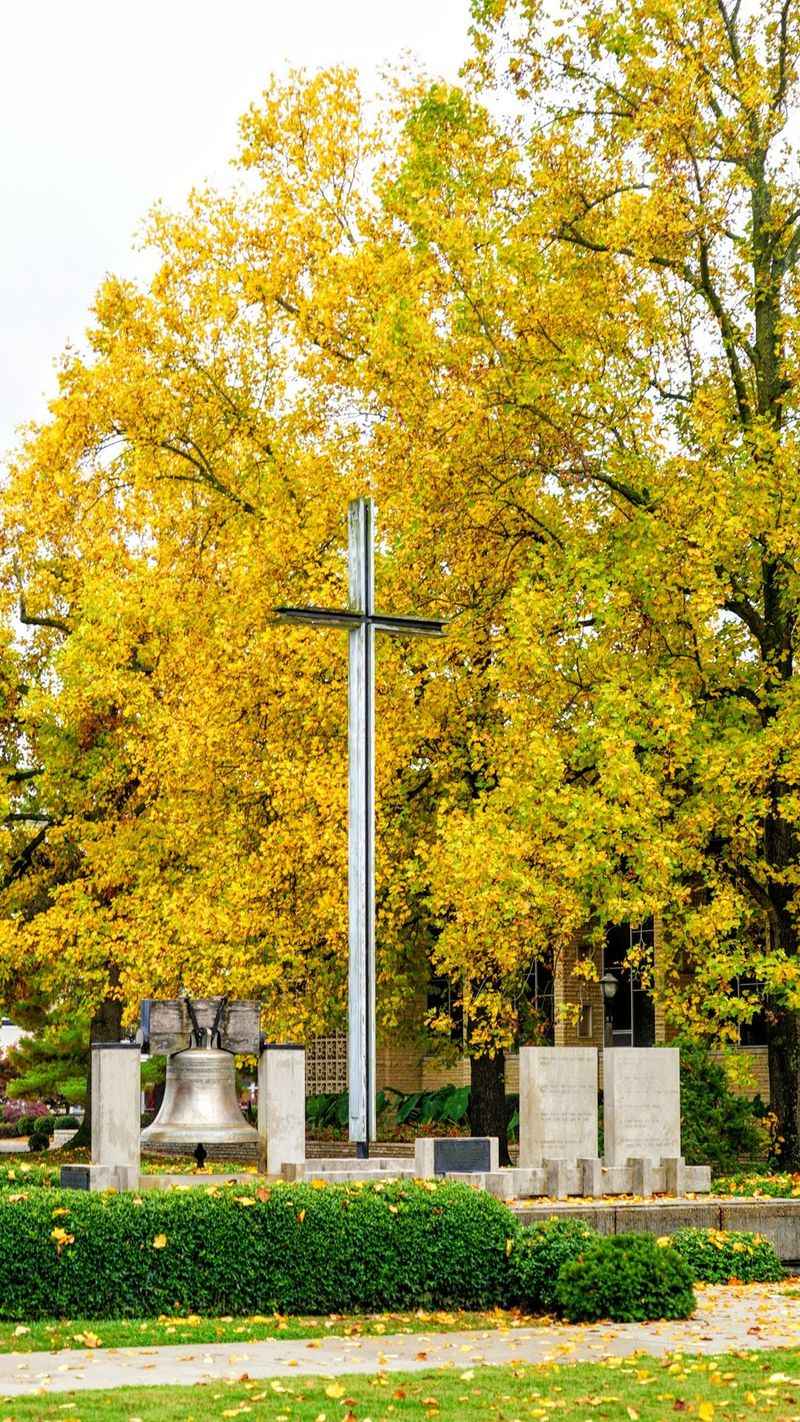
MudFest. The name tells most of the story, and students look forward to it all year.
Outdoor mud-themed games turn a field into a very messy playground. Laughter, teamwork, and laundry duty all follow.
Sadie Hawkins ranks as another favorite tradition. Female students invite male classmates to a formal dance, flipping the usual script.
Spring Formal keeps things elegant. Music, dancing, and dressing up round out the social calendar.
Class sizes stay small, and professors tend to know students by name. That personal attention shows up in the way people talk about their instructors.
Shared work shifts create friendships that classrooms alone would not. Students who milk cows together at dawn build a particular kind of bond.
Community here is not an abstract marketing word. It grows out of a schedule where everyone contributes something.
The balance surprises people who expect only rigor at a place nicknamed Hard Work U. Long work weeks make the fun feel earned, and students at College of the Ozarks seem to like it that way.
Chapels, Mills, And A Hillbilly Truck
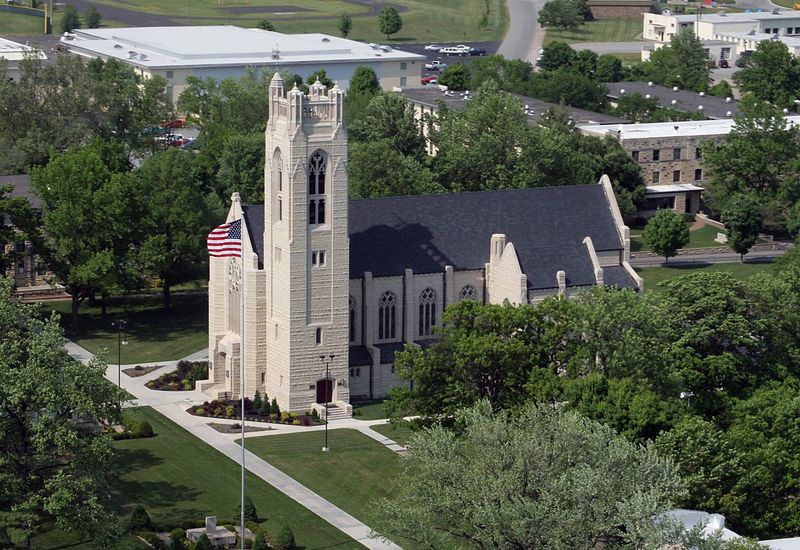
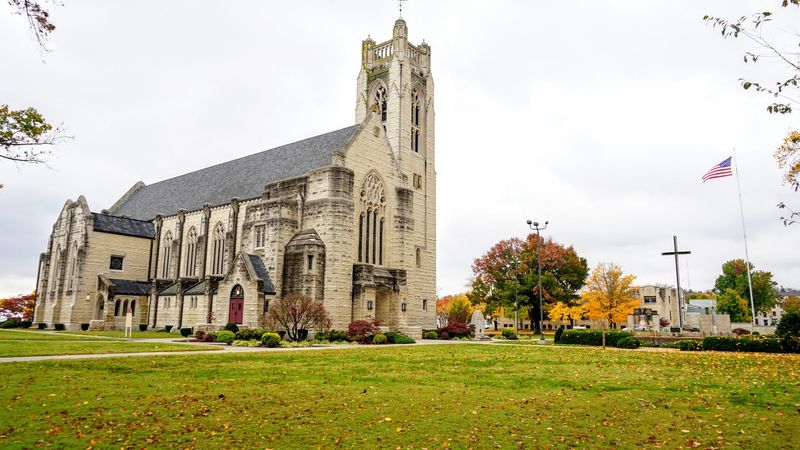
Where else can a traveler see stained glass being cut and a working grist mill in the same afternoon? Williams Memorial Chapel anchors the campus visually, with architecture that invites a quiet pause.
The Hoge Greenhouses nearby burst with plants year-round. Gardeners linger here longer than they plan to.
At the Stained Glass and Candle Shop, students craft items by hand while guests watch. Edwards Mill grinds grain using traditional methods, and the process is oddly hypnotic.
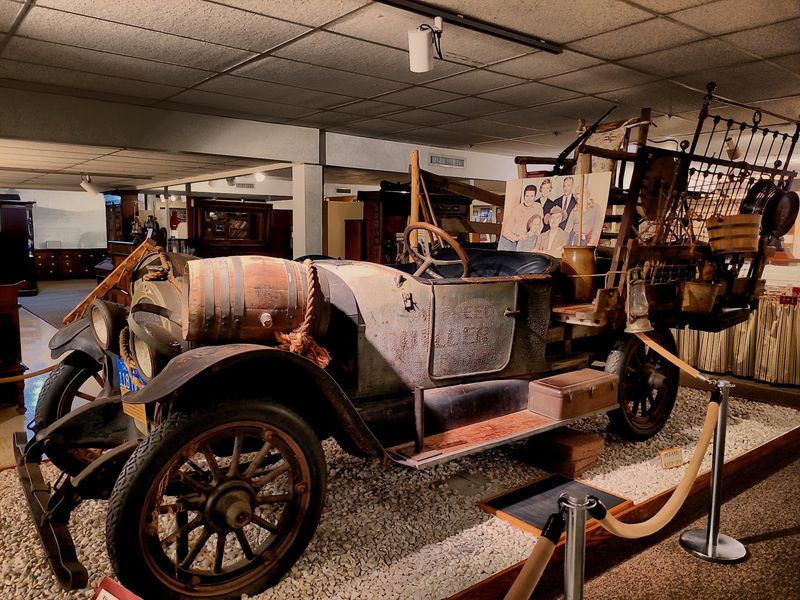
The Ralph Foster Museum holds the region’s collected curiosities. Ozark artifacts, antiques, and an unusual barbed wire collection fill the displays.
Its best-known exhibit is the original vehicle from The Beverly Hillbillies. Photographs happen automatically.
Tractor fans should head for the Gaetz Tractor Museum. Restored machines there trace how farming changed across generations.
Each stop connects back to student labor in some way. Nothing feels staged for tourists.
Plan on a couple of hours minimum, because the campus attractions at College of the Ozarks tend to stretch a quick visit into a full outing.
Student-Run Lodging, Dining, And Ice Cream
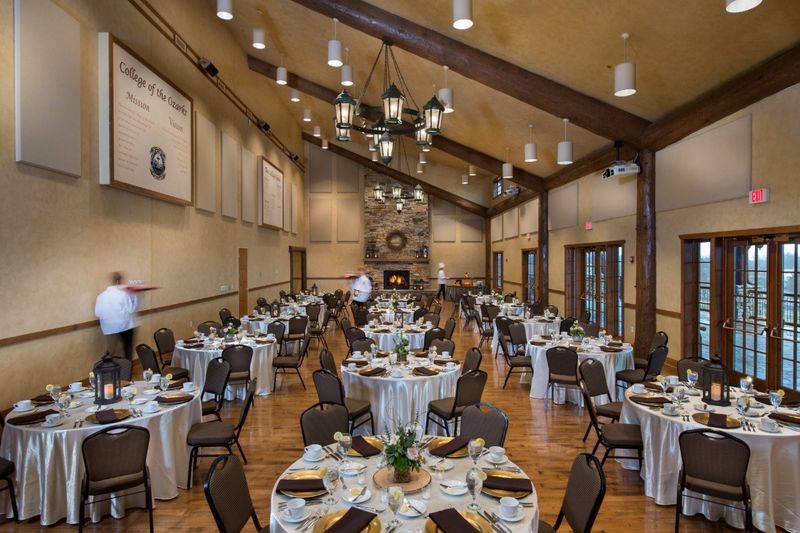
Students run a hotel here. Not a pretend hotel for class credit, an actual one that welcomes paying guests.
The Keeter Center houses a restaurant, lodging, and conference space. Students manage and operate nearly every part of it.
Dobyns Dining Room sits inside and serves lunch and dinner. Menus lean toward hearty, well-prepared plates.
Dessert deserves its own trip. The College Creamery churns ice cream using milk from the campus dairy herd.
Mabee Lodge offers suites with views over the grounds. Guests wake up in the middle of a working campus, which is a rare arrangement.
Service standards stay high because reputations are on the line. Students learn hospitality by doing it in front of real customers.
Reservations are wise, especially during busy Branson-area travel seasons. Availability can tighten around graduation weekends and holidays.
The whole operation makes the vocational mission tangible for visitors. Eating a meal here supports the same program that pays for a student’s tuition, which makes the ice cream taste even better.
Missouri travelers looking for something different should put this stop on the list.