
This Cash Only Pennsylvania Animal Sanctuary Is Worth The Long Drive For Families Who Love Rescued Animals
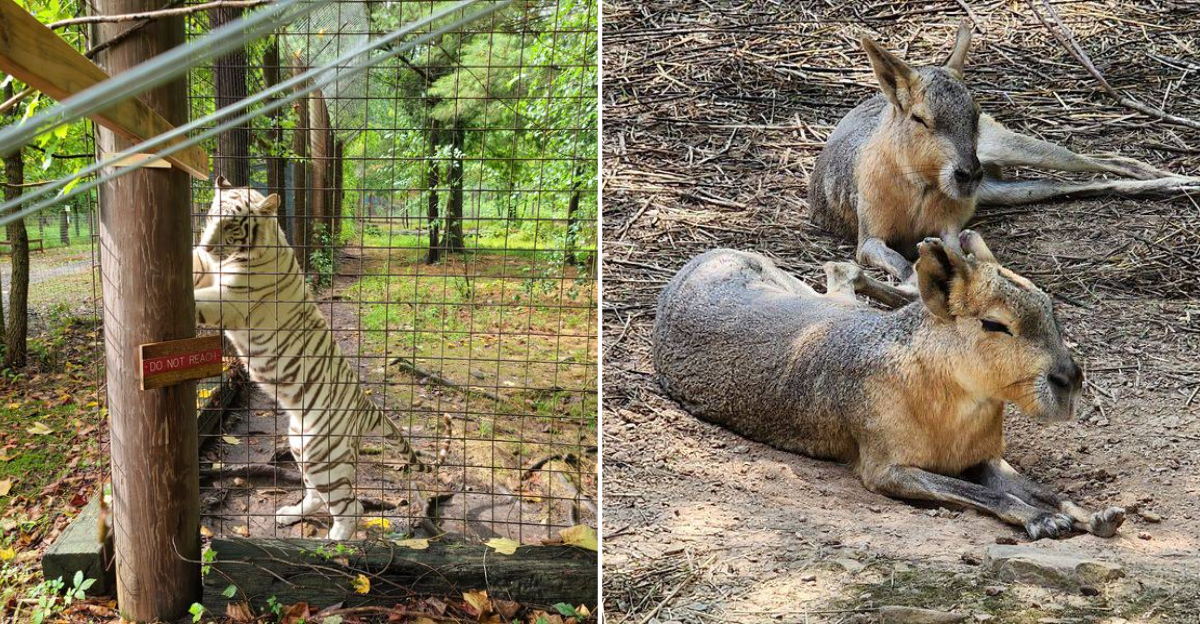
In a time when almost everything gets paid with a card, this Pennsylvania sanctuary has kept the old tradition alive, and it hasn’t affected the number of visitors at all. Rescued animals here get real attention and care rather than just a scheduled feeding routine.
Enclosures feel spacious rather than cramped for the sake of fitting more animals into limited space. Smaller crowds mean longer, more personal moments watching animals instead of fighting for a view.
Families bring cash specifically for this visit, planning ahead knowing cards won’t work here. Nothing about the cash-only policy feels outdated once visitors see how smoothly things run anyway.
Educational programs run throughout the day, adding depth beyond just walking past enclosures. This sanctuary proved that some traditions are worth keeping, even the inconvenient ones.
Meet The Rescued And Their Stories
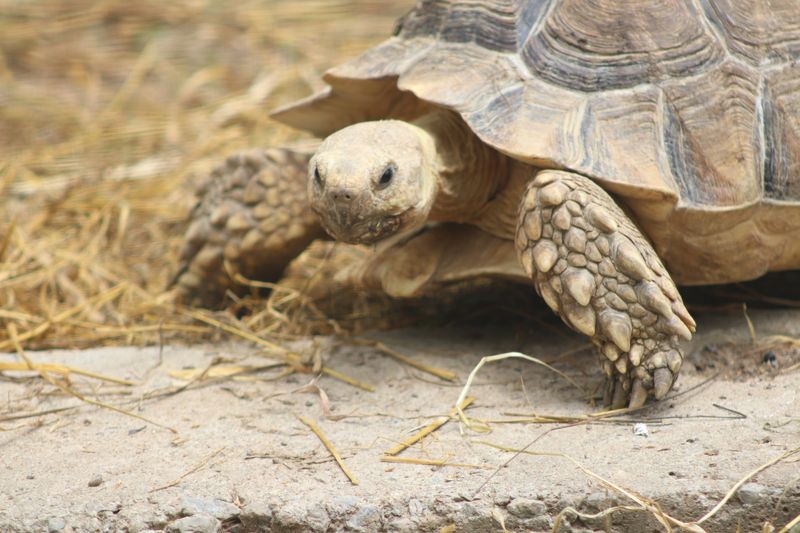
Every animal here arrived with a backstory, and most of them are not happy ones. Some were confiscated by authorities.
Others came from private owners who bought an exotic pet and quickly realized a cougar does not belong in a basement.
This Pennsylvania sanctuary takes in animals from individuals, government agencies, zoos, and other rescue groups. Many of these residents were facing euthanasia before this place said yes.
Around 50 felines live on the property, including lions, tigers, cougars, bobcats, servals, lynx, and leopards. But the roster goes way beyond cats.
Bears, wolves, wolf-dogs, coyotes, raccoons, deer, lemurs, monkeys, bald eagles, peacocks, emus, and eagle owls all call it home.
Some animals showed up already declawed or missing teeth, damage done by previous owners who wanted a wild animal without the wild parts. Those animals could never survive on their own again.
Here is what really sets the operation apart. Nothing is bought, sold, traded, or bred.
Ever. Once an animal arrives, it stays for life, which is a promise very few places are willing to make.
Signs posted throughout explain how each resident got there, so kids can connect a face to a story. The result feels less like sightseeing and more like meeting neighbors.
You will find it all at 363 Mountain Rd, Penns Creek, PA 17862.
How To Prepare For A Cash Only Visit
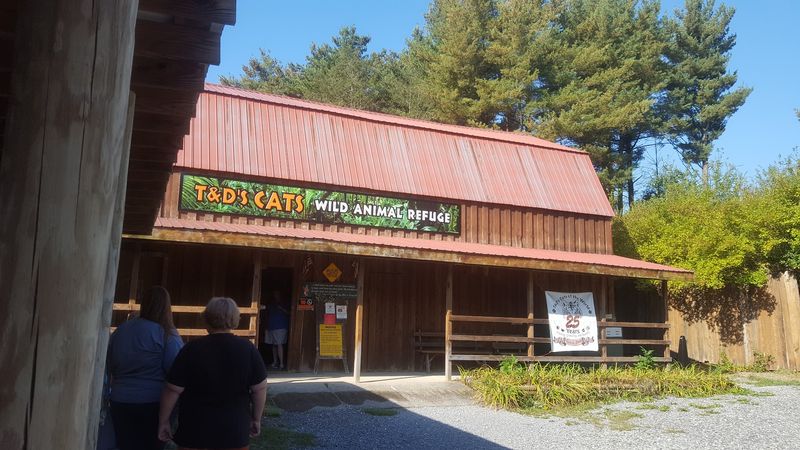
Credit cards are useless here. Debit cards too. Admission is cash, full stop, and the nearest ATM is not exactly next door in Penns Creek. Smart move? Grab cash before leaving home, and grab a little extra.
The gift shop, cheerfully named Howls and Growls, sells cold drinks and ice cream, and warm afternoons make that ice cream very persuasive.
Footwear matters more than people expect. Paths are gravel and grass winding through mostly wooded ground, so sneakers or closed-toe walking shoes beat sandals by a mile.
Two rules surprise first-timers. Umbrellas are not allowed inside, because several animals find them alarming, and startling a big cat helps nobody.
Pets stay home too, which makes sense once you consider how a wolf might react to a Labrador strolling past.
Packing lunch is completely fine. Picnic areas sit on the property, so a cooler in the trunk turns the trip into an easy half-day outing.
A hat, sunscreen, and small binoculars round out a solid packing list. Some enclosures are roomy and wooded, and animals occasionally choose the shady far corner over the front row.
One last practical note. Talk through the rules with kids before heading in.
No running, no yelling at the animals, no wandering off from the group.
Animal Welfare Practices And Sanctuary Care
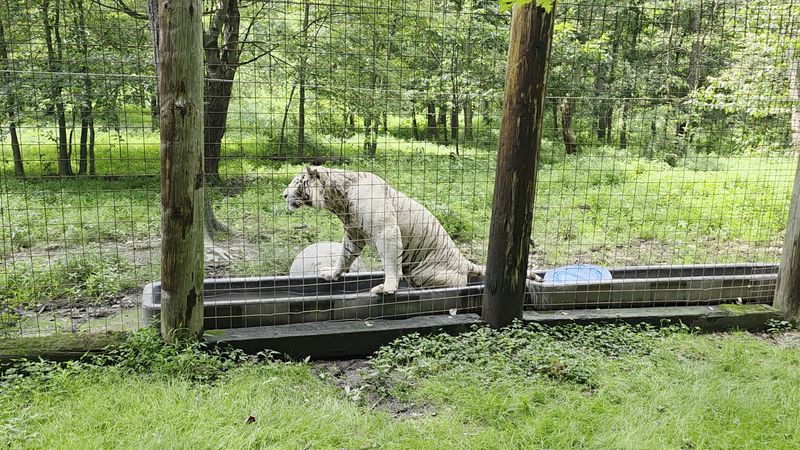
Twelve thousand pounds of meat a month. That is what the carnivores here go through, roughly the equivalent of 10 to 12 cows, and it arrives from local farmers who donate deceased livestock.
Extra chicken gets purchased to fill gaps. No live animals are ever fed to the carnivores, which is a line the sanctuary refuses to cross.
Licensing comes from both state and federal governments, and the facility meets or exceeds housing and exhibition regulations. The Mattive family handles most of the hands-on care, backed by volunteers and veterinarians who donate their professional time while the sanctuary pays for medications and supplies.
Enclosures are built spacious and designed to echo natural habitat, with room to roam, climb, and nap in privacy. Most of them were constructed by the family and volunteers themselves, which keeps costs down and quality up.
Boredom is the enemy of a healthy animal, so enrichment happens daily. Balls, tires, ropes, hidden food, plus natural oils, herbs, and perfumes that give noses something new to investigate.
Staff never enter enclosures with the large carnivores. Not because the animals are mean, but because a tiger is a tiger, and respecting that strength is exactly why this place has stayed safe for decades.
Understanding The Sanctuary’s Unique Payment Policy
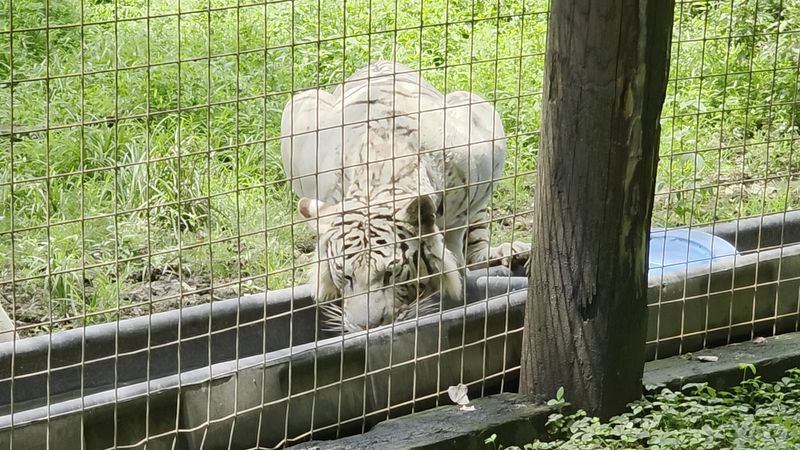
Plenty of visitors assume the cash rule is old-fashioned stubbornness. The truth is simpler and a lot more interesting.
No local, state, or federal government money supports this sanctuary. No big corporate sponsor either, and no large organization writing comfortable annual checks.
The owners have leaned on their own pension and retirement savings to keep the animals fed. Let that sink in for a second.
Personal retirement funds, spent on lions.
That is why admission and private donations carry so much weight. Every dollar handed over at the gate goes straight into food, veterinary medications, enrichment supplies, and building or repairing enclosures.
Skipping card processing means skipping processing fees, and when your monthly meat bill runs into the thousands of pounds, small savings stack up fast. The policy is posted clearly on the website and again at arrival, so nobody gets caught off guard.
Donations also fund sponsorships, which let supporters help cover the care of a specific animal. Bears eat a lot. Tigers eat more.
Once families understand where the money lands, the cash requirement stops feeling like an inconvenience and starts feeling like a direct handshake with the animals themselves.
Something is refreshing about knowing your admission is not disappearing into a corporate account somewhere far away.
Activities And Interaction Opportunities For Families

Guided walking tours run about an hour and twenty minutes, which is roughly the sweet spot before little legs stage a rebellion. Benches appear along the route, so rest stops are built in.
Paths wander through mostly wooded terrain on a mix of gravel and grass. The scenery feels more like a hike than a paved loop around a city zoo.
Feeding the deer is the moment kids talk about for weeks afterward. The deer are enthusiastic participants and have zero patience for slow hands.
Photo boards with cut-out faces sit along the way, which means every family leaves with at least one gloriously silly picture. Face-in-hole boards never go out of style, apparently.
An aviary opens on summer weekends, sometimes with a separate charge, and it adds a whole different soundtrack to the visit. Worth asking about before you go.
Direct contact with the carnivores is off the table for visitors and most volunteers, and that boundary protects everyone involved. Watching a lion roar from a safe distance still delivers plenty of goosebumps.
The picnic area gives families a spot to spread out and refuel. Between the ice cream at Howls and Growls and the wolves occasionally howling in the background, lunch here beats a fast food stop every time.
Educational Programs About Animal Rescue
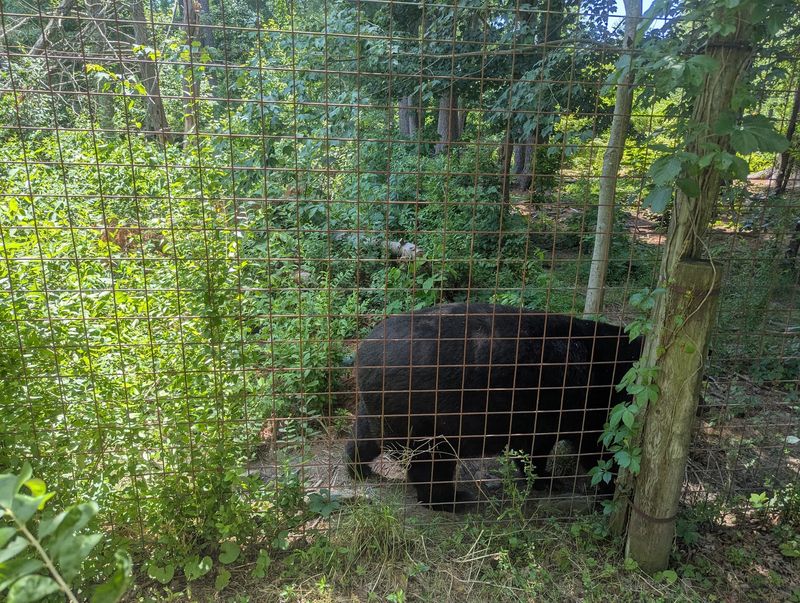
Teaching happens constantly here, and most of it does not feel like a lesson at all. Informational signs sit beside enclosures explaining each animal’s species, habits, and the reason it needed rescuing.
Volunteer docents station themselves throughout the grounds to field questions. Kids ask brilliant ones, like whether tigers get hairballs, and the docents answer with actual patience.
Guided tours dig deeper into individual stories and the bigger purpose behind the sanctuary. School field trips come through as well, sometimes on days reserved just for student groups.
The central message is direct. Wild animals should not be bred for the pet trade or private ownership, because the animals living here are proof of what happens when they are.
Declawed cougars. Big cats with teeth removed. Primates who never learned to be primates. None of that damage was the animal’s fault.
Talking with a child about the difference between a sanctuary and a zoo turns into one of the most useful conversations a parent can have. A sanctuary exists for the animals. A zoo often exists for the audience.
Understanding that distinction sticks with kids far longer than a souvenir would. Many families report the mission itself is what pulls them back a second and third time.
The Role Of Volunteers In Sanctuary Operations
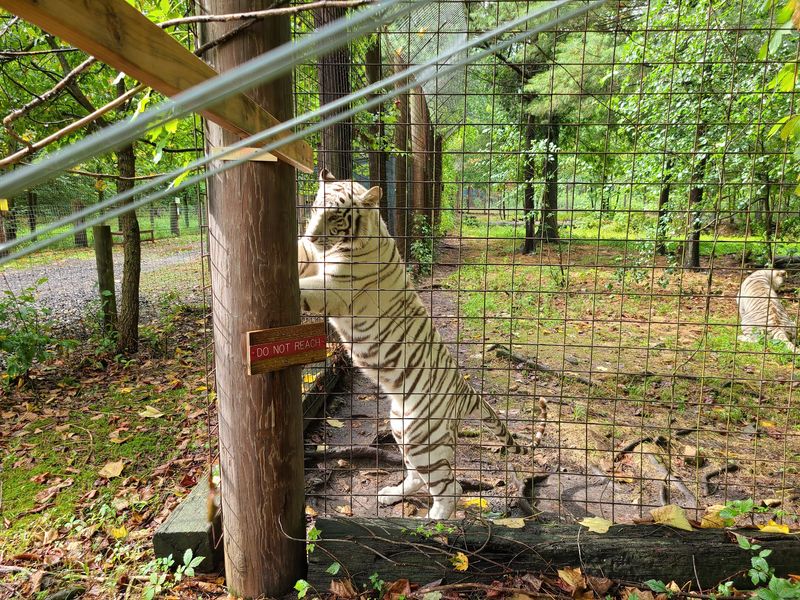
There are no paid employees, zero. Every task on the property gets handled by the Mattive family and a rotating crew of volunteers who show up because they want to.
Individual volunteers must be at least 18, purely for safety reasons. Nobody gets direct physical contact with the carnivores, no exceptions, no favorites.
The work is real work. Cleaning enclosures, prepping and delivering food, building enrichment items, mowing and maintaining grounds, helping construct new exhibits, leading tours, and answering endless visitor questions.
People describe the experience as similar to being a small animal keeper. Not glamorous, occasionally smelly, deeply satisfying.
Volunteers are typically needed Wednesday through Sunday between May and September, which lines up with the sanctuary’s open season. Summer is busy in every possible way.
Docents form their own category and can be any age. They educate visitors, run tours, organize fundraisers, assemble enrichment toys, and help with special events.
Bigger groups pitch in on bigger jobs. Scout troops and university clubs come out to clear brush, paint, build, or run fundraising drives.
Because labor costs nothing, donations flow directly to the animals instead of payroll. Knowing the person explaining a bobcat’s history chose to spend a Saturday doing it makes the whole visit hit a little differently.
Tips For Planning A Day At The Sanctuary
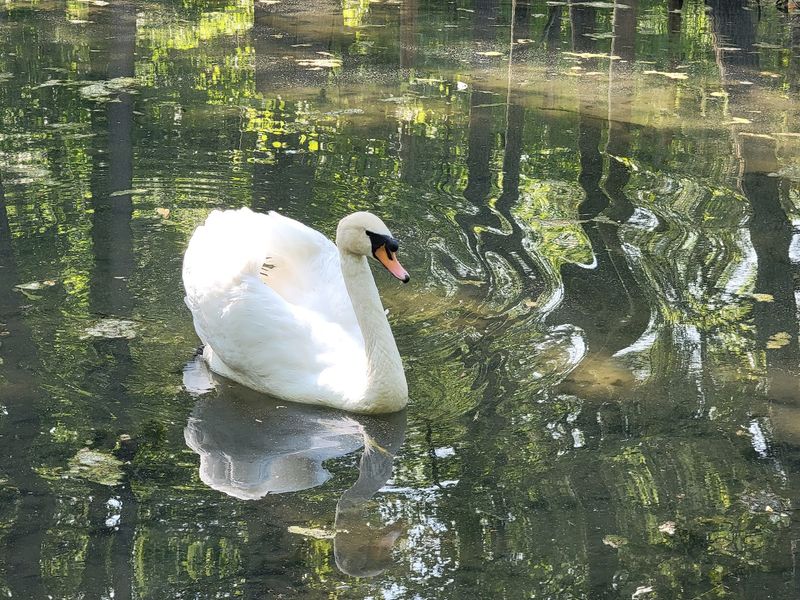
Season one, rule one. The sanctuary operates roughly May through September, so a January road trip ends with a locked gate and disappointment.
Hours shift, so checking current operating times before driving out is the single best piece of planning advice. Summer weekends generally allow self-guided exploring, while weekdays lean toward guided tours.
Guided tours start promptly, and latecomers cannot join a group already on the trail. Arriving a few minutes early solves that problem entirely.
Weather dictates comfort since the whole experience happens outdoors. Dress for the forecast, wear closed-toe walking shoes, and skip anything you would hate getting dusty.
Cash for admission and the gift shop, again. Nobody wants to drive an hour and discover the wallet only holds cards.
Packing lunch works nicely thanks to the picnic areas. Pets and umbrellas stay behind, both for the animals’ peace of mind.
If the aviary is a must-see, call ahead to confirm hours and whether a separate fee applies. Weekend summer access is the general pattern.
Budget about an hour and twenty minutes for a guided tour, though many families stretch it to two hours or more when animals are active. Mornings and cooler days tend to bring out the most movement from the big cats.