
This Cool Indoor Aquarium On The Mississippi Coast Lets Kids Watch Rescued Sea Turtles Heal Up
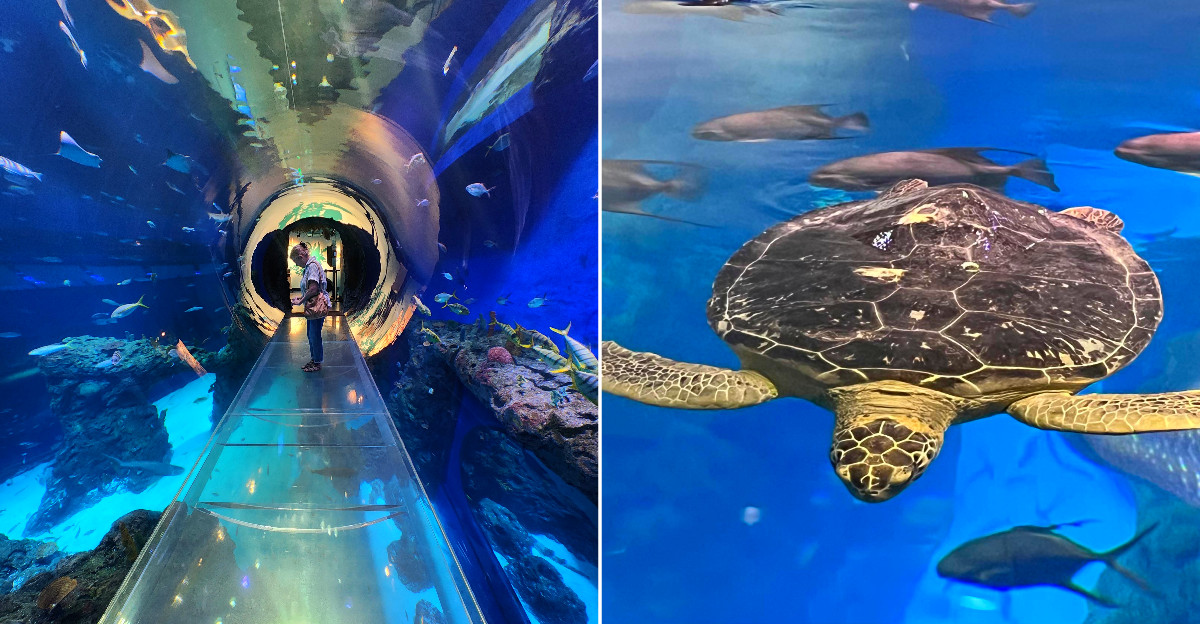
Our plan was simple: grab lunch near the beach, cool off somewhere indoors, and keep the kids from melting in the Mississippi heat. Nobody expected to spend the best part of the afternoon watching a small, patched-up sea turtle paddle laps like it had somewhere important to be.
That turtle, and the people helping it get stronger, turned an ordinary coast trip into the story our family still tells. If your crew loves animals and you love a day out that teaches kindness without a lecture, keep reading.
Beachfront Home On East Beach Boulevard
Right across from the sand on East Beach Boulevard, the Mississippi Aquarium sits in downtown Gulfport, the heart of Harrison County. Families driving down from Hattiesburg can often make it in about an hour and a quarter, while Jackson folks should plan on roughly two and a half hours of road time.
What exactly is it? The aquarium is a non-profit institution built around marine and freshwater life, with more than 200 animal species and around 50 native plant species spread across indoor and outdoor habitats.
It mixes classic glass-wall viewing with hands-on stations, live presentations, and a working mission to care for injured wildlife from the Gulf.
Picture a campus that feels part museum, part garden walk, and part animal hospital story. Kids bounce from tunnels to touch pools, grandparents settle onto benches near the dolphins, and everyone seems to find a favorite creature before lunch.
Location helps the whole day click into place. The beach is a short hop away, a public library sits next door, and nearby shopping lets families stretch a single trip into a full Saturday.
Visitors coming from Mobile or the Texas border often stop on the way home, which says plenty about how easy it is to reach.
Why Sea Turtles Need A Second Chance
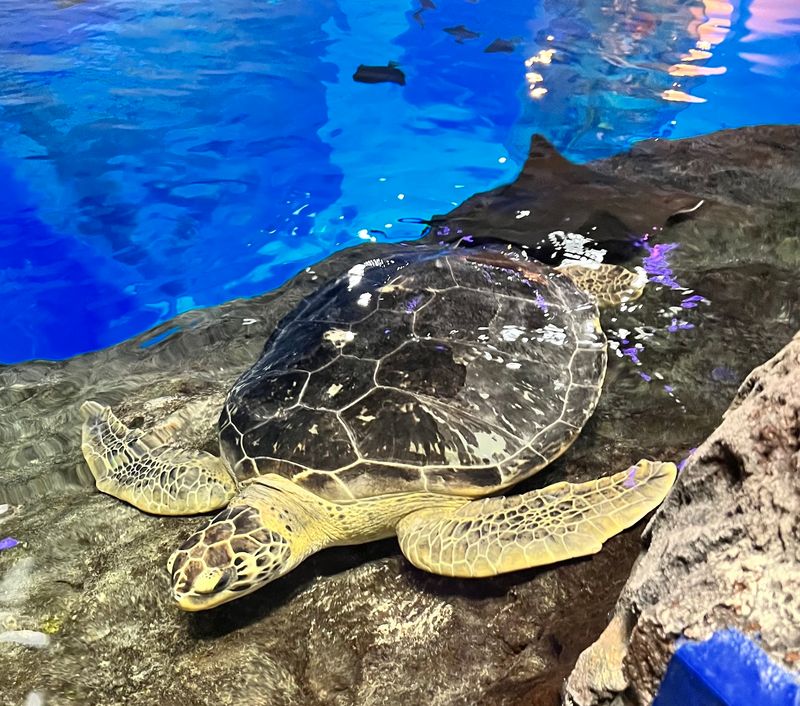
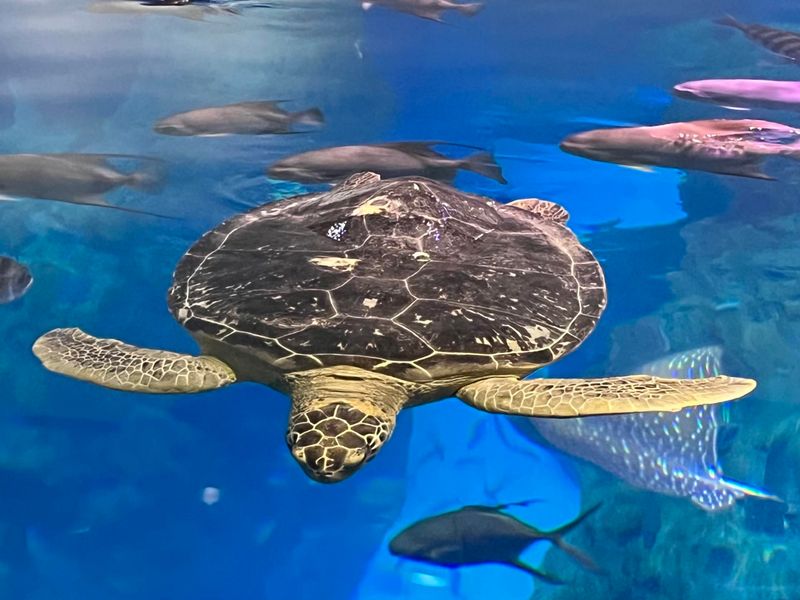
Kemp’s ridley sea turtles are the smallest sea turtles in the world, and they are critically endangered. Many of them swim the waters right off the Mississippi coast, which puts Gulf Coast families in a special spot to learn about them.
Trouble can show up in surprising ways. Some turtles swallow or get snagged on fishing hooks, while others get caught in sudden cold snaps that leave them sluggish and unable to swim well.
Experts call that second problem cold stunning, and it happens when water temperatures drop fast.
So where do these turtles go? The Mississippi Aquarium runs a dedicated sea turtle rehabilitation program, working alongside coastal organizations to bring rescued turtles in for medical care and good nutrition.
The goal for every single patient stays the same: get healthy, then head back home to the Gulf of Mexico.
For kids, the idea clicks quickly. A turtle got hurt, people noticed, and now a team is helping it heal.
That simple chain of events teaches responsibility better than any worksheet, and it can spark real conversations on the drive home about fishing line, litter, and sharing the water with wild animals.
Watching A Turtle Patient Recover
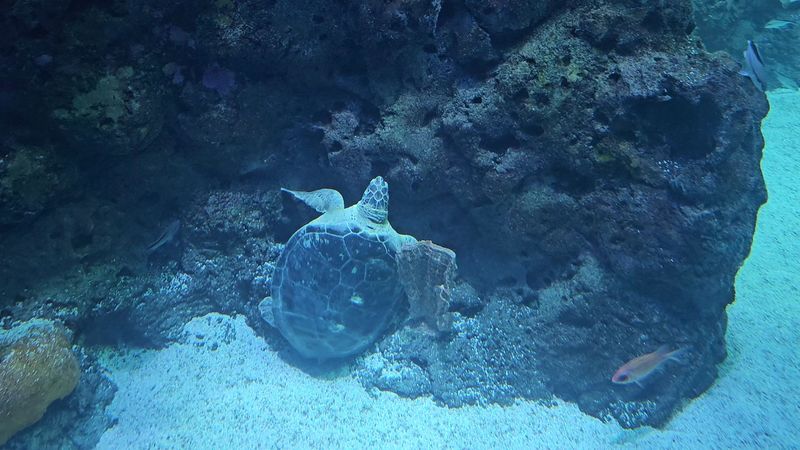
Slow, careful flipper strokes. That was the first thing our group noticed while watching a recovering turtle glide around its pool, and the kids went quiet for once, leaning in to follow every move.
Healing takes time, and that is part of the lesson. Turtles in rehabilitation may need treatment for hook injuries, help warming up after cold stunning, and steady meals to rebuild their strength.
Staff track progress patiently, and the calm pace can feel almost peaceful compared with the busier exhibits nearby.
Have younger children ask questions here. Staff members across the aquarium tend to be friendly and happy to explain what they do, and turtle care sparks plenty of curiosity.
Kids might wonder how a turtle eats, how long recovery lasts, or how the team knows it is ready to go.
Patient numbers and viewing setups can change depending on which turtles are in care, so what you see may vary from one visit to the next. That unpredictability is actually part of the charm.
A family that returns months later might hear that a turtle they once watched has already gone back to open water, which makes for a pretty sweet ending.
Bottlenose Dolphins And Splashy Presentations
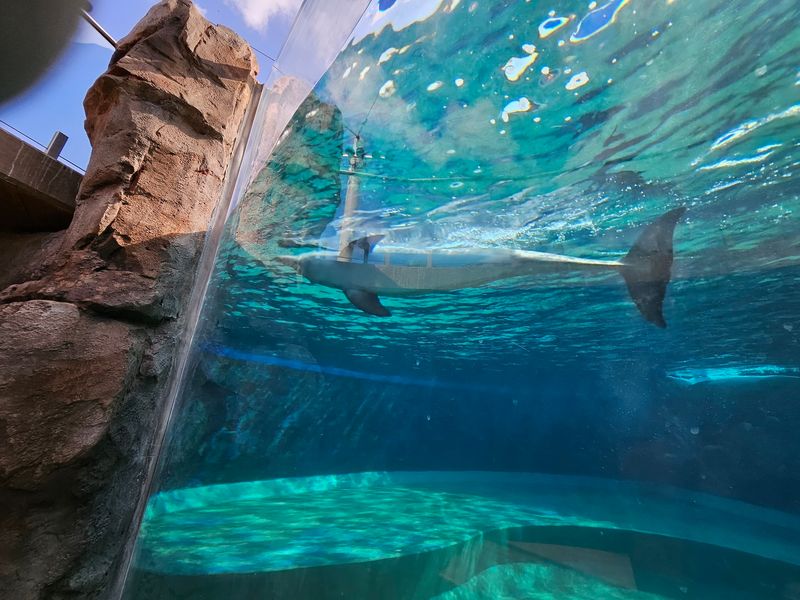
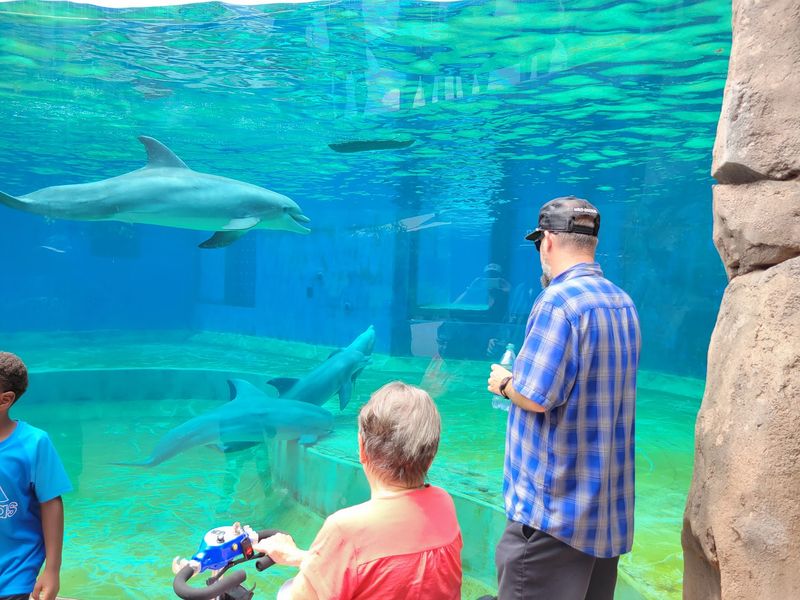
Bring a towel, or at least a good attitude, because the dolphins here have been known to splash the front rows. Visitors mention it far more than any other animal, and it is easy to see why after five minutes by the pool.
Daily dolphin presentations run throughout the day, so families rarely have to rush to catch one. Trainers share details about how the dolphins sleep and play, and guests often walk away surprised at how much they learned while laughing at a ball game in the water.
Little ones tend to love the action, while older relatives appreciate the seating and the chance to rest their feet. Since the dolphin area sits outdoors, summer visits call for hats, sunscreen, and water bottles.
Want more than a show? Special dolphin encounters are offered for an added cost, giving guests a closer meeting with the animals and the trainers.
Families who have tried them describe the experience as a highlight they talk about long afterward. Check current options and pricing before you go, since availability can change, and book ahead if the encounter is the main reason for your trip.
Glass Tunnel Views Overhead
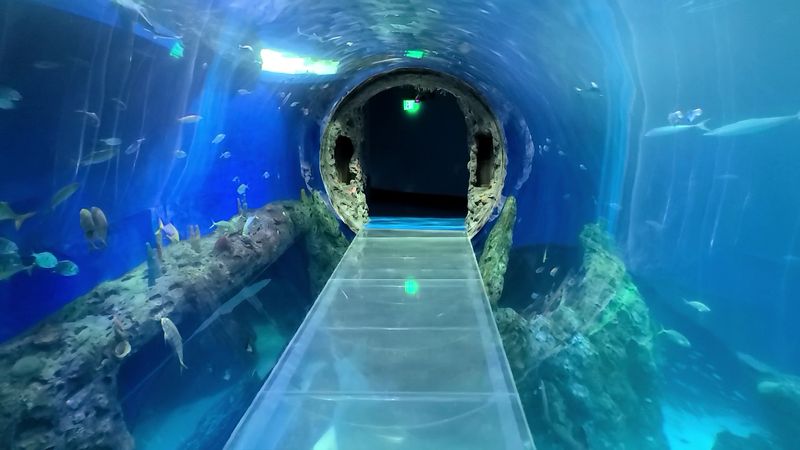
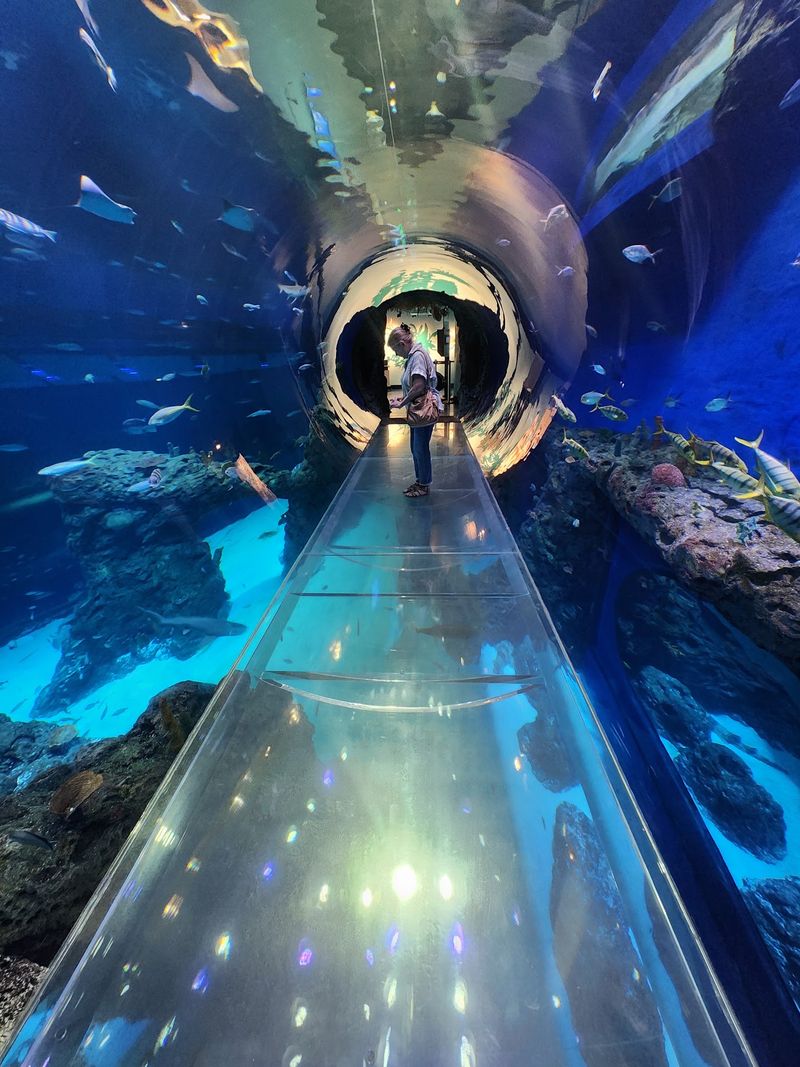
Imagine walking a hallway where the ceiling swims. Inside the aquarium’s 360-degree clear tunnel, rays, sharks, and schools of fish drift right over your head, and children often stop dead center just to stare straight up.
Nearby, a huge glass viewing wall gives the whole family a wide, cinema-style look at sea life gliding past. Plenty of guests say they lost track of time there, simply watching.
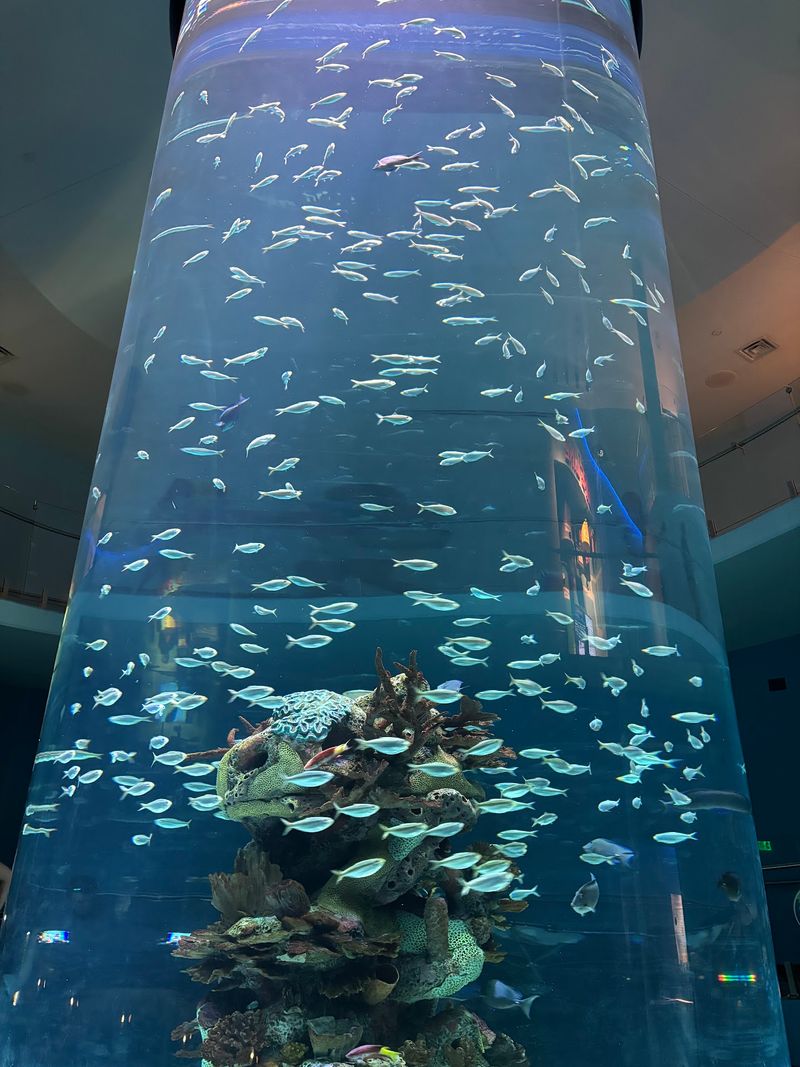
A central water column adds another eye-catching spot, glowing and moving like a living sculpture.
Compared with the busy outdoor areas, these indoor spaces feel cool and calm. Air conditioning makes them a smart retreat on sticky afternoons, and the soft blue light can settle overexcited kids before the next round of activity.
Photographers will appreciate the angles, though flash can bounce off glass, so it helps to turn it off. Strollers roll through easily, making this stretch simple for parents pushing babies or grandparents taking it slow.
Kids can also find smaller viewing caves and tunnels built at their height. Those little peek-through spots bring them face to face with animals in a way that makes them feel like explorers rather than spectators.
Touch Pools With Friendly Rays
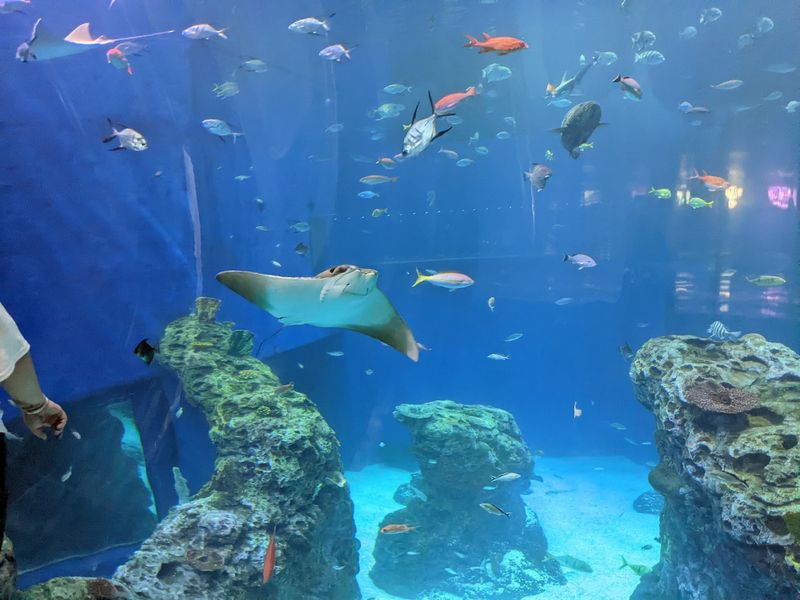
Two fingers, flat and gentle. Staff often coach kids on exactly how to touch the rays, and once those cownose rays glide up to the edge, giggles follow almost every time.
Touch pools rank among the most loved spots at the aquarium. Guests can interact with invertebrates, horseshoe crabs, rays, and even young sharks, depending on the station.
The rays seem especially curious, circling back again and again as if they enjoy the company.
Why does it matter so much? Feeling a smooth wing or a hard horseshoe crab shell turns a picture-book animal into something real.
That kind of hands-on moment tends to stick with children far longer than a sign on a wall.
Grandparents can join in too, since the pools sit at a comfortable reach. Keep hand wipes handy, and follow staff instructions closely so the animals stay healthy and relaxed.
Timing helps here. Weekday mornings may bring fewer people crowding the rails, which gives each child more time with the animals.
On busier weekends, waiting a few minutes usually opens up a spot, and the rays rarely seem to tire of visitors.
Otters, Beavers, And Gators Outdoors
Here is something many families do not expect: some of the most entertaining residents are not ocean animals at all. North American river otters tumble and swim with nonstop energy, and visitors bring them up again and again.
Just down the path, the beavers steal hearts in their own quieter way. Watching them paddle and work around their habitat feels surprisingly relaxing, and guests point out that beavers are not something you see at many aquariums.
Fans have even given them a nickname, the beaver bros.
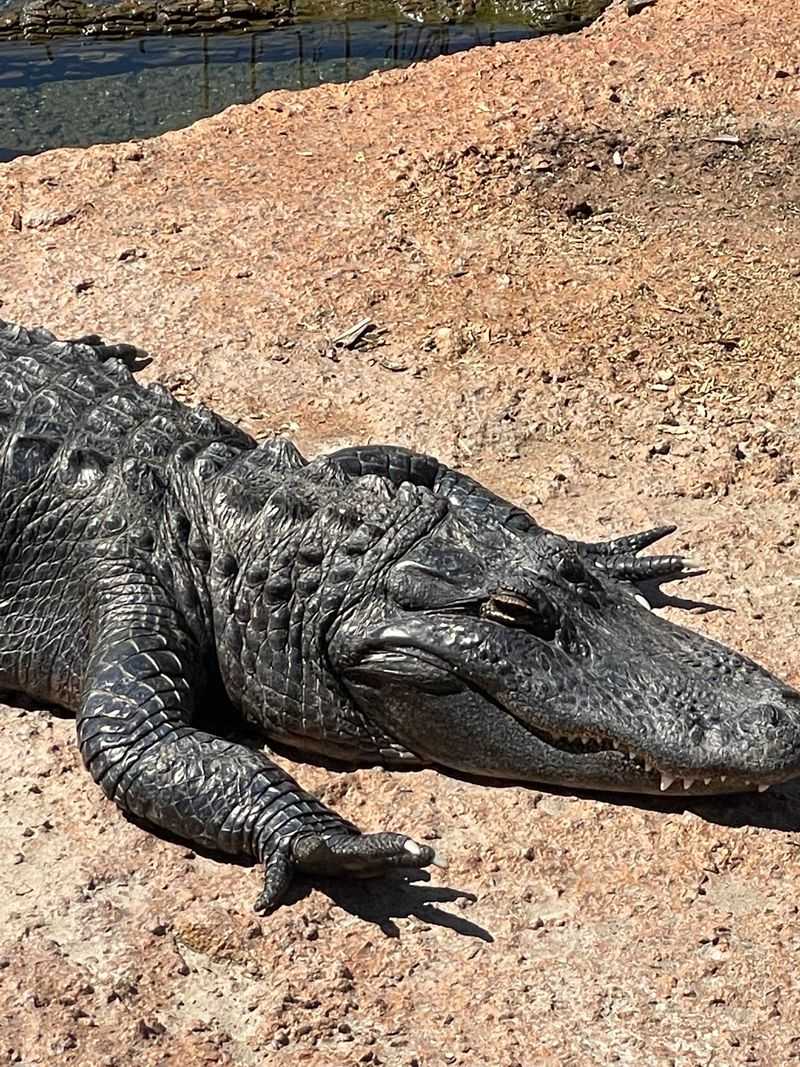
Alligators add a little Southern drama to the outdoor loop. Kids love spotting the still, sunbathing reptiles, while adults appreciate how the exhibits connect animals to the rivers and wetlands of the region.
A large part of the campus sits outside, and shade can be limited in places. Plan the outdoor walk for the morning during warm months, carry water, and take breaks indoors when little ones start fading.
River fish and native plants round out these habitats, showing how Gulf Coast waters link to inland streams. It quietly teaches that wildlife in Mississippi stretches well beyond the beach.
African Penguins On Parade
Penguins on the Mississippi coast sound like a riddle, yet a colony of African penguins waddles around here without any snow in sight. Unlike their icy cousins, these birds come from warmer shores, which makes them a neat fit for the Gulf climate.
Kids usually notice the black-and-white tuxedo look first, then the funny walk, then the speed once the birds hit the water. Watching that switch from clumsy to graceful makes for a fun science lesson about how animals adapt.
Families who want something extra can book a penguin experience for an added fee. Grandparents who treated their grandsons to both the penguin and dolphin experiences described the day as a memory the boys wanted to repeat the following year.
Short attention spans are welcome at this stop. Even a few minutes at the glass can deliver plenty of entertainment, and the habitat makes a good pause between longer exhibits.
Ask staff about the birds during your visit. Team members are often eager to share personalities, feeding habits, and fun quirks, which turns a quick look into a story your kids might retell at dinner.
Walk-Through Aviary Full Of Color
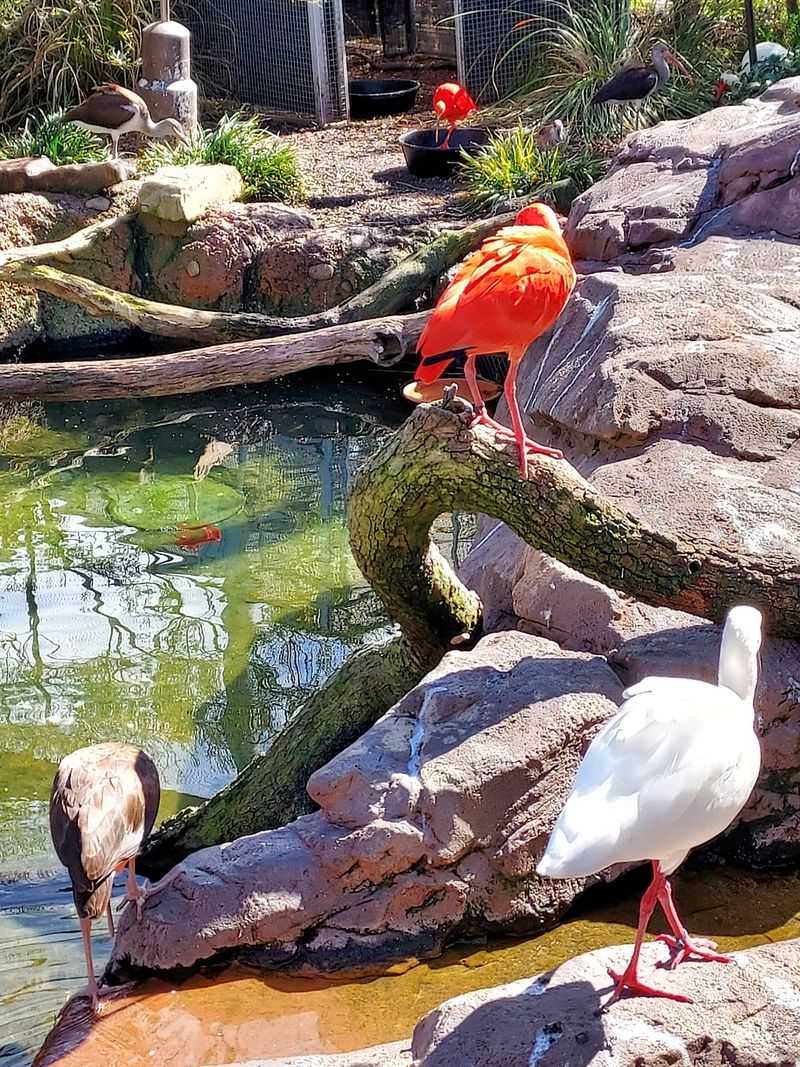
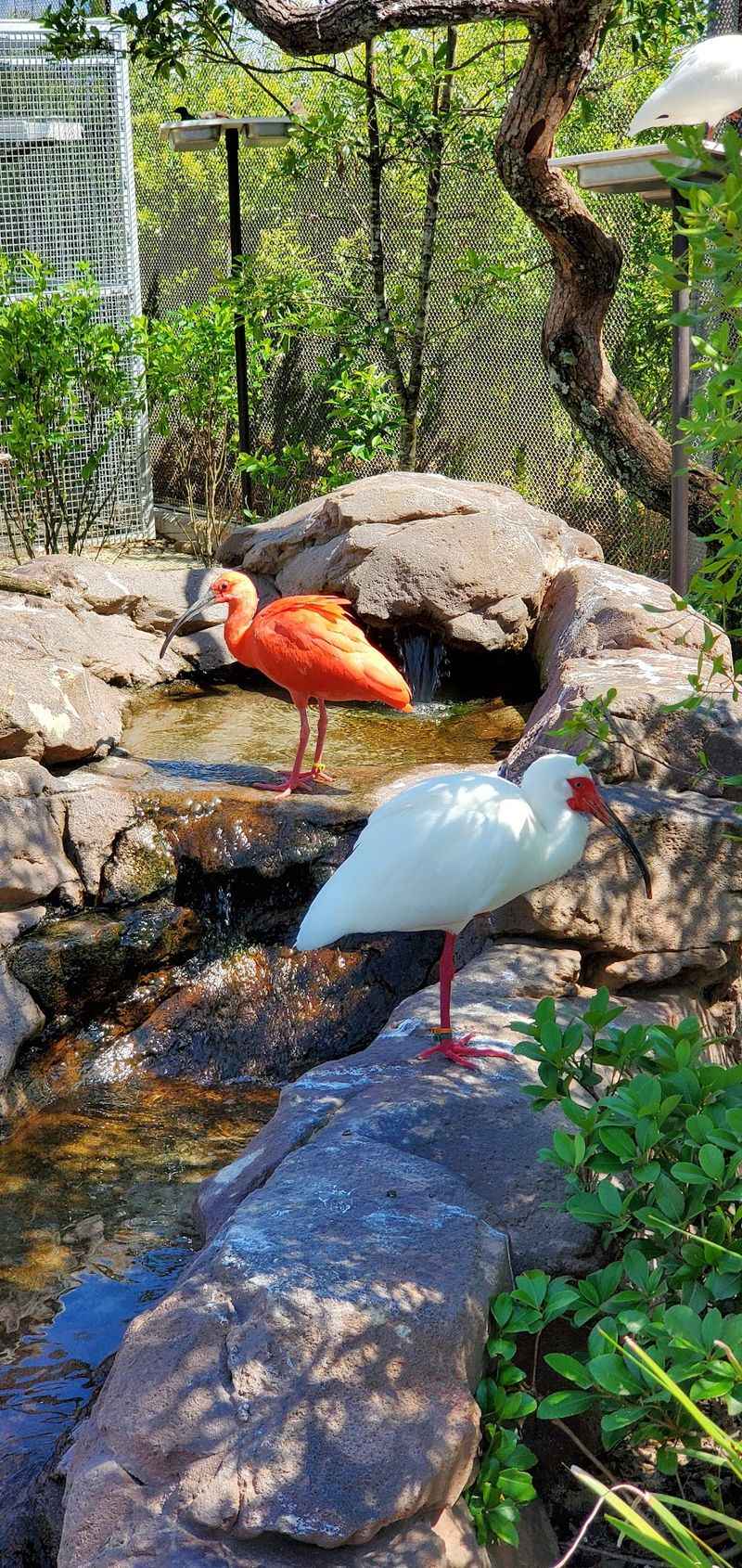
Wings flutter past at eye level the moment you step inside the aviary. Birds move freely around the space, and many guests say they spotted species they had never seen before.
Plenty of visitors arrive thinking only about fish and dolphins, so the bird area often ends up being a pleasant surprise. One aunt chaperoning a field trip named it her personal favorite, thanks largely to a friendly staff member who explained each bird with real enthusiasm.
Quiet voices help here. Children who slow down and watch closely may catch a bird landing nearby or hear calls echoing through the greenery, and that kind of patience feels like a small reward.
Elsewhere indoors, other surprises wait for animal lovers. Guests mention sloths, frogs, eels, an octopus, and sharks among the creatures they enjoyed.
A sloth may be tucked away resting, so set expectations with little ones in case it is napping out of view.
A coloring station also lets kids design sea creatures that come to life on screen, which visiting families mention fondly. It works well as a cool, seated break when legs need rest.
Atmosphere For Toddlers Through Grandparents
Clean, open, and easy to get around. Those three words come up over and over when families describe the feel of the place, and they matter a lot when you are wrangling a stroller and a grandmother at the same time.
Compared with giant big-city aquariums, this one runs smaller and often less crowded, which many parents actually prefer. Most groups see everything in about two hours, leaving energy for the beach or lunch afterward.
Who enjoys it most? Preschoolers love the touch pools and splashing dolphins, school-age kids gravitate to the tunnels and VR shark experience, and older adults appreciate the benches, air-conditioned rooms, and patient staff.
Groups of older friends have visited together and still found plenty to enjoy, especially indoors.
Strollers and wheelchairs are accommodated throughout, and wheelchairs can be rented at the ticket window on a first-come, first-served basis.
Local families with preschoolers may also want to ask about a free preschool membership program that some Gulf Coast parents have mentioned using. Details can change, so check eligibility directly with the aquarium.
Kindness toward animals runs through the whole visit, and kids tend to notice how well cared for the creatures look.
Hours, Tickets, And Money-Saving Tips
Doors open daily at 10 a.m. and close at 5 p.m., with last entry generally around 4 p.m. Hours can shift, so confirm the schedule before leaving home.
Budget-minded families should buy tickets online at least one full business day ahead. Recent advance pricing has been roughly $29.95 for adults, $23.95 for children, and $26.95 for seniors, with day-of tickets typically costing more.
A 7% ticketing fee is added to purchases, so factor that into your total.
Planning to come back? Annual passes can offer better value for families who live within driving distance, and several guests feel the passes stretch every dollar further.
Daily tickets allow re-entry, which is handy if you want to step out for a beach break and return. Outside food and drinks are not permitted inside, though an on-site cafe is available.
Some families suggest eating a good meal beforehand to keep costs down.
Bags, including diaper bags and purses, are checked at the entrance. Pack light to speed things up.
Special encounters with dolphins or penguins cost extra, so decide ahead which add-ons fit your budget.
Parking, Traffic, And Summer Survival
Finding the entrance from your car can be the trickiest part of the day. A covered parking garage operated by the Coast Transit Authority sits right next to the aquarium, with rates such as $2.50 for up to one hour or $11 for all day.
Signage between the garage and the front gate is not always obvious, so give yourself a few extra minutes. Some guests park around the corner and walk, though the garage keeps cars shaded during hot months, which is a real bonus in July.
Construction and traffic along the coast can slow things down, especially on weekends. Leaving early helps, and it frees up the afternoon for the beach or nearby shopping.
Summer heat deserves respect. Much of the campus is outdoors, so pack sunscreen, wear hats, and keep everyone hydrated.
Start with the outdoor habitats while mornings are cooler, then save the air-conditioned tunnels and indoor galleries for midday.
Weekday trips may bring lighter crowds, and families who visited on a weekday say the smaller crowds made everything more fun. Rainy days work too, since the indoor exhibits offer plenty to explore.