
This Could Easily Be The Single Most Breathtaking 2026 Roadside View In All Of Tennessee
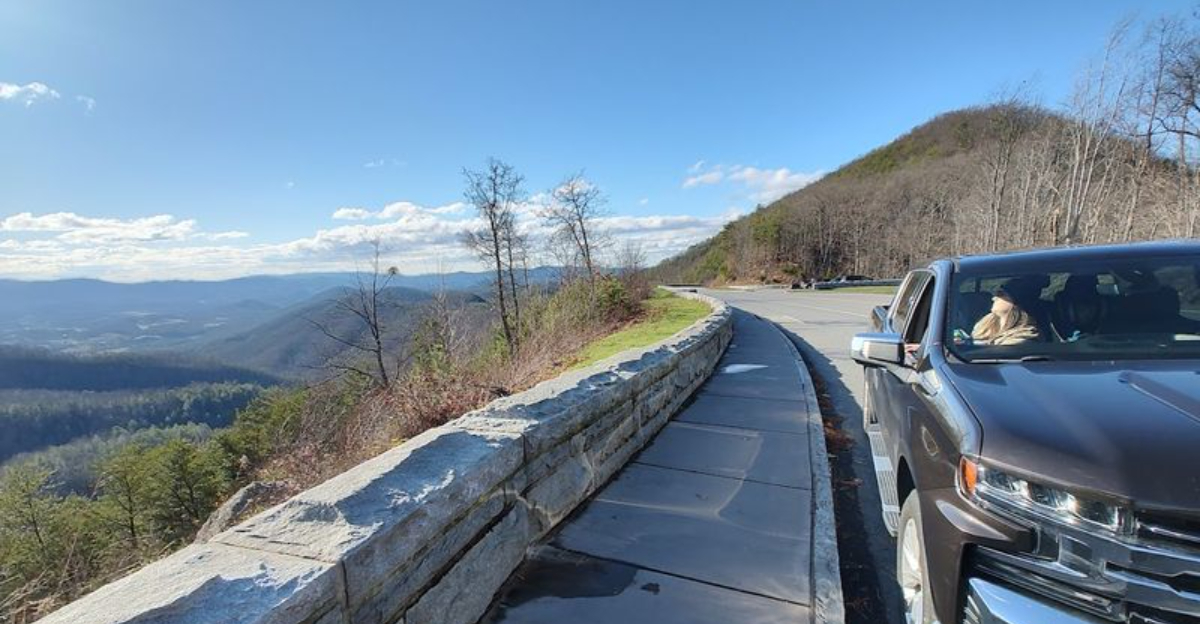
You’re driving along, not expecting much, and then the landscape suddenly opens up in a way that makes you slow down without thinking. The road curves, the air feels clearer, and the view stretches farther than you thought possible.
Tennessee has plenty of scenic routes, but this one delivers a moment that feels bigger than a typical roadside stop. A quick pull-off easily turns into a longer pause, where photos never quite capture the scale.
In 2026, it still stands out as one of those drives you’ll want to experience for yourself.
The Scenic Route That Rivals Any Postcard In The Country
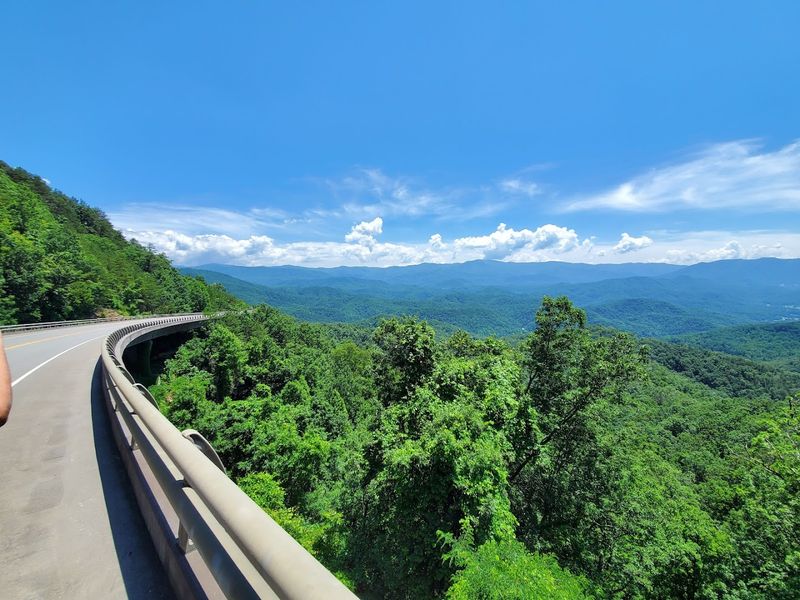
Most people assume the best mountain views require a strenuous hike. This place quietly disagrees.
Running along the northern edge of Great Smoky Mountains National Park, this scenic byway delivers ridge-top perspectives without asking anything more than a full tank of gas and a willingness to slow down.
The parkway stretches across two separate sections – a western segment near Walland and an eastern segment near Cosby. Together, they offer around 33 miles of driving that feels unlike anything else in the state.
The road traces the contours of the foothills with a kind of unhurried elegance, rising and falling in ways that keep revealing new angles of the mountains ahead.
Families, photographers, and solo travelers all find something meaningful here. The overlooks are well-maintained, the pulloffs are frequent, and the views change dramatically with every season.
In 2026, with visitation to the Smokies continuing to grow, Foothills Parkway remains one of the few places where the scenery still feels personal and unrushed.
Morning Light On The Smokies Changes Everything You Think You Know About Sunrise
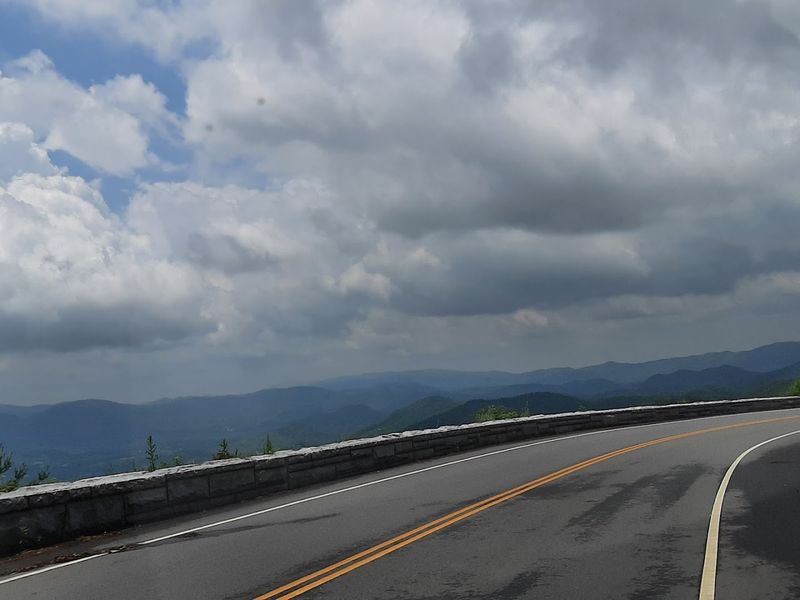
Arriving at one of the Foothills Parkway overlooks before the sun fully clears the ridgeline is a decision that pays off in ways that are genuinely hard to describe. The mist that collects in the valleys below catches the early light and turns the whole landscape into something luminous and layered.
It moves slowly, like something breathing.
Photographers have known about this phenomenon for decades. The combination of elevation, humid mountain air, and the eastward-facing ridgeline creates conditions that produce dramatic atmospheric effects almost every morning.
Even on overcast days, the soft diffused light gives the forest a quiet, saturated quality that feels almost cinematic.
Practical tip: arrive at least 30 minutes before official sunrise. The light shifts quickly, and the best colors often appear in the minutes just before the sun clears the ridge.
Parking at the Look Rock area, located along the western section near Walland, Tennessee, offers one of the most consistently rewarding sunrise positions on the entire parkway. Bring a jacket regardless of the season, because ridge-top temperatures run noticeably cooler than the valleys below.
Fall Color Season Turns This Drive Into Something Genuinely Unforgettable
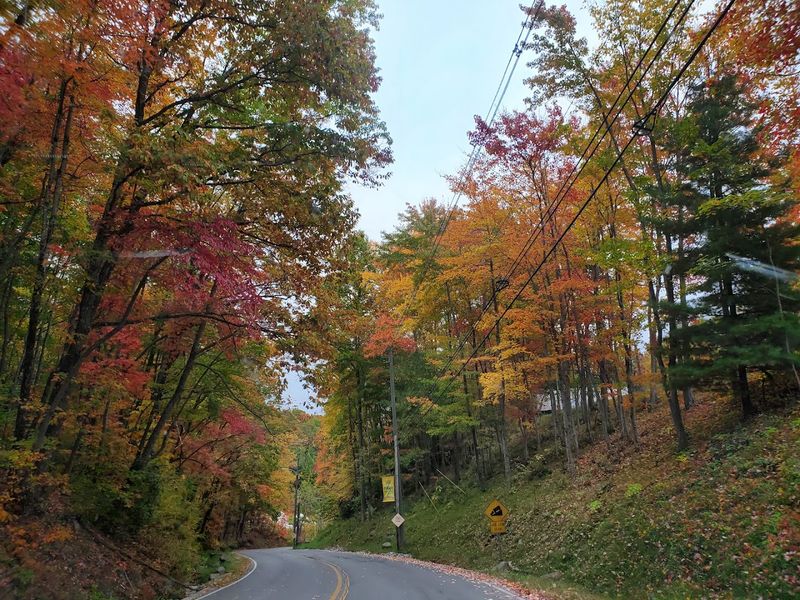
October along Foothills Parkway is the kind of experience that makes people rearrange their calendars the following year just to come back. The hardwood forests that blanket the Smoky Mountain foothills cycle through an extraordinary range of color – deep burgundy sourwood, bright yellow tulip poplar, and orange-red maples all competing for attention across the same hillside.
The peak color window typically runs from mid-October through early November, though elevation plays a significant role. Higher ridgelines tend to turn first, so the western section of the parkway near Chilhowee Lake often shows peak color a week or two ahead of the lower valleys.
Timing a visit to catch color at multiple elevations on the same day is entirely possible with a bit of planning.
Traffic does increase during fall, and weekend mornings can bring lines of cars at the more popular overlooks. Visiting on a weekday, particularly Tuesday through Thursday, noticeably reduces congestion.
The reward for that small scheduling adjustment is a quieter, more personal experience on a road that genuinely deserves to be appreciated without distraction or hurry.
Look Rock Tower Offers A 360-Degree Perspective That Stops People Cold
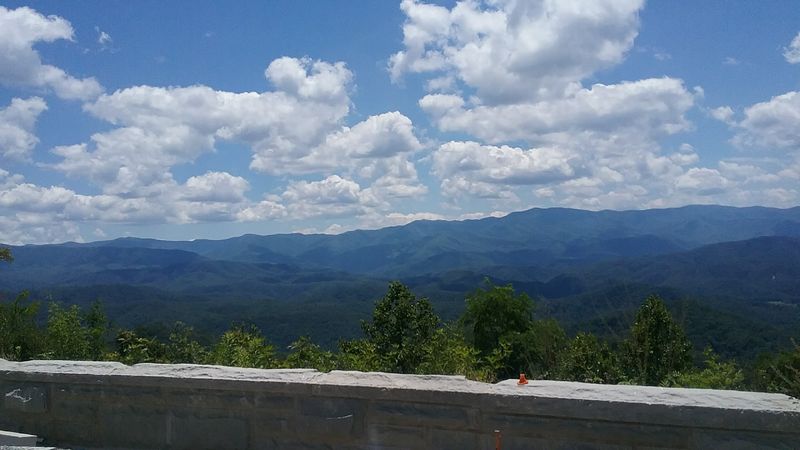
At the western end of the parkway, a short trail leads up to the Look Rock observation tower – a stone structure that sits at roughly 2,650 feet elevation and offers one of the most complete panoramic views available anywhere in the region. On a clear day, the view stretches across multiple Tennessee counties, and on exceptionally clear mornings, distant ridgelines in North Carolina become visible on the horizon.
The tower itself has a utilitarian charm. It was originally built as a fire lookout, and the stone construction gives it a permanence that feels appropriate for a spot with this kind of vantage point.
The trail from the parking area is only about a mile round trip, making it accessible for most visitors regardless of fitness level.
Children particularly enjoy the climb to the top, and the open platform gives everyone enough room to take their time scanning the landscape in every direction. The view to the west, looking out over Chilhowee Lake and the Tennessee Valley, provides a satisfying contrast to the forested mountain ridges visible to the south and east.
It rounds out the Foothills Parkway experience in a way that few single viewpoints can.
Wildlife Sightings Along This Road Happen More Often Than Most Visitors Expect
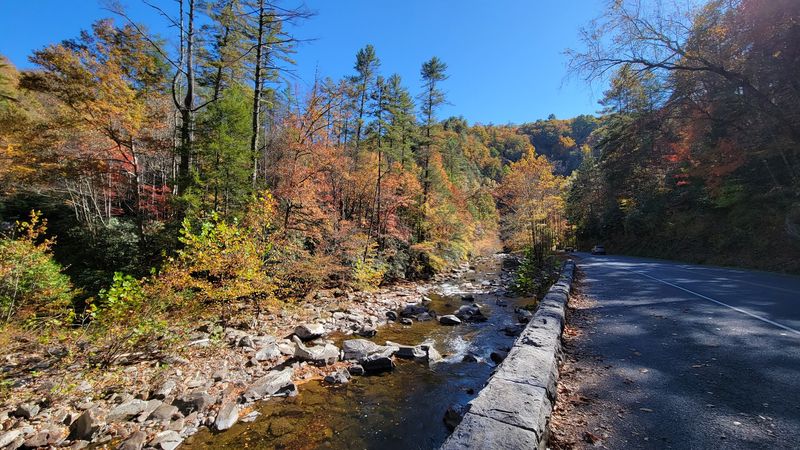
Foothills Parkway runs along the boundary of Great Smoky Mountains National Park, and that proximity matters in ways that go beyond scenery. The corridor supports a surprisingly active wildlife population, and slow-moving vehicles along the road create regular opportunities for sightings that feel spontaneous and unscripted.
White-tailed deer are common, particularly in the early morning and late afternoon hours when they move between feeding areas. Black bears occasionally cross the road, especially during late summer and fall when they are actively foraging ahead of winter.
Wild turkeys, red foxes, and a wide variety of bird species round out the roster of animals that call this stretch of the Appalachians home.
Keeping speeds low and staying alert at the treeline pays dividends here. Many of the best wildlife encounters happen not at designated overlooks but at quiet stretches of road where the forest presses close on both sides.
Pulling safely to the shoulder and waiting quietly for a few minutes often produces more sightings than actively searching. The animals here are accustomed to vehicle traffic, which makes calm, respectful observation more rewarding than in many other locations.
The Western Section Near Walland Delivers Views That Build Gradually And Beautifully
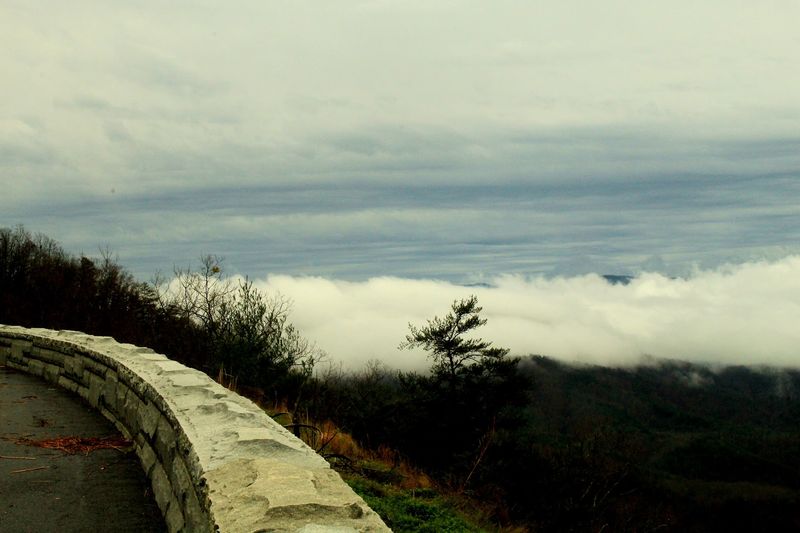
The western segment of Foothills Parkway begins near Walland, Tennessee, off U.S. Highway 321, and covers approximately 17 miles before ending near Chilhowee.
This section is the longer and more developed of the two segments, featuring multiple overlooks, the Look Rock campground, and the trail to Look Rock tower. It is the section most visitors encounter first, and it makes a strong impression from the opening miles.
What distinguishes this stretch is the way the landscape builds. The road climbs steadily from the valley floor, and with each gain in elevation, the view behind and below expands.
Chilhowee Lake appears through gaps in the trees, its surface shifting color depending on the light and time of day. The Tennessee Valley stretches westward in a broad, open panorama that provides a striking visual contrast to the dense forest rising to the east.
The road surface is well maintained, and the lane width is comfortable for standard passenger vehicles. Larger RVs should check current advisories before attempting the route, as some sections involve curves that require careful navigation.
For most travelers, though, this western section represents a smooth, accessible, and deeply rewarding introduction to everything Foothills Parkway offers.
Sunset From Any Overlook Here Turns The Sky Into Something Worth Pulling Over For
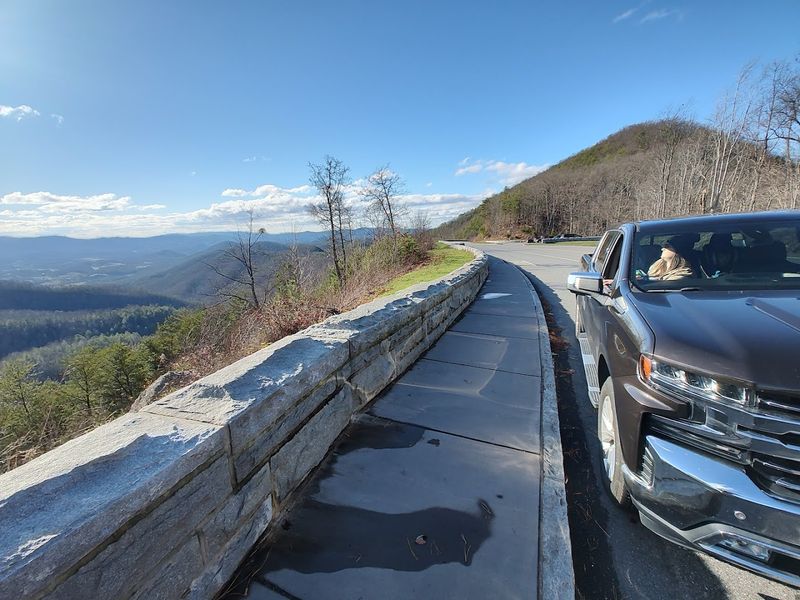
Sunsets on Foothills Parkway operate on a different scale than most places. The combination of elevation, open western exposure, and the layered silhouettes of the Smoky Mountain ridges creates conditions where the sky and landscape work together in ways that feel almost choreographed.
The light shifts from gold to amber to deep rose in a span of about twenty minutes, and the mountains below hold the last colors long after the sky above has gone dark.
The overlooks along the western section offer the clearest views toward the setting sun, with Chilhowee Lake occasionally catching enough reflected light to glow on the valley floor below. Arriving 45 minutes before sunset allows time to find a good spot and settle in without feeling rushed.
The atmosphere at these overlooks during the final hour of daylight is genuinely calm, even when other visitors are present.
Photographically, the challenge is deciding where to point the camera. The foreground detail of the forested ridgelines, the mid-ground of the valley, and the broad sky above all compete for attention simultaneously.
Experienced photographers often bring a wide-angle lens specifically for these overlooks, because standard focal lengths simply cannot capture the full breadth of what the eye sees.
The Eastern Section Near Cosby Offers A Quieter And More Intimate Experience
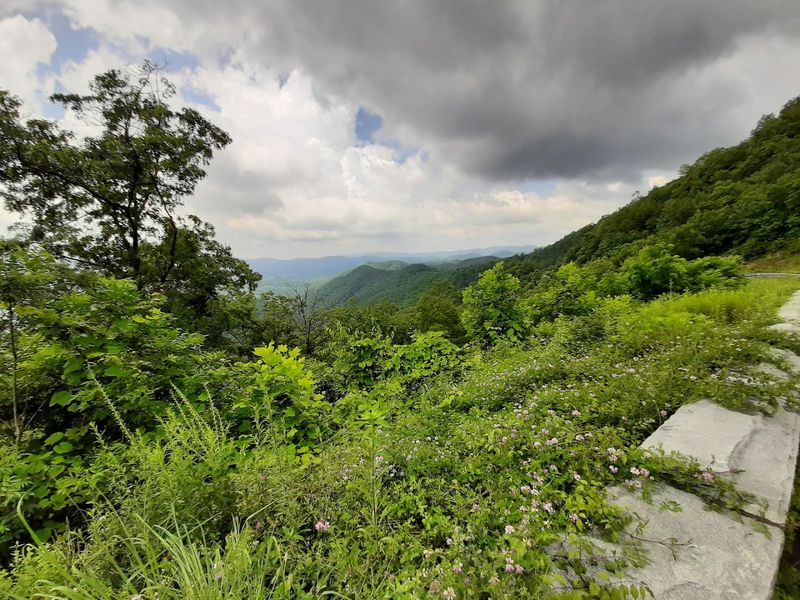
The eastern segment of Foothills Parkway runs for roughly 6 miles between Cosby and Interstate 40, and it carries a noticeably different character than the western section. Shorter and less trafficked, this stretch feels more like a secret passage than a designated scenic route.
The forest crowds closer, the road narrows slightly, and the overall atmosphere is one of quiet immersion rather than open panorama.
Views here tend to appear in glimpses rather than grand reveals – a sudden gap in the trees exposing a distant ridge, a clearing that frames Mount Cammerer on the eastern horizon, a stretch of road where the canopy opens just enough to show a wide band of sky above the treeline. It is a more contemplative kind of scenic driving, and many visitors who have done both sections report preferring this one for its sense of discovery.
The Cosby area itself, accessible just a few miles south via Tennessee Route 32, is one of the quieter corners of Great Smoky Mountains National Park. Combining the eastern Foothills Parkway segment with a stop in Cosby makes for a half-day itinerary that feels genuinely off the main tourist circuit, even though it sits within easy reach of the park’s more visited areas.
Spring Wildflowers Along The Roadside Create A Color Show That Rivals The Mountains
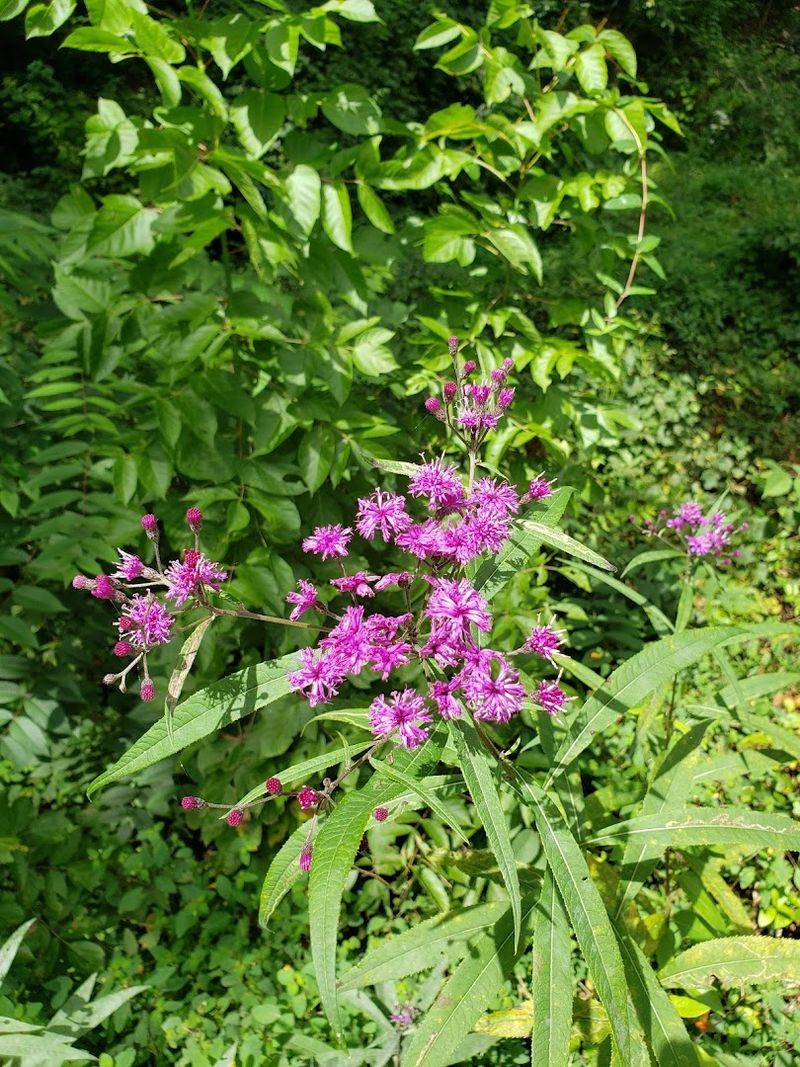
April and early May bring a transformation to the Foothills Parkway corridor that catches many first-time visitors completely off guard. The roadsides and forest edges explode with wildflower activity – trillium, wild iris, mountain laurel, and serviceberry all bloom in overlapping succession, creating a ground-level color display that competes with the mountain views for the eye’s attention.
The flowering sequence follows elevation. Lower sections of the parkway see blooms earlier in spring, while higher elevations near Look Rock peak two to three weeks later.
This staggered timing means a single visit in late April can catch multiple stages of the bloom simultaneously, with fresh flowers at the top and more mature growth lower down. It creates a layered spring experience that feels unusually rich for a single drive.
Rhododendron and mountain laurel follow later in the season, typically peaking in late May through June depending on the year. These larger shrubs line significant stretches of the road and produce dense clusters of pink and white blooms that arch over the pavement in places, creating natural tunnel effects that photographers find especially compelling.
Spring is arguably the most visually dynamic season on the entire parkway, though it faces stiff competition from fall.
Planning Your 2026 Visit To This Parkway Means Understanding A Few Key Details
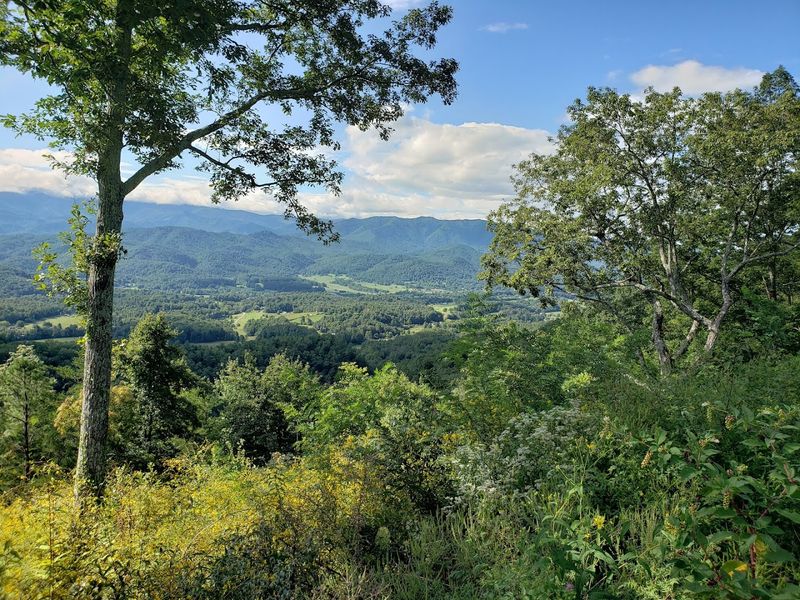
Foothills Parkway is free to access and does not require a national park entrance fee, which makes it one of the most accessible scenic drives in the entire Southeast. The road is managed by the National Park Service and is generally open year-round, though winter weather occasionally causes temporary closures on the higher sections.
Checking road conditions through the National Park Service website before a winter or early spring visit is a practical habit worth developing.
The western section entrance sits near Walland, Tennessee, off U.S. Highway 321, about 30 miles southeast of Knoxville.
The eastern section begins near the Cosby area off Interstate 40, making it convenient for travelers approaching from the north or east. GPS navigation works reliably for reaching both trailheads, though cell service can be inconsistent once on the road itself.
Fuel up before entering either section, as there are no gas stations along the parkway itself. Restroom facilities are available at the Look Rock campground area and at a few trailhead parking areas.
The entire western section can be driven comfortably in about 45 minutes without stops, though most visitors find themselves lingering at overlooks considerably longer than originally planned. Budget at least two to three hours for a proper visit.