
This Crumbling Nevada Mining Town Still Looks Like The Early 1900s
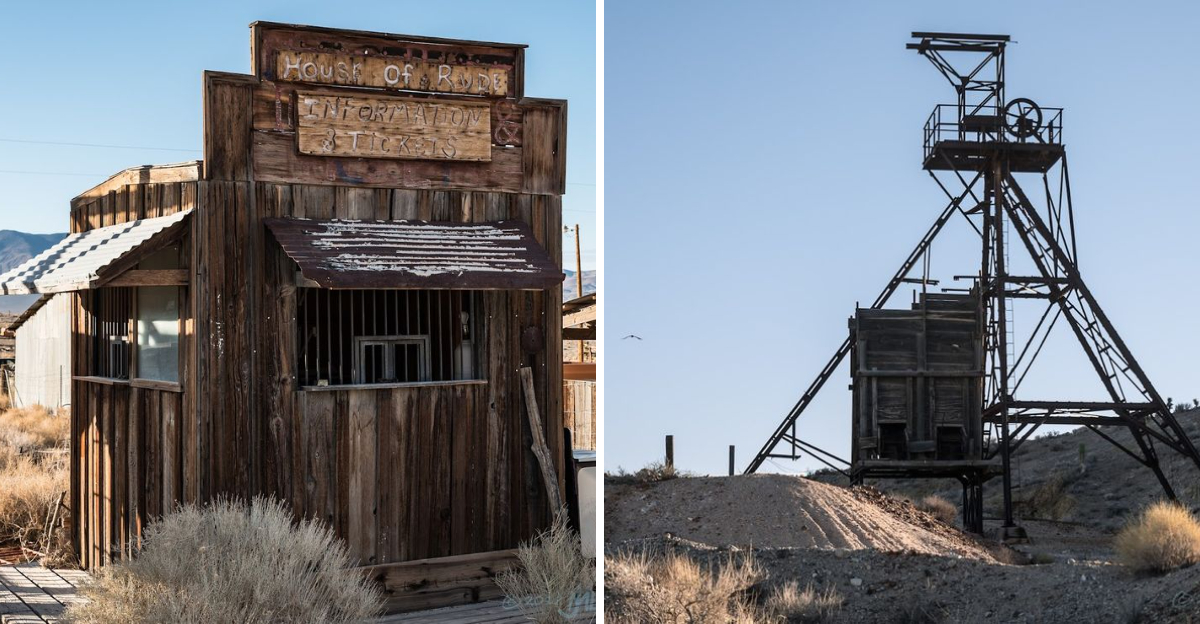
Dust, silence, and old wooden storefronts do something strange out here. One minute, you are driving through wide-open Nevada desert, and the next, the modern world feels very far behind you.
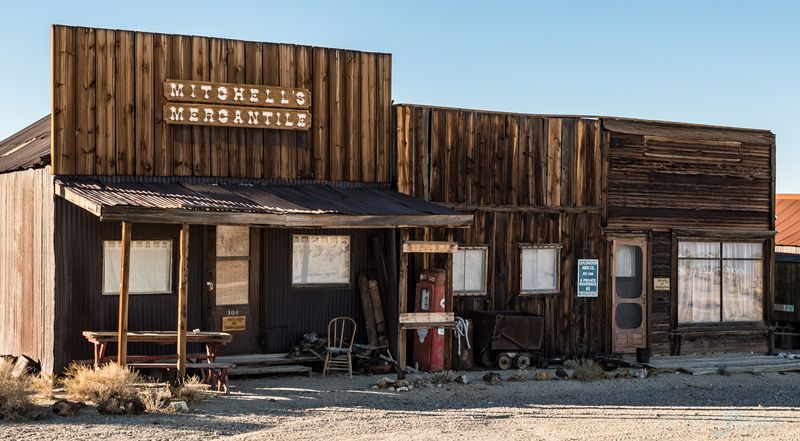
Rusted mining equipment, sunbaked cabins, and weathered saloons make the whole place feel less like a roadside stop and more like a living postcard from the boom days. Nothing here feels polished, and that is exactly the charm.
The streets still carry the grit of prospectors, long shifts, lucky strikes, and hard desert lives. Visitors who love old towns, eerie quiet, and real Western character will find plenty to stare at.
This is the kind of place where every creaky board seems ready to tell one dusty old story.
Gold Point Started As A Silver Camp Before Gold Changed Its Name
Silver brought the first prospectors to this isolated corner of Nevada in the late 1800s. Miners originally called the settlement Hornsilver, a name that reflected the valuable ore they pulled from the surrounding hills.
The camp grew quickly as word spread about the rich deposits waiting underground.
Prospectors arrived with pickaxes and dreams, establishing claims across the rocky terrain. Within a few years, the small camp had transformed into a bustling community with permanent structures.
The silver boom created jobs and attracted families who built homes and businesses to support the mining operations.
Life in those early days centered entirely around extracting ore from the earth. The name Hornsilver stuck for decades until later discoveries shifted the focus to a different precious metal.
That transition would eventually give the town the identity it carries today.
The Town Once Had Saloons, Hotels, Cafes, And A Post Office
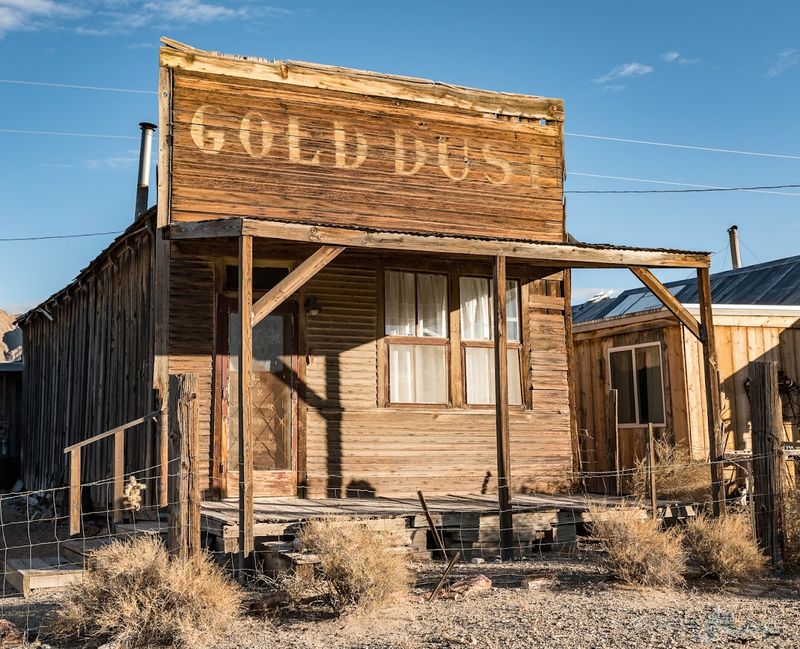
At its peak, Gold Point functioned as a complete town with all the services miners and their families needed. Several saloons lined the main street, providing entertainment and social gathering spots after long shifts underground.
Hotels offered beds to newcomers and visiting businessmen who arrived to assess mining opportunities or deliver supplies.
Cafes served hot meals to workers who had no time or energy to cook for themselves. The post office connected residents to the outside world, delivering letters from distant relatives and newspapers from larger cities.
General stores stocked everything from mining tools to fabric for making clothes.
This infrastructure made Gold Point more than just a work camp. Families could build real lives here, with children attending school and women forming social clubs.
The town had achieved the kind of permanence that suggested it would last for generations.
Many Original Buildings Still Stand More Than A Century Later
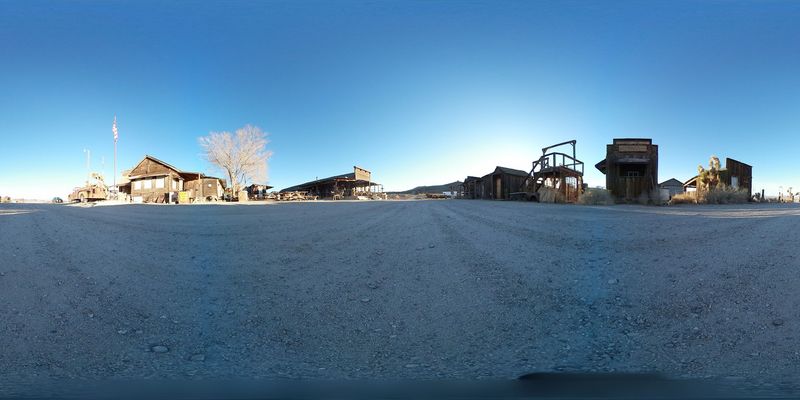
Wandering through Gold Point today means encountering structures that have survived more than a hundred years of desert conditions. The dry climate has preserved wood and metal better than moisture would have allowed elsewhere.
Buildings lean at odd angles, their boards grayed by decades of sun and wind, but they remain standing.
Some structures retain their original purposes while others have been adapted for new uses. The harsh environment has taken its toll, with broken windows and collapsed rooflines marking certain buildings.
Yet the overall streetscape remains remarkably intact compared to many abandoned mining towns.
Preservation efforts by dedicated individuals have prevented total decay. Visitors can still identify which building served as a store, which housed the saloon, and where miners slept.
This physical continuity with the past makes Gold Point exceptional among Nevada ghost towns.
The Old Post Office Now Works Like A Small Museum
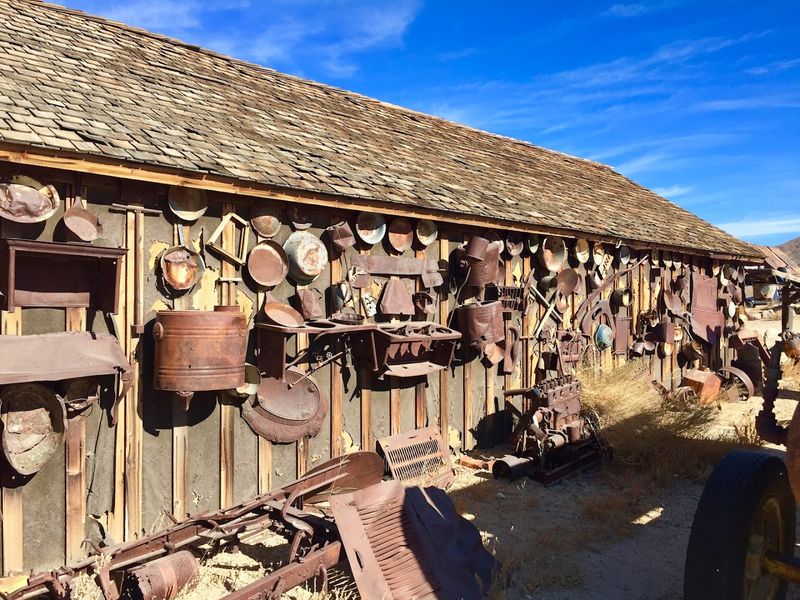
The former post office has found new purpose as a repository of local history. Inside, visitors find artifacts from the mining era carefully arranged to tell the story of daily life in Gold Point.
Old photographs show the town in its prime, with crowded streets and busy storefronts that contrast sharply with the quiet present.
Mining tools, household items, and personal belongings fill the space. Each object offers evidence of how people worked, cooked, dressed, and entertained themselves during the boom years.
The collection has grown as longtime residents and their descendants have donated family heirlooms.
Reading the faded labels on product tins or examining handwritten ledgers creates an intimate connection to the past. The museum operates informally, without the polished presentations found in larger institutions.
That rough authenticity makes the experience feel more genuine and less staged for tourists.
Its Early Boom Began With High-Grade Silver Ore
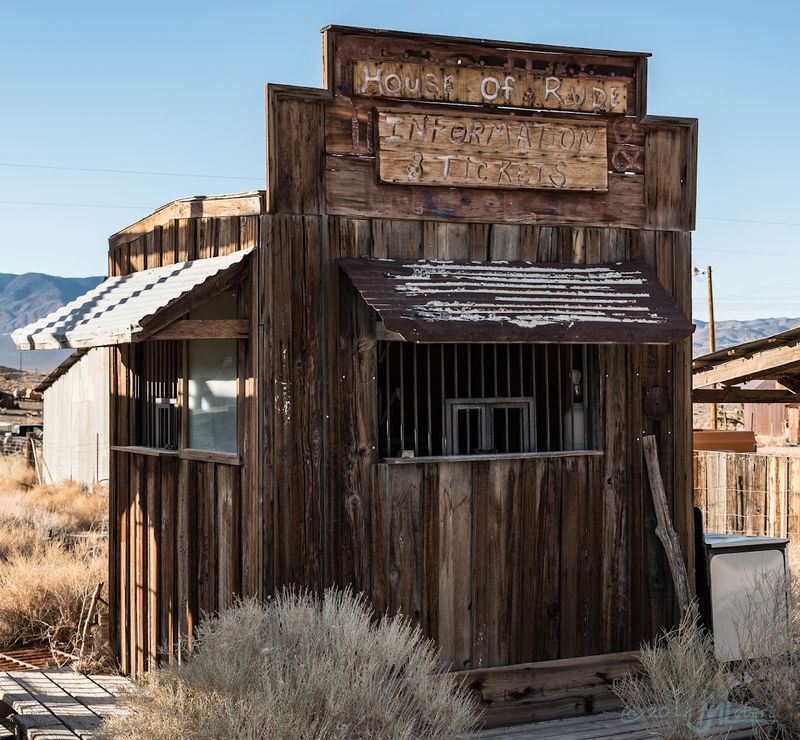
The quality of silver ore discovered near Hornsilver exceeded what prospectors found in many other Nevada camps. Rich veins of metal ran through the rock, making extraction profitable even with the primitive technology available in the late 1800s.
Miners could see the silver glinting in their lantern light as they worked underground.
High-grade ore meant less processing was needed to separate valuable metal from worthless rock. This efficiency attracted investment and kept operations running smoothly during the early years.
The town grew rapidly as news of the quality deposits spread throughout mining circles.
Production levels climbed steadily as more shafts opened and equipment improved. For a time, Hornsilver ranked among Nevada’s more productive silver camps.
The prosperity funded construction of better buildings and brought amenities that made life more comfortable in the harsh desert environment.
Gold Mining Gave The Town Its Current Name
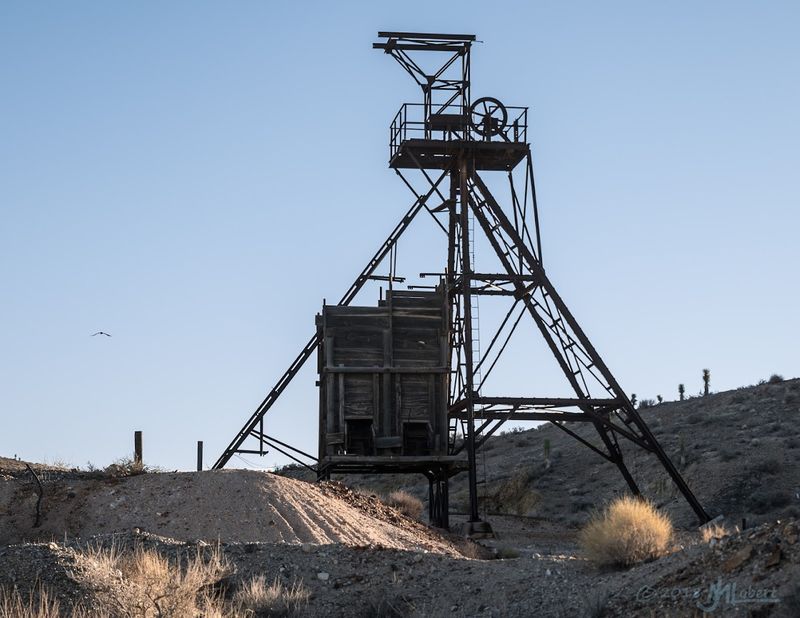
Gold discoveries eventually overshadowed the silver deposits that first put the town on the map. Prospectors found promising gold veins in the early 1900s, shifting attention and investment toward the yellow metal.
The transition happened gradually as miners explored new areas and reassessed old claims with fresh eyes.
As gold production increased, residents decided the old name no longer fit their community. They chose Gold Point to reflect the new economic reality and perhaps to attract additional prospectors and investors.
The name change marked a new chapter in the town’s history.
Gold mining required different techniques and equipment than silver extraction. New machinery arrived, and experienced gold miners joined the workforce.
The town adapted to these changes while maintaining its essential character as a remote desert mining camp where fortunes could be made or lost.
World War II Helped Bring Mining To A Halt
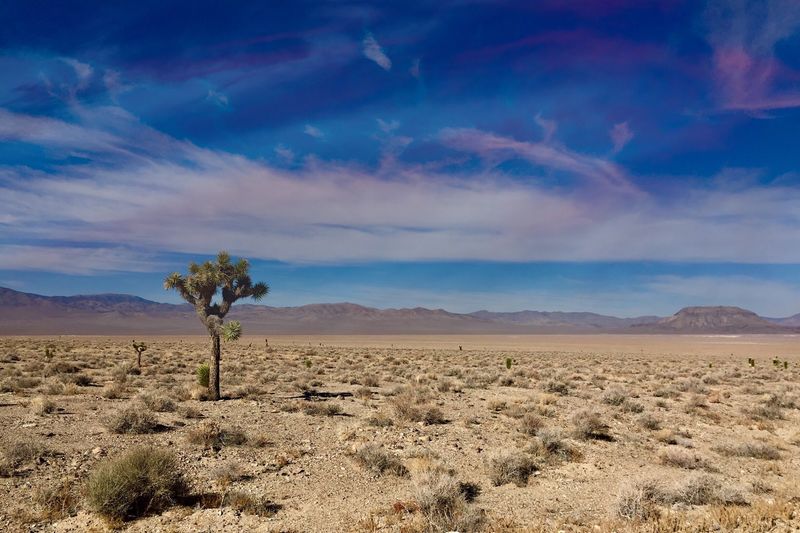
Federal restrictions during World War II devastated gold mining across the American West. The government declared gold mining nonessential to the war effort, directing labor and resources toward materials needed for military production.
Mines that had operated for decades suddenly went silent as workers left for defense jobs or military service.
Gold Point faced the same fate as countless other mining communities. Operations ceased almost overnight, and families packed up their belongings to seek work elsewhere.
The once-busy streets emptied as people moved to cities where war industries offered steady paychecks.
After the war ended, most mines never reopened. The economics had changed, and easier deposits had already been extracted.
Gold Point joined the ranks of Nevada ghost towns, its population dwindling to just a handful of hardy individuals. The buildings remained, slowly weathering in the desert sun.
A Few Residents Still Help Keep The Town Alive
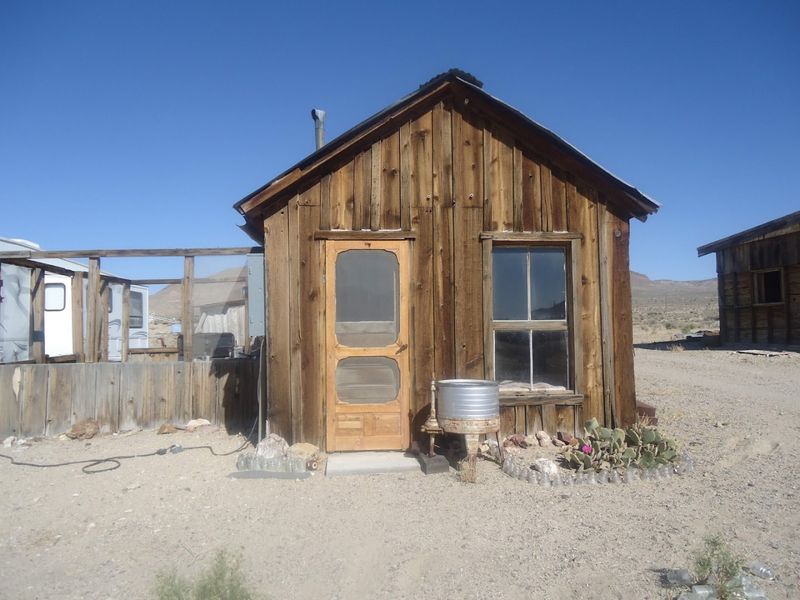
Gold Point never completely died like many abandoned mining camps. A small number of people have chosen to make this remote location their home, drawn by the solitude and unique character of the place.
These modern residents serve as unofficial caretakers, maintaining buildings and welcoming the occasional visitor who makes the journey.
Their efforts have prevented wholesale collapse and vandalism that plague unprotected ghost towns. They repair roofs, stabilize walls, and clear debris to keep the historic structures standing.
Some residents operate informal tours, sharing stories about the town’s colorful past with anyone interested enough to listen.
Living in Gold Point requires a special temperament and self-sufficiency. The nearest services lie miles away across empty desert, and modern conveniences remain limited.
Yet for those who value solitude and connection to history, this crumbling town offers rewards that urban life cannot match.
Visitors Can Stay Overnight In Restored Historic Cabins
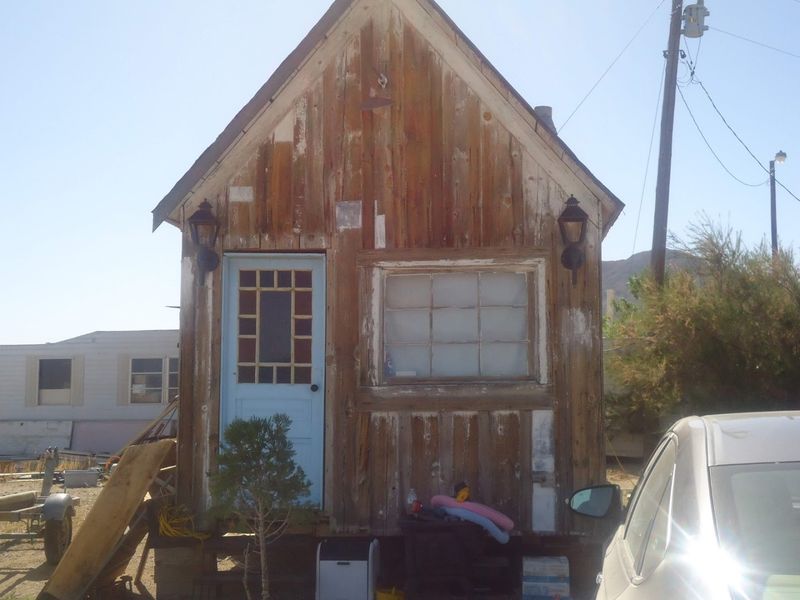
Gold Point offers something rare among ghost towns: the chance to sleep in authentic historic buildings. Several cabins have been carefully restored to provide basic overnight accommodations while maintaining their original character.
Guests sleep in the same rooms where miners rested after long shifts underground more than a century ago.
The cabins retain their rustic charm, with wood-plank walls and simple furnishings that evoke the past. Modern safety improvements have been made, but the atmosphere remains decidedly old-fashioned.
Spending a night here provides an immersive experience that day visits cannot match.
As darkness falls and silence settles over the desert, visitors gain a deeper appreciation for the isolation early residents endured. The star-filled sky appears impossibly vast without light pollution.
Morning brings desert birdsong and the chance to explore the town in the soft early light before heading back to civilization.
The Main Street Still Feels Frozen In The Mining Era
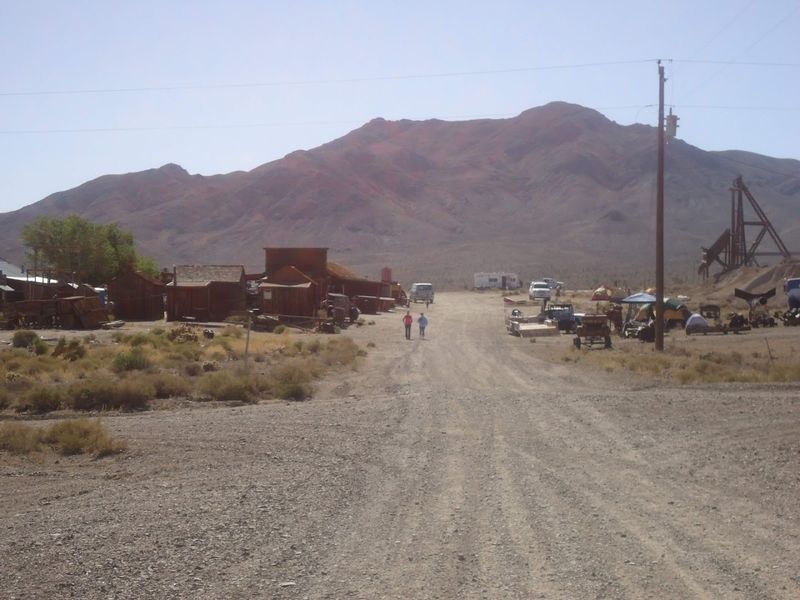
Walking down the main street of Gold Point creates an eerie sense of time travel. The dirt road runs between buildings that look much as they did when miners walked these same paths.
No modern storefronts or paved surfaces interrupt the historic atmosphere. Even the silence feels authentic, broken only by wind moving through empty doorways.
Weathered signs still hang above doorways, and hitching posts stand ready for horses that will never return. Rusted mining equipment sits where it was last used, too heavy to haul away when operations ceased.
The scene appears staged, yet everything here is genuine.
This authenticity makes Gold Point special among Nevada ghost towns. Located at Nevada 89013 along State Route 774, the town has avoided the commercial development that has altered other historic sites.
Visitors experience the mining era without modern intrusions, making it easier to imagine the bustling community that once thrived in this remote desert location.