
This Enormous Wisconsin Junk Store Feels More Like A Museum Of Rare Collectibles
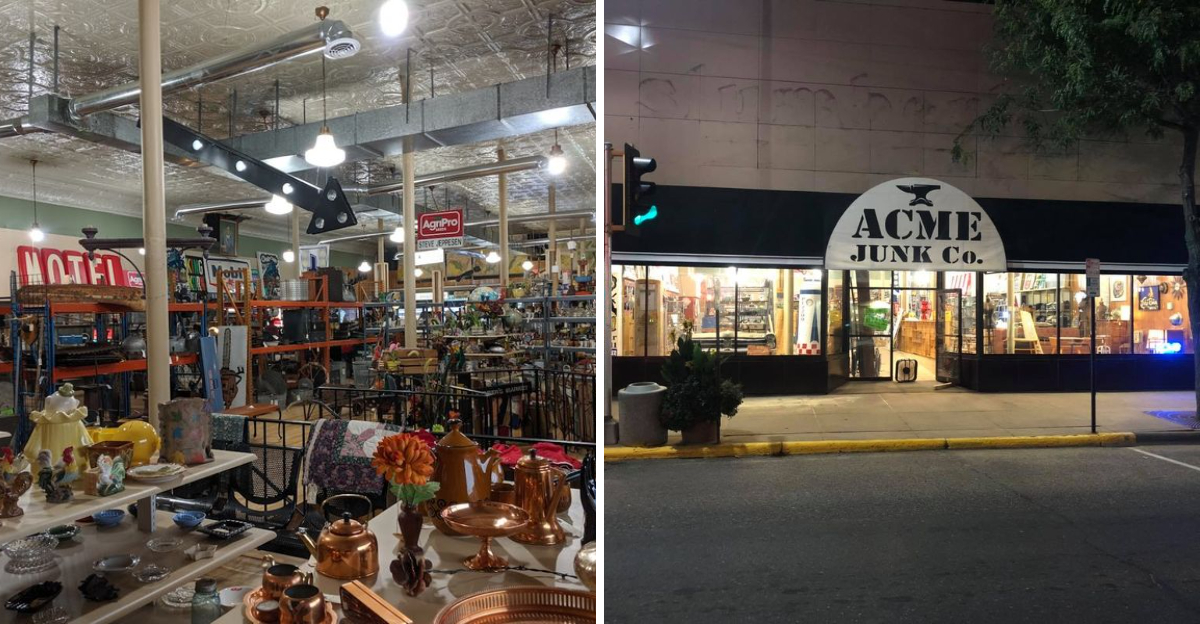
The moment you step inside, curiosity takes over. Shelves stretch in every direction, stacked high with vintage treasures, strange antiques, and objects that look like they belong in a history exhibit.
A rusty sign catches your eye. An old toy sits beside a typewriter that might have typed thousands of letters decades ago.
This enormous junk store in Wisconsin feels less like a shop and more like a living archive of everyday life. Each aisle reveals another surprise, turning a simple browse into a treasure hunt through the past.
A Milwaukee Vintage Shop That Feels Like A Treasure Hunt
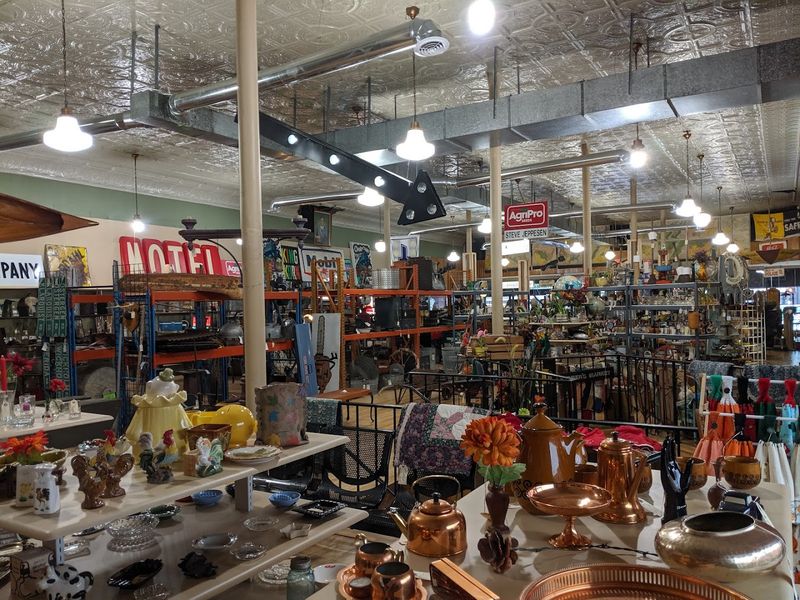
Walking through ACME Junk Co. requires a particular mindset, one that embraces discovery rather than efficiency. The store does not organize itself according to conventional retail logic.
Instead, objects cluster by instinct and available space, creating unexpected juxtapositions that spark curiosity.
The main floor holds larger pieces and architectural salvage. Basement vendors specialize in mid-century finds and glassware, particularly Pyrex collections that draw enthusiasts from across state lines.
Each visit reveals items previously overlooked, hidden behind newer arrivals or simply missed in the visual abundance.
The owner maintains a rotating inventory that ensures freshness. What appeared last month may have found a new home, replaced by estate sale discoveries or barn finds.
This constant turnover rewards regular visitors while maintaining the thrill of first-time exploration for newcomers to the space.
Shelves Packed With Vintage Advertising And Retro Signs
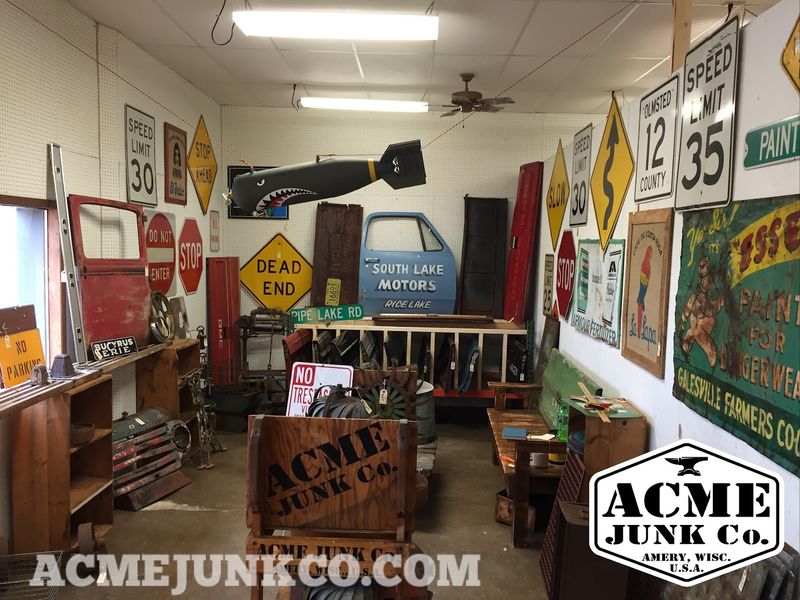
American advertising history hangs from every available wall surface at ACME Junk Co. Metal signs promoting gasoline brands, soft drinks, and farm equipment create a visual timeline of commercial art.
Some pieces command significant prices, particularly large porcelain signs in excellent condition that restaurant chains and designers seek for atmosphere.
The collection includes painted wood advertisements, tin lithographs, and neon fragments from businesses that closed generations ago. Each sign represents a moment when someone believed deeply in a product or service worth announcing to the world.
Colors remain surprisingly vibrant on many pieces, protected by chance or careful storage before arriving here.
Serious collectors appreciate the authenticity of the offerings. The owner sources directly from estates and barns rather than reproduction wholesalers.
This commitment to genuine articles means higher prices on certain items, but also ensures that buyers acquire actual history rather than manufactured nostalgia.
Rare Antiques And Oddities Fill Every Corner
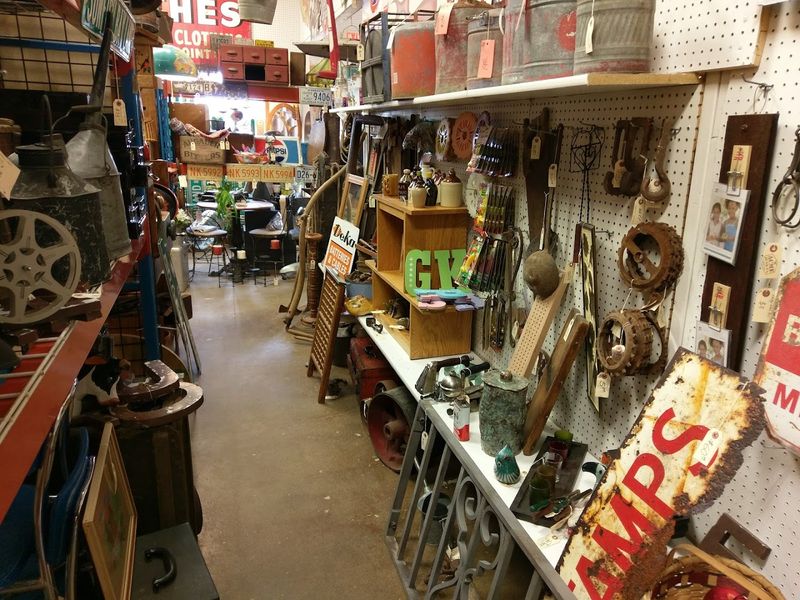
ACME Junk Co. houses objects that defy easy categorization. Industrial machine parts rest beside Victorian parlor decorations.
Medical equipment from rural hospitals shares shelf space with carnival prizes and agricultural implements no longer manufactured. The accumulation suggests a mind interested in preservation regardless of conventional value systems.
Some items puzzle even experienced collectors. Their original purpose requires explanation or imagination, which the owner provides willingly when asked.
These conversations reveal the research behind acquisitions, the detective work required to understand objects divorced from their original context.
The oddity factor attracts photographers, set designers, and artists seeking inspiration or props. A single visit might yield Depression-era kitchen tools, taxidermy specimens, or fragments of architectural detail from demolished buildings.
The unpredictability forms part of the appeal, making each trip a gamble with favorable odds for those willing to search thoroughly.
Mid-Century Furniture Is One Of The Store’s Specialities
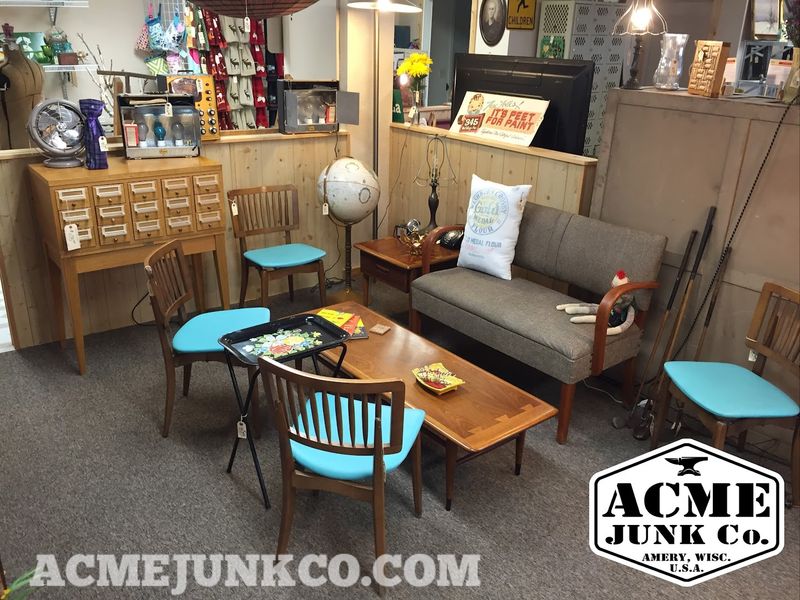
The basement level showcases furniture from the decades following World War II. Clean-lined chairs, teak credenzas, and atomic-age accessories represent an era when American design embraced optimism and geometric simplicity.
Vendors who rent space in this section understand the market for these pieces, pricing them according to condition and maker when identifiable.
Collectors hunting specific designers occasionally find unmarked treasures. The volume of inventory means that attribution happens gradually, and knowledgeable buyers can still discover undervalued pieces.
Upholstery often requires attention, but frames remain solid, built during a period when furniture construction still prioritized longevity.
The mid-century focus extends beyond furniture to include lighting, textiles, and kitchen accessories. Orange and avocado tones dominate the color palette, punctuated by the occasional burst of harvest gold.
For those furnishing homes in period style, ACME Junk Co. offers sufficient variety to complete entire rooms without resorting to reproductions.
A Rotating Inventory Means No Two Visits Feel The Same
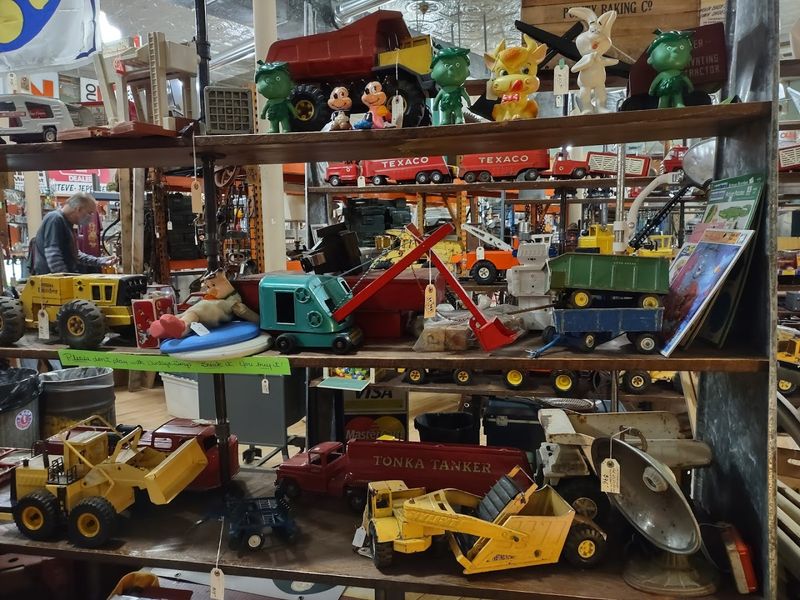
The owner of ACME Junk Co. actively acquires new inventory through estate sales, barn cleanouts, and direct purchases from families clearing ancestral homes. This constant influx prevents the stagnation that plagues some antique operations.
Regular customers report that monthly visits reveal substantially different offerings, particularly in smaller collectibles and household goods.
Seasonal buying patterns influence availability. Summer brings more barn finds as rural properties get organized.
Fall and winter see estate liquidations as families address inherited properties before holidays. The owner’s willingness to travel for promising collections ensures geographic diversity in the merchandise, pulling items from across Wisconsin and neighboring Minnesota.
This business model rewards patience and repeat visits. An item sought during one trip might appear weeks later, sourced from a completely different location.
The unpredictability frustrates goal-oriented shoppers but delights those who view antiquing as ongoing exploration rather than specific acquisition.
Movie Props, Industrial Decor, And Unexpected Finds
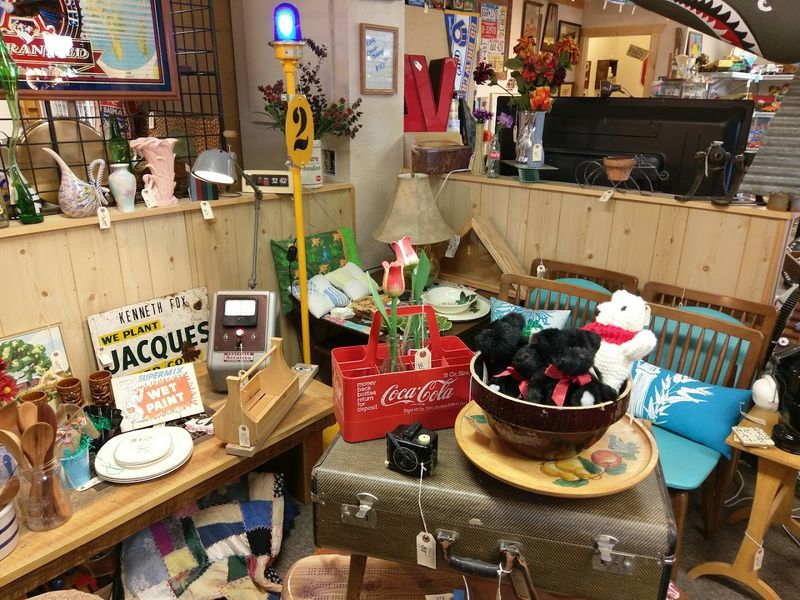
Film and theater professionals have discovered ACME Junk Co. as a resource for period-appropriate props and set dressing. The inventory includes industrial lighting fixtures, factory signage, and workplace equipment that establishes authenticity in productions set during the mid-twentieth century.
These items possess the wear patterns and patina that cannot be convincingly faked in prop shops.
Industrial decor has moved from film sets into residential and commercial design. Exposed brick restaurants and loft apartments seek factory carts, metal lockers, and warehouse shelving to establish aesthetic credibility.
ACME Junk Co. supplies these elements at prices lower than specialized industrial decor retailers, though buyers must provide their own transportation for larger pieces.
The unexpected finds category defies inventory listing. One visit might reveal a complete set of bowling alley seating, while another produces vintage dental chairs or a collection of hand-painted carnival game boards.
These singular items attract buyers seeking statement pieces that guarantee conversation and resist duplication in any other home.
Vintage Collectors And Designers Both Love This Place
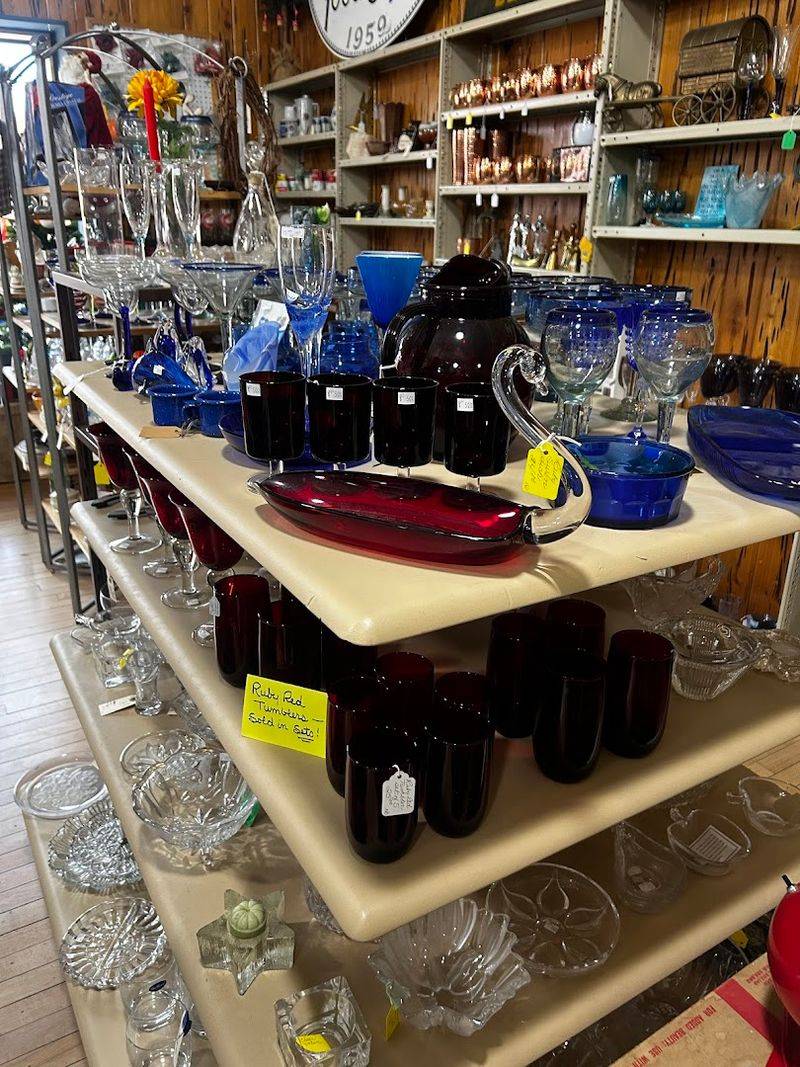
ACME Junk Co. serves two distinct but overlapping customer bases. Vintage collectors pursue specific categories with encyclopedic knowledge, hunting Depression glass patterns or particular toy manufacturers.
These specialists appreciate the depth of inventory and the owner’s willingness to discuss provenance and condition honestly. They return regularly, building relationships that sometimes result in first notification when sought items arrive.
Interior designers approach the space differently, seeking visual impact and authentic elements for client projects. They photograph extensively, taking measurements and considering how pieces might function in designed environments.
The store provides source material for creating interiors with genuine character, allowing designers to avoid the homogenized look of furniture showrooms.
Both groups value the owner’s expertise and fair dealing. Stories circulate about his honesty, including instances where he returned money after discovering that sold items held greater value than initially recognized.
This reputation brings customers from considerable distances and generates word-of-mouth recommendations that traditional advertising cannot purchase.
The Store’s Layout Encourages Slow Exploration
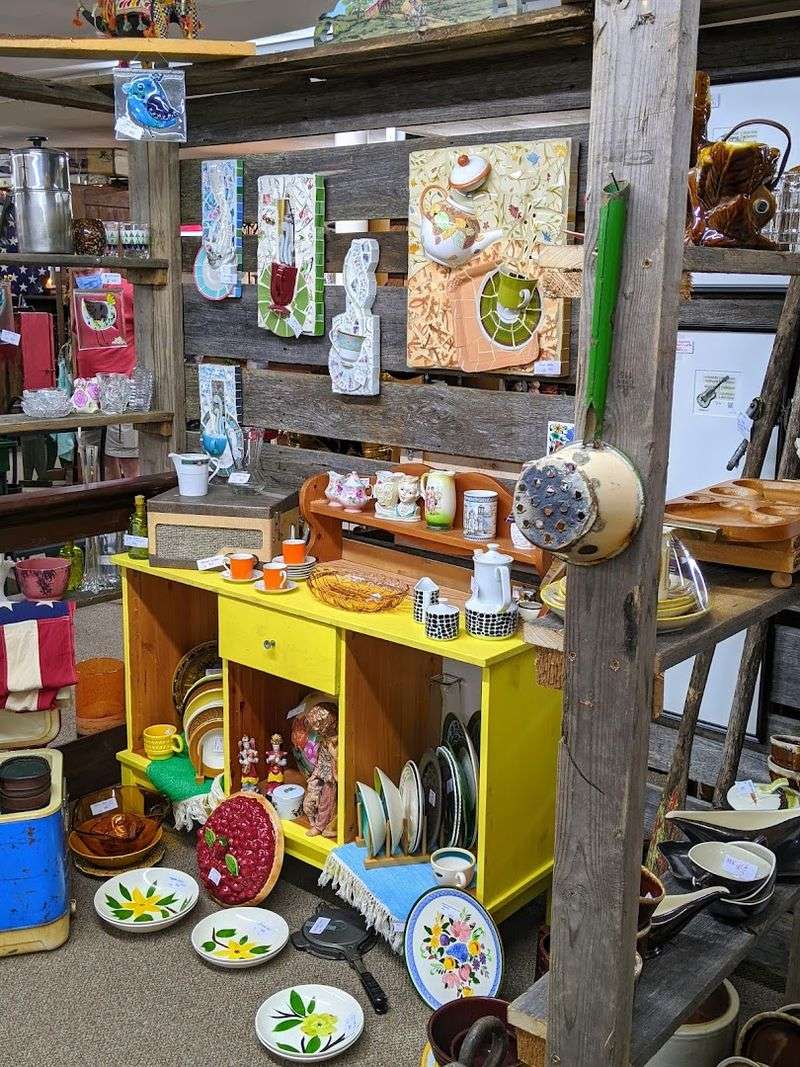
ACME Junk Co. does not accommodate rushed shopping. The density of objects and the multi-level layout require time and attention.
Aisles wind between display areas, occasionally narrowing where particularly large items demand space. This arrangement frustrates efficiency but rewards curiosity, as the best finds often hide behind more obvious merchandise.
Visitors report losing track of time inside the building. Two hours pass quickly when every shelf holds potential discovery.
The environment encourages a meditative state, a slowing down that modern retail actively discourages. Without background music or aggressive salesmanship, shoppers create their own pace and follow their own interests through the accumulated inventory.
The basement level particularly demands thorough exploration. Vendor booths create separate zones, each with distinct collecting philosophies.
Some focus on pristine condition and higher-end pieces, while others embrace the jumbled abundance that defines true junking. Navigating these spaces requires physical care and visual attention, as items stack vertically and occupy every horizontal surface.
One Of Milwaukee’s Most Fascinating Vintage Shops
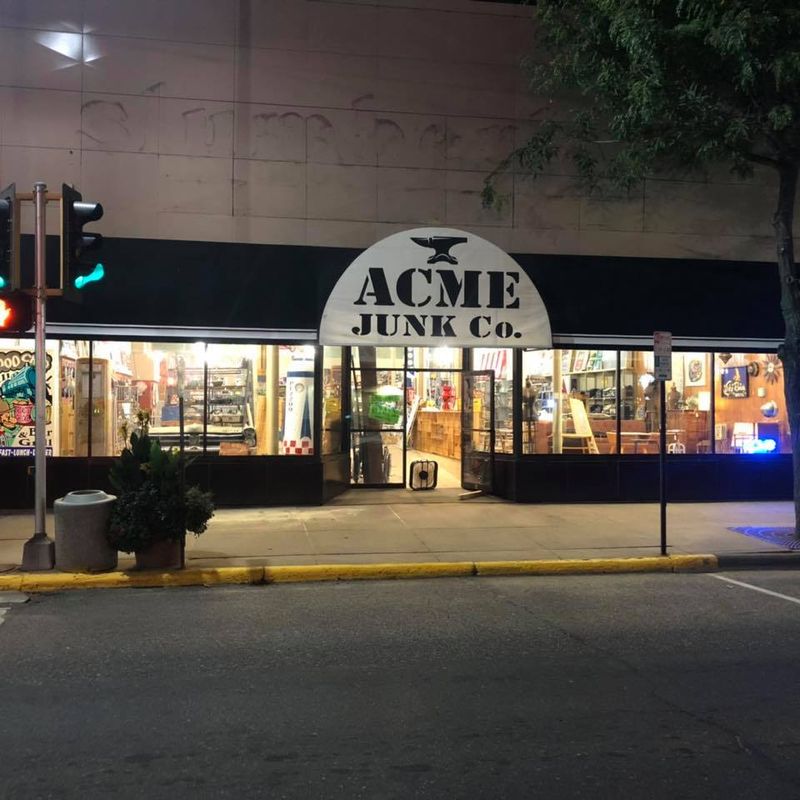
Despite its Amery location rather than Milwaukee proper, ACME Junk Co. attracts visitors from Wisconsin’s largest city and beyond. The drive north becomes part of the experience, a deliberate journey to a destination that rewards the effort.
Small-town antiquing offers advantages over urban competitors, primarily in pricing and space. The building’s generous footprint would prove economically impossible in metropolitan areas.
Amery itself provides additional attractions for day-trippers. Other antique operations, including Ruby Mae’s vintage furniture, cluster in the downtown area.
Local restaurants offer breaks between shopping sessions. The town has embraced its identity as an antiquing destination, creating an ecosystem that supports multiple businesses serving similar customer bases without destructive competition.
The fascination stems partly from scale and partly from curation. ACME Junk Co. avoids the picked-over feeling of shops located in high-traffic tourist areas.
Inventory turns over through actual sales to end users rather than dealer-to-dealer transactions. This dynamic keeps prices reasonable and selection fresh, justifying the travel time for serious collectors and casual browsers alike.
A Place Where Old Objects Get A Second Life
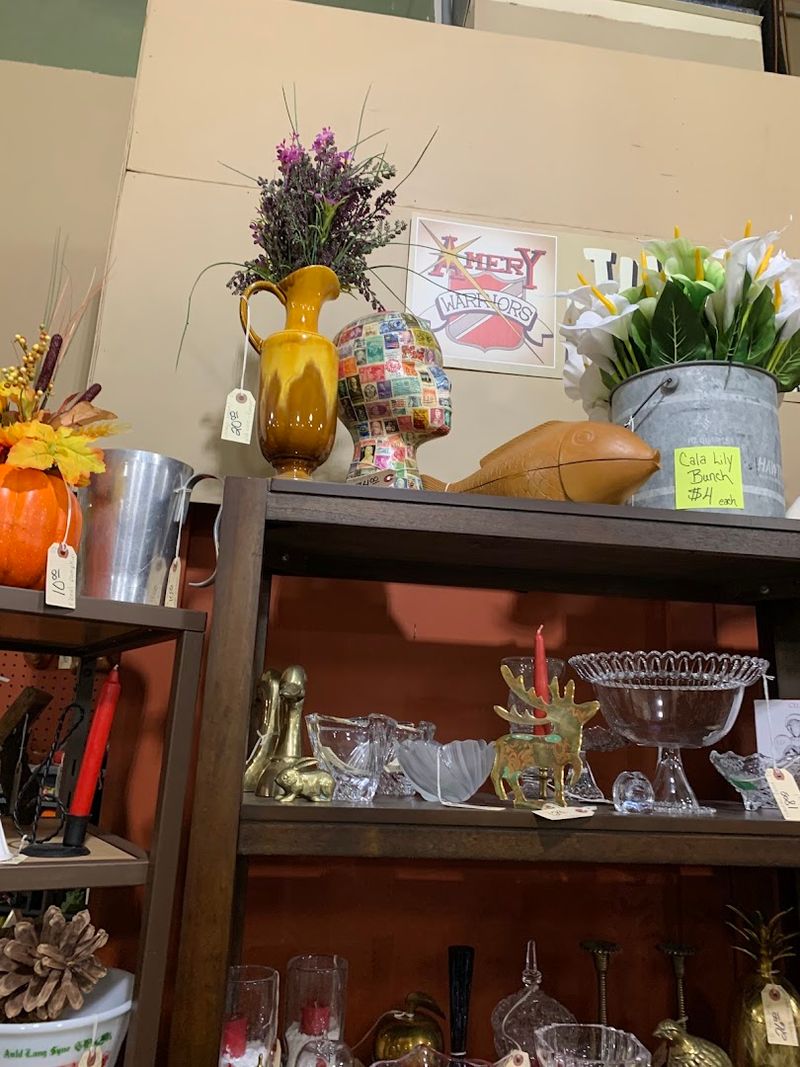
ACME Junk Co. functions as a waystation between obsolescence and renewed purpose. Objects that might have reached landfills instead find buyers who recognize continued utility or beauty.
This circulation prevents waste while preserving material culture that documents how previous generations lived, worked, and decorated their environments. The store participates in a larger movement that values repair and reuse over constant replacement.
Some items get repurposed entirely. Architectural salvage becomes garden art.
Industrial equipment transforms into lighting fixtures. Basement vendors specialize in upcycling, taking damaged or incomplete pieces and reimagining them for contemporary use.
This creative recycling adds value while respecting the original object’s history and materials.
The second life concept extends to the building itself, which houses commerce in a structure that might otherwise sit vacant. Small-town retail faces significant challenges, but specialized operations like ACME Junk Co. demonstrate that sufficient demand exists for businesses offering something genuinely distinctive.
The store proves that old objects and old buildings both deserve continued existence when they still serve human needs.