
This Five-Day California Fair Turns A Pine-Shaded Setting Into A Summer Wonderland
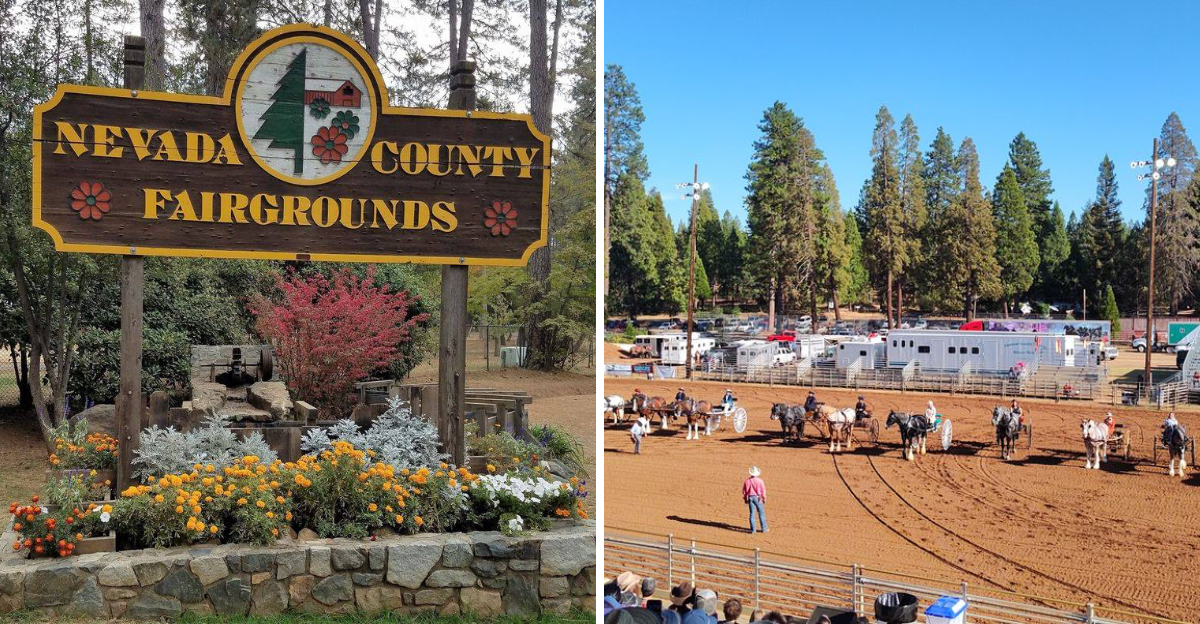
What happens when hundreds of towering pines meet five straight days of carnival lights, sizzling food, and wide-eyed kids chasing ribbons all summer long?
Deep in California, a shaded wonderland turns ordinary August afternoons into something truly unforgettable.
Shade stretches across nearly ninety acres of green lawns and flower beds. Ducks paddle across a quiet lake while a Ferris wheel spins above the treetops.
Food booths line every path, and each bite quietly helps a local cause.
History here runs deeper than the lights suggest, stretching back more than a century in California, and the contests get delightfully strange, from squash mobile races to frozen shirt showdowns.
Curious what else is hiding under those pines? The details below tell the whole story.
Pines That Do The Heavy Lifting
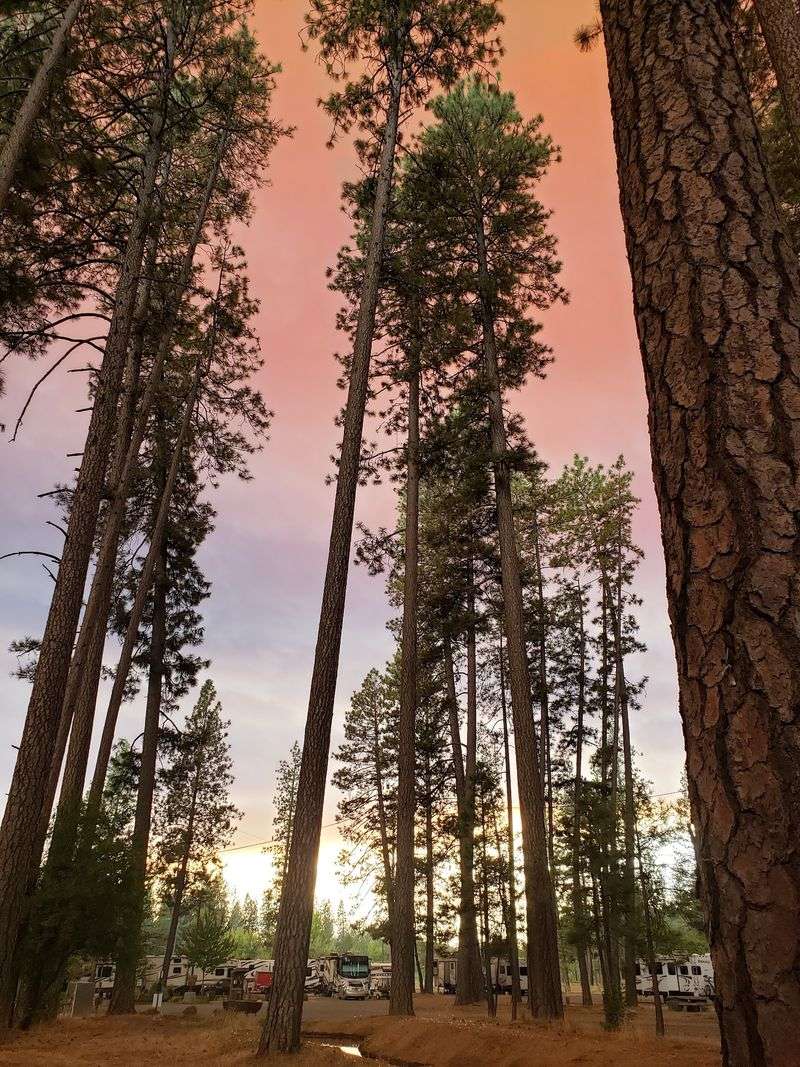
Shade is the headline act here. Hundreds of Ponderosa pines tower over the walkways, and visitors notice the temperature drop the moment they step under them.
The property of the Nevada County Fairgrounds covers close to 90 acres of lawns, paved paths, and flower beds. Marigolds line some of the walkways in bright yellow rows.
Lions Lake sits near the camping area, drawing ducks, geese, and young anglers with fishing poles. A gravel path loops around the water for anyone who wants a quieter lap.
The scent of warm pine needles hangs in the air all day. Regular visitors mention it as often as they mention the food.
Because so much of the ground stays shaded, August afternoons feel far less punishing than at fairgrounds built on open asphalt. Families spread blankets on the grass and let kids run through sprinklers.
The address is 11228 McCourtney Road, Grass Valley, CA 95949, tucked in the Sierra foothills. Reaching it takes only minutes from the highways serving Nevada County.
Roots That Reach Back To 1884
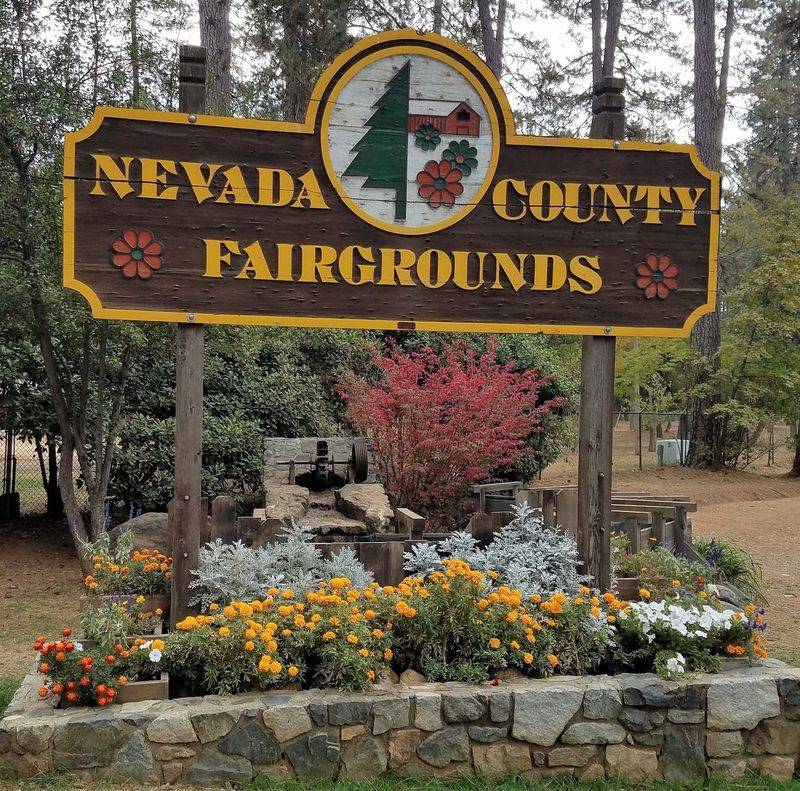
History runs deeper here than the carnival lights suggest. The 17th District Agricultural Association formed back in 1884, long before the fair itself existed.
The first Nevada County Fair opened in 1938 at the Veterans Memorial Building. Crowds packed a much smaller space than today’s sprawling grounds.
World War II interrupted everything. No fairs took place between 1942 and 1946, leaving a gap in the tradition.
The event moved to its current McCourtney Road location in 1947. Permanent buildings followed in 1951, and the layout has grown steadily ever since.
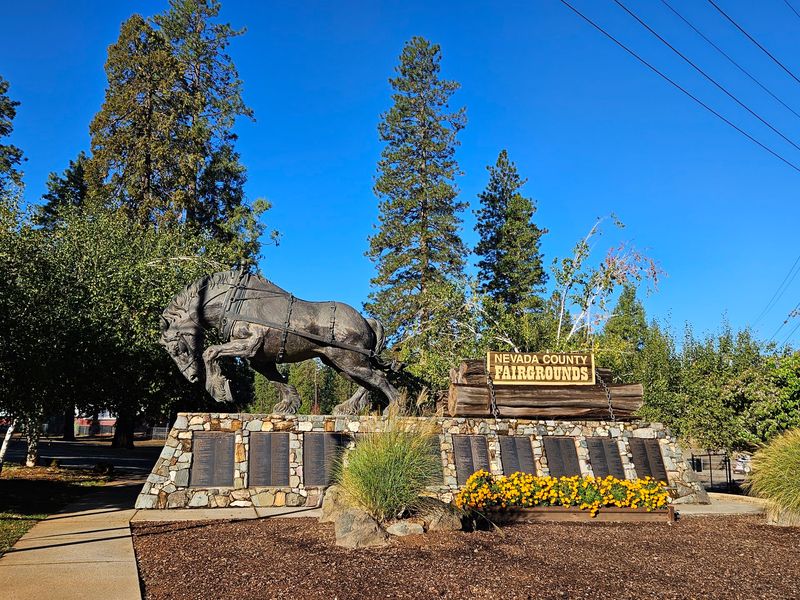
A sculpture called the Gentle Giant Monument stands near the entrance. It honors the draft horses that once worked the woods and mines of this part of California.
Understanding that timeline changes how the fair feels. Those weathered exhibit halls and shaded lanes carry decades of harvest displays, ribbons, and family reunions.
Locals often describe the grounds as an economic, social, and cultural asset rather than a once-a-year attraction. That reputation took generations to build.
Five Days, Packed Start To Finish
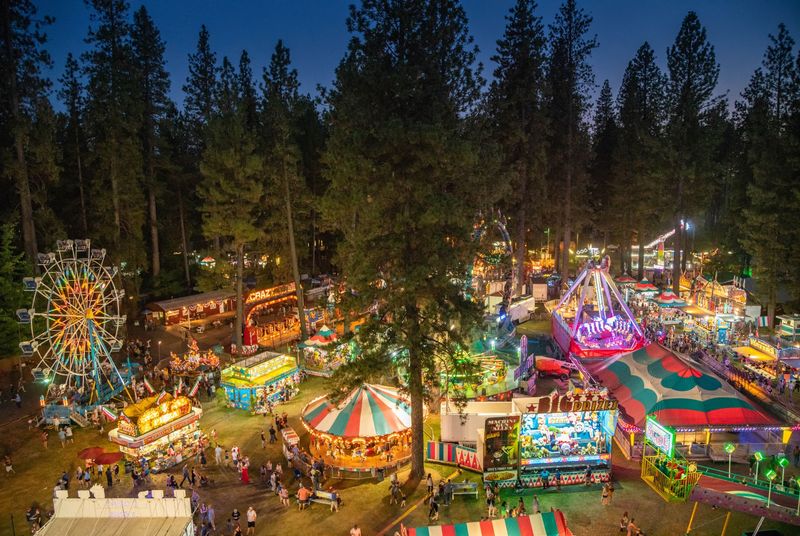
Five days sounds short until the schedule appears. Mornings, afternoons, and evenings each carry their own lineup of things to see at Nevada County Fairgrounds.
Exhibit buildings usually open first, letting early arrivals browse quilts, artwork, and produce before crowds build. Carnival rides typically start a little later in the morning.
By afternoon the lawns fill with families claiming shady spots. Music drifts from more than one direction at once.
Evenings shift toward the arena and the bigger stages. Lights come on, the midway glows, and the energy climbs noticeably.
Because everything happens on one connected property, moving between activities takes minutes rather than long treks. That compact layout keeps young children from wearing out too fast.
Locals have voted it among the county’s best events for years running. Attendance patterns suggest weekdays feel calmer than weekend afternoons.
Anyone hoping to see most of it should plan two visits instead of one. Trying to cram everything into a single day leaves plenty missed.
Midway Lights And Spinning Rides
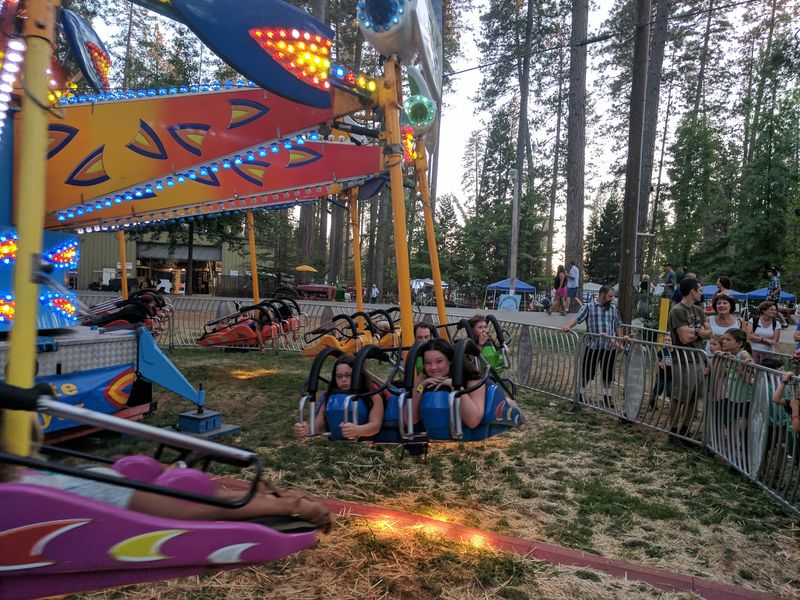
Nothing announces a fair louder than a carousel organ. The midway delivers exactly that, plus the whir of spinning rides and the clatter of ring toss games.
Classic attractions anchor the lineup. A Ferris wheel offers treetop views over the pines, which few fairs can match.
Smaller rides sit near the larger ones, so parents with mixed-age kids do not have to split up. Game booths line the paths in between.
Prizes dangle overhead in stuffed rows, tempting anyone with decent aim. Winning one becomes a badge of honor for the rest of the day.
Ride wristbands and individual ticket options are typically available, though details shift from year to year. Checking the current fair guide at the gate saves confusion later.
Late afternoon brings the best combination of shorter lines and softening light. Photos taken then capture the lights beginning to glow.
The midway may be familiar territory, yet framed by hundred-foot pines it feels unexpectedly scenic.
Barns Full Of Hardworking Young Exhibitors
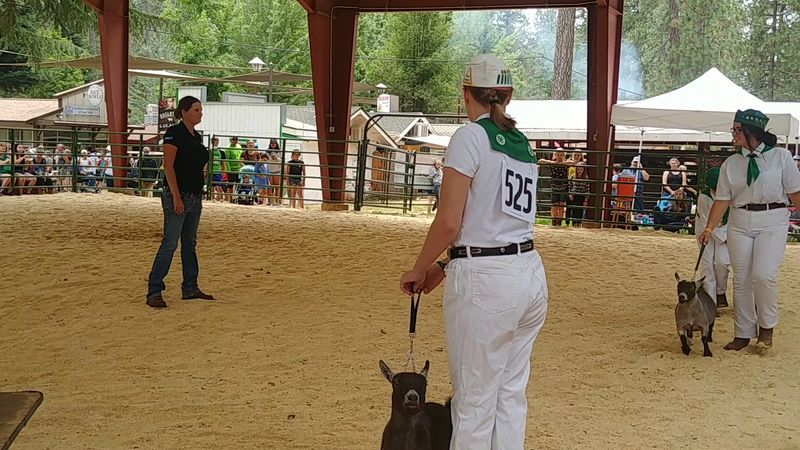
Months of work lead to a few minutes in the show ring. That is the reality for the 4-H and FFA members who fill these barns every August.
Goats, sheep, swine, beef cattle, rabbits, horses, and dogs all appear across the livestock area. Each species has its own pens and schedule.
Young exhibitors wash, brush, and walk their animals long before judging begins. Watching them work explains a lot about rural Nevada County.
The Junior Livestock Auction stands as one of the week’s biggest moments. Proceeds support the students behind the projects.
Visitors can wander the barns freely and ask questions. Most exhibitors happily explain what judges look for.
Mornings tend to be the best time here. Animals are fresher, aisles are less crowded, and shows are often underway.
Hand-washing stations sit throughout the area, which matters with so many hands reaching toward soft noses. Bringing a little patience pays off, since barn aisles narrow quickly.
Treat Street And Its Nonprofit Cooks
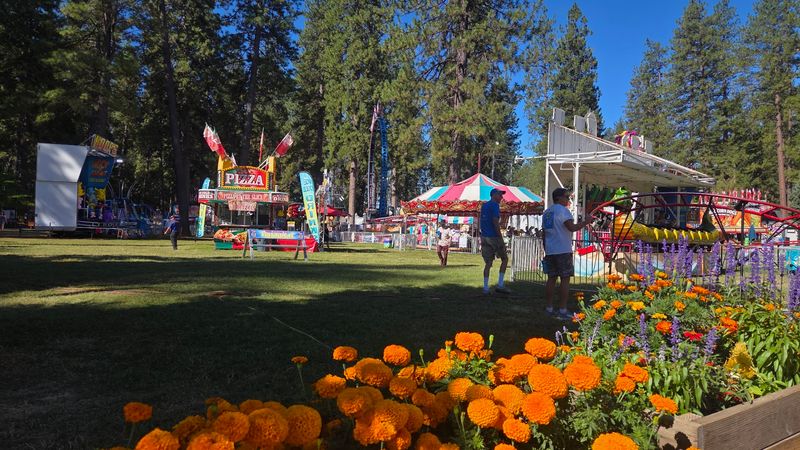
Here is the part regulars talk about all year. Treat Street lines up food booths operated largely by local nonprofit and community organizations.
That setup means every corn dog and slice of pizza helps fund a local group. Eating well and supporting neighbors happen at the same counter.
Breakfast burritos start the day for early arrivals. Philly cheesesteaks, ham and cheese melts, and pizza by the slice keep the afternoon covered.
Strawberry shortcake shows up on plenty of lists as the sweet finish. Corn dogs remain a crowd favorite according to years of visitor chatter.
Lines here often move faster than expected, partly because so many booths spread the crowd out. Volunteers behind the counters are usually chatty.
Outside food and water are generally permitted, though glass bottles, cans, and ice chests are not. Rules can change, so a quick check before packing helps.
Splitting orders across several booths beats committing to one meal. Variety is the whole point.
Music Drifting Through The Treetops
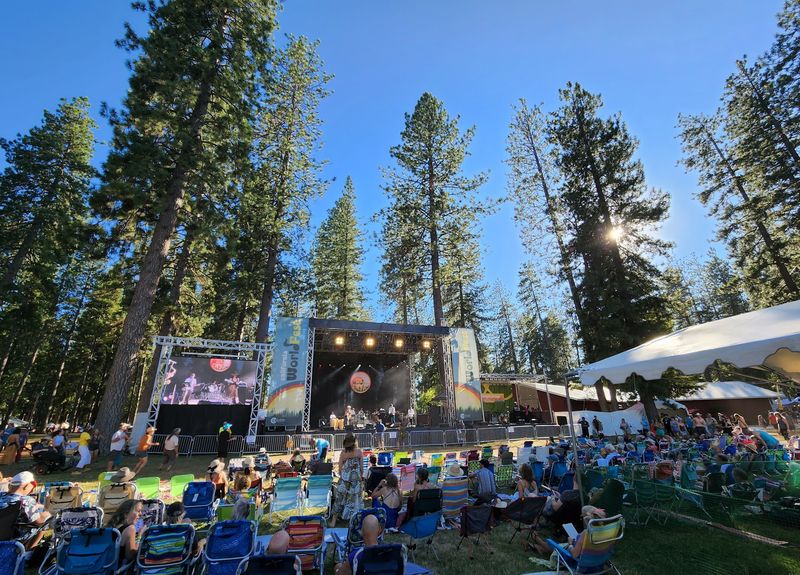
Fifty-plus bands across five days. That number surprises first-timers who expect a single stage and a short lineup.
Performances spread across several venues, including the Pine Tree Stage. Sound carries between the trunks in a way indoor rooms never manage.
Genres range widely, covering classic rock, country, bluegrass, and stripped-down acoustic sets. Wandering between stages becomes its own activity.
Non-musical acts round out the schedule. Jugglers, magicians, storytellers, and comedy performers draw their own circles of spectators.
Most of these shows come included with general admission. That makes the entertainment value hard to beat.
Bringing a low-back folding chair or a blanket makes lawn seating far more comfortable. Shade near the stages fills up early on warm afternoons.
The fairgrounds host major music festivals during other months too, which explains why the acoustics feel so well suited to live sound. Musicians seem to enjoy the setting as much as audiences do.
Grabbing a printed schedule at the gate helps with planning.
Homemade Talent On Display
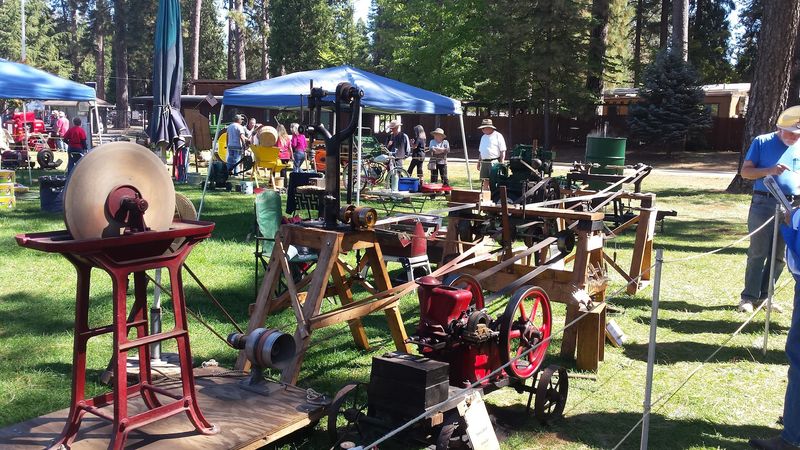
Thousands of entries. That is the scale of the community exhibits filling the halls each August.
Categories stretch far beyond pies and quilts. Photography, children’s artwork, baked goods, and vegetable creatures shaped from produce all earn their own tables.
Quirky contests keep the mood light. An ugliest decorated cake competition has drawn plenty of grins over the years.
Newer categories reflect changing hobbies, including cell phone photography, Minecraft builds, and Zentangle art. Traditional canning sits comfortably alongside them.
A wearable art fashion parade showcases designs made from unexpected materials. Watching it explains why this fair leans creative rather than purely agricultural.
Ribbons hang beside entries from grandmothers and grade-schoolers alike. That mix is the whole charm of an open exhibit program.
The buildings offer welcome relief on hot afternoons, which makes them a smart midday stop. Sitting down inside for a few minutes recharges tired legs.
Anyone curious about entering next year can usually find category information posted right in the halls.
Grandstand Nights And Oddball Contests
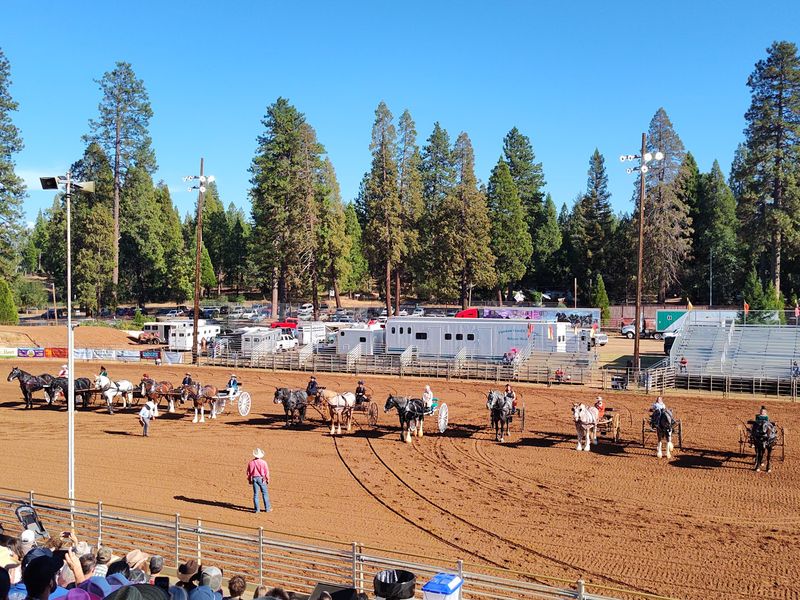
Engines, hooves, and roaring crowds. The arena at Nevada County Fairgrounds handles all three during fair week.
Monster trucks bring the loudest evenings, thundering across the dirt while the grandstand fills up. Rough truck challenges push older vehicles well past their comfort zones.
Rodeo-style events showcase serious horsemanship. Riders and animals draw appreciative noise from the benches.
Then come the contests nobody expects. Squash mobile racing involves attaching wheels to squash and sending them downhill.
A frozen t-shirt challenge has contestants racing to thaw and wear a solidly frozen shirt. Watching adults flail at frozen cotton never gets old.
The grandstand offers bench seating with backrests and a roof overhead. Lower rows can still catch direct afternoon sun, so higher seats are worth the climb.
Arriving early for headline arena events makes a real difference on busy nights. Popular shows draw crowds well before start time.
Ear protection is a reasonable idea for small children during truck shows.
Smart Moves For A Smoother Day
A little planning goes a long way at a fair this spread out. Fair guides with maps and schedules are handed out at the gates, and grabbing one first is a smart habit.
Parking is generally available at Gates 1 and 4. Daily parking typically does not include in-and-out privileges, so plan on staying once parked.
Pets should stay home, with exceptions for service dogs and competing canines. Guest services can help with lost items or separated family members.
ATMs sit at various points across the grounds. Water is worth carrying, since fountains can get busy on hot days.
The RV park operates year-round beside Lions Lake, with level gravel sites and hookups. Reserving well ahead matters during popular events.
Beyond August, the grounds host more than 200 events yearly, including the Draft Horse Classic, the Country Christmas Faire, and Celtic and bluegrass festivals. This corner of California stays busy long after the carnival lights come down.