
This Florida Swamp Road Trip Belongs On Every Explorer’s Bucket List
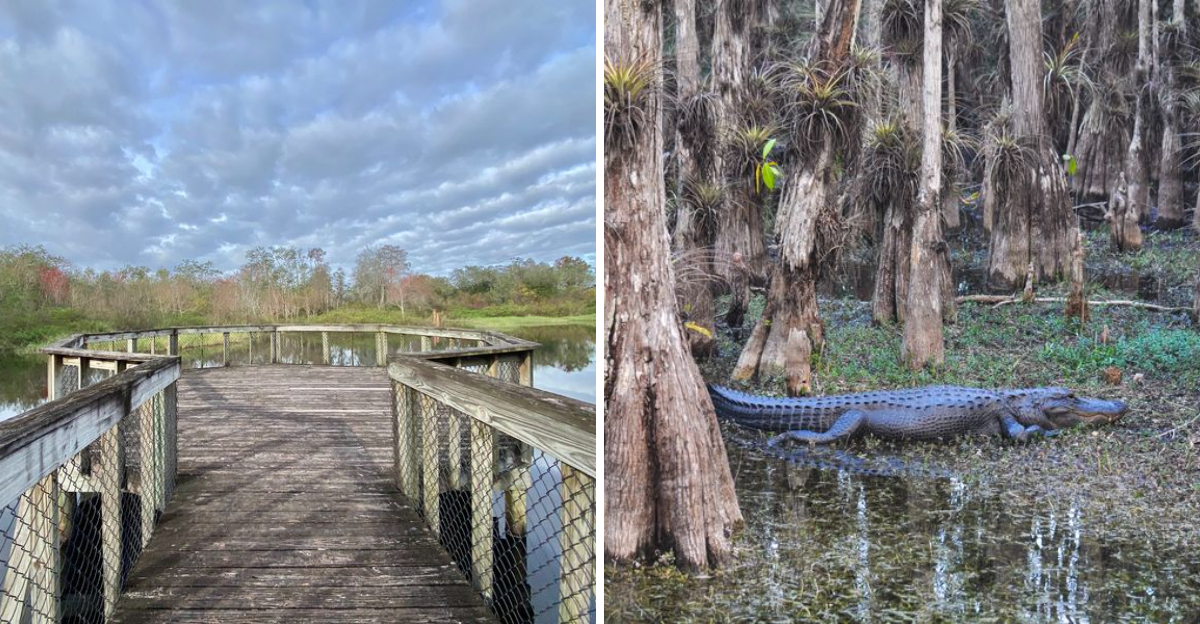
Florida gets a lot wilder once the pavement narrows and the cypress trees start closing in. Suddenly, the drive feels less like a road trip and more like an expedition.
This route cuts through swamp country where alligators, wading birds, and dark water are never far away. Every mile gives you another reason to slow down and look around.
The state is famous for beaches and theme parks, but this side of Florida feels completely different. It is raw, quiet, and packed with the kind of scenery that makes you forget the usual tourist stops.
For curious travelers, this is the sort of drive that stays in your head long after the trip ends. The state has plenty of bucket list adventures, but few feel this untamed.
Shark Valley Sets The Tone For The Whole Adventure
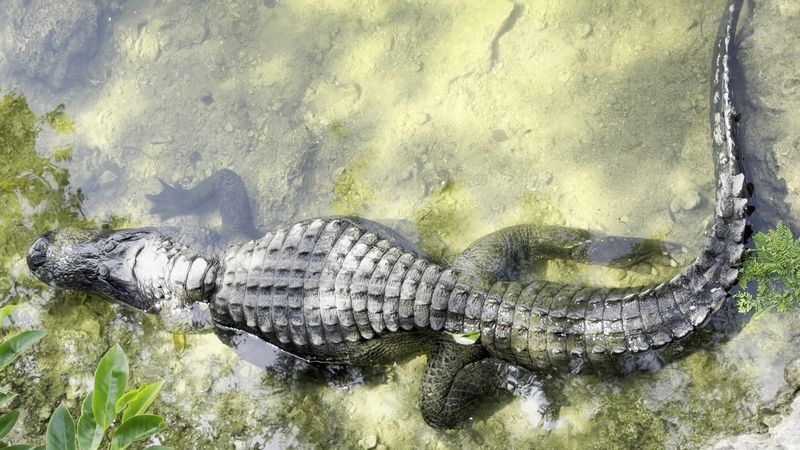
Start the morning where alligators outnumber parking spaces. Shark Valley sits on the northern edge of Everglades National Park, right along the Tamiami Trail.
A fifteen-mile paved loop runs deep into the sawgrass here. You can pedal a rented bicycle, walk part of it, or ride the narrated tram.
At the halfway point stands a 65-foot observation tower. From the top, the marsh spreads out flat and endless in every direction.
Wildlife shows up without much effort on your part. Anhingas dry their wings on branches, herons stalk the shallows, and turtles pile onto logs.
Bring water and sun protection, since shade is rare along the loop. Mornings are cooler and animals tend to be more active then.
The dry season, roughly December through April, concentrates wildlife around remaining water. That makes sightings far easier for first-timers.
Give yourself two to three hours minimum. Rushing this stop would be a shame when the road ahead only gets stranger and better.
Loop Road Scenic Drive Trades Pavement For Adventure
Some roads are shortcuts. Loop Road is the opposite, and that is exactly the point.
Branching south from the Tamiami Trail, this 24-mile route runs mostly on gravel and dirt. It curves through the heart of Big Cypress National Preserve before rejoining the main highway.
Speeds stay low, around 15 to 25 miles per hour. That slow pace is a gift, because the scenery deserves attention.
Cypress trees lean over the roadbed with Spanish moss hanging from their limbs. Water pools on both sides, often just feet from your tires.
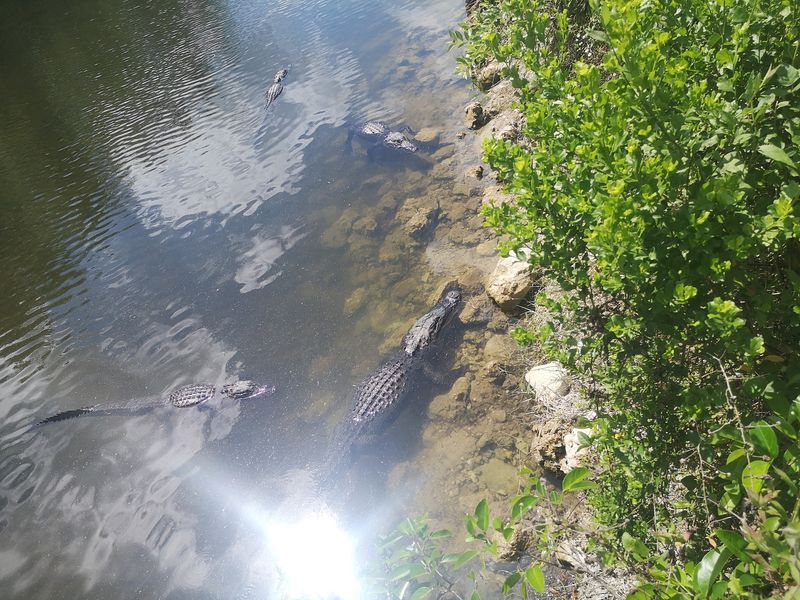
Alligators, wading birds, and turtles gather in these roadside sloughs. Keep windows down and the radio off for the best experience.
A regular car handles the road in dry conditions, though clearance helps. Check current conditions before committing, since heavy rain can create rough patches.
Cell service disappears for long stretches out here. Download maps ahead of time and let someone know your plan.
Big Cypress National Preserve Anchors The Entire Route
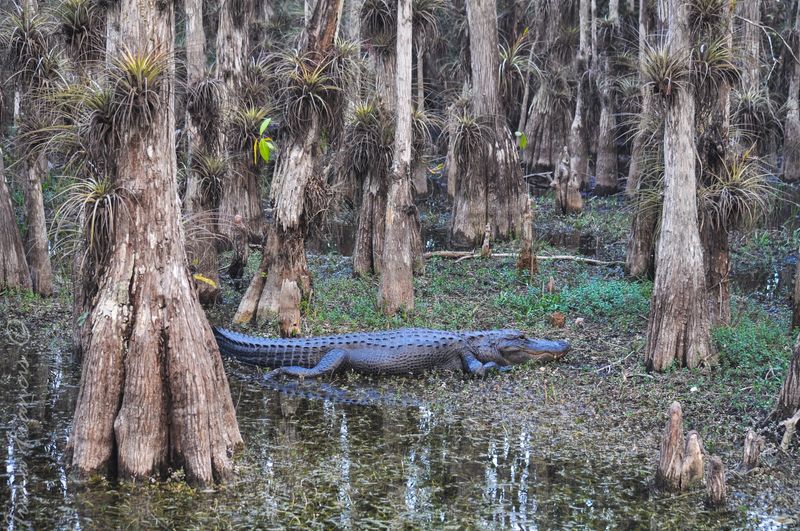
Congress created something unusual here in 1974. Big Cypress became the first national preserve in the country, protecting more than 720,000 acres of swamp, prairie, and pineland.
The name misleads people constantly. Big refers to the size of the swamp, not the height of the trees.
Fresh water flowing through this land feeds the Everglades to the south. Without the preserve, the entire ecosystem downstream would suffer.
The Oasis Visitor Center sits at 33100 Tamiami Trail East in Ochopee, Florida and it makes an ideal base. A boardwalk out back overlooks a canal where alligators gather in remarkable numbers.
Rangers inside share maps, trail conditions, and current wildlife activity. Exhibits explain the plants and animals you will meet along the way.
Habitats shift quickly across the preserve. Pine uplands, hardwood hammocks, and wet prairies all sit within a short drive of each other.
Plan at least half a day here. The land rewards patience more than speed.
Everglades City Closes The Drive With Coastal Charm
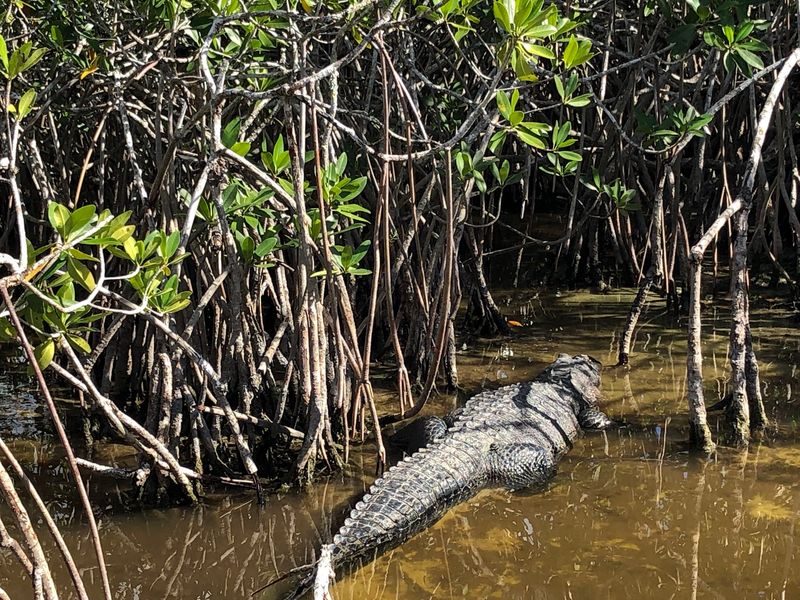
Every good road trip needs a finish line. Everglades City provides one with salt air and mangrove-lined water.
The town sits at the western gateway to Everglades National Park. Highway 29 leads south from the Tamiami Trail straight into it.
Once known as a hub for the Tamiami Trail construction era, the community served briefly as the seat of Collier County. Today it is small, quiet, and proudly independent.
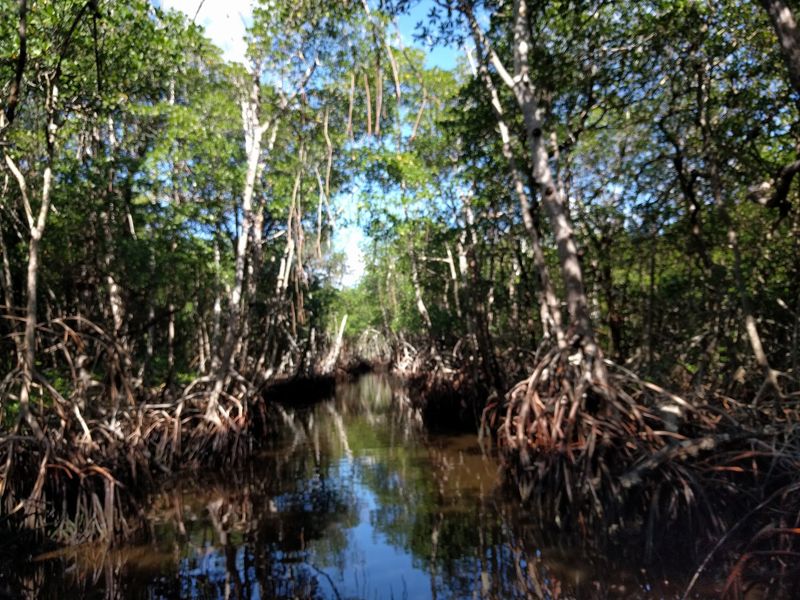
Boat tours depart from here into the Ten Thousand Islands. That maze of mangrove islets stretches along the Gulf coast for miles.
Dolphins, manatees, and roseate spoonbills all turn up in these waters. A ranger station near the waterfront offers information and permits.
Stone crab season, running mid-October through spring, defines the local rhythm. Fresh seafood arrives at the docks daily during those months.
Sunsets over the water here are worth timing your day around. Arrive late in the afternoon and let the drive end slowly.
Kirby Storter Roadside Park Hides A Perfect Boardwalk
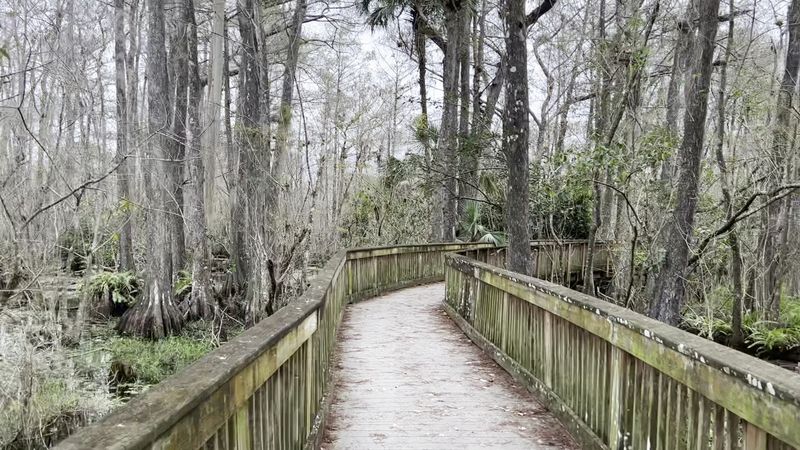
Roadside parks rarely earn much attention. Kirby Storter is the exception worth pulling over for.
A boardwalk here runs about a half-mile into a cypress strand. The walk is flat, shaded, and completely free.
Trees grow noticeably taller as you move inward. Deeper water supports bigger cypress, and the change happens right in front of you.
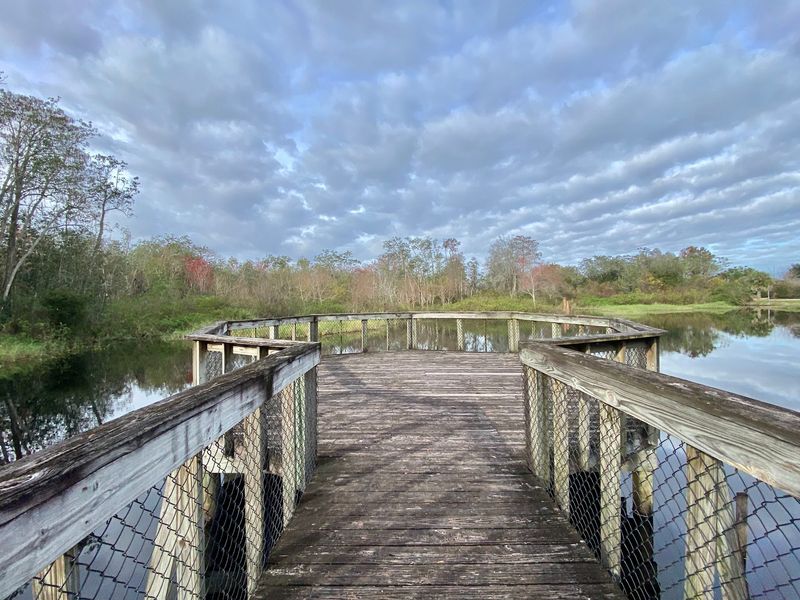
At the end sits an open platform above a dark, still pool. Alligators, wading birds, and turtles often rest there without much concern for people.
Air plants cling to nearly every branch overhead. Bromeliads and orchids thrive in this humid pocket of the preserve.
Morning light filtering through the canopy makes photography especially rewarding. Bring insect repellent during the warmer, wetter months.
The round trip takes roughly thirty minutes at an easy pace. Restrooms and picnic tables sit near the parking area.
For families with young children, this is the friendliest swamp introduction on the entire route.
The Smallest Post Office In The Country Sits Right Here
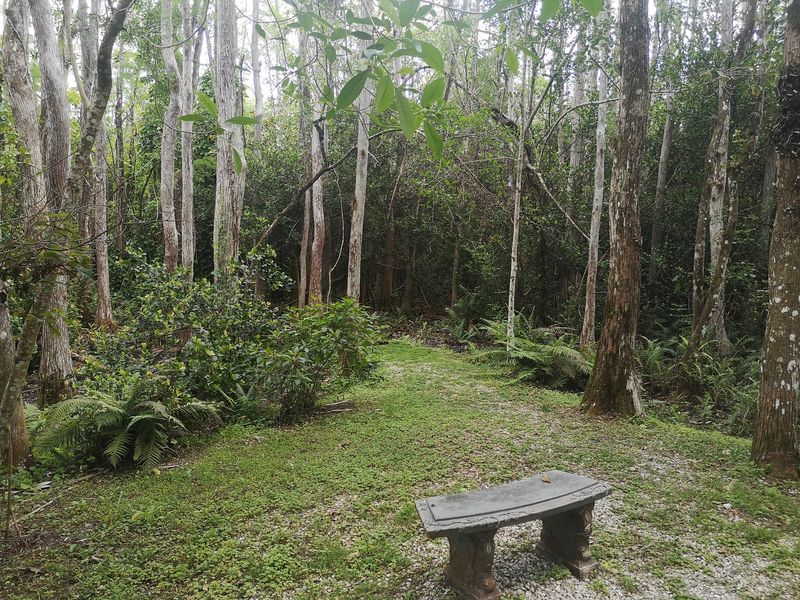
Blink and you will drive past a genuine national record holder. The Ochopee post office measures roughly 61 square feet.
That makes it the smallest operating post office in the United States. The building started life as an irrigation pipe shed for a tomato farm.
After a fire destroyed the general store in 1953, the shed was pressed into service. It never got replaced.
One postal worker fits inside at a time. Mail still moves through the tiny window every weekday.
You can buy stamps and send a postcard with an Ochopee postmark. That souvenir costs almost nothing and beats a keychain.
The building sits directly along the Tamiami Trail, painted white with red trim. Parking is a small gravel pull-off beside it.
Photos take two minutes, but the story sticks with people much longer. It is one of the most photographed structures along the whole corridor.
Check posted hours, since the office closes on weekends and holidays.
Turner River Road Delivers Wildlife Without The Crowds
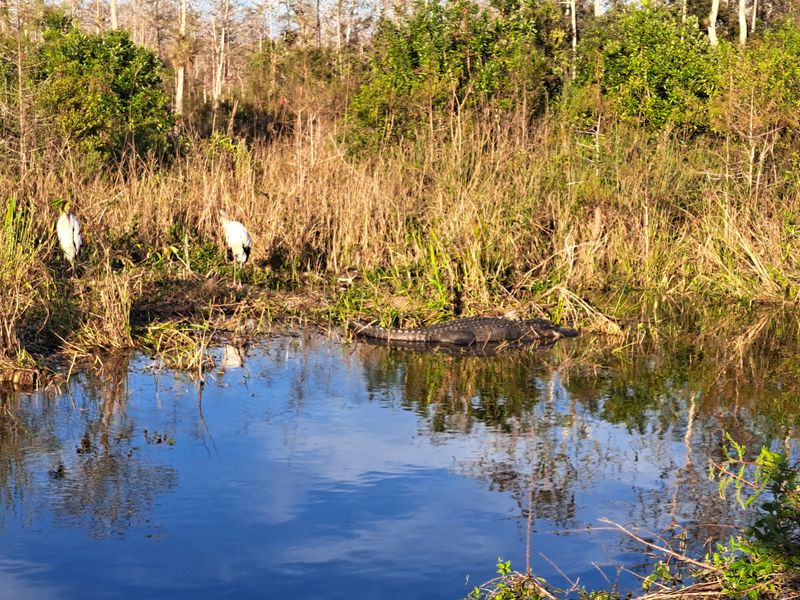
Birders whisper about this road for good reason. Turner River Road runs north from the Tamiami Trail as a graded gravel route.
A canal parallels the road for miles. That water attracts an astonishing concentration of wildlife within easy viewing distance.
Alligators line the banks in the dry season. Great egrets, wood storks, herons, and roseate spoonbills feed in the shallows nearby.
The trick is to drive slowly and stop often. Your vehicle works as a mobile blind, keeping birds relaxed.
Early morning and late afternoon bring the heaviest activity. Midday heat sends many animals into cover.
Binoculars transform this stretch completely. A telephoto lens helps too, though many subjects sit surprisingly close.
The road connects with Upper Wagonwheel and Birdon roads to form a longer loop. That circuit runs about seventeen miles through open prairie.
Conditions vary with rainfall, so ask rangers before heading out. Stay in your vehicle near the canal and never approach wildlife.
Night Skies Here Rank Among The Darkest In The East
Most people leave before the best show begins. In 2016, Big Cypress earned designation as an International Dark Sky Place.
That made it the first such site east of the Mississippi River. Very little artificial light reaches this stretch of wetland.
On clear, moonless nights the Milky Way appears as a pale band overhead. Thousands of stars become visible to the unaided eye.
Open prairies along Loop Road and near the visitor centers offer wide sightlines. Cypress silhouettes frame the horizon beautifully.
Winter months bring drier air and fewer insects. Those conditions make stargazing far more comfortable.
Bring a red-light flashlight to protect your night vision. White light ruins the effect for everyone nearby.
Frogs, insects, and owls provide a soundtrack that changes by the hour. The audio experience alone justifies staying late.
Camping inside the preserve puts you under those stars all night. Reserve ahead during the busy winter season.
Swamp Walks And Trails Let You Step Into The Water
Here is the boldest thing you can do on this trip. Rangers lead guided swamp walks straight into cypress domes during the cooler months.
Water typically reaches shin or knee height. Old sneakers and quick-dry clothing are the standard uniform.
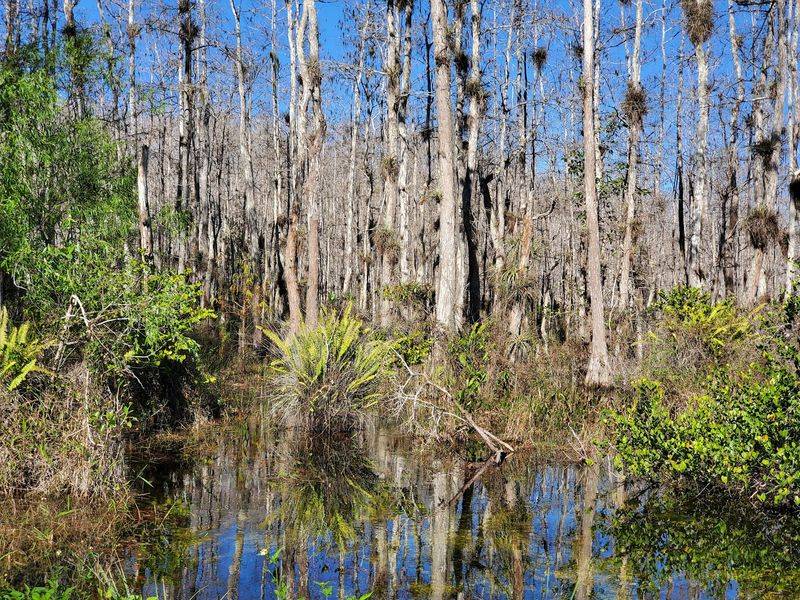
Inside a cypress dome the temperature drops noticeably. Ferns, air plants, and orchids grow thick in the filtered light.
Guides point out tracks, plants, and signs of animals most people would miss. The perspective from inside the swamp differs completely from the roadside view.
Programs are limited in size and fill fast. Check the preserve schedule and sign up early in the season.
Prefer dry ground? The Florida National Scenic Trail begins its northward journey inside the preserve.
Shorter options include the Fire Prairie Trail and Gator Hook Trail. Both cross open country with wide views.
Carry water, a map, and a charged phone. Weather shifts quickly across these flatlands.
Smart Planning Turns A Good Drive Into A Great One
A little preparation separates a smooth trip from a frustrating one. The full route from Shark Valley to Everglades City covers roughly sixty miles.
Driving time alone runs under two hours. Stops easily stretch that into a full day, so start early.
Fuel is scarce between towns, so fill up before leaving Miami or Naples. Pack more water than you think you need.
Winter, from December through April, brings mild temperatures and fewer insects. Summer means heat, humidity, and afternoon thunderstorms.
Entry to Big Cypress National Preserve is free, though Everglades National Park charges a fee. An America the Beautiful pass covers the park portion.
Keep a respectful distance from every animal you meet. Feeding wildlife is illegal and genuinely harmful.
Cell coverage drops out along the back roads. Download offline maps before you lose signal.
Above all, resist the urge to hurry. The slower you go, the more this landscape reveals.