
This Free Mississippi Arboretum Has Flat Trails Where Kids Spot Turtles And Bug-Eating Pitcher Plants
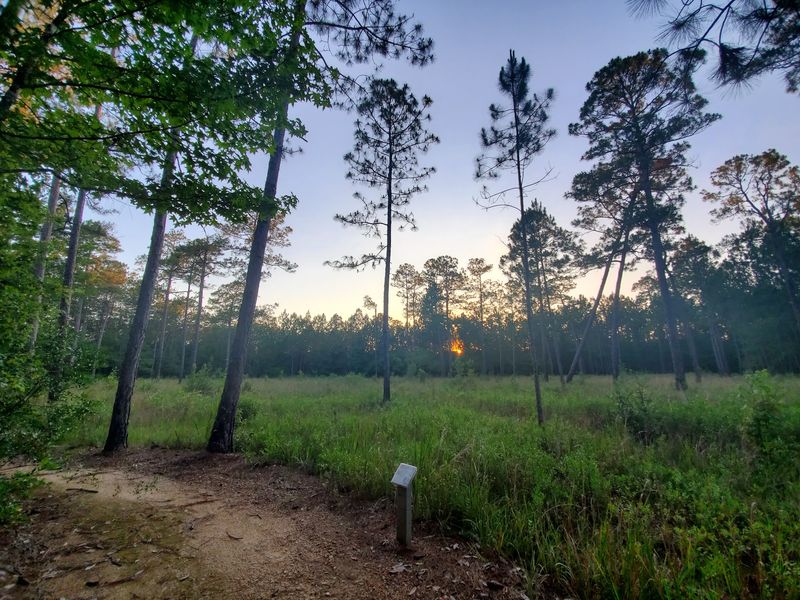
I pulled off a quiet road in south Mississippi expecting a short stretch of the legs and not much more. Instead, I found tall pines swaying over a still lake, turtles paddling toward the shore, and trails that kept pulling me deeper into the woods.
It turned out to be one of the best places in the state to see how the land looked before highways and shopping centers. If you like fresh air, wild plants, and a little peace and quiet, keep reading.
A Living Museum of Native Plants Near Picayune
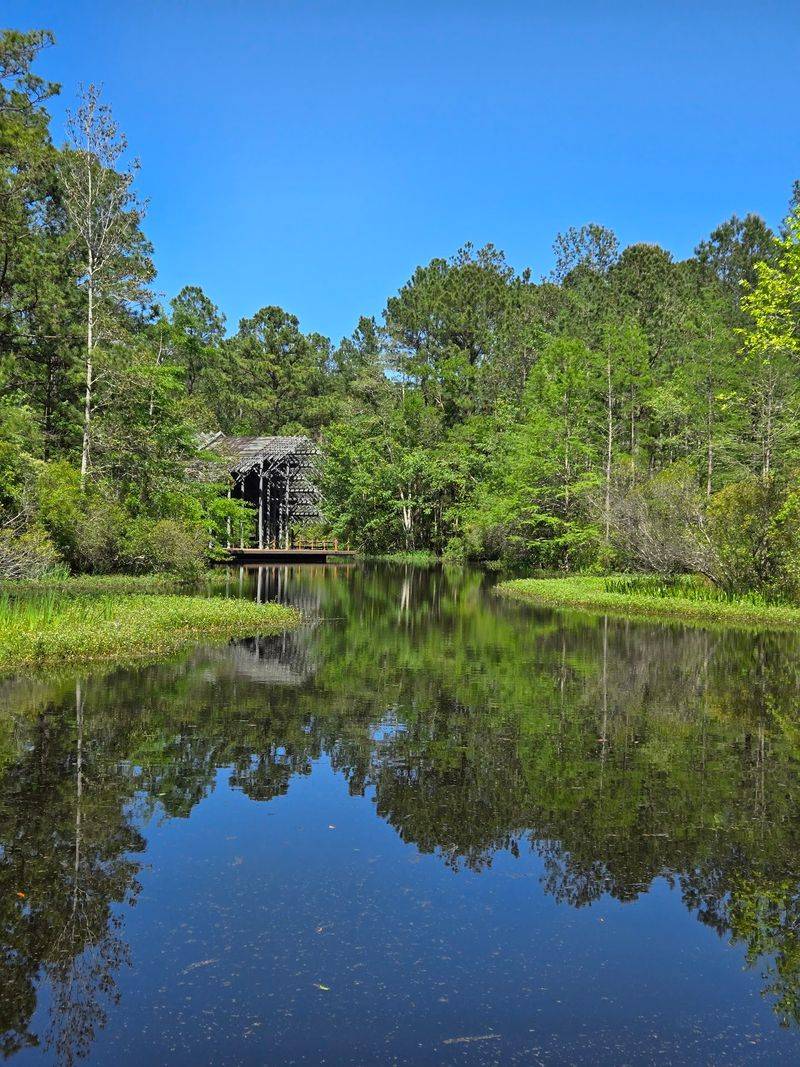
Just off Ridge Road in Picayune, a few minutes from Interstate 59, sits a place built to show off the plants that have always called the Piney Woods home. The Crosby Arboretum is run as part of the Mississippi State University Extension Service.
That connection gives the whole property a learning-minded feel without ever turning it stuffy.
Think of it less as a formal garden and more as an outdoor museum. Instead of trimmed hedges and imported roses, you get savanna grasses, wetland flowers, and woodland trees growing much the way nature intended.
The goal is to let visitors see the region’s ecosystems up close.
Getting here is easy for travelers from either direction. People coming up from the greater New Orleans area often mention that the drive feels short, and the Mississippi Gulf Coast is not far either.
Locals treat it as a backyard escape they return to again and again.
A quick stop at the Visitor Center starts things off right. Staff hand out a trail map, answer questions, and point you toward whatever is blooming that week.
From there, the paths fan out into pine stands, open fields, and water’s edge, each offering a slightly different slice of south Mississippi.
Roots in the Pearl River Drainage Basin
What does it take to protect an entire regional landscape? Here, the answer starts with a clear mission: preserve, protect, and display plants native to the Pearl River Drainage Basin.
Everything on the grounds ties back to that purpose.
The numbers tell part of the story. The interpretive center covers 104 acres, while roughly 700 more acres are spread across seven off-site natural areas.
Together, those lands conserve and showcase more than 300 species of indigenous trees and shrubs.
Beyond simple preservation, the arboretum works as a resource for environmental and botanical research. Scientists and students study the habitats, and the public benefits through cultural, scientific, and recreational programs.
Interpretive signs along the trails share details about the flora, fauna, and cultural history of the Piney Woods.
Picture the region a century ago, before towns spread and forests were cleared for timber. Much of what grows here reflects that older Mississippi, which makes a walk feel a bit like stepping back in time.
Visitors often describe the property as rich in ecological, cultural, and educational value.
Recognition has followed. HGTV once named it the most beautiful garden to visit in Mississippi, a nod to how well the native approach works when it is given room to shine.
Longleaf Pines and the Open Savanna
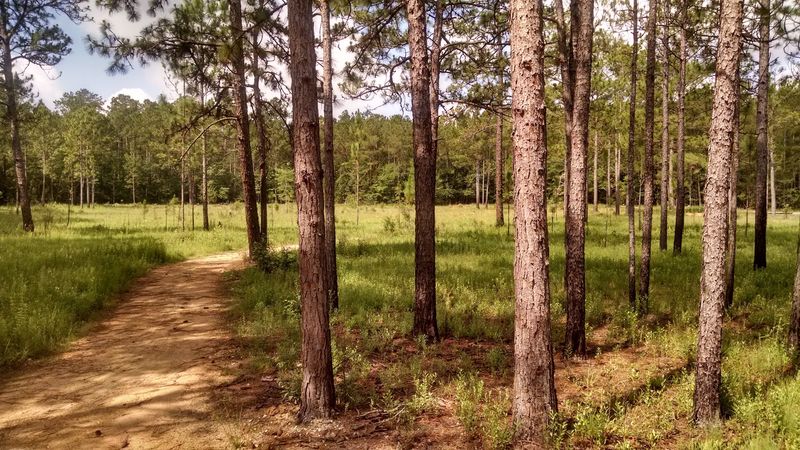
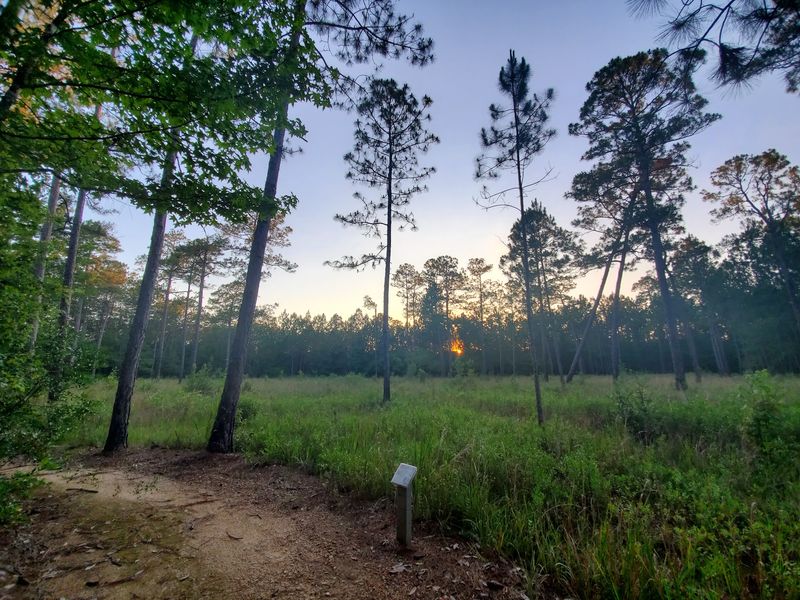
Look up, and the longleaf pines seem to go on forever. Their straight trunks and tufted crowns frame the sky above the arboretum’s savanna exhibit, giving the place its signature skyline.
Longleaf pine forests once covered huge stretches of the Southeast. Today they are far less common, so seeing them paired with open grassland is a real treat.
The arboretum uses these pines as a centerpiece for its exhibits and conservation work.
Underneath the trees, the savanna stays bright and airy. Native grasses ripple in the breeze, and wildflowers pop up depending on the season.
Because the ground is open, light pours in and the whole scene feels wide and calm.
Some walkers enjoy watching forest succession in action along the way. Areas shift slowly from open field to young woods, showing how a landscape changes over the years when left to grow.
Signs help explain what you are seeing, so the changes make sense even to first-timers.
Birds tend to like this habitat too. Visitors have spotted hawks circling overhead and plenty of smaller songbirds darting between branches.
Bring binoculars if you have them, because the open views make spotting wildlife easier than in thick forest.
Piney Woods Lake and Its Friendly Turtles
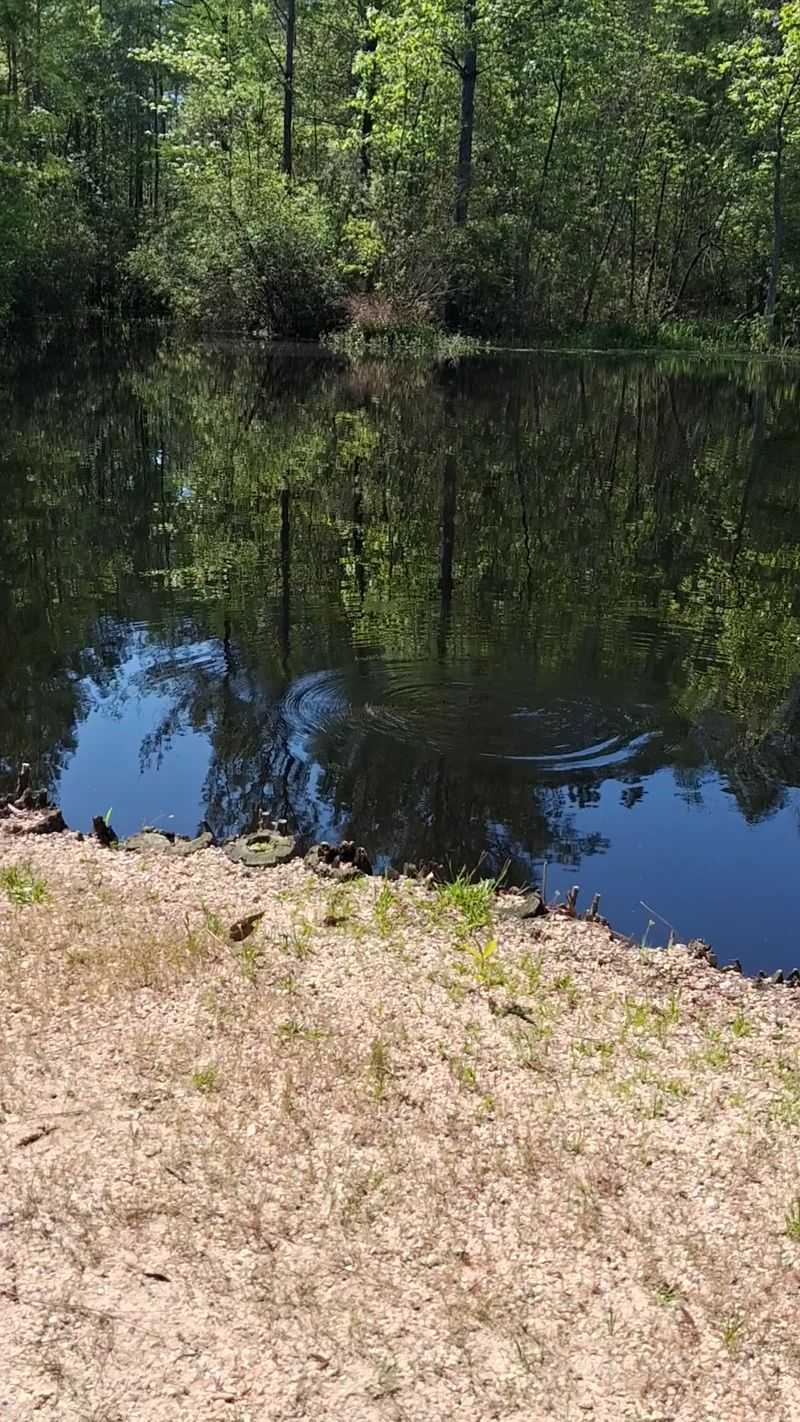
Ripples spread across the water the moment a handful of turtle food hits the surface. Within seconds, small heads pop up, and suddenly the quiet lake becomes the liveliest spot on the property.
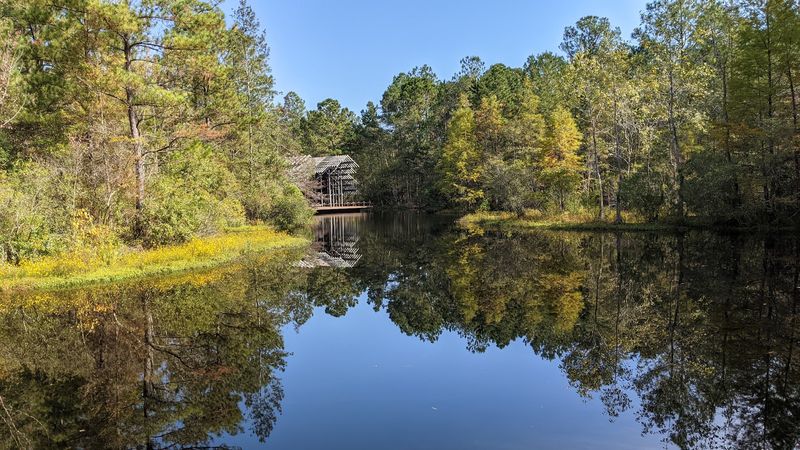
Piney Woods Lake was designed to show native water plants in a natural setting. Lilies, rushes, and other aquatic species grow along the edges, creating an exhibit that looks less designed and more discovered.
Wooden bridges and fences, crafted in the same style as the famous pavilion, blend right into the scene.
Feeding the turtles is a favorite activity for many guests. When you check in, staff often hand out a map along with a small portion of turtle food.
Children especially light up when the turtles swim close, and grown-ups tend to linger just as long.
Beyond the main lake, a smaller pond invites a slow loop on foot. Some visitors mention there are two ponds in total, each offering its own peaceful view.
Early mornings here are especially still. Reflections of the pines stretch across the water, dragonflies skim the surface, and the only sounds come from birds and the occasional splash.
It is easy to sit for a while and simply watch.
Pinecote Pavilion, an Architectural Landmark in the Woods
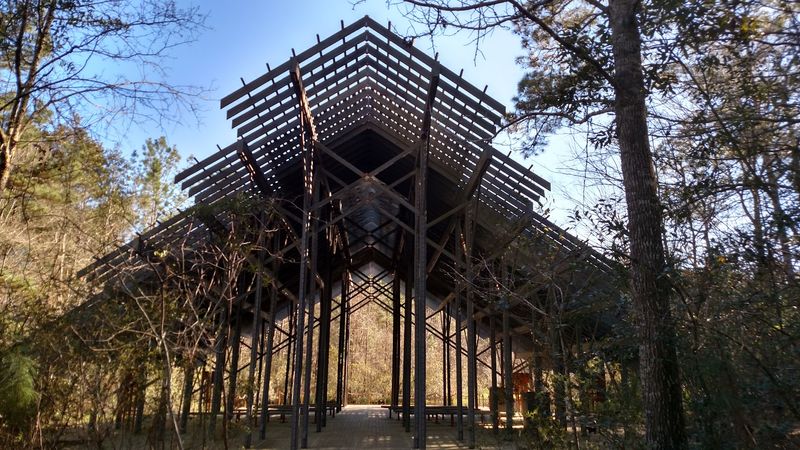
Few buildings manage to look like they grew out of the forest. Pinecote Pavilion pulls it off, rising beside the water in a pattern of wooden beams that echoes the pines around it.
The open-air structure was designed by architect E. Fay Jones, who trained under Frank Lloyd Wright.
You can feel that influence in the way the building respects its surroundings instead of competing with them. Its crisscrossing timbers create a rhythm of light and shadow that changes throughout the day.
Awards came quickly. The pavilion earned an Honor Award from the American Institute of Architects and is recognized as a Mississippi Landmark.
Architecture fans sometimes make the trip just to stand beneath its roof.
Jones also designed several of the bridges and fences near Piney Woods Lake. Taken together, these pieces give the lakeside area a unified look, almost like a carefully composed painting.
Here is a fun detail: because the pavilion has no walls, the breeze, birdsong, and scent of pine flow right through it. Sitting on a bench inside feels both sheltered and outdoors at once.
Photographers love the angles, especially when afternoon sun slants through the beams and reflects off the lake below.
Carnivorous Charm in the Pitcher Plant Bogs
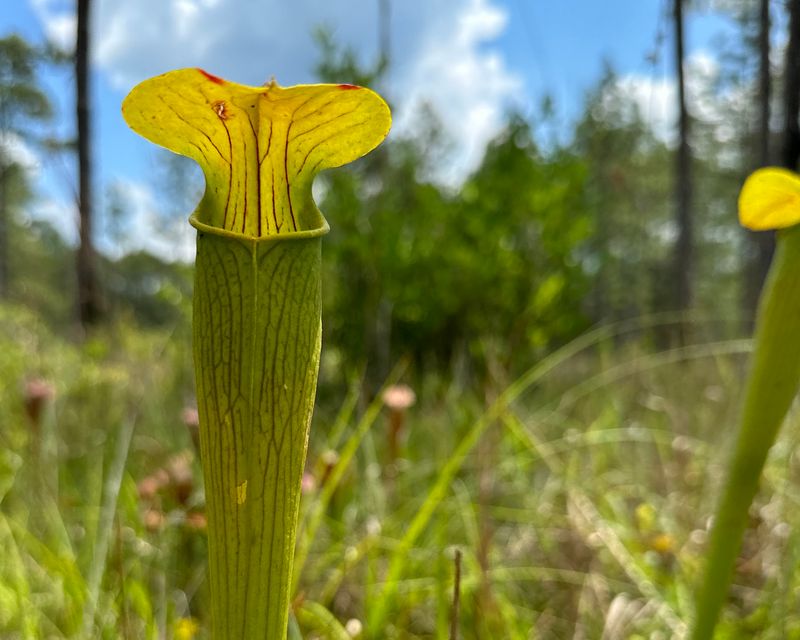
Plants that eat bugs? That is exactly what waits in the arboretum’s pitcher plant bogs, and they tend to steal the show for curious visitors of every age.
Pitcher plants grow tall, tube-shaped leaves that trap insects inside. The bogs where they thrive are wet, sunny, and low in nutrients, which is why these plants evolved such a clever way to feed themselves.
The arboretum preserves and manages several of these bogs, both on the main grounds and within its off-site natural areas.
Many guests say seeing a real pitcher plant bog was something they had wanted to do for years. Others simply call the carnivorous plants their favorite part of the visit.
Either way, these odd and beautiful plants leave a lasting impression.
Nearby, a well-kept pollinator garden offers a softer contrast. Flowers there attract bees, butterflies, and other helpful insects, showing a friendlier side of the plant and bug relationship.
Timing can make a difference. The look of the bogs shifts with the seasons, and some visitors make a point of coming back at different times of year.
Spring and summer often bring the most dramatic colors, but every season offers something to notice if you slow down.
Three Miles of Trails Through Savanna, Woodland and Water
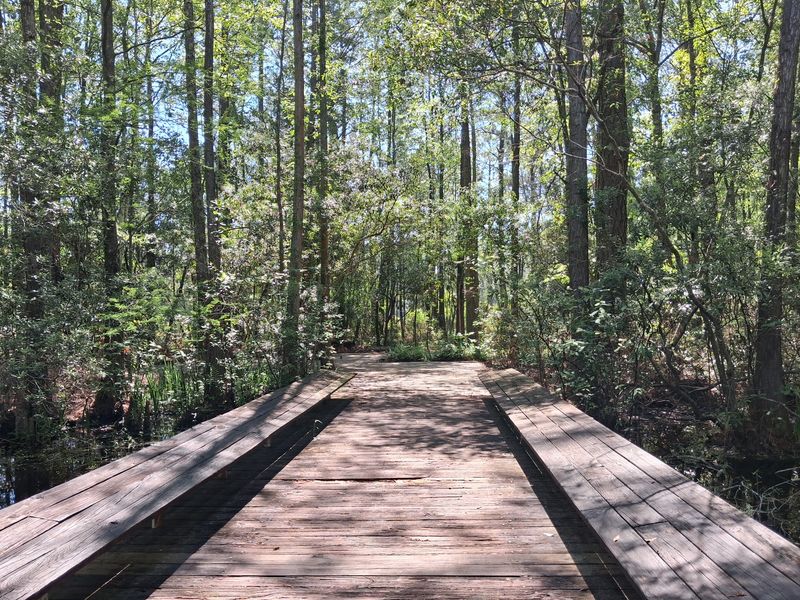
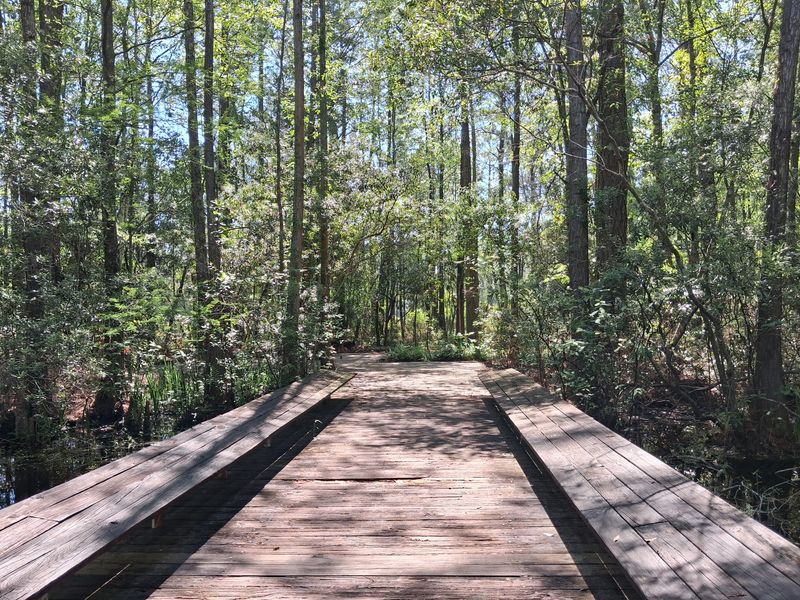
Lace up comfortable shoes. Roughly three miles of walking paths wind through the savanna, woodland, and aquatic exhibits, so you can choose a short stroll or a longer wander.
Trail conditions earn plenty of praise. Guests describe the paths as clean, well marked, and easy enough for most people to enjoy.
Signs help guide you around the property, and interpretive markers share facts about plants and wildlife as you go.
Not every plant has a label, though. A few walkers have wished for more signs naming specific species, so bringing a plant identification app can fill in the gaps.
Guided interpretive tours are also available by reservation for anyone wanting expert insight.
Pets are welcome on the trails, which makes the arboretum popular with dog owners. Families appreciate that the routes are manageable for young legs too.
A couple of practical points help. Some sections are wheelchair accessible, though a motorized chair or someone pushing may work best on certain stretches.
After heavy rain, low parts of the trails can flood and become hard to walk, so checking the weather before heading out is smart. On a dry day, though, the paths offer a peaceful escape from traffic and city noise.
Festivals, Forge Days and Hands-On Classes
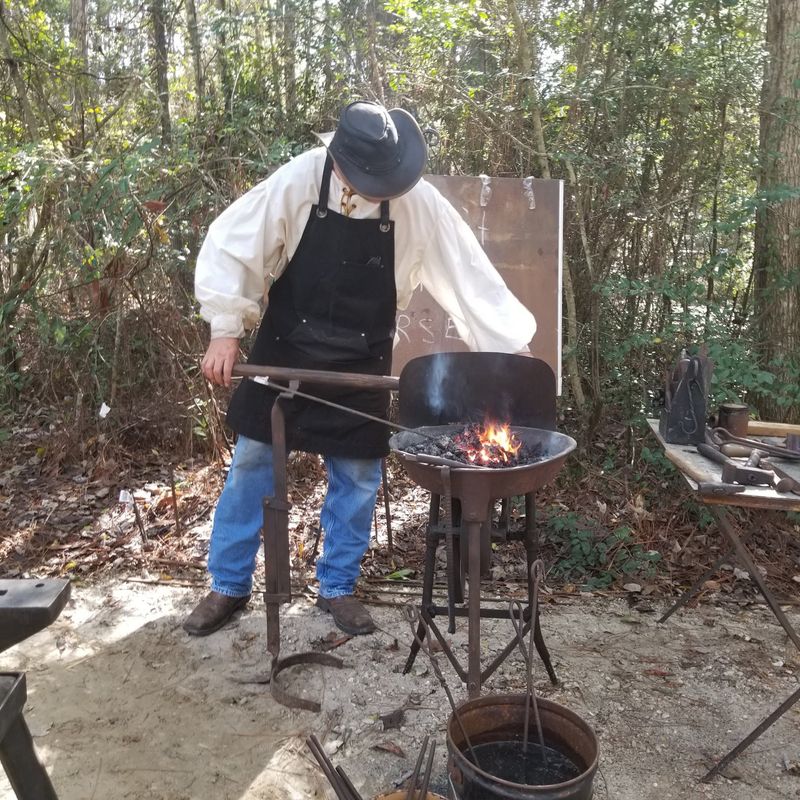
Sparks fly on Forge Day, when skilled blacksmiths fire up real coal and work metal using old-fashioned tools. Watching the craft up close is a surprising and memorable way to experience the arboretum.
Special events fill the calendar throughout the year. A Bug Festival has included a nighttime program led by knowledgeable experts, giving guests a rare chance to see the grounds after dark.
In October, scarecrows have popped up along the paths, adding a playful seasonal touch.
Plant sales and the annual Strawberries and Cream Festival have drawn crowds as well, and some of these events have offered free admission. Keep an eye on the arboretum’s website for upcoming dates.
Learning is a big part of the experience. Classes and lectures cover topics like planting native species, food forests, and the role of bees and other insects.
Attendees often describe the programs as varied, informative, and reasonably priced.
For anyone thinking about a home garden, these sessions can be eye-opening. You leave with practical ideas for bringing native plants into your own yard.
Nature walks led by staff offer another way to learn, mixing fresh air with stories about the land.
Hours, Admission and Getting There
Planning ahead pays off, since the gates are not open every day. The Visitor Center and trails welcome guests Tuesday through Saturday starting at 9 a.m. and close on Sundays and Mondays.
Closing times vary slightly by source, so aim to arrive well before 4 p.m., when last admission is typically set. The arboretum also closes for major holidays, including Thanksgiving, Christmas Eve, Christmas Day, New Year’s Eve, and New Year’s Day.
Admission is not free for most visitors, but it is very affordable. Adults pay $5, seniors and military pay $4, and children 12 and under pay $2.
Members visit at no charge, and a family membership has been reported at around $40 per year.
Free entry does pop up in certain cases. Military personnel and their families can visit free from May 16 to September 7 through the Blue Star Museum program.
Teachers accompanying student tours also get in free, and some special events have waived fees entirely.
You will find the arboretum at 370 Ridge Road in Picayune, close to Interstate 59. Check the official Mississippi State University website before your trip to confirm current hours and events.
Quiet Rewards for Unhurried Walkers
Some places shout for attention. This one simply waits, letting tall pines, still water, and wild blooms do the talking for anyone willing to slow down.
Nature lovers will feel right at home, and so will curious families, plant enthusiasts, and architecture fans drawn by the pavilion. Couples looking for a calm outing often find the trails ideal for an easy walk together.
Even solo visitors appreciate the solitude, a rare chance to gather thoughts away from screens and schedules.
Because the landscape changes with the seasons, a single trip rarely feels like enough. Many people end up buying a membership so they can return often, watching the savanna shift from green to gold and the bogs burst into color.
A few tips round things out. Visit on a dry day, bring water and bug spray in warmer months, and save time for the turtles.
Ask staff what is blooming, since they love sharing what is new.
In the end, the arboretum offers something simple yet uncommon: a chance to see south Mississippi as it once was. For a small fee, that glimpse of the old Piney Woods leaves a lasting, peaceful impression.