
This Gorgeous California Beach Is So Hidden, It Feels Like It Doesn’t Exist
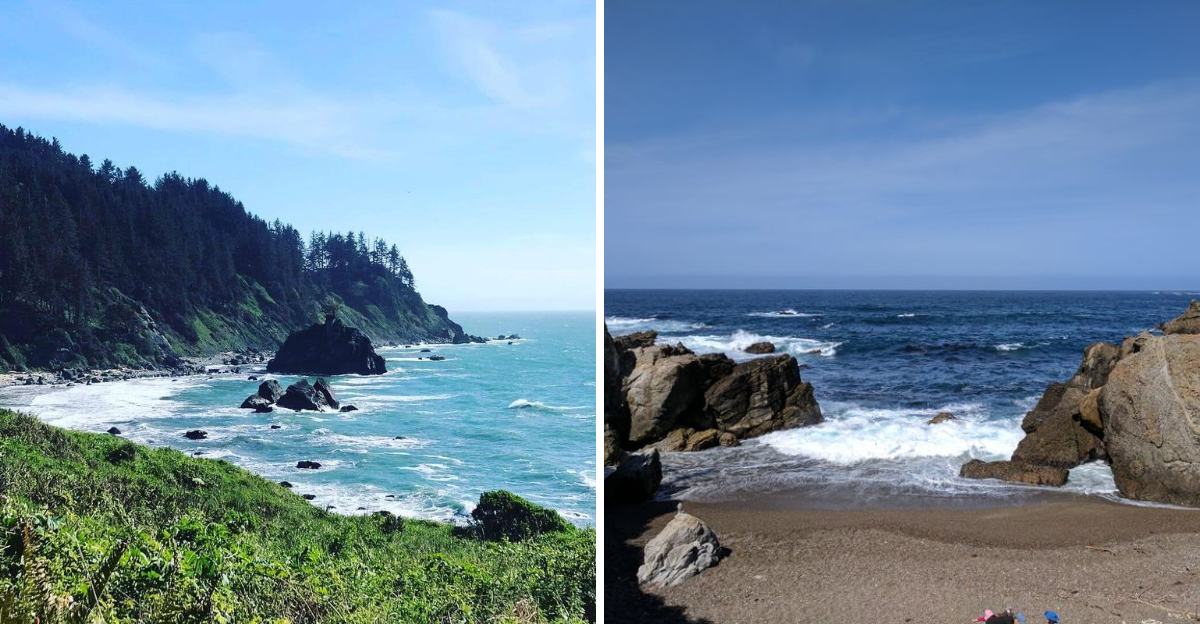
Hidden Beach sits tucked along California’s rugged North Coast, accessible only by foot and shrouded in fog more days than not. Most travelers race past on Highway 101 without ever knowing it exists, which is exactly why it remains one of the state’s most pristine coastal retreats.
The trailhead appears almost deliberately unmarked, the shoreline reveals itself only after a walk through ancient forest, and the experience feels less like visiting a beach and more like discovering a secret kept by the redwoods themselves.
You Won’t Stumble Onto It By Accident
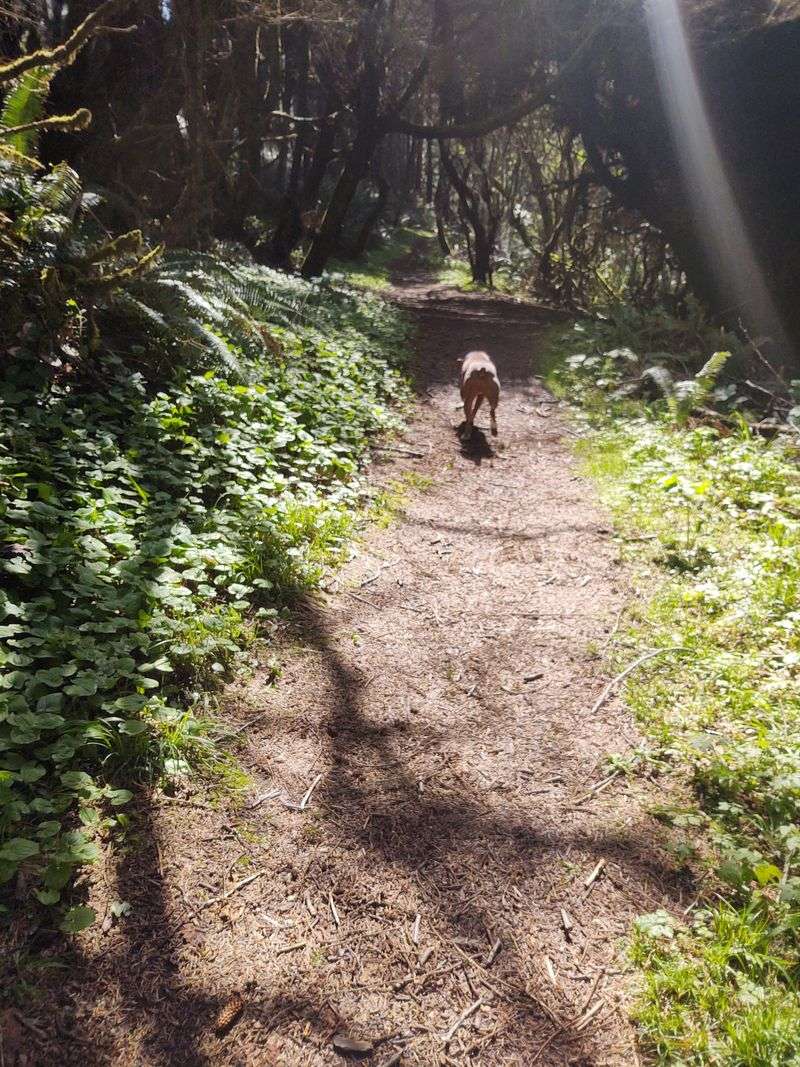
Reaching Hidden Beach requires deliberate effort and a willingness to leave your vehicle behind. The shortest route measures approximately 0.7 miles from the trailhead near Highway 101, though alternative approaches via the Coastal Trail stretch the journey to three miles one way.
Either path demands attention to footing and a modest level of fitness.
The trail itself provides no shortcuts or paved convenience. Steep sections appear without warning, tree roots cross the path at ankle height, and the final approach often involves navigating piles of driftwood stacked higher than most adults.
Visitors with knee problems or mobility concerns frequently mention the challenge in reviews.
This inaccessibility serves as natural crowd control. Families hauling coolers and beach umbrellas typically choose easier destinations, leaving Hidden Beach to hikers who value seclusion over amenities.
The walk filters out casual beachgoers, ensuring that those who arrive genuinely want to be there rather than simply following signs from a parking lot.
The Name Isn’t Marketing—It’s A Literal Warning
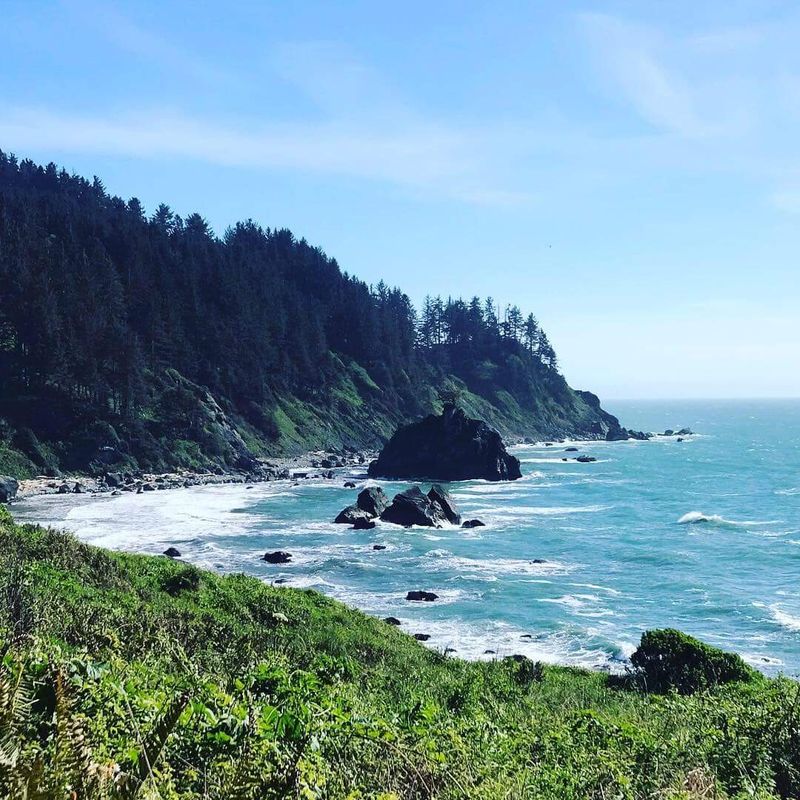
Hidden Beach earned its name through geography, not tourism boards trying to sound mysterious. Located near the small community of Klamath in Del Norte County, this stretch of coastline refuses to advertise itself with billboards or visitor centers.
The beach sits tucked behind dense coastal forest, invisible from the highway that carries thousands of travelers daily.
Finding the trailhead requires either local knowledge or careful research. Most visitors report driving past the unmarked access point multiple times before locating it near the Motel Trees, directly across from the Trees of Mystery attraction.
The lack of signage feels intentional, as if the beach prefers visitors who arrive with purpose rather than curiosity alone.
Once you understand the name reflects actual concealment rather than clever branding, the entire experience shifts. This isn’t a beach hiding in plain sight—it’s genuinely obscured by topography, vegetation, and a complete absence of infrastructure designed to guide crowds toward its shores.
Redwood Forest First, Ocean Second
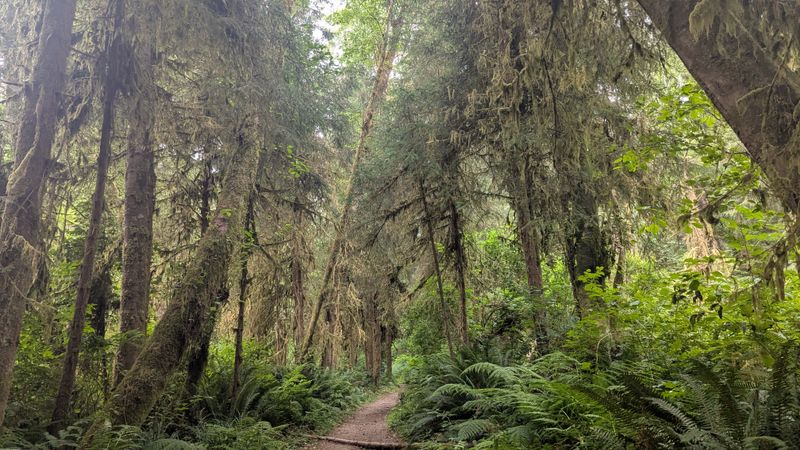
The journey to Hidden Beach begins in a forest that feels borrowed from another climate entirely. Massive redwoods tower overhead, their trunks disappearing into fog that rarely burns off completely.
Ferns carpet the understory in shades of green that seem almost excessive, and the air carries the damp, earthy scent of decomposing wood and moss.
Multiple visitors describe the trail as “rainforesty” or reminiscent of Middle Earth, comparisons that capture the otherworldly quality of walking through such dense vegetation. The trees provide near-constant shade, even on sunny days, and the sound of the ocean remains hidden until you’re nearly upon it.
This delayed reveal adds to the sense of discovery.
The forest portion of the hike serves as more than just a commute to the beach. It establishes the character of the entire experience, reminding visitors that this section of California’s coast belongs to the trees first and the sea second, with humans arriving only as temporary guests.
No Parking Lot, No Boardwalk, No Crowds
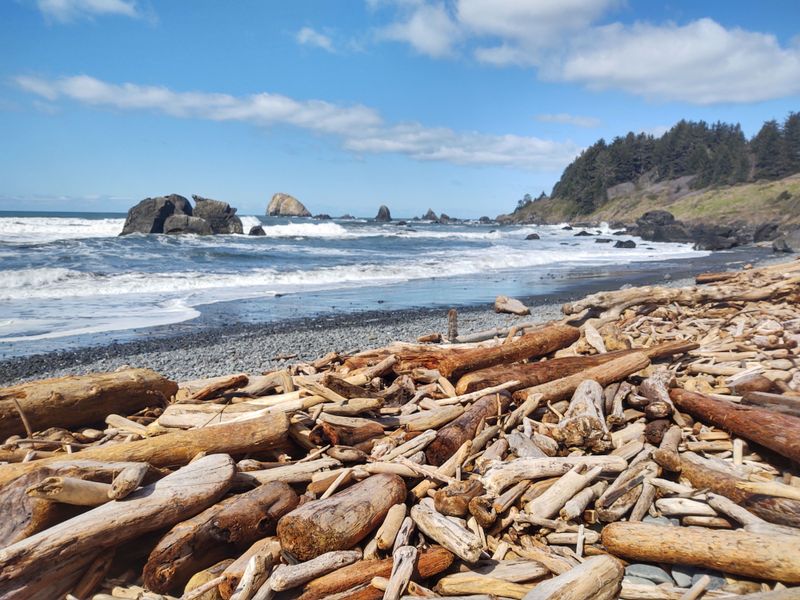
Hidden Beach offers exactly zero traditional beach amenities. The trailhead provides no designated parking area, forcing visitors to find space along the highway shoulder or near the adjacent motel.
No restrooms wait at the beach itself, no lifeguard stations dot the shore, and no concession stands interrupt the natural landscape.
The absence of infrastructure extends to the beach itself. Driftwood lies where storms deposited it, sometimes in piles taller than a person and stretching for yards along the shoreline.
Large rocks create natural obstacles rather than carefully maintained tidal pools, and the sand appears only in patches between the wood and stone.
This complete lack of development appeals to visitors seeking authentic coastal wilderness rather than managed recreation. Multiple reviews mention having the entire beach to themselves for hours, a luxury nearly impossible at California’s more accessible shores.
The solitude comes with responsibility—pack out what you pack in, watch the tides carefully, and understand that help sits miles away if something goes wrong.
The Coastline Feels Completely Untouched
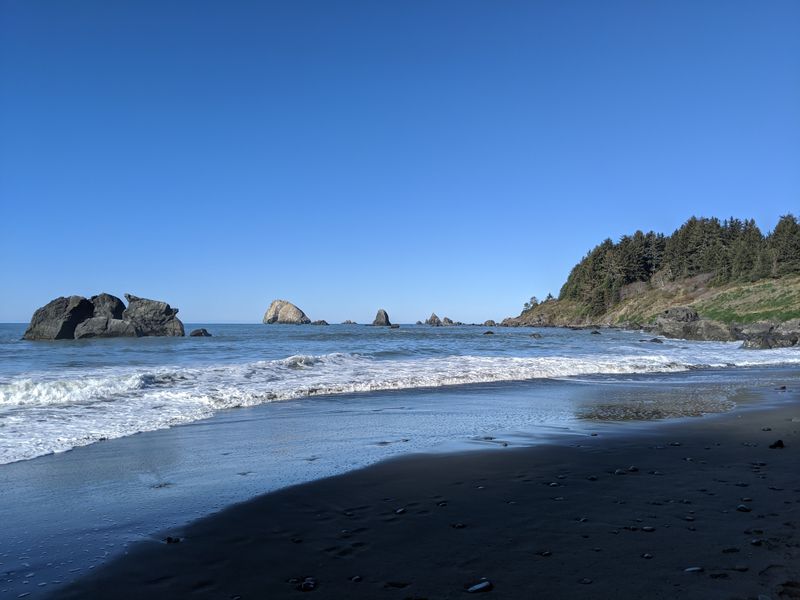
Standing on Hidden Beach, it’s easy to imagine the shoreline looked identical a century ago. No development mars the view in either direction, no power lines cross the sky, and no sounds of civilization compete with the waves.
The landscape presents itself without human editing, shaped entirely by geological forces and seasonal storms.
Offshore rocks rise from the water at irregular intervals, providing perches for seabirds and occasional sea lions whose barks echo across the cove. The cliffs backing the beach show layers of sediment and erosion patterns that tell stories stretching back millennia.
Everything about the setting reinforces the sense of arriving somewhere genuinely wild.
This untouched quality requires active preservation through visitor restraint. The beach survives in its natural state partly because so few people reach it and partly because those who do tend to respect its fragility.
Take only photographs, leave only footprints—the old hiking adage applies with particular force here.
Fog Is Part Of The Personality
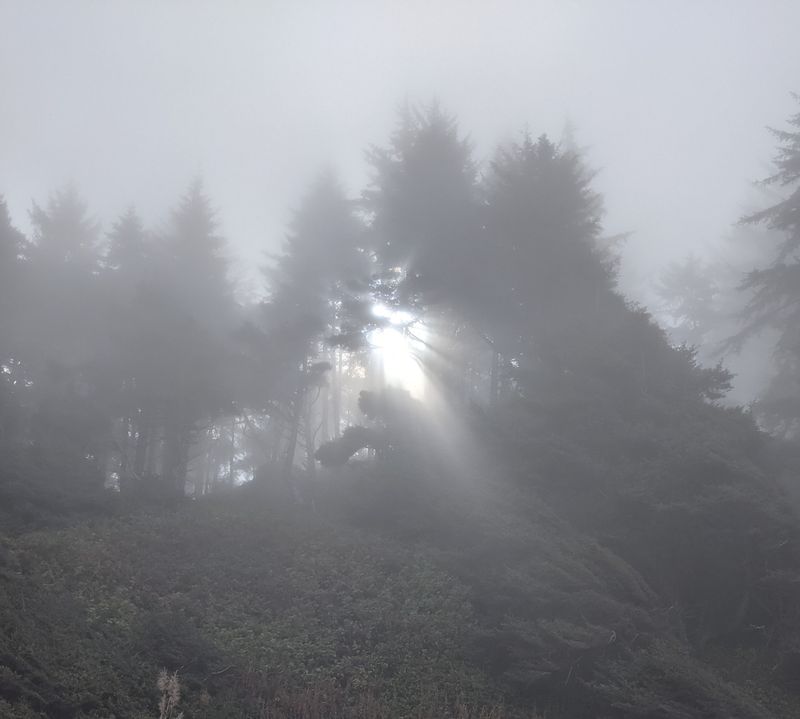
Visitors expecting California sunshine should adjust their expectations before heading to Hidden Beach. The North Coast spends much of the year wrapped in thick marine fog that rolls in from the Pacific and settles over the landscape like a cold, damp blanket.
Morning fog proves especially reliable, obscuring the beach in mist that reduces visibility to a few dozen yards.
Rather than spoiling the experience, the fog enhances the beach’s mysterious character. It muffles sounds, softens edges, and transforms familiar objects into ghostly shapes.
Driftwood looms out of the gray, waves crash invisibly beyond the fog bank, and the entire scene takes on an ethereal quality that clear weather could never provide.
Photographers particularly appreciate the fog for creating moody, atmospheric images impossible to capture at sunnier beaches. The mist also keeps temperatures cool year-round, making layers essential even in summer.
Pack accordingly and embrace the fog as part of Hidden Beach’s authentic North Coast identity rather than unfortunate weather.
It’s Part Of California’s Remote North Coast
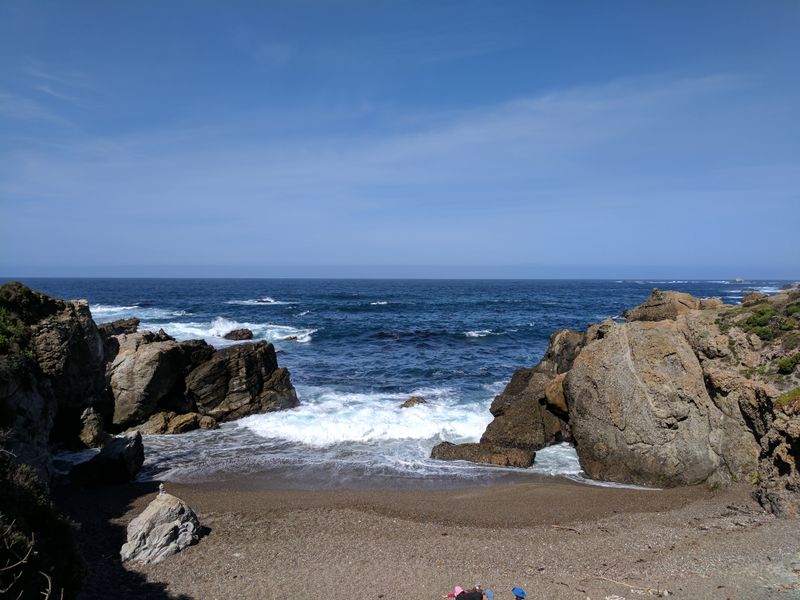
Hidden Beach occupies a stretch of California that feels worlds away from the state’s crowded southern beaches. Located in Del Norte County near the Oregon border, this section of coastline sees a fraction of the tourism that floods Santa Monica or Huntington Beach.
Highway 101 carries travelers through quickly, most bound for Oregon or returning south with barely a glance at the ocean.
The surrounding region embraces its remoteness. Small communities like Klamath function as service stops rather than destinations, and the landscape prioritizes preservation over development.
Redwood National and State Parks protect vast stretches of old-growth forest, while the coastline remains largely inaccessible except to those willing to hike.
This geographic isolation contributes significantly to Hidden Beach’s character. The beach exists as part of a larger wilderness corridor rather than as an isolated pocket of nature surrounded by development.
Visiting means entering a region where nature still dictates terms and human presence remains provisional at best.
Low Tide Changes Everything
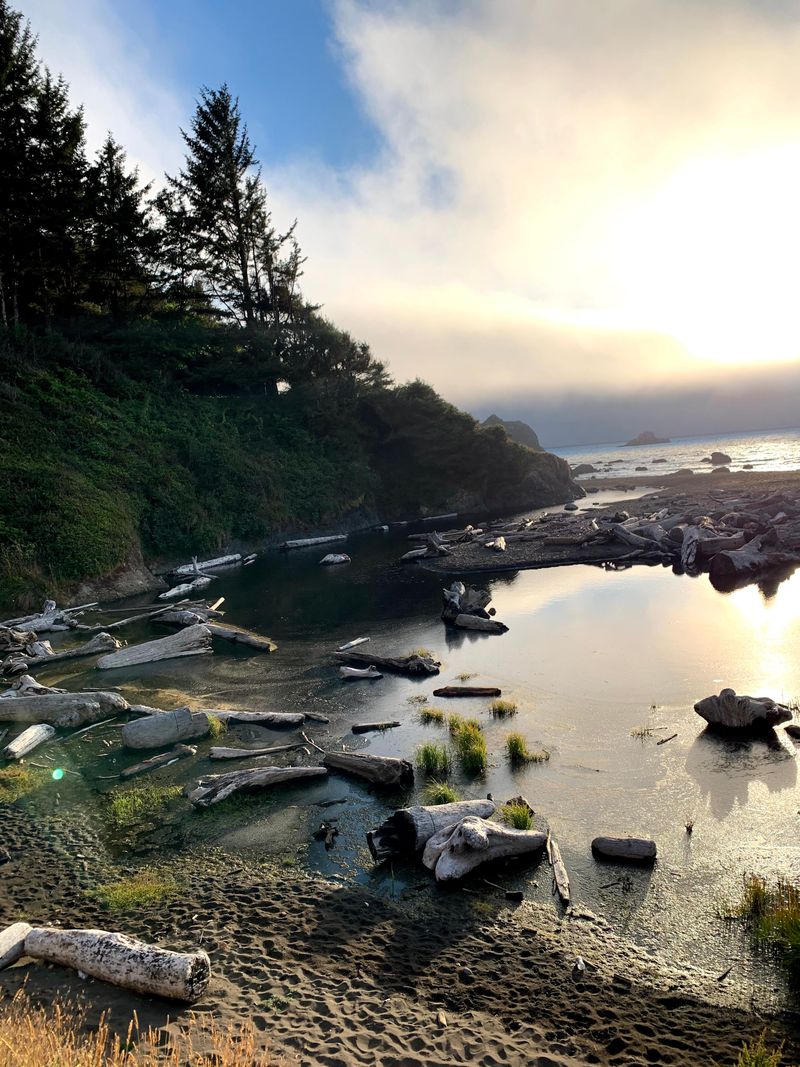
Timing your visit to Hidden Beach around the tides transforms the experience entirely. High tide pushes water against the driftwood barriers and rocky outcrops, sometimes making beach access difficult or dangerous.
Low tide reveals tide pools, exposes flat sand, and opens up exploration opportunities impossible during other parts of the day.
Tide pool enthusiasts should consult tide charts before making the hike. The lowest tides expose marine life clinging to rocks—sea stars, anemones, crabs, and small fish trapped in temporary pools.
These windows into the intertidal zone last only a few hours before the ocean reclaims them, making timing essential.
Photographers also benefit from planning around tides. Low tide provides safer access to interesting rock formations and allows for compositions impossible when water covers the foreground.
The beach essentially offers two different experiences depending on tidal conditions, both worth witnessing if your schedule allows multiple visits. Check NOAA tide predictions for the Klamath area before departing.
You Might Have The Whole Beach To Yourself
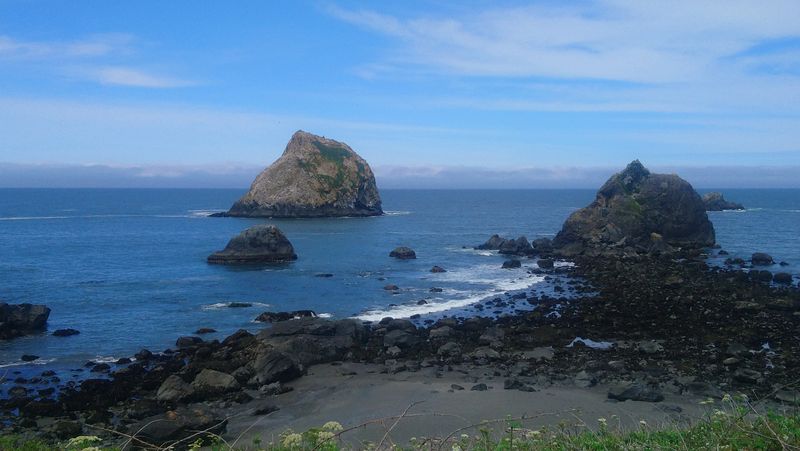
Solitude represents one of Hidden Beach’s greatest luxuries. Multiple visitors report spending hours on the sand without encountering another person, a remarkable feat along California’s coast.
Even during summer months when other beaches groan under crowds, Hidden Beach maintains its quiet character through sheer inaccessibility.
The privacy allows for experiences impossible at popular beaches. Watch whales migrate without fighting for telescope time, explore tide pools without worrying about disturbing other visitors, or simply sit with your thoughts while waves provide the only soundtrack.
The space belongs to you temporarily, shared perhaps with seabirds and the occasional seal.
This solitude comes with responsibility. With no crowds comes no safety net—if you injure yourself, help isn’t steps away.
Cell service doesn’t reach the beach, so communication with the outside world requires hiking back to the trailhead. The isolation that makes Hidden Beach special also demands self-sufficiency and careful planning from visitors.
Wildlife Sightings Are Common
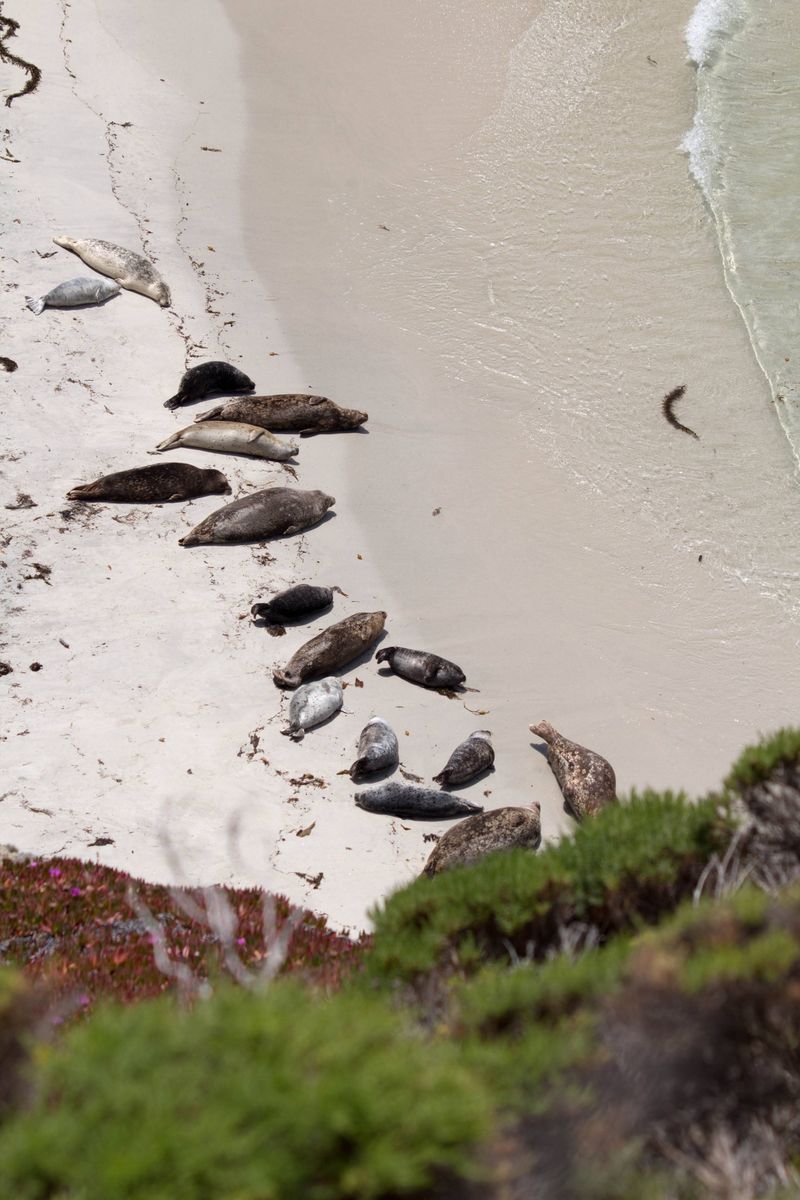
Hidden Beach’s remoteness attracts wildlife that avoids more populated shores. Sea lions frequently haul out on offshore rocks or swim through the cove, their barks carrying clearly across the water.
Harbor seals appear regularly, sometimes bobbing in the surf close enough to make eye contact with patient observers on shore.
Birdlife proves equally abundant. Cormorants, pelicans, and various gull species work the waters for fish, while oystercatchers probe the rocks during low tide.
Patient visitors sometimes spot sea otters floating on their backs beyond the breakers, though sightings remain less predictable than seal encounters. During migration seasons, gray whales pass close enough to shore that their blows become visible from the beach.
The key to wildlife viewing here involves patience and respect for distance. Bring binoculars rather than approaching animals, and remember that this is their habitat first.
The privilege of sharing space with marine mammals in their natural environment far exceeds any photograph taken from too close.
There’s No Cell Signal—And That’s The Point
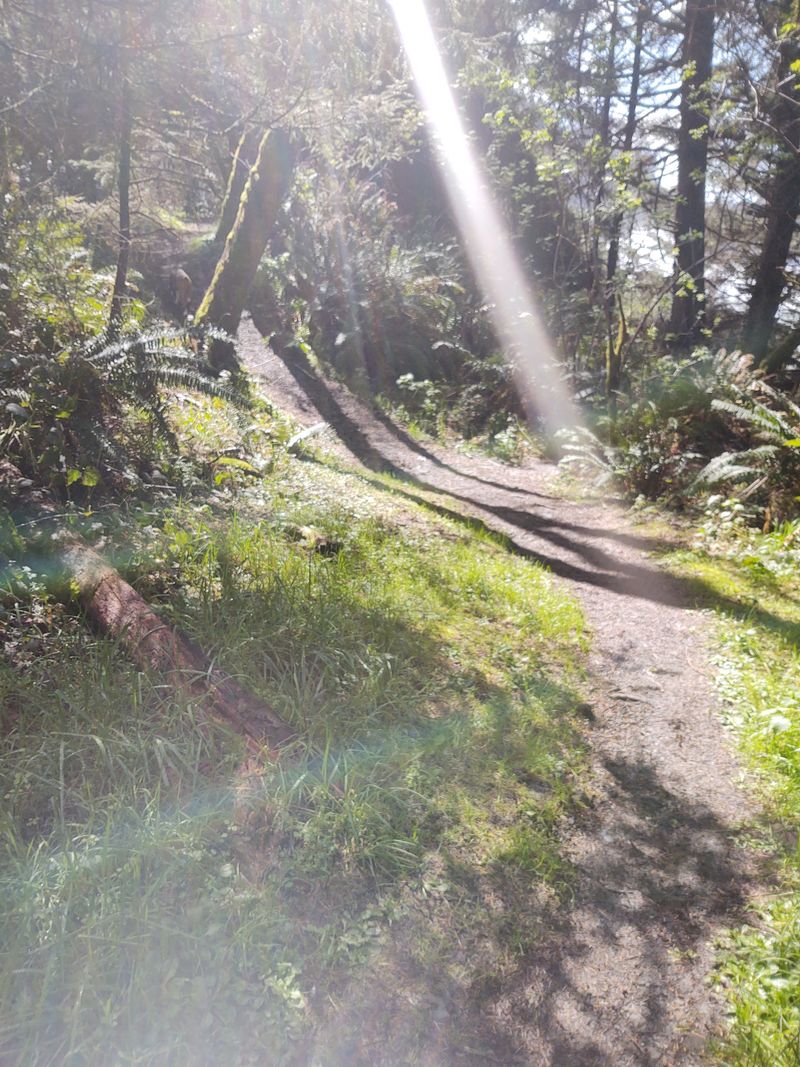
Cell service disappears somewhere between the trailhead and the beach, leaving visitors genuinely disconnected from the digital world. Phones become useful only for their cameras, and even photography requires mindfulness about battery life with no way to recharge.
The silence of no notifications, no calls, and no internet creates space that modern life rarely allows.
This forced disconnection initially feels uncomfortable for those accustomed to constant connectivity. The impulse to check messages or share photos immediately goes unsatisfied, creating a mild anxiety that gradually fades.
What replaces it—attention to immediate surroundings, conversations without distraction, thoughts allowed to wander—feels increasingly rare and therefore valuable.
The lack of signal also serves practical purposes. It prevents the beach from becoming an outdoor office where laptops and hotspots intrude on wilderness.
It ensures that visitors remain present rather than performing their experience for social media. Most importantly, it means emergencies require real planning and preparation rather than reliance on a quick 911 call.
This Is Not A Quick Stop Beach
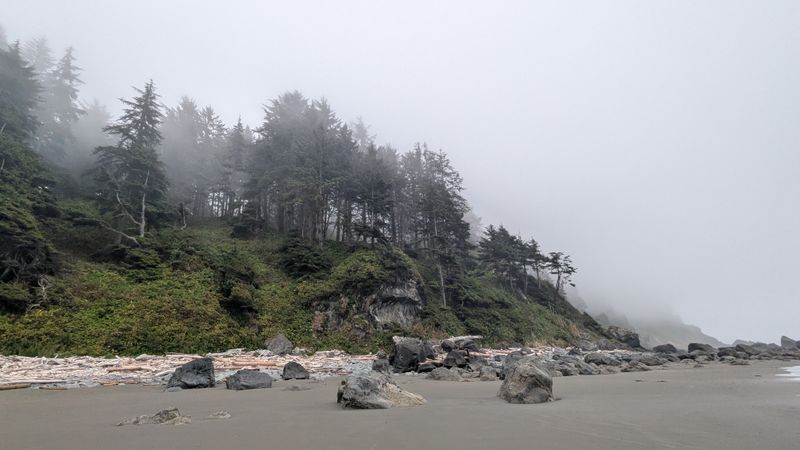
Hidden Beach punishes rushed visits. The hike requires at least thirty minutes each way, though most hikers take closer to forty-five minutes given the terrain.
Spending only a few minutes at the beach after that investment feels absurd, yet the location demands more than a cursory glance to reveal its character. Plan on dedicating at least half a day to the experience.
The beach rewards extended stays. Tide cycles change the landscape over hours, wildlife appears on unpredictable schedules, and the fog lifts and returns without regard for human timelines.
Visitors who arrive, take a few photos, and leave miss the subtler pleasures—the way light shifts through marine layers, how driftwood patterns tell stories of winter storms, the meditative quality of watching waves for an hour without interruption.
Bring food, water, and layers for temperature changes. Settle in rather than checking boxes.
The beach exists in opposition to efficiency and quick consumption, offering its best experiences to those who slow down and accept its rhythms.
It Feels Less Like A Beach And More Like A Discovery
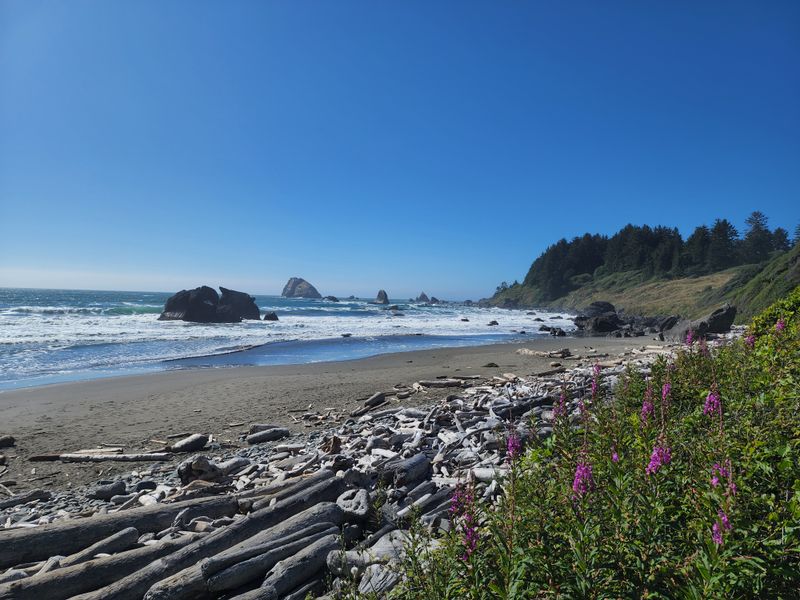
First-time visitors to Hidden Beach consistently describe the experience using language of discovery rather than simple recreation. The combination of obscured access, forest approach, and complete lack of development creates the sensation of finding something rather than visiting an established attraction.
Each element reinforces the feeling that you’ve stumbled onto a secret.
This quality separates Hidden Beach from California’s countless other beautiful shores. Even remote beaches often show signs of human knowledge—a worn path, a fire ring, trash requiring cleanup.
Hidden Beach maintains an almost pristine quality, as if the dozen or so visitors who arrive weekly leave no lasting mark. The beach resets itself between visits.
That sense of discovery carries weight beyond simple novelty. It connects visitors to the experience of early explorers seeing the California coast for the first time, before Highway 101 and tourist infrastructure.
For a few hours, the beach belongs to you in a way that feels earned rather than purchased, discovered rather than consumed, remembered rather than simply photographed.