
This Gorgeous Wisconsin Harbor Town Is Often Called The Cape Cod Of The Midwest
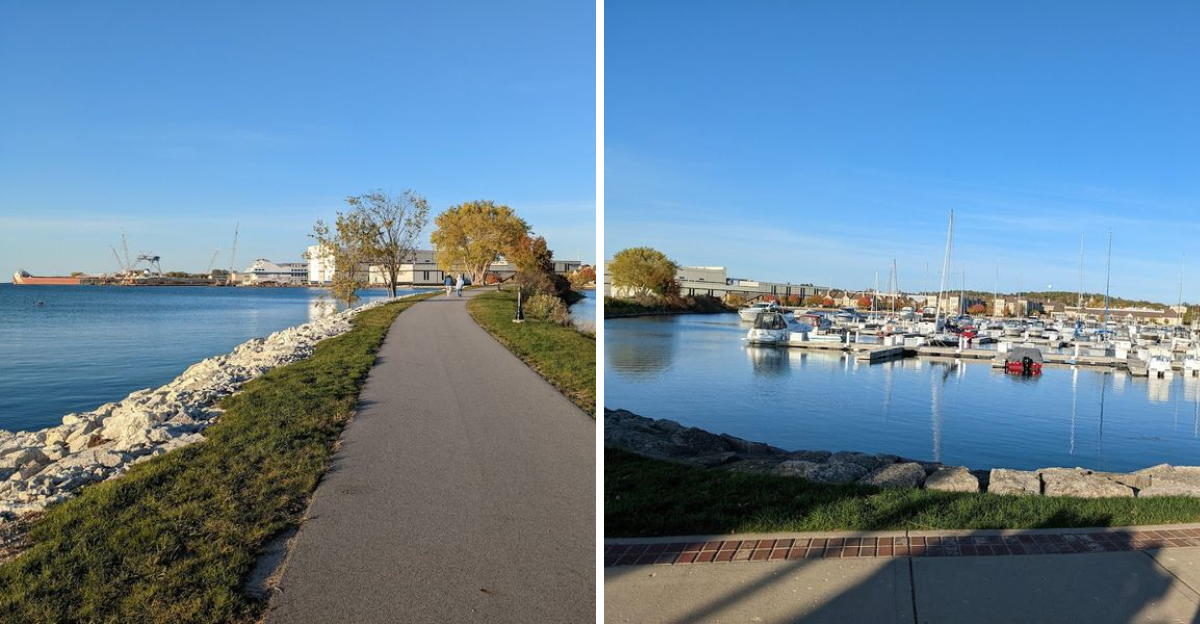
Perched at the crossroads of Lake Michigan and Green Bay, this harbor town has long been shaped by life on the lake. Fishing boats, sailboats, and working vessels glide through the same channels, creating a waterfront scene that feels both lively and timeless.
The community serves as the gateway to a beloved peninsula, where maritime traditions still run deep and the shoreline seems to stretch endlessly toward the horizon. With a modest population and a strong sense of local pride, the town blends shipbuilding heritage with the easygoing charm that draws travelers back year after year.
Scenic harbors, quiet streets, and a deep connection to the water give everyday life a slower, more deliberate rhythm. Visitors quickly discover a place where lake breezes, friendly faces, and classic small-town character come together in a way that feels unmistakably special.
A Door County Harbor Town With Classic Coastal Charm
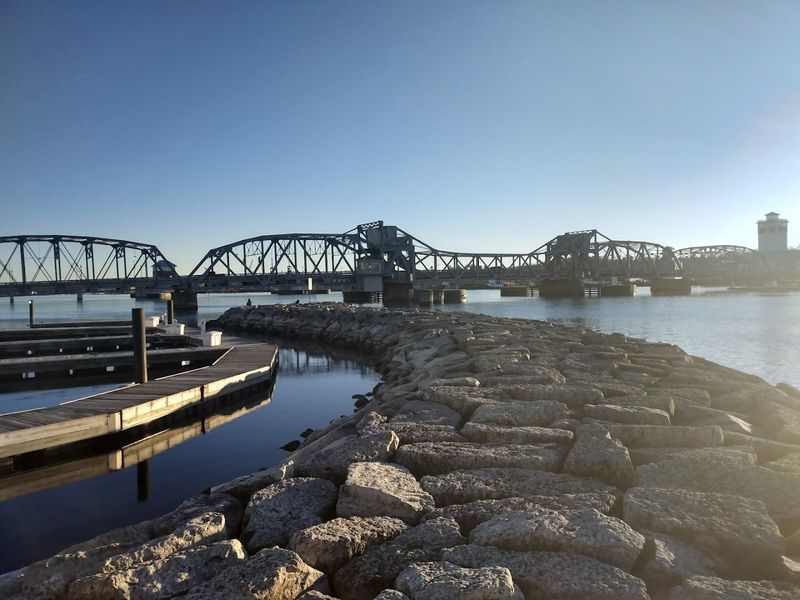
Sturgeon Bay functions as the commercial and geographic heart of Door County, positioned where the bay narrows into a navigable channel connecting two Great Lakes bodies. The city developed around this strategic waterway, and its identity remains inseparable from the working harbor that defines its shoreline.
Commercial vessels, fishing boats, and recreational craft share the water in a display of maritime diversity rarely seen in smaller Midwestern ports.
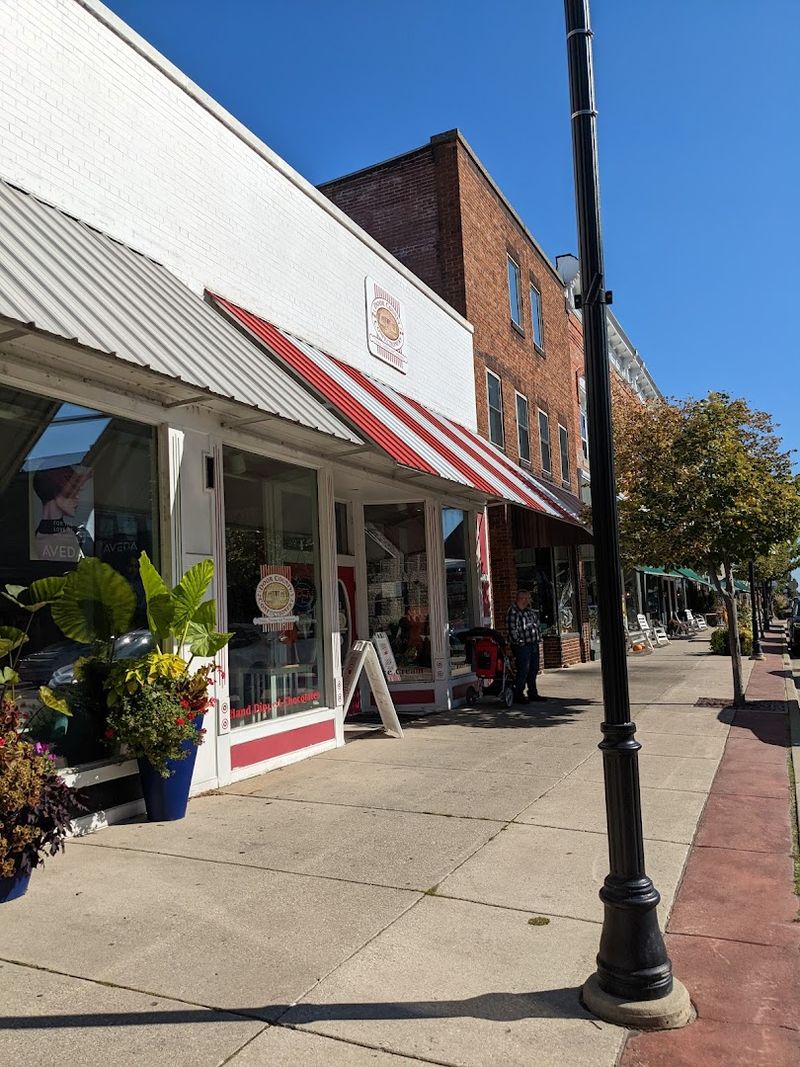
The downtown district runs parallel to the waterfront, creating a natural flow between shops, restaurants, and the docks. Brick storefronts house locally owned businesses, and the architecture reflects periods of growth tied to shipbuilding booms and agricultural prosperity.
Walking these streets offers a sense of continuity, as though the town has grown organically rather than according to any master plan.
The comparison to Cape Cod stems from more than just water access. Both places share a similar rhythm, a blend of working maritime culture and seasonal tourism that creates distinct summer and winter personalities without losing authenticity in either mode.
A Scenic Waterfront Where Boats And Sunsets Steal The Show
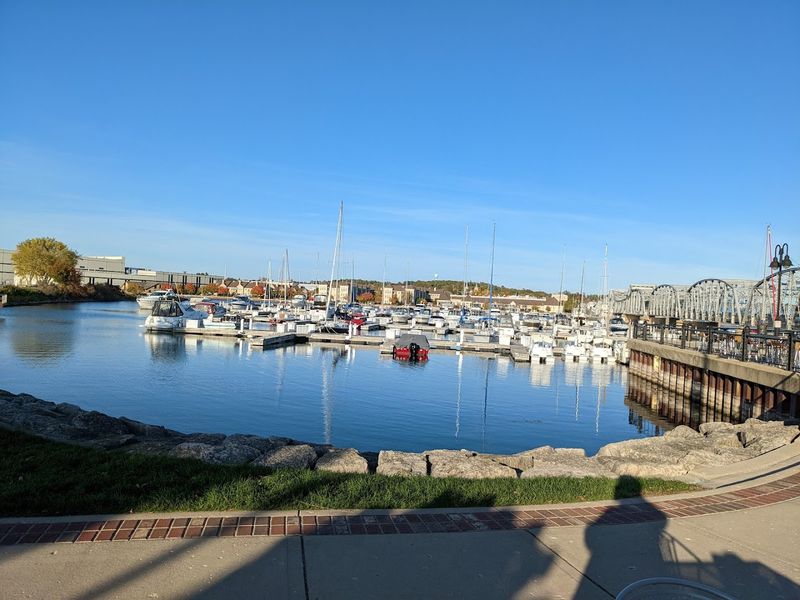
The sunsets over Sturgeon Bay carry a particular quality of light that photographers and casual observers alike find difficult to ignore. As the sun drops toward the western horizon, the bay’s surface transforms into a canvas of shifting colors, with boats at anchor providing dark counterpoints to the luminous water.
The effect changes with the seasons, influenced by weather patterns moving across Lake Michigan and the angle of light specific to northern latitudes.
The harbor serves multiple purposes throughout the day, but evening transforms it into a gathering place. People arrive at waterfront parks and public docks to watch the light show, often bringing chairs or simply standing along the railings.
The ritual has no formal organization, yet it happens with reliable consistency during the warmer months.
Boat traffic adds movement to the scene, with vessels returning from day trips or heading out for evening fishing. The mix of sailboats, powerboats, and working craft creates visual interest beyond the natural spectacle, reminding observers that this remains an active waterway rather than a static tourist backdrop.
Historic Shipbuilding Roots That Shaped The Town’s Identity
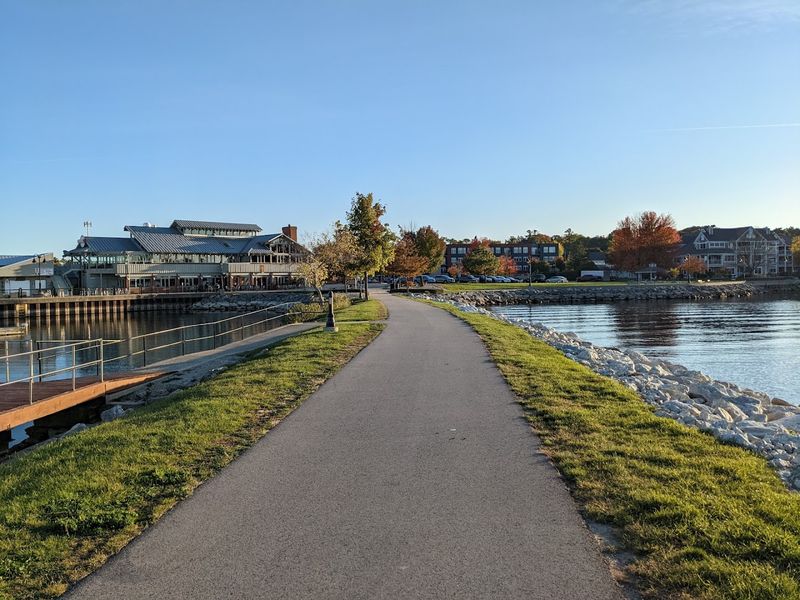
Shipbuilding in Sturgeon Bay dates to the late 1800s, when the protected harbor and access to timber made it a natural location for constructing commercial vessels. The industry grew steadily through the twentieth century, surviving economic downturns that closed yards in other Great Lakes cities.
Today, multiple shipyards continue operations, building and repairing vessels ranging from tugboats to Coast Guard cutters, maintaining skills and traditions that span generations.
The Maritime Museum documents this history through exhibits that include ship models, photographs, and artifacts recovered from local waters. Visitors gain perspective on how shipbuilding shaped not just the economy but the social structure of the community, with families often working in the yards across multiple generations.
The museum occupies a former fish shanty, adding authenticity to its presentation of maritime life.
Palmer Johnson and Bay Shipbuilding represent the modern continuation of this tradition, employing skilled workers who carry forward techniques refined over decades. The sight of massive vessels under construction remains common along certain stretches of waterfront, a reminder that Sturgeon Bay maintains its working-class maritime roots despite tourism growth.
A Walkable Downtown Filled With Shops And Local Cafés
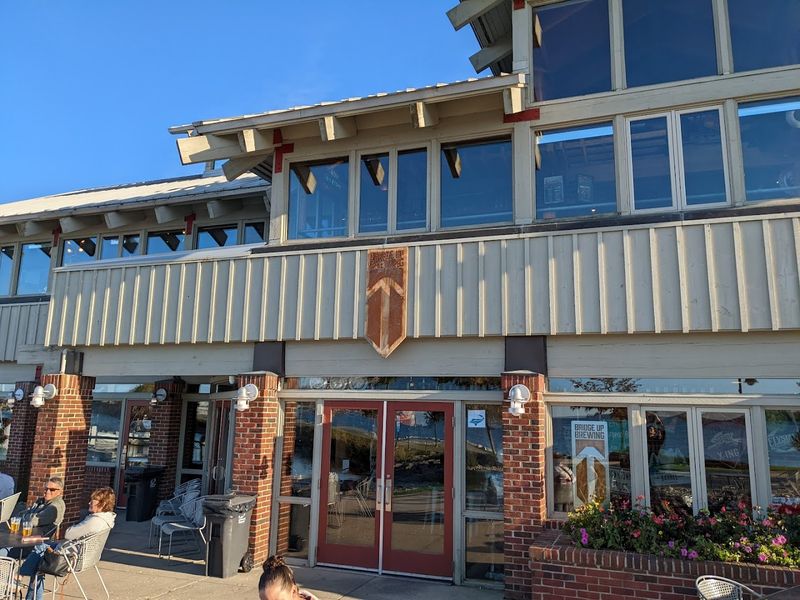
Third Avenue forms the main commercial corridor through downtown Sturgeon Bay, lined with independently owned businesses that reflect local ownership rather than chain standardization. The storefronts change with some regularity, but the overall character remains consistent, favoring artisan goods, regional products, and services that cater to both residents and visitors.
Walking the district requires perhaps thirty minutes to cover thoroughly, though browsing can extend that considerably.
Coffee shops and cafés appear at regular intervals, providing natural stopping points during a walking tour. These establishments tend toward the practical rather than the precious, serving good coffee and straightforward food without excessive concept or theme.
Conversations overheard reveal a mix of locals conducting business and tourists planning their next destination, creating an atmosphere that feels genuinely communal.
Art galleries occupy several storefronts, showcasing work by Door County artists alongside pieces from elsewhere in Wisconsin. The quality varies, but the overall selection demonstrates a regional aesthetic that draws heavily on natural subjects, maritime themes, and the particular quality of light found along the peninsula.
Shopping here feels less like a tourist obligation and more like genuine discovery.
Beautiful Lighthouses That Define The Door County Coastline
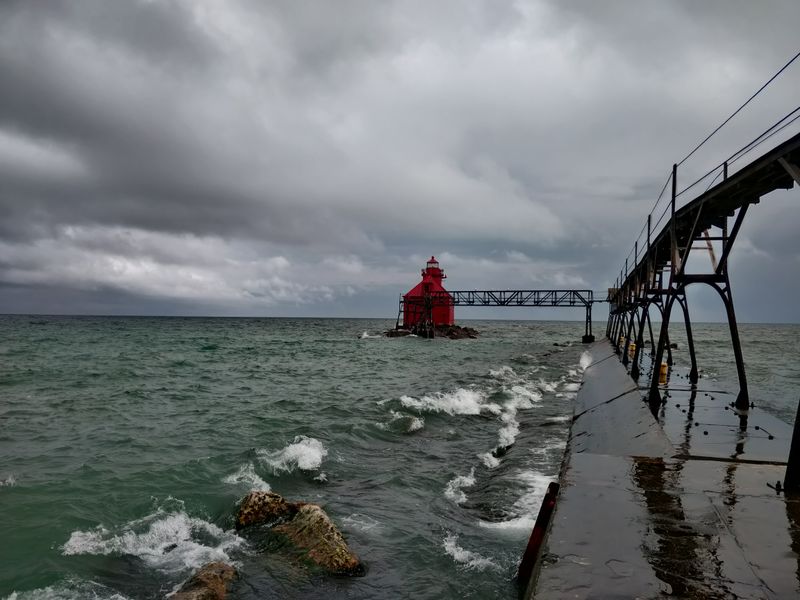
Canal Station Lighthouse marks the Lake Michigan entrance to Sturgeon Bay’s shipping canal, a red tower that has guided vessels since 1899. The structure stands as one of the most photographed landmarks in Door County, its bright color contrasting sharply with surrounding water and sky.
The lighthouse remains operational, maintained by the Coast Guard, though modern navigation technology has reduced its practical importance while increasing its symbolic value.
A second lighthouse, the Sturgeon Bay Ship Canal Light, occupies the opposite pier at the canal entrance. Together, the pair creates a gateway effect, framing the passage into the protected harbor.
Visitors can walk the piers to reach the lighthouses, though conditions can turn rough when winds kick up waves against the breakwaters.
Door County contains more lighthouses per mile of shoreline than perhaps anywhere else in the United States, and Sturgeon Bay’s examples serve as introduction to this concentration. Each structure tells stories of navigation challenges, shipwrecks, and the persistent human effort to make these waters safer for commerce and travel.
The lighthouses function now primarily as heritage markers, but their presence adds measurable character to the waterfront landscape.
A Gateway To Some Of Door County’s Best Parks And Nature
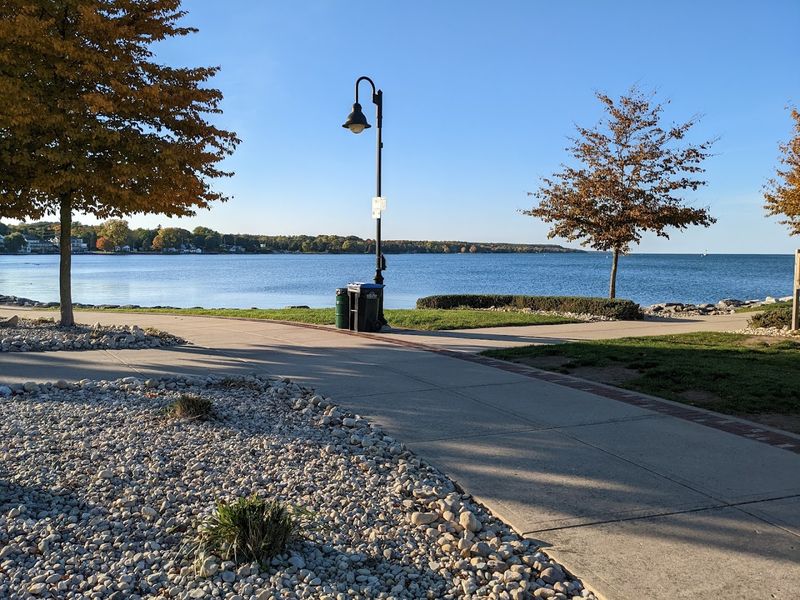
Potawatomi State Park lies just outside Sturgeon Bay proper, offering 1,200 acres of forest, meadow, and shoreline along Sturgeon Bay’s southern edge. The park provides hiking trails that range from easy waterfront walks to more challenging climbs up the Niagara Escarpment, with observation towers offering views across Green Bay.
Camping facilities draw visitors who use the park as a base for exploring the broader Door County peninsula.
The park’s natural areas showcase the ecological diversity that makes Door County attractive to nature enthusiasts. Hardwood forests transition to wetlands and rocky shoreline, creating habitat for migrating birds and resident wildlife.
Spring wildflowers and fall color displays mark the seasonal transitions, while winter transforms the park into a destination for cross-country skiing and snowshoeing.
Beyond Potawatomi, numerous other preserves and parks dot the landscape within short driving distance of Sturgeon Bay. The Door County Land Trust maintains several properties open to public access, protecting habitats that might otherwise face development pressure.
Sturgeon Bay’s location at the base of the peninsula makes it a logical starting point for visitors planning to explore these natural areas systematically.
Cherry Orchards And Farm Stands That Celebrate Local Flavor

Door County produces a significant portion of Wisconsin’s tart cherry crop, and orchards surrounding Sturgeon Bay contribute to this agricultural identity. The cherry harvest peaks in July, when farm stands open along county roads selling fresh fruit, preserves, and cherry-based products that range from practical to novelty.
The connection between place and product feels genuine here, rooted in soil conditions and climate rather than marketing invention.
Farm stands operate on varying schedules, some staffed and others running on honor systems with cash boxes for payment. The informal nature of these operations reflects rural traditions that persist despite tourism growth, maintaining practices that assume basic honesty and community trust.
Beyond cherries, stands offer apples, vegetables, honey, and other products from local farms, creating a network of small-scale agricultural commerce.
Several orchards offer pick-your-own operations during harvest season, allowing visitors to gather fruit directly from trees. The experience provides perspective on the labor involved in commercial fruit production while creating family memories that extend beyond typical tourist activities.
Cherry products appear throughout Door County restaurants and shops, but purchasing directly from farm stands connects buyers more closely to the agricultural landscape.
A Relaxed Harbor Atmosphere That Feels Like A Seaside Escape
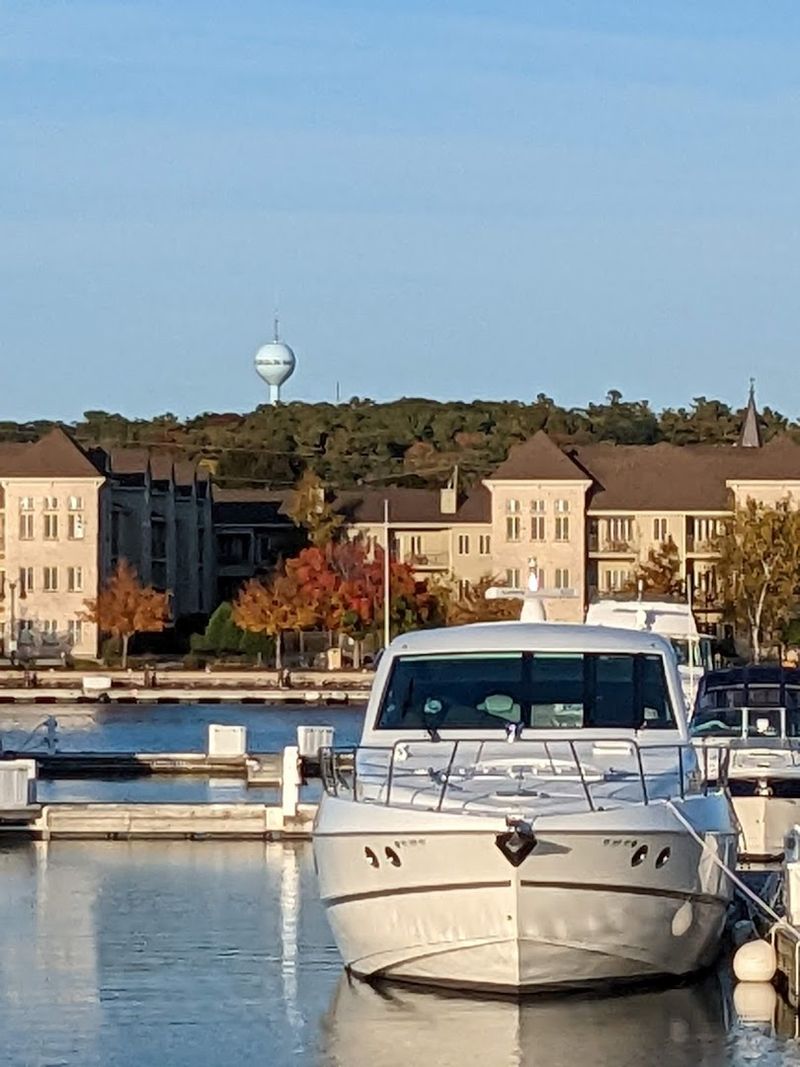
The pace in Sturgeon Bay differs noticeably from urban centers just a few hours south, operating on rhythms dictated by weather, water conditions, and seasonal tourism patterns rather than corporate schedules. This relaxed atmosphere registers most clearly along the waterfront, where people gather without apparent agenda, content to watch boats or simply sit in proximity to the water.
The effect resembles coastal towns in other regions, where maritime settings seem to grant permission for slower movement and longer pauses.
Restaurants and bars near the harbor adopt this same unhurried approach, with service that prioritizes conversation over efficiency and menus that change based on available ingredients rather than corporate mandates. Dining becomes less about the food alone and more about the total experience of place, time, and company.
Reservations matter during peak season, but the overall feeling remains casual rather than formal.
The comparison to Cape Cod gains strength in these moments of harbor life, when the specific location matters less than the universal appeal of waterfront communities. Both places offer refuge from faster-paced environments, providing space for the kind of unstructured time that has become increasingly rare in contemporary American life.
Seasonal Festivals That Bring The Community Together
The Door County Maritime Museum hosts a boat festival each summer, drawing wooden boat enthusiasts and casual admirers to displays of restored craft and demonstrations of traditional building techniques. The event celebrates the region’s shipbuilding heritage while connecting historical practices to contemporary boat culture.
Attendees range from serious collectors to families seeking weekend entertainment, creating a democratic atmosphere where expertise and curiosity mingle freely.
Harvest Fest arrives in autumn, marking the end of the growing season with vendors selling local produce, craft items, and prepared foods. The festival occupies downtown streets, temporarily transforming commercial corridors into pedestrian marketplaces.
Live music provides background atmosphere without dominating the experience, and the overall effect feels genuinely local rather than manufactured for tourist consumption.
Winter brings the Holiday Parade and related events that serve primarily the resident community, though visitors who happen to be present are welcomed into the celebrations. These seasonal festivals function as social infrastructure, providing regular opportunities for community gathering that strengthen connections between residents while offering visitors glimpses into local culture beyond the tourism economy.
The festivals avoid excessive commercialization, maintaining authenticity that distinguishes them from purely tourist-oriented events.
A Lakeside Destination That Shows Why Door County Is So Loved
Door County attracts visitors seeking escape from urban environments, drawn by promises of natural beauty, small-town character, and access to Great Lakes waters. Sturgeon Bay serves as introduction to these attractions, offering concentrated samples of what makes the peninsula appealing without requiring extensive travel to remote locations.
The city provides infrastructure and services that support tourism while maintaining enough working-class authenticity to avoid feeling like a resort town.
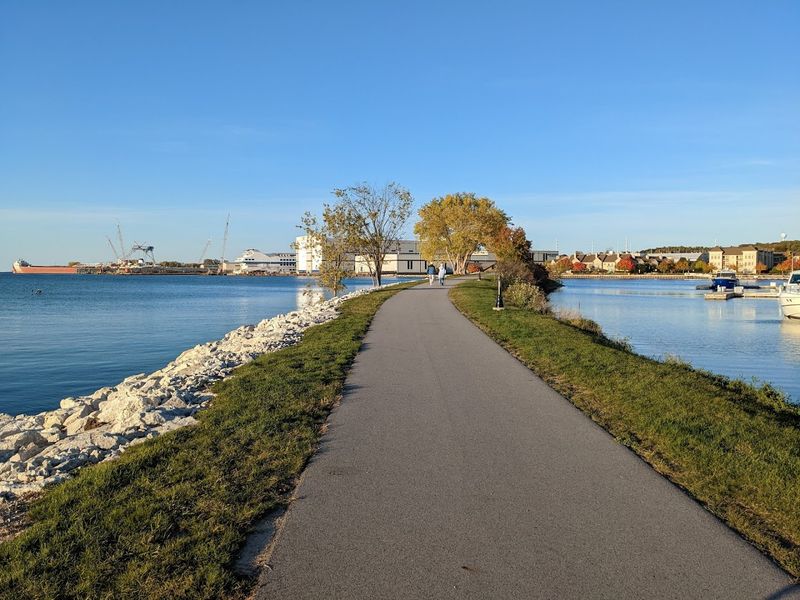
The lakeside setting creates the fundamental appeal, with water visible from numerous vantage points throughout the city. This constant proximity to Lake Michigan and Green Bay influences everything from weather patterns to economic activities, creating an environment distinctly different from inland Wisconsin communities.
The psychological effect of water access registers even for visitors who never set foot in a boat, providing visual and atmospheric qualities that land-locked locations cannot replicate.
Sturgeon Bay’s position at the base of Door County makes it a logical first stop for visitors entering the peninsula, and many find the city itself sufficient destination rather than merely a gateway. The combination of maritime heritage, natural access, and functional downtown creates a complete experience that demonstrates the broader appeal of Door County in concentrated form.