
This Gorgeous Wisconsin Museum Feels Like Stepping Into A Jane Austen Novel
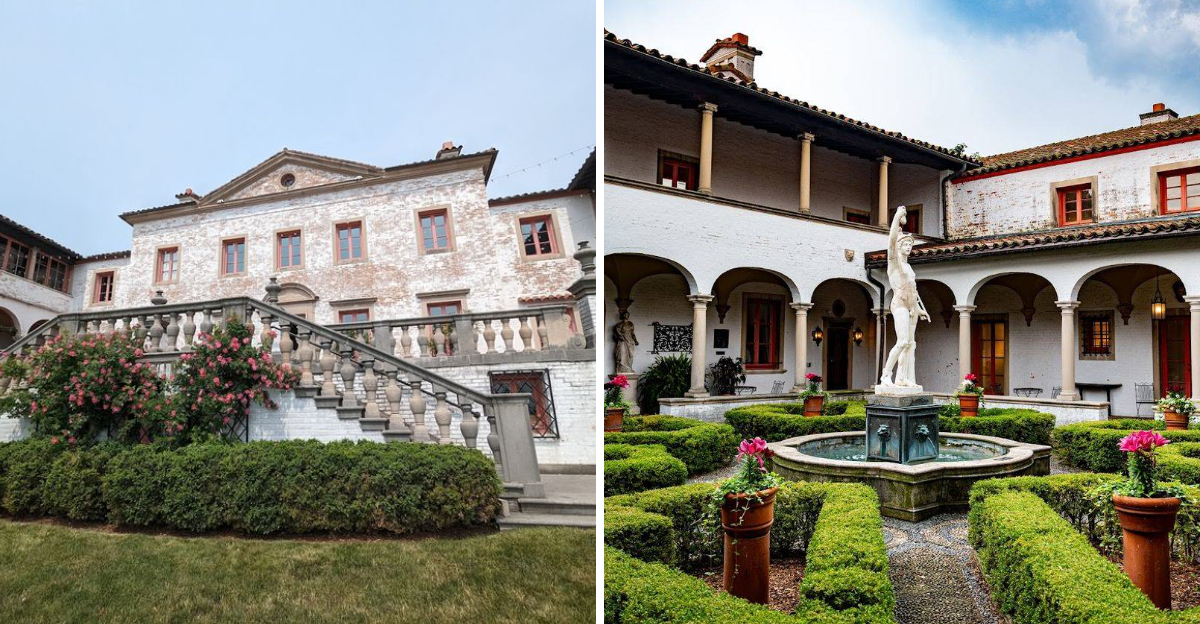
Milwaukee has a lakefront surprise that feels like it wandered out of Europe and decided to stay in Wisconsin. Ever visited a place that makes you slow down the second you arrive?
Instead of plain museum halls, visitors find graceful arches, old-world details, terraced gardens, and views that make Lake Michigan look extra dramatic. It is the kind of place where you half expect someone in a period dress to appear around the corner with excellent gossip.
Built as a private estate in the 1920s, it now offers Italian-inspired elegance without the airfare or passport panic. Between the garden steps, decorative ironwork, romantic atmosphere, and sweeping water views, this museum turns a simple afternoon into something beautifully out of the ordinary.
The Museum Was Built As A Private Italian Renaissance-Style Villa
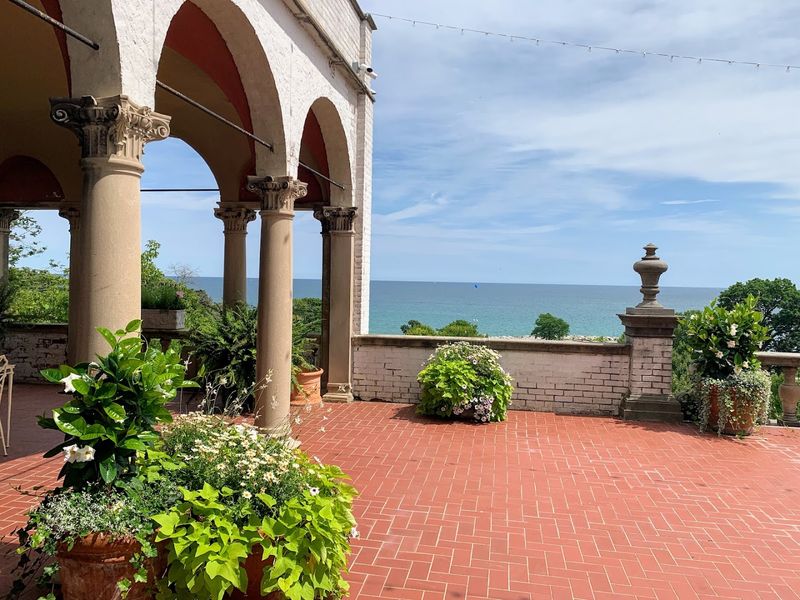
Villa Terrace arrived in Milwaukee during the height of the Jazz Age, bringing European grandeur to the American Midwest. The structure follows Italian Renaissance design principles, with symmetrical proportions and classical details that mirror the villas scattered across the Italian countryside.
Architects of the period looked to historical models for inspiration, and this building demonstrates how faithfully they could recreate Old World elegance on new soil.
The exterior features stucco walls, terracotta roof tiles, and arched openings that frame views of the surrounding landscape. Visitors approaching from North Terrace Avenue encounter a formal entrance that sets the tone for everything beyond.
The building material choices and construction techniques reflect both the wealth of its original owners and the skilled craftsmen who brought the vision to completion during an era of ambitious residential projects along Milwaukee’s lakefront.
It Sits On A Bluff Overlooking Lake Michigan
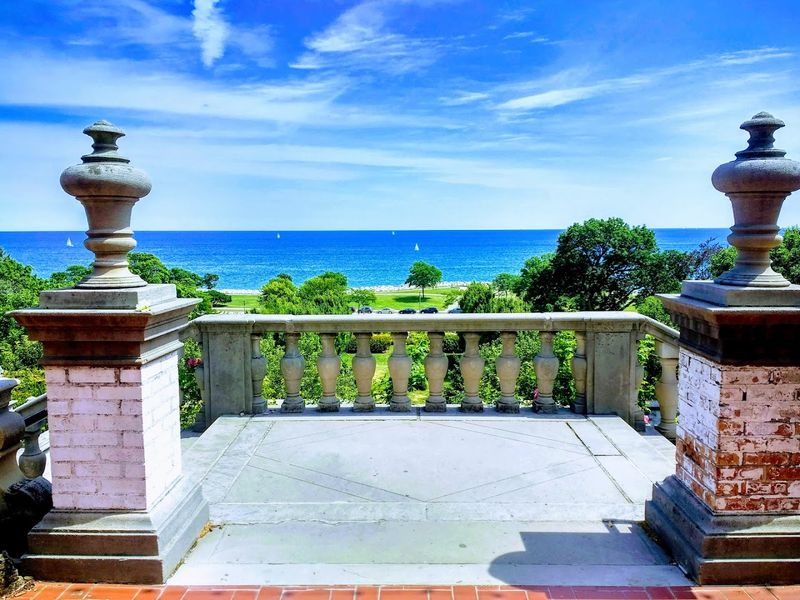
Geography played a significant role in the selection of this site at 2220 North Terrace Avenue. The property occupies elevated ground that provides unobstructed views across one of the Great Lakes, a feature that increases both the aesthetic appeal and the practical value of the estate.
During the 1920s, Milwaukee’s wealthy residents competed for these prime lakefront parcels, understanding that such vantage points would never be replicated.
Standing on the bluff, visitors gain perspective on the scale of Lake Michigan and the shipping lanes that once defined Milwaukee’s economy. The elevation change between the villa and the water below creates natural drama in the landscape design.
Weather patterns move across the water in full view, and seasonal changes in light transform the scene throughout the year, offering something different with each visit to the museum grounds.
The Terraced Gardens Feel Like A European Estate
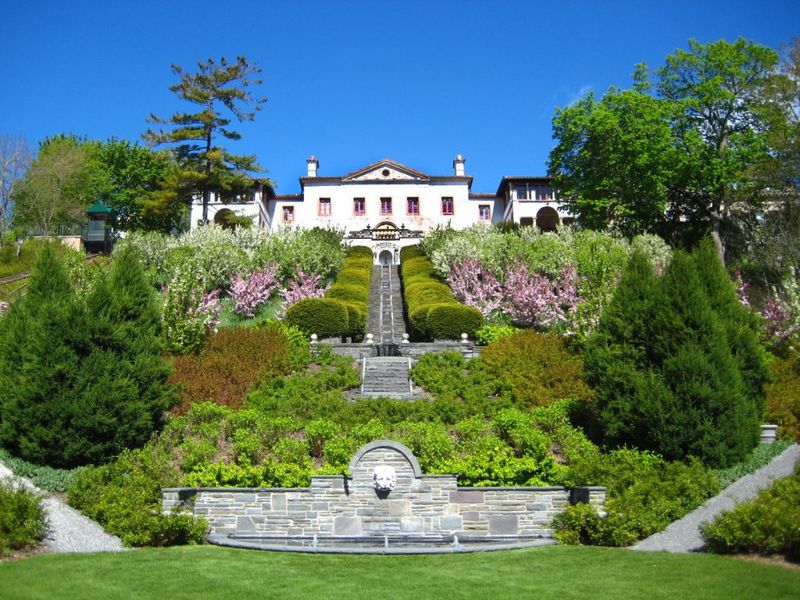
Garden design at Villa Terrace follows principles established centuries ago on European estates where landscape architects carved formal spaces into sloping terrain. Multiple levels descend from the villa toward the lake, each terrace offering a distinct garden room with its own character and plantings.
Stone balustrades and staircases connect these spaces, creating a vertical journey through carefully composed outdoor areas that reward slow exploration.
The terraced structure serves both practical and aesthetic purposes, managing the steep grade while creating opportunities for varied garden experiences. Seasonal plantings change the color palette throughout the growing months, though the underlying structure remains constant.
Visitors who take time to move between levels discover how each terrace frames different views and how the design guides movement through the landscape with deliberate grace.
The Courtyard Adds Serious Period Drama Charm
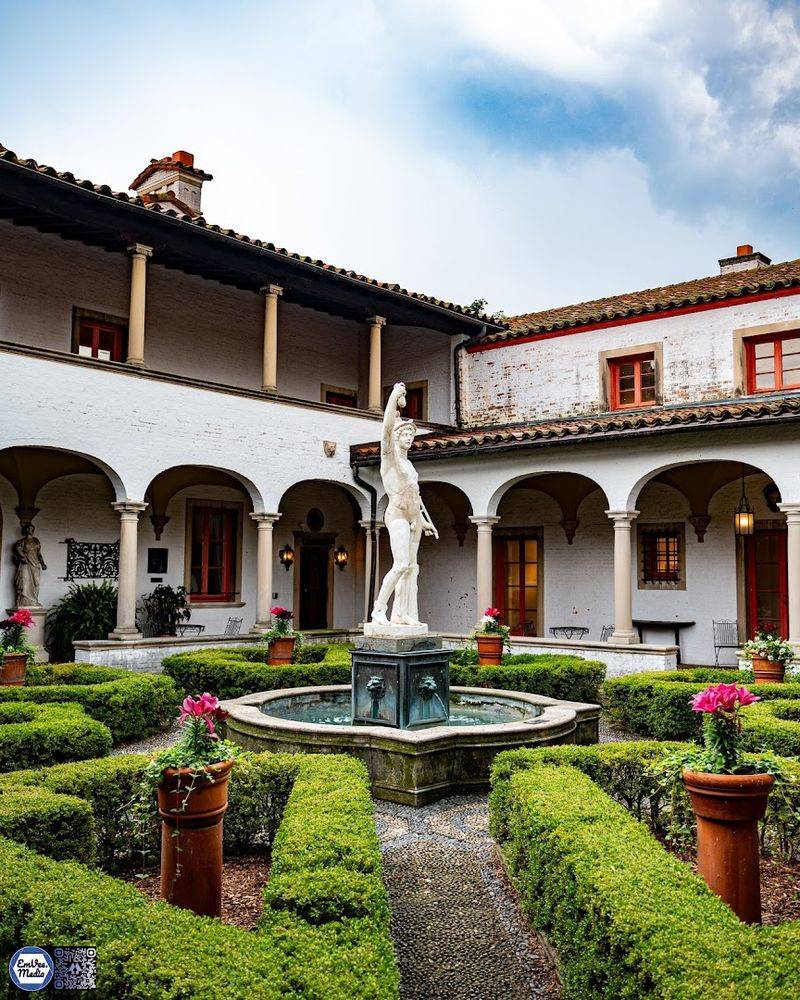
Interior courtyards represent one of the defining features of Italian villa architecture, and Villa Terrace includes this element with authentic detail. The space functions as an outdoor room, enclosed by the building’s wings and open to the sky above.
Classical columns support arched walkways that surround the courtyard, creating covered passages that connect different sections of the villa while protecting visitors from weather.
A central fountain serves as the focal point, its presence both decorative and historically accurate to the Mediterranean tradition of incorporating water features into residential courtyards. The acoustics of the enclosed space amplify the sound of water, adding an auditory layer to the visual experience.
This architectural feature demonstrates how wealthy Americans of the 1920s sought to recreate not just the appearance but the full sensory experience of European estate living.
Architect David Adler Designed The Villa In The 1920s
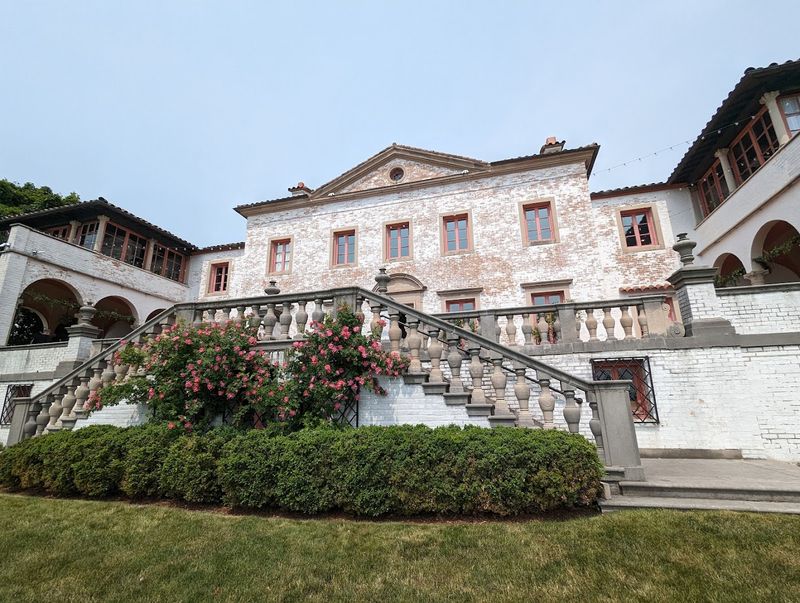
David Adler earned his reputation designing homes for America’s wealthy families during the early twentieth century, and Villa Terrace stands among his notable works. His architectural training included study in Europe, where he absorbed the principles of classical design that would later inform his American projects.
Adler understood proportion, symmetry, and the relationship between buildings and their surrounding landscapes, skills he applied with particular success to this Milwaukee commission.
The architect’s work demonstrates how historical styles could be adapted to modern American contexts without losing their essential character. Adler paid attention to interior flow, natural light, and the practical needs of his clients while maintaining the formal elegance his wealthy patrons expected.
His design for Villa Terrace balanced grandeur with livability, creating spaces that functioned as both a private residence and a showcase for art and entertaining.
The Home Was Originally Built For Lloyd And Agnes Smith
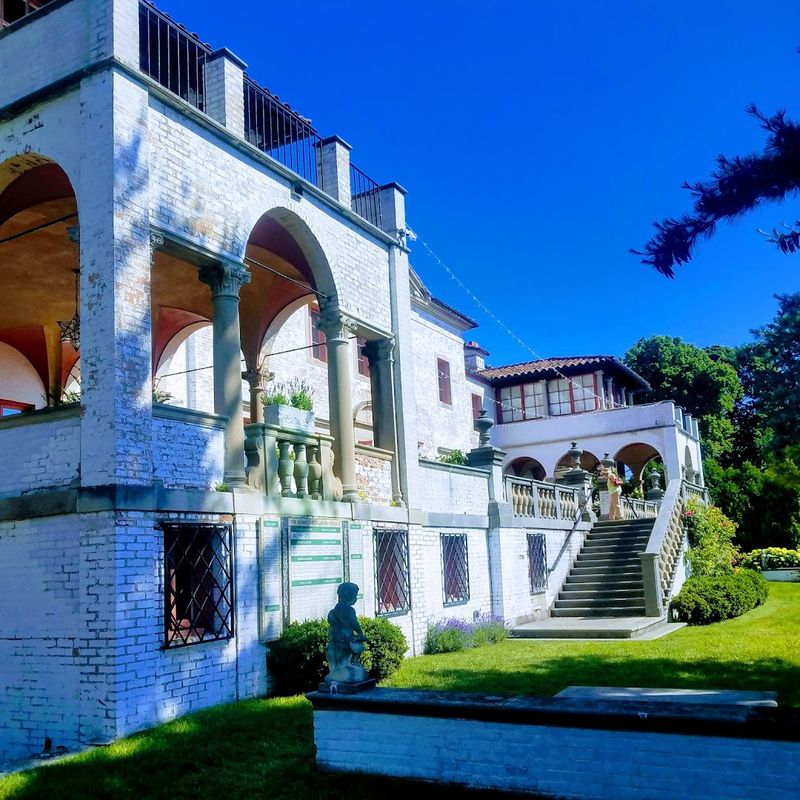
Lloyd Smith made his fortune in the steel industry, accumulating wealth that allowed him and his wife Agnes to commission one of Milwaukee’s most ambitious private residences. The couple belonged to the city’s social elite during the prosperous years following World War I, when industrial fortunes funded elaborate building projects.
Their decision to create an Italian villa rather than another architectural style reflected both personal taste and the broader cultural fascination with European refinement that characterized the period.
The Smiths lived in the completed villa for several decades, using the space for both family life and social entertaining. Their art collection, displayed throughout the rooms, revealed their cultural interests and provided the foundation for the museum that would eventually occupy the building.
The transition from private residence to public institution preserved both the architecture and the collecting tradition the Smiths established.
The Renaissance Garden Flows Down Toward The Lake
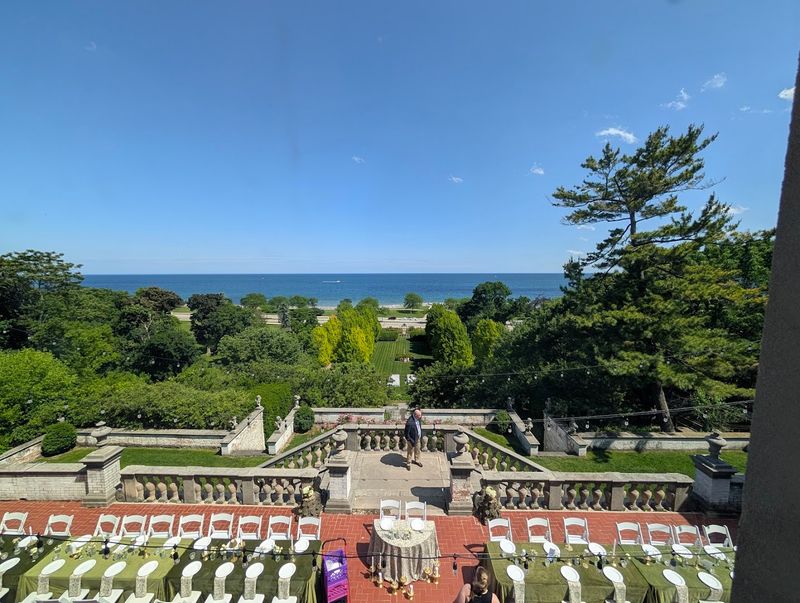
Renaissance garden design emphasized geometry, symmetry, and the controlled arrangement of natural elements into formal patterns. Villa Terrace applies these principles to its sloping site, creating a garden that moves visitors downward through a series of carefully planned spaces.
Each level presents different plantings and architectural features, but the overall composition maintains visual unity through repeated elements and consistent proportions.
The downward progression toward Lake Michigan creates a natural narrative, drawing visitors from the formal spaces near the villa into increasingly open areas as elevation decreases. Stone paths, steps, and retaining walls guide movement while defining distinct garden rooms.
Water features appear at strategic points, adding sound and movement to the otherwise static plantings. The garden demonstrates how Renaissance design principles could be adapted to American landscapes while maintaining their essential character and formal elegance.
Decorative Arts Give The Interiors An Old World Feel
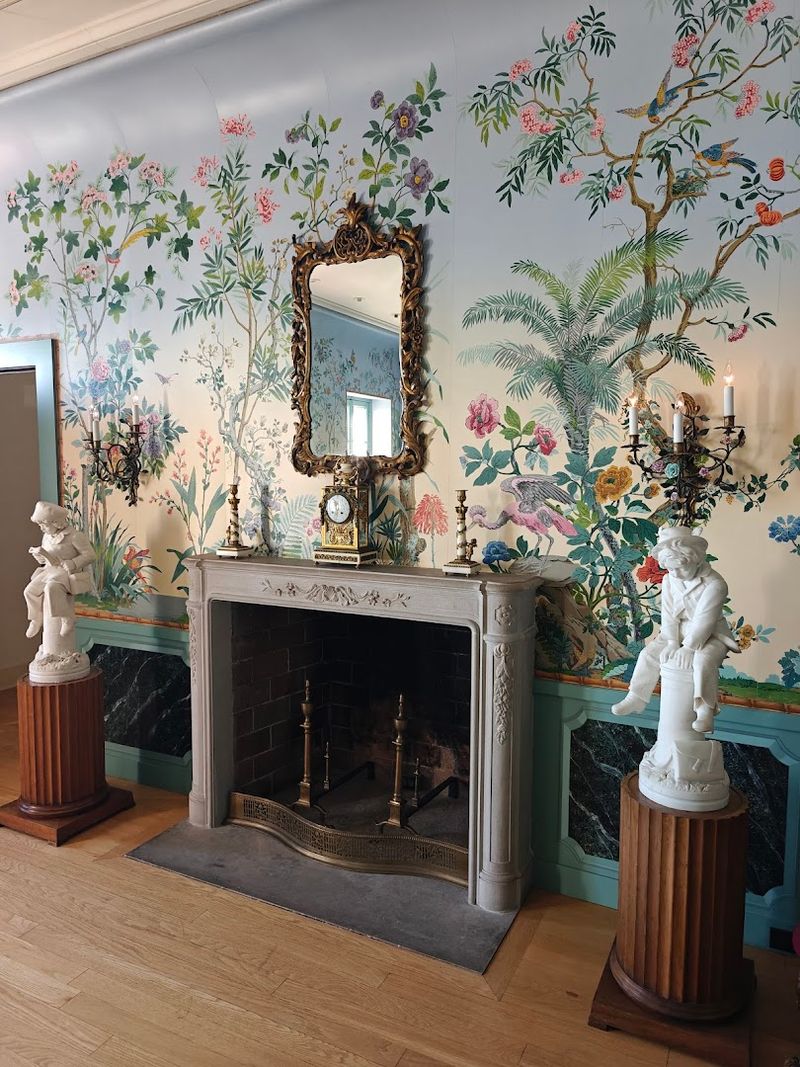
Museum collections at Villa Terrace focus on decorative arts from the fifteenth through eighteenth centuries, filling the rooms with objects that complement the building’s architectural character. Furniture, ceramics, textiles, and metalwork from various European traditions create an atmosphere of accumulated refinement rather than stark museum display.
The objects occupy spaces designed for residential living, allowing visitors to imagine how such items functioned in their original domestic contexts.
Display methods throughout the villa balance educational goals with aesthetic presentation, avoiding the clinical approach of some modern museums. Period rooms show how different decorative traditions combined in wealthy households, where owners collected objects from multiple sources and eras.
The decorative arts collection transforms the villa from an empty architectural shell into a furnished environment that suggests the lifestyle and tastes of its original occupants and their European counterparts.
The Collection Includes Fine And Decorative Arts From Earlier Centuries
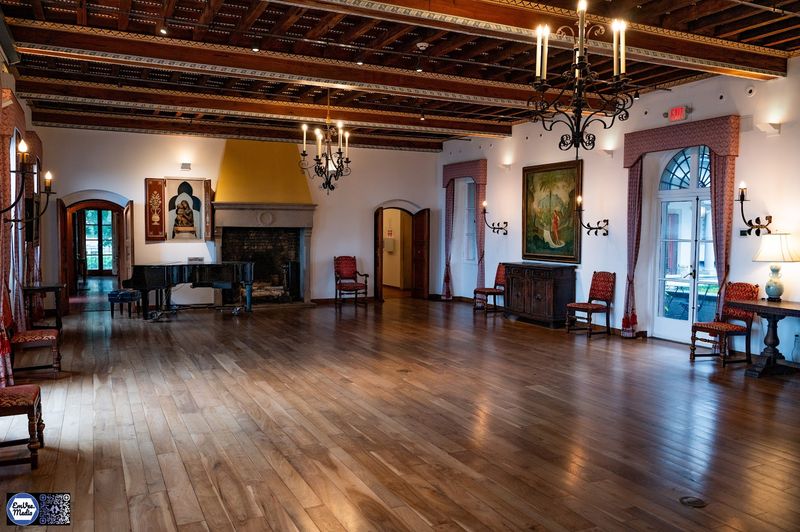
Art holdings at Villa Terrace span several centuries of European production, concentrating on periods when decorative and fine arts achieved high levels of technical accomplishment. Paintings, sculptures, and applied arts from the Renaissance through the eighteenth century form the core of the permanent collection.
These objects arrived through various means, including the original Smith family acquisitions and subsequent donations that expanded the museum’s holdings after it opened to the public.
The chronological range allows visitors to trace stylistic developments across time and geography, seeing how artistic traditions evolved and influenced one another. Museum staff rotate displays and organize temporary exhibitions that highlight specific aspects of the collection or bring in related works from other institutions.
The combination of permanent holdings and changing exhibitions provides reasons for repeated visits and deeper engagement with European artistic traditions during their most influential periods.
Cyril Colnik’s Wrought Iron Work Adds Historic Detail
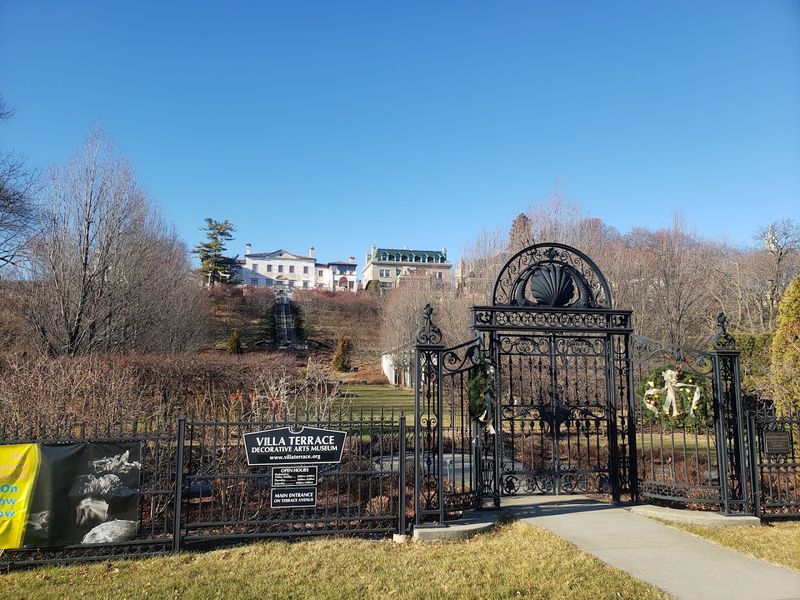
Cyril Colnik worked as one of Milwaukee’s most accomplished metalworkers during the early twentieth century, and his wrought iron pieces appear throughout Villa Terrace. The craftsman created both functional and decorative elements, from gates and railings to more elaborate architectural details that demonstrate the highest levels of metalworking skill.
His work represents a tradition of handcrafted architectural ornamentation that largely disappeared as construction methods industrialized and labor costs increased.
Examining Colnik’s ironwork reveals the technical mastery required to shape metal into flowing, organic forms that complement the villa’s classical architecture. Each piece required careful planning, heating, hammering, and finishing to achieve the desired effect.
The survival of these elements allows contemporary visitors to appreciate craftsmanship standards that defined luxury construction during the villa’s original era. Colnik’s contribution extends beyond mere decoration, adding textural richness and human touch to the building’s refined architectural composition.
It Became A Public Museum In The 1960s
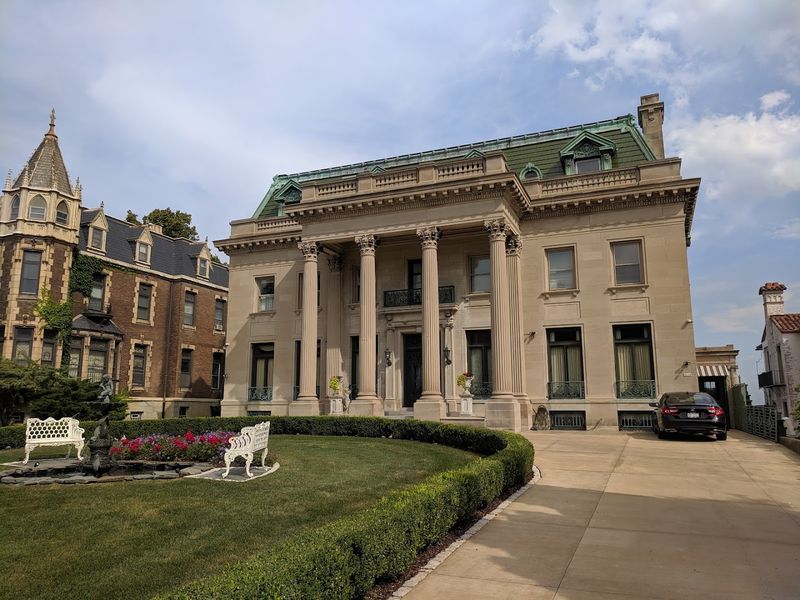
Villa Terrace transitioned from private residence to public institution during the 1960s, joining other historic homes that became museums as changing economic conditions made maintaining such properties increasingly difficult for individual families. The conversion preserved both the architecture and the art collection while making them accessible to a broader audience.
Milwaukee gained a cultural resource that provided education and enrichment opportunities while protecting an important example of 1920s residential architecture from demolition or insensitive alteration.
Operating as a museum required adapting spaces designed for private living to accommodate public visitation, including adding appropriate lighting, climate control, and accessibility features. The institution developed educational programming, organized exhibitions, and established conservation protocols to protect the building and its collections.
Decades of public operation have made Villa Terrace a recognized part of Milwaukee’s cultural landscape, introducing generations of visitors to European art traditions and American architectural history.