
This Heartwarming Wisconsin Sanctuary Is A Safe Haven For Rescued Animals
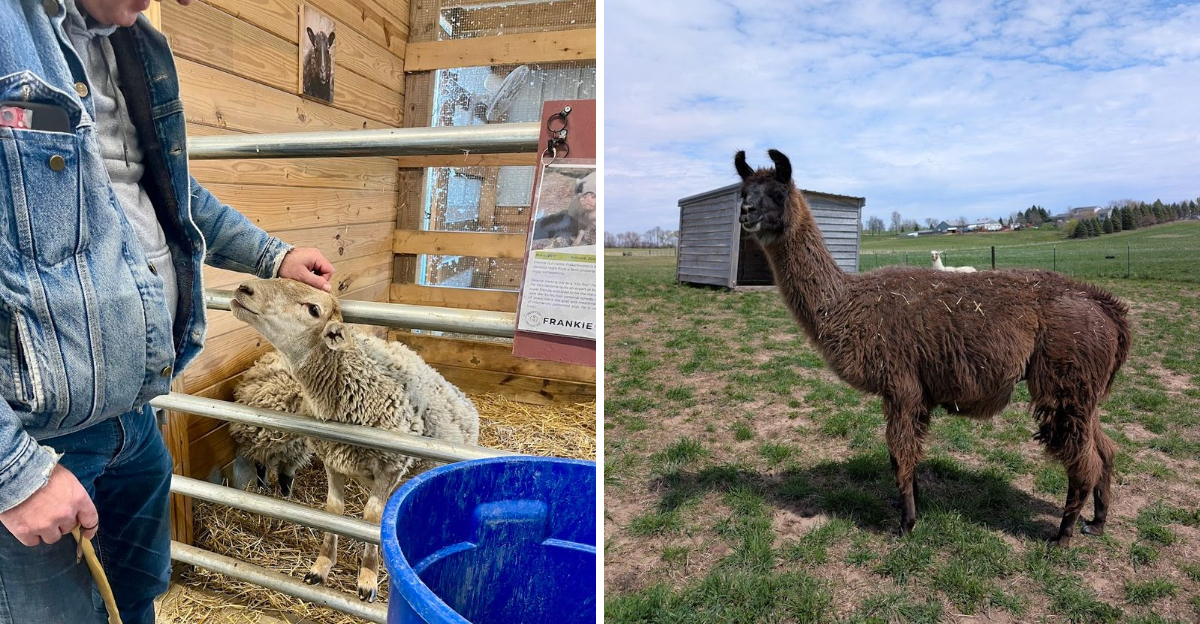
A muddy hoofprint can tell quite a story. Just outside Madison, one Wisconsin sanctuary gives farm animals a chance to enjoy a safer, more peaceful life while helping visitors see them in a whole new way.
Pigs nap in the grass, goats greet newcomers with curiosity, and cows spend their days doing exactly what cows should be doing. Every animal has its own personality, which quickly becomes clear during a visit.
The experience feels less like a traditional attraction and more like spending time with old friends who happen to have four legs. People often arrive expecting cute animals and leave with a deeper appreciation for them.
That mix of compassion, education, and connection is what makes this Wisconsin sanctuary so memorable.
It Gives Rescued Farm Animals A Permanent Safe Home
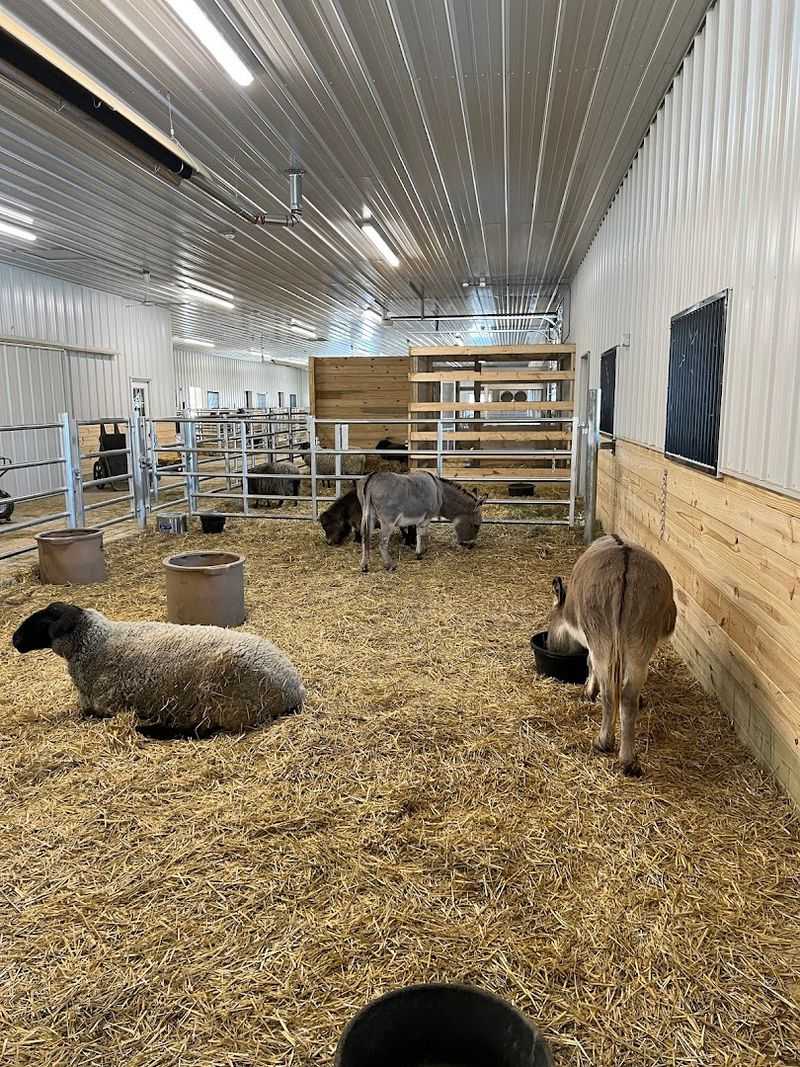
Permanence matters when you have spent your entire existence uncertain about tomorrow. Animals arriving at this sanctuary discover something farm creatures rarely experience: the guarantee of lifelong care.
The facility does not operate as a temporary shelter or adoption center but as a final destination for beings who have already traveled too far through hardship.
Each resident receives individualized attention based on their specific needs and history. Some require ongoing medical treatment for old injuries.
Others simply need time and space to remember what safety feels like. The staff approaches every arrival as a long-term commitment rather than a short-term project.
Located at 424 US-51 in Stoughton, the sanctuary continues expanding its capacity to welcome more residents. Financial support comes entirely from donations and tour fees, making every visitor contribution directly meaningful.
The animals themselves seem to understand they have finally found their forever home.
The Sanctuary Cares For Pigs, Goats, Sheep, Cows, And More
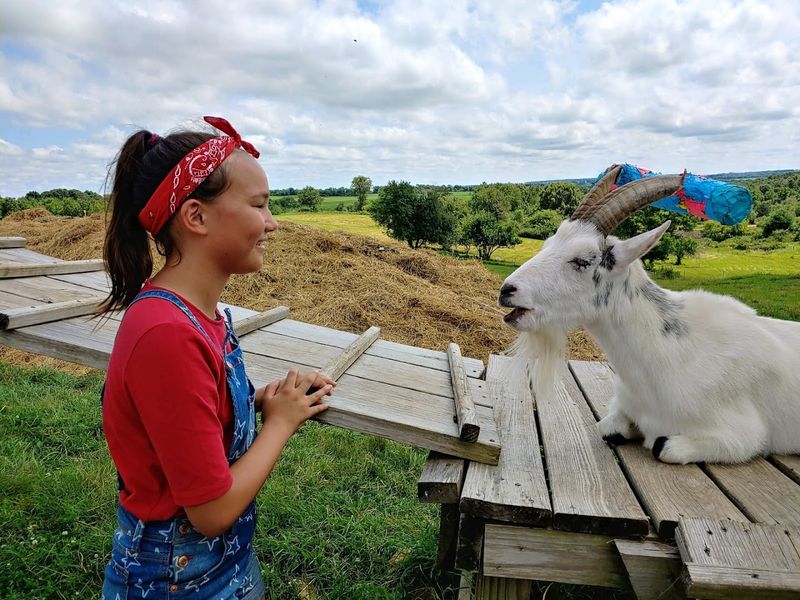
Biological diversity defines the population here in ways most farms never achieve. Pigs root contentedly in designated areas while goats practice their climbing skills on specially built structures.
Sheep graze in companionable clusters, and cows rest in the shade of mature trees, their days of production demands permanently behind them.
The variety extends beyond species to individual personality. Francis the sheep possesses a distinct temperament from the turkey who approaches visitors with bold curiosity.
Esther the goat follows tour groups with an enthusiasm that suggests she might have missed her calling as a guide. Even within species, no two residents behave identically.
This collection of different animals creates an educational opportunity rarely available elsewhere. Children accustomed to seeing farm animals only in books encounter the reality of their intelligence and emotional complexity.
The sanctuary population grows strategically, welcoming new species as space and resources allow.
Many Animals Arrive After Neglect, Injury, Or Abandonment
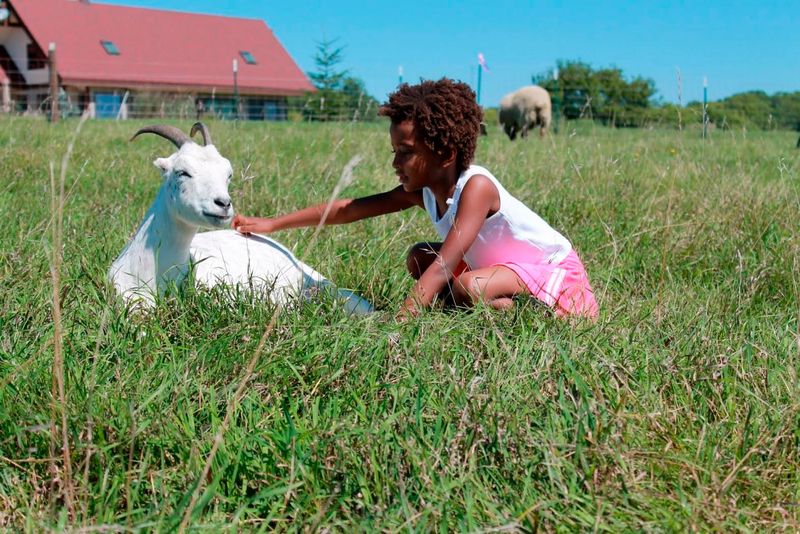
Origin stories here rarely begin happily. Some residents survived outright neglect, arriving malnourished and frightened of human contact.
Others came with injuries that previous owners chose not to treat. A few were simply abandoned when they no longer served their original purpose or became inconvenient to maintain.
The transformation from traumatized arrival to thriving resident takes different amounts of time for each animal. Physical wounds heal faster than emotional ones, though both require patient, consistent care.
Staff members document these journeys, creating narratives that help visitors understand the resilience these creatures possess.
One chicken arrived after weeks of survival in the wild, growing increasingly trusting of the person who fed him daily before his rescue. Betty White the animal found sanctuary here through the kindness of strangers who recognized she deserved better.
These individual stories accumulate into a larger truth about human responsibility toward vulnerable beings.
The Mission Goes Beyond Rescue
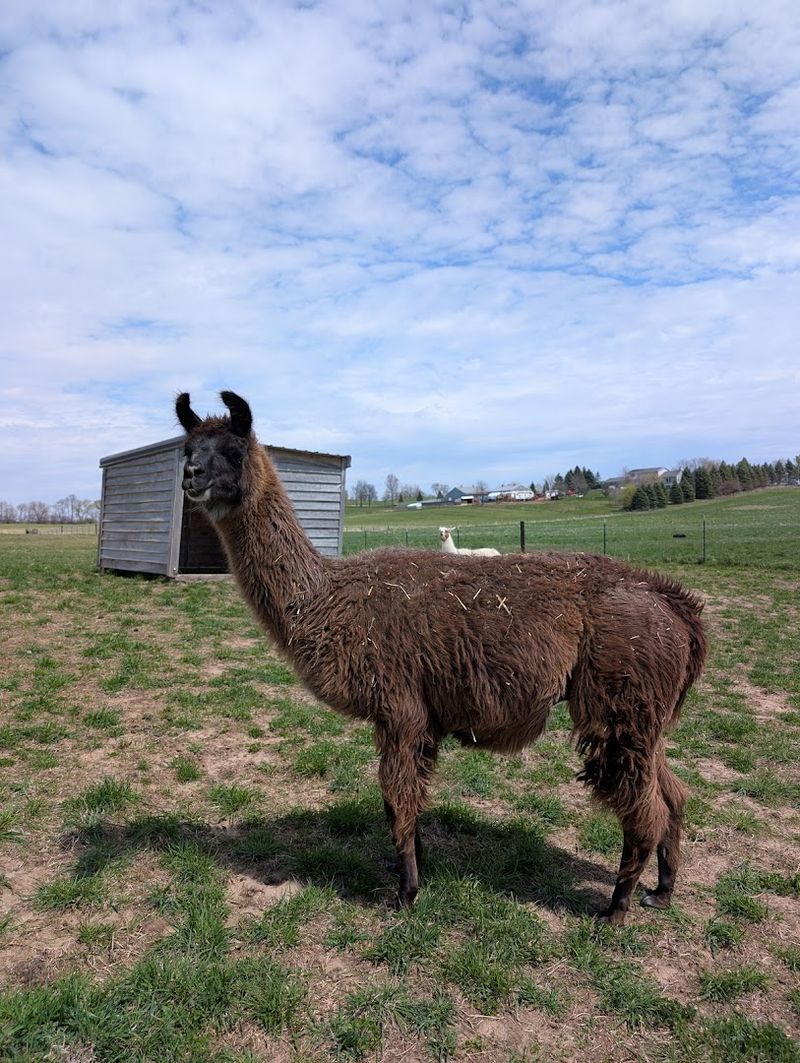
Saving individual animals represents only the beginning of what happens here. The broader purpose involves changing how people think about farm animals entirely, shifting perception from commodity to individual.
Every tour, every educational program, every volunteer shift contributes to this larger cultural conversation.
The sanctuary challenges visitors to examine assumptions they may have held their entire lives. Spending time with intelligent, emotional pigs tends to complicate simple narratives about food production.
Watching sheep interact with their preferred companions raises questions about the inner lives of animals humans typically ignore.
Staff members approach this educational mission without aggression but with undeniable clarity. They share facts about animal cognition and emotional capacity, then allow visitors to draw their own conclusions.
The animals themselves prove more persuasive than any lecture could ever be, simply by being visible, alive, and undeniably present.
Visitors Can Meet The Animals During Tours And Events
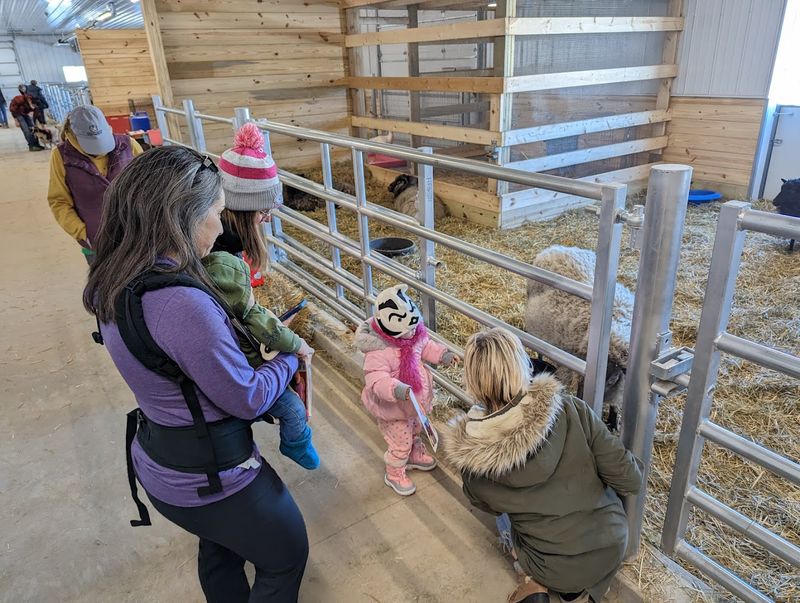
Public access happens through structured tours that protect both animals and guests. Saturday afternoon sessions allow small groups to walk the property with knowledgeable guides who share individual animal stories and sanctuary operations details.
Private tours can be arranged for those seeking more personalized experiences or accommodating specific scheduling needs.
The interaction level surprises most first-time visitors. You might scratch a pig with a back scratcher, an activity that proves unexpectedly popular with both species involved.
Goats named Sunflower and Opal have developed reputations as particularly friendly greeters. Creampuff the cow sometimes supervises tours from a comfortable vantage point.
Special events throughout the year provide additional opportunities for engagement. Tour guides like Callie, Carol, and Emma bring different teaching styles and areas of expertise to their presentations.
The fifteen-dollar tour fee feels remarkably reasonable given the hour-long experience and the knowledge that proceeds support ongoing animal care.
Education Is A Big Part Of The Sanctuary’s Work
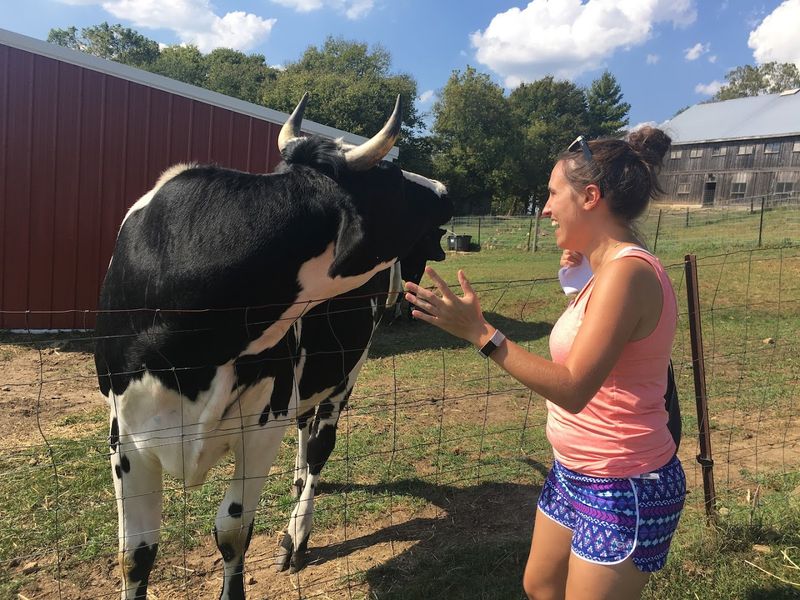
Formal learning programs extend the sanctuary’s reach beyond casual visitors. The facility functions as an outdoor classroom where abstract concepts about empathy and responsibility become concrete through direct animal interaction.
Traditional education often fails to address human relationships with other species in meaningful ways, creating a gap this sanctuary actively fills.
Programming adapts to different age groups and learning objectives. Some sessions focus on basic animal care and biology.
Others explore more complex topics like agricultural systems and ethical consumption. The common thread involves presenting information clearly while allowing participants to form their own perspectives.
Teachers and parents appreciate the hands-on nature of these educational opportunities. Reading about farm animals in textbooks cannot compare to standing beside them, observing their behavior, and recognizing their individual personalities.
Knowledge gained through direct experience tends to stick in ways that purely academic learning often does not, particularly for younger students.
Kids Can Learn Compassion Through Camps And Field Trips
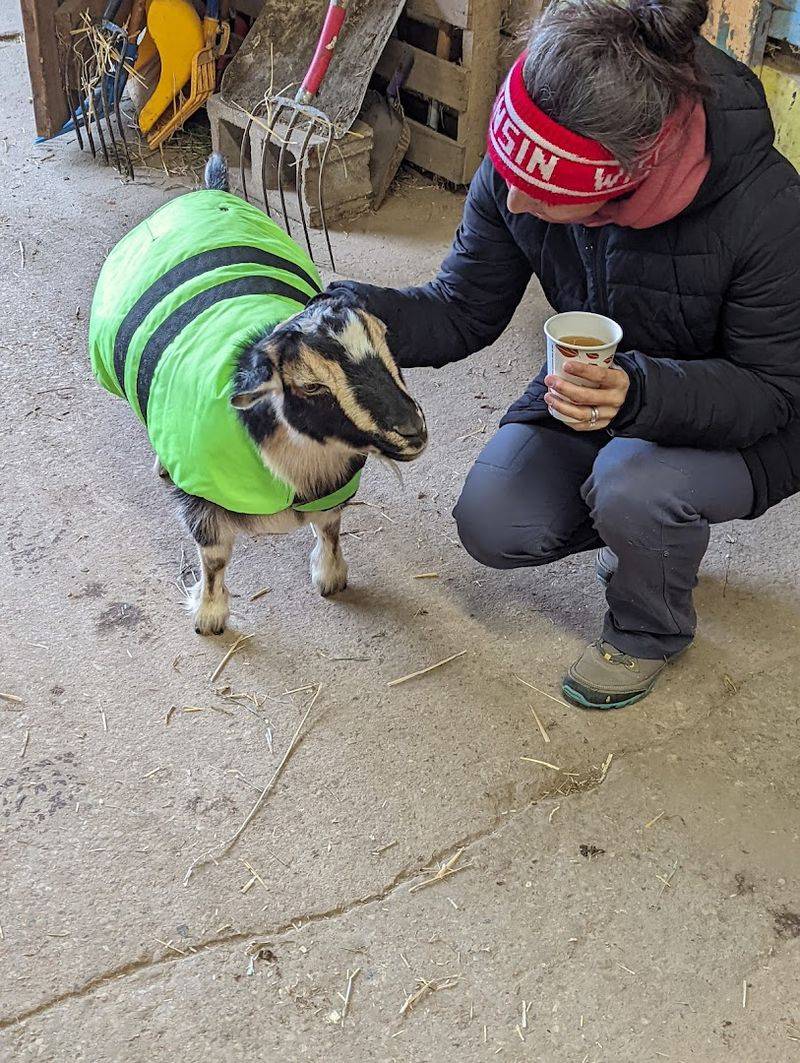
Childhood represents the ideal time to develop empathy for other living beings. The sanctuary offers specialized camps where young people spend extended time with resident animals, learning care routines and hearing rescue stories.
Field trips bring entire classrooms to the property for structured educational experiences that align with broader learning goals.
Camp activities balance fun with responsibility. Participants might help with feeding routines, observe animal behavior patterns, or assist with basic maintenance tasks appropriate for their age level.
The work feels purposeful rather than performative, giving children genuine contribution opportunities.
Parents report noticeable shifts in their children’s thinking after these experiences. The abstract idea of kindness toward animals becomes personal when you have met specific individuals with names and histories.
One young visitor could not stop talking about the pig he scratched, the memory apparently lodging itself permanently in his understanding of what pigs actually are beyond bacon jokes.
Volunteers Help Keep The Sanctuary Running
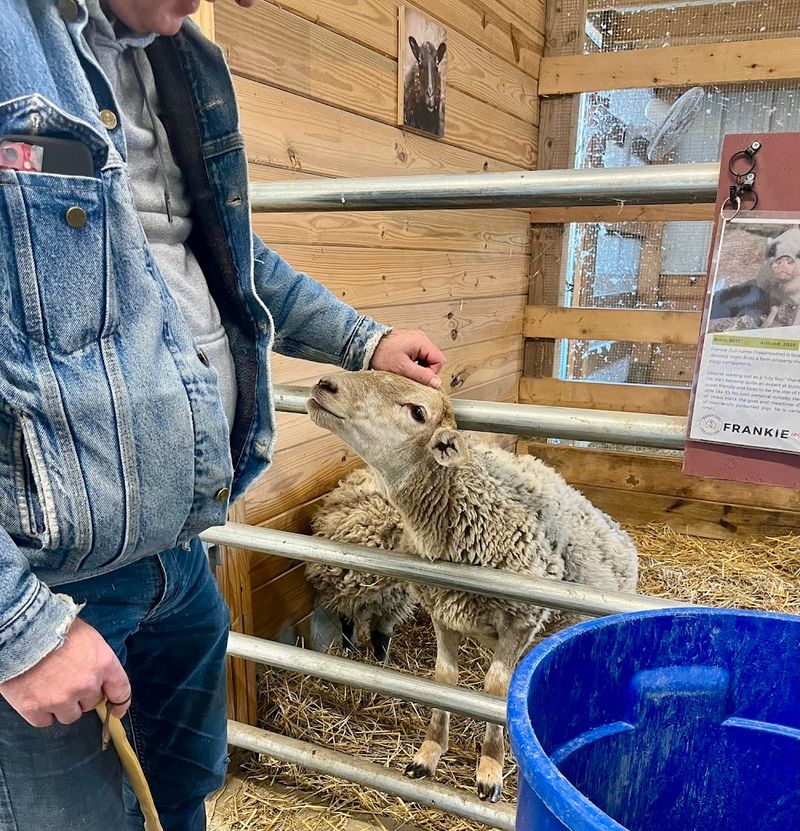
No sanctuary survives on good intentions alone. The daily reality of caring for dozens of animals requires consistent physical labor, from mucking stalls to repairing fences to preparing specialized diets.
Volunteers provide the essential workforce that makes continued operation possible, donating hours that paid staff budgets could never cover.
Opportunities exist for various skill levels and time commitments. Sunday work crews tackle larger projects requiring multiple hands.
Weeknight drop-in sessions allow people with unpredictable schedules to contribute when available. Some volunteers develop specializations, becoming experts in particular aspects of animal care or facility maintenance.
The experience benefits volunteers as much as the sanctuary itself. Spending time in purposeful physical labor alongside like-minded people creates community in ways modern life rarely facilitates.
Many volunteers describe their sanctuary hours as therapeutic, a chance to disconnect from screens and deadlines while connecting with living beings who demand nothing beyond basic kindness.
Animal Stories Make Every Visit Feel Personal
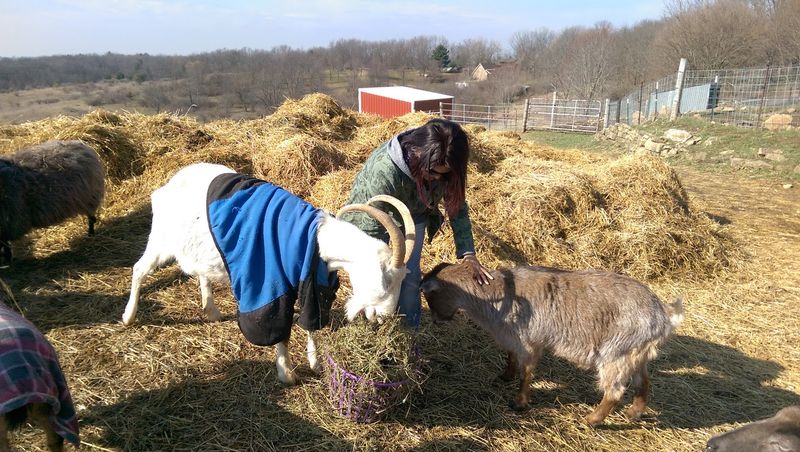
Statistics about animal suffering remain abstract until attached to specific faces and names. The sanctuary excels at storytelling, presenting each resident as an individual with a distinct past and personality.
You do not meet generic farm animals here but rather particular beings who happened to survive particular circumstances.
Guides share these narratives during tours, explaining how one donkey positions himself near a fence to stay close to his sheep companion. They describe the turkey who approaches visitors with confident curiosity, behavior that suggests either boldness or previous positive human contact.
They point out which goat rams his food dish for attention, a quirk that visitors find both amusing and oddly relatable.
These stories transform the visitor experience from observation to emotional investment. People remember Francis the sheep and Esther the goat long after forgetting general sanctuary statistics.
The personal connection makes abstract advocacy concrete, turning passive sympathy into active concern for these specific lives.
It Offers A Peaceful Escape Just Outside Madison
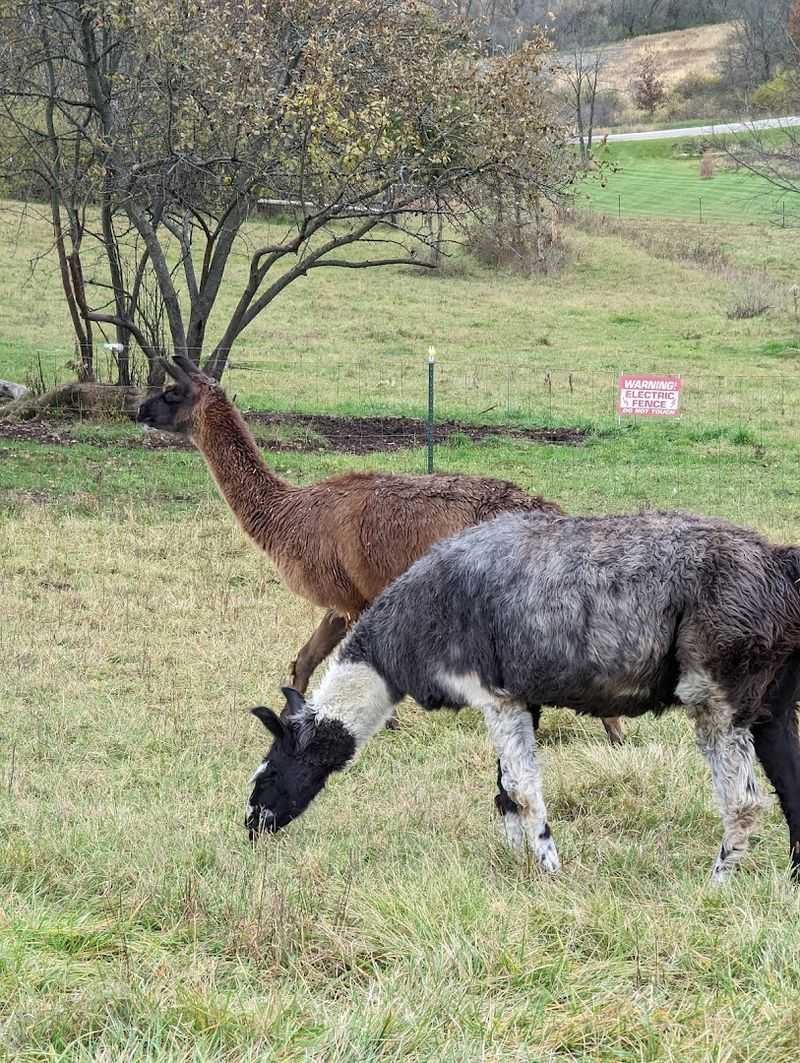
Geography matters when seeking respite from urban intensity. The sanctuary sits close enough to Madison for easy access but far enough to feel genuinely rural.
The drive down US-51 transitions gradually from suburban development to agricultural landscape, preparing visitors mentally for the slower pace ahead.
The property itself radiates calm despite the constant activity of animal residents. Wide fields allow for wandering.
Mature trees provide shade and visual interest. The absence of commercial pressure creates space for genuine presence, a commodity increasingly rare in modern recreational experiences.
Visitors consistently describe the atmosphere as restorative. Something about watching contented animals go about their business puts human concerns into helpful perspective.
The sanctuary does not advertise itself as a wellness destination, yet many people leave feeling notably more grounded than when they arrived. The animals, having found their own peace after trauma, seem to share it generously with anyone willing to slow down and pay attention.