
This Historic Indiana Amusement Park Remains Abandoned Behind Rusted Gates
The silence here has a heavy, metallic weight that presses down on the overgrown midway. A Ferris wheel stands frozen against the sky like a giant, forgotten clock with its hands permanently snapped off.
Nature does not ask for permission before it reclaims a playground. Ivy wraps tightly around the wooden tracks of a roller coaster that once carried generations of screaming children.
This historic theme park in Indiana now exists only as a collection of echoes and fading paint. Rotting ticket booths guard an entrance where joy was once a commodity sold by the ticket stub.
You can almost hear the phantom call of calliope music filtering through the rusted iron gates. It is a modern ruin where time decided to stop moving forward decades ago.
History Of Early Indiana Amusement Parks
Before theme parks had loop-the-loop coasters and overpriced funnel cakes, Indiana had its own golden age of amusement. In the early 1900s, parks like Indianapolis’s Wonderland and Riverside drew huge crowds looking for a fun escape.
These parks were social hubs, not just thrill rides.
Rose Island Resort has one of the most interesting origin stories in the state. It started as a simple picnic spot called Fern Grove back in the 1880s.
People came out to enjoy the Ohio River views and the fresh air.
Louisville businessman David B.G. Rose purchased Fern Grove in 1923.
He transformed it into Rose Island Amusement Resort, adding rides, a pool, and entertainment. The park ran successfully for over a decade before disaster struck.
The catastrophic Ohio River flood of 1937 wiped out nearly everything. Buildings crumbled, rides washed away, and the park never reopened.
What the flood left behind became a quiet ruin slowly eaten by forest.
Today you can visit those ruins at 12500 IN-62, Charlestown, IN 47111. The site sits inside Charlestown State Park.
It is a real reminder of how quickly a thriving place can vanish from history.
Architectural Styles Of Vintage Park Structures
Old amusement parks had a very specific look that modern parks totally abandoned. Early 1900s designers loved industrial materials like plaster, reinforced concrete, and steel.
They were building for permanence, or so they thought.
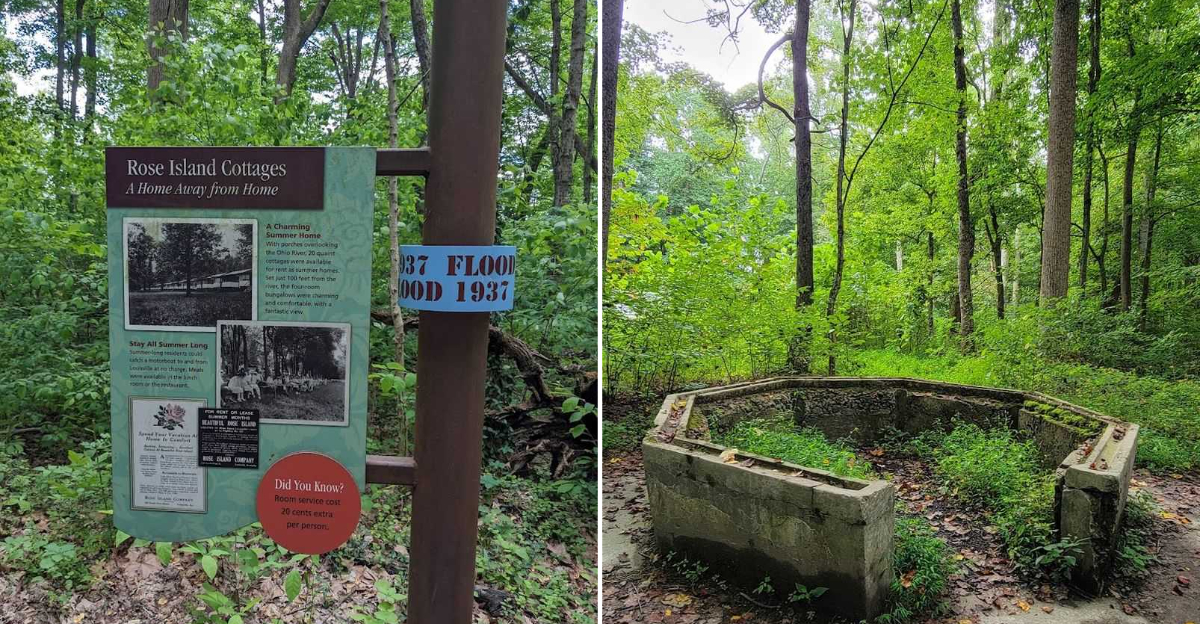
Rose Island leaned heavily into concrete construction. The large swimming pool was one of the park’s most impressive structures.
Its size alone told you that this was a serious resort destination, not just a weekend fair.
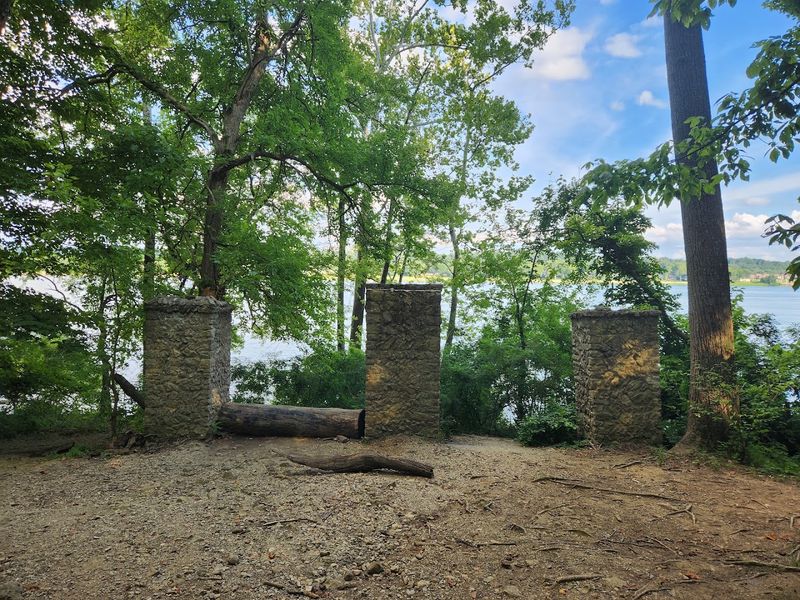
Crumbling arches still stand at what used to be the park’s entrance. Stone elements poke through the overgrowth, hinting at the grand welcome visitors once received.
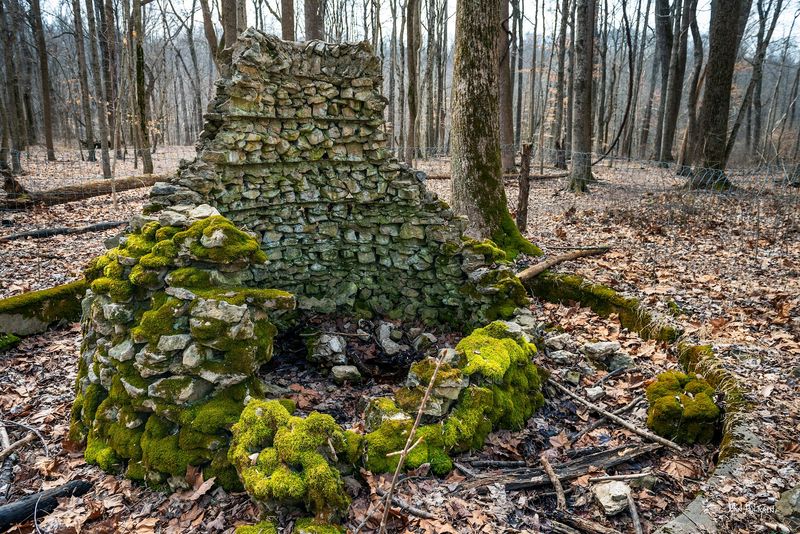
Some brick formations are still visible among the ruins today.
Walking through the site now feels like reading a sentence where most of the words are missing. You can see fragments of walls and foundations.
Your brain tries to fill in the gaps of what the full structure looked like.
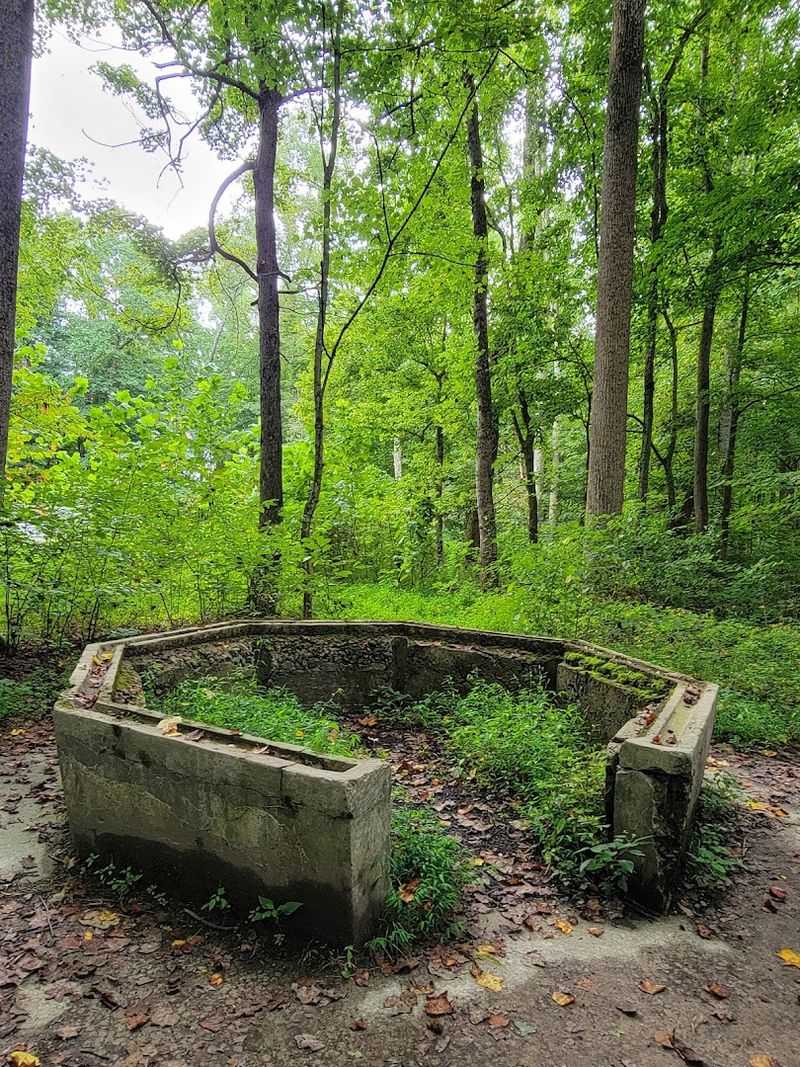
The concrete pool is arguably the most intact surviving piece of the resort. Its walls held up against the flood better than anything wooden ever could.
That says a lot about how engineers built things in the 1920s.
Vintage park architecture was meant to impress on first sight. Rose Island clearly delivered on that promise when it was alive.
The bones of that ambition are still visible if you know where to look.
Common Attractions Found In Old Amusement Parks
Rose Island Resort was not messing around when it came to entertainment. The park had a wooden roller coaster called The Devil’s Backbone.
That name alone tells you the ride was not exactly a gentle spin around the block.
A Ferris wheel gave visitors sweeping views of the Ohio River valley. The large swimming pool was a major draw during hot Indiana summers.
People traveled from Louisville and beyond just to cool off there.
The dance hall doubled as a roller skating rink depending on the night. That kind of flexibility was common in early parks trying to attract different crowds.
You could skate one evening and dance the next.
Rose Island also had a zoo featuring a black bear named Teddy Roosevelt. Kids could ride Shetland ponies around the grounds.
A shooting gallery and an 18-hole golf course rounded out the experience.
Old amusement parks packed in variety because they had to compete with city entertainment. Rose Island offered something for everyone in the family.
It was essentially a full resort experience at a time when that concept was still pretty new.
All of those attractions are gone now. Only the stories and the concrete pool remain.
Still, knowing what once existed here makes the ruins feel surprisingly alive.
Challenges Of Maintaining Historic Park Grounds
Keeping an abandoned historic site from completely disappearing is genuinely hard work. After Rose Island closed following the 1937 flood, the site was left to its own devices for decades.
Nature did not wait around for permission to move in.
Trees began pushing their roots through old foundations almost immediately. Vines wrapped around brick walls and pulled them apart over time.
The forest is patient and thorough in ways that maintenance crews simply cannot match.
The original swinging footbridge eventually fell into such bad shape that it had to be removed entirely. Bridges like that require constant attention to stay safe.
Without funding or ownership, there was nobody to provide that attention.
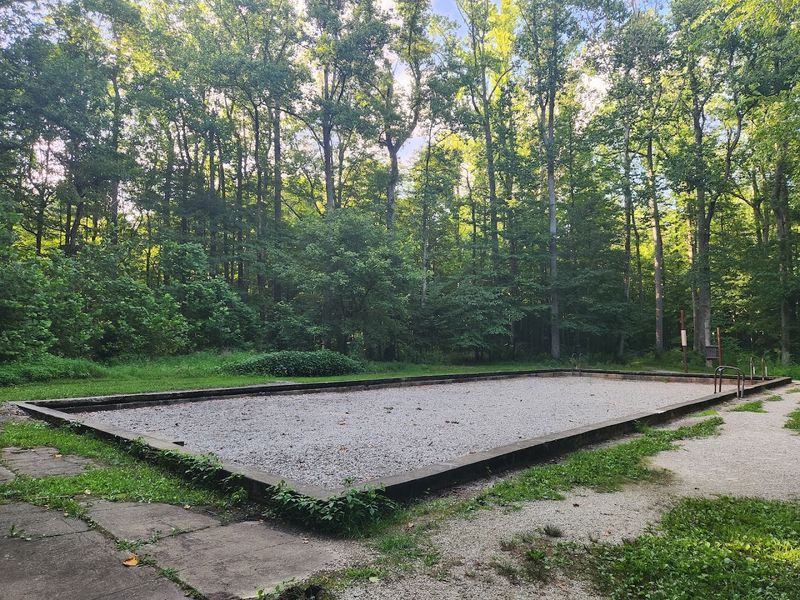
The swimming pool filled up with brackish water and rotting leaves over the years. Eventually it was filled with gravel as a safety measure.
That decision preserved the pool’s structure while eliminating a drowning hazard.
The 1937 flood had already done most of the destructive work before neglect even began. Most wooden buildings either washed away or were left in states beyond reasonable repair.
Concrete was the only material that had any real chance of surviving.
Historic preservation requires money, community will, and ongoing effort. Rose Island had none of those things for a very long time.
The overgrown ruins you see today are the direct result of that long absence of care.
Wildlife Habitats Developing In Abandoned Areas
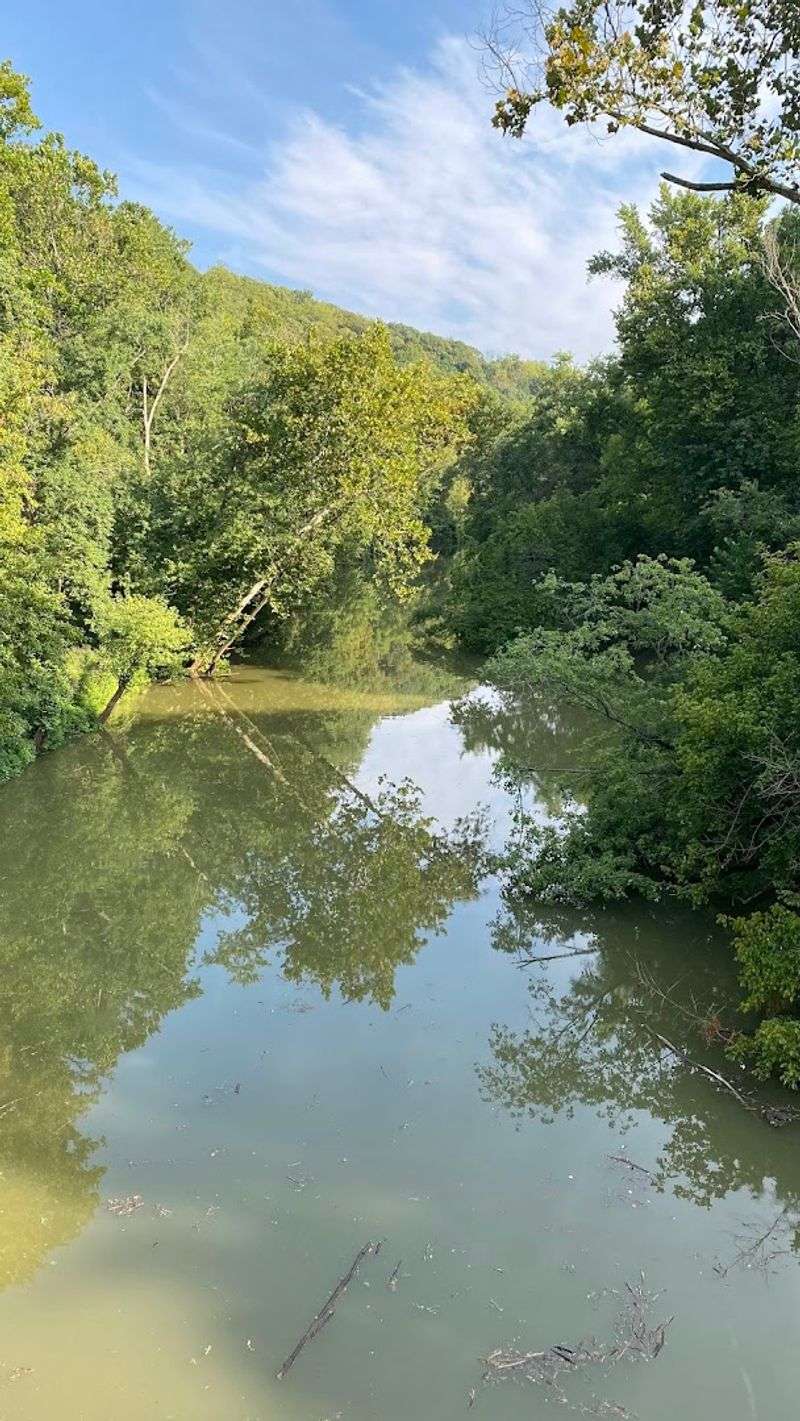
When humans leave a place alone long enough, nature throws a party. Rose Island is now almost entirely consumed by dense forest.
The ruins have become a living ecosystem that most state parks would envy.
Abandoned sites like this one become prime real estate for wildlife. Animals move into spaces where human activity has stopped.
The quiet and the cover make these places ideal for nesting, foraging, and raising young.
Charlestown State Park, where Rose Island sits, is well known for its diverse bird species. Birders come out specifically to spot species that prefer wooded, undisturbed habitats.
The old park ruins provide perfect perching spots and nesting locations.
Deer move freely through the old foundations. Foxes and raccoons patrol the overgrown pathways at night.
The swimming pool basin, now filled with gravel and plant growth, attracts insects and the birds that eat them.
The forest canopy has grown thick enough to block most of the sunlight. That creates a cool, shaded microclimate that supports ferns, mosses, and shade-loving plants.
It feels nothing like a former amusement park.
There is something genuinely wonderful about watching nature rebuild an ecosystem on top of human history. Rose Island is proof that abandonment does not mean death.
It can actually mean a very different kind of life taking hold.
Safety Concerns Around Derelict Entertainment Sites
Abandoned places look exciting, but they come with real risks that are easy to underestimate. Derelict structures can collapse without warning.
Floors rot, walls lean, and old metal rusts into sharp, jagged edges.
Rose Island has been managed with safety in mind since it became part of Charlestown State Park. The swimming pool was filled with gravel specifically to eliminate the risk of someone falling into a water-filled basin.
That was a smart and practical call.
The original swinging footbridge was removed because it had become structurally unreliable. Leaving it in place would have invited people to attempt a crossing that could have ended badly.
Sometimes the safest thing is to take something away entirely.
The steep trail down to Rose Island comes with its own hazards. Visitors are warned at the trailhead about the challenging uphill return.
That warning is not decoration. People have found the climb genuinely exhausting.
The alternate trail back is not easier, despite what some signage suggests. Multiple hikers have described it as muddy, rocky, and steep in unexpected places.
Solid footwear is not optional here.
The park has struck a balance between preservation and accessibility. It does not over-restore the ruins, but it also does not leave visitors completely on their own.
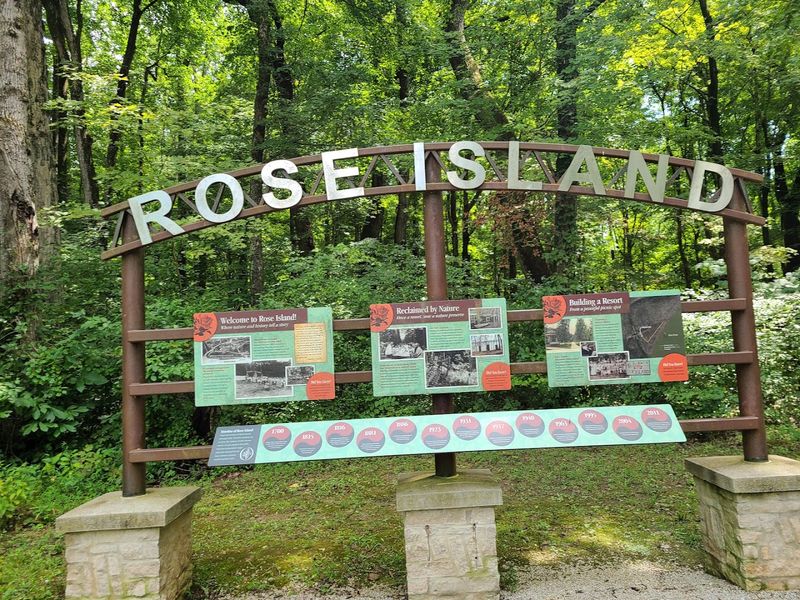
Interpretive signs and maintained paths keep the experience safe and educational without removing the sense of discovery.
Community Efforts To Revive Heritage Attractions
Rose Island sat forgotten for decades before anyone figured out what to do with it. The Lions Club tried to purchase the land for a state park as early as 1939.
That effort did not pan out, but it showed early community interest in saving the site.
A 1963 proposal to revive Rose Island as a functioning amusement park was considered seriously. The idea was ultimately scrapped because the costs were too high.
Rebuilding a flood-damaged resort from scratch is not a budget-friendly project.
The real turning point came in 1995 when Rose Island became part of Charlestown State Park. The Indiana DNR took over management of the site.
That gave the ruins a real future as a preserved historic landmark.
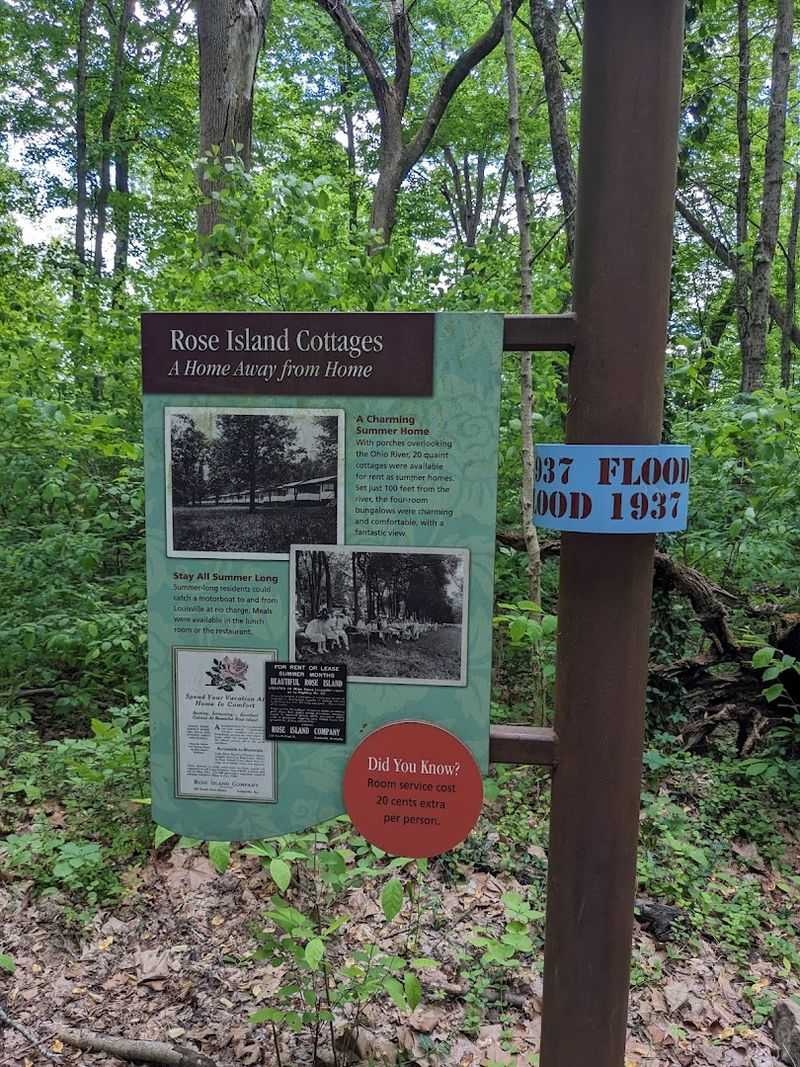
The state added walking paths and interpretive signs to help visitors understand what they were looking at. Without those signs, most people would just see a forest with some old concrete in it.
The context makes all the difference.
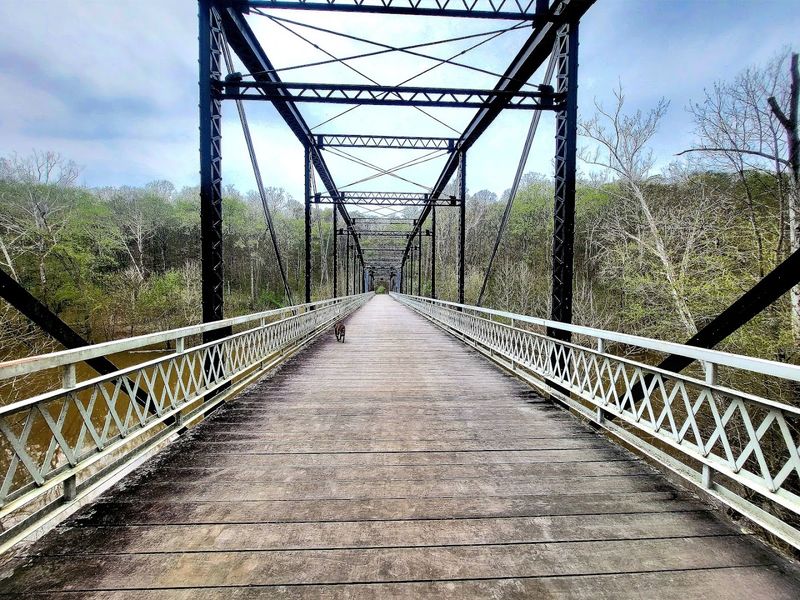
In 2011, the historic Portersville Bridge was relocated and reconstructed to provide proper access to the island. That project made visiting significantly easier and safer.
It also gave the site a beautiful, historic entryway that fits the atmosphere perfectly.
Guided tours are now offered through the park, and they are genuinely worth taking. A good guide brings the ruins to life in a way that a sign simply cannot.
The community kept showing up for this place, and it shows.
Impact Of Time On Park Machinery And Equipment
The 1937 flood did not just damage Rose Island. It essentially erased most of it in one brutal event.
Wooden structures, ride machinery, and equipment all disappeared within days of the water rising.
The wooden roller coaster called The Devil’s Backbone was gone almost immediately. Wood soaked in floodwater does not survive long.
Even without the flood, wooden coasters from that era required constant rebuilding just to stay operational.
Metal fared a little better, but not by much. The swimming pool still has its original metal ladders, now rusted and bent.
They curve out of the gravel-filled basin like frozen relics from another century.
Concrete proved to be the only real survivor. The pool walls are still largely intact after nearly ninety years.
That is a testament to 1920s construction quality and the sheer density of reinforced concrete.
Vines and moss have colonized every remaining surface. Tree roots have pushed through foundation edges and cracked old walkways.
The site is in a constant slow-motion process of being reclaimed.
There is something almost poetic about watching time work on a place like this. The machinery is gone, the rides are gone, and the laughter is long silent.
What remains is a kind of quiet monument to how fast the world can change when a river decides it has had enough. Rose Island is proof that nothing lasts forever, but some things leave a mark worth finding.