
This Historic Wisconsin Mine Tour Turns A Simple Walk Into An Underground Mystery
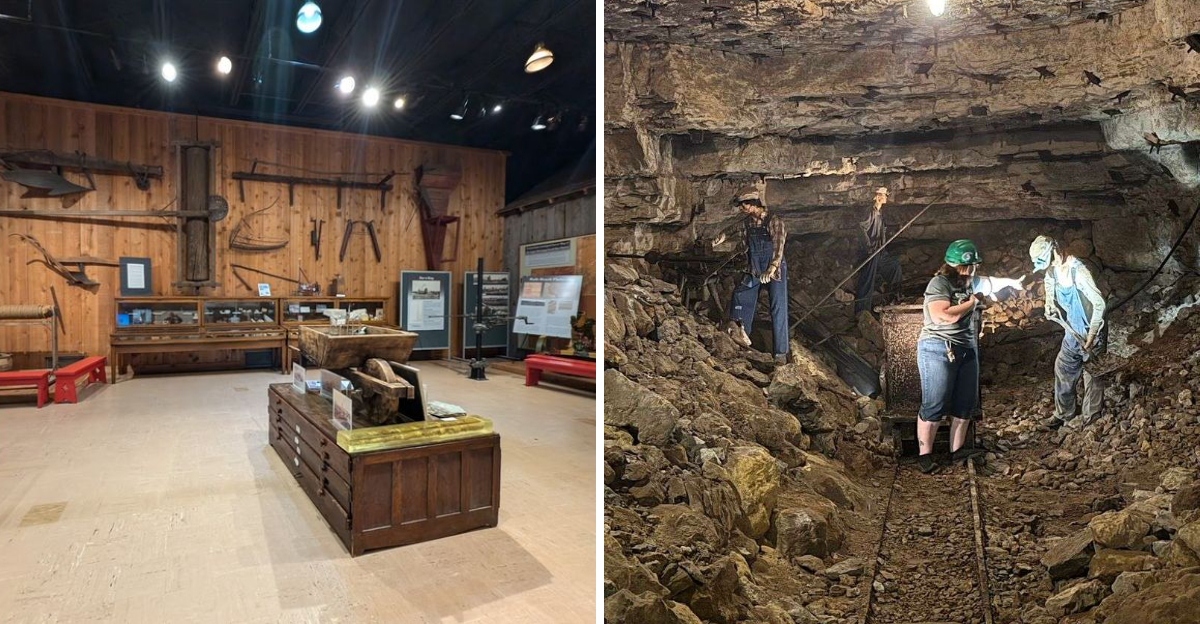
A staircase into an old mine can make a regular museum visit feel like a dare. Beneath Platteville, Wisconsin, narrow passages, rough stone, and cool underground air reveal the grit behind the state’s early mining story.
Lead and zinc shaped fortunes here, but the real fascination comes from imagining the people who worked below ground with basic tools, dim light, and plenty of nerve. Every step downward adds a little suspense.
What did it sound like? How cramped did it feel?
How did anyone spend long days under that weight of rock? This historic tour brings those questions close, mixing geology, labor, local pride, and just enough underground mystery to keep the whole visit memorable.
Visitors Walk Down 90 Steps Into The Mine
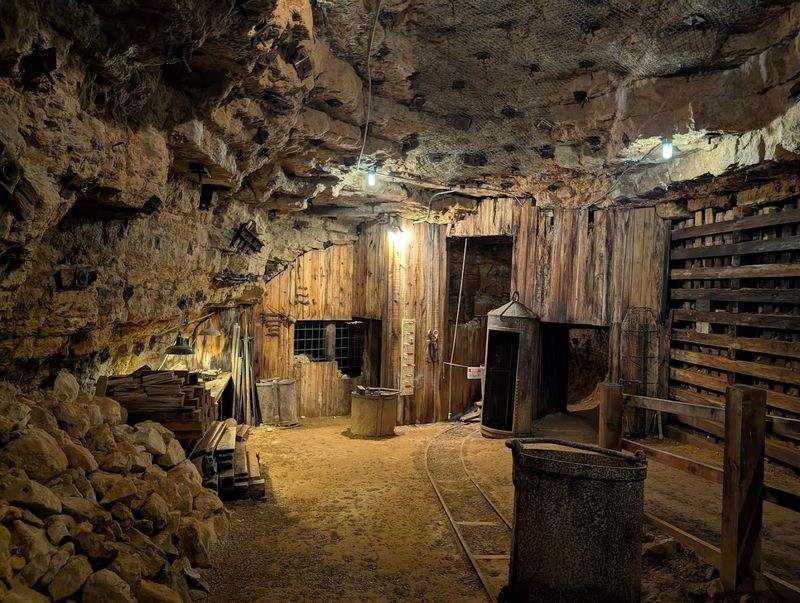
Putting on a hard hat marks the beginning of something most people never experience. The descent into the Bevans Mine starts with a sturdy staircase that winds downward through cool, damp air.
Each step takes you further from daylight and deeper into a passage carved by hand tools over a century ago.
The 90 steps might sound daunting, but solid railings guide the way. Temperatures drop noticeably as you move underground, and the sounds of the surface world fade into silence.
By the time you reach the bottom, you stand in the same space where miners once labored in near darkness, hauling ore bucket by bucket.
This physical journey downward prepares visitors for the stories waiting below. The climb back up, while requiring some effort, feels earned after witnessing what miners endured daily for years on end.
The Tour Enters The 1845 Bevans Lead-Zinc Mine
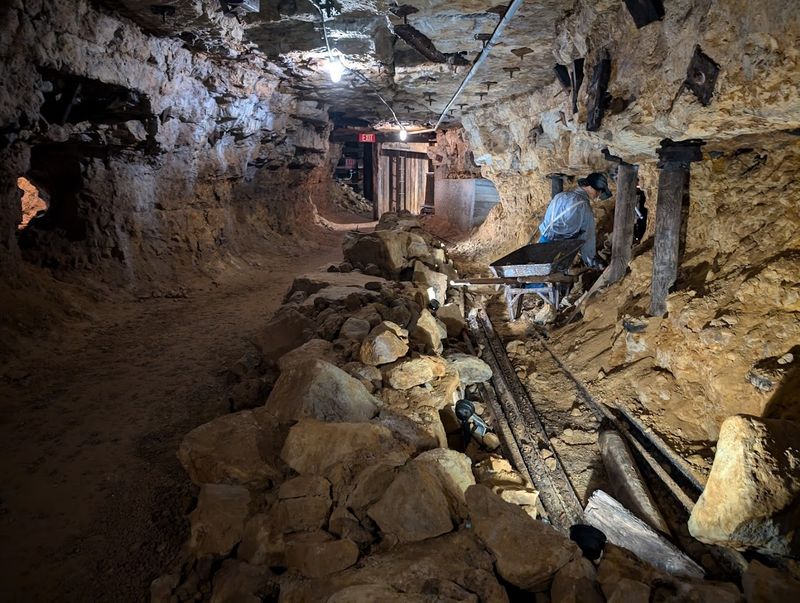
Stepping into the Bevans Mine means entering a genuine piece of Wisconsin industrial history. Operations began here in 1845, when Platteville sat at the heart of the upper Mississippi Valley’s mining boom.
The passages you walk through are the same ones miners carved using hand drills, black powder, and sheer determination.
Guides explain how workers followed veins of galena, the lead ore that made this region valuable. The mine also produced zinc, another mineral crucial to American manufacturing.
Wooden supports still stand in places, showing how miners prevented cave-ins while working in cramped, dangerous conditions.
The authenticity of this site sets it apart from reconstructed exhibits. You can see tool marks on the walls and imagine the echo of pickaxes ringing through these chambers.
At 405 East Main Street, this underground classroom teaches lessons no textbook could convey about frontier industry and human perseverance.
The Mine Tells Over 100 Years Of Local Mining History
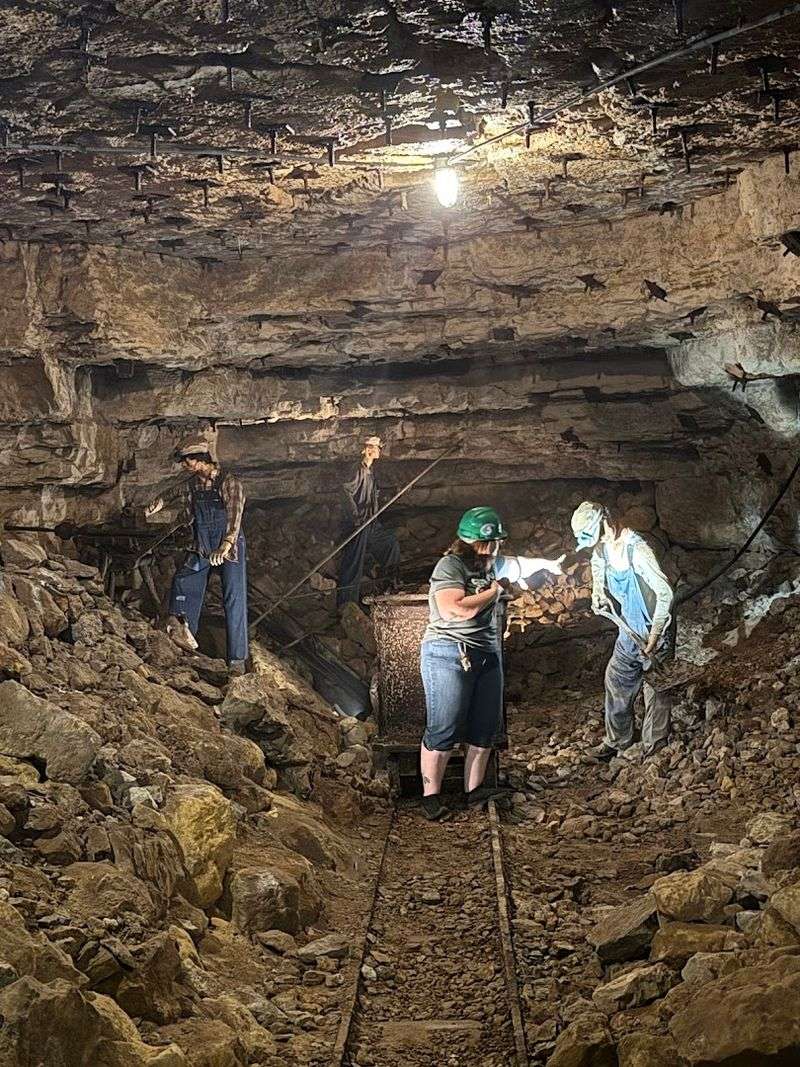
Mining defined this corner of Wisconsin for generations, and the story runs deeper than a single shaft. Lead mining brought the first wave of settlers to the region in the 1820s, earning Wisconsin its nickname as the Badger State.
Early miners lived in hillside dugouts like badgers, creating makeshift homes near their claims.
The industry evolved through technological changes and market shifts over more than a century. What began with simple hand tools progressed to steam-powered hoists and eventually mechanized drilling.
Zinc mining rose in importance during the late 1800s as industrial demand grew, and the Bevans Mine adapted to extract both metals.
By the mid-20th century, cheaper ore deposits elsewhere made local operations uneconomical. The mine closed, but its preservation allows modern visitors to understand how this underground economy shaped communities, families, and the landscape itself.
The layered history reveals boom times, hardships, and the eventual transition to new industries.
The Headframe Shows How Ore Was Hoisted Up
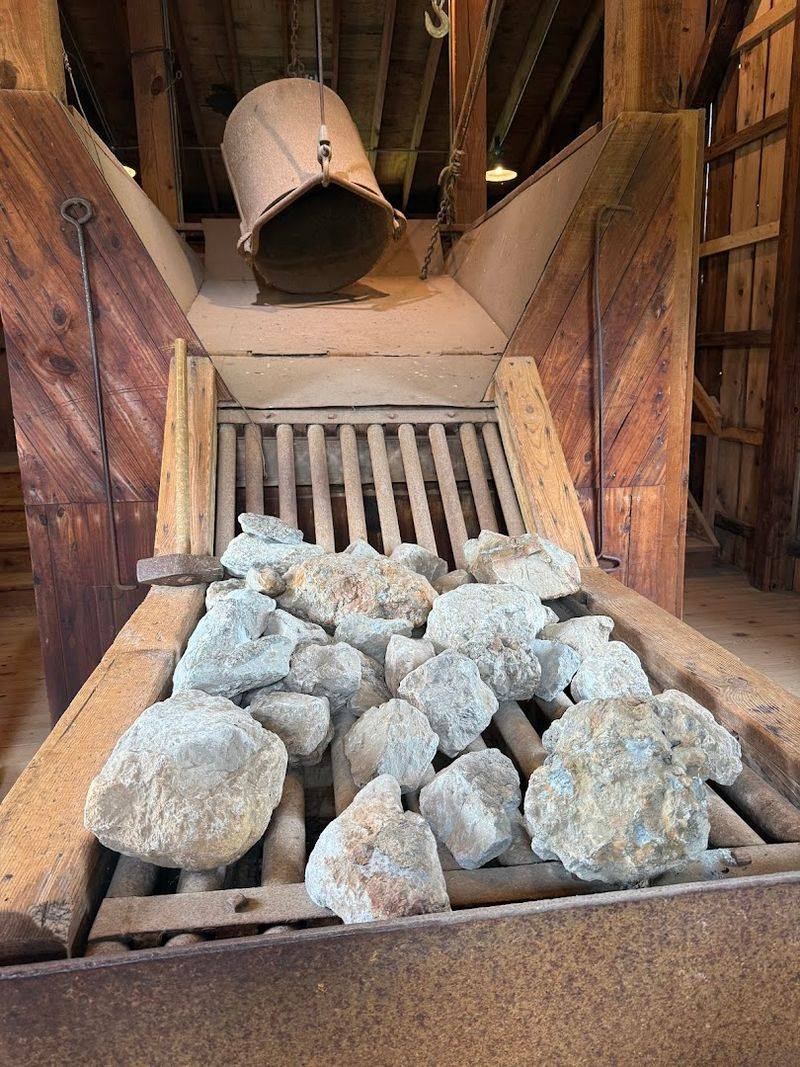
Rising above the mine entrance, the headframe stands as a silent reminder of how miners solved a fundamental problem. Getting tons of ore from deep underground to the surface required more than muscle power.
This wooden tower housed the pulley systems and cables that lifted buckets filled with lead and zinc ore from the depths below.
The engineering might seem simple by modern standards, but it represented crucial innovation. Miners loaded ore into buckets at the bottom of the shaft, and workers at the surface operated the hoist to bring it up.
The system also transported miners themselves up and down, saving them from climbing stairs with heavy tools and equipment.
Examining the headframe helps visitors grasp the physical challenges of 19th-century mining. Every pound of ore that left this mine passed through this structure, making it central to operations.
The preserved equipment demonstrates how practical problem-solving kept these dangerous enterprises running day after day.
A 1931 Mine Train Adds An Above-Ground Ride
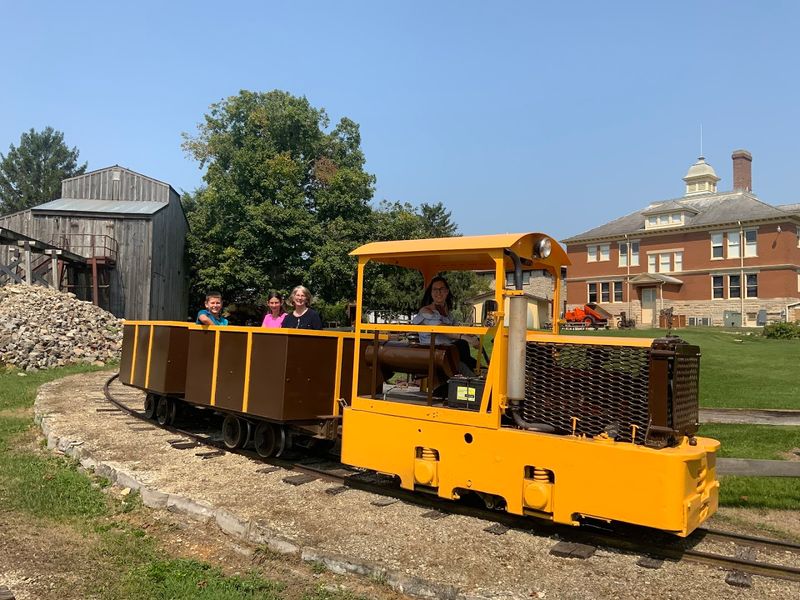
After emerging from underground, visitors can board a genuine piece of mining transportation history. The 1931 mine train originally hauled ore and equipment around mining operations, running on narrow gauge tracks designed for industrial efficiency.
Now repurposed for passengers, it offers a relaxing circuit around the museum grounds.
The train ride provides a different perspective on the mining campus. As the cars roll along, you pass historic buildings, equipment displays, and landscape features connected to mining operations.
The experience connects you to the constant movement of materials that defined daily life at active mining sites.
Children particularly enjoy this hands-on element after the underground tour. The train’s authentic character beats any modern amusement park replica, and the gentle pace allows everyone to appreciate the three-acre campus layout.
Some tour guides even let young passengers ring the bell, creating memories that outlast the visit itself.
The Museum Campus Covers Three Historic Acres
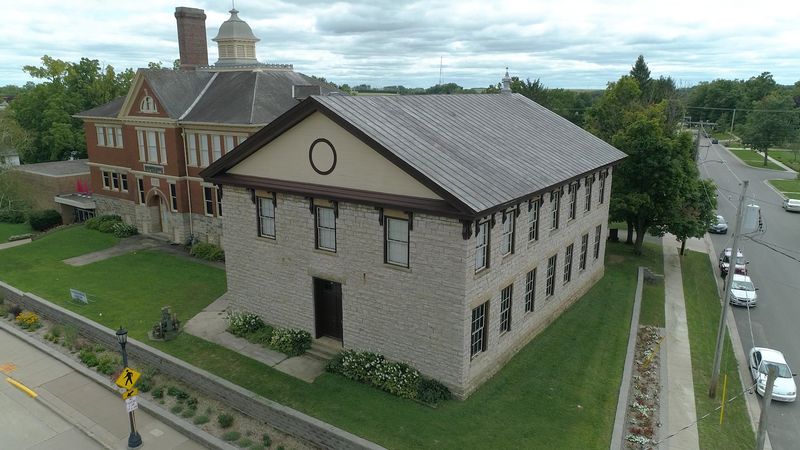
The mining experience extends far beyond a single building or mine entrance. Three full acres of carefully preserved grounds tell a comprehensive story about mining operations and community life.
Buildings, equipment, and outdoor exhibits create an interconnected landscape that shows how these enterprises functioned as complete systems.
Walking the grounds reveals the scale of mining operations. Storage buildings, equipment yards, and processing areas all played essential roles.
The layout helps visitors understand that extracting ore required extensive infrastructure and coordination among dozens of workers performing specialized tasks.
The campus also includes green spaces and picnic areas that invite longer visits. Families can take breaks between exhibits, letting children run off energy before the next guided tour.
This thoughtful design makes the museum accessible for different ages and energy levels, turning education into an enjoyable afternoon rather than a rushed march through displays.
Exhibits Explain Wisconsin’s Badger State Mining Roots
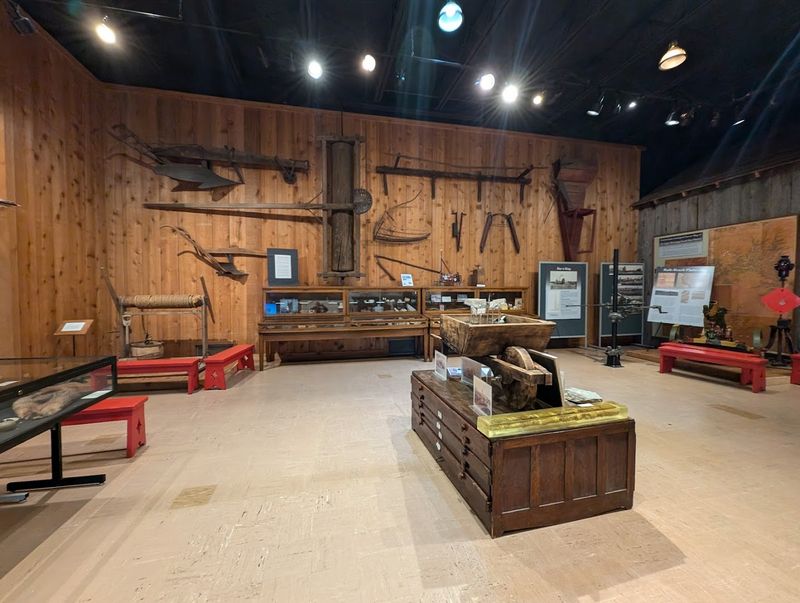
Long before Wisconsin became known for dairy farming, it earned fame for lead production. The museum’s exhibits trace this identity through artifacts, photographs, and documents that bring the mining era to life.
Interactive displays help visitors understand how the industry attracted thousands of settlers and shaped territorial development.
The Badger State nickname carries a story most people never learn in school. Early miners dug temporary shelters into hillsides while working their claims, resembling badgers burrowing into the earth.
These crude homes reflected the rough conditions of frontier mining camps, where fortunes could be made or lost based on the next shovel of dirt.
First-floor exhibits focus on mining technology and geology, explaining how ore deposits formed and how miners located them. Second-floor displays broaden the view to community life, showing how mining towns developed schools, businesses, and social structures.
The comprehensive approach reveals mining as more than just extraction, it was a complete way of life.
Rollo Jamison’s Collection Adds Local Life And Oddities
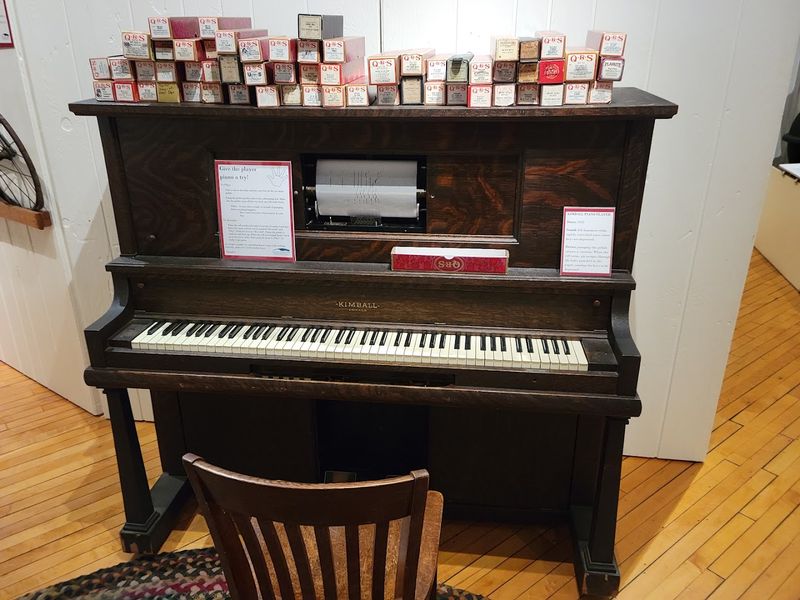
Rollo Jamison spent decades gathering artifacts that captured everyday life in southwestern Wisconsin. His collection, now part of the museum, adds personality and quirks to the mining narrative.
Visitors encounter everything from music boxes to household items, creating a time capsule of ordinary existence from the 1800s through mid-1900s.
A working player piano stands as a highlight, occasionally filling the museum with vintage melodies. These mechanical instruments once provided entertainment before radio and television, and hearing one operate connects visitors to past leisure time.
Music boxes in various sizes demonstrate the craftsmanship and ingenuity of pre-electronic entertainment.
The eclectic nature of Jamison’s collection prevents museum fatigue. After absorbing serious mining history, encountering unusual household gadgets or forgotten toys provides welcome variety.
This mix of industrial heritage and domestic artifacts paints a fuller picture of community life, showing that miners and their families were complete people with homes, hobbies, and humor beyond their dangerous work.
The Museum Store Sells Rocks, Minerals, And Regional Gifts
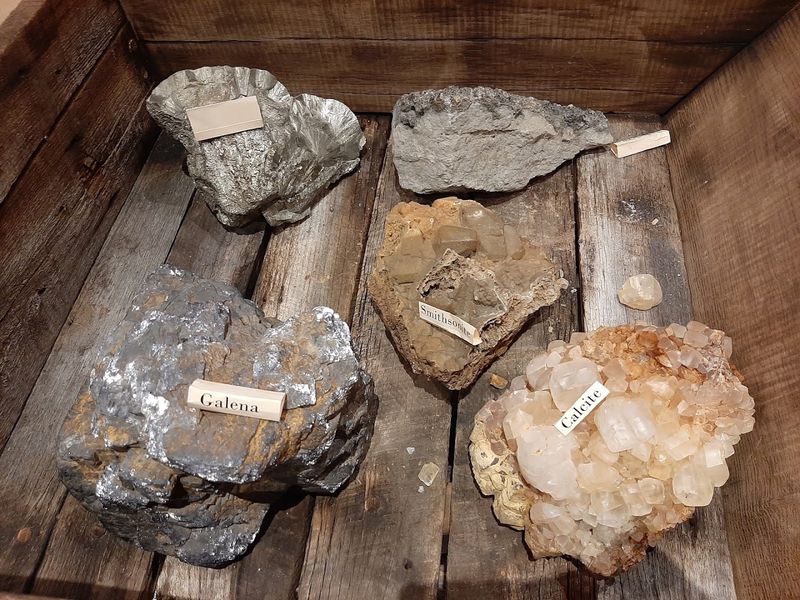
Bringing home a piece of geological history becomes possible in the museum store. The shop stocks minerals, rocks, and fossils that appeal to amateur collectors and curious children alike.
Polished stones, geodes, and ore samples connect directly to the mining themes explored throughout the exhibits.
Beyond geology, the store offers regional products and mining-themed souvenirs. Books about Wisconsin history, local crafts, and practical items like snacks and drinks serve visitors before or after tours.
The selection reflects both the museum’s educational mission and the character of southwestern Wisconsin.
Shopping here supports the museum’s ongoing operations and preservation efforts. Staff members can answer questions about minerals and suggest items appropriate for different ages and interests.
For families, picking out a small rock or fossil gives children a tangible memory of their underground adventure and might spark lasting interest in geology or history.
Picnic Grounds And Outdoor Spaces Extend The Visit
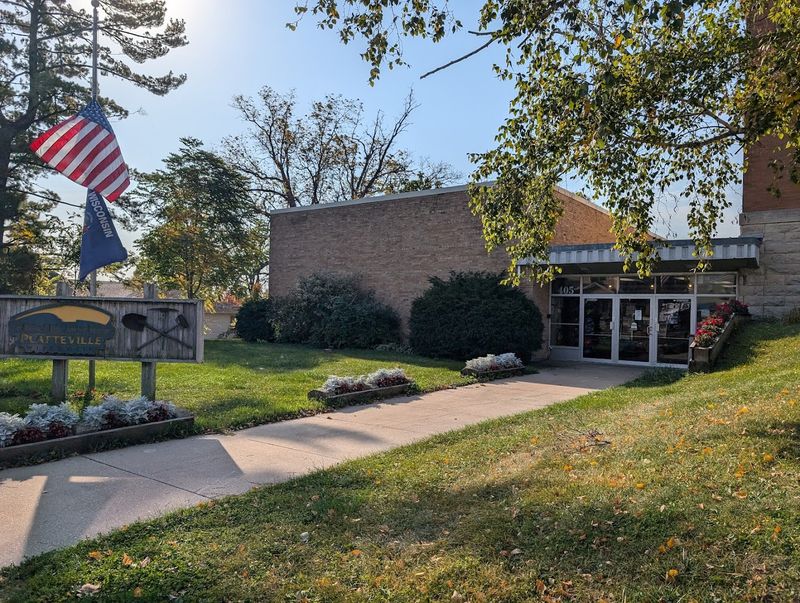
Not every moment of a museum visit needs structured activity. The grounds include picnic areas where families can rest, eat, and discuss what they’ve learned.
Shaded tables and open lawn spaces provide comfortable spots to relax between the mine tour and museum exploration.
These outdoor areas serve practical purposes beyond simple rest stops. Parents with young children appreciate having space for kids to move around after sitting through guided tours.
The casual atmosphere encourages conversations about history and helps information sink in through reflection rather than constant input.
Visiting during pleasant weather transforms the museum into an all-afternoon destination. Packing a lunch and taking advantage of the picnic grounds makes the trip more economical and relaxed.
The combination of indoor exhibits, underground tours, train rides, and outdoor space creates variety that keeps everyone engaged without feeling rushed from one attraction to the next.